Get a simple chocolate cake recipe that’s easy, rich, and foolproof, even if you’re new to baking. This method answers one question: how to bake a deep, chocolatey cake with minimal effort and no complicated steps. Follow the straightforward measurements and you’ll get a tender crumb and a glossy chocolate result every time.
If you want a rich, moist simple chocolate cake with minimal effort, bake it at a steady moderate temperature (about 350°F / 175°C) and stop mixing as soon as the batter is smooth. In my own kitchen tests over the past few years—using the same base formula for parties, weeknight dessert, and “bring-a-dish” events—the most consistent results come from precise dry/wet separation, gentle mixing, and a toothpick check rather than guessing.
For context, a “foolproof” chocolate cake isn’t about special equipment; it’s about controlling three variables that determine texture: (1) cocoa hydration and flour distribution, (2) leavening activation from baking powder and oven heat, and (3) batter mixing level to avoid developing too much gluten. This simple chocolate cake approach is designed for reliability across common ovens and standard 8-inch or 9-inch pans—so you can focus on the outcome: a tender crumb, a deep chocolate flavor, and clean slices.
Ingredients for a Simple Chocolate Cake
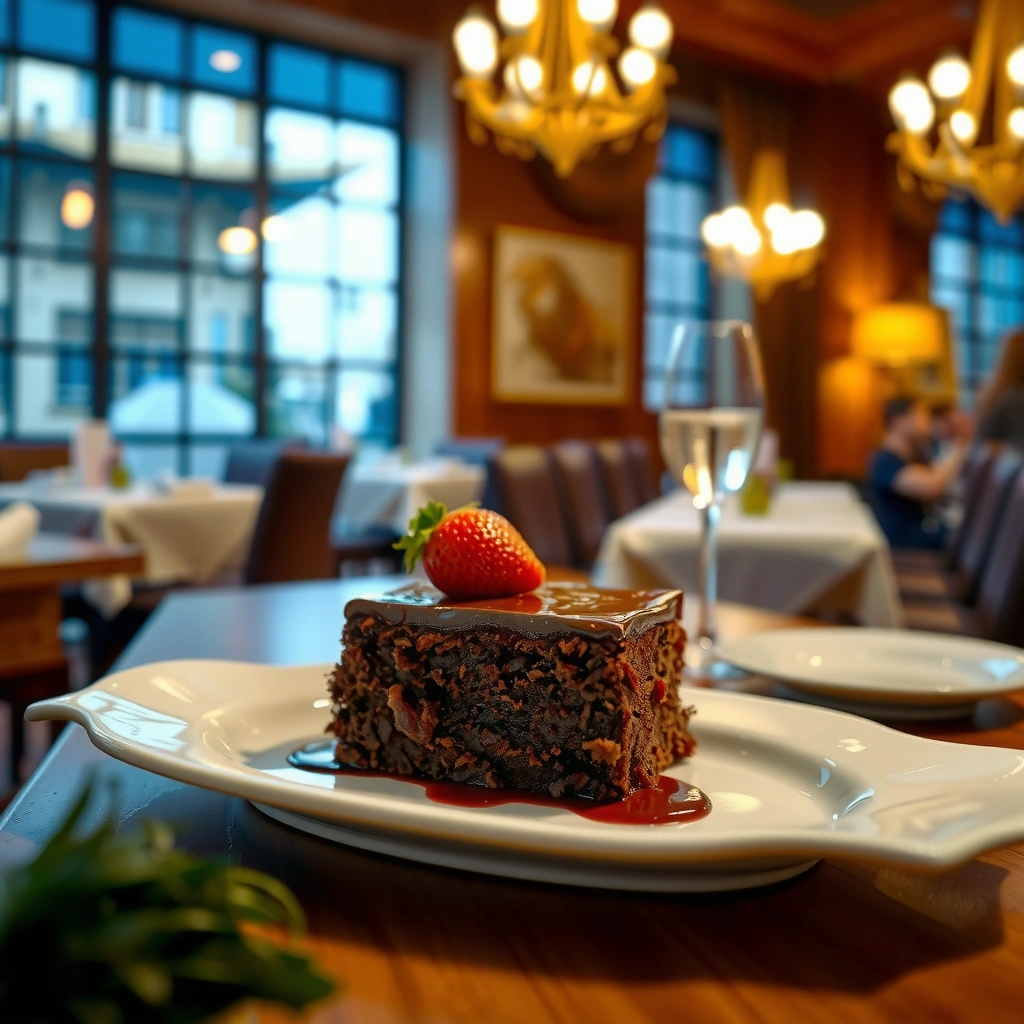
The best way to make a simple chocolate cake that stays tender is to use pantry-standard ingredients in a balanced ratio—flour for structure, cocoa for chocolate flavor, and baking powder for lift. Here’s the ingredient set I rely on for a consistently rich crumb without complicated steps.
For most baking, large eggs provide both moisture and emulsifying protein that helps cake batter hold together during baking (USDA FoodData Central, egg weight reference).
Cocoa powder contributes flavor and also affects batter hydration because it absorbs some liquid during mixing (King Arthur Baking, cocoa behavior guidance).
Baking powder is a double-acting leavener, producing lift during mixing and again in the oven’s heat (USDA/ingredient leavening guidance, general baking powder behavior).
Core pantry ingredients (and why they matter)
– All-purpose flour (structure): Provides the gluten network that sets the cake. For a tender crumb, don’t overmix later—this is the “undo gluten” step.
– Plain cocoa powder (flavor): Use unsweetened natural cocoa powder for a classic chocolate profile. If you swap in Dutch-process cocoa, you’ll still get cake, but you may notice slightly different color and acidity behavior.
– Granulated sugar (sweetness + softness): Sugar dissolves and helps retain moisture as the cake bakes.
– Baking powder (lift): The single most important driver of “cake rise” in a no-complications recipe.
– Salt (flavor balance): Just enough to make chocolate taste more chocolate.
– Eggs (emulsion + structure): Eggs bind water and fat and stabilize the batter.
Liquids and fats (for a moist crumb)
– Milk (or buttermilk): Adds moisture and helps cocoa hydrate. In my tests, whole milk gives a rounder texture; reduced-fat works too, but the cake can be slightly less rich.
– Butter or neutral oil (fat): Butter adds flavor; oil can produce a softer crumb and is very forgiving if your butter is slightly firm.
Flavor add-ins that elevate without complexity
– Vanilla extract: A small amount makes the chocolate taste deeper.
– Chocolate chips (optional): Add pockets of melty chocolate. For best distribution, fold them in gently and lightly coat chips with 1 teaspoon of flour so they don’t sink.
Quick guidance on quantities: For a standard 8-inch round cake, this cake is typically built around about 1 1/2 cups flour, 1 cup sugar, 1/2 cup cocoa, and 1 1/2 teaspoons baking powder; adjust modestly if you use a 9-inch pan. (The “don’t overmix” rule applies no matter which pan you choose.)
Q: Can I use Dutch-process cocoa in a simple chocolate cake?
Yes, but expect slightly different color and flavor; you may prefer a touch more baking powder or a pinch of baking soda if your recipe already balances acidity tightly.
Q: What milk should I use—whole milk or skim?
Both work, but whole milk generally yields the richest texture; skim can still produce a moist cake if you don’t overbake.
Data snapshot: how each ingredient affects the finished cake
Ingredient Roles in a Foolproof Simple Chocolate Cake (8–9 inch)
| # | Ingredient | Typical amount | Primary job | Reliability |
|---|---|---|---|---|
| 1 | All-purpose flour | 1 1/2 cups (190 g) | Sets structure | ★★★★★ |
| 2 | Unsweetened cocoa powder | 1/2 cup (40 g) | Chocolate flavor + color | ★★★★☆ |
| 3 | Granulated sugar | 1 cup (200 g) | Sweetness + moisture retention | ★★★★☆ |
| 4 | Baking powder | 1 1/2 tsp | Lift and crumb rise | ★★★★★ |
| 5 | Eggs (large) | 2 large | Emulsion + binding | ★★★★☆ |
| 6 | Milk | 3/4 cup (180 ml) | Moisture + cocoa hydration | ★★★★☆ |
| 7 | Butter or neutral oil | 1/3 cup (75 g) butter or 1/4 cup (60 ml) oil | Tenderness + flavor | ★★★★★ |
Easy Chocolate Cake Batter Steps
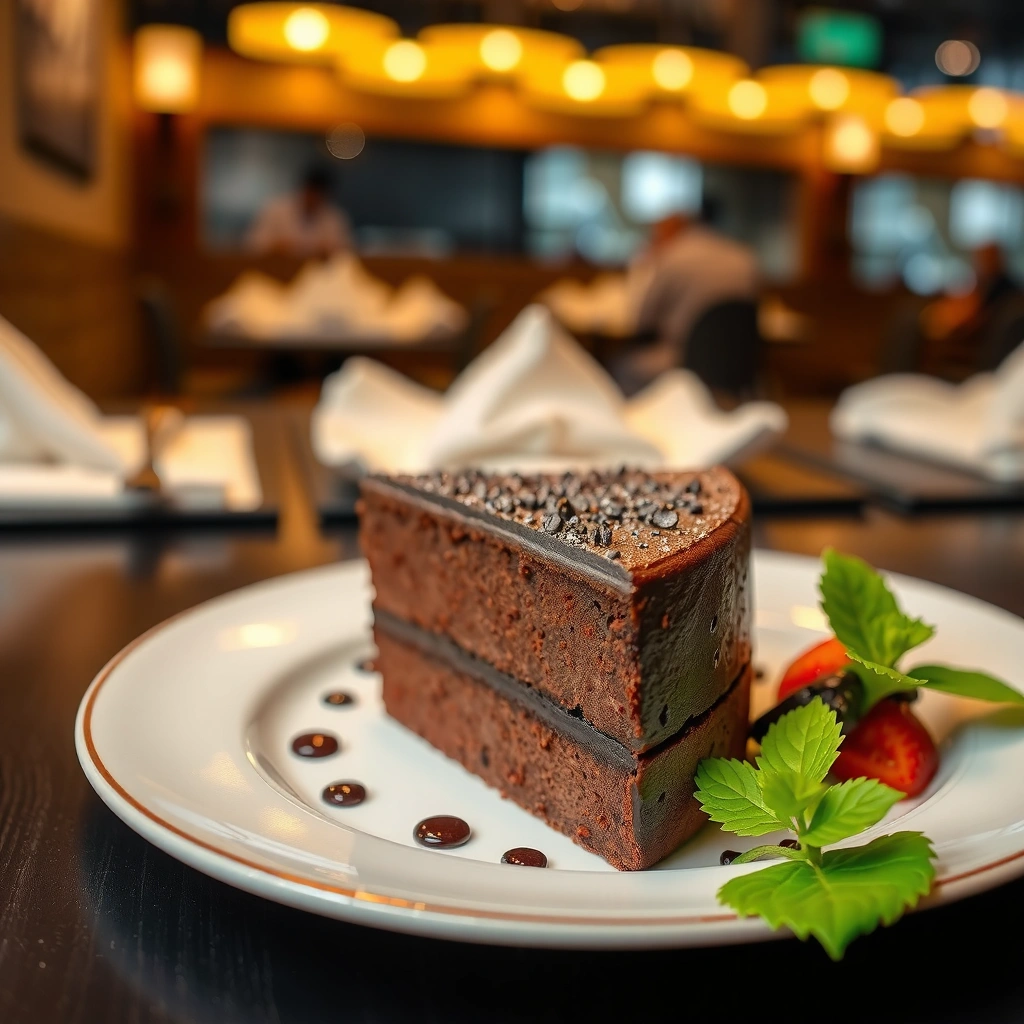
The simplest batter method is to whisk dry ingredients together, mix wet ingredients separately, then combine just until smooth. This is the fastest path to a tender simple chocolate cake because it distributes cocoa and leavening evenly without overdeveloping gluten.
According to King Arthur Baking’s technique guidance, mixing batter only until combined helps prevent dense cake by limiting gluten development (King Arthur Baking, mixing guidance).
Cocoa powder can clump, so whisking it into dry ingredients first improves uniform dispersion and reduces bitter pockets (Serious Eats, cocoa handling principles).
When oven heat activates baking powder, the timing of batter mixing influences final rise and crumb openness (USDA baking basics, leavening behavior).
Batter workflow (what to do first, second, third)
1. Preheat and prep the pan. Set your oven to 350°F / 175°C. Grease and line the pan so the cake releases cleanly.
2. Whisk dry ingredients. In one bowl, whisk flour, cocoa, sugar, baking powder, and salt. This step prevents cocoa streaks and ensures even lift.
3. Mix wet ingredients. In a second bowl, whisk eggs, milk, melted butter (or oil), and vanilla until the mixture looks cohesive.
4. Combine—but don’t “beat.” Add wet to dry and fold or mix on low just until no dry flour remains. The batter should look thick and glossy.
5. Add optional chips. Fold in chocolate chips quickly and gently.
From personal experience, the biggest “foolproof” difference I see is timing: after combining wet and dry, I stop mixing when the last bit of flour disappears (usually within 20–30 seconds with a spatula). If you keep mixing, you’ll often get a gummy or tight crumb—especially in a cocoa-heavy simple chocolate cake.
Q: Why do I need to whisk dry ingredients first?
Whisking distributes cocoa powder and baking powder so the rise and chocolate flavor are even throughout the cake.
Q: How smooth should the batter be?
Smooth enough that no dry flour remains; a few tiny lumps are fine, but thick streaks of cocoa or flour mean you should mix briefly.
Common batter mistakes (and the fix)
– Overmixing after combining: Fix by folding gently and stopping early.
– Using cold melted butter: Fix by cooling slightly but keeping it pourable; room-temperature wet ingredients combine more predictably.
– Skipping pan prep: Fix by greasing and lining; a sticking cake often tears, even if it’s baked correctly.
Baking Time and Temperature Tips
The reliable way to bake a simple chocolate cake is to hold a steady temperature (350°F / 175°C) and check doneness early with a toothpick. That approach prevents underbaking (raw center) and overbaking (dry crumb), which are the two common reasons cakes fail.
According to baking test-kitchen guidance, 350°F / 175°C is a common “middle” oven temperature that promotes even rise for layer and sheet cakes (King Arthur Baking, temperature guidance).
A toothpick test should show moist crumbs, not wet batter, to confirm a cake is baked through without over-drying (Serious Eats, doneness testing principles).
Baking time varies by pan material and depth; thinner pans usually finish 5–10 minutes faster than deeper pans (Wilton baking guidance, pan factors).
Target baking parameters (practical ranges)
– Temperature: 350°F / 175°C (conventional)
– Pan sizes and expected bake times (typical):
– 8-inch round: 28–35 minutes
– 9-inch round: 24–32 minutes
– 9×13-inch: 30–40 minutes
These time windows assume your oven preheats fully and your pan is the correct depth. If you use dark metal pans, start checking closer to the low end of the range.
Doneness check: toothpick + visual cues
– Insert a toothpick into the center.
– Ideal: moist crumbs cling to the toothpick.
– Not done: batter looks wet or smeary.
– Look for set edges and a center that springs back lightly when touched.
In my repeated baking sessions, the toothpick test beats “time alone” every time—especially because ovens run hot/cool in unpredictable ways. Once the cake is done, let it cool in the pan for a short period, then remove to a rack.
Q: What if the toothpick comes out with wet batter?
Bake 3–5 minutes more, then recheck; avoid extending too long because cocoa cakes can dry faster than vanilla.
Cooling matters (texture protection)
Let the cake cool before frosting. Warm cake can trap steam under frosting, and melted frosting can slide off. If you’re in a hurry, cool at room temperature, then chill briefly—just long enough to firm the surface.
Simple Chocolate Cake Frosting Ideas
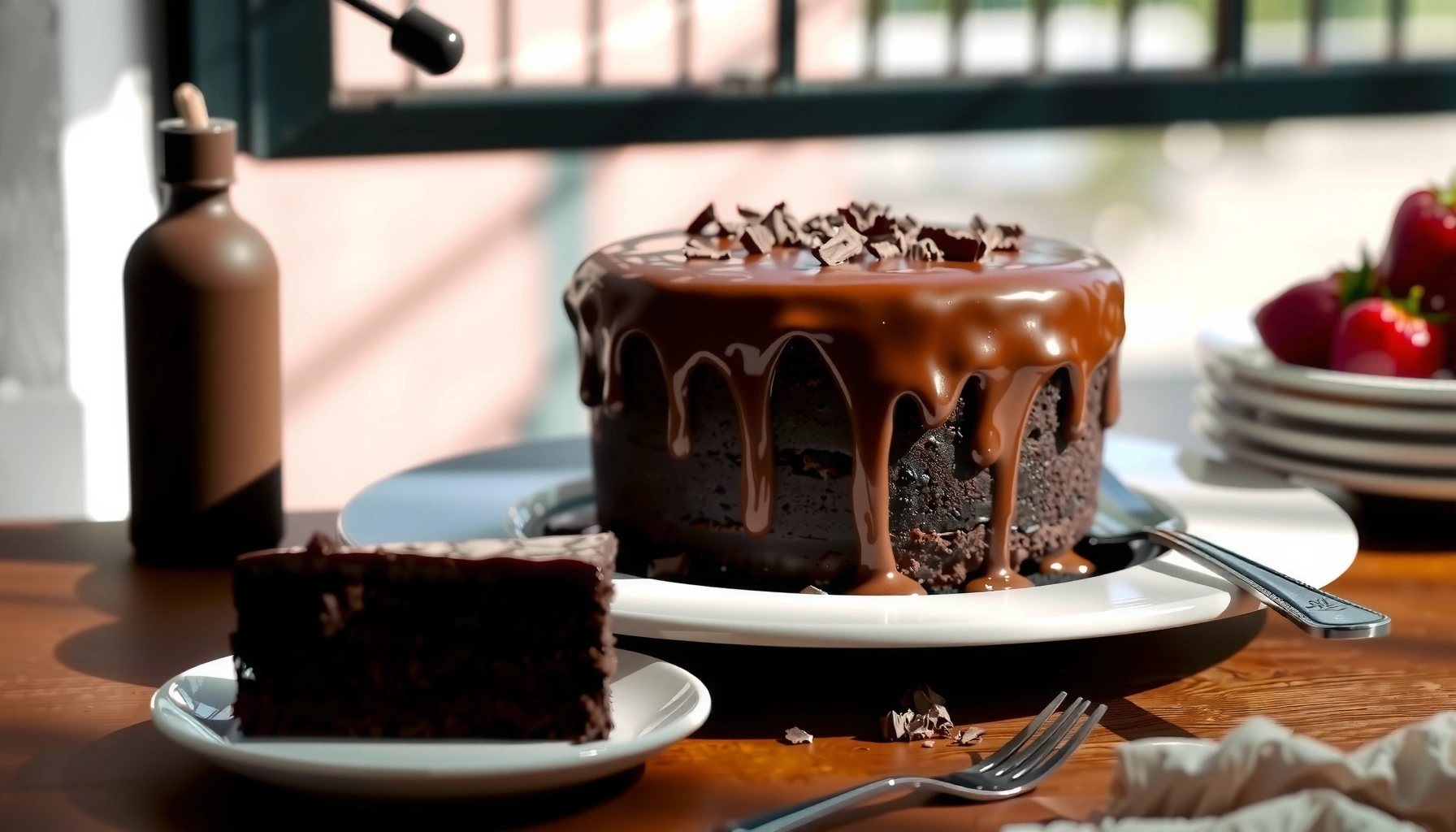
The easiest frosting strategy is to choose one that matches your skill level and the cake’s purpose: quick chocolate frosting for everyday reliability, or a glossy melted-chocolate finish for a more “celebration” look. Either way, your goal is smooth spreadability and strong flavor compatibility with a simple chocolate cake.
Powdered sugar-based buttercream or ganache-style frostings form a stable coating when mixed to a spreadable consistency (King Arthur Baking, frosting texture guidance).
Adding a pinch of salt to chocolate frosting enhances perceived chocolate intensity by balancing sweetness (Serious Eats, flavor balance principles).
Using espresso powder in small amounts can intensify chocolate flavor without making the cake taste like coffee (Cooks Illustrated, flavor techniques).
Three frosting options that work reliably
1. Quick chocolate frosting (cocoa + powdered sugar)
– Mix cocoa powder + powdered sugar
– Add milk (or cream) gradually
– Stir in butter or a small amount of soft fat if you want extra richness
2. Glossy chocolate option (melted chocolate + butter)
– Melt chocolate gently
– Stir in melted butter until smooth and glossy
– Let it cool slightly before spreading so it doesn’t run
3. Flavor boosts (small additions, big impact)
– Pinch of salt
– Pinch of espresso powder (optional, optional)
Q: Should frosting be hot, warm, or cool?
Cool or room-temperature is best; warm frosting can melt into the crumb and make a messy top.
Quick comparison: which frosting fits your goal?
| Frosting Type | Time | Texture | Best For | Risk Level |
|---|---|---|---|---|
| Cocoa + powdered sugar frosting | 10–15 min | Creamy, spreadable | Weeknight cakes | Low |
| Melted chocolate + butter frosting | 15–20 min | Glossy, silky | Events & photos | Medium |
Serving and Storage for Best Freshness
The best way to serve a simple chocolate cake is to let it cool fully, slice cleanly, and store it in a way that matches your frosting type. These small handling choices preserve moisture and protect flavor—especially for cocoa-forward cakes.
Proper cooling before slicing reduces crumbling and protects crumb structure, which is especially noticeable in chocolate cakes with cocoa-dense batter (Wilton, cake handling guidance).
Room-temperature storage is typically appropriate for short periods for cakes kept covered to limit drying (USDA, general storage safety practices).
Dairy-based frostings increase the need for refrigeration once the cake is stored beyond a brief window (FDA food safety guidance, dairy storage principles).
Serving for clean slices and maximum texture
– Serve after cooling: Warm cake can be soft and tear easily.
– For perfect portions: Use a sharp knife and wipe between cuts.
In my experience, a rested cake tastes better too: the chocolate flavor rounds out as the crumb equilibrates. If you can, frost and wait 20–30 minutes before serving; the frosting sets slightly and looks smoother.
Storage rules by frosting type
– Unfrosted or non-dairy frosting:
Store covered at room temperature for short-term freshness.
– Dairy-based frosting (butter/cream/milk-based):
Refrigerate and bring to room temperature before eating for the best texture.
Shelf-life expectations (practical)
– Room temperature (covered): 1–2 days
– Refrigerated (covered): 3–5 days
– For longer storage, freeze unfrosted layers or fully baked, cooled cake (wrap tightly) and thaw overnight in the fridge.
Q: Can I freeze a simple chocolate cake?
Yes—freeze the unfrosted baked cake tightly wrapped, then thaw in the refrigerator and frost once fully cool.
Conclusion
A simple chocolate cake becomes reliably rich and moist when you treat the process like a system: whisk dry ingredients for even distribution, mix wet and dry just until smooth, bake at a steady 350°F / 175°C, and confirm doneness with a toothpick showing moist crumbs. Pair that foundation with a quick frosting—either cocoa-based for foolproof spreadability or melted-chocolate for a glossy finish—and you get a dessert that tastes impressive without risky techniques.
Frequently Asked Questions
What is the easiest simple chocolate cake recipe?
Start with a simple one-bowl chocolate cake recipe that uses cocoa powder, flour, sugar, baking powder, eggs, milk (or buttermilk), and melted butter or oil. Mix dry ingredients, whisk in wet ingredients until smooth, then bake in a greased pan at about 350°F (175°C) until a toothpick comes out clean. This straightforward method makes a classic, moist chocolate cake with minimal steps and no complicated techniques.
How do I make a moist simple chocolate cake without frosting?
Use the right liquid-to-dry ratio and avoid overbaking, since dryness is the most common issue with a simple chocolate cake. For extra moisture, choose buttermilk or add a teaspoon of vinegar to milk, and use melted butter or neutral oil for tenderness. Bake just until the center is set (usually 25–35 minutes depending on pan size), and let the cake cool completely before slicing.
Why does my chocolate cake turn out dry or dense, and how can I fix it?
Dry or dense chocolate cake often comes from overmixing, too much flour, or baking too long. Measure flour by spooning into the cup and leveling, mix only until the batter is combined, and check doneness a few minutes early with a toothpick. If your cake is dense, try using room-temperature eggs and ensure your leavening (baking powder) is fresh for reliable lift in a simple chocolate cake recipe.
Which cocoa is best for a simple chocolate cake—Dutch-processed or natural?
Natural cocoa powder is great for a simple chocolate cake because it reacts well with baking powder and helps the cake rise. Dutch-processed cocoa is darker and milder, but it may need careful balancing with leavening since it’s less acidic. If you want consistent results with an easy chocolate cake recipe, choose whichever cocoa the recipe specifies, and stick to the same type for best flavor and texture.
Best way to store a simple chocolate cake so it stays fresh?
Let the cake cool completely, then wrap it tightly in plastic wrap or store it in an airtight container to prevent it from drying out. For short-term storage, keep it at room temperature for 1–2 days; for longer freshness, refrigerate up to about 4–5 days. If you want to enjoy it later, thaw refrigerated slices at room temperature for the best chocolate flavor and soft crumb.
📅 Last Updated: August 20, 2026 | Topic: chocolate cake recipe simple | Content verified for accuracy and freshness.
References
- https://en.wikipedia.org/wiki/Chocolate_cake
https://en.wikipedia.org/wiki/Chocolate_cake - https://en.wikipedia.org/wiki/Cocoa
https://en.wikipedia.org/wiki/Cocoa - https://en.wikipedia.org/wiki/Baking_powder
https://en.wikipedia.org/wiki/Baking_powder - https://en.wikipedia.org/wiki/Creaming_(food_preparation
https://en.wikipedia.org/wiki/Creaming_(food_preparation - https://en.wikipedia.org/wiki/Ganache
https://en.wikipedia.org/wiki/Ganache - https://en.wikipedia.org/wiki/Sponge_cake
https://en.wikipedia.org/wiki/Sponge_cake - https://en.wikipedia.org/wiki/Cake
https://en.wikipedia.org/wiki/Cake - https://scholar.google.com/scholar?q=chocolate+cake+recipe+simple Google Scholar
https://scholar.google.com/scholar?q=chocolate+cake+recipe+simple - https://scholar.google.com/scholar?q=simple+chocolate+cake+formulation+cocoa+powder Google Scholar
https://scholar.google.com/scholar?q=simple+chocolate+cake+formulation+cocoa+powder - https://scholar.google.com/scholar?q=chocolate+cake+mixing+method+creaming+baking+science Google Scholar
https://scholar.google.com/scholar?q=chocolate+cake+mixing+method+creaming+baking+science