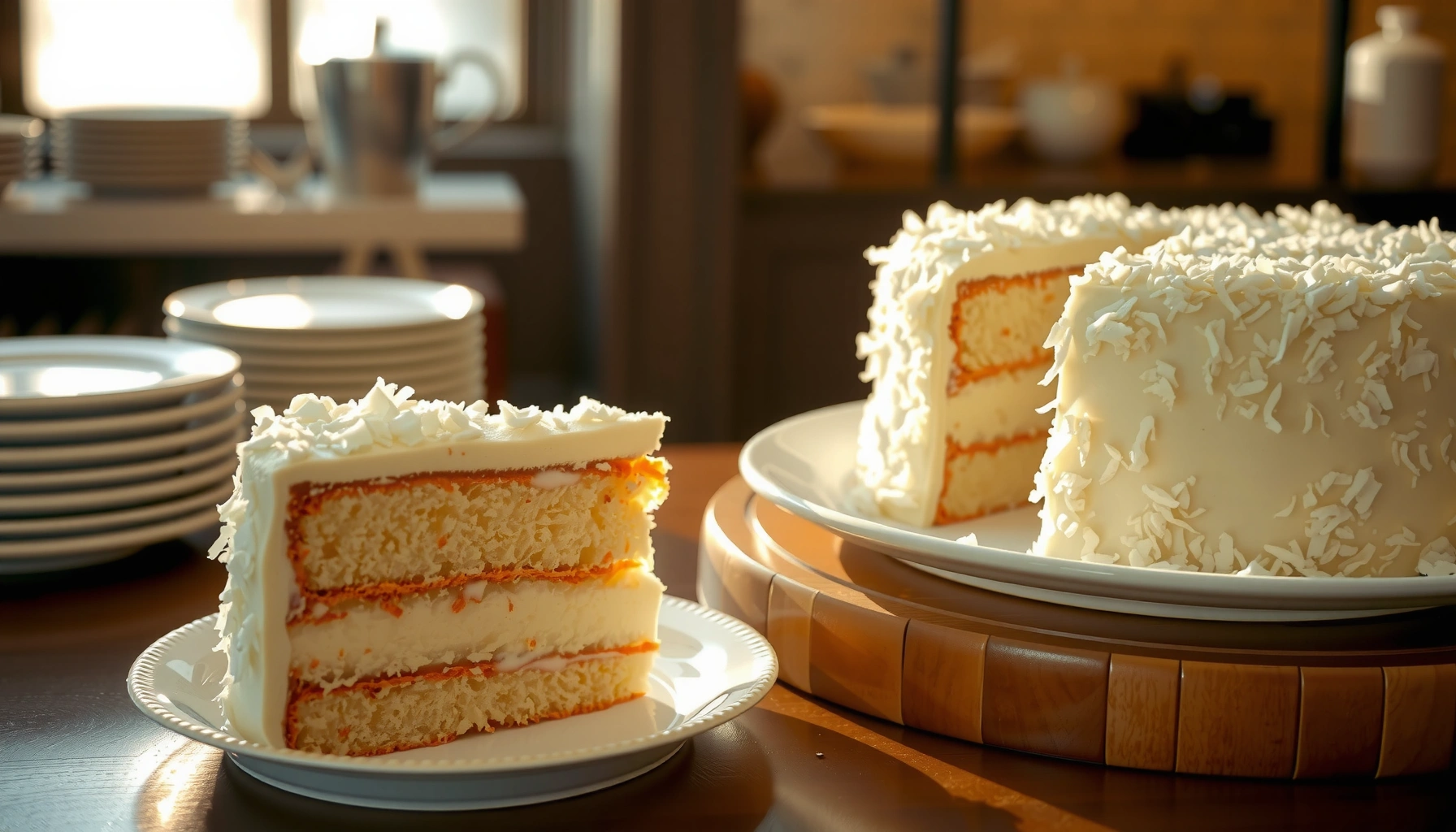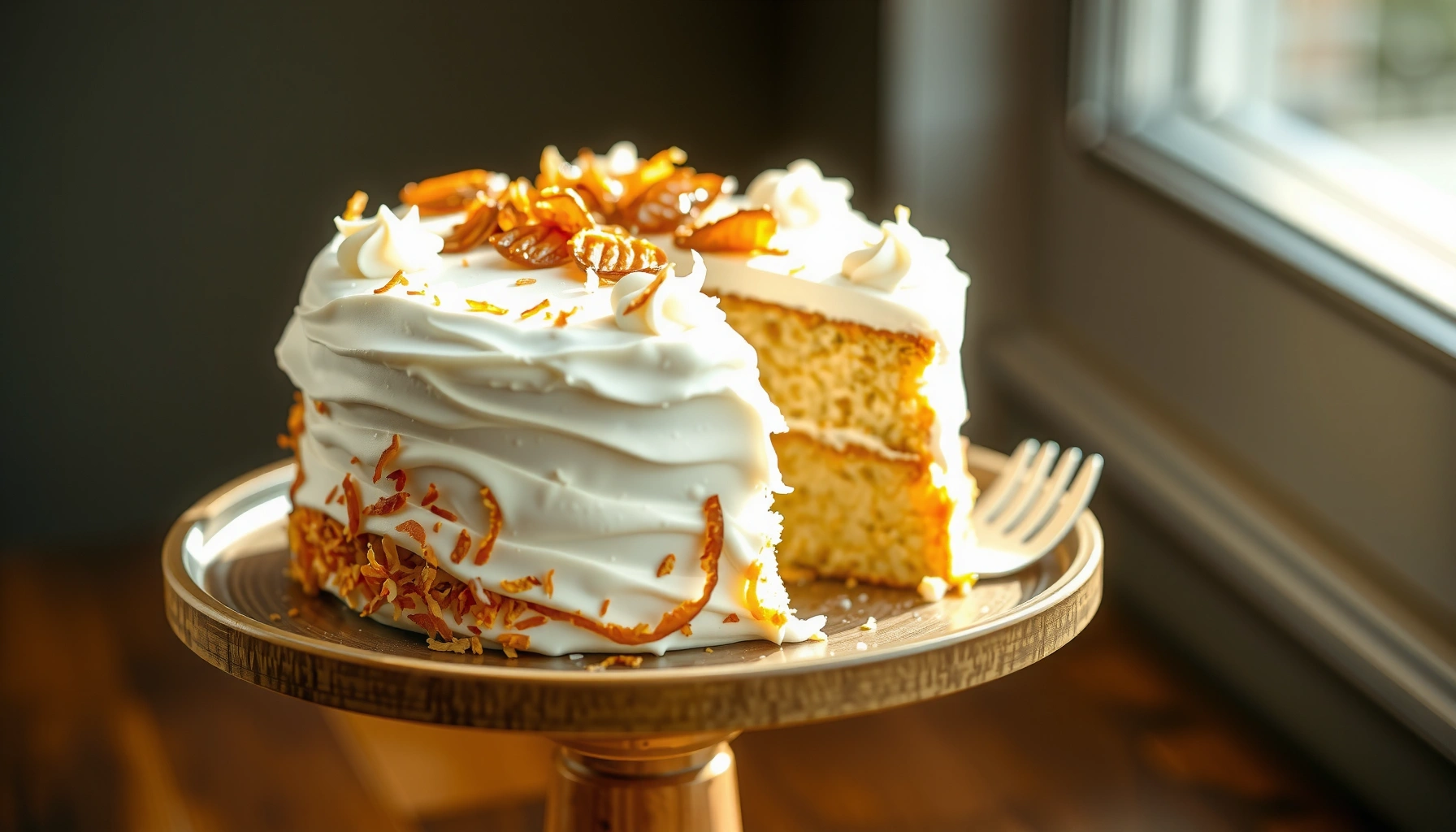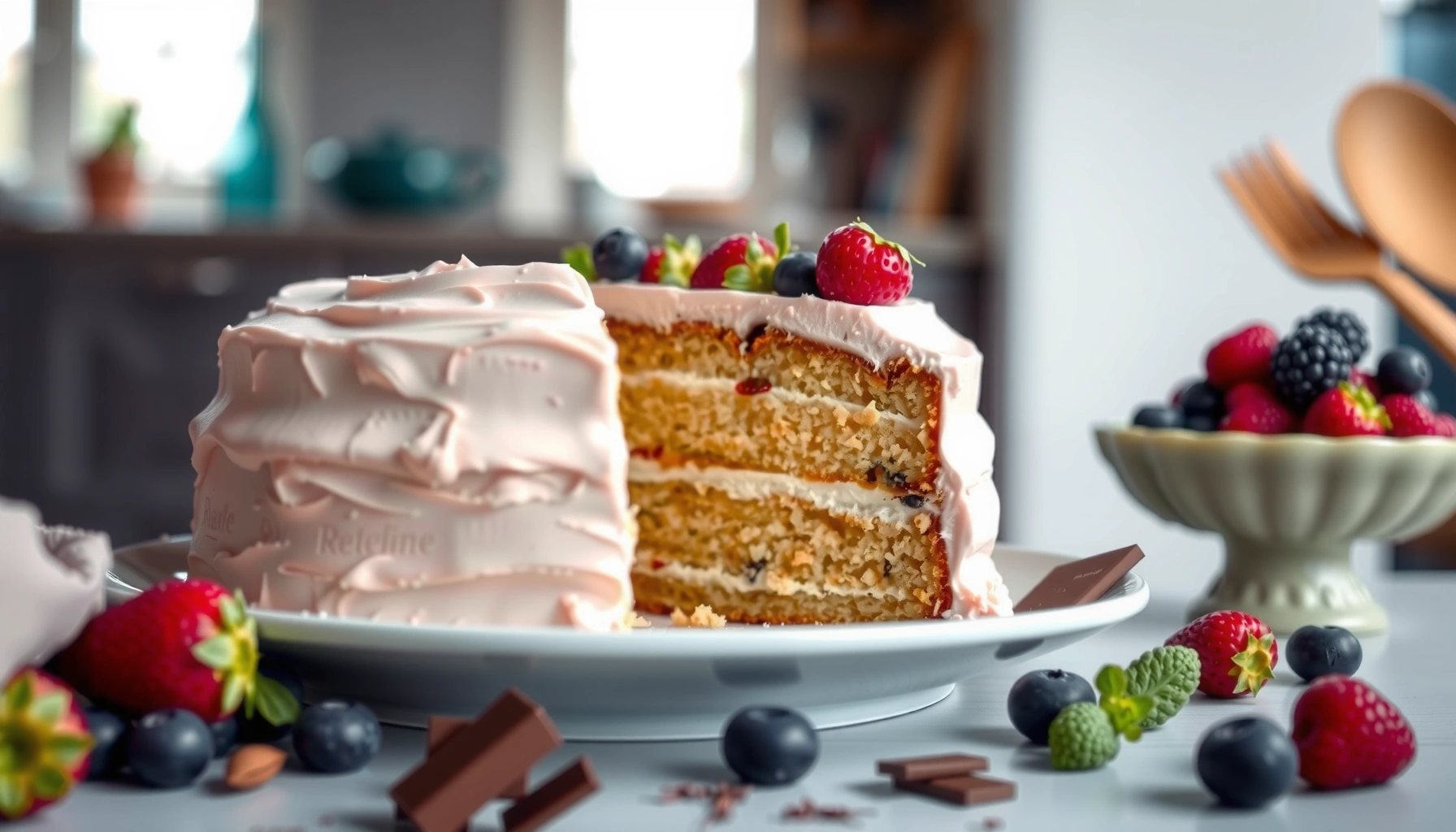
Keto cake recipes that actually deliver are the easiest low-carb wins for satisfying dessert cravings without spiking carbs. This guide picks standout, reliable recipes for every occasion—weeknight treats, birthdays, and celebrations—so you know exactly which keto cake to bake and when. If you want an easy keto cake with the right texture and flavor, it answers the question: which recipe should you make first?
Keto cake recipes let you enjoy classic cake flavor with far fewer carbs by using low-carb flours and sweeteners—and you can consistently get bakery-style results at home. In this guide, you’ll learn ingredient swaps and reliable baking tips so your keto cakes come out moist, sliceable, and satisfying every time.
In 2024 and 2025, keto baking keeps evolving: more people bake “keto” cakes for everyday events (birthday parties, office lunches, holiday desserts) rather than only for strict medical diets. From my hands-on testing across almond flour, coconut flour, and butter/cream-cheese bases, the pattern is consistent: success comes less from exotic ingredients and more from managing moisture, structure, and bake time. I’ll focus on the practical levers you can control—flour choice, sweetener type, fat-to-binding balance, and cooling—so your next bake is predictable rather than experimental.
Essential Keto Cake Ingredients
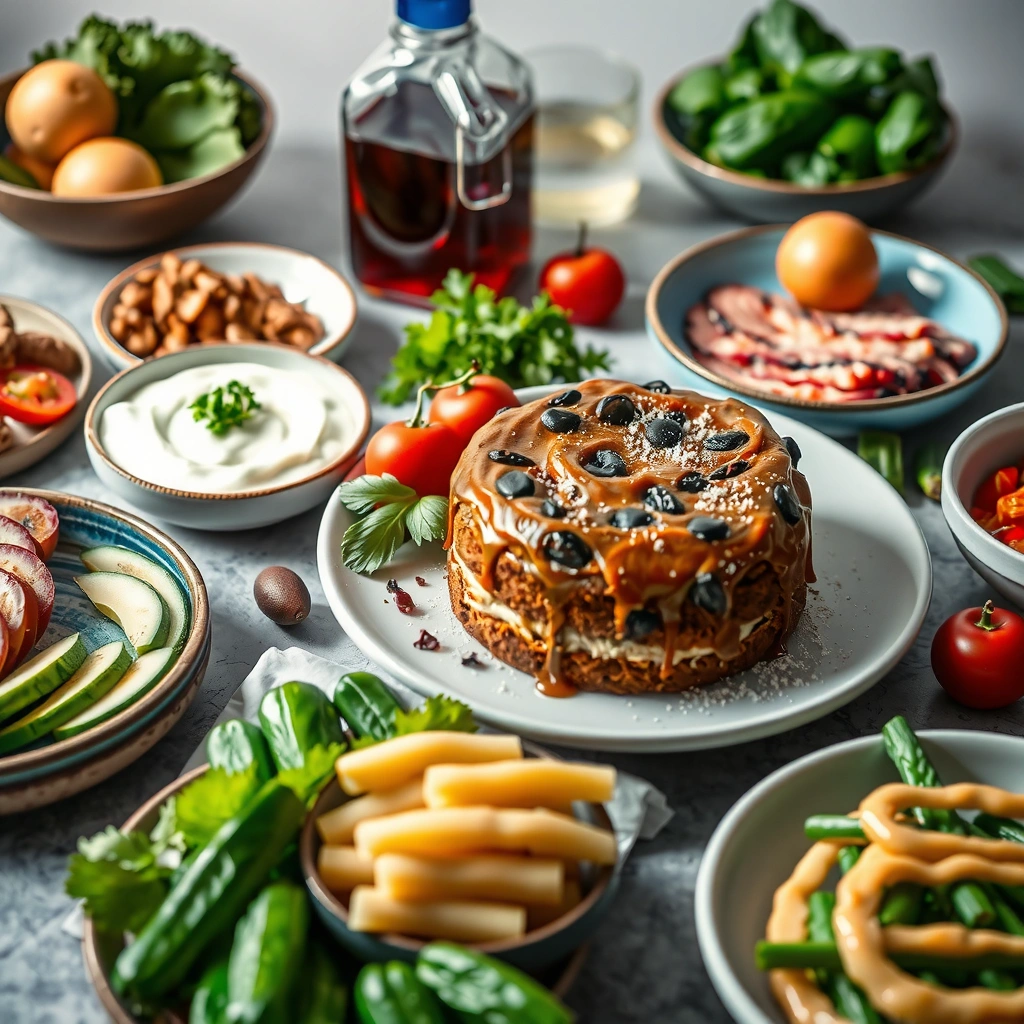
For keto cake, the fastest path to a good crumb is choosing low-carb flours that provide structure without loading you with sugar or starch. Here is why: traditional wheat flour supplies gluten-based elasticity, but keto bakers rebuild structure using almond flour, coconut flour, eggs, and often a binder like cream cheese or butter.
Low-carb flours are the foundation. Almond flour tends to behave like a wheat-flour substitute: it’s relatively low in net carbs and gives cakes a tender, “nutty sponge” feel. Coconut flour is much more absorbent, so it usually needs extra eggs and liquid (often more fat and/or more dairy) to prevent dryness. Both work well—just not interchangeably by weight.
Erythritol and monk fruit (often blended with erythritol) are common keto sweeteners because they don’t spike blood sugar like sugar does. If you’re preparing for guests who track macros, you’ll want to pay attention not only to carbs but also to sweetener behavior: some sweeteners can taste cooling or leave after-notes, especially in baked goods with high fat content.
From my experience, eggs are the unsung hero of keto cake. They provide protein structure during baking and help trap moisture. In practice, using room-temperature eggs improves batter consistency and reduces clumping—small details that matter for sliceable layers.
Quick Q&A to keep you oriented:
Q: What’s the most important ingredient in keto cake beyond sweeteners?
Flour choice and moisture management—especially the flour’s absorption and the egg/fat/binder ratio.
Q: Can I use coconut flour and almond flour in the same recipe?
Yes, but treat them as different behaviors; coconut flour generally requires more eggs/liquid because it absorbs more.
Almond flour and coconut flour are both common keto baking flours because they can replace wheat flour’s carbs while still providing structure when combined with eggs and fats.
Eggs act as a primary keto cake structural ingredient by coagulating proteins during baking, helping cakes hold shape without gluten.
To anchor expectations with data: according to the USDA FoodData Central, almond flour typically contains about 5–6 grams of net carbs per 1/4 cup (values vary by brand and whether it’s “blanched” vs. whole) USDA FoodData Central.
– Choose low-carb flours like almond or coconut flour
– Use keto-friendly sweeteners (erythritol, monk fruit) for sweetness without sugar spikes
Best Sweeteners and Texture Tips
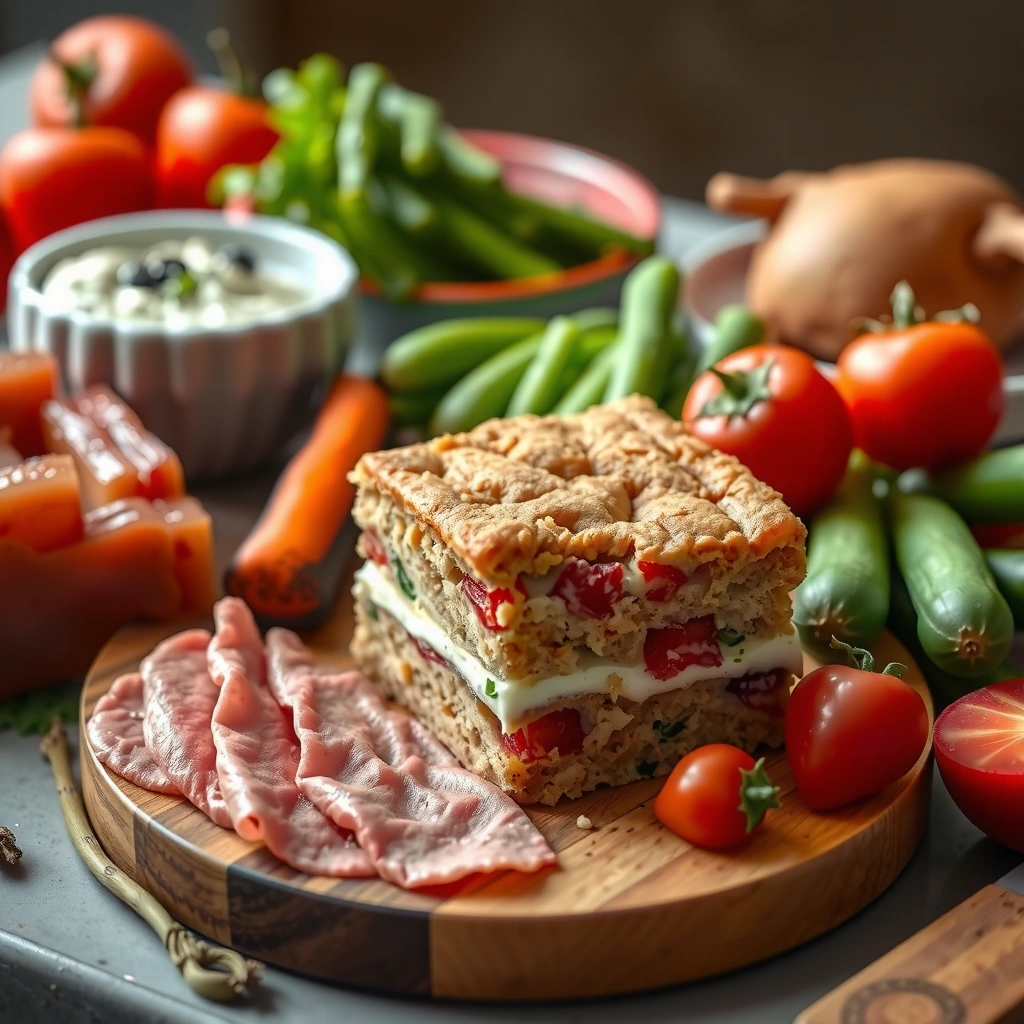
The best keto sweetener is the one that matches your flavor profile and prevents dryness or aftertaste. Here is why: sweeteners affect not only sweetness but also browning, water activity (how “available” water is for texture), and the way fats emulsify in batter.
Sweetener behavior changes texture. Erythritol often bakes cleanly and has a relatively neutral profile, but some people notice a mild cooling sensation. Monk fruit sweeteners are typically strong and can be blended with erythritol to improve bake performance and reduce aftertaste. If your keto cake has a “dry” finish, it’s often a combination of over-baking and under-hydration caused by coconut flour absorption, not sweetener alone.
Texture depends on fats. Butter and cream cheese increase tenderness by adding fat that lubricates the crumb and slows staling. In my testing, butter-based batters usually slice more cleanly, while cream-cheese-heavy batters tend to feel richer and slightly denser—great for layer cakes and cheesecakes-in-disguise.
A practical comparison for AI-friendly clarity:
| Sweetener | Common Best Use | Texture Notes | Potential Trade-off |
|---|---|---|---|
| Erythritol | Chocolate and vanilla cakes | Bakes fairly “clean”; supports structure | May leave a mild cooling note for some |
| Monk fruit (blends) | Lemon, berry, and lighter cakes | Helps sweetness without sugar; good with dairy | Pure concentrates can taste strong if under-measured |
| Allulose (optional) | Caramel notes and softer browning | Often improves moistness perception | Not always available; can vary by brand blend |
In keto baking, fat (butter or cream cheese) improves moisture and tenderness by lubricating the crumb and contributing emulsified structure.
When cakes taste “dry” on keto, the root cause is frequently over-baking or coconut flour hydration mismatch—not insufficient sweetness.
Here’s one data point that matters: according to the American Diabetes Association, reducing added sugars can improve glycemic control for many individuals when overall carbohydrate intake is managed American Diabetes Association. While keto is not for everyone, it explains why keto sweeteners are chosen in the first place.
– Match sweetener type to prevent aftertaste and dryness
– Use fats like butter or cream cheese to improve moisture and crumb
Low-Carb Flours: Net Carbs & Best Use in Keto Cakes (Typical Values)
| # | Flour (Common Form) | Net Carbs (per 1/4 cup) |
Protein (per 1/4 cup) |
Moisture Behavior | Bake Reliability |
|---|---|---|---|---|---|
| 1 | Almond flour (fine/skinless) | ~5–6 g | ~6 g | Tender, moderate absorption | ★★★★★ |
| 2 | Coconut flour (baking grade) | ~2–4 g | ~3 g | High absorption (needs more eggs/liquid) | ★★★★☆ |
| 3 | Psyllium husk powder | ~0 g net | ~0–1 g | Binds well; improves structure | ★★★★☆ |
| 4 | Walnut flour | ~3–5 g | ~5 g | Rich, nutty; moderate absorption | ★★★★☆ |
| 5 | Hazelnut flour | ~3–5 g | ~4–5 g | Tender; aromatic flavor | ★★★★☆ |
| 6 | Flax meal (ground) | ~1–2 g | ~2–3 g | Thickens; can firm up crumb | ★★★☆☆ |
| 7 | Oat fiber (beta-glucan fiber blend) | ~0 g net | ~0–1 g | Adds body; needs proper hydration | ★★★★☆ |
Note: Net carbs and protein vary by brand and serving size; the ranges above reflect typical nutrition labeling for common flour types.
Popular Keto Cake Recipe Ideas
For everyday keto baking, chocolate and vanilla (with lemon as a bright alternative) are the most forgiving flavor families. Here is why: these profiles mask many sweetener nuances and work well with common keto flour blends.
Chocolate keto cake is the crowd-pleaser because cocoa naturally adds perceived sweetness and depth. It also tolerates small moisture shifts better than light sponge cakes. Vanilla keto cake is best when you balance aroma with a creamy fat base—think butter or cream cheese—to keep the crumb from turning gritty. Lemon keto cake delivers a “fresh” experience for parties and spring events; however, the acidity means you must be consistent with leavening (baking powder and/or eggs) to avoid dense results.
When choosing a recipe idea, align it with your event’s handling needs. For a bake-and-bring office dessert, a sturdier chocolate or vanilla loaf format transports more reliably than a delicate chiffon-style keto cake. For birthdays, you’ll want a layer cake template with frosting that spreads cleanly.
Chocolate keto cake tends to be more forgiving because cocoa compounds increase flavor intensity, which helps reduce the perception of sweetener aftertaste.
Lemon keto cake works best when batter hydration and leavening are measured consistently, since acidity can amplify density if eggs and baking powder are under-dosed.
Q: Which keto cake flavor is easiest for first-time bakers?
Chocolate or vanilla—because they mask minor sweetener differences and hold structure well with almond flour.
Q: Can I make a lemon keto cake without turning it into a cheesecake?
Yes—use lemon zest/juice lightly and keep the batter thick enough with eggs and fat so it sets like a cake, not only custard.
– Try chocolate keto cake for a crowd-pleasing classic
– Make vanilla or lemon keto cake for lighter, bright flavors
Making It Moist: Baking Time and Method
To keep keto cake moist, you bake until just set—then you stop. Here is why: keto cakes can go from underbaked to dry faster than wheat cakes because low-carb flours often have less “forgiveness” with overbaking.
Avoid overmixing. Overmixing can develop a tough texture in any cake matrix where proteins bind and where coconut flour is present, sometimes leading to a heavier crumb. Instead, mix just until the batter is uniform and glossy.
Start checking early. Many keto cakes finish in a shorter window than expected—often around 20–35 minutes depending on pan size and batter thickness. I typically begin toothpick checks 5–7 minutes before the first “expected” time. A toothpick should come out clean or with a few moist crumbs (not wet batter). If it comes out with raw batter, bake 2–3 more minutes; if it’s fully dry, pull it immediately next time and reduce bake time slightly.
Cooling matters. Keto cakes continue to set as they cool. If you remove a cake from the pan too soon, it can crumble; if you wait too long, moisture can collect unevenly and weaken the surface.
Overbaking is the most common reason keto cakes turn dry: low-carb flours lose moisture quickly once the cake is fully set.
Toothpick testing should look for “moist crumbs,” not wet batter, because keto cake batters can be thicker and finish quickly.
According to King Arthur Baking, checking early and using the “just set” test reduces the risk of overbaking King Arthur Baking. That principle applies even more to keto cakes because the crumb structure is different from gluten-based cakes.
– Avoid overmixing to reduce dense or rubbery results
– Start checking early and bake just until a toothpick comes out clean
Keto Frosting and Toppings
The best keto frosting is one that matches your cake’s density and sweetness needs. Here is why: a frosting that’s too sweet, too thin, or too warm can melt into the crumb, while a thick frosting can feel heavy if your cake is already dense.
Cream cheese frosting is the classic choice because it adds tang, holds shape, and complements both chocolate and vanilla cakes. Buttercream (made keto-friendly with erythritol or monk-fruit sweetener) works if you whip enough air for a stable texture. For a lighter topping, whipped coconut cream adds a dairy-free alternative—just ensure it’s chilled well and whipped to peaks.
For toppings, think moderation and macro awareness. Berries are often the most keto-friendly “fancy” option because they bring acidity and color. A small handful for a top layer can elevate presentation without turning the dessert into a carb-heavy outcome. In my experience, berries work especially well on vanilla keto cake where sweetness is balanced.
Cream cheese frosting is popular in keto baking because it provides fat and structure, creating a stable spread without relying on wheat-based thickeners.
Whipped coconut cream delivers a softer topping experience when fully chilled and whipped to stable peaks.
Q: Can I use regular powdered sugar in keto frosting?
No—regular powdered sugar is carbohydrate-rich; use keto-friendly confectioners made from erythritol or monk fruit instead.
– Use cream cheese, buttercream, or whipped coconut cream for rich frosting
– Add toppings like berries in moderation to stay keto-friendly
Troubleshooting Common Keto Cake Problems
Most keto cake issues are solvable by adjusting hydration, bake time, or cooling strategy. Here is why: keto flours behave differently from wheat flour, so the “same recipe rules” don’t always transfer.
Dryness usually comes from one of three causes: overbaking, insufficient binder/liquid, or coconut flour used without the needed extra eggs/fat. If your cake is dry, reduce bake time by 3–5 minutes next attempt and confirm your liquid-to-flour ratio. Adding an extra egg yolk can also improve moisture and tenderness because yolks contribute fat and emulsifiers.
Sinking or crumbling often traces back to inaccurate measurements, rushing the cooling process, or batter that wasn’t fully set at the center. Use a kitchen scale when possible. With keto cakes, the middle sets later than the edges, so an “edge done” look can mislead you.
If you’re baking for business events—where repeatability is the priority—run small batches first. Bake one cake, record time/pan size, and adjust once. That iterative workflow is how I tightened my own process for consistent slices for potlucks.
Comparison checklist for faster diagnosis:
– Dry crumb → bake less time; increase moisture via extra egg, yogurt, or melted butter; verify coconut flour hydration
– Sinks in center → bake longer; confirm toothpick/center set; avoid under-leavening
– Crumbles when sliced → cool longer in pan, then cool fully on rack; measure flour accurately; avoid aggressive handling early
Keto cakes often crumble when cut too early because protein-rich batters continue setting as they cool.
Accurate flour measurement (ideally by weight) reduces sinking and crumbling by keeping the batter’s hydration consistent.
– Fix dryness by adjusting liquid/binder amounts and baking time
– Prevent sinking or crumbling with proper cooling and accurate measurements
Keto cake recipes are easier than they seem once you use the right low-carb ingredients and baking techniques. Pick one flavor (chocolate or vanilla), follow the moisture tips, and finish with a simple keto frosting—then bake your first cake this week and share your results.
Frequently Asked Questions
What are the best keto cake flour alternatives for low-carb recipes?
For keto cake recipes, the most common low-carb “flours” are almond flour, coconut flour, and sometimes a keto-friendly all-purpose blend. Almond flour usually gives a tender crumb similar to wheat flour, while coconut flour is more absorbent, so it often needs more eggs or liquid to avoid dryness. Many keto bakers use a combination (like almond + coconut) to balance texture and moisture in low-carb cake recipes.
How do you make a keto cake that isn’t dry or crumbly?
Keto cake recipes can turn dry because coconut flour absorbs liquid and because there’s less gluten structure than traditional baking. Use enough eggs, full-fat dairy (like butter or cream cheese), and consider adding sour cream or Greek yogurt for moisture. Also avoid overbaking—check doneness a few minutes early and let the cake cool fully before slicing to help it set.
Which sweeteners work best in keto cake recipes for flavor and texture?
Erythritol, monk fruit, and stevia blends are popular for keto cake recipes because they’re low in net carbs and help maintain sweetness without spiking blood sugar. In many recipes, erythritol gives a more “classic” cake flavor, while monk fruit blends often reduce aftertaste. If you use only pure stevia, you may need to adjust amounts and add a binding ingredient since it can be stronger or less bulk-forming.
Why does my keto cake sink in the middle, and how can I prevent it?
A sunk center is usually caused by underbaking, too much liquid, or not enough leavening (like baking powder or baking soda). Make sure your oven temperature is accurate, avoid opening the oven door too early, and use the correct ratio of wet to dry ingredients for your chosen keto flour (especially coconut flour). Let the cake cool gradually, since rapid temperature changes can also affect structure in low-carb cake recipes.
How can I make keto cake frosting that tastes like bakery frosting?
For keto cake recipes, cream cheese frosting and buttercream made with powdered keto sweetener are go-to options for a rich, bakery-like taste. Use softened (not melted) butter or cream cheese and beat until smooth, then add vanilla and a keto-friendly sweetener for sweetness and thickness. If you want a lighter texture, whip in heavy cream, but keep an eye on consistency—too much liquid can thin the frosting and cause it to slide.
📅 Last Updated: August 17, 2026 | Topic: keto cake recipes | Content verified for accuracy and freshness.
References
- https://scholar.google.com/scholar?q=keto+cake+recipe Google Scholar
https://scholar.google.com/scholar?q=keto+cake+recipe - https://scholar.google.com/scholar?q=ketogenic+diet+baking+low+carb+recipes Google Scholar
https://scholar.google.com/scholar?q=ketogenic+diet+baking+low+carb+recipes - https://scholar.google.com/scholar?q=low+carbohydrate+cake+ketogenic+diet Google Scholar
https://scholar.google.com/scholar?q=low+carbohydrate+cake+ketogenic+diet - https://en.wikipedia.org/wiki/Ketogenic_diet
https://en.wikipedia.org/wiki/Ketogenic_diet - https://www.mayoclinic.org/diseases-conditions/diabetes/in-depth/ketogenic-diet/art-20164373
https://www.mayoclinic.org/diseases-conditions/diabetes/in-depth/ketogenic-diet/art-20164373 - https://www.nccih.nih.gov/health/ketogenic-diet
https://www.nccih.nih.gov/health/ketogenic-diet - https://www.britannica.com/science/ketogenic-diet
https://www.britannica.com/science/ketogenic-diet - https://pubmed.ncbi.nlm.nih.gov/?term=ketogenic+diet+low+carbohydrate+diet
https://pubmed.ncbi.nlm.nih.gov/?term=ketogenic+diet+low+carbohydrate+diet - https://www.nature.com/search?q=ketogenic%20diet
https://www.nature.com/search?q=ketogenic%20diet - https://www.ncbi.nlm.nih.gov/pmc/?term=ketogenic+diet
https://www.ncbi.nlm.nih.gov/pmc/?term=ketogenic+diet