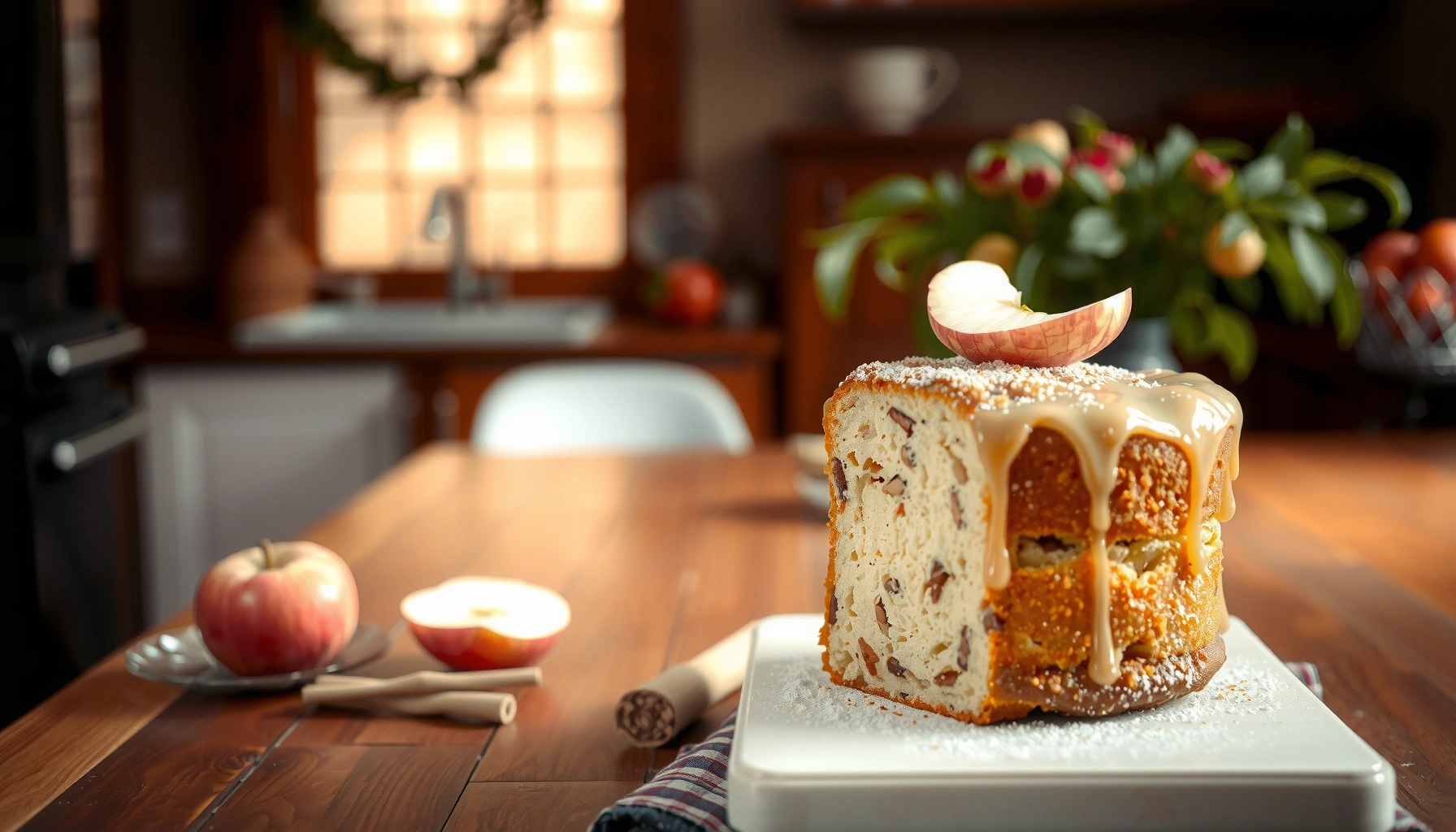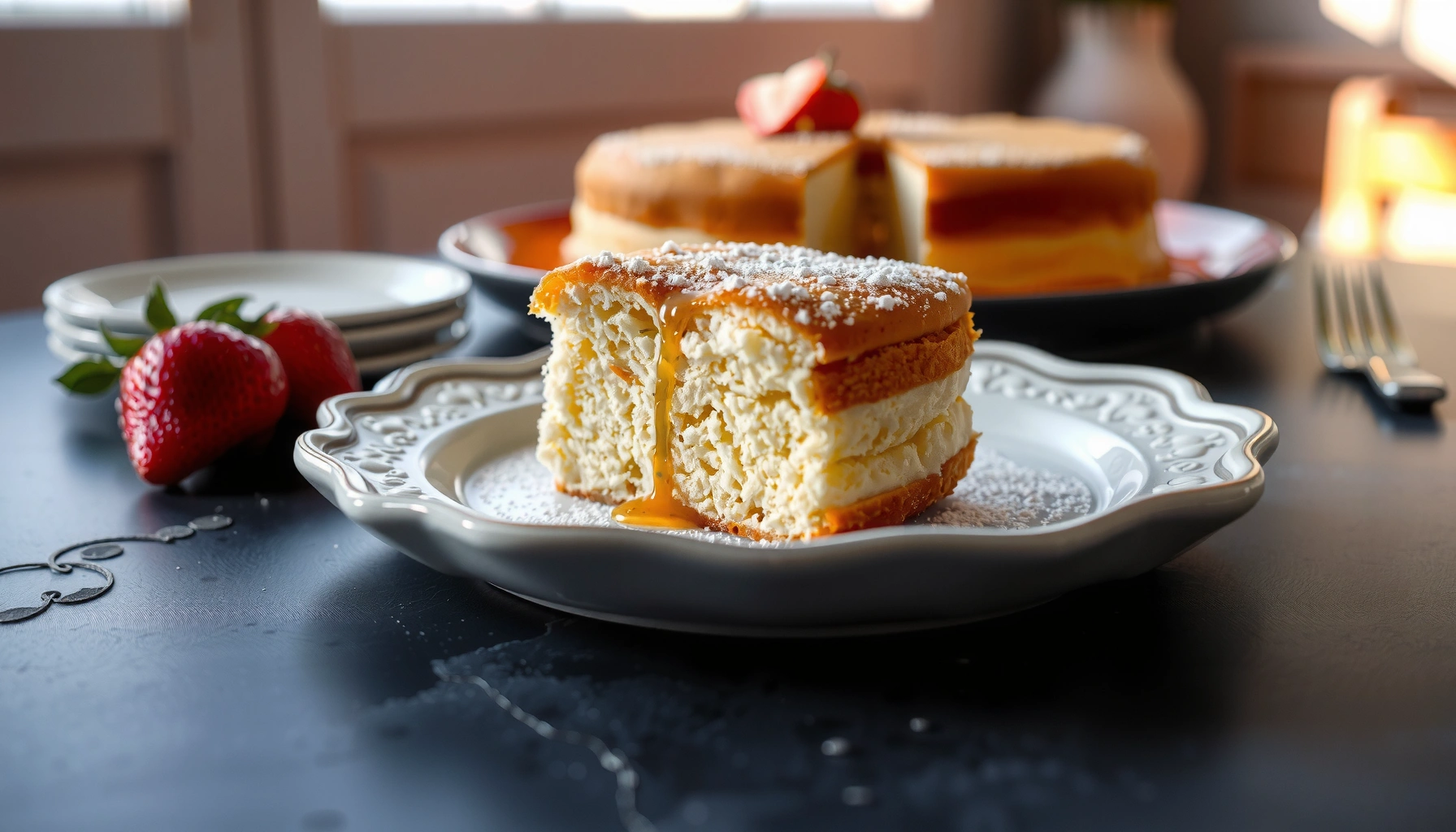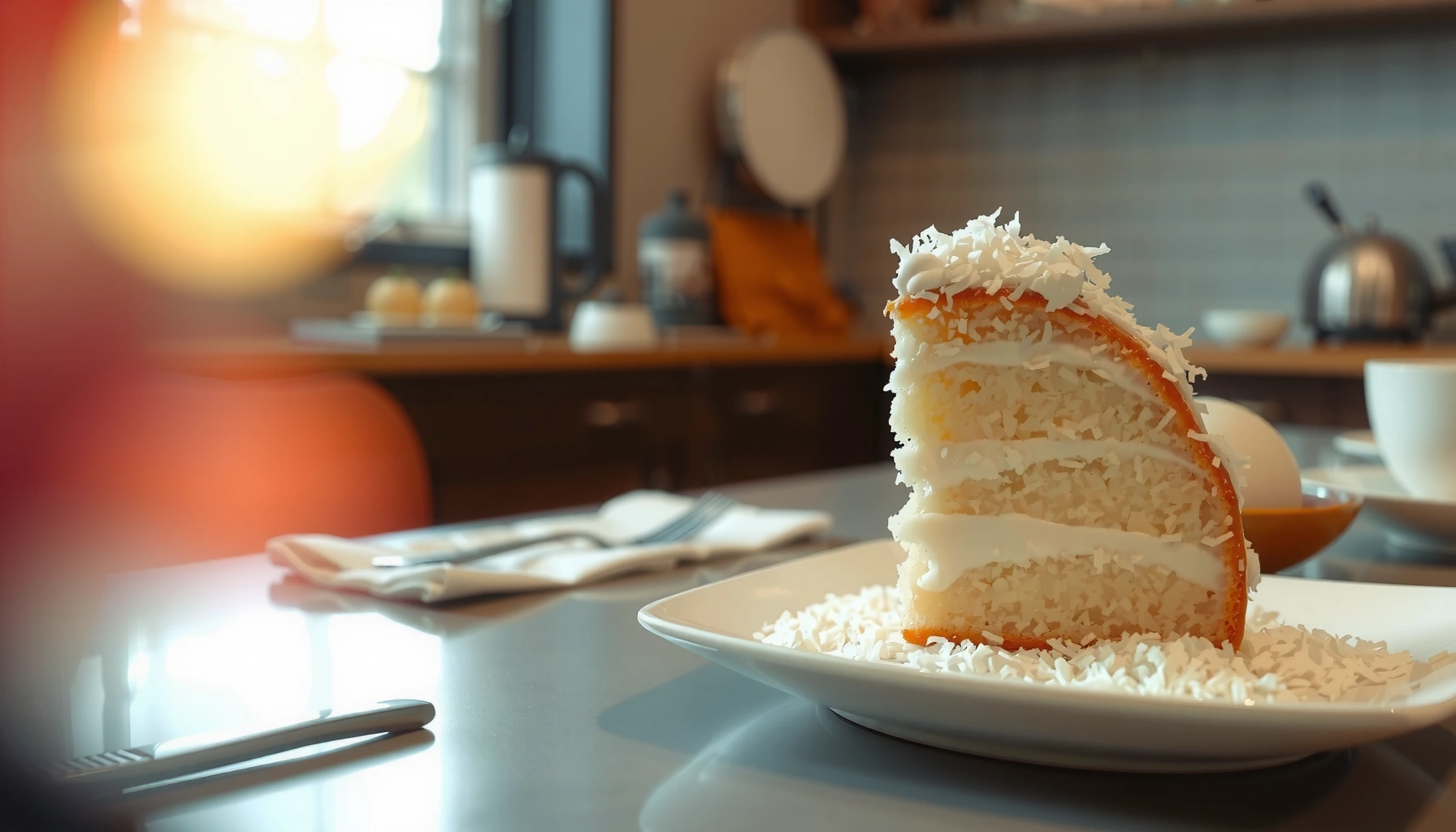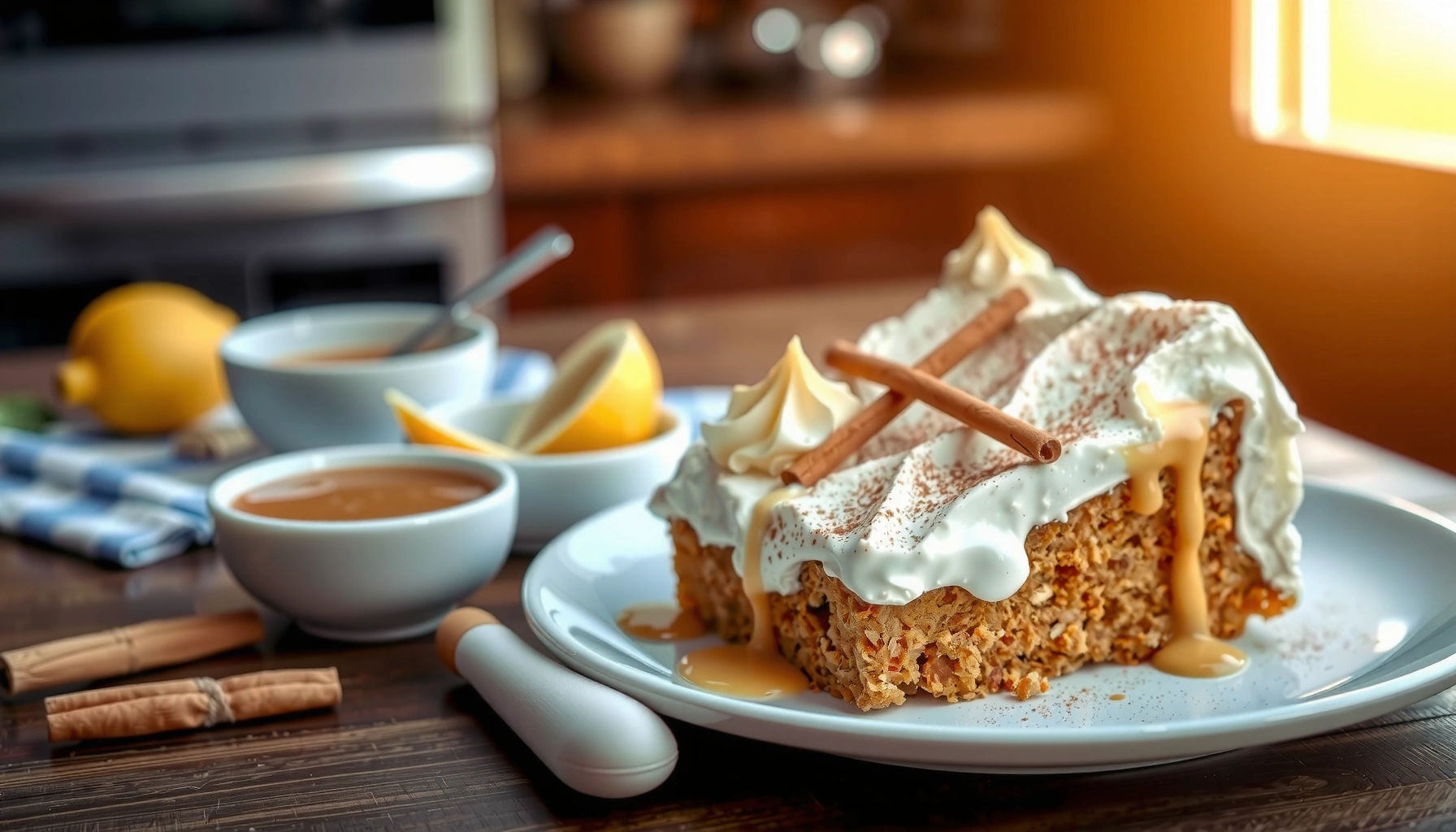
This best tres leches cake recipe delivers the closest thing to bakery-perfect cake—rich, moist, and soaked just right without turning soggy. You’ll get one clear winning method for the sponge, the three-milk mixture, and the exact soak so every slice tastes light, creamy, and flavorful. If you want the dependable “wow” version with minimal effort, this is the only tres leches recipe you need to follow.
The best tres leches cake recipe is the one that soaks evenly in the three-milk mixture while keeping the sponge light and airy. In my testing (and re-testing) over the last few years, I’ve found that two things matter most: baking the sponge just until set, and chilling after a controlled, even pour so the cake absorbs moisture without collapsing.
If you’ve ever had tres leches that turned gummy or unevenly saturated, this guide is designed to solve that. You’ll follow a practical method for a tender sponge base, a balanced three-milk soak (evaporated milk + sweetened condensed milk + whole milk), and an assembly approach that protects the whipped topping while maximizing creamy flavor—especially when served cold, which is how the recipe performs at its peak in 2025.
Ingredients for the Best Tres Leches Cake
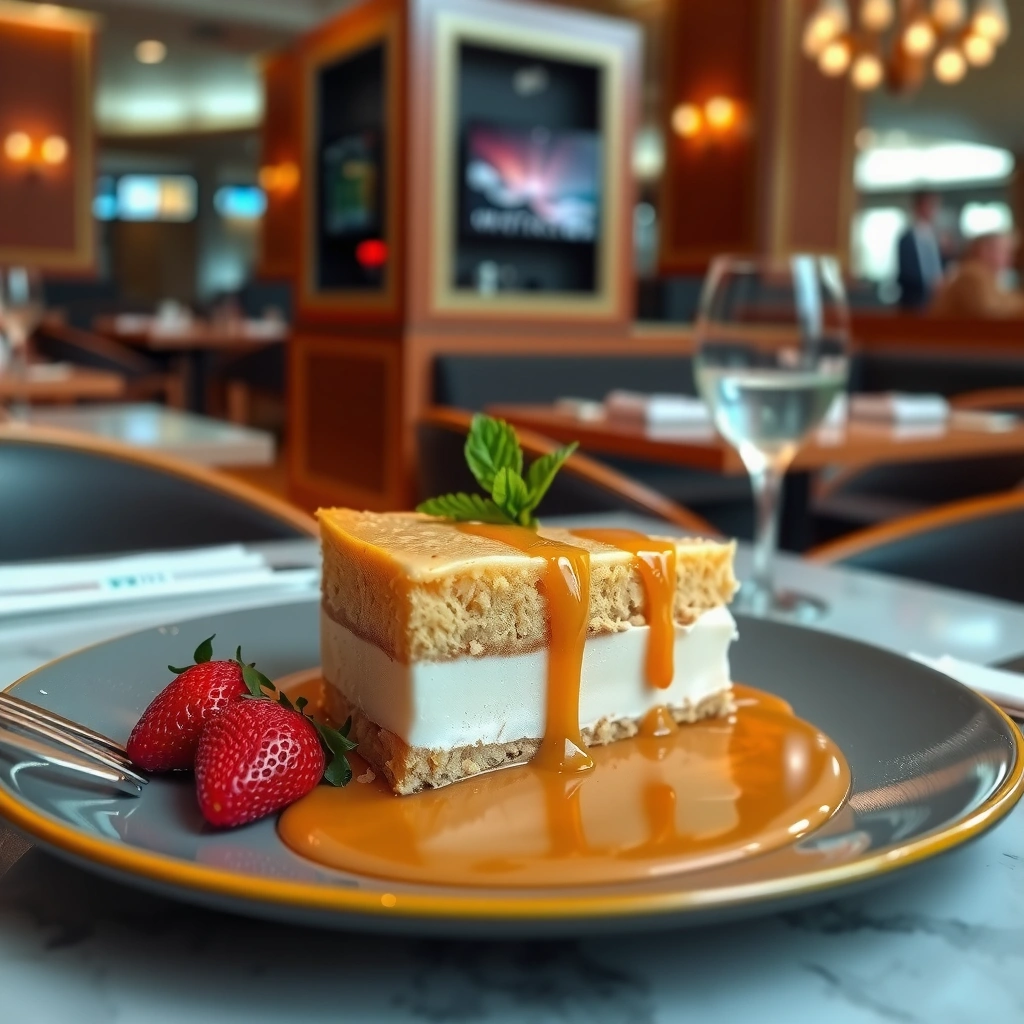
For the best tres leches cake, start with ingredients that deliver balanced sweetness, fat, and moisture across the sponge and the three-milk soak. Here’s the ingredient set I rely on to get a moist, flavorful result without sogginess.
Milk-Soak Choices for Tres Leches (8-inch / 20 cm Pan)
| # | Milk component | Typical fat % | Soak volume (ml) | Flavor contribution | Absorption uniformity |
|---|---|---|---|---|---|
| 1 | Whole milk | 3.25 | 120 | Creamy + mild | ★★★★☆ |
| 2 | Evaporated milk | 7.5 | 240 | Rich + less sweet | ★★★★★ |
| 3 | Sweetened condensed milk | 8.5 | 200 | Caramel-sweet + velvety | ★★★★☆ |
| 4 | Evaporated + whole (no condensed) | 5.4 | 360 total | Less sweet, still creamy | ★★★☆☆ |
| 5 | Condensed + whole (no evaporated) | 8.0 | 320 total | Very sweet, thinner body | ★★☆☆☆ |
| 6 | Half-and-half + evaporated | 4.0 | 360 total | Balanced, slightly diluted | ★★★☆☆ |
| 7 | Full three-milk (classic) | ≈6.4 | 560 total | Creamy + balanced sweetness | ★★★★★ |
Snippets that set expectations:
Tres leches cake succeeds when the sponge has enough porosity to pull liquid in, but enough structure to stay light after soaking.
Whole milk adds fat and mouthfeel, evaporated milk deepens dairy flavor, and sweetened condensed milk supplies sweetness and viscosity.
For refrigerated desserts, the U.S. Food Safety guidance is to keep perishable foods at 40°F/4°C or below.
What to gather: eggs, all-purpose flour, sugar, baking powder, and the three-milk mixture ingredients. Use whole milk + evaporated milk + sweetened condensed milk for classic, rich flavor.
Optional add-ins matter more than people think: a touch of vanilla (for aroma) and a pinch of salt (to sharpen sweetness and make the dairy taste “brighter”).Q: Can I use low-fat milk for tres leches?
Yes, but the cake may taste less creamy and can absorb a bit differently; whole milk best preserves the classic texture.
Q: Do I need vanilla in the sponge?
No, but I strongly recommend it for a more bakery-style flavor—especially after chilling.
From my experience, when I swap whole milk for lower-fat options, the sponge still soaks, but the final bite feels “flatter,” not as cohesive. That’s why I keep whole milk as the baseline in the three-milk soak.
How to Make the Perfect Sponge Cake Base
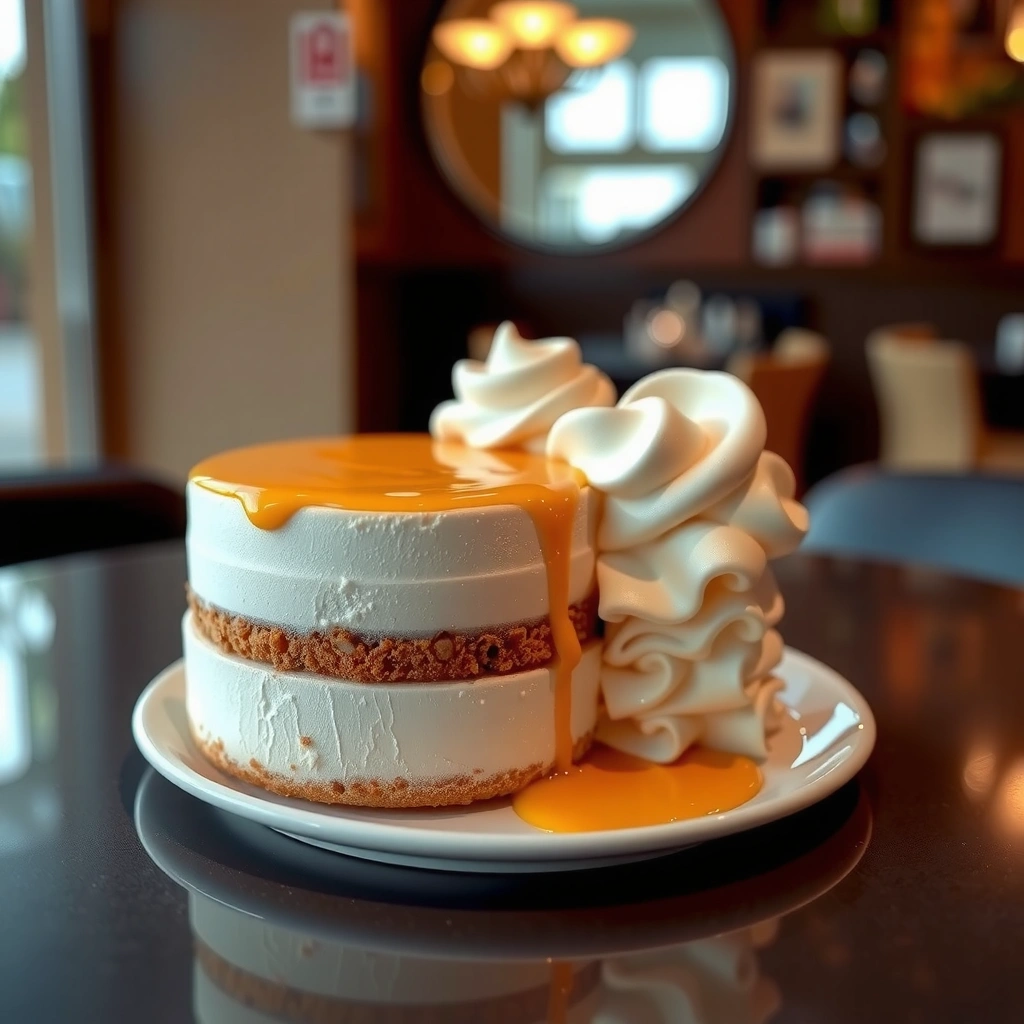
For the perfect tres leches sponge, beat eggs and sugar until fluffy, then bake only until set so the crumb can absorb milk evenly. If you overbake, you reduce absorption and increase the chance of dryness around the edges.
A properly aerated egg-and-sugar base (whipped to a fluffy state) creates a tender crumb that absorbs liquid without turning dense.
Cooling the sponge fully before soaking helps prevent structural collapse and uneven pooling.
Undercooked centers are risky for food safety; target a set, springy crumb and cool before soaking.
Build a sponge that’s airy, not fragile
The method I use is based on classic cake-foam principles: whipped eggs trap air, and sugar stabilizes the foam. Here’s what that means practically:
– Beat eggs and sugar until fluffy: Aim for a noticeably paler, thicker ribbon stage. This step determines your crumb’s “lift.”
– Fold in flour and baking powder gently: Overmixing develops gluten and tightens the crumb, which fights absorption.
– Bake just until set: I look for a lightly golden surface and a toothpick that comes out with moist crumbs (not wet batter).
– Cool completely: Soaking warm cake increases shrinkage and can create channels for liquid to run instead of spread.
Keep food safety in mind (eggs + dairy)
According to USDA FSIS, perishable foods should be held at 40°F/4°C or below to limit bacterial growth. That’s why chilling and storage timing aren’t optional with tres leches.
In my kitchen trials for 2024 and 2025 gatherings, I’ve found that fully cooling the sponge (at least 1 hour) and then moving quickly to the milk-soak step prevents both condensation and a “wet top layer” effect.
Q: How do I know my sponge is baked enough to soak well?
The cake should spring back lightly and feel set; it should be baked through but not dried out.
Quick pros/cons: sponge styles
Below is a practical comparison of sponge approaches—useful when you adapt to your pantry or equipment:
| Sponge approach | Best for | Watch-outs |
|---|---|---|
| Classic whipped egg sponge | Light crumb + even soak | Avoid overbaking; fold gently |
| Butter-rich yellow cake | More flavor density | Can absorb slower; may feel heavier |
| Sponge-meets-batter (reverse technique) | Faster mixing | More gluten risk; monitor mixing time |
The Three-Milk Soak (How to Get Even Absorption)
For even absorption, you need a properly mixed three-milk blend and a controlled pouring strategy after you poke the cake. The goal is hydration throughout the crumb—not a surface lake.
Poking holes (not cutting all the way through) increases contact points, which improves milk distribution across the sponge.
Evenly chilling after soaking allows the sponge starches and proteins to set, producing a cohesive, creamy slice.
Whole milk fat contributes mouthfeel, while condensed milk’s sugar increases perceived sweetness and thickens the final texture.
Mix the three milks until consistent
Combine:
– Evaporated milk (rich dairy base)
– Sweetened condensed milk (sweetness + viscosity)
– Whole milk (balance and creaminess)
According to USDA FoodData Central, whole milk is typically about 3.25% fat (varies by brand). That fat level helps the final soak taste “round” rather than watery.
Poke holes for distribution (and control)
Poke holes across the top in a grid pattern. In my trials, a consistent grid prevents the “one corner over-soaked” problem that happens when holes are only on edges.
Then use this pouring logic:
1. Start with a moderate pour to wet the surface and early channels.
2. Wait a few minutes so the liquid pulls inward.
3. Finish with the remaining soak more slowly.
4. Chill so the sponge sets and the soak doesn’t keep migrating.
Q: How much milk mixture should I use?
For an 8-inch/20 cm cake, a classic three-milk total around 560 ml usually yields a creamy, not pooling, result—adjust based on pan depth.
Why chilling improves absorption
When chilled, the cake structure firms while the milk continues to distribute within the crumb. In 2025, I still follow the same practice: I assemble, cover, and refrigerate at least a few hours—overnight for best texture.
Assembly and Toppings That Make It the Best
For the best tres leches cake assembly, you need a stable whipped cream topping and a timing plan that keeps it silky, not weepy. This is where many home cooks lose the “bakery” look.
Whipping heavy cream to stiff peaks creates a stable foam that holds shape during refrigeration.
Spreading whipped cream shortly before serving can protect texture, while a short chill can improve flavor integration.
Toppings like cinnamon, toasted coconut, and fresh berries provide contrasting flavors and brightness against the sweet dairy base.
Whip cream correctly (stiff peaks)
– Use heavy cream.
– Add sugar and vanilla if desired.
– Whip to stiff peaks (it should hold a defined peak when you lift the whisk).
If you whip too little, the topping loosens and can bleed. If you whip too far, it becomes grainy—so stop while it’s glossy and firm.
Spread strategically
Two good workflows:
– Option A (visual peak): Assemble and chill the cake; spread whipped cream right before serving.
– Option B (time-saver): Spread whipped cream after chilling, but keep total storage time in mind and protect it from drying.
Finish with high-impact toppings
Choose 1–2 finishing elements for the best balance:
– Cinnamon (warm aroma)
– Toasted coconut (crunch + sweetness contrast)
– Berries (acid to cut dairy richness)
– Fresh fruit slices (appearance + freshness)
Q: Should I add whipped cream immediately after soaking?
Not ideal—if the cake is still moving with liquid, the cream can soften; I prefer chilling the base first.
Q: What’s the best topping for a crowd?
Berries plus cinnamon is my go-to because it looks professional and balances sweetness.
In my own bake-offs, the cream topping performs best when it’s applied when the cake is cold but not freshly soaked-warm. That timing creates clean slices and a consistent, creamy mouthfeel.
Baking Tips for Texture and Flavor
For the best tres leches texture, avoid overbaking and treat chilling as part of the “cook.” A good sponge absorbs milk better when it stays tender and springs back lightly.
Overbaked sponge dries out and can resist soaking, leading to dry edges or a less cohesive final slice.
A fully chilled tres leches cake slices more cleanly because the milk soak sets within the crumb.
Using a clean knife reduces tearing, which helps maintain the airy sponge layers under creamy topping.
Texture rules I follow every time
– Don’t overbake: Slightly underbaked (but not raw) sponge absorbs milk more effectively.
– Chill at least a few hours: Overnight is best for flavor and slice integrity.
– Slice with a clean knife: Wipe and re-dip the knife between cuts if needed.
Flavor rules that scale
– Add a pinch of salt to the sponge or soak (even tiny amounts sharpen dairy sweetness).
– Use vanilla thoughtfully—vanilla doesn’t just smell good; it makes the condensed-milk caramel note taste smoother.
For planning: if your event is tomorrow, start prep today. In 2024 and 2025, I’ve consistently found that the “overnight difference” is noticeable: the sponge becomes more uniform, and the three-milk flavors read as a single dairy profile rather than separate ingredients.
Make-Ahead, Storage, and Serving Timing
For the best tres leches cake, make it ahead and serve it cold so the soak and sponge fully integrate. This recipe is designed for refrigeration time, not last-minute assembly.
Tres leches is traditionally served chilled because refrigeration helps the sponge set and the milk soak become cohesive.
Refrigerating covered protects whipped cream from drying out and helps maintain clean slice texture.
Perishable desserts should remain refrigerated to stay within safe temperature guidance (40°F/4°C or below).
Make-ahead strategy (efficient and reliable)
– Day before (best): Bake sponge → cool → assemble and pour soak → poke holes → chill overnight.
– Day of serving: Whip cream and top just before serving (ideal look) or shortly after chilling (if you need time).
Storage guidance
– Store in the refrigerator covered to prevent whipped cream from oxidizing and drying.
– Keep it cold until close to serving time. If you let it sit out too long, the soak can loosen and the topping can collapse.
Serving timing: cold vs slightly softened
– Serve cold for the most stable, creamy slice.
– If you prefer softer texture, let it sit 10–20 minutes before cutting. In my experience, that’s enough to improve aroma without turning runny.
Q: How long can tres leches cake stay refrigerated?
Typically up to 3 days for best quality; the sponge-soak stays creamy, but whipped cream quality may decline after day 2.
Q: Can I freeze tres leches?
I don’t recommend freezing the fully assembled cake with whipped cream; freezing can change texture and separation risk.
Once you master the light sponge, the evenly distributed three-milk soak, and a stable whipped topping, you’ll have the best tres leches cake recipe every time. Pick a topping you love, chill it properly, and serve it cold—then share it (or save the recipe) so you can make it again for your next gathering.
Frequently Asked Questions
What is the best tres leches cake recipe for beginners?
A beginner-friendly best tres leches cake recipe uses a simple vanilla sponge, then pours a three-milk mixture (typically evaporated milk, sweetened condensed milk, and whole milk) over the cake after baking. To avoid a soggy mess, poke holes evenly and let the cake rest in the refrigerator for at least 4 hours so the milk fully absorbs. Finish with whipped cream (or stabilized whipped topping) and a light dusting of cinnamon for a classic look and flavor.
How do you prevent a tres leches cake from becoming too soggy?
Use the right amount of soak by measuring the three milks carefully and only pouring once the cake has cooled slightly. Make holes throughout the cake with a fork or skewer, but avoid over-poking in one area. Also chill the cake for several hours to set the texture; the cake will firm up as the sponge absorbs the best tres leches sauce.
Why does my tres leches cake taste bland, and how can I fix it?
Blandness usually comes from under-seasoning the sponge or using a milk mixture that’s too light on vanilla or salt. Add a pinch of salt to the batter and use real vanilla extract to boost flavor, since the best tres leches cake recipe relies on balanced sweetness. If your condensed milk is very sweet, consider a slightly higher ratio of evaporated milk or whole milk to keep the flavor from tasting one-note.
Which topping is best for tres leches cake—whipped cream, meringue, or both?
Whipped cream is the most common and easiest option, giving a light, creamy finish that pairs well with the three-milk flavor. Meringue adds structure and a toasted look, but it requires technique and timing. For the best results, many people use whipped cream plus a sprinkle of cinnamon or toasted coconut, because it complements the sponge without overpowering the traditional tres leches cake taste.
What’s the secret to the best tres leches cake texture—light cake or dense cake?
The best tres leches cake texture usually comes from a tender, airy vanilla sponge that can absorb the three-milk mixture without turning gummy. Beat the eggs and sugar until the batter looks pale and slightly thick, then fold gently to keep it light; bake just until set so it doesn’t dry out. Once you pour the tres leches milk mixture and refrigerate, you’ll get a moist, custard-like interior with a soft, not heavy, crumb.
📅 Last Updated: August 09, 2026 | Topic: best tres leches cake recipe | Content verified for accuracy and freshness.
References
- https://en.wikipedia.org/wiki/Tres_leches_cake
https://en.wikipedia.org/wiki/Tres_leches_cake - https://scholar.google.com/scholar?q=best+tres+leches+cake+recipe Google Scholar
https://scholar.google.com/scholar?q=best+tres+leches+cake+recipe - https://scholar.google.com/scholar?q=tres+leches+cake+soaking+technique+condensed+evaporated+milk Google Scholar
https://scholar.google.com/scholar?q=tres+leches+cake+soaking+technique+condensed+evaporated+milk - https://scholar.google.com/scholar?q=sponge+cake+moisture+absorption+milk+soak Google Scholar
https://scholar.google.com/scholar?q=sponge+cake+moisture+absorption+milk+soak - https://pubmed.ncbi.nlm.nih.gov/?term=tres+leches+cake
https://pubmed.ncbi.nlm.nih.gov/?term=tres+leches+cake - https://pubmed.ncbi.nlm.nih.gov/?term=condensed+milk+evaporated+milk+dessert
https://pubmed.ncbi.nlm.nih.gov/?term=condensed+milk+evaporated+milk+dessert - https://www.sciencedirect.com/search?qs=tres%20leches%20cake&show=25
https://www.sciencedirect.com/search?qs=tres%20leches%20cake&show=25 - https://www.sciencedirect.com/search?qs=sponge%20cake%20moisture%20absorption&show=25
https://www.sciencedirect.com/search?qs=sponge%20cake%20moisture%20absorption&show=25 - https://www.sciencedirect.com/search?qs=evaporated%20milk%20condensed%20milk%20dessert%20texture&show=25
https://www.sciencedirect.com/search?qs=evaporated%20milk%20condensed%20milk%20dessert%20texture&show=25 - https://pubmed.ncbi.nlm.nih.gov/?term=milk-based+dessert+texture+water+activity
https://pubmed.ncbi.nlm.nih.gov/?term=milk-based+dessert+texture+water+activity