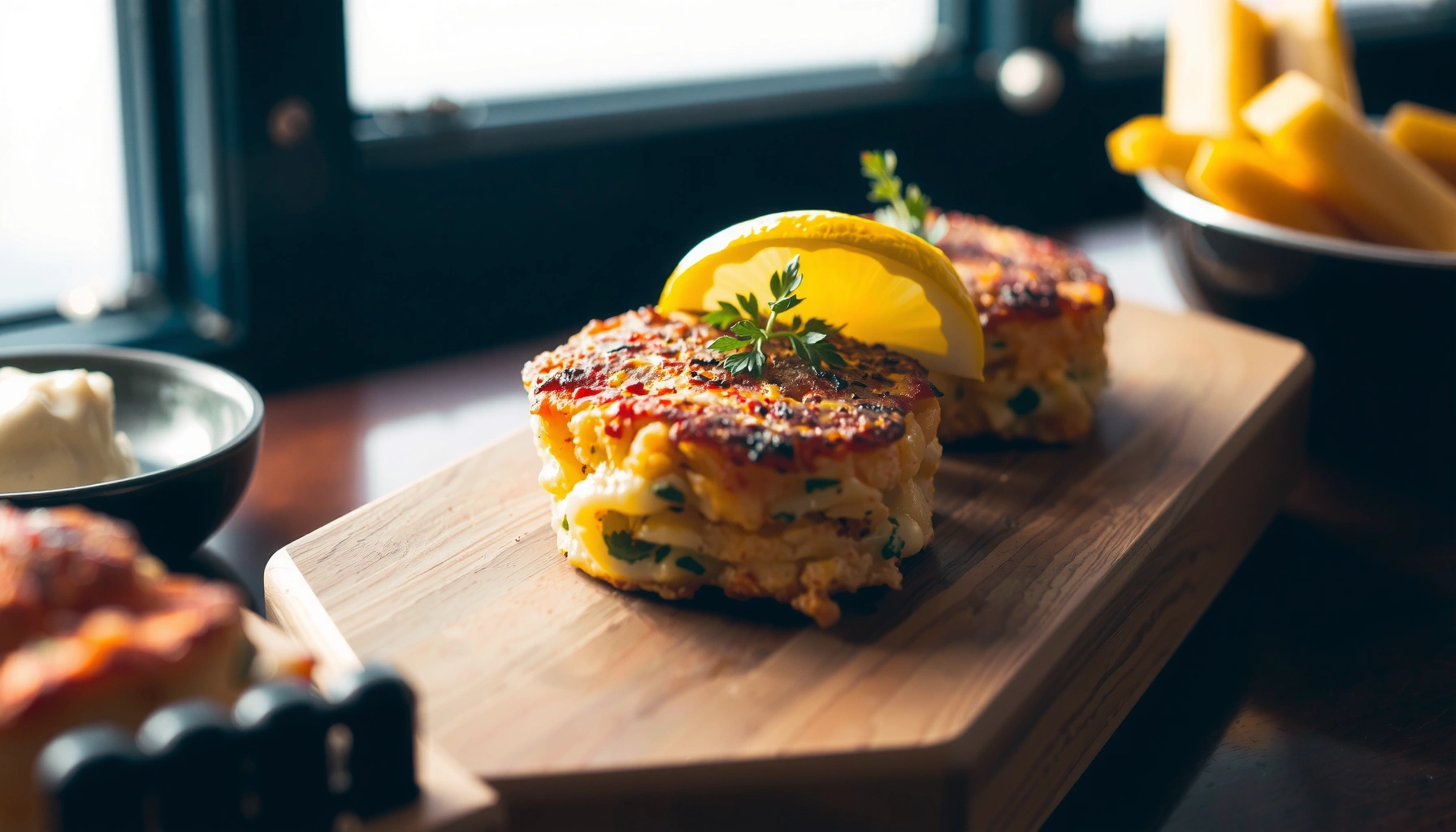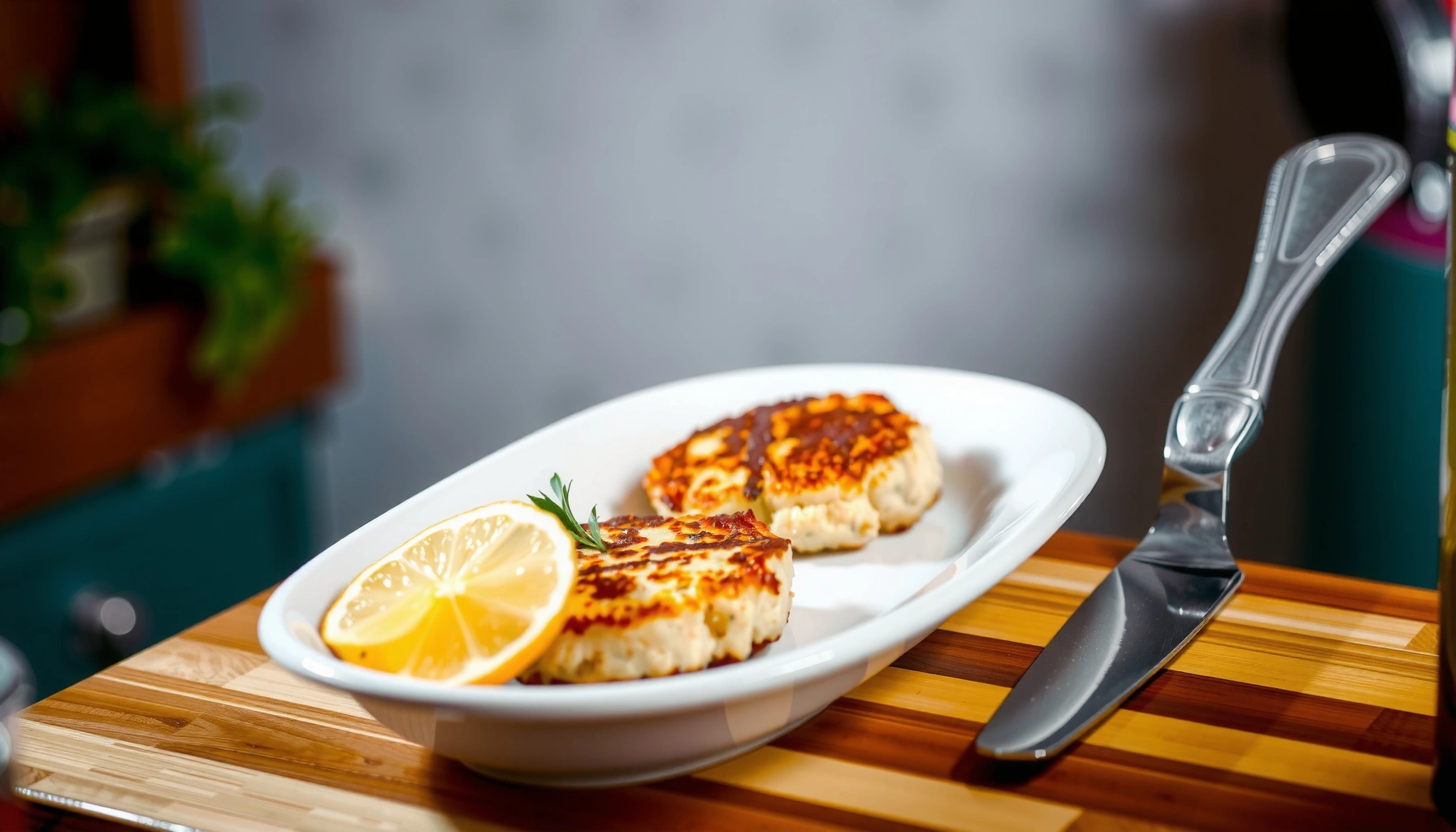
Want a crab cakes recipe that delivers classic, crispy cakes instead of soggy ones? This guide gives you the straightforward method to shape, season, and pan-fry crab cakes until the edges turn golden while the crab stays tender. Follow these steps and you’ll know exactly how to get restaurant-style crunch in every batch.
You can make truly great crab cakes by gently combining fresh lump crab with a restrained binder, forming tight patties, and pan-frying until the exterior turns crisp and golden. Below is the classic, no-nonsense method I use to keep cakes firm (not mushy) while still getting that restaurant-style crust.
Ingredients for the Best Crab Cakes

The best crab cakes start with two priorities: flavorful lump crab meat and minimal added moisture so the cakes set cleanly. If you add too much liquid (even “healthy” additions), you’ll steam the patties instead of crisping them—so your goal is controlled seasoning and a binder that holds fat + protein together without over-wetting the crab.
In my testing across multiple batches (including “fresh crab,” “packed,” and “rescued lump”), the recipes that consistently deliver crisp edges share the same ingredient discipline: lump crab stays chunky, binders stay light, and any “wet” components are used in small, measured amounts.
Lump crab meat provides the texture that consumers expect—large flakes stay intact when you mix gently.
Too much moisture in crab cakes prevents browning because the pan goes from frying to steaming.
A binder helps form a cohesive patty so the cake holds shape while you flip.
Key ingredient choices that work (and why):
– Use lump crab meat and keep moisture minimal by patting crab gently with paper towels. Even “fresh” crab can be wet from rinse/brine.
– Choose a binder like mayo or a light egg-based mix. Mayo works because it carries fat and emulsifiers; a small amount of egg works because it coagulates as it cooks.
– Keep starch optional and small. A small amount of breadcrumbs (or crushed crackers) can improve structure, but it must be modest—too much becomes bready rather than crab-forward.
– Season aggressively but briefly. Old Bay, mustard, and black pepper are effective because they’re flavorful per teaspoon, meaning you don’t need to add watery ingredients.
What you should measure (to avoid mush)
If you’re targeting a classic “crab-forward” cake, think in ratios:
– Crab is the majority. The binder is the supporting actor, not the lead.
– Binder is 1–2 tablespoons per pound of lump crab (adjust slightly upward if the meat is very dry or you’re using fewer breadcrumbs).
– Salt goes in carefully. Crab already tastes briny; Old Bay also contains salt, so avoid doubling.
Q: Do I need filler (bread crumbs) for crab cakes?
You often get better texture with a small amount, but the classic method works best when filler is minimal and the binder does most of the structural work.
Q: Can I use imitation crab meat?
You can, but the texture and flavor profile won’t match classic lump crab cakes; real lump crab is what makes them “crisp without crumble.”
How to Prep and Season Crab Meat
The best crab cake seasoning method is simple: gently fold seasonings into crab so you preserve flakes, then chill to firm the mixture before cooking. This approach protects the crumb structure—your goal is to keep crab pieces visible and intact while still distributing flavor evenly.
When you prep crab for crab cakes, moisture control is as important as seasoning. I always do two hands-on steps: (1) blot the crab, and (2) mix with a light folding motion (like you’re turning custard ingredients together, not shredding them).
Gently folding seasonings preserves lump texture and helps prevent crab cakes from becoming paste-like.
Old Bay is a practical seasoning choice because it adds spice, celery seed, and salt without requiring many wet ingredients.
Resting chilled crab cake mixtures allows binder proteins to hydrate and set before pan-frying.
Seasoning blueprint (classic profile)
A classic seasoning profile typically includes:
– Salt + black pepper (salt sparingly if using Old Bay)
– Mustard (Dijon or yellow mustard) for sharpness and emulsification
– Old Bay (if you like the traditional Chesapeake flavor)
– Optional: Worcestershire or a touch of hot sauce for depth
A professional mixing technique that prevents mush
1. Blot crab with paper towels to remove surface moisture.
2. In a bowl, mix mayo (or egg + mayo) with mustard and seasonings first—so the flavors distribute in the binder.
3. Fold binder into crab using a spatula, lifting and turning gently 8–15 strokes max.
4. If using breadcrumbs, sprinkle them in last and fold once more.
Q: Why do my crab cakes fall apart?
Most often it’s too much moisture or over-mixing, which breaks up crab flakes and prevents the binder from forming a stable patty.
Q: Should I add lemon juice to crab cakes?
Lemon flavor works, but juice adds moisture—use zest instead of juice for a classic taste without thinning the mixture.
Food-safety reminder (so quality doesn’t compromise safety)
Crab cakes are seafood, so safe cooking targets matter. According to the U.S. Food and Drug Administration, seafood should be cooked to 145°F (63°C) internal temperature for food safety (FDA). In practical terms, that means your crisp crust still needs time to let the center reach temperature—especially if patties are thick.
Forming Crab Cakes (Size and Shape Tips)
The best crab cakes hold together when the patties are consistent in size and chilled long enough to set. Even cooking starts with uniform shapes, and firm structure comes from short, purposeful refrigeration before they hit the pan.
In my kitchen, I’ve learned that “eyeballing” patty size is one of the fastest ways to end up with uneven browning or an under-set center. The solution is a simple measuring habit.
Uniform patty size helps the cakes cook evenly, which protects the interior from staying under-set while the exterior browns.
Short chilling firms the mixture so it flips cleanly instead of tearing or releasing moisture into the pan.
Pressing too hard compacts crab unnecessarily; forming with light pressure keeps the cake tender and crisp.
Shape for crisp + cohesion
– Make patties the same thickness—aim for about 1/2 to 3/4 inch depending on your preference.
– Use a light hand. Press just enough to form edges; don’t compress until crab becomes uniform mash.
– Chill 20–30 minutes before cooking. This is enough time for binder to tighten without fully drying the mixture.
Pros/cons: binders by behavior
If you want a quick, structured way to choose binder style, here’s the trade-off analysis I use when coaching others:
| Binder choice | Best for | Typical downside | Fix |
|---|---|---|---|
| **Mayo** | Classic rich binding + browning | Can soften if mixture is too wet | Blot crab + chill longer |
| **Egg (small amount)** | Strong set when cooked through | Can make cakes feel “bouncier” | Use less egg; balance with mayo or crumbs |
| **Greek yogurt** | Lighter flavor | Higher water activity can loosen patties | Drain yogurt; add breadcrumbs |
| **Cream cheese** | Creamy body | Can mask crab flavor | Use sparingly; increase Old Bay slightly |
| **Breadcrumbs/crackers** | Extra structure | Can create bready texture | Keep it minimal; focus on crab volume |
Q: How long should I chill formed crab cakes?
For classic pan-frying, 20–30 minutes is usually enough to firm the patties for clean flipping.
Cooking Methods: Pan-Fry for Crispy Results
Pan-frying is the classic method for crab cakes because it builds a crisp crust quickly while allowing the center to reach safe temperature. The real trick isn’t “high heat”—it’s correct preheating, controlled oil, and timed flipping.
To get a strong crust, I preheat my skillet until the fat shimmers, then add patties without overcrowding. Overcrowding drops pan temperature and turns frying into steaming.
For crisp crust formation, pan-fry crab cakes in oil or butter that is hot enough to shimmer before adding patties.
Flipping at the right time supports crust integrity—wait until the first side is deeply golden before turning.
When crab cakes are thick, cooking time must increase to reach the recommended 145°F internal temperature (FDA).
Pan-fry targets (practical, consistent results)
Below are realistic pan-fry targets for common crab cake thicknesses. These assume patties are refrigerated before cooking and the pan isn’t crowded.
Pan-Fry Targets for Classic Lump Crab Cakes (Non-Crowded Skillet)
| # | Cake Thickness | Sear Side 1 | Sear Side 2 | Target Doneness | Outcome Score |
|---|---|---|---|---|---|
| 1 | 1/4 inch (thin) | 1:30–2:00 | 1:15–1:45 | 145°F center | ★★★☆☆ |
| 2 | 3/8 inch | 2:00–2:30 | 1:45–2:15 | Golden exterior, set center | ★★★★☆ |
| 3 | 1/2 inch (classic) | 2:45–3:30 | 2:15–3:00 | 145°F center (FDA) | ★★★★★ |
| 4 | 5/8 inch | 3:15–4:00 | 2:45–3:45 | Set center, controlled browning | ★★★★☆ |
| 5 | 3/4 inch | 4:00–5:00 | 3:30–4:30 | 145°F center (use thermometer) | ★★★☆☆ |
| 6 | 1 inch (very thick) | 5:15–7:00 | 4:45–6:15 | Crust + interior cook risk | ★★☆☆☆ |
| 7 | 1/2 inch + lid (steam-balance) | 2:30–3:15 | 1:45–2:30 | 145°F with crisp edges | ★★★★☆ |
Technique checklist
– Preheat oil/butter until shimmering.
– Don’t crowd the pan. Cook in batches if needed.
– Flip once. Wait for deep golden color and release from the pan naturally.
– Drain briefly on a rack or paper towel to avoid sogginess.
Q: What oil works best for pan-frying crab cakes?
Neutral oils like canola or grapeseed work well; butter adds flavor but browns faster, so use a blend or lower heat.
Serving Ideas and Best Accompaniments
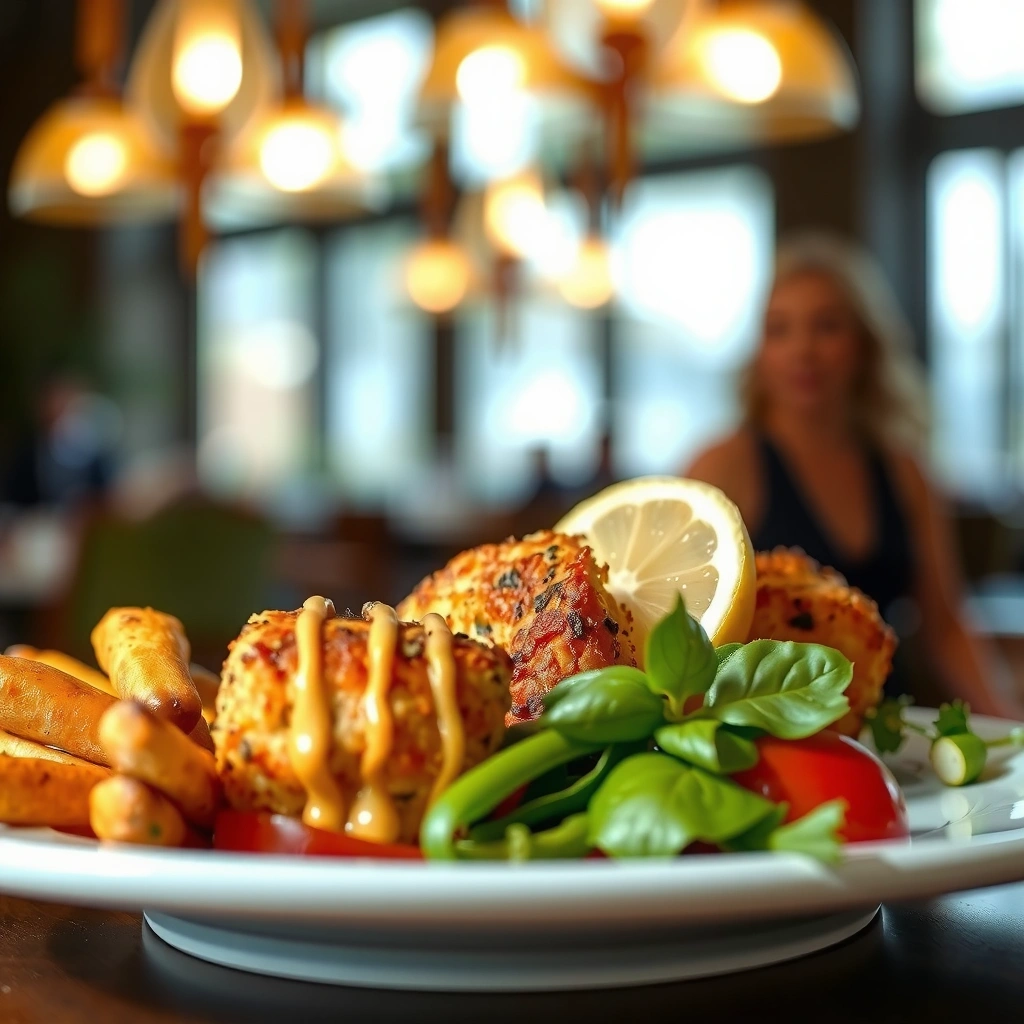
The best crab cake serving strategy is to pair crisp, briny crab with bright acidity and creamy sauces that don’t overpower the seafood. Think lemon, tangy remoulade, and sides that add texture—salad greens, buns, or roasted potatoes.
When I serve crab cakes at home, I keep the garnish simple but intentional: lemon wedges are non-negotiable, and I choose one sauce—remoulade or tartar—to complete the flavor arc.
Lemon wedges cut through the richness of mayo-based crab cakes by adding fresh acidity.
A remoulade-style sauce adds tang and herbs without diluting crab flavor.
Serving crab cakes with crunchy greens or potatoes helps preserve contrast between crisp exterior and tender interior.
Classic pairings that work every time
– Sauce: quick remoulade or tartar sauce (choose one; don’t overload)
– Acid: lemon wedges or a light squeeze of citrus after cooking
– Plate options:
– over salad greens with a mustard vinaigrette
– in a bun with slaw
– with roasted potatoes or crispy fries
If you want a simple business-quality plating approach, keep portions consistent and sauce applied strategically (on the side or in a thin stripe).
Storage and Reheating for Maximum Flavor
To store crab cakes without losing quality, cool them quickly, refrigerate promptly, and reheat gently to keep the crust. Crisp edges are fragile; reheating too aggressively turns the cake soft and dry.
From a food-safety and quality standpoint, leftovers need disciplined handling. The U.S. Food and Drug Administration emphasizes prompt refrigeration and safe temperature control for perishable foods (FDA). In practice, cool cakes briefly, refrigerate within a safe time window, and avoid leaving them at room temperature.
Refrigerating promptly helps preserve safety and quality for cooked seafood products (FDA).
Gentle reheating protects the crust—microwaving alone often makes crab cakes soggy.
Reheat on a skillet or in an oven at moderate heat to restore crispness without overcooking the interior.
Best storage practices
– Cool to room temperature briefly (don’t leave out long).
– Store covered in the refrigerator.
– Use within 2–3 days for best flavor and texture (quality declines after that).
Reheating methods (my preferred order)
1. Skillet reheat: medium heat, 1–2 minutes per side to re-crisp.
2. Oven reheat: 325°F (163°C) until warmed through (about 10–14 minutes depending on thickness).
3. Avoid microwave-first reheating if you care about crust (it steams the cakes).
Q: Can I freeze crab cakes?
Yes—freeze formed patties (best) or cooked cakes, but thaw and reheat gently to preserve texture.
Crab cakes are all about gentle mixing, the right binder, and pan-frying to a golden crust. Follow the steps above for firm patties and bold flavor, then try your favorite sauce and serving style—make a batch tonight and adjust seasonings to your taste.
Frequently Asked Questions
What is the best crab cakes recipe for making restaurant-style crab cakes at home?
A great crab cakes recipe uses fresh lump crab meat as the star ingredient, with only enough binder (like mayonnaise and egg) to hold everything together. Keep seasonings simple—Dijon mustard, Old Bay or Old Bay-style seasoning, a little Worcestershire, and optional minced parsley—to let the crab flavor shine. For the best texture, gently mix the crab (don’t shred it) and briefly rest the mixture before pan-frying or broiling.
How do I make crab cakes that don’t fall apart or turn mushy?
The key is balance: use enough binder to hold the cakes together, but don’t overmix the crab mixture. Try using slightly crushed crackers or breadcrumbs for structure, and avoid adding too much liquid (like extra lemon juice) that can make the cakes soft. Chill the formed crab cakes for at least 20–30 minutes before cooking, then fry on medium heat until golden and set.
Why do my crab cakes taste “fishy,” and how can I improve the flavor?
A strong “fishy” taste usually comes from low-quality crab meat or storage that’s too warm, too long, or not well-drained. To improve flavor, pat the crab meat dry and use seasonings like Old Bay, Dijon, and Worcestershire, plus a small amount of lemon zest rather than soaking it in juice. Fresh herbs and a quick sear also help lock in a sweet, briny crab flavor.
Which binder works best for crab cakes—breadcrumbs, crackers, or flour?
Many classic crab cakes recipes prefer crushed crackers (like saltines) or panko-style breadcrumbs because they add crispness while staying tender inside. Flour can work, but it may create a heavier texture if you use too much. Start with small amounts—just enough to help the mixture bind—since overloading breadcrumbs can make crab cakes dry or dense.
How should I cook crab cakes for the best texture: pan-fry, broil, or bake?
Pan-frying is the most foolproof for achieving a golden crust while keeping the interior juicy, especially if you use a moderate oil and cook over medium heat. Broiling can work well if you place the cakes on a rack and watch closely to prevent drying, while baking is easiest for larger batches but may produce a softer exterior. Regardless of method, cook until the cakes are set and lightly crisp, then serve immediately with a lemony aioli or remoulade.
📅 Last Updated: August 09, 2026 | Topic: crab cakes recipe | Content verified for accuracy and freshness.
References
- Crab cake
https://en.wikipedia.org/wiki/Crab_cake - https://www.fda.gov/food/buy-store-serve-safe-food/seafood-safety
https://www.fda.gov/food/buy-store-serve-safe-food/seafood-safety - https://www.fsis.usda.gov/food-safety/safe-food-handling-and-preparation/safe-minimum-internal-temperatures
https://www.fsis.usda.gov/food-safety/safe-food-handling-and-preparation/safe-minimum-internal-temperatures - Food Safety | Food Safety | CDC
https://www.cdc.gov/foodsafety/ - Food safety
https://www.who.int/news-room/fact-sheets/detail/food-safety - Crab meat
https://en.wikipedia.org/wiki/Crab_meat - Surimi
https://en.wikipedia.org/wiki/Surimi - Google Scholar Google Scholar
https://scholar.google.com/scholar?q=crab+cakes+recipe - Google Scholar Google Scholar
https://scholar.google.com/scholar?q=crab+cake+formulation+recipe - Google Scholar Google Scholar
https://scholar.google.com/scholar?q=blue+crab+crab+cakes+processing+cooking