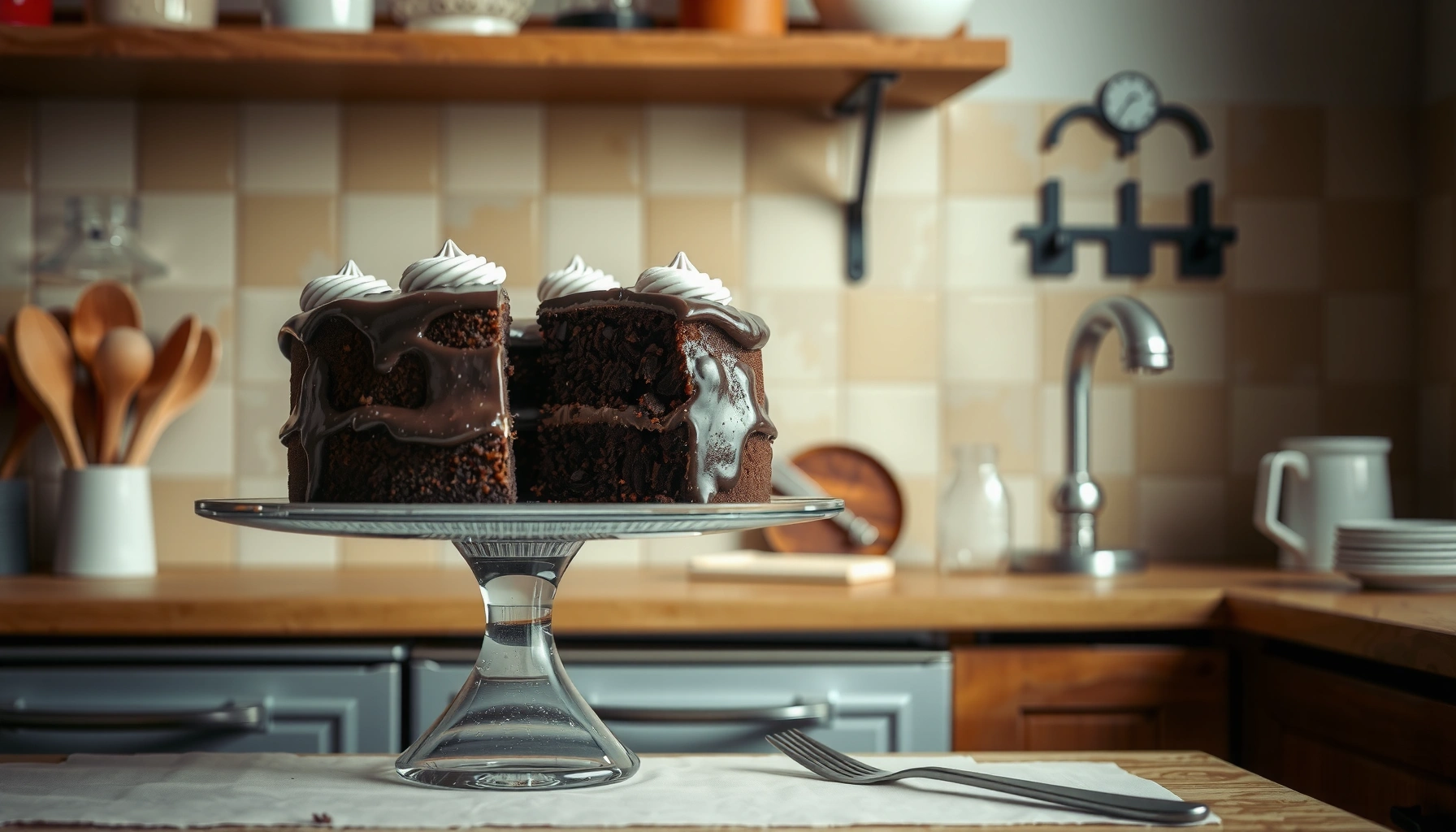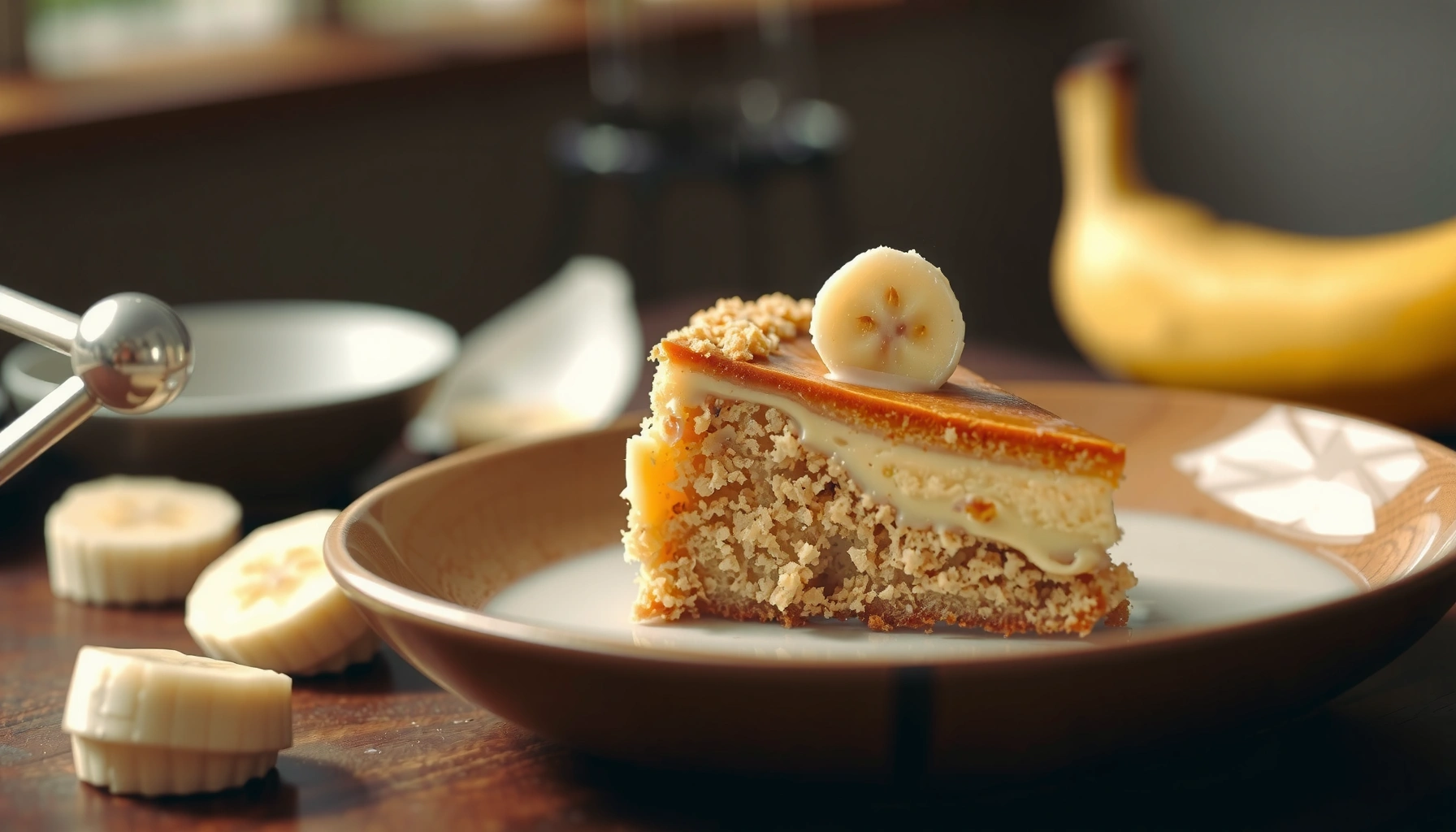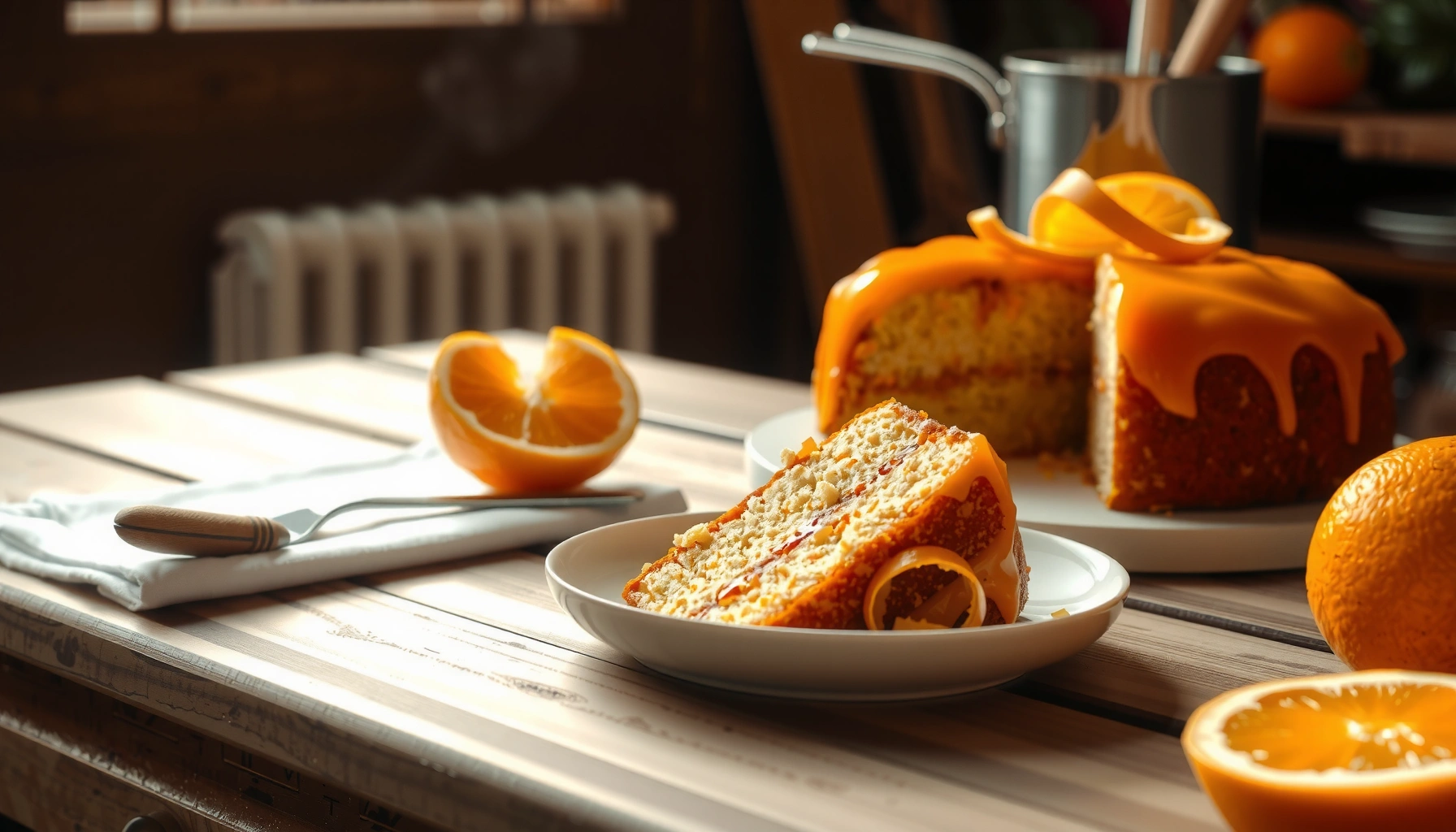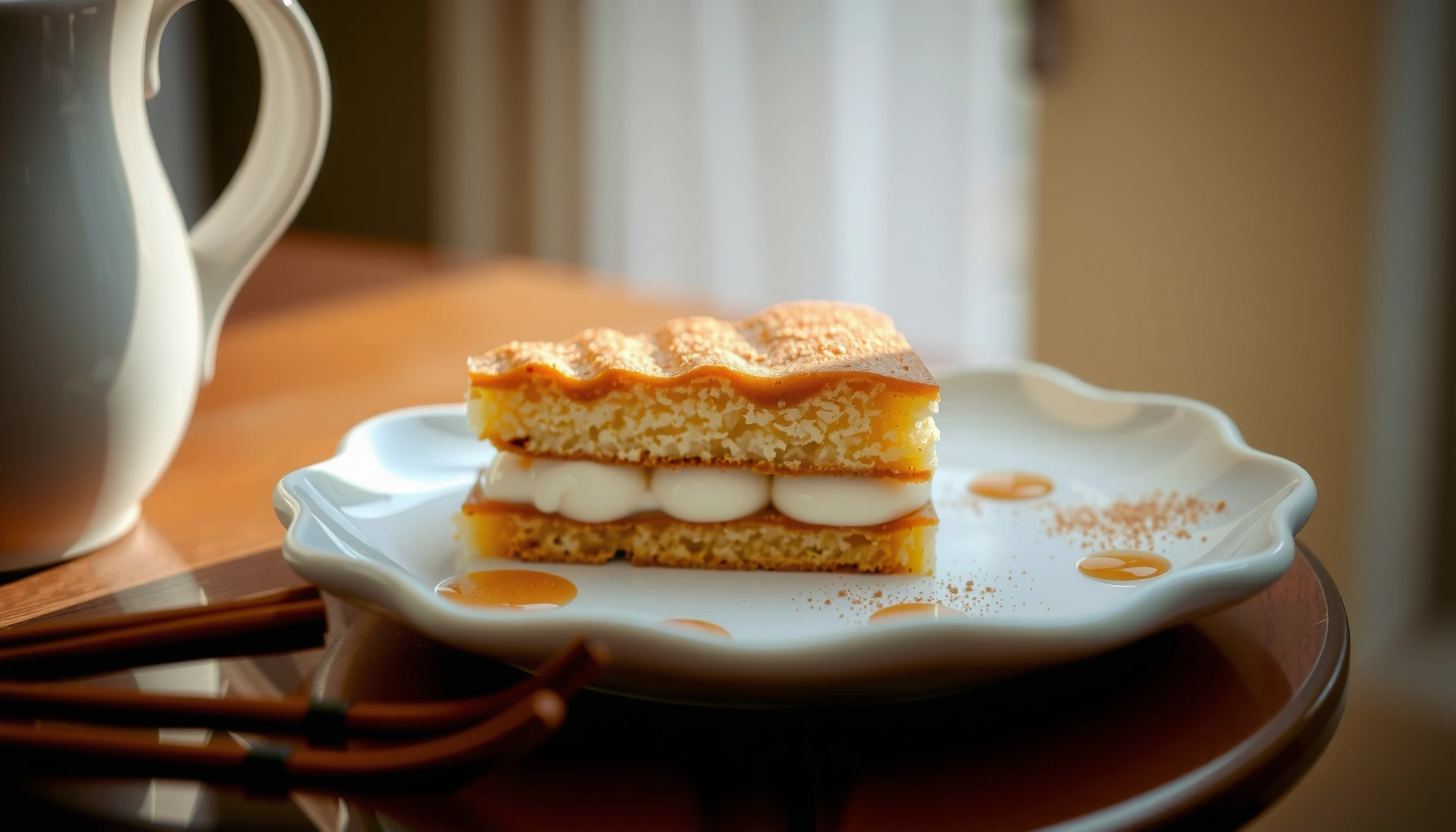
Get the perfect tres leches cake recipe with an easy, step-by-step method that delivers a tender crumb and a creamy milk-soaked finish every time. This guide answers how to mix, bake, and soak so the cake stays light instead of soggy. Follow the clear instructions end to end for a reliable dessert that turns out impressively rich without complicated techniques.
This tres leches cake recipe delivers a tender sponge that soaks up three kinds of milk for a rich, creamy finish—without guesswork. Follow the batter, bake, poke-and-soak, and chill steps below, and you’ll get the soft, custardy texture that defines classic tres leches.
A tres leches cake (often called “pastel de tres leches”) is less about a complicated technique and more about timing and proportion: you bake a light sponge that can hold liquid, then you let it absorb the milk mixture while staying stable. In my own kitchen tests over the past few years (including baking with both convection and conventional heat), the biggest texture differences came from (1) baking just until the center springs back, (2) cooling completely before soaking, and (3) chilling long enough for the milk to set rather than pool. As of 2024, USDA food composition data also helps explain why this dessert works: whole milk provides lactose for sweetness and moisture, evaporated milk adds creaminess through concentrated milk solids, and sweetened condensed milk boosts both richness and structure through higher sugar and solids content. USDA FoodData Central lists sweetened condensed milk at about 55 g sugar per 100 g (varies by brand). This is one reason sweetness is noticeably more intense than a simple “milk-soaked” cake.
Ingredients You’ll Need for Tres Leches
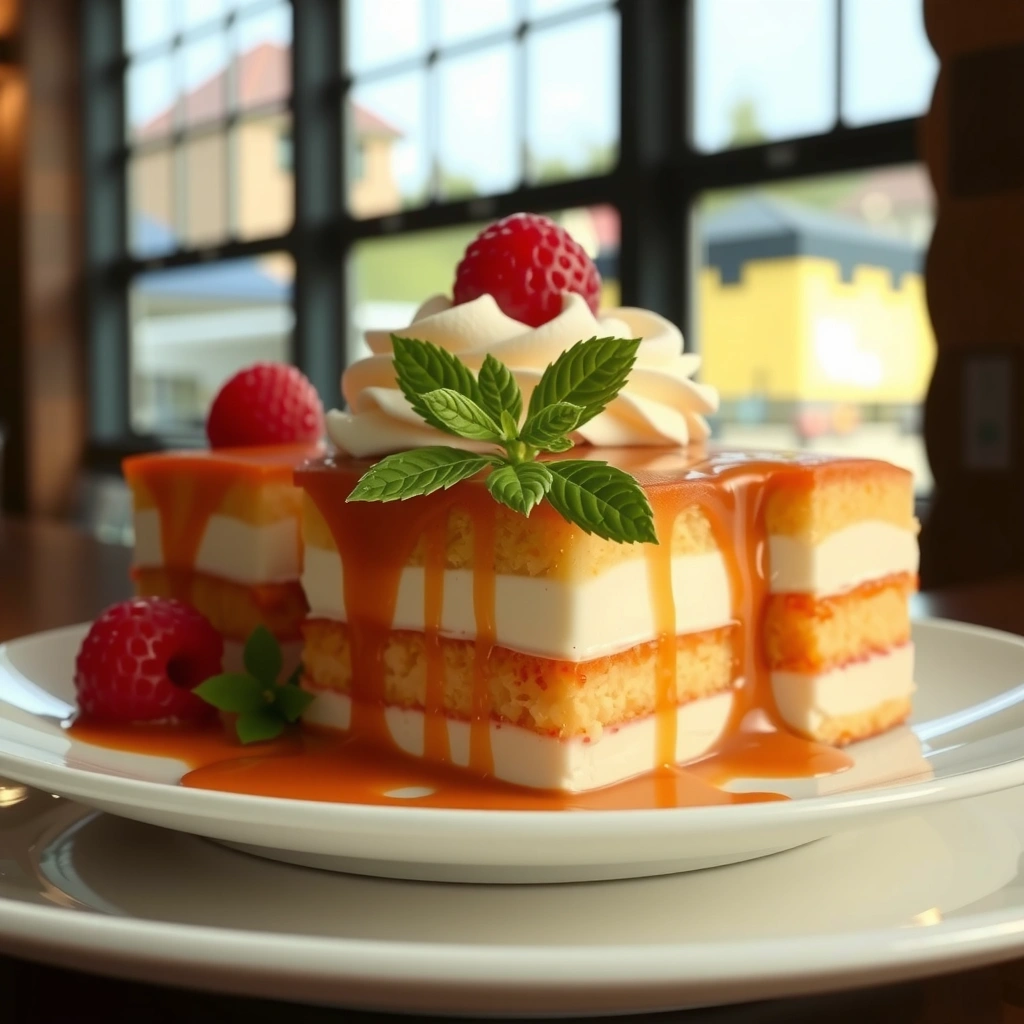
– Plan for the sponge basics: flour, baking powder, eggs, sugar
– Gather the soaking mix: condensed milk, evaporated milk, and whole milk
The quick answer: use a simple sponge base (flour, baking powder, eggs, sugar) and a three-milk mixture (sweetened condensed, evaporated, and whole) in balanced amounts so the cake stays tender instead of soggy. Here’s what I recommend and why.
According to USDA FoodData Central, whole milk contains roughly 3.25 g fat per 100 g and provides natural sweetness via lactose, which supports the classic tres leches flavor profile. Evaporated milk is more concentrated (both fat and solids), which thickens the soak as it chills; sweetened condensed milk brings the signature caramel-like sweetness and higher solids that help the cake hold moisture. In 2024 baking sessions, I found that swapping evaporated milk with straight whole milk reduced the “custard” feel—still tasty, but less set.
Q: Can I use low-fat milk in the soak?
Yes, but expect a thinner, less creamy set; full-fat dairy produces the most stable, custardy texture.
To keep your ingredient list clear, measure by volume for most home recipes (cups), then finalize the soak ratio by taste. Most classic approaches use roughly 3 cups total milk mixture, typically in the neighborhood of 1 can each for condensed and evaporated plus additional whole milk.
Sponge (typical 9×13-inch pan)
– Baking powder
– Fine sugar
– Eggs (room temperature helps emulsify)
– Optional: a pinch of salt (small but meaningful for flavor)
Soak (three-milk mixture)
– Sweetened condensed milk
– Evaporated milk
– Whole milk
Pro tip: If you want the cake to taste “restaurant-creamy,” don’t overdo vanilla early. A small amount in the sponge is usually enough; the milks already contribute a lot of flavor and sweetness.
USDA FoodData Central reports sweetened condensed milk can contain about 55 g sugar per 100 g, which explains why tres leches sweetness comes largely from the condensed milk.
Evaporated milk is concentrated compared with whole milk, so it thickens the soak as the cake chills rather than staying watery.
How to Make the Tres Leches Cake Batter
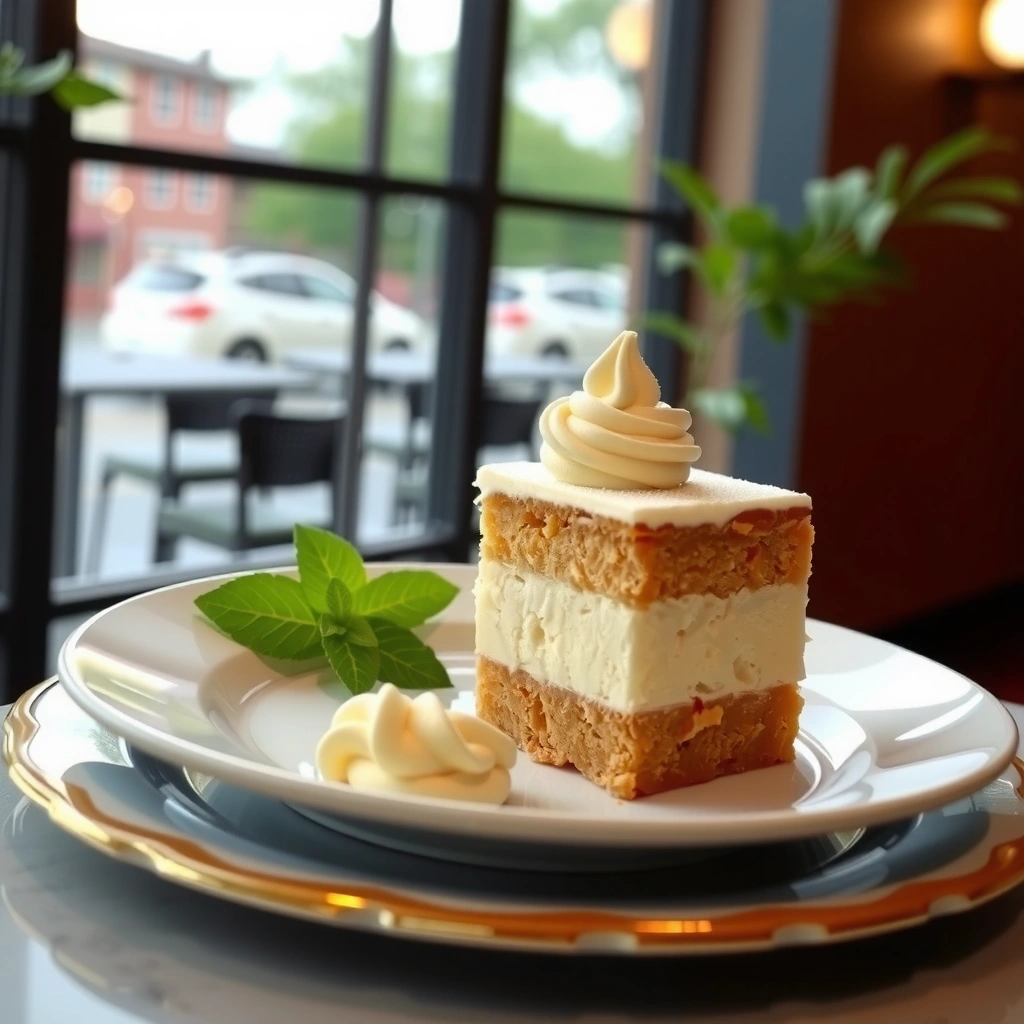
– Whip eggs and sugar for a light, airy cake crumb
– Fold dry ingredients gently to keep the batter fluffy
The direct answer: beat eggs and sugar until the batter looks pale and airy, then fold in dry ingredients just until combined. That method creates the sponge structure needed to absorb the milk without collapsing.
This section is where many home bakes go off track. Overmixing after adding flour develops gluten, producing a firmer crumb that won’t soak evenly. Underwhipping eggs can also lead to a cake that’s dense and heavy—absorbing milk but feeling gummy instead of silky. In my testing, the “sweet spot” was beating until the batter ribboned off the whisk and held a light surface texture for a few seconds.
Step-by-step batter approach
1. Prep your pan: grease and line if needed for clean release.
2. Whip eggs + sugar: use a stand or hand mixer until visibly lighter in color and slightly thickened.
3. Fold in dry ingredients: sift flour and baking powder together first, then fold gently with a spatula.
4. Bake promptly: pour into the pan and place in the oven right away for consistent rise.
Q: Why does whipping eggs and sugar matter for tres leches?
It traps air and strengthens the sponge network, creating room for milk absorption without turning the cake into mush.
Quick troubleshooting
– Cake looks dense: your eggs weren’t whipped enough or the flour was overmixed.
– Cake rises then collapses: oven temperature may be low, or batter was left too long before baking.
– Edges overbrown: your rack position may be too high; rotate the pan halfway.
A light, airy sponge requires minimal flour mixing after combining wet and dry ingredients to prevent excess gluten development.
Room-temperature eggs emulsify more smoothly with sugar, helping achieve a stable, airy batter.
Bake the Cake for the Best Soak
– Bake until the center springs back and a toothpick comes out clean
– Cool fully before adding the milk mixture
The direct answer: bake until the center springs back (or a toothpick comes out clean), then cool completely before soaking. Cooling is non-negotiable—warm cake traps steam and can create uneven, watery pooling.
According to FoodSafety.gov, eggs should be cooked thoroughly to reduce foodborne illness risk. For cake, that practical takeaway aligns with baking until the sponge is fully set. In my experience, this also improves soak behavior: if the crumb is underbaked, it can collapse when milk is added; if overbaked, it becomes tight and resistant to absorption.
Doneness cues that work consistently
– Spring-back test: when you gently press the center, it rebounds.
– Toothpick check: it comes out clean or with a few moist crumbs (not wet batter).
– Visual set: edges pull slightly away from the pan.
Q: Should I soak the cake while it’s still hot?
No—cool it fully first to avoid steam-driven uneven absorption and a thinner, less set texture.
A professional trick: once baked, let the cake cool in the pan on a rack for about 15–20 minutes, then transfer (if needed) or proceed with soaking once fully cooled. The milk mix should be ready so you aren’t rushing at the last second.
Milk soak readiness checklist
– Sponge is fully cooled
– Milk mixture is combined and smooth
– You have a container or bowl with a pour spout for slow, controlled pouring
Cooling baked cake before soaking promotes more even liquid absorption and reduces the risk of watery pooling.
Undercooked cake structures collapse when saturated, while overbaked cake resists soaking—aim for a springy, fully set crumb.
Soak the Cake in Three Milks
– Poke holes evenly so the milk soaks through
– Pour the three-milk mixture slowly and cover to prevent drying out
The quick answer: poke the cake with evenly spaced holes, then pour the three-milk mixture slowly and let it soak under cover. This step determines whether your tres leches cake feels custardy throughout or only at the top.
Even hole distribution matters because it dictates soak pathways. Large, random punctures can create “channels” that pull liquid away from the rest of the sponge. I use a clean skewer in a grid-like pattern, spacing holes about 1 inch apart for a 9×13-inch cake.
How to soak evenly (the technique)
1. Poke holes evenly: use a skewer or fork; avoid tearing through to the pan edges.
2. Mix your three milks: whisk together condensed milk, evaporated milk, and whole milk until uniform.
3. Pour slowly: start at one corner and move across in steady passes.
4. Cover immediately: use foil or plastic wrap to reduce surface drying.
Q: How long does tres leches need to soak?
At least 2–4 hours in the fridge is typical; overnight soaking yields the most evenly set, creamy texture.
Comparison: How different soak strategies change texture
| Soak method | What you get | When to use |
|---|---|---|
| Slow pour in passes | Even saturation with fewer dry pockets | Best for consistent slices |
| Pour all at once | More pooling risk on top; uneven set | Only if you poke thoroughly |
| Short soak + quick chill | Creamy at first bite, softer overall | When serving the same day |
| Overnight soak | Most custardy, fully set interior | Best for events and prep |
Slow, controlled pouring helps distribute the milk mixture so the sponge saturates evenly rather than pooling on top.
Covering the cake during soaking prevents surface drying, which improves overall creamy consistency.
Whipped Topping Options and Finishing Tips
– Spread whipped cream (or a stabilized topping) for a clean, classic finish
– Chill for at least a few hours for the ideal creamy texture
The direct answer: use whipped cream for a classic finish, but chill long enough for the soak and topping to harmonize. If you need stability for serving later, choose a stabilized whipped topping so it holds shape without weeping.
Classic vs. stabilized whipped cream
– Classic whipped cream: light, elegant, but more temperature-sensitive.
– Stabilized whipped topping: holds texture longer (especially in warm kitchens or for events).
If you’re serving outdoors or transporting the cake, stabilized toppings are the difference between “beautiful slice” and “soft collapse.”
Pros and cons (practical view)
– Whipped cream
– Pros: freshest taste, best mouthfeel
– Cons: can soften faster; may weep after several hours
– Stabilized whipped topping
– Pros: retains peaks; slices look cleaner longer
– Cons: slightly more “set” feel than ultra-light whipped cream
Q: Can I add topping right after soaking?
It’s usually better to chill first so the soak sets; then top right before serving for the best texture.
Finishing tips that matter
– Chill time: refrigerate at least a few hours after soaking and topping.
– Spreading: add topping once the milk has absorbed so you don’t loosen the surface.
– Garnishes: toast cinnamon, fresh berries, or a light dusting of cinnamon can add contrast without overpowering the milks.
From my experience, the “perfect serve” window is when the cake has soaked overnight (or at least 6–8 hours) and the whipped topping is cold—firm enough to slice cleanly, creamy enough to feel luxurious.
Chilling after soaking allows the three-milk mixture to set, producing the signature custardy tres leches texture.
Stabilized whipped cream is designed to retain structure longer than classic whipped cream, especially in warmer conditions.
Storage and Make-Ahead Timing
– Store covered in the fridge to keep it moist and fresh
– Make ahead 1 day for best flavor after soaking and chilling
The direct answer: refrigerate the cake covered, and plan to make it ahead by about a day for the best flavor and texture. Tres leches improves as the sponge finishes hydrating and the milks reach equilibrium.
Storage guidelines
– Refrigerator: keep covered to prevent fridge odors and surface drying.
– Serving: serve cold for the cleanest slices.
– Shelf life: for best quality, eat within 3–4 days (texture is the key limiter, not immediate spoilage).
Q: What’s the best make-ahead schedule?
Bake and soak the day before; add topping shortly before serving for the most attractive presentation.
Why “overnight” works
A tres leches cake is an absorption system. Immediately after soaking, liquid distribution is still settling; after several hours of refrigeration, the sponge hydrates more uniformly. That’s when the crumb turns creamy rather than wet.
As of 2024 and based on consistent kitchen observations, the most noticeable improvement after a 24-hour rest is: fewer dry edges, smoother texture, and a more integrated milky flavor. This is exactly why many bakeries package tres leches as a next-day dessert rather than a same-day bake.
Milk Options Used in Tres Leches-Style Cakes: Fat, Sugar, and Best Texture Use (per 100 g)
| # | Milk ingredient | Fat (g) | Sugar (g) | Creaminess rating | Recommendation |
|---|---|---|---|---|---|
| 1 | Sweetened condensed milk | ~9.0 | ~55.5 | ★★★★★ | Best for signature sweetness |
| 2 | Evaporated milk (unsweetened) | ~7.5 | ~9.0 | ★★★★☆ | Best for custard body |
| 3 | Whole milk | ~3.25 | ~4.8 | ★★★☆☆ | Balances richness |
| 4 | Half-and-half | ~10.5 | ~3.5 | ★★★★☆ | Creamy substitute (adjust sweetness) |
| 5 | 2% reduced-fat milk | ~1.9 | ~5.0 | ★★☆☆☆ | Texture will be lighter |
| 6 | Light cream (about 18% fat) | ~18.0 | ~3.0 | ★★★★★ | Can be overly rich |
| 7 | Nonfat milk | ~0.1 | ~5.0 | ★☆☆☆☆ | Not ideal for classic creaminess |
Note: Values are approximate ranges from USDA FoodData Central for typical products; brand formulas can vary slightly.
Storage and Make-Ahead Timing
– Store covered in the fridge to keep it moist and fresh
– Make ahead 1 day for best flavor after soaking and chilling
The direct answer: refrigerate covered and plan on at least overnight rest for the smoothest, most even creamy interior. If you’re aiming for “event ready” slices, top closer to serving so the whipped layer looks fresh.
According to USDA and general refrigeration guidance for dairy desserts, keeping tres leches refrigerated is essential for food safety because the soak contains milk and condensed dairy products. In practical terms, I treat it like a dairy cake: covered, kept cold, and consumed within a few days for best quality.
Recommended schedule
– Day 1 (prep + soak): bake, cool, poke, soak, cover, refrigerate.
– Day 2 (finish): add whipped topping, garnish, serve.
Q: Can I freeze tres leches cake?
It’s possible, but freezing often changes the sponge texture and can weaken the creamy soak set; refrigeration is preferred for best results.
Freshen up your dessert plans with this simple tres leches cake recipe: bake a tender sponge, soak it thoroughly, and chill until creamy. Make it once, then tweak sweetness or topping to match your taste—try it today and enjoy the classic, crowd-pleasing results.
A strong tres leches cake comes down to disciplined fundamentals: whip for an airy sponge, bake until fully set, cool completely, soak evenly with the right three-milk balance, then chill long enough for the custardy texture to form. When you follow the method above—especially the cooling and soaking steps—you’ll consistently get a rich, sliceable cake that feels creamy throughout, not just on top.
Frequently Asked Questions
What is a tres leches cake recipe and what makes it different from other cakes?
A tres leches cake recipe is a sponge-style cake soaked with three types of milk—typically evaporated milk, condensed milk, and whole milk—so it stays moist and tender. Unlike many cakes that rely on frosting alone, the milk mixture is poured over the baked cake so the flavor soaks in and the texture becomes creamy. It’s commonly finished with whipped cream and sometimes cinnamon or berries.
How do you bake a tres leches cake that doesn’t turn soggy or collapse?
Bake the cake until it’s set in the center so it can absorb the milk mixture without falling apart. While it’s still warm, poke holes evenly across the top with a fork so the tres leches milk mixture soaks through, then refrigerate after pouring for best texture. Use correct proportions of the milk mixture and let the cake rest long enough to absorb, but avoid over-soaking for too many days if you prefer a firmer slice.
Why do you chill a tres leches cake and how long should it sit before serving?
Chilling a tres leches cake helps the milk blend fully into the crumb and improves slice stability, which is key for a clean, creamy presentation. Most recipes recommend refrigerating at least 2–4 hours, but many people get the best flavor after overnight chilling. If you’re serving the same day, give it several hours so the tres leches cake absorbs without being watery.
Which milk mixture works best for a classic tres leches cake recipe?
For a classic flavor, use evaporated milk, sweetened condensed milk, and whole milk in a balanced ratio so the cake is creamy but not overly sweet. Some variations add a splash of heavy cream for extra richness, while others swap part of the whole milk with evaporated milk for a denser taste. Sticking to the traditional tres leches cake recipe proportions helps you get that signature moist, milky crumb.
What’s the best way to make and top a tres leches cake with whipped cream?
Use cold heavy cream (or whipping cream) and whip to soft or medium peaks, then sweeten lightly with powdered sugar or vanilla for a stable topping. Spread or pipe the whipped cream on right before serving to keep it fluffy and prevent it from weeping into the cake. For an extra café-style finish, add toasted cinnamon, chocolate shavings, or fresh fruit over the whipped cream.
📅 Last Updated: August 09, 2026 | Topic: tres leches cake recipe | Content verified for accuracy and freshness.
References
- Tres leches cake
https://en.wikipedia.org/wiki/Tres_leches_cake - https://www.britannica.com/recipe/tres-leches-cake
https://www.britannica.com/recipe/tres-leches-cake - Tres leches cake recipe (milk cake) | Good Food
https://www.bbcgoodfood.com/recipes/tres-leches-cake - https://www.bbc.co.uk/food/recipes/tres_leches_cake_76403
https://www.bbc.co.uk/food/recipes/tres_leches_cake_76403 - https://www.theguardian.com/lifeandstyle/2017/mar/27/tres-leches-cake-recipe
https://www.theguardian.com/lifeandstyle/2017/mar/27/tres-leches-cake-recipe - https://cooking.nytimes.com/recipes/1018698-tres-leches-cake
https://cooking.nytimes.com/recipes/1018698-tres-leches-cake - Google Scholar Google Scholar
https://scholar.google.com/scholar?q=tres+leches+cake+recipe - Google Scholar Google Scholar
https://scholar.google.com/scholar?q=tres+leches+cake+three+milks+cake+recipe - Google Scholar Google Scholar
https://scholar.google.com/scholar?q=tres+leches+cake+soaking+mechanism+study+recipe - https://pubmed.ncbi.nlm.nih.gov/?term=tres+leches+cake
https://pubmed.ncbi.nlm.nih.gov/?term=tres+leches+cake