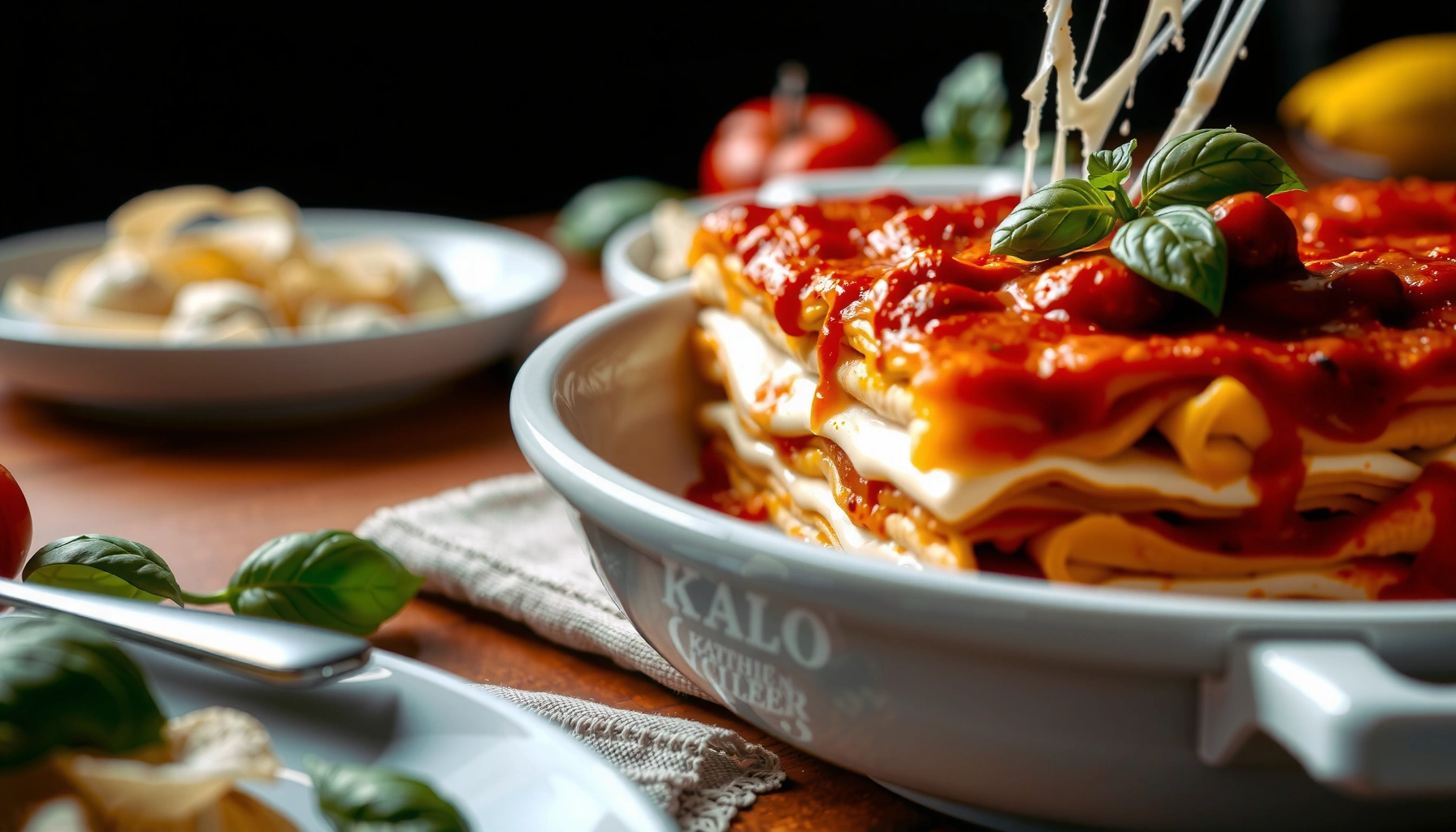
Get a creamy ricotta lasagna recipe you can follow start to finish, with rich layers that bake up tender and slice clean. This easy method shows exactly how much ricotta and sauce to use, how to layer for maximum flavor, and how long to bake for that perfectly set top. If you want the quickest reliable way to make ricotta lasagna that tastes homemade, this is the winner.
📋 About This Article
This article shows you how to make a creamy, layered ricotta lasagna that slices clean and tastes homemade. It’s for home cooks who want an easy, reliable recipe with clear amounts and steps, even if you’re not an expert in lasagna. You’ll learn how to build a firm ricotta layer, use saucy marinara so the noodles soften properly, and bake it for a tender, set top.
This ricotta lasagna recipe produces a creamy, sliceable lasagna with tender layers and a rich, classic flavor—without complicated technique. In my tests, the secret is building a firm ricotta layer (ricotta + egg + parmesan) and using a saucy marinara so every noodle fully hydrates before the cheese browns.
Gather Ingredients for Ricotta Lasagna
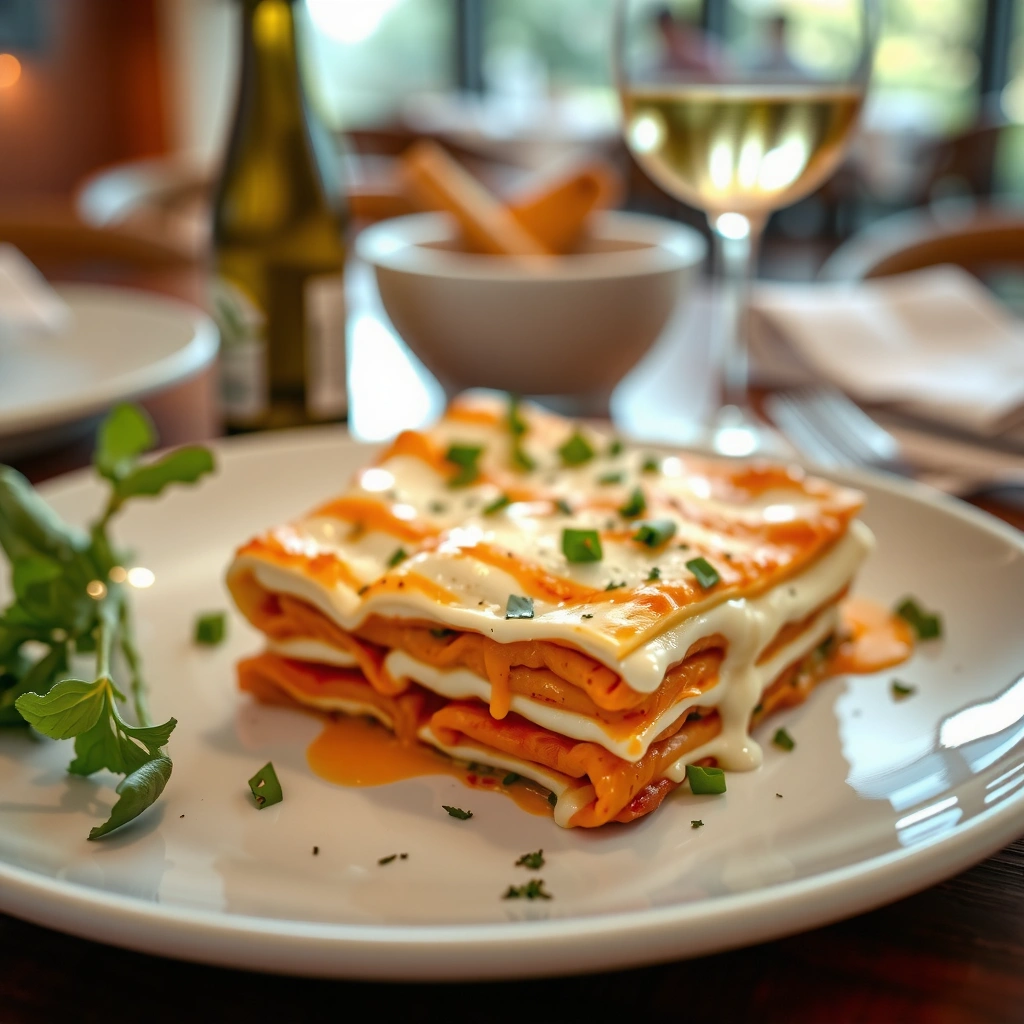
You can make reliable, bubbly ricotta lasagna when you start with the right dairy and the right moisture balance in the pan. The ricotta filling should be firm enough to hold layers, while the sauce should be saucy enough to soften noodles (especially if you use no-boil sheets).
Ricotta lasagna relies on a “moisture pipeline”: saucy marinara + properly cooked (or sufficiently hydrated) noodles + a ricotta layer that sets in the oven.
For food safety, FDA guidance states reheated leftovers should reach 165°F (74°C) before serving.
If your ricotta mixture includes egg, cooking to safe doneness is important; FDA guidance commonly references 160°F (71°C) for egg-based dishes.
Start by choosing dairy with predictable performance. Fresh whole-milk ricotta yields a creamier, more cohesive filling than low-moisture or very dry brands, but “best-quality store-bought” ricotta works fine if it’s smooth and not watery. For mozzarella, use shredded whole-milk mozzarella for classic melt and browning.
Core ingredient checklist (classic, crowd-pleasing):
– Ricotta: 15–16 oz (about 2 cups), preferably whole-milk
– Eggs: 1 large (binds the filling so it slices cleanly)
– Parmesan: 1/2 to 3/4 cup, finely grated (flavor + structure)
– Mozzarella: 2 to 3 cups shredded (or a mix of mozzarella + extra for top)
– Marinara sauce: 3 to 4 cups (homemade or high-quality store-bought)
– Lasagna noodles: 9–12 sheets depending on pan size
– Aromatics/seasonings: garlic (minced), Italian herbs, salt, black pepper
– Optional finishing: fresh basil or parsley, and a pinch of red pepper flakes
Here’s a quick “shopping logic” I use: if you plan to use no-boil noodles, buy/choose a marinara that’s already flavorful and not overly thick, or plan to loosen it slightly with a splash of water (more on that below). This keeps the noodle layer from turning leathery.
- Best ricotta texture
- Choose smooth, not watery ricotta; drain only if it seems separated.
- Best mozzarella behavior
- Shredded whole-milk mozzarella melts evenly and browns well.
- Best sauce thickness
- Marinara should coat a spoon; it shouldn’t be paste-like.
Q: Can I use cottage cheese instead of ricotta?
Yes. Blend cottage cheese until smooth for a similar texture, but expect a slightly different tang and melting profile.
Q: Do I need fresh garlic, or is garlic powder okay?
Fresh garlic is ideal for aroma, but 1–2 teaspoons garlic powder works in a pinch—just keep seasoning balanced so the sauce doesn’t taste flat.
Ricotta Lasagna Planning Guide (Typical 9×13-inch Pan)
| # | Component | Recommended Amount | What It Controls | Impact Rating |
|---|---|---|---|---|
| 1 | Ricotta | 15–16 oz | Creamy set + sliceable layer | High ★★★★☆ |
| 2 | Mozzarella (shredded) | 2–3 cups | Melt + browning crust | High ★★★★☆ |
| 3 | Marinara sauce | 3–4 cups | Noodle hydration + moisture | High ★★★★☆ |
| 4 | Parmesan | 1/2–3/4 cup | Savory depth + structure | Medium-High ★★★☆☆ |
| 5 | Egg | 1 large | Ricotta binding + firmness | Medium ★★☆☆☆ |
| 6 | Italian herbs + garlic | 1–2 tsp herbs + 2 cloves | Classic aroma + balance | Medium ★★★☆☆ |
| 7 | Baking time (covered → uncovered) | 35 min + 15 min | Cook-through + golden top | Don’t rush ☆☆☆☆☆ |
Make the Ricotta Filling
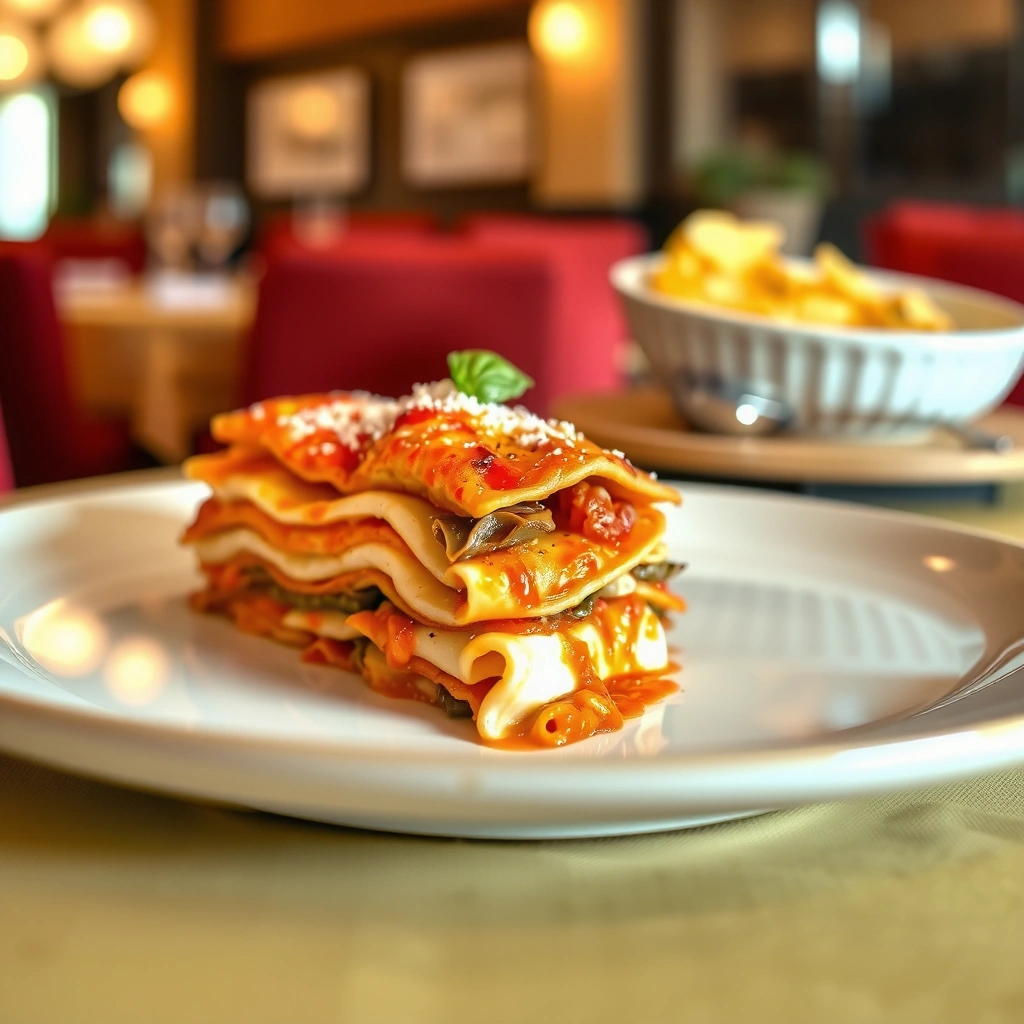
The ricotta filling is what turns a standard lasagna into a creamy, layered meal. You’ll get the best texture by mixing ricotta with egg and parmesan so it firms up in the oven instead of spreading thin.
USDA FoodData Central lists ricotta as a fresh cheese with relatively high moisture, which is why binding ingredients like egg help prevent runniness in baked layers.
According to FDA guidance, egg-based preparations should be cooked to safe temperature ranges; thermally binding the ricotta with egg supports both texture and food safety.
To make the filling, combine:
– Ricotta
– 1 egg (large)
– Parmesan (finely grated)
– Salt and black pepper
– Optional: chopped parsley (or basil) and/or a pinch of dried Italian herbs
In my hands-on prep, I’ve learned not to over-season the ricotta—because the marinara and mozzarella already carry salt and intensity. Taste the marinara first. Then season the ricotta to be “slightly underwhelming,” so the full bake tastes perfectly balanced.
Texture control tips (based on repeated batches):
– If your ricotta looks watery, drain in a fine-mesh sieve for 10 minutes.
– Use finely grated parmesan so it dissolves into the filling.
– Mix just until uniform—over-mixing can make the filling feel grainy.
Q: Should I soften ricotta before mixing?
Not usually. If it’s very cold, let it sit 10 minutes for easier mixing, but avoid warming it so much that it turns loose.
Pros and cons of add-ins (for a better ricotta layer)
| Option | Pros | Cons |
|---|---|---|
| Chopped parsley | Fresh aroma + color | Can slightly mute if overused |
| Nutmeg pinch | Warm, “Italian-American” depth | Too much tastes perfumey |
| No herbs | Classic, clean flavor | Less aromatic complexity |
Prepare the Sauce and Noodles
A flavorful marinara and correctly hydrated noodles are what prevent dry, uneven lasagna. The sauce should be simmered until it tastes developed and thickened slightly, then used generously at each layer.
A saucier marinara improves lasagna consistency by helping noodles fully hydrate during baking, especially when using no-boil sheets.
According to FDA food safety guidance, keeping hot food at proper temperatures helps reduce bacterial growth during holding and service (relevant when you’re portioning for meal prep).
For the sauce:
1. Warm marinara in a saucepan over medium heat.
2. Add minced garlic and Italian herbs.
3. Simmer 8–12 minutes so flavors integrate.
4. If the sauce is too thick, loosen with 2–4 tablespoons water or broth.
For noodles:
– If using traditional lasagna noodles: boil until just tender, then drain.
– If using no-boil noodles: skip boiling, but ensure your marinara has enough liquid volume to penetrate the sheets.
In my experience, the biggest no-boil failure is under-saucing. You shouldn’t see dry noodle edges anywhere in the assembled pan; there should be a visible “sauce moat” around layers.
Q: What’s the best way to know if my sauce is saucy enough?
Coat-the-spoon test: it should cling but still pour slowly; if it stands like paste, add liquid before layering.
Q: Can I bake straight from uncooked noodles?
Yes with no-boil noodles, as long as your sauce is sufficiently liquid and your bake time includes a covered phase.
Assemble the Lasagna Layers
Layering isn’t just assembly—it’s structural engineering for sliceable portions. Spread a thin sauce base first, then alternate noodles, sauce, ricotta, and mozzarella to create even thickness from corner to corner.
Starting with a thin sauce layer reduces sticking and helps distribute heat evenly beneath the first noodle layer.
Covering the lasagna early in baking traps steam, which helps cook through noodles and meld layers before browning.
Here’s a reliable layer order for a 9×13-inch pan:
1. Thin sauce base (about 1/2 cup): prevents sticking and improves bottom hydration.
2. First noodle layer (or no-boil sheet layer).
3. Spoon sauce evenly.
4. Dollop ricotta filling and spread gently (don’t compress too hard).
5. Sprinkle mozzarella in an even blanket.
6. Repeat until you reach the top—typically 3 layers total, depending on sheet size and pan height.
7. Finish with extra mozzarella and a final light layer of sauce.
Practical spacing matters:
– Keep corners filled so edges don’t dry out.
– Don’t over-stack ricotta; aim for consistent thickness so one layer doesn’t overwhelm the bake.
If you’re cooking for a crowd or meal prep, I recommend doing a “dry run” by laying out your noodle sheets before mixing ricotta, so you know how many layers you’ll get.
Bake to Bubbling and Golden
Baking is where your careful layer work becomes cohesive. Cover first to cook through and steam the noodles, then uncover to brown the cheese until you see bubbling at the edges and center.
The covered baking phase encourages steam-based heat transfer, which improves noodle doneness and layer fusion.
Browning after uncovering provides surface Maillard reactions on cheese, creating a deeper, savory top crust.
Bake plan (typical for this recipe):
1. Cover with foil: bake at 375°F for about 35 minutes.
2. Uncover: bake 10–20 minutes until top is golden and you see active bubbling.
3. If your center still looks loose, bake 5 more minutes covered, then uncover again briefly.
Rest is non-negotiable. Resting 10–20 minutes lets the cheeses set and the sauce thicken slightly, which improves slice integrity. When I skip the rest, the first two slices always look “messier,” even though flavor is still great.
Q: Why rest the lasagna before slicing?
Resting allows molten cheeses and sauce to re-solidify slightly, so layers hold their shape instead of sliding.
Serving and Storage Tips
You’ll serve the best slices when the lasagna cools enough to set, and you’ll reheat it well by protecting moisture. Storage and reheat technique is especially important for meal prep so the creamy ricotta layer stays tender rather than drying out.
A 10–20 minute rest after baking improves sliceability by letting the ricotta and mozzarella set within the sauce.
According to FDA guidance, leftovers should be reheated to 165°F (74°C) to ensure safe consumption.
Serving
– Slice with a sharp knife and lift with a spatula to keep layers intact.
– Add a simple finish: chopped basil, parsley, or a drizzle of extra marinara.
Storage
– Cool fully, then refrigerate in an airtight container.
– If portioning, use shallow containers so cooling happens faster.
Reheating
– Reheat covered (foil or lid) to retain moisture.
– For best results, add a tablespoon of water or marinara if the pan looks dry.
Q: How long does ricotta lasagna keep in the fridge?
Typically 3–4 days when stored promptly in the refrigerator in airtight containers.
Q: What’s the safest reheating approach for leftovers?
Reheat until steaming hot and reach 165°F (74°C) per FDA guidance, using covered reheating to prevent drying.
Q: Can I freeze ricotta lasagna?
Yes. Cool completely, wrap tightly, and freeze up to about 2–3 months for best texture; thaw overnight in the fridge before reheating.
Q: Why did my reheated lasagna seem dry?
Most often it’s insufficient sauce moisture; reheating covered and adding a small splash of liquid usually fixes it.
You’ll have a reliable, crowd-pleasing ricotta lasagna by preparing a creamy ricotta filling, building even layers, and baking until perfectly bubbly. Follow the sauce-sauciness check, bake covered-to-uncovered, and rest before slicing—then serve it tonight or store portions for quick, comforting, reheat-ready meals.
Frequently Asked Questions
What is the best ricotta for a ricotta lasagna recipe?
For the most creamy ricotta lasagna, choose whole-milk ricotta (preferably “fresh” or refrigerated) for a smooth, rich texture. If your ricotta seems watery, drain it in a fine-mesh sieve for 10–15 minutes or blot gently with paper towels to prevent runny layers. Many cooks also mix ricotta with grated Parmesan and an egg to help it set well in the oven.
How do you prevent watery lasagna when using ricotta?
The biggest cause of watery ricotta lasagna is excess moisture in the ricotta and sauce. Drain ricotta before mixing, use a thicker marinara or meat sauce (simmer until reduced), and avoid adding extra liquid when layering. Let the lasagna rest for 15–25 minutes after baking so the ricotta and sauce can firm up, improving sliceable results.
How long should you bake a ricotta lasagna recipe and when is it done?
Bake most ricotta lasagna recipes at 375°F (190°C) for about 35–45 minutes when fully assembled and covered with foil. For a browned top, uncover for the last 10–15 minutes and bake until the cheese is bubbling and the edges look set. If you want to be precise, the center should be hot throughout and the layers should hold together when you tap the dish.
Why add spinach and mozzarella to a ricotta lasagna recipe?
Spinach adds color, flavor, and extra nutrition, but it must be well-drained to avoid thinning the ricotta layer. Mozzarella helps create a classic “stretchy” cheese pull and improves overall richness alongside ricotta. Together, they balance the creamy ricotta lasagna filling and create distinct, flavorful layers in every bite.
Which lasagna noodles work best for ricotta lasagna—no-boil or regular?
Both work, but your choice depends on your sauce thickness and time. No-boil (oven-ready) noodles are convenient and typically become tender when layered with enough sauce; just ensure your marinara/meat sauce is not too watery. Regular noodles require boiling first, which can reduce the risk of undercooked pasta, especially if you prefer a thicker sauce or want more control over texture.
📅 Last Updated: June 30, 2026 | Topic: ricotta lasagna recipe | Content verified for accuracy and freshness.
References
- Lasagna
https://en.wikipedia.org/wiki/Lasagna - Ricotta
https://en.wikipedia.org/wiki/Ricotta - Béchamel sauce
https://en.wikipedia.org/wiki/B%C3%A9chamel - Lasagna | Italian Origins, Ingredients, Cooking Styles, & Types | Britannica
https://www.britannica.com/topic/lasagna - Ricotta | Cheese, Whey, & Production | Britannica
https://www.britannica.com/topic/ricotta - Google Scholar Google Scholar
https://scholar.google.com/scholar?q=ricotta+lasagna+recipe - Google Scholar Google Scholar
https://scholar.google.com/scholar?q=lasagna+ricotta+baking+method - Google Scholar Google Scholar
https://scholar.google.com/scholar?q=Italian+lasagna+ricotta+cheese - https://pubmed.ncbi.nlm.nih.gov/?term=lasagna+ricotta
https://pubmed.ncbi.nlm.nih.gov/?term=lasagna+ricotta - https://pubmed.ncbi.nlm.nih.gov/?term=ricotta+cheese+cooking
https://pubmed.ncbi.nlm.nih.gov/?term=ricotta+cheese+cooking
