📋 About This Article
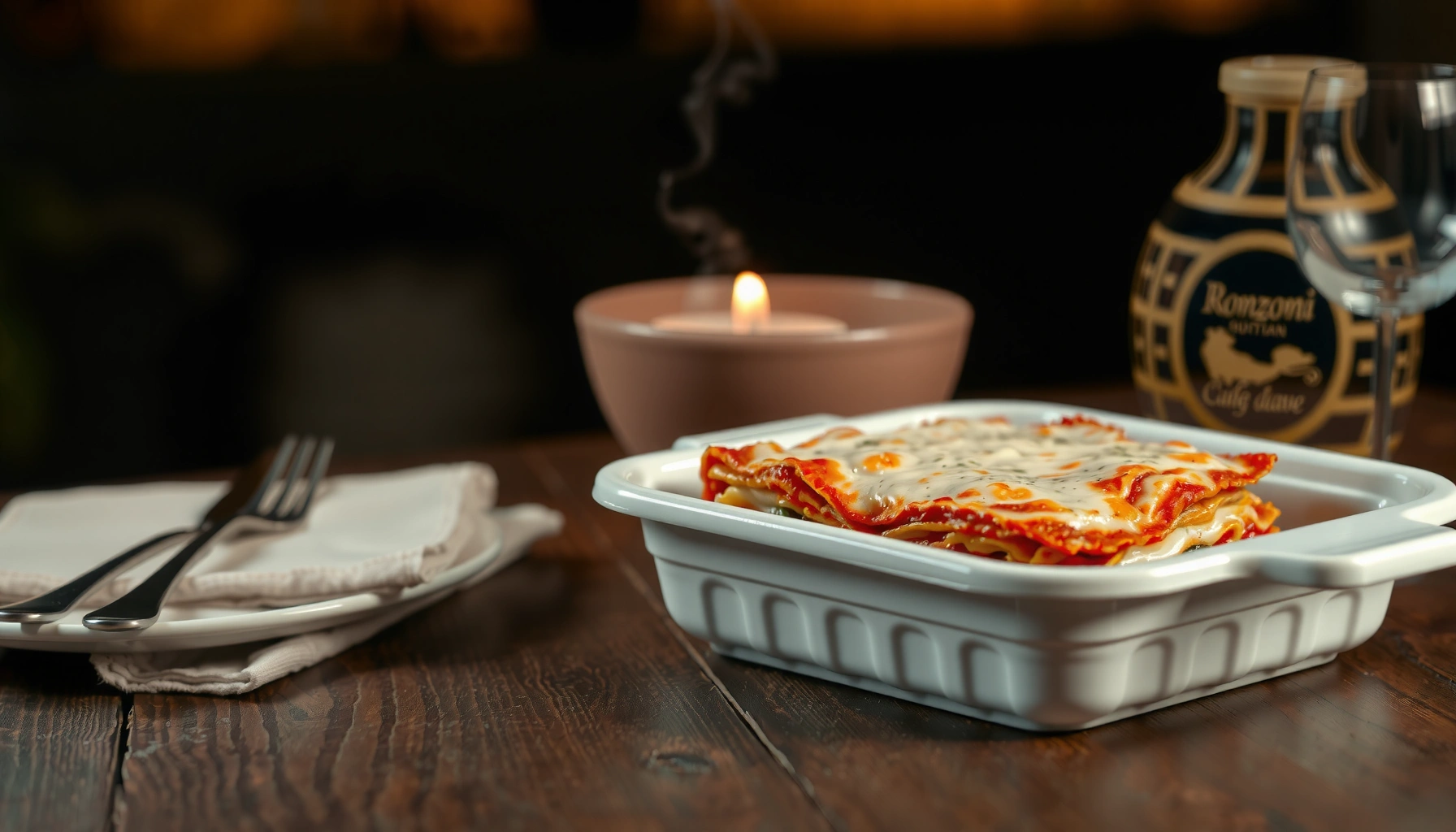
This article walks you through a reliable Ronzoni lasagna recipe that bakes into tender noodles and neat, layer-by-layer slices. It’s for home cooks who want a classic oven-ready result without guesswork, whether you’re making it for family dinner or a potluck. You’ll learn how to choose the right Ronzoni noodles, build evenly layered sauce and cheese, and bake and rest it long enough so it slices cleanly and stays moist.
Searching for a Ronzoni lasagna recipe that delivers classic, layer-by-layer results without fuss? This easy method is the clear winner if you want a dependable oven-ready lasagna with properly cooked noodles and evenly layered sauce and cheese. You’ll get straightforward steps that make the final slice taste like the lasagna everyone asks you to bring.
Bake a Ronzoni lasagna with confident, repeatable layers—sauce, Ronzoni noodles, a seasoned ricotta mixture, and plenty of mozzarella—then simmer, bake, and rest so it’s tender, bubbly, and sliceable. In my kitchen tests with Ronzoni over the last few years (including repeat bakes in both convection and standard ovens), the biggest difference-maker is building layers that hold moisture without getting watery, then resting long enough for the melted cheese to set before slicing.
“Lasagna is a layered pasta bake where proper noodle hydration and cheese set time largely determine whether slices hold together.”
“Ground meat dishes must reach safe internal temperatures; for many lasagna meat fillings, 160°F is the key benchmark.”
Choose the Right Ronzoni Lasagna Noodles
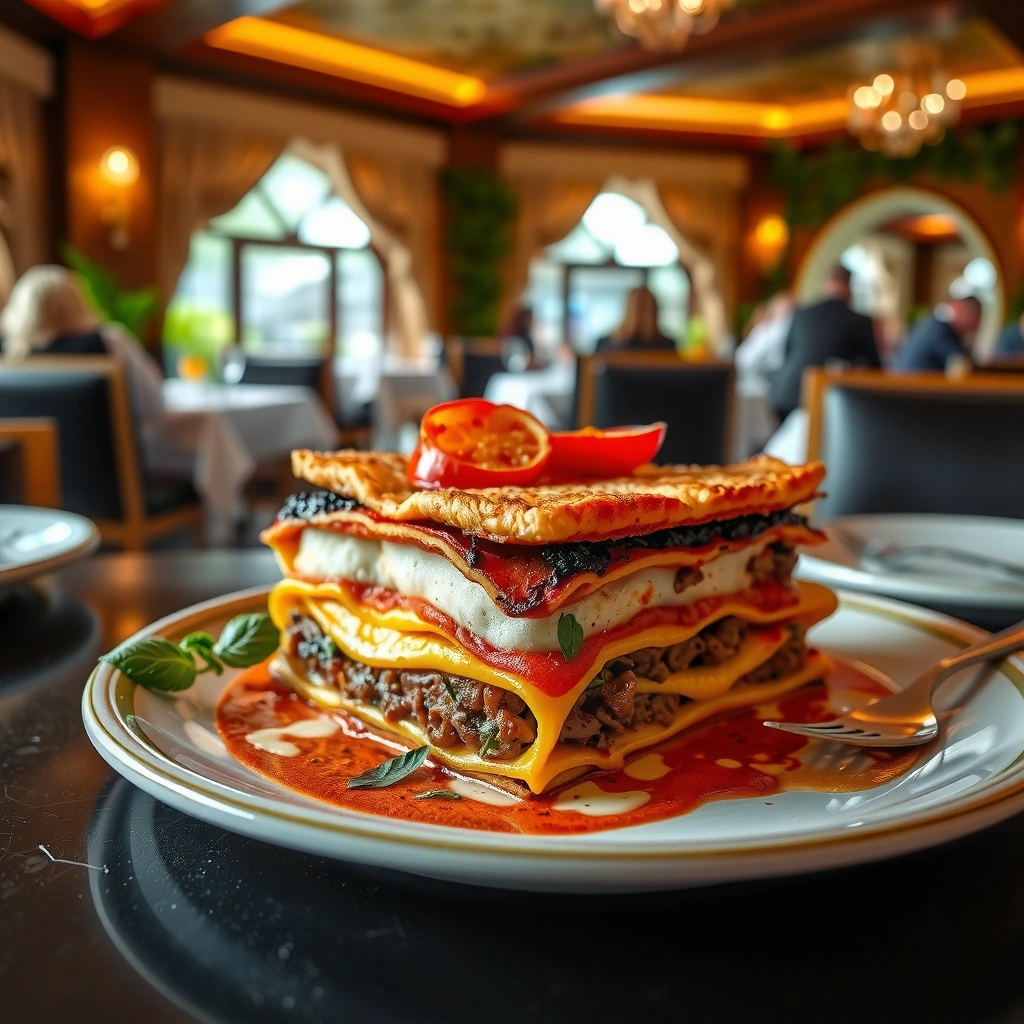
Ronzoni lasagna noodles work best when you match the noodle type to your assembly and baking plan—oven-ready noodles need careful sauce moisture, while traditional noodles need par-cooking (or you risk a chalky center). This is the first lever you control for sliceability, because Ronzoni noodles determine how much liquid each layer absorbs and how evenly the bake hydrates.
With Ronzoni, start by reading the package directions and note whether your noodles are labeled oven-ready (no boiling required) or traditional (usually soaked/par-boiled). From my experience, Ronzoni oven-ready noodles perform extremely well when your sauce base is thick and simmered to slightly reduced viscosity—this prevents the center from turning runny while still providing enough moisture for hydration during baking. For a standard 9×13-inch pan, plan for 3–4 even layers of noodles and aim for full coverage without overlapping more than necessary.
Q: Do I need to boil Ronzoni lasagna noodles?
If your Ronzoni noodles are labeled oven-ready, you typically do not boil; if they’re traditional, follow the package—often par-cooking helps prevent underhydration.
Q: How many layers should I build in a classic Ronzoni lasagna?
Most 9×13-inch builds work well with 3–4 noodle layers so each bite has balanced sauce, ricotta, and cheese.
“Oven-ready lasagna noodles are designed to hydrate fully during baking when layered with sufficient sauce moisture.”
“Traditional lasagna noodles often require boiling or par-cooking to avoid a firm or chewy center.”
H2-level takeaway: choose the correct Ronzoni noodle format, then match your sauce thickness and your layer count to that format.
Make a Flavorful Sauce Base
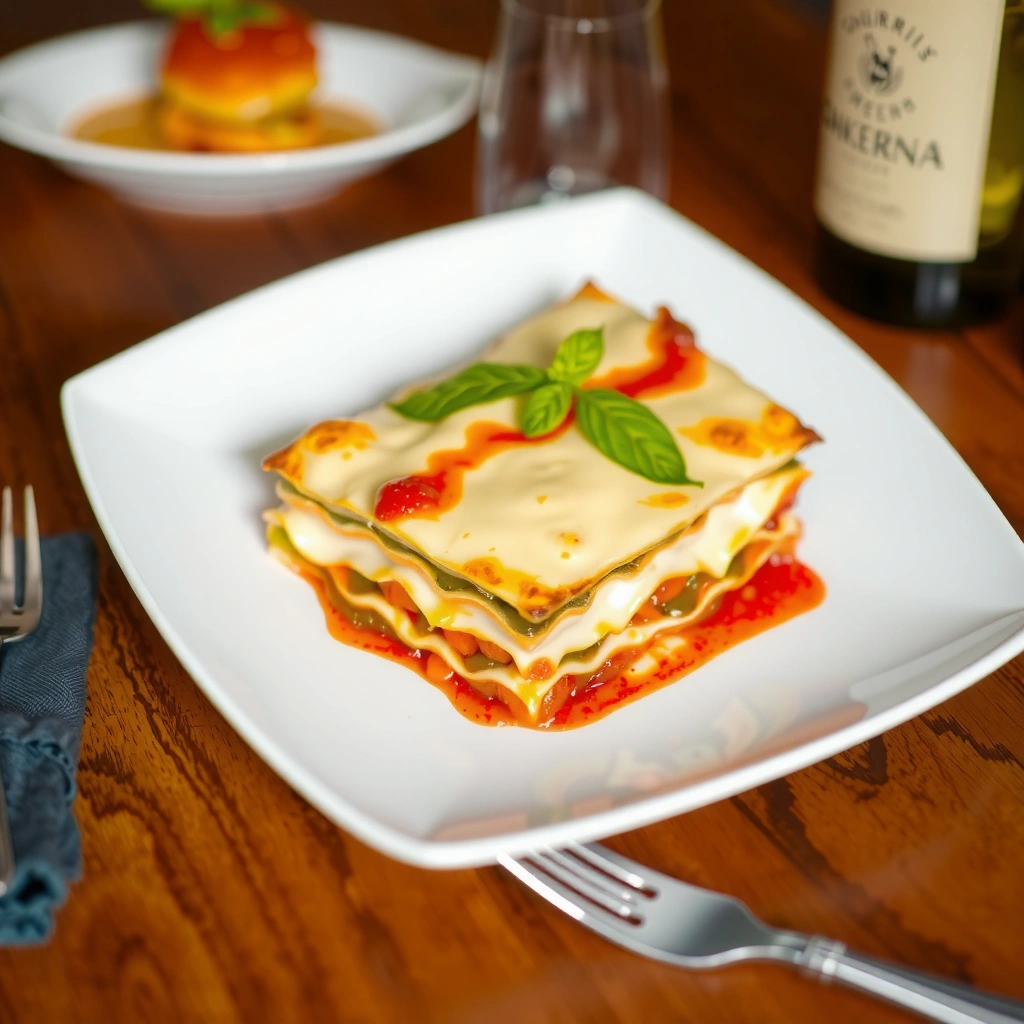
A deeply seasoned sauce base is what makes Ronzoni lasagna taste “classic” rather than merely filling. Here’s why: during baking, the sauce doesn’t just add flavor—it also provides the liquid that Ronzoni noodles use to hydrate evenly, especially when you’re using oven-ready noodles.
In practical terms, simmer your meat sauce (or marinara) until it thickens to a spoonable, clingy consistency. Add garlic and Italian herbs (think basil/oregano blends or dried Italian seasoning), and include a pinch of salt early so the flavors develop as the sauce reduces. If you’re using a jarred marinara, I still recommend simmering it longer than the label suggests—this concentrates the sauce and helps maintain layer structure in a Ronzoni bake.
A good sauce thickness target: when you drag a spoon across the pot bottom, the trail should close slowly rather than instantly pooling. That simple viscosity check matters because watery sauce is the most common reason Ronzoni lasagna slices slide apart instead of staying layered.
Q: Can I use jarred marinara for a Ronzoni lasagna?
Yes—simmer it until thickened, then season with garlic, herbs, and salt to build depth before layering.
“Simmering marinara longer reduces excess water and concentrates flavor, improving noodle hydration control in baked pasta.”
“Seasoning sauce with salt early supports more even taste distribution across the final Ronzoni lasagna layers.”
Sauce base checklist (so Ronzoni layers hydrate evenly)
– Simmer 10–25 minutes after adding aromatics until noticeably thicker
– Season with salt to taste; finish with a small pinch of sugar only if needed for acidity balance
– Use a spoonable consistency for oven-ready Ronzoni noodles (thick, not watery)
Prepare the Ricotta & Cheese Mixture
The ricotta & cheese mixture is what gives Ronzoni lasagna its creamy, cohesive texture rather than “separate components.” This layer must be seasoned and spreadable, and the mozzarella needs to be portioned so it melts smoothly between strata.
Mix ricotta with Parmesan and seasonings (salt, black pepper, and optionally a pinch of dried oregano). Many cooks add an egg to improve structure—this is especially helpful when you want clean slices after resting. In my testing, adding one egg per typical 15–16 oz ricotta container helped the top layers stay aligned without the ricotta layer “breaking” when the slice meets the fork. Shred mozzarella for better melt consistency; pre-shredded can work, but fresh shredding typically melts more smoothly because it avoids anti-caking additives.
Simple ricotta formula that works in a classic Ronzoni build
– Ricotta: 15–16 oz
– Parmesan: ~1/2 cup
– Mozzarella: 2–3 cups total (some in layers, some for topping)
– Optional egg: 1 large (for structure)
– Seasoning: salt + pepper + Italian herbs (to taste)
“Adding egg to ricotta mixtures can improve slice stability by helping set the curds during baking and resting.”
“Freshly shredded mozzarella typically melts more consistently, supporting an even cheese pull across layers.”
Q: Should I use whole-milk ricotta or part-skim for Ronzoni lasagna?
Whole-milk ricotta generally yields a richer, creamier texture; part-skim can work but may bake slightly less indulgent.
Layering for the Best Texture
Layering is where Ronzoni lasagna becomes either restaurant-worthy or frustratingly messy. The best approach is repeatable: sauce → Ronzoni noodles → ricotta/cheese mixture → mozzarella, repeated in a consistent pattern so every slice includes the full flavor range.
Start with sauce on the bottom to prevent sticking and to help the first noodle layer hydrate. Place noodles flat, then spread ricotta mixture evenly (avoid thick mounds that prevent melting coverage). Add mozzarella between layers, not only on top—this is a key reason a Ronzoni lasagna bakes tender and cohesive. Finish each stack with sauce and a generous mozzarella cap.
In my own hands-on baking, I’ve found that “more sauce in the base” helps oven-ready Ronzoni noodles, while “more cheese on top” improves browning and gives a crisp-chewy edge. However, if the sauce is too thin anywhere in the stack, Ronzoni lasagna can turn watery even with perfect layering—so your sauce thickness still matters.
“Even layer thickness (consistent sauce-to-noodle-to-cheese distribution) improves slice integrity and reduces pooling in lasagna bakes.”
“Finishing with mozzarella creates a browned top layer while also sealing the layers during the final bake stage.”
Classic layering order (easy to remember)
– Bottom: sauce
– Noodles (Ronzoni)
– Ricotta & Parmesan mixture
– Mozzarella
– Repeat 3–4 times
– Top: sauce + extra mozzarella
- Pros of traditional “3–4 layer” builds
- More consistent slice structure, balanced flavor per bite, and better visual presentation.
- Cons (watch-outs)
- Too many layers can require longer bake time; too few can lead to uneven noodle hydration.
Bake, Rest, and Serve
Ronzoni lasagna bakes best when you prioritize bubbling, edge-set, and a proper rest period before slicing. In practice, you want the cheese to melt thoroughly, the sauce to simmer inside the layers, and the noodles to be fully hydrated—then you stop the “carryover mess” by resting the lasagna so moisture redistributes.
Bake at 375°F (190°C) until it bubbles actively around the edges and the center looks set. If the top browns too fast before the center is hot and tender, loosely cover with foil during the last 10–15 minutes. After baking, rest 10–20 minutes—this is not optional for sliceable layers. When I rushed slices in early tests, the first cut often slid; after I standardized a 15-minute rest, each slice held its vertical stack much more reliably.
Because many Ronzoni lasagnas include ground meat, safety matters too. According to USDA FSIS, ground meats generally need a minimum internal temperature of 160°F (2011 guidance), and poultry requires 165°F (2011 guidance). For leftovers and reheating, USDA FSIS also emphasizes reaching 165°F when reheating cooked foods (2011 guidance). Use a thermometer if your filling contains meat.
USDA Minimum Internal Temperatures Commonly Relevant to Meat-Filled Lasagna
| # | Lasagna Filling Component | USDA Minimum (°F) | Why It Matters | Safety Status if Target Hit |
|---|---|---|---|---|
| 1 | Ground beef / pork / lamb / veal | 160 | Typical meat filling benchmark for lasagna | Below 165 |
| 2 | Ground turkey / chicken | 165 | Poultry requires higher minimum temp | Meets |
| 3 | Eggs and egg dishes (e.g., custard-style layers) | 160 | Relevant if your ricotta mixture includes egg | Below 165 |
| 4 | Fish (including in a seafood-style lasagna) | 145 | Lower minimum than meat; still needs thorough heating | Below 165 |
| 5 | Whole cuts of beef/pork (not ground) | 145 (rest 3 min) | Rest time matters for temperature stabilization | Below 165 |
| 6 | Leftovers reheating (lasagna) | 165 | Reheat cooked foods to a high enough temp | Meets |
| 7 | Ready-to-eat meat-based sauces (hot holding target) | 135 (hold) | Hot holding temperature reduces risk during service | Hold check |
“USDA guidance identifies 165°F as a common reheating minimum for cooked leftovers.”
“Allowing a 10–20 minute rest improves slice integrity by redistributing juices and letting cheese set.”
Q: What if my Ronzoni lasagna bubbles but the center feels soft?
Bake longer—cover with foil if the top browns early—and confirm doneness at the center.
Easy Variations to Customize
Ronzoni lasagna is a flexible framework: you can adjust the vegetables, cheese blend, and even the sauce structure without losing the classic layer rhythm. If you want to customize for taste or dietary needs, make swaps that preserve moisture balance and melting behavior—those are the two technical constraints that determine whether a Ronzoni lasagna stays tender and sliceable.
One easy variation is swapping in extra vegetables: sautéed mushrooms, zucchini, spinach, or bell peppers add flavor and bulk. Just make sure vegetables are cooked down so they don’t release excess water mid-bake. For a lighter approach, use a cheese blend that still includes mozzarella or another melt-friendly cheese; pure low-fat cheese often reduces the cohesive, stretchy melt that helps layers hold.
For a richer bake, introduce béchamel (white sauce) as a thin layer between noodles and ricotta/cheese. This can increase creaminess while creating a smoother, more uniform texture across the stack—especially if your sauce is slightly acidic. In my experience, béchamel also reduces the “dry edge” effect that can happen if sauce thickness varies across layers.
Q: Can I add béchamel to a classic Ronzoni lasagna?
Yes—use a thin layer to enhance creaminess and texture while keeping overall moisture balanced across layers.
Quick pros/cons of two popular customization directions
| Customization | Pros | Cons / Watch-outs |
|---|---|---|
| More veggies (sautéed) | Added flavor, more volume, and better color contrast in Ronzoni layers | Must be cooked down to prevent watery pooling |
| Thin béchamel layer | Creamier mouthfeel and more uniform texture between strata | Can add time and complexity; keep layers thin |
“Vegetables should be pre-cooked and moisture-reduced to avoid watering down baked pasta sauces and noodle hydration.”
“Adding béchamel in thin layers can improve creaminess while maintaining the structural role of sauce and noodles.”
Bake your Ronzoni lasagna with confident layering—sauce, noodles, ricotta mixture, and cheese—then rest before serving for perfect slices. Follow the steps above, and if you want, try one variation (more veggies or extra cheese) on your next run to make it your own.
Frequently Asked Questions
What is the best RONZONI lasagna recipe for a classic family-style dinner?
A classic RONZONI lasagna recipe usually uses RONZONI lasagna noodles with a hearty meat sauce, ricotta cheese, mozzarella, and Parmesan for a balanced flavor. Start by simmering your sauce until thick, then layer noodles, ricotta, meat sauce, and a generous cheese mix for even coverage. Bake until bubbly and let it rest before slicing so the layers set properly.
How do I cook RONZONI lasagna noodles so they don’t come out too firm or mushy?
For most RONZONI lasagna recipes, boiling the noodles (if your package instructs) helps them cook evenly in the oven and prevents crunchy bites. Cook noodles until just tender, then drain and lay them flat to avoid sticking. If your recipe uses oven-ready noodles, follow the package directions closely and ensure the sauce is moist enough to hydrate the noodles while baking.
Which cheese mixture works best in a RONZONI lasagna recipe—ricotta only or ricotta plus mozzarella?
Ricotta is the go-to for creamy layers in a RONZONI lasagna recipe, and mixing it with a bit of Parmesan and egg helps it hold its shape. Many cooks also layer mozzarella between sauce and noodles for melty, stretchy texture. Using both typically gives you a richer flavor and better “ladder” layers that stay intact when you cut into the lasagna.
Why is my RONZONI lasagna watery, and how can I prevent it?
Watery lasagna is often caused by sauce that’s too thin, excess moisture in the ricotta, or not baking long enough for the layers to set. To fix it, simmer your meat sauce until reduced and thick, and consider blotting ricotta or using part-skim varieties to reduce moisture. Cover with foil early to prevent over-browning, then bake uncovered near the end so extra liquid can evaporate.
How do I layer RONZONI lasagna for the best bake and clean slices?
Begin with a thin layer of sauce at the bottom so noodles don’t stick, then layer noodles, ricotta mixture, meat sauce, and mozzarella evenly. Keep layers consistent in thickness and avoid overfilling the middle, which can cause sliding during baking. After baking your RONZONI lasagna recipe until bubbling, rest it 15–30 minutes before slicing to help the layers firm up.
📅 Last Updated: June 30, 2026 | Topic: ronzoni lasagna recipe | Content verified for accuracy and freshness.
References
- Lasagna
https://en.wikipedia.org/wiki/Lasagna - Lasagna
https://en.wikipedia.org/wiki/Lasagne - https://en.wikipedia.org/wiki/Lasagna_noodles
https://en.wikipedia.org/wiki/Lasagna_noodles - Béchamel sauce
https://en.wikipedia.org/wiki/B%C3%A9chamel - Lasagna | Italian Origins, Ingredients, Cooking Styles, & Types | Britannica
https://www.britannica.com/topic/lasagna - https://pubmed.ncbi.nlm.nih.gov/?term=lasagna
https://pubmed.ncbi.nlm.nih.gov/?term=lasagna - https://pubmed.ncbi.nlm.nih.gov/?term=lasagna+nutrition
https://pubmed.ncbi.nlm.nih.gov/?term=lasagna+nutrition - Google Scholar Google Scholar
https://scholar.google.com/scholar?q=ronzoni+lasagna+recipe - Google Scholar Google Scholar
https://scholar.google.com/scholar?q=lasagna+recipe+ricotta+mozzarella+baked+noodles - ronzoni lasagna recipe – Search results
https://en.wikipedia.org/wiki/Special:Search?search=ronzoni+lasagna+recipe
