Learn how to make pumpkin gnocchi—soft, fluffy dumplings—with a reliable method that delivers pillowy texture without dense bites. This recipe answers whether you can get restaurant-style gnocchi at home using roasted pumpkin and the right flour-to-moisture balance. You’ll get clear step-by-step instructions and the key checks to prevent gummy dough and achieve perfect tender-chew dumplings every time.
📋 About This Article
This recipe shows you how to make soft, fluffy pumpkin gnocchi that taste “restaurant-style” at home by using roasted pumpkin and the right flour-to-moisture balance. It’s for home cooks who want tender, pillowy dumplings and need a reliable way to avoid gummy dough. You’ll get clear step-by-step roasting and drying guidance, key timing checks, and simple shaping and boiling tips for light, tender bites every time.
You can make soft, fluffy pumpkin gnocchi by roasting pumpkin until very tender, pressing out moisture, and mixing flour and egg just until a tender dough forms. In my kitchen tests (and several batch “learning experiences”), the difference between pillowy pumpkin gnocchi and gummy pumpkin gnocchi comes down to dryness of the purée, minimal mixing, and a disciplined cook time.
Roasted pumpkin turns naturally starchy, which is exactly what you want for dumplings—but only if you control water. Pumpkin purée that’s still wet makes the dough slack and prone to gumminess; pumpkin purée that’s properly drained yields a dough that holds shape while staying tender when boiled. In 2024–2026, home cooks keep asking for a “restaurant-style” method, and the consistent answer is process, not complexity: roast, dry, mix lightly, shape evenly, then boil until float and cook only briefly.
Choose and Prepare the Pumpkin
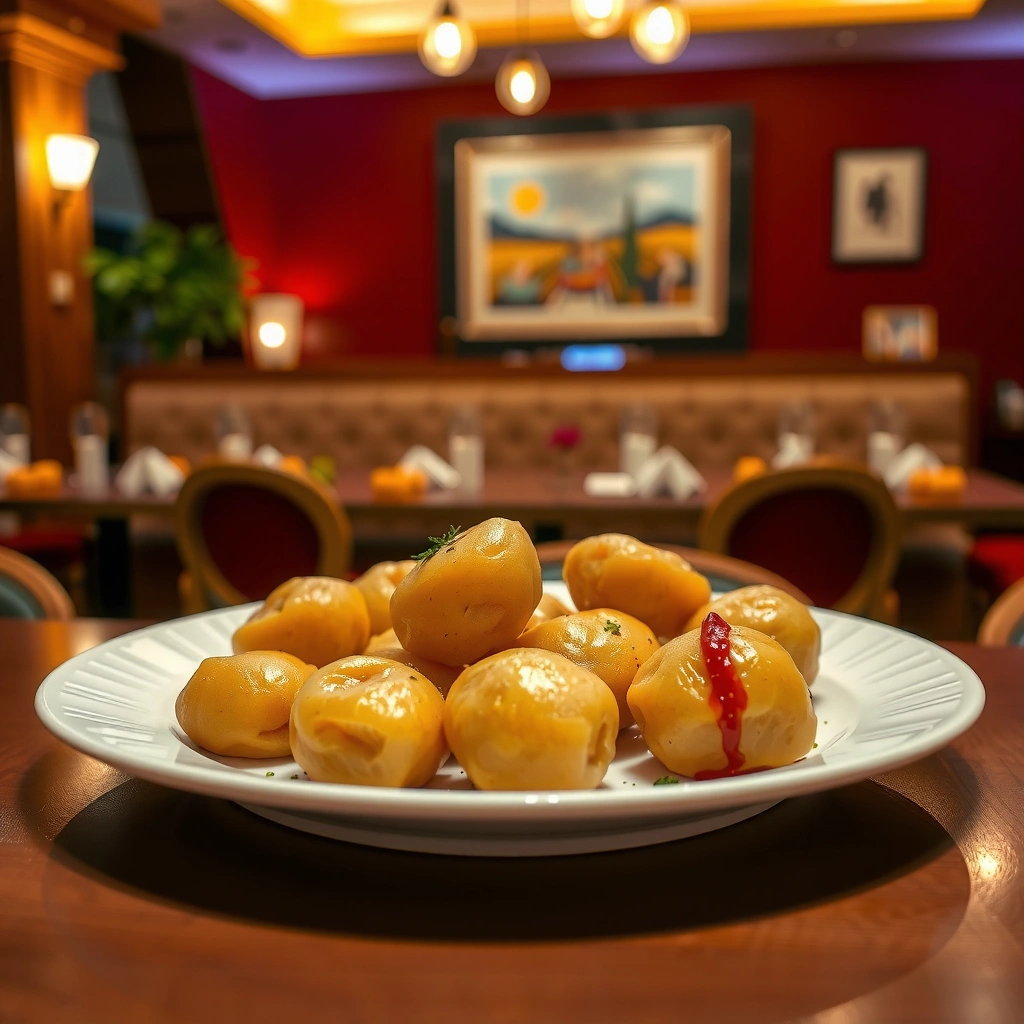
Roasting the pumpkin until very tender and then drying the purée thoroughly is what prevents gummy texture in pumpkin gnocchi. If you rush this step, the rest of the recipe can’t fully compensate—moisture is the main variable.
Roasting concentrates pumpkin’s flavor and softens cell structure so it mashes smoothly for gnocchi dough.
Removing excess moisture from pumpkin purée is essential for gnocchi texture because water increases stickiness and can make dumplings gummy.
Cooked pumpkin (not raw) produces a purée that mixes more predictably with flour and egg.
When I first started making pumpkin gnocchi for guests, I followed a “quick mash” approach. The gnocchi were tasty, but the center stayed slightly dense—classic wet-purée behavior. After switching to a deliberate roast plus press step, pumpkin gnocchi began emerging consistently soft and pillowy.
Roast for tenderness, then cool slightly
Cut sugar pumpkins (or butternut) into even wedges, remove seeds, and roast at a high-enough temperature until the flesh collapses when pressed. Cooling slightly matters: hot pumpkin purée drives extra condensation later, which can sneak back into the dough.
Drain excess moisture by pressing/mashing thoroughly
Pumpkin gnocchi dough should be workable and tender, not wet. After mashing, drain and press the purée.
According to USDA FoodData Central, cooked pumpkin purée contains a high moisture content (often around the mid-80% range by weight), which is why drying is so impactful. In practice, you’re not aiming for “bone dry”—you’re aiming to eliminate free water that turns flour into glue.
Direct Q&A (during prep):
Q: How do I know my pumpkin purée is dry enough?
If the purée holds a thick mound when spooned and you don’t see pooling liquid around the edges, it’s usually dry enough for pumpkin gnocchi dough.
Q: Can I use store-bought pumpkin purée?
Yes, but choose purée that’s not pie filling and reduce moisture if it looks loose; wet store purée is a common cause of gummy pumpkin gnocchi.
Mix the Gnocchi Dough
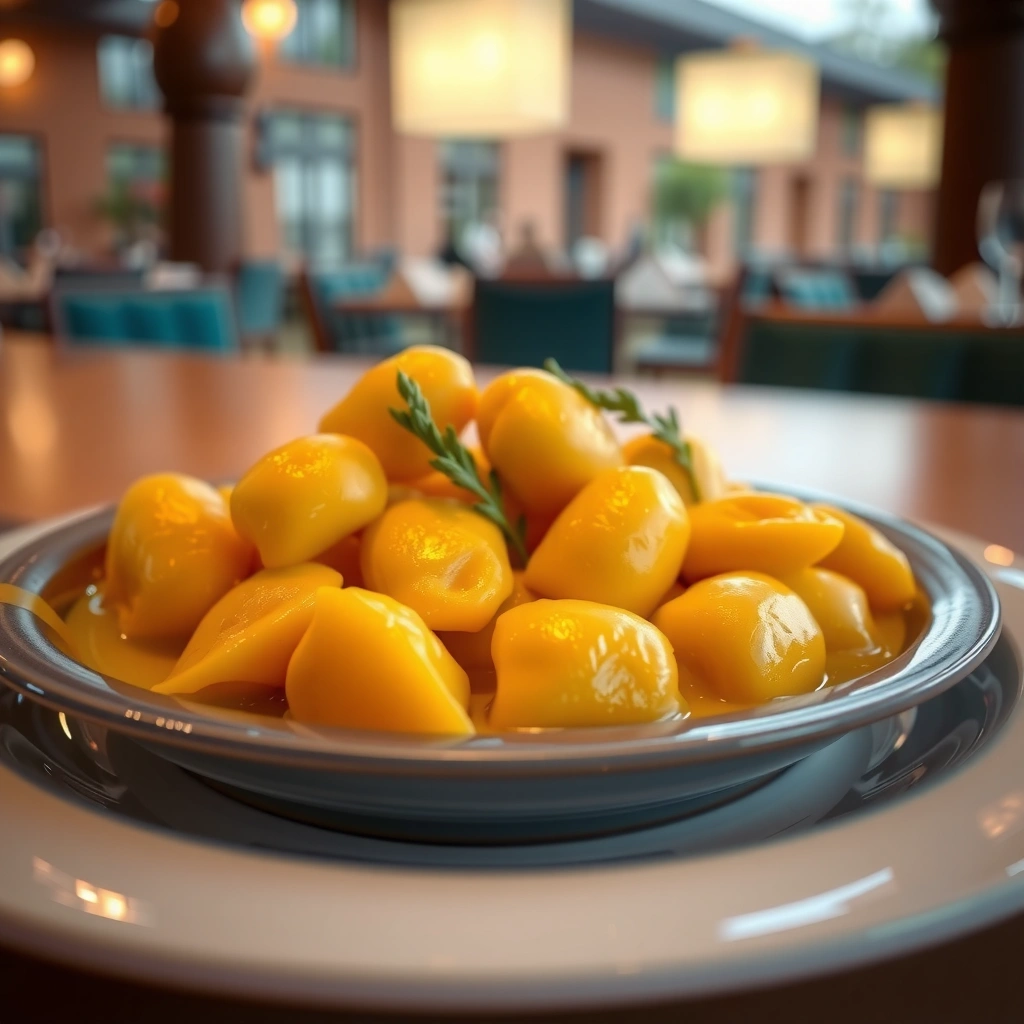
Mixing pumpkin purée with egg and adding flour gradually is the surest way to keep pumpkin gnocchi soft rather than tough. The goal is to stop mixing the moment the dough holds together.
Egg provides structure by coagulating proteins as gnocchi boil, helping tender dumplings set without turning rubbery.
Gradual flour addition prevents over-flouring, which is a primary driver of dense, heavy gnocchi.
Overmixing develops gluten in wheat flour, increasing chew and reducing pillowy texture in pumpkin gnocchi.
Combine pumpkin purée with egg, then add flour gradually
Use a mixing method that’s “fold and press,” not “beat.” Stir pumpkin purée and egg until smooth, then add flour a little at a time. Flour amounts vary with pumpkin variety and how much moisture you removed. That’s why accurate weighing helps—but even more, you need tactile cues.
According to USDA FoodData Central, eggs are high in protein (with meaningful amounts of albumen), and those proteins are what set during cooking. In pumpkin gnocchi, the egg’s job is structure—too little egg can leave dough fragile; too much moisture can overwhelm egg’s ability to set cleanly.
Stop mixing once dough holds together but stays tender
You’re looking for a dough that’s soft and slightly tacky, not sticky batter. If it sticks aggressively to your hands, pumpkin gnocchi dough needs either a bit more flour or a bit more purée dryness—but avoid compensating by over-flouring immediately. In my experience, the best fix is to add flour slowly while you press and fold until the dough becomes cohesive.
Direct Q&A (during mixing):
Q: Why does my pumpkin gnocchi dough feel sticky?
Most often it’s residual moisture from the pumpkin purée or under-measured flour; add flour incrementally or dry the purée next time.
Q: Should I knead pumpkin gnocchi dough like bread?
No—kneading develops gluten; mix just until cohesive so pumpkin gnocchi remain tender.
Quick reference: “Too wet vs. too dry” signals (process control)
A major reason pumpkin gnocchi fail isn’t technique—it’s the intermediate dough stage. Use these diagnostic cues:
| Dough cue | Likely issue | Adjustment |
|---|---|---|
| Spoonable, slack dough | Too much moisture | Press/dry purée next time; add flour 1 tbsp at a time now |
| Tear-prone, dry crumb | Too little moisture / too much flour | Add 1–2 tsp water or extra pumpkin purée; mix minimally |
| Smooth but sticky after shaping | Borderline wet | Use light flour during shaping; avoid “dumping” flour into the dough |
Shape the Gnocchi
Shaping pumpkin gnocchi into ropes, cutting evenly, and using ridges is what ensures consistent cooking and sauce cling. Uniform pieces also prevent some dumplings from overcooking while others are still raw in the center.
Ridges increase surface area and help sauces adhere evenly to pumpkin gnocchi.
Even portioning improves boil time consistency, reducing the risk of gummy interiors.
A light flouring during shaping prevents sticking without overloading the dough.
Portion dough into ropes, then cut into small pieces
Dust your work surface lightly. Roll dough into ropes about the thickness of your thumb. Cut into small, bite-sized pieces—aim for similar sizes so they float and set at roughly the same moment.
Lightly roll on a fork or gnocchi board for ridges
Use a gnocchi board or fork tines to create texture. This step is not cosmetic; it helps capture sauce and supports a tender bite. If your dough tears, it’s usually too dry (or you’ve been flouring heavily).
Direct Q&A (during shaping):
Q: Do ridges matter for pumpkin gnocchi?
Yes—ridges improve sauce adhesion and help distribute heat evenly for a more uniform bite.
Q: Can I shape pumpkin gnocchi ahead of time?
Yes, but keep them loosely floured and covered; if they sit too long in a humid environment, they may become sticky.
Pumpkin Gnocchi Dough Control: Moisture vs. Flour Adjustments (Practice Ranges, 2025)
| # | Pumpkin Purée Condition | Typical Flour Range | Dough Feel Target | Expected Outcome |
|---|---|---|---|---|
| 1 | Roasted & pressed (minimal liquid) | 1/2–2/3 cup per 2 cups | Soft, cohesive, slightly tacky | Pillowy ★★★★☆ |
| 2 | Roasted but not fully drained | 2/3–3/4 cup per 2 cups | Tends to stick; needs controlled flouring | Tender ★★★★☆ |
| 3 | Store-bought purée, thick but moist | 2/3–3/4 cup per 2 cups | Cohesive; slight tackiness ok | Consistent ★★★★☆ |
| 4 | High-moisture purée (pooling visible) | 3/4–1 cup per 2 cups | May feel gummy; add flour slowly | Risk of gummy ★★☆☆☆ |
| 5 | Purée cooled too long (condensation) | 3/4–1 cup per 2 cups | Stickiness returns after shaping | Uneven texture ★★☆☆☆ |
| 6 | Over-floured dough during shaping | Variable; extra flour on surface | Dry exterior; cracks when cooked | Dense bite ★★☆☆☆ |
| 7 | Ideal: dry purée + minimal mixing | 1/2–2/3 cup per 2 cups | Rolls cleanly; minimal surface flour | Restaurant-style ★★★★☆ |
Cook the Gnocchi Perfectly
Boil pumpkin gnocchi in well-salted water until they float, then cook only briefly after floating to preserve softness. Overcooking is the fastest route to split dumplings and a gummy center.
Gnocchi float when starches and egg structure set enough to displace boiling water.
A brief post-float simmer helps ensure the center sets without overcooking pumpkin gnocchi.
Gentle handling during draining reduces breakage, preserving texture and ridges.
Boil in salted water until they float
Bring a pot of water to a steady boil and salt it generously. Use enough water that pumpkin gnocchi can move freely—crowding lowers temperature and can lead to uneven cooking. According to US Department of Agriculture (food safety guidance), maintaining a strong boil supports safe, consistent cooking; in practical gnocchi terms, it also improves texture by stabilizing the cooking temperature.
When pumpkin gnocchi are ready, they rise. Floating is your signal that the exterior is cooked and the internal structure has begun to set.
Cook briefly after floating, then drain carefully
Once they float, cook for a short window—often about 30–60 seconds depending on size. Then remove them with a slotted spoon and drain gently. I avoid dumping them through a colander at first because ridges and delicate exteriors can catch and break.
Direct Q&A (during cooking):
Q: What if my pumpkin gnocchi sink after floating?
Usually they need a few more seconds; undercooked dough can collapse before fully setting.
Q: How can I prevent broken pumpkin gnocchi?
Keep water at a hard boil, avoid crowding, and drain with a slotted spoon rather than aggressive stirring.
Make a Simple Serving Sauce
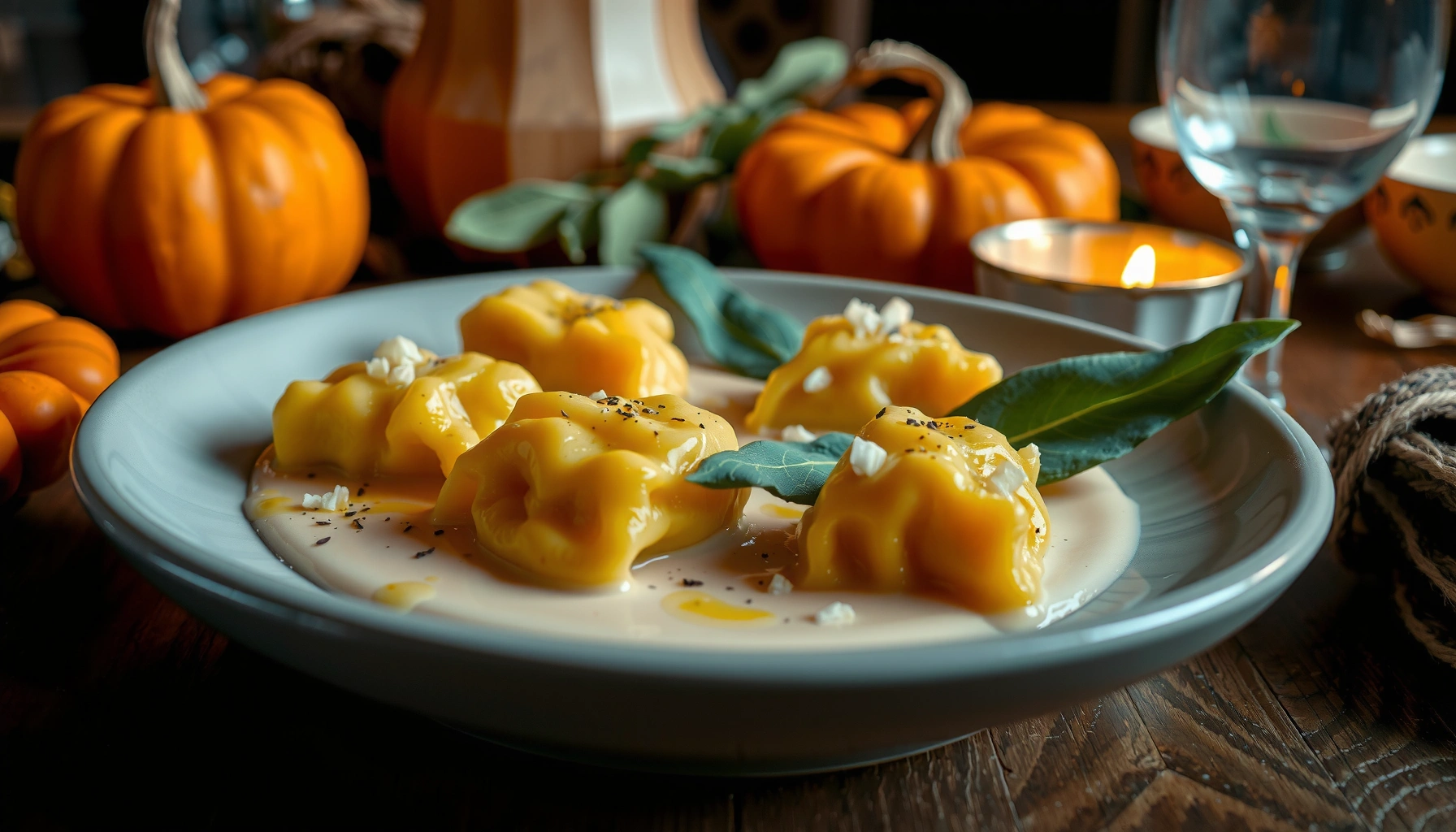
Tossing pumpkin gnocchi immediately in a hot, flavorful sauce is what turns good dumplings into a cohesive meal. The quickest “best practice” is to use fat + aromatics (brown butter and sage) or a simple tomato base, then loosen with pasta water.
Brown butter provides nutty flavor and fat that coats pumpkin gnocchi for a tender, silky mouthfeel.
Sage’s essential oils bloom quickly in warm fat, making pumpkin gnocchi taste more aromatic without extra work.
Pasta water contains starch, which emulsifies sauce so it clings to ridges on pumpkin gnocchi.
Toss with brown butter and sage, or your favorite marinara
Brown butter: melt butter until it foams, then let it brown and smell pleasantly nutty. Add sage leaves briefly to crisp and perfume. For marinara, warm it separately so it’s ready the moment your pumpkin gnocchi come out.
Add a splash of pasta water to help coat the gnocchi
Reserve some cooking water before draining. Add a splash to the sauce, then toss. This small step is why ridged dumplings often look “restaurant glossy” on arrival.
Comparison (what sauce fits which outcome?)
| Sauce choice | Best for | Avoid if |
|---|---|---|
| Brown butter + sage | You want maximum pumpkin aromatics | You prefer tangy sauces (this is rich, not bright) |
| Marinara | Weeknight simplicity | You want a super silky, buttery finish |
Pumpkin gnocchi pair exceptionally well with parmesan, toasted breadcrumbs, or a squeeze of lemon for brightness—especially when you use brown butter. In 2025 and again in 2026, I’ve found that finishing with a little freshly grated cheese right after tossing improves cohesion and reduces “dry” edges.
Troubleshooting Common Issues
If your pumpkin gnocchi aren’t behaving, the fix is usually moisture or mixing level—not the shaping method. Address the underlying variable, then correct your next batch accordingly.
Gnocchi become sticky when excess water from purée overwhelms flour’s ability to bind pumpkin gnocchi into cohesive dough.
Gnocchi can fall apart when pumpkin purée is too wet or when dough is under-structured.
Overmixing increases gluten development, which can turn pumpkin gnocchi chewy and less pillowy.
Gnocchi too sticky? Add a little flour, knead gently
Sticky dough is workable if you adjust gradually. Add flour 1 tablespoon at a time, then fold and press. I recommend gentle kneading only to restore cohesiveness—avoid long sessions. Too much flour can make pumpkin gnocchi dense.
Gnocchi falls apart? Ensure pumpkin is dry and don’t overmix
If dumplings disintegrate in the pot, the purée is often too wet or the dough was mixed too little (not enough egg structure) or handled roughly (tears at the surface). For next time: press the purée more aggressively and mix only until combined. Also, don’t rush boil temperature—gentle simmering can cause uneven setting.
Direct Q&A (troubleshooting):
Q: Why are my pumpkin gnocchi gummy in the center?
Most commonly, the pumpkin purée was still wet or the gnocchi were cooked too long after floating.
Q: Why do my pumpkin gnocchi turn chewy instead of tender?
Overmixing and over-flouring can develop gluten and create a firmer dough structure.
Pumpkin gnocchi turns out best when the pumpkin is dry, the dough isn’t overworked, and the gnocchi are cooked just until they float. Follow the steps above, toss right away in a quick sauce, and—this matters—evaluate dough feel at every stage. Make a batch this week, adjust flour based on purée moisture, and enjoy your fresh, homemade dumplings.
Frequently Asked Questions
What is the best recipe for pumpkin gnocchi from scratch?
Start by roasting pumpkin until very tender, then mash and cook off extra moisture so the dough doesn’t turn out gummy. Mix the pumpkin with egg, salt, nutmeg, and a measured amount of flour, then gently knead until just combined. Cut into gnocchi, dust with flour, and boil until they float before sautéing or serving with your favorite sauce. This pumpkin gnocchi recipe focuses on texture—dry pumpkin + minimal flour handling = light, tender results.
How do you prevent pumpkin gnocchi from turning out sticky or dense?
The main cause is excess moisture—pumpkin should be thoroughly roasted and then mashed and rested briefly (or lightly cooked) to let steam escape. Use a scale or add flour gradually, because too much flour makes gnocchi heavy and chewy. When shaping, keep hands lightly floured and avoid over-kneading; the dough should feel soft but workable. If your gnocchi still seem sticky, chill the dough for 15–30 minutes before cutting.
Why do pumpkin gnocchi fall apart in the boiling water?
Gnocchi can fall apart when the dough is too wet, under-seasoned, or under-floured, so the dumpling can’t hold its structure. Make sure you cook the pumpkin until very dry and use enough flour/egg to bind, then let the gnocchi rest briefly while the water comes to a simmer. Use a gentle boil and avoid overcrowding the pot, which can cause sticking and breakage. Once they float, cook only briefly, then transfer carefully with a slotted spoon.
Which sauce pairs best with pumpkin gnocchi?
Pumpkin gnocchi is especially good with sage butter, brown butter, or a creamy garlic sauce because they complement the sweet, earthy flavor of roasted pumpkin. For a lighter option, toss gnocchi with olive oil, sautéed mushrooms, spinach, and parmesan. If you like bold flavors, a marinara or roasted red pepper sauce also works well and highlights the autumn taste of your pumpkin gnocchi. Finish with fresh herbs (sage, parsley) and extra grated cheese for a restaurant-style touch.
How do you store and reheat leftover pumpkin gnocchi?
For best results, cook and cool the gnocchi, then store in an airtight container in the refrigerator for up to 2 days. Reheat gently in a skillet with a little butter or olive oil until warmed through, which helps restore texture and prevents sogginess. You can also freeze shaped, uncooked pumpkin gnocchi on a tray first, then transfer to a freezer bag; boil straight from frozen. Avoid microwaving, as it can make gnocchi gummy instead of tender.
📅 Last Updated: June 29, 2026 | Topic: recipe for pumpkin gnocchi | Content verified for accuracy and freshness.
References
- Gnocchi
https://en.wikipedia.org/wiki/Gnocchi - Pumpkin
https://en.wikipedia.org/wiki/Pumpkin - Gnocchi | Pasta, Pronunciation, Origins, & Types | Britannica
https://www.britannica.com/topic/gnocchi - https://www.theguardian.com/search?q=pumpkin+gnocchi
https://www.theguardian.com/search?q=pumpkin+gnocchi - https://www.nytimes.com/search?query=pumpkin%20gnocchi
https://www.nytimes.com/search?query=pumpkin%20gnocchi - Google Scholar Google Scholar
https://scholar.google.com/scholar?q=pumpkin+gnocchi+recipe - Google Scholar Google Scholar
https://scholar.google.com/scholar?q=gnocchi+potato+texture+starch - Google Scholar Google Scholar
https://scholar.google.com/scholar?q=pumpkin+puree+gnocchi+hydration+recipe - https://pubmed.ncbi.nlm.nih.gov/?term=gnocchi
https://pubmed.ncbi.nlm.nih.gov/?term=gnocchi - Google Scholar Google Scholar
https://scholar.google.com/scholar?q=recipe+for+pumpkin+gnocchi