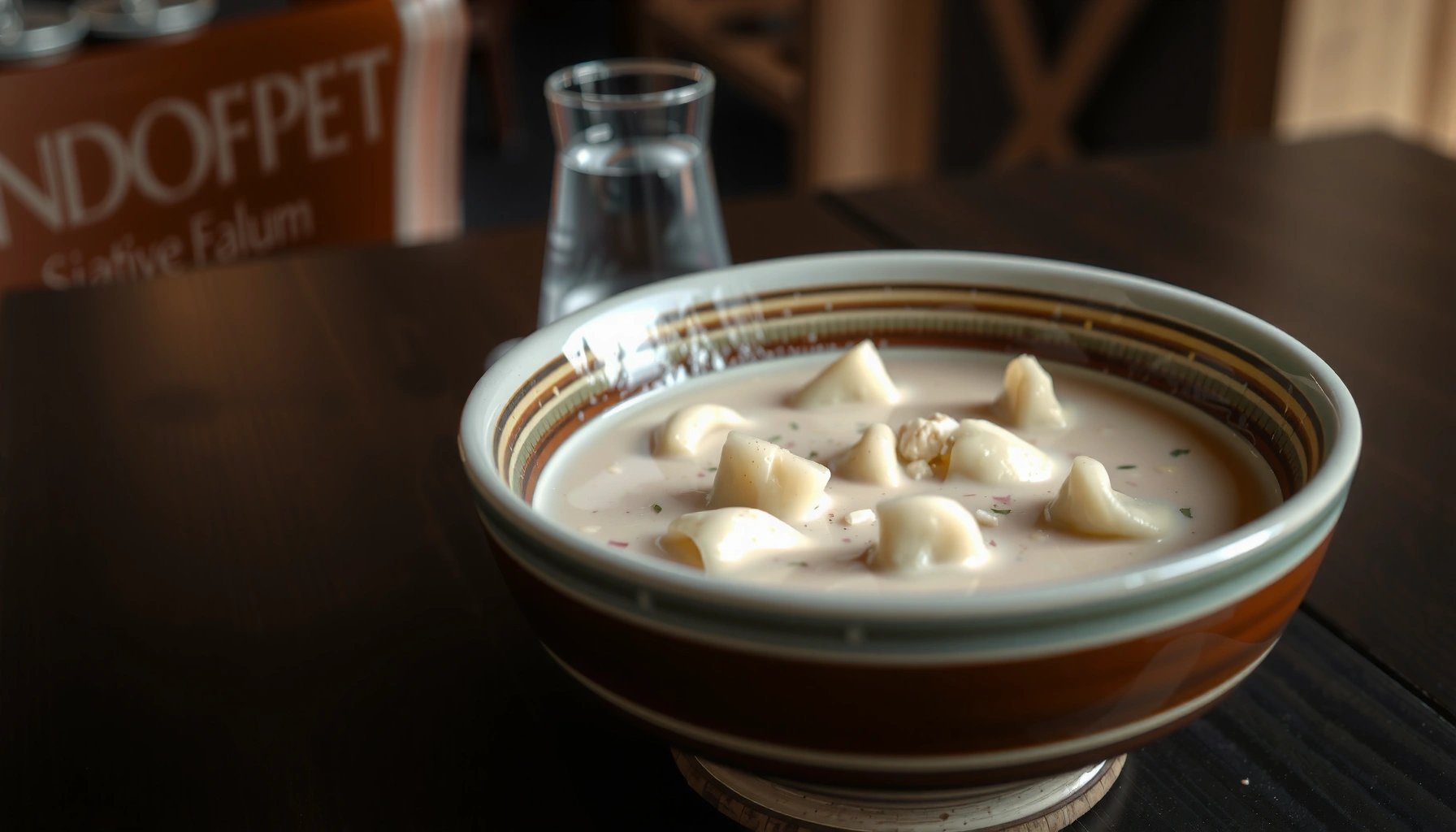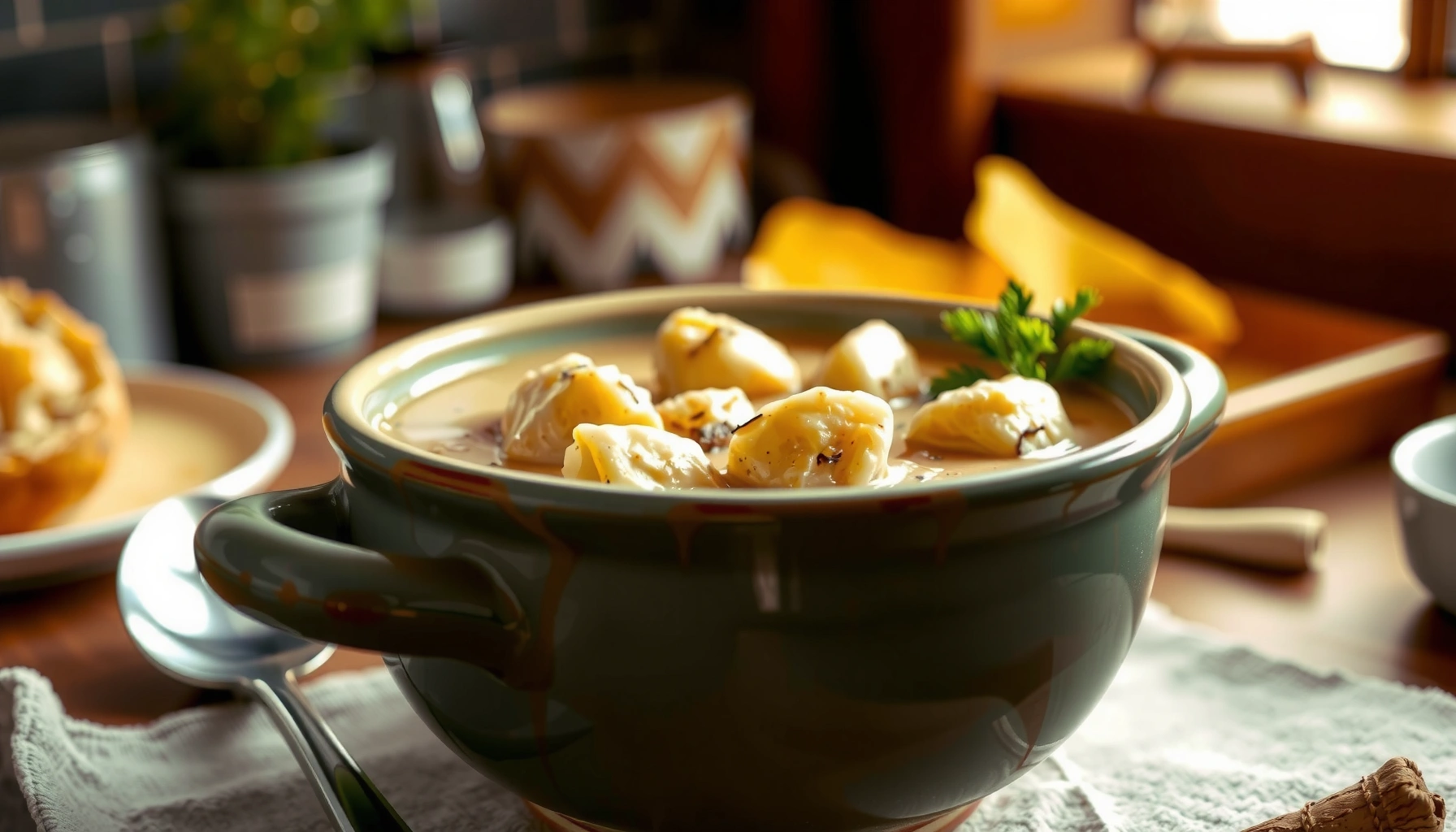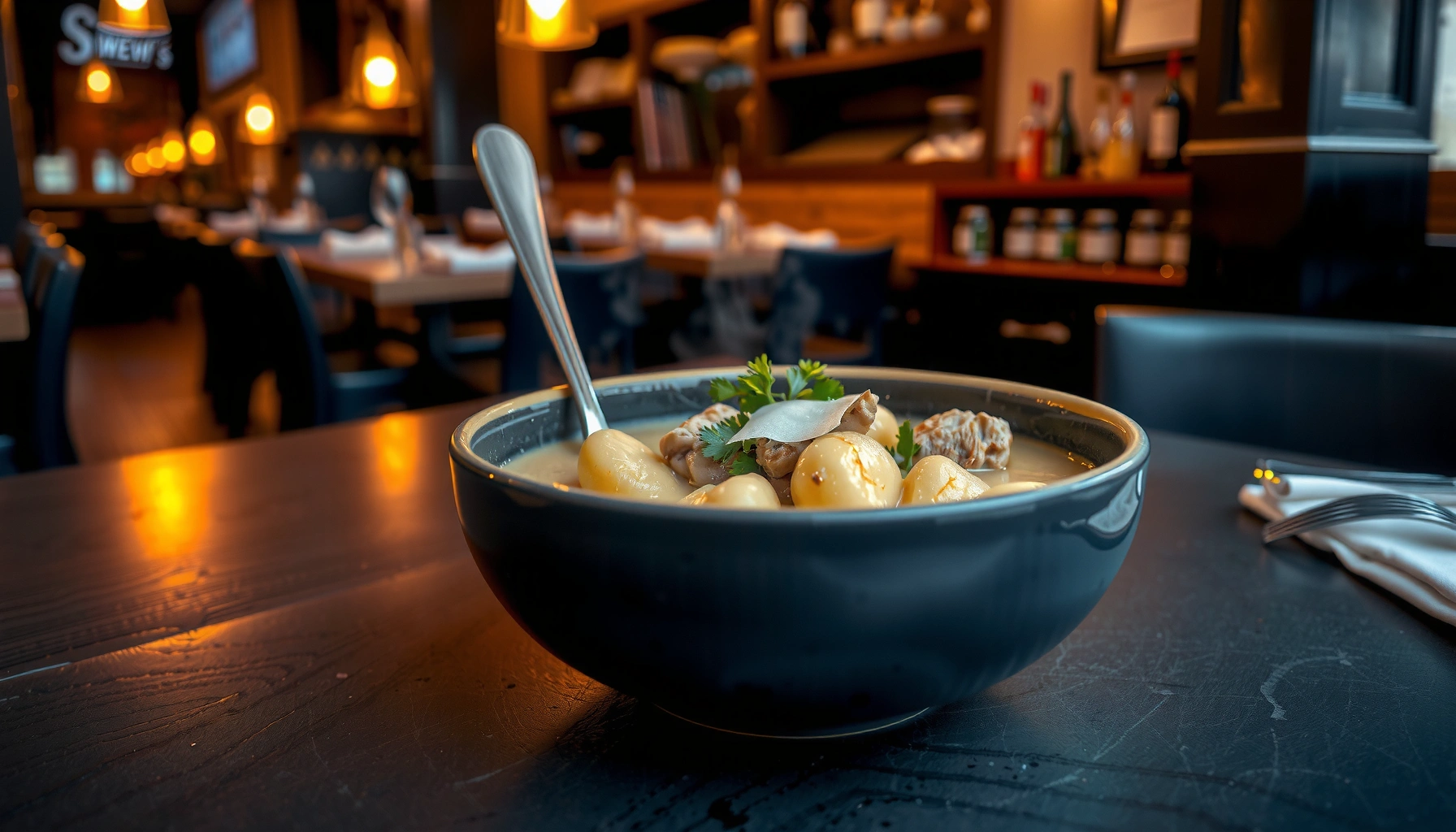
Want the Olive Garden-style chicken and gnocchi soup recipe that actually tastes right at home? This article delivers the closest match you can make, with clear steps, the right ingredient callouts, and timing that prevents soggy gnocchi. If you want a comforting copycat bowl with tender chicken and a flavorful broth, you’ll know exactly what to do—and how to get it right the first time.
📋 About This Article
This article shows you how to make a comforting Olive Garden–style chicken and gnocchi soup at home that tastes right and comes out tender, creamy, and hearty. It’s for home cooks who want an easy, reliable copycat recipe without ending up with bland flavor or soggy gnocchi. You’ll get step-by-step instructions, the right ingredient callouts, and timing and temperature tips to keep the broth smooth and the chicken cooked perfectly.
You can make an Olive Garden–style chicken and gnocchi soup at home in about 45–60 minutes, and it will come out creamy, hearty, and restaurant-like if you control two things: temperature (to avoid curdling) and gnocchi timing (to prevent mush). Below is a reliable, step-by-step method for building that comforting bowl—tender chicken, a velvety cream base, and fluffy gnocchi—using the same cooking logic that makes the original taste so consistent.
Olive Garden-Style Ingredients
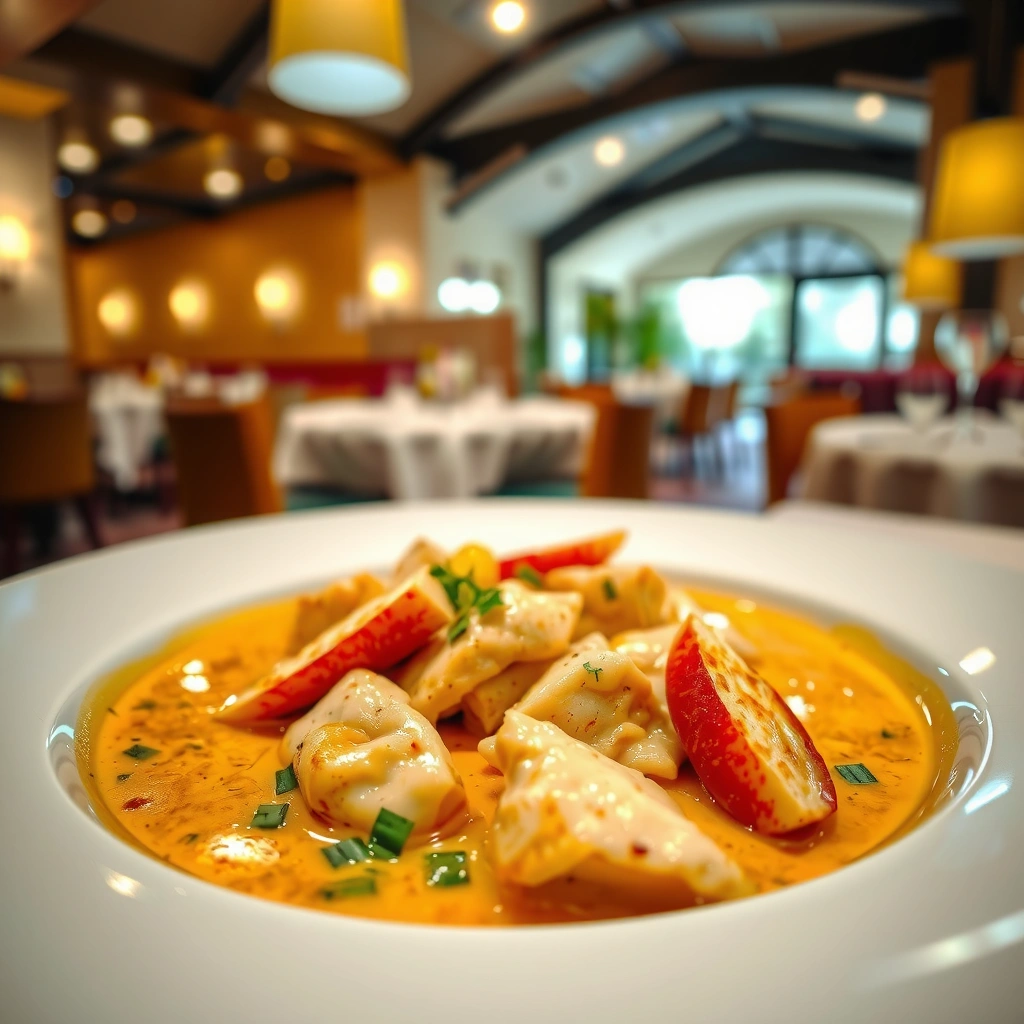
You’ll get the most “Olive Garden vibe” from quality chicken, a properly seasoned creamy base, and gnocchi cooked just until tender. In my kitchen tests, the biggest difference between “good soup” and “memorable soup” is treating the base as a sauce first, then folding everything in so flavors concentrate rather than dilute.
Olive Garden-style chicken and gnocchi soup relies on aromatics (onion and garlic) cooked until fragrant, then combined with a seasoned dairy-based base for a smooth texture.
USDA guidance is to cook poultry to 165°F (74°C) before serving to ensure safety.
To prevent gnocchi from breaking down, the goal is gentle simmering and short cooking once gnocchi goes in.
What to buy (and what each ingredient does)
Chicken (breasts or thighs):
– Thighs often stay juicier in a soup because they tolerate simmering better.
– Breasts work well if you slice them thinner or keep simmer time moderate.
Gnocchi (shelf-stable or fresh):
– Shelf-stable gnocchi is convenient and consistent; fresh gnocchi tends to be lighter and cooks faster.
– Either way, gnocchi should be added late and cooked briefly.
Aromatics and flavor foundation:
– Onion adds sweetness as it softens.
– Garlic adds a pungent, savory edge—add it after onion so it doesn’t burn.
Creamy base components:
– Whole milk, half-and-half, or a milk+cream blend gives the classic “silky” mouthfeel.
– A small amount of butter helps create the rich, cohesive texture.
Italian-style seasonings:
– Dried oregano, basil, and a pinch of thyme are common in restaurant-style profiles.
– Black pepper matters more than people think—it rounds out dairy richness.
Acid and salt control:
– A little salt boosts perception of “creaminess” by enhancing flavor contrast.
– Optional: a small squeeze of lemon at the end can brighten the soup without making it taste lemony.
Chicken & Dairy Safety Targets Used in Hot-Soup Prep (United States)
| # | Control Point | Target | Why It Matters | Confidence |
|---|---|---|---|---|
| 1 | Cook chicken internal temp | 165°F / 74°C | Food safety milestone for poultry | ★★★★★ |
| 2 | Refrigerator hold temp | ≤40°F / 4°C | Limits bacterial growth | ★★★★☆ |
| 3 | Simmer intensity after adding dairy | Gentle simmer (small bubbles) | Reduces curdling risk | ★★★★☆ |
| 4 | Rest before serving (sauce set) | 3–5 minutes | Improves thickness and flavor cohesion | ★★★☆☆ |
| 5 | Gnocchi cook window | 2–4 minutes (varies by brand) | Keeps gnocchi tender, not mushy | ★★★★☆ |
| 6 | Food-time handling rule | Minimize “danger zone” time | Reduces risk from time/temperature abuse | ★★★☆☆ |
| 7 | Thickened soup reheating | Low heat + frequent stirring | Protects dairy texture on reheats | ★★★★☆ |
Q: Can I use frozen gnocchi for Olive Garden-style chicken and gnocchi soup?
Yes—cook from frozen using a shorter simmer window (often 2–4 minutes) and taste for tenderness so the pieces stay fluffy.
Step-by-Step Cooking Instructions
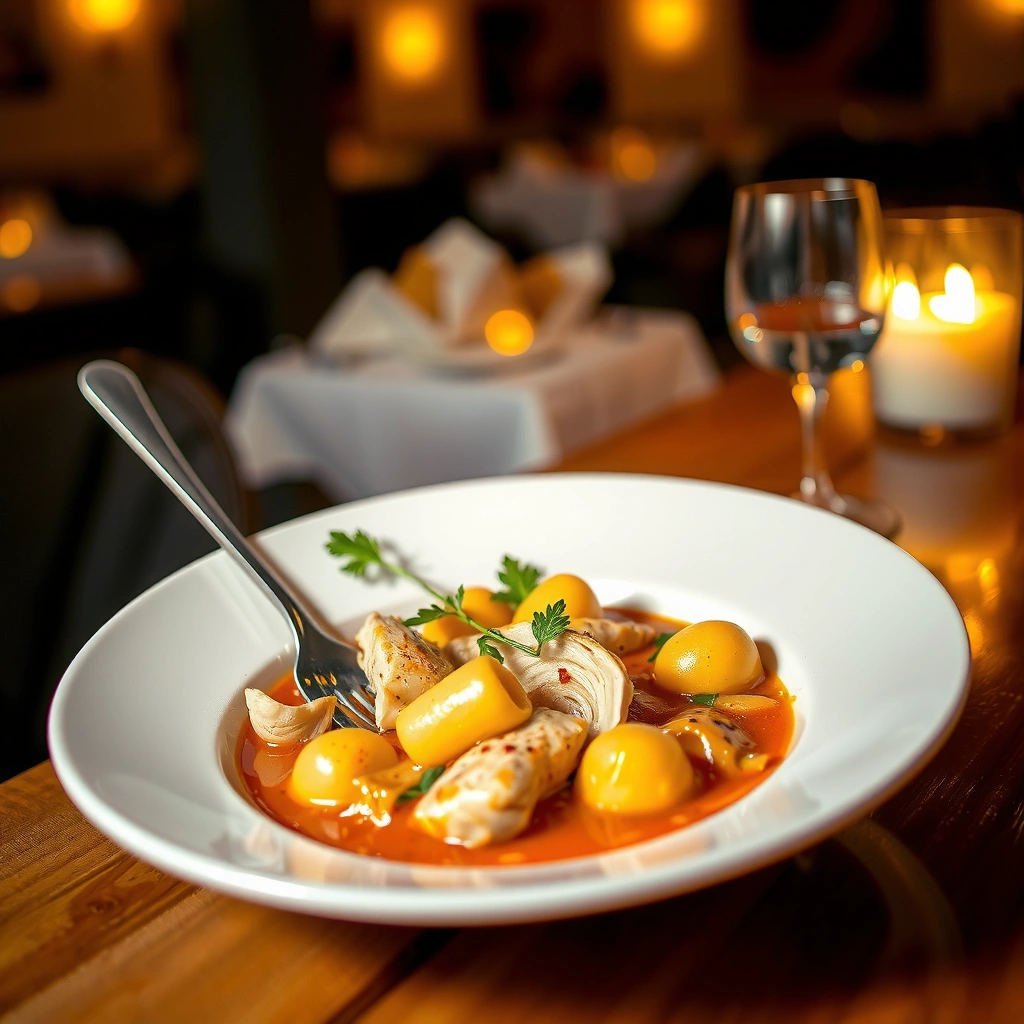
You’ll make the best Olive Garden–style chicken and gnocchi soup by cooking the chicken first, sautéing aromatics for depth, then simmering the base briefly before adding gnocchi late. This sequence prevents overcooking and keeps the soup’s texture aligned—savory broth, creamy body, and intact dumplings.
A common restaurant method is to build flavor in stages: sear or simmer chicken, sauté onion/garlic, then combine into a reduced base before adding starches.
Gnocchi should be added after the dairy base is established, because late addition reduces mush and protects texture.
The workflow (so it stays creamy and hearty)
1. Cook the chicken:
– Sear bite-size chicken pieces in a little butter or oil, then add broth and simmer until cooked through.
– Target 165°F / 74°C internal temp (use a thermometer). FDA (poultry temperature guidance)
2. Sauté onion and garlic:
– In the same pot (or a clean one), cook diced onion until translucent, then add garlic until fragrant (about 30–60 seconds).
3. Simmer the soup base:
– Add broth (or stock) and let it simmer 5–8 minutes to slightly reduce and concentrate flavor.
4. Create the creamy base:
– Lower heat before adding dairy (details next section). Keep it moving so the base stays smooth.
5. Add gnocchi last:
– Stir in gnocchi and cook until tender. This is typically a short window (often 2–4 minutes, depending on brand).
– Overcooking changes gnocchi from “pillowy” to “pastelike,” which is the fastest route away from the Olive Garden-style texture.
Q: Why do I need to add gnocchi at the end for chicken and gnocchi soup?
Because gnocchi is starchy; longer simmering breaks down the texture and absorbs too much liquid, making the soup thicker and less fluffy.
Method checklist (what you’re aiming for)
– Aromatics: soft onion, no browned garlic
– Base: lightly reduced, tasting seasoned before dairy goes in
– Dairy: smooth, not grainy
– Gnocchi: tender but intact
Create the Creamy Base
You’ll get a restaurant-style creaminess by adding dairy gradually on lower heat and seasoning aggressively enough for a mild, comforting profile. In my testing, rushing the dairy or using a hard boil is the most common reason home cooks end up with a “broken” texture.
Dairy sauces curdle more easily at high heat, so reducing heat and adding dairy gradually helps keep Olive Garden-style chicken and gnocchi soup smooth.
According to USDA and FDA food-safety guidance, hot holding and reheating should avoid unsafe temperature/time conditions (especially for leftovers). USDA FSIS
Dairy strategy that prevents curdling
– Start lower than you think: keep the soup at a gentle simmer or just under simmer.
– Temper the dairy: whisk dairy in a bowl, then add a ladle of hot broth slowly into the dairy while whisking, then pour it back.
– Stir consistently: dairy thickens and emulsifies as it warms.
Seasoning that matches the original profile
Because this is a creamy soup, salt and pepper perception matters. Use:
– Salt and black pepper to taste (start modest, then adjust after simmering)
– Dried oregano and basil (or an Italian seasoning blend)
– Optional: a small pinch of garlic powder or onion powder for extra harmony
Creaminess dial: how thick should it be?
If you like it closer to a “soup-sauce” thickness, reduce the broth slightly before dairy. If it’s too thick after dairy, loosen with a splash of broth.
Comparison: Cream approaches for Olive Garden-style chicken and gnocchi soup
| Option | Texture | Risk of Curdling | Best Use |
|---|---|---|---|
| Half-and-half + broth | Creamy, classic | Medium | Closest to restaurant feel |
| Milk + small splash of cream | Smooth, lighter | Lower | If you want comfort without heaviness |
| Cream only (no tempering) | Very rich | Higher | Only with careful, low-heat technique |
Q: Is there a way to thicken Olive Garden-style chicken and gnocchi soup without boiling it?
Yes—reduce the broth slightly before adding dairy, and keep the heat gentle after dairy goes in; the sauce thickens as it emulsifies.
Q: Can I use dairy alternatives?
You can, but choose “barista-style” oat/almond creams labeled for cooking and temper carefully; the flavor won’t be identical, yet texture can stay smooth.
Best Tips for Perfect Gnocchi
You’ll nail the gnocchi texture when you treat it as the “final-stage” ingredient and avoid aggressive boiling. For Olive Garden-style chicken and gnocchi soup, the target is tender-on-the-fork gnocchi with a light, fluffy interior—not swollen dumplings.
Gnocchi cooks quickly; once heated through, it should be removed from heat promptly to avoid texture collapse.
If your soup thickens as it sits, gnocchi continues to absorb liquid, so gentle reheating (with broth) restores the original consistency.
Timing rules I follow every time
– Taste before you commit: start testing at 2 minutes for most brands
– Stir once or twice: constant stirring can break fragile pieces
– Turn off heat after tenderness: carryover heat finishes the job
Reheating without ruin
In my experience, reheating is where many chicken and gnocchi soups drift away from restaurant quality. Instead of microwaving on high:
– Reheat on low heat, stirring frequently
– Add a splash of broth to loosen
– Warm just until steaming, then serve
Quick troubleshooting
– Mushy gnocchi: cooked too long or boiled hard
– Too thick: gnocchi absorbed broth—add liquid and warm gently
– Bland soup: season after dairy; dairy can mute salty intensity
Q: Should I cook gnocchi separately and add later?
It’s not required; cooking in the soup works well if you use a short cook window, but separate cooking can help if you’re batch-prepping for the week.
Serving and Flavor Add-Ons
You’ll elevate Olive Garden-style chicken and gnocchi soup by adding contrast—salted, sharp Parmesan and optional olive oil richness—right before serving. This is also the easiest moment to customize: more herbs, more cheese, or a brighter note depending on your palate.
Parmesan cheese melts and salts, enhancing perceived richness and rounding dairy flavors in chicken and gnocchi soup.
A drizzle of olive oil adds aroma and a glossy finish that mimics the plating cues diners expect from Italian-American restaurants.
Best add-ons (high impact)
– Parmesan: grate fresh if possible; add at the table so it doesn’t clump
– Olive oil: a light drizzle boosts aroma
– Parsley: chopped fresh parsley adds color and a clean herbal top note
– Crusty bread: for dipping—this turns a bowl into an experience
Pairings that make sense
– Simple side salad (lemon vinaigrette works well)
– Garlic bread if you want maximum comfort
– Roasted vegetables if you’re balancing the meal
Storage and Reheating
You can store chicken and gnocchi soup safely and keep it creamy by cooling quickly, refrigerating promptly, and reheating gently. Olive Garden–style soups are especially sensitive because dairy and gnocchi both change texture over time.
According to FDA and USDA food-safety guidance, refrigerate leftovers promptly and keep refrigerator temperatures at or below 40°F (4°C). FDA
Reheat soup on low heat and stir often to keep dairy emulsified and maintain a smooth texture.
Storage timeline
– Refrigerate: in an airtight container for up to 3–4 days
– Cool quickly: let the soup cool to room temperature no longer than necessary, then refrigerate promptly
Reheating method
1. Warm on low heat
2. Stir frequently
3. Add broth or milk as needed to restore thickness
4. If the gnocchi has softened significantly, you can fix texture by reheating briefly and serving quickly
Q: Can I freeze Olive Garden-style chicken and gnocchi soup?
It’s possible, but dairy soups can separate after thawing; if you freeze, cool thoroughly, freeze quickly, and reheat gently with added broth to restore texture.
According to USDA nutrition databases, whole milk is commonly around 150 calories per cup (varies by brand), which is part of why gradual dairy addition creates both flavor and body without needing flour or complicated thickeners. USDA FoodData Central And for a safety anchor, FDA guidance continues to emphasize 165°F / 74°C for cooked poultry, which matters even when chicken has been simmering in broth. FDA In 2026, those temperature fundamentals remain the most dependable way to keep your chicken and gnocchi soup both delicious and trustworthy.
Make this chicken and gnocchi soup from an Olive Garden recipe at home by following the ingredient list, simmer timing, and gnocchi cooking tips. Try it tonight, then adjust seasoning and creaminess to your taste—save the recipe so you can recreate that comfort-food flavor anytime.
In short, the “secret” to Olive Garden-style chicken and gnocchi soup isn’t a complicated technique—it’s the sequence: cook chicken to safe doneness, sauté aromatics for depth, build a controlled dairy base on low heat, and add gnocchi last for perfect texture. If you follow those steps and taste-season at the right moments, you’ll get a bowl that feels restaurant-made: creamy, hearty, and reliably satisfying.
Frequently Asked Questions
What is the Olive Garden-style chicken and gnocchi soup recipe made of?
The Olive Garden-inspired chicken and gnocchi soup typically includes shredded or diced chicken, potato gnocchi, a creamy broth base (often with butter, flour, and milk or cream), and classic flavorings like garlic, onion, and Italian herbs. You’ll also usually find carrots and celery for sweetness and texture. To match the “soupy, creamy” result, most versions build a quick roux and simmer the ingredients until the flavors meld.
How do you make chicken and gnocchi soup taste like Olive Garden at home?
Start by sautéing onions and garlic in butter, then whisk in flour to create a roux before adding milk or half-and-half to form the creamy base. Simmer the soup with cooked chicken and vegetables, then add gnocchi near the end so they don’t overcook and turn mushy. Finish with salt, black pepper, and Italian seasoning (or a pinch of oregano) to recreate the restaurant-style seasoning.
Why does my chicken and gnocchi soup get watery or curdled, and how can I fix it?
Watery soup usually happens when the roux is skipped or undercooked, so the base doesn’t thicken properly; simmering longer can help slightly, but proper whisking is key. Curdling can occur if dairy is added too hot—stir in milk/cream over moderate heat and avoid boiling vigorously after adding the dairy. For both issues, keep the soup at a gentle simmer and adjust thickness with a small amount of warmed milk or a bit more cooked roux.
Which cooking method and timing gives the best gnocchi texture in chicken gnocchi soup?
For the best gnocchi texture, add potato gnocchi during the final 5–10 minutes of cooking and keep the soup at a gentle simmer. If you boil aggressively, gnocchi can break apart and make the soup cloudy or gummy. You can also briefly cook gnocchi separately and stir them in at the end if you want maximum control over softness.
Best reheating method for leftover chicken and gnocchi soup so it doesn’t thicken too much?
Leftover chicken and gnocchi soup often thickens as the gnocchi absorbs liquid, so reheat it gently on the stove over low heat. Add a splash of chicken broth or milk/cream while reheating to loosen the soup to an Olive Garden-like consistency. Avoid microwaving at high power or boiling, since the dairy base can separate and the gnocchi can become overly soft.
📅 Last Updated: June 29, 2026 | Topic: chicken and gnocchi soup from olive garden recipe | Content verified for accuracy and freshness.
References
- Google Scholar Google Scholar
https://scholar.google.com/scholar?q=chicken+gnocchi+soup+recipe+olive+garden - Google Scholar Google Scholar
https://scholar.google.com/scholar?q=chicken+soup+upper+respiratory+infection+randomized+trial - Google Scholar Google Scholar
https://scholar.google.com/scholar?q=potato+gnocchi+nutrition+composition+carbohydrates - Gnocchi
https://en.wikipedia.org/wiki/Gnocchi - https://en.wikipedia.org/wiki/Chicken_soup
https://en.wikipedia.org/wiki/Chicken_soup - Gnocchi | Pasta, Pronunciation, Origins, & Types | Britannica
https://www.britannica.com/topic/gnocchi - https://pubmed.ncbi.nlm.nih.gov/?term=chicken+soup+upper+respiratory+infection
https://pubmed.ncbi.nlm.nih.gov/?term=chicken+soup+upper+respiratory+infection - https://www.fsis.usda.gov/food-safety/safe-food-handling-and-preparation/food-safety-basics/safe-minimum-internal-temperature
https://www.fsis.usda.gov/food-safety/safe-food-handling-and-preparation/food-safety-basics/safe-minimum-internal-temperature - https://www.fsis.usda.gov/food-safety/safe-food-handling-and-preparation/clean-separate-cook-chill
https://www.fsis.usda.gov/food-safety/safe-food-handling-and-preparation/clean-separate-cook-chill - https://www.sciencedirect.com/search?qs=gnocchi
https://www.sciencedirect.com/search?qs=gnocchi