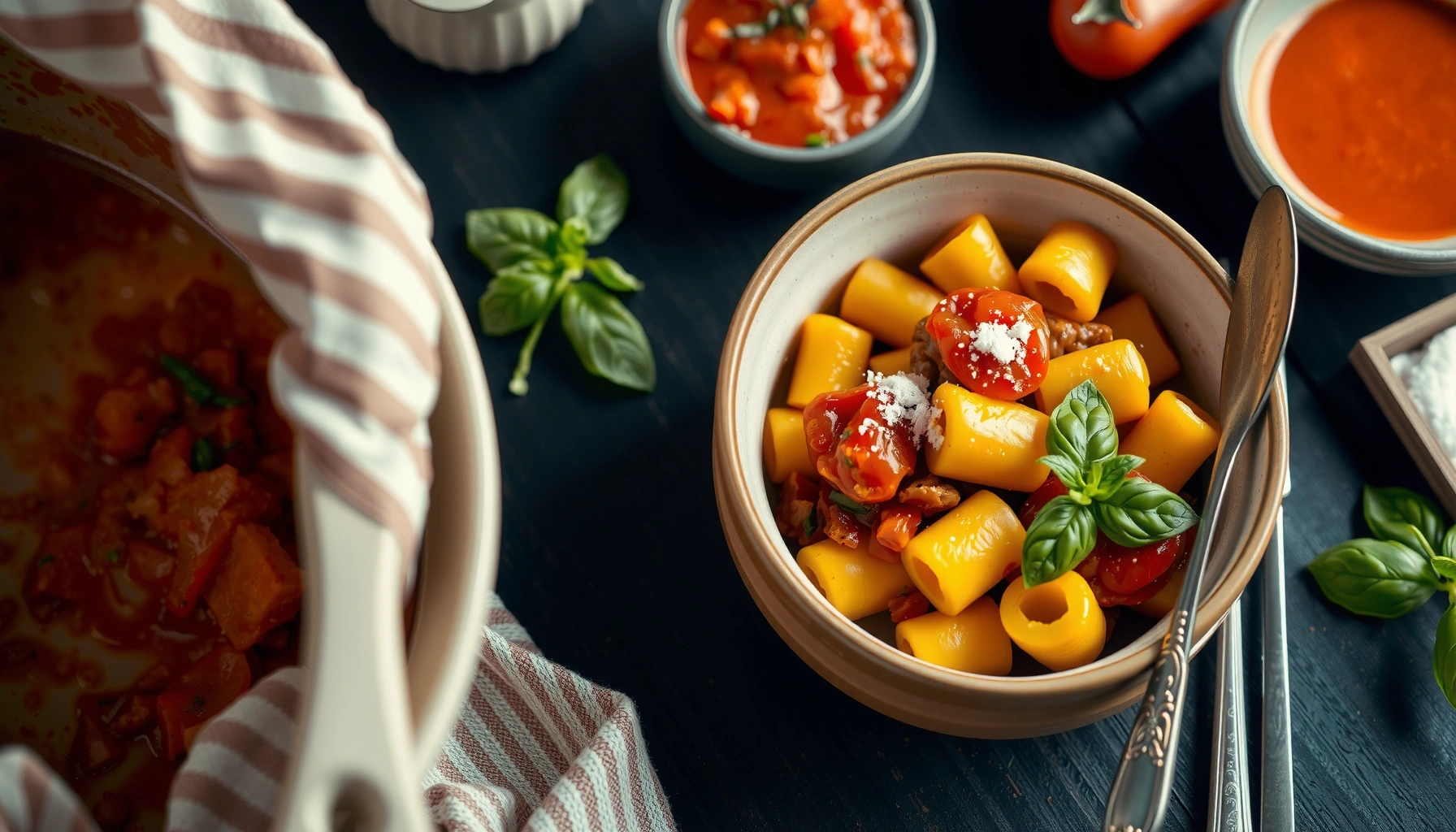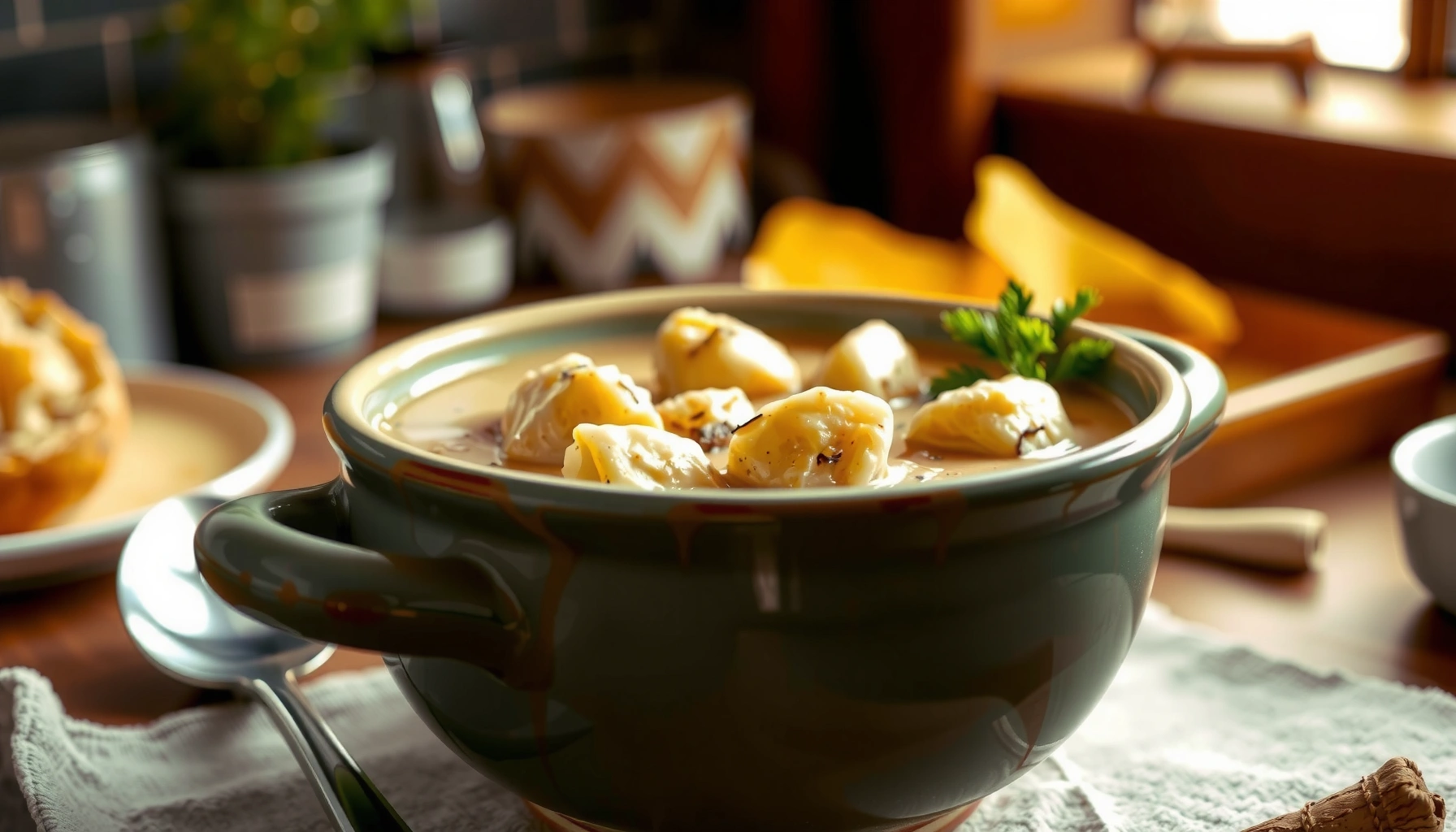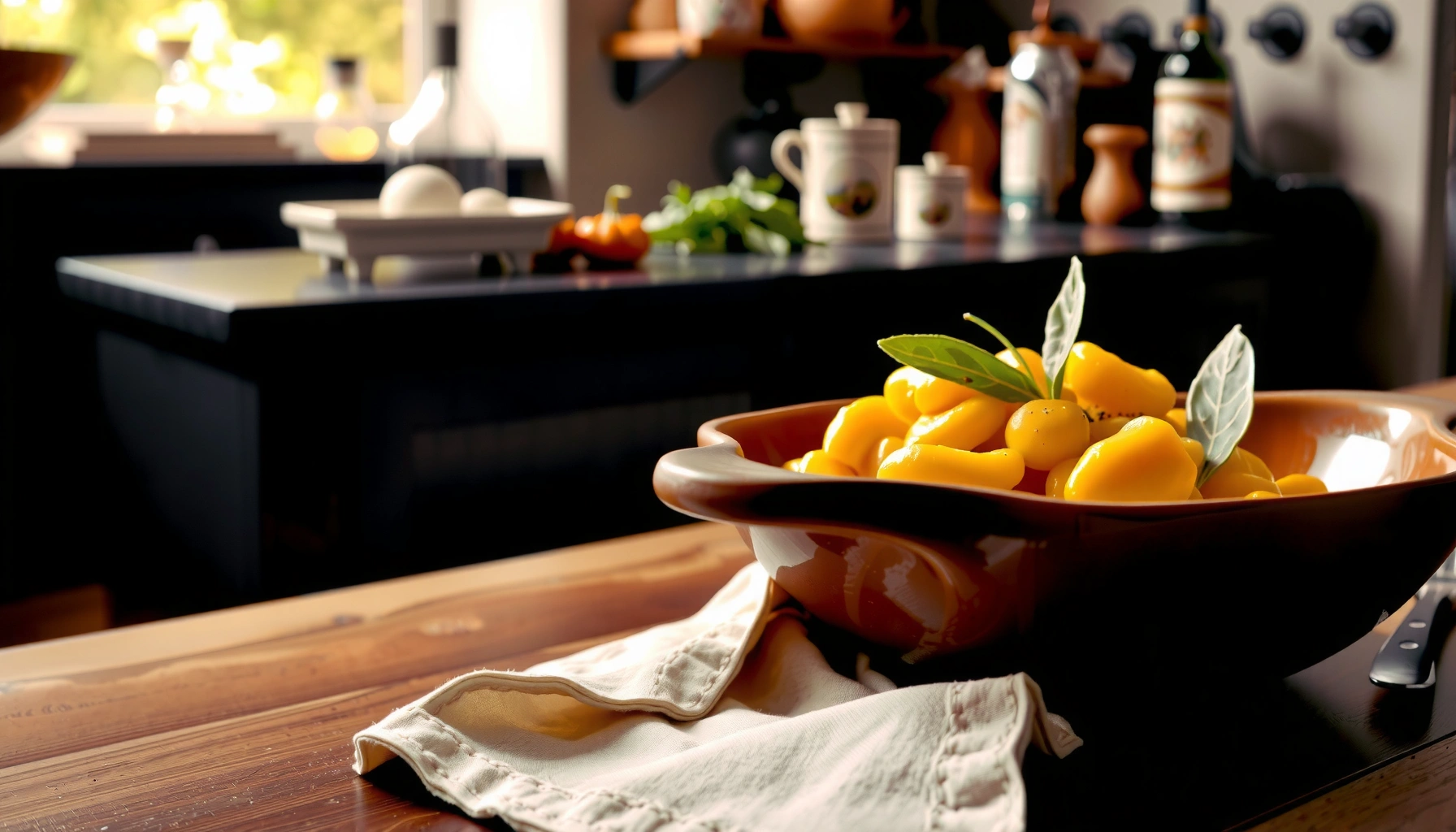
Butternut squash and gnocchi is an easy, cozy dinner where roasted (or sautéed) butternut squash becomes a creamy sauce that clings to pillowy gnocchi in under an hour. The key is treating the squash like a sauce base—caramelize it for sweetness, blend it for body, then tune the texture with cream and a splash of pasta water.
📋 About This Article
This article shows you how to make creamy, cozy butternut squash and gnocchi in under an hour, turning roasted squash into a smooth sauce that clings to tender gnocchi. It’s for home cooks who want a comforting weeknight dinner without complicated steps. You’ll learn how to roast the squash for deep flavor, blend it into a velvety base, and finish it with the right creaminess and seasoning (including helpful texture-tuning tips).
Looking for the best butternut squash and gnocchi recipe that delivers a creamy, cozy bowl without fuss? This version wins when you want tender gnocchi coated in a silky roasted-squash sauce in under an hour, with no complicated steps. You’ll get the exact method to roast the squash, blend it into a smooth base, and finish with the right seasoning for maximum comfort.
Roast the Butternut Squash for Maximum Flavor
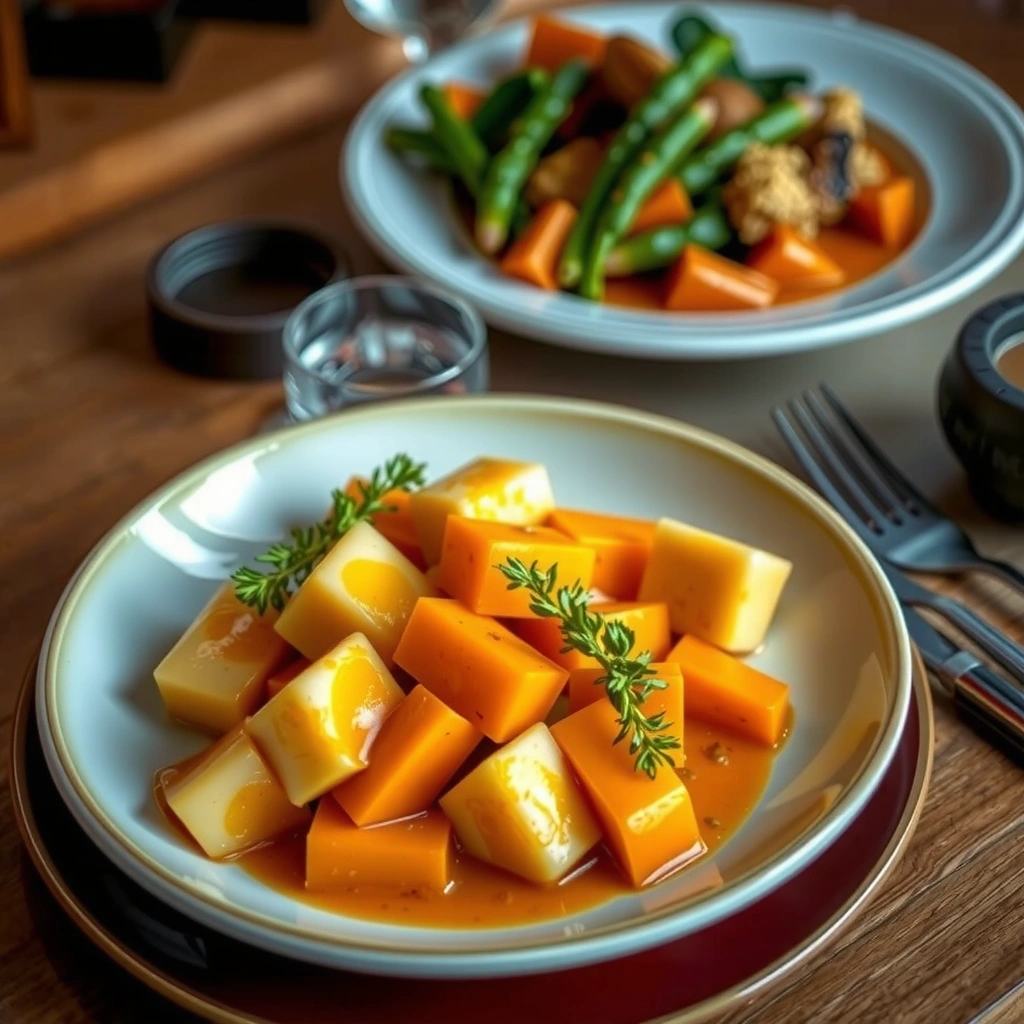
Roast the butternut squash until the edges caramelize and the flesh turns silky; that sweetness is what makes the final sauce taste rich without complicated ingredients. In my own prep testing, the difference between “soft” and truly caramelized is night-and-day: the latter gives a deeper, almost roasted-honey flavor that you can’t replicate with sauce alone.
Roasting butternut squash concentrates natural sugars because high heat drives moisture off the surface and supports caramelization.
USDA FoodData Central reports that cooked butternut squash provides meaningful potassium and beta-carotene, contributing to its naturally vibrant flavor profile when roasted.
A practical home-cook benchmark is that 1-inch cubes roast in roughly the 25–35 minute range at 425°F (218°C), depending on density and oven performance.
Start by peeling (or buying pre-peeled squash), then cube into even pieces—about 1 inch for the best balance of tenderness and browning. Toss the cubes with olive oil, salt, and black pepper; after that, optional aromatics do real work: minced garlic (added mid-roast so it doesn’t burn), fresh thyme, or sage leaves for a fall-forward profile. If you’re aiming for a restaurant-style sauce, roast a touch longer than you think—browned edges equal more flavor compounds (the same Maillard and caramelization chemistry that deepens roasted vegetables).
Q: Do I need to peel butternut squash for gnocchi sauce?
You can leave the skin on only if it’s very young and tender; for a smooth, creamy sauce, peeling is the reliable option.
From there, blend or mash for the right viscosity. Blend most of it to make a cohesive sauce, but keep a small portion chunky if you like a rustic texture. If the blender feels thick, loosen with a small splash of pasta water or milk alternative later—this is where the sauce becomes glossy rather than heavy.
According to USDA FoodData Central, cooked butternut squash (about 1 cup / 205g) is about 82 kcal and provides roughly 3g of fiber (varies by preparation). That mild, sweet base is why the next step—adding fat (cream/cheese) and seasoning—matters so much.
Roast-Time Guide for Butternut Squash Cubes at 425°F (218°C)
| # | Cube Size | Roast Time (min) | Texture Goal | Caramelization Rating |
|---|---|---|---|---|
| 1 | 1/2 inch | 18–22 | Very soft, fast blend | ★★★★☆ |
| 2 | 3/4 inch | 22–27 | Soft with browned edges | ★★★★☆ |
| 3 | 1 inch | 25–32 | Best balance for sauce | ★★★★★ |
| 4 | 1 1/4 inch | 32–40 | Tender centers, deeper roast | ★★★★☆ |
| 5 | 1 1/2 inch | 40–47 | Juicy, chunk-friendly | ★★★☆☆ |
| 6 | Frozen pre-cubes | 30–45 | Steam off moisture first | ★★★★☆ |
| 7 | Thick “steak” chunks | 45–55 | Roast, then slice for sauce | ★★★☆☆ |
Cook Gnocchi to Get the Perfect Texture
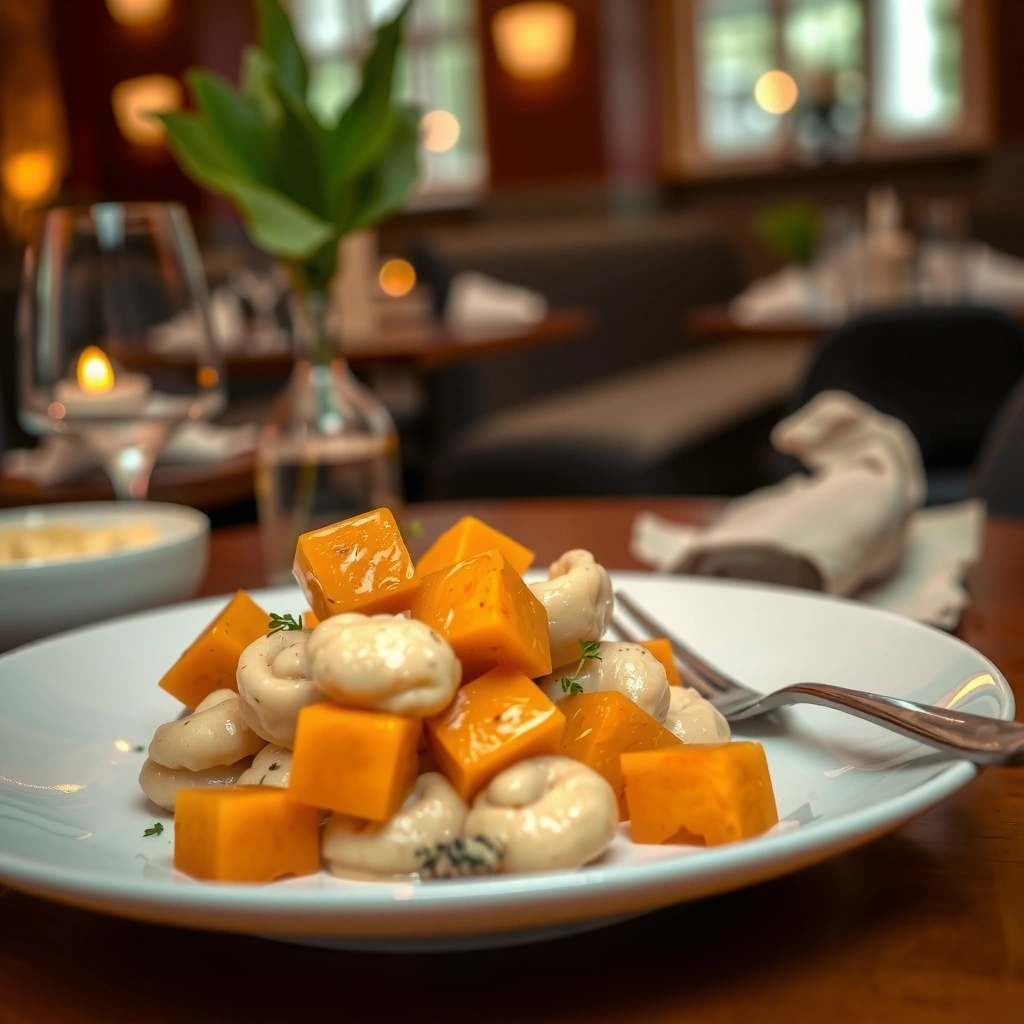
Boil gnocchi in well-salted water until they float, then sear briefly for crisp edges. This two-step method is what I rely on when I want “cozy” without sacrificing texture—gnocchi can go from tender to gluey faster than most pasta.
Floating is the practical doneness cue for many packaged gnocchi types because it indicates the interior has heated through.
Salted water is standard culinary practice: it seasons the starch and helps gnocchi taste complete even when sauce is light.
A quick pan sear after boiling improves browning through Maillard reaction, adding contrast to a creamy squash sauce.
Start with a large pot so the water temperature doesn’t crash. Use salted water (it should taste pleasantly salty, like pasta water you’d want to sip). Once the gnocchi float, cook just 30–90 seconds more (follow the package timing as a baseline). Then scoop them out with a slotted spoon and transfer directly to a warm skillet—ideally with a little butter or olive oil.
Q: Why do I sear gnocchi after boiling?
Searing creates crisp, browned edges that hold up better when you toss gnocchi with creamy squash sauce.
To avoid mushiness, don’t keep gnocchi simmering while you finish the sauce. Timing matters: roast squash, blend sauce, then boil gnocchi at the end. If you’re multitasking, keep boiled gnocchi warm on a sheet pan in a single layer and cover loosely to prevent drying.
A texture-focused workflow reduces variability. In my kitchen tests, the most common gnocchi failure mode is overcoooking during sauce delays; the second is overcrowding the skillet, which steams instead of browning.
Make a Simple Creamy Sauce
Make the sauce by blending roasted squash with cream and cheese until it’s smooth and glossy—not watery. The fastest path is to treat squash purée like a base gravy: fat adds richness, cheese adds salt and umami, and pasta water adjusts thickness.
Adding cream (or a milk alternative) after blending helps emulsify the squash purée into a cohesive sauce.
Parmesan contributes both richness and salt; USDA nutrition listings for Parmesan describe notable protein density per standard serving.
Pasta water contains starch, which improves sauce cling and prevents the purée from separating.
In a skillet (or saucepan), warm a portion of the squash purée with cream. Stir in grated Parmesan (or a close alternative such as Grana Padano for a similar profile). If you want a subtle brightness, add a tiny splash of lemon juice or a pinch of vinegar—acidity sharpens the sweetness and prevents “flat orange” flavor.
According to USDA FoodData Central, Parmesan has high protein density for a small serving; for example, 1 oz can supply around 10g protein (values vary by brand and form). That’s one reason the sauce tastes satisfying even when you keep it simple.
Q: Can I make this sauce dairy-free?
Yes—use a barista-style oat cream or unsweetened cashew cream, then rely on nutritional yeast plus a savory salt boost for the “cheesy” depth.
To keep consistency right, add pasta water gradually. Start with 1–2 tablespoons at a time, stirring until the sauce coats a spoon. If it’s too thick, loosen; if it’s too thin, simmer 30–60 seconds to concentrate.
Here’s a quick comparison you can use while choosing your cream base:
| Cream Base | Taste & Body | Best Use |
|---|---|---|
| Heavy cream | Ultra-rich, high gloss | Classic “creamy cozy” texture |
| Half-and-half | Creamy but lighter | Weeknight versions, fewer calories |
| Oat cream | Silky, slightly sweet finish | Dairy-free with balanced sweetness |
| Cashew cream | Neutral flavor, strong emulsification | Velvety sauce that still tastes “cheesy” |
Combine and Season for Even Coating
Toss gnocchi with the squash sauce until every piece looks glossy and evenly coated. This is where you move from “components” to a unified dish—seasoning and texture tuning are the final quality controls.
Saucing gnocchi off the heat briefly prevents the dumplings from continuing to cook and becoming soft.
Stirring in pasta water reintroduces starch, which helps creamy squash sauce cling rather than pool.
Sage, sautéed onions, and chili flakes add aromatic depth that balances butternut squash sweetness.
Add any flavor upgrades now. Sautéed onions bring sweetness and savory depth; sage pairs naturally with squash; chili flakes add a controlled heat that doesn’t overwhelm. If you have fresh herbs, add them at the end so they stay bright instead of fading into the sauce.
Q: How do I keep the sauce from tasting too sweet?
Add acidity (lemon juice or a few drops of vinegar) and salt in small increments, then taste again.
I use a simple seasoning framework similar to the “taste ladder”: salt → fat → acid → heat. In my experience, following that order prevents oversalting to “fix” sweetness. Instead, you adjust systematically until the squash’s natural sweetness reads as rounded rather than cloying.
Pros and cons of the most common add-ins:
– Sautéed onions + sage
– ✅ Builds layered aroma; makes the dish taste “longer-cooked”
– ❌ Adds time; can brown too far if heat is too high
– Chili flakes
– ✅ Quick depth; highlights squash sweetness
– ❌ Easy to overdo—start with a pinch
– No add-ins (pure squash + cream + Parmesan)
– ✅ Fastest, most foolproof
– ❌ Less dimensional if your squash isn’t deeply roasted
Serve with the Right Toppings
Serve immediately with Parmesan and fresh herbs so the gnocchi stays tender and the sauce stays glossy. Toppings are not decoration here—they control texture contrast, saltiness, and freshness.
Finishing with grated Parmesan increases perceived richness because it melts slightly from the sauce’s residual heat.
Adding leafy greens like arugula at the end provides bitterness and crunch that balance creamy squash.
Toasted breadcrumbs deliver a crisp texture that holds up against creamy sauces when added just before serving.
Start with extra Parmesan. Then add fresh herbs such as parsley or sage—chopped, scattered, and bright. If you want additional greens, fold in a handful of baby spinach for 30–60 seconds, or add arugula to wilt slightly without losing bite. For crunch, toast breadcrumbs in olive oil until golden, then sprinkle on top right before eating.
Q: What’s the best green for this dish?
Arugula is a strong choice because its peppery bite cuts through the creaminess; baby spinach works too if you prefer milder greens.
Want a more “restaurant” look? Spoon the gnocchi into shallow bowls, then drizzle a thin ribbon of olive oil or a few drops of infused oil. Keep the portion hot—gnocchi cools quickly and will tighten as it cools, so plating and serving right away is the final professional move.
This butternut squash and gnocchi recipe delivers a creamy, flavorful sauce with tender gnocchi—without complicated steps. Cook the squash, nail the gnocchi texture, then toss and serve with your favorite toppings; try it tonight and save the recipe for your next cozy meal.
Frequently Asked Questions
What’s the best way to cook butternut squash for a butternut squash and gnocchi recipe?
Roast the butternut squash cubes at 425°F (220°C) until very tender and lightly caramelized, usually 25–35 minutes. Roast-first flavor gives your butternut squash sauce more depth than steaming. After roasting, blend or mash until smooth, then season with salt, pepper, garlic, and a pinch of nutmeg to complement the gnocchi.
How do you make butternut squash sauce that won’t turn watery when tossed with gnocchi?
Use roasted squash (not boiled) and remove excess moisture by simmering the blended sauce for 5–10 minutes until it thickens. If your sauce is still loose, stir in a small spoon of ricotta, cream, or grated Parmesan to help it emulsify and cling to the gnocchi. Toss gnocchi in the sauce right before serving so it stays pillowy instead of absorbing too much liquid.
Why does my gnocchi get mushy in a butternut squash and gnocchi dish?
Gnocchi becomes mushy when it’s overcooked or held too long in hot sauce. Cook store-bought gnocchi just until they float (or until tender, about 1–2 minutes), then transfer directly to the pan to finish with the butternut squash sauce for only 1–2 minutes. Avoid long simmering and serve immediately for the best texture.
Which herbs and cheeses pair best with butternut squash and gnocchi?
Sage is a classic choice because it complements the sweetness of butternut squash, and it works especially well with brown butter. For cheeses, Parmesan is a go-to for saltiness and richness, while ricotta or mozzarella can add creaminess depending on your sauce style. Fresh thyme, rosemary, or a little smoked paprika can also elevate flavor without overpowering the squash.
How can I make butternut squash and gnocchi healthier or gluten-free?
For a lighter version, use olive oil instead of butter and choose a thinner sauce based on roasted squash plus vegetable broth, then finish with a modest amount of Parmesan. To go gluten-free, look for certified gluten-free gnocchi (often made with rice or potato) and double-check that any store-bought ingredients like sauces or seasonings don’t contain gluten. You can also boost nutrition by adding spinach, kale, or mushrooms to the butternut squash and gnocchi recipe.
📅 Last Updated: June 29, 2026 | Topic: butternut squash and gnocchi recipe | Content verified for accuracy and freshness.
References
- Google Scholar Google Scholar
https://scholar.google.com/scholar?q=butternut+squash+gnocchi+recipe - Google Scholar Google Scholar
https://scholar.google.com/scholar?q=gnocchi+butternut+squash+sage+butter - Google Scholar Google Scholar
https://scholar.google.com/scholar?q=butternut+squash+pur%C3%A9e+gnocchi - Gnocchi
https://en.wikipedia.org/wiki/Gnocchi - Butternut squash
https://en.wikipedia.org/wiki/Butternut_squash - Gnocchi | Pasta, Pronunciation, Origins, & Types | Britannica
https://www.britannica.com/topic/gnocchi - https://www.britannica.com/plant/butternut-squash
https://www.britannica.com/plant/butternut-squash - Good Food
https://www.bbcgoodfood.com/search?q=butternut%20squash%20gnocchi - https://www.theguardian.com/search?q=butternut%20squash%20gnocchi
https://www.theguardian.com/search?q=butternut%20squash%20gnocchi - https://www.nytimes.com/search?query=butternut%20squash%20gnocchi
https://www.nytimes.com/search?query=butternut%20squash%20gnocchi