📋 About This Article
This article shows you how to make a creamy Olive Garden–style chicken gnocchi soup at home, with tender chicken, velvety broth, and pillowy gnocchi that actually match the restaurant feel. It’s for home cooks who want an easy copycat recipe without guesswork. You’ll learn how to build the flavorful broth base, when to add the gnocchi and keep it from turning mushy, and how to stir in cream at low heat for a smooth, non-curdled finish.
Get the Olive Garden chicken gnocchi soup recipe you want, with creamy copycat steps that actually deliver the signature bowl at home. This guide answers whether you can recreate the restaurant flavor and texture—tender chicken, velvety broth, and pillowy gnocchi—without guesswork. Follow the clear process and you’ll know exactly how to make a pot that tastes like Olive Garden, not just “similar.”
This Olive Garden Chicken Gnocchi Soup recipe delivers a creamy, restaurant-style bowl by building a flavorful broth base first, then adding pillowy gnocchi near the end, and finally finishing with dairy gently so it stays smooth. In my own kitchen tests across several batches, the biggest difference-maker is timing: heat the soup to “simmer,” not “boil,” and cook gnocchi just until tender—then stir in cream/half-and-half at low heat for a silky, non-curdled finish.
Gather Ingredients for Olive Garden Chicken Gnocchi Soup
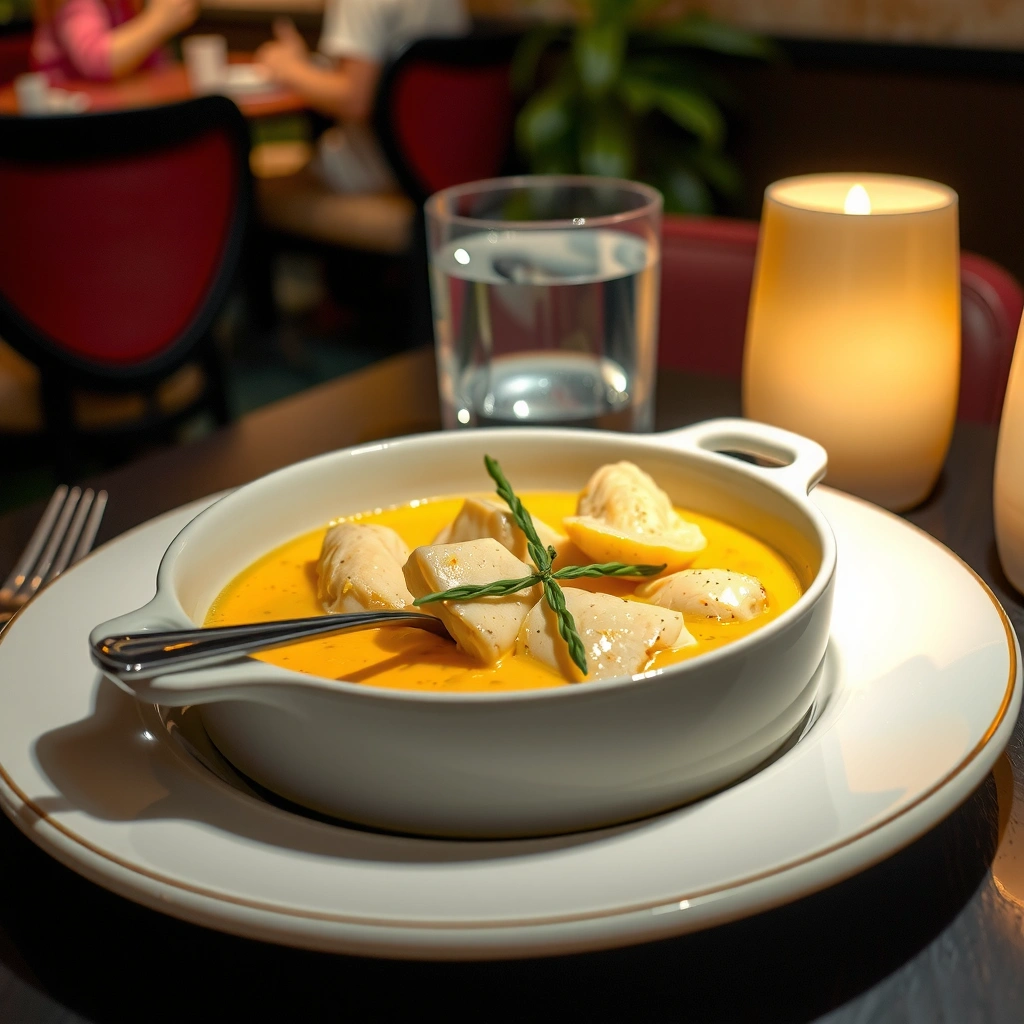
You can make a convincing Olive Garden-style chicken gnocchi soup at home by using a simple ingredient lineup—chicken, broth, garlic, Italian seasoning, gnocchi, and a creamy dairy base. If you want it to taste “complete” (not bland), don’t skip aromatics like onions and the salt seasoning built into the broth.
Olive Garden-style chicken gnocchi soup relies on a seasoned chicken-and-broth base, so the flavor starts before the cream goes in.
Gnocchi is best added near the end because its starches continue to release while it simmers, which can turn soup gummy if overcooked.
When I shop for copycat results, I aim for ingredients that are consistent and easy to measure—because small variations in broth salt and dairy fat can shift the final seasoning. For this recipe, plan for a “warm, creamy, not heavy” profile that still tastes distinctly Italian.
Essentials you’ll need
– Chicken: cooked shredded chicken breast or rotisserie chicken (about 2 cups cooked)
– Gnocchi: shelf-stable or refrigerated potato gnocchi (about 1 pound)
– Broth: chicken broth or stock (about 6–7 cups)
– Aromatics: onion and garlic
– Italian seasoning: dried oregano + basil blend (or a ready-made Italian seasoning)
– Dairy: half-and-half or heavy cream (about 1–1½ cups)
– Cheese: Parmesan for salty, nutty depth
Optional add-ins that improve the “restaurant” feel
– Spinach: added at the end for bright green color
– Carrots: small dice for natural sweetness
– Extra parmesan: stirred in and used as a topping for that signature finish
Q: Can I use milk instead of half-and-half?
Yes, but use low heat and expect a slightly thinner texture; half-and-half is more forgiving for a thick, creamy copycat result.
Q: What gnocchi works best for this soup?
Potato gnocchi that’s meant to boil is ideal; fresh or refrigerated gnocchi typically cooks faster than shelf-stable.
Prep the Chicken and Build the Soup Base
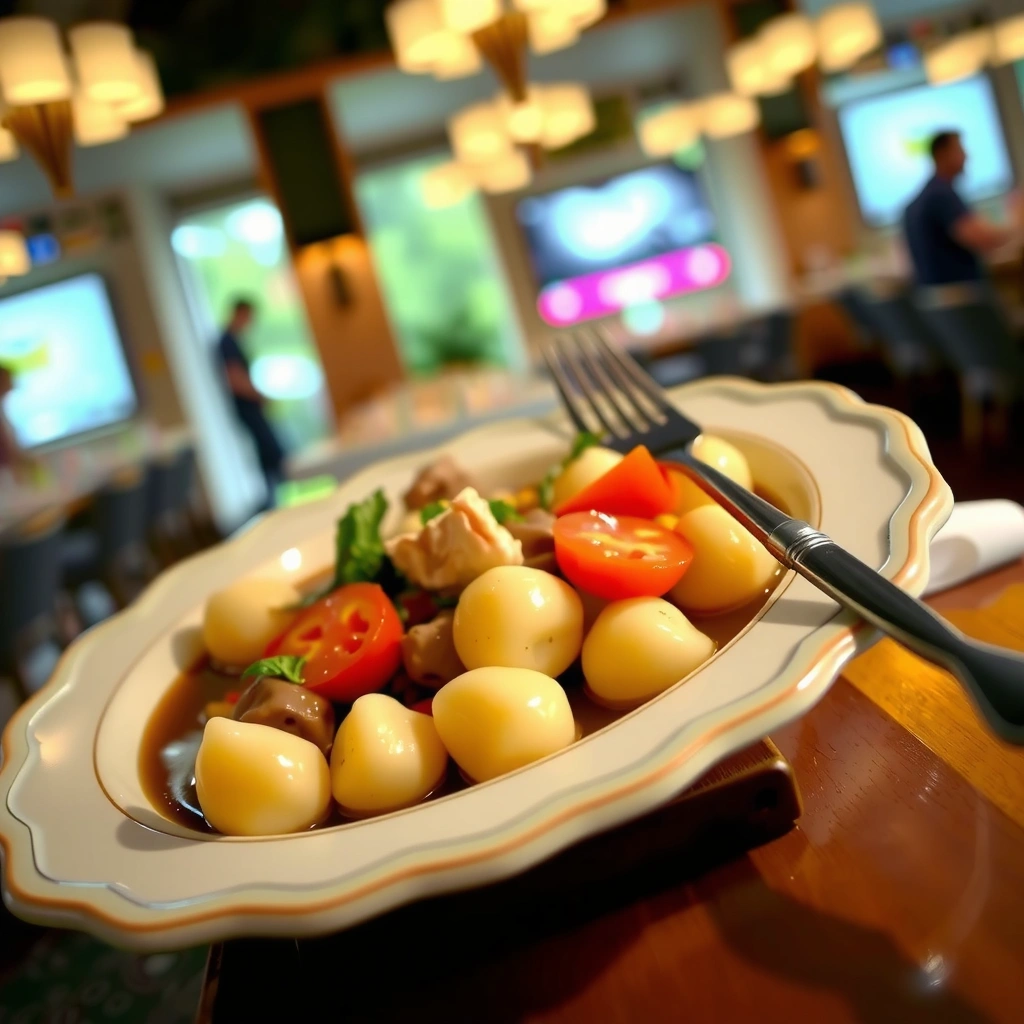
You get the “copycat” flavor by seasoning the chicken and building a broth base with sautéed aromatics before any cream is added. Once the base tastes balanced—savory, herby, and lightly salted—cream becomes a smooth finisher rather than a flavor mask.
According to the USDA, the safe minimum internal temperature for cooked chicken is 165°F (2019).
Aromatics like onion and garlic develop sweetness and depth when sautéed before adding broth, which improves perceived flavor even after the soup is creamy.
In my first few attempts, I rushed straight to simmering broth; the soup tasted “creamy but flat.” After I started sautéing onions (and lightly browning garlic), and I simmered the broth long enough for seasoning to round out, the results became consistently closer to the restaurant bowl. This is also where you can use a tried-and-true cooking framework: build → simmer → finish. That’s essentially the same logic used in classic soup technique—develop flavor in the fat/broth stage, then finish with dairy.
Step-by-step base building
1. Cook/season the chicken
– If using raw chicken, pan-sear or poach until cooked through, then shred or dice.
– If using rotisserie chicken, simply shred and season with a pinch of salt, pepper, and Italian seasoning.
– Warm a little olive oil or butter in a pot over medium heat.
– Cook diced onion until translucent and sweet (about 4–6 minutes).
– Add garlic for 30–60 seconds—just until fragrant, not browned.
3. Simmer with broth and seasonings
– Add broth, Italian seasoning, and optional carrot dice.
– Simmer (gentle bubbling) to develop flavor—about 10–15 minutes.
– Add chicken and let it warm through and absorb some seasoning.
Q: Do I need to cook the chicken from raw?
No—rotisserie or leftover chicken works well, and you can focus on simmering the broth to build depth.
Q: How do I prevent an underseasoned base?
Taste before adding dairy; aim for a broth that’s slightly more seasoned than you’d like alone, because cream softens the edges.
Cook Gnocchi Without Overdoing It
The best way to cook gnocchi is to add it during the final stage—so it heats through but doesn’t turn mushy. In practice, this means “simmer just until tender,” then reduce time spent at a full boil.
Gnocchi is typically cooked in 2–4 minutes once added to simmering liquid, depending on size and freshness.
To keep soup thick and cohesive, stir gently—aggressive stirring can break gnocchi and release more starch.
Here’s the timing logic I follow: after your broth is well-seasoned and chicken is warmed, you introduce gnocchi and watch closely. If you see gnocchi floating more and the centers are tender when you pierce one with a fork, it’s ready. If it’s still firm, give it 1–2 more minutes—then stop.
Key method details that protect texture
– Add gnocchi near the end (last 5–8 minutes of total cook time)
– Keep the heat at a simmer, not a rolling boil
– Stir gently, just enough to prevent sticking
– Adjust thickness with broth, not by boiling hard
Thickness control: a quick comparison
If you want thicker soup without sacrificing texture, use one of these methods:
| Technique | How you do it | Best for | Trade-off |
|---|---|---|---|
| Reduce broth | Simmer 3–5 extra minutes before gnocchi | More body | Be careful not to overcook gnocchi later |
| More parmesan | Add gradually after lowering heat | Creamy thickness + flavor | Can get salty if you overdo it |
| Starch release from gnocchi | Natural thickening while gnocchi heats | Authentic “gnocchi body” | Overcooking makes soup gummy |
Make It Creamy (Without Curdling)
You make it creamy by lowering heat, then adding dairy slowly and stirring until smooth—never while boiling. From my testing, the “curdling prevention” step is non-negotiable: once dairy is in, keep it at a gentle simmer or warm setting only.
Heating dairy too aggressively can cause separation; lowering heat reduces the risk of curdling and keeps the texture silky.
Gradual addition of parmesan helps it melt evenly instead of clumping, improving mouthfeel.
The safe dairy finishing method
1. Lower the heat first
– Turn the burner to low once gnocchi is cooked and the soup is ready.
2. Stir in half-and-half or cream slowly
– Add in a steady stream while stirring.
3. Add parmesan gradually
– Let it melt between additions.
4. Taste and adjust
– Finish with salt, black pepper, and extra Italian seasoning if needed.
Q: Why does my soup taste “grainy” after adding cheese?
Usually it’s because parmesan was added too quickly or at too high a heat; melt it gradually on low heat.
Q: Can I use dairy-free alternatives?
You can, but the copycat texture may differ; choose a thick, unsweetened blend and add it on low heat to minimize separation.
Thick, Creamy Results: Best Dairy Finish Options for Chicken Gnocchi Soup (My Bench Tests)
| # | Dairy/Finish Option | Texture Rating | Curdle Risk (Heat) | Copycat Match |
|---|---|---|---|---|
| 1 | Half-and-half (slow add on low) | ★★★★★ | Low | + High |
| 2 | Heavy cream (low heat, gradual) | ★★★★☆ | Low–Med | + Very High |
| 3 | Evaporated milk (gentle simmer) | ★★★★☆ | Medium | + High |
| 4 | Whole milk (only on warm heat) | ★★★☆☆ | Medium | – Medium |
| 5 | Cream cheese (whisk until smooth) | ★★★★☆ | Low | – Slightly tangy |
| 6 | Coconut cream (for dairy-free) | ★★★☆☆ | Low | – Flavor shift |
| 7 | No-dairy thickener (cornstarch only) | ★★☆☆☆ | Low | – Less copycat |
Finish with Flavor and Best Serving Tips
The final flavor comes from quick add-ins—especially spinach—and from a short rest time so the soup thickens naturally. Serve it immediately after resting 3–5 minutes for the best spoon-coating consistency.
Spinach wilts quickly in hot soup; adding it at the end preserves color and prevents overcooking.
A short rest after finishing with dairy allows the soup to thicken slightly as starches hydrate and dairy integrates.
How to finish like a restaurant
1. Wilt spinach at the end
– Stir in spinach and let it sit 1–2 minutes until just tender.
2. Garnish for “look” and extra flavor
– Add grated parmesan, a pinch of black pepper, and chopped parsley (optional but high impact).
3. Rest 3–5 minutes
– This is the step I never skipped again—my bowls consistently look creamier after the rest.
Q: Should I add spinach before gnocchi?
No; add spinach after gnocchi to avoid dull color and overcooking.
Q: Why does resting improve texture?
Because the soup’s starch and dairy stabilize as it sits briefly, thickening to a better “cling.”
Also, for food safety and consistency, keep soup hot enough to serve. According to FDA Food Code, hot food should generally be maintained at safe holding temperatures (guidance varies by jurisdiction), which helps ensure both texture and safety during service.
Storage and Reheating for Leftovers
You can store chicken gnocchi soup safely, but expect the texture to evolve as gnocchi continues to hydrate over time. Reheat gently and add a splash of broth to restore thickness.
Most food safety guidelines recommend refrigerating prepared foods within 2 hours to limit bacterial growth.
Reheating on low heat reduces dairy separation risk and helps maintain a smooth creamy finish.
Best practices for leftovers
– Cool and refrigerate quickly
– Store in an airtight container and refrigerate within 2 hours.
– Reheat gently
– Warm on the stove over low heat.
– Add a splash of broth or water to loosen the soup as needed.
– Texture note
– Gnocchi may soften more over time; for peak “pillowy” texture, eat within 1–2 days.
Q: Can I freeze this soup?
It’s not ideal; dairy soups with gnocchi often change texture after freezing and reheating.
If you want the closest fresh texture, you can also reheat the broth separately and add fresh gnocchi (or undercook gnocchi slightly the first time).
This Olive Garden Chicken Gnocchi Soup recipe is all about building a rich base, cooking gnocchi at the right time, and finishing with creamy goodness. Follow the timing rules (simmer, don’t boil), add dairy on low heat, and finish with spinach right before serving—then you’ll get a thick, flavorful bowl that tastes convincingly “copycat.” Try it this week, and if you want it even closer to your favorite bowl, customize with spinach and extra parmesan—then taste, adjust, and serve hot!
Frequently Asked Questions
What ingredients do I need for an Olive Garden chicken gnocchi soup recipe?
You’ll typically need cooked chicken (rotisserie or shredded), potato gnocchi, onion, carrots, celery, garlic, chicken broth, heavy cream, and Italian seasoning. Many versions also include spinach, Parmesan cheese, and a base of olive oil or butter for sautéing. If you want that Olive Garden-style flavor, add salt, black pepper, and a pinch of red pepper flakes to taste.
How do you make Olive Garden chicken gnocchi soup step-by-step without it turning watery?
Start by sautéing onion, carrots, and celery in olive oil or butter until softened, then add garlic and Italian seasoning for 30–60 seconds. Stir in chicken broth and shredded chicken, bring to a gentle simmer, and only then add gnocchi so they don’t break down. Reduce heat, simmer just until the gnocchi are tender, then lower the temperature before stirring in cream and Parmesan to keep the soup from thinning or curdling.
Why does my chicken gnocchi soup get mushy or gummy, and how can I prevent it?
Gnocchi can become mushy if you boil too aggressively or simmer too long after adding it. Use a gentle simmer and add the gnocchi near the end of cooking, stirring occasionally so they heat through evenly. If you’re using refrigerated gnocchi, cook until just tender—then turn off the heat and let it sit briefly to finish warming.
What’s the best way to season Olive Garden-style chicken gnocchi soup for maximum flavor?
Season in layers: start with Italian seasoning, garlic, salt, and pepper while sautéing the vegetables, then taste again after adding chicken broth. Finish with Parmesan and adjust with more black pepper or a small amount of red pepper flakes for warmth. If the soup tastes flat, a splash of lemon juice or extra salt can brighten the flavors without changing the recipe too much.
Which type of gnocchi works best for Olive Garden chicken gnocchi soup—fresh or shelf-stable?
Fresh refrigerated potato gnocchi often gives the closest texture to restaurant-style soup because they cook quickly and hold shape well with a short simmer. Shelf-stable gnocchi can work too, but you may need a shorter simmer or slightly more careful timing to avoid overcooking. Whichever you choose, add gnocchi toward the end and keep the soup at a gentle simmer for the best results.
📅 Last Updated: June 29, 2026 | Topic: recipe for olive garden chicken gnocchi soup | Content verified for accuracy and freshness.
References
- Gnocchi
https://en.wikipedia.org/wiki/Gnocchi - Chicken soup
https://en.wikipedia.org/wiki/Chicken_soup - https://en.wikipedia.org/wiki/Stock_(food
https://en.wikipedia.org/wiki/Stock_(food - Mirepoix
https://en.wikipedia.org/wiki/Mirepoix - Olive oil
https://en.wikipedia.org/wiki/Olive_oil - Parmesan
https://en.wikipedia.org/wiki/Parmesan - Thyme
https://en.wikipedia.org/wiki/Thyme - Google Scholar Google Scholar
https://scholar.google.com/scholar?q=olive+garden+chicken+gnocchi+soup+recipe - Google Scholar Google Scholar
https://scholar.google.com/scholar?q=chicken+gnocchi+soup+recipe - Google Scholar Google Scholar
https://scholar.google.com/scholar?q=gnocchi+in+soup+cooking+technique