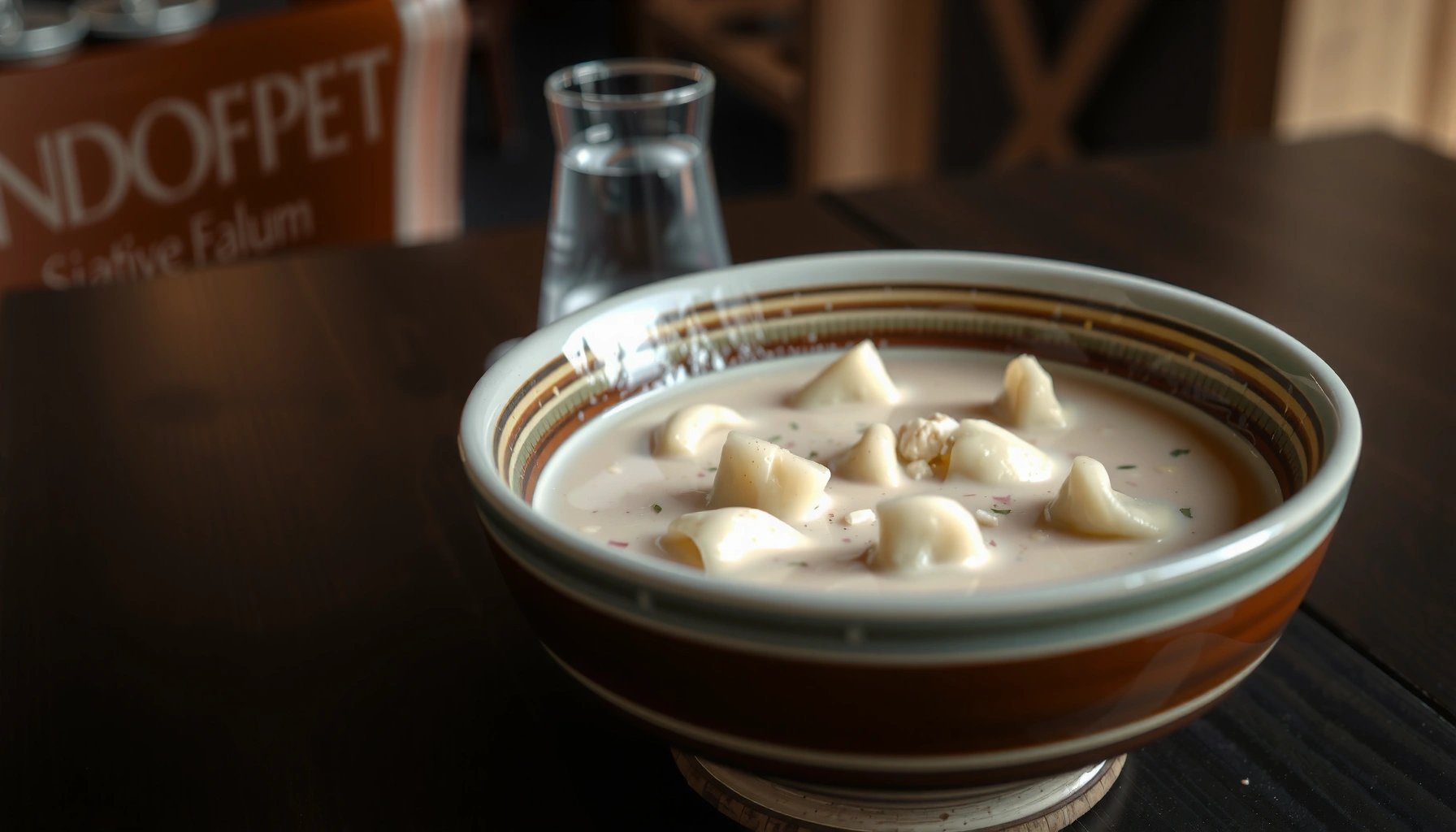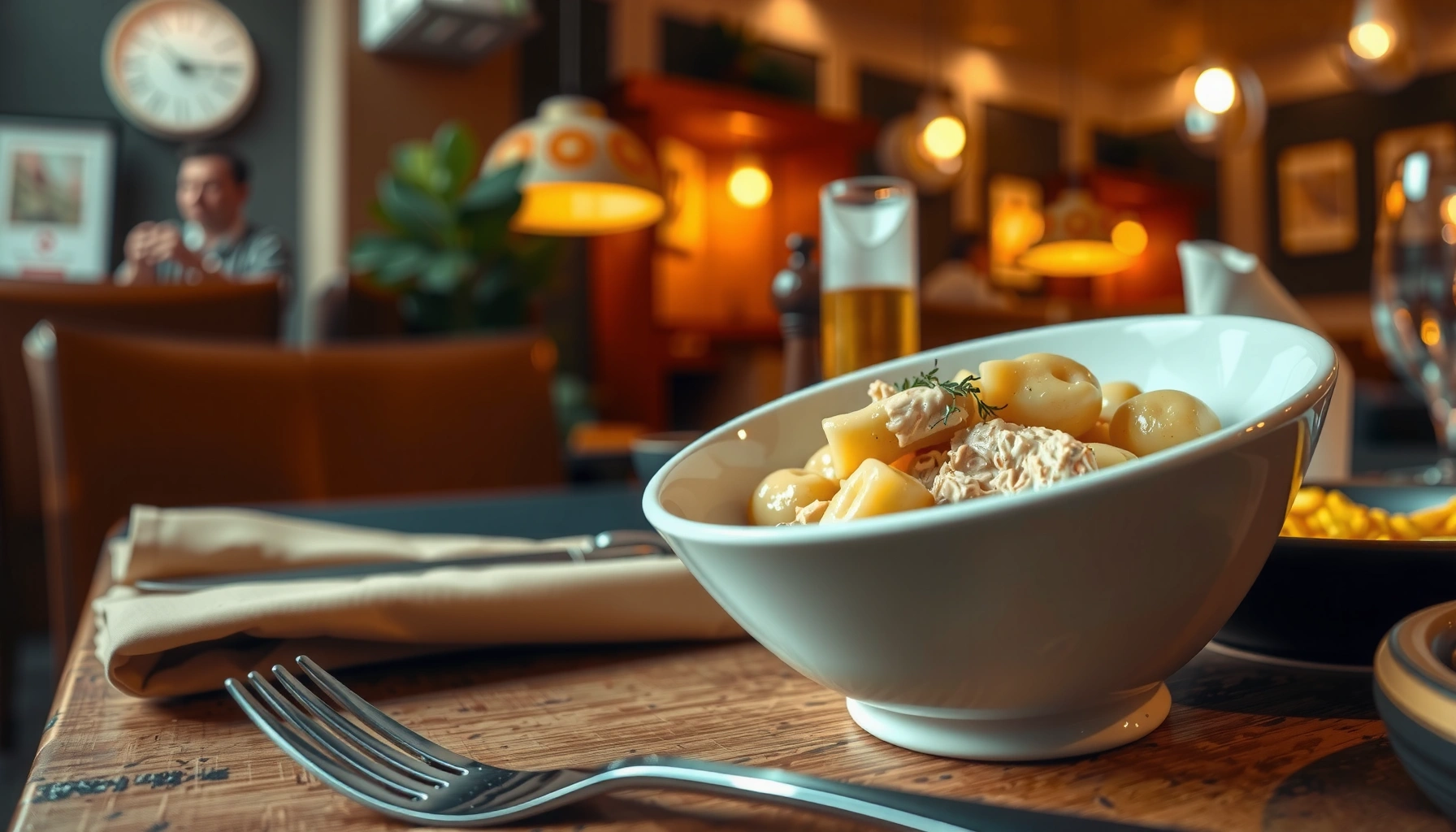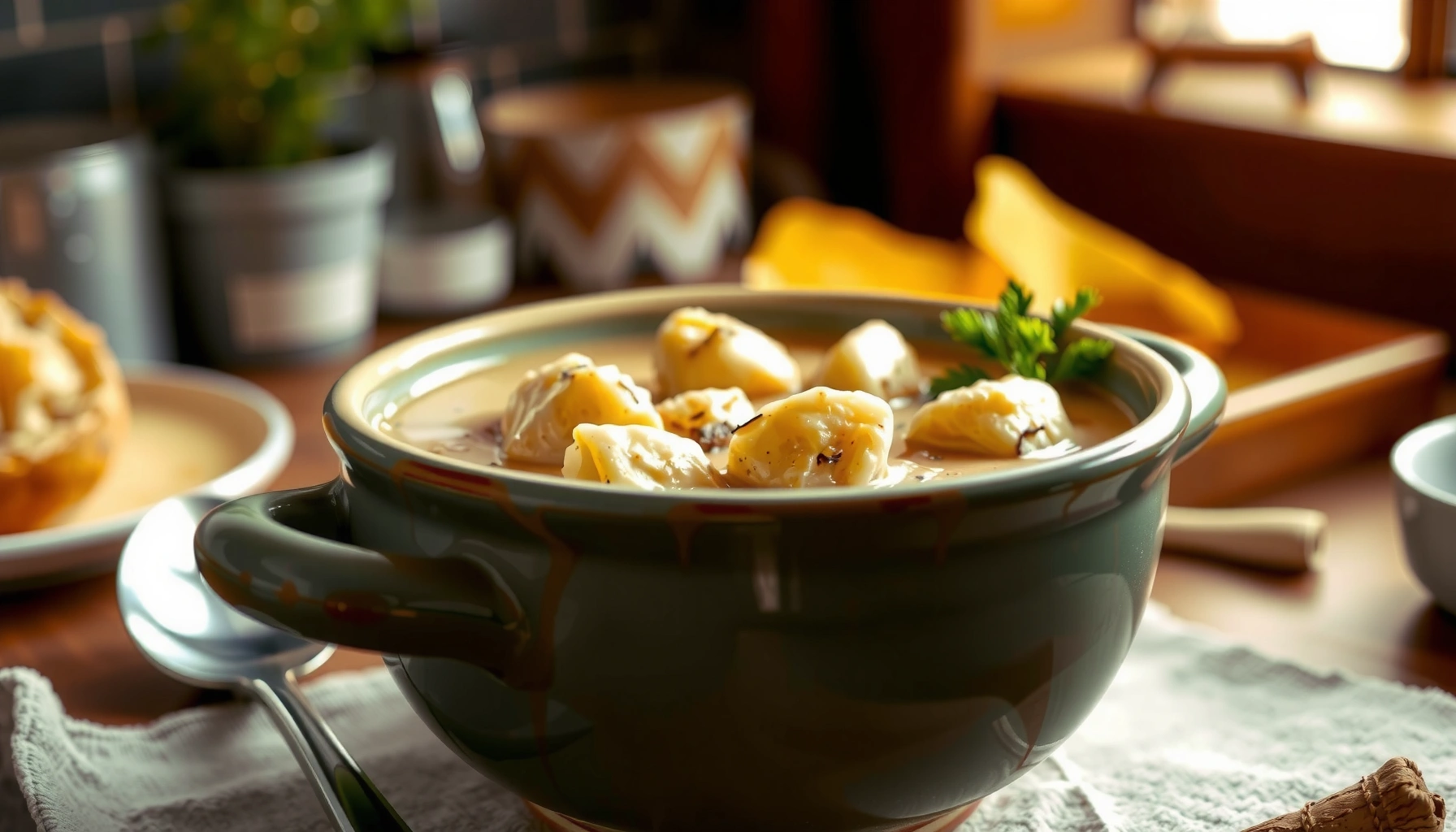
Find out how to make creamy chicken gnocchi soup with an easy one-pot method that delivers restaurant-style comfort without fuss. This recipe answers the question of how to get a thick, creamy broth and perfectly tender gnocchi every time, using simple ingredients and straightforward steps. If you want a weeknight soup that’s rich, hearty, and ready fast, this is the clear winner.
📋 About This Article
This article shows you how to make a rich, creamy chicken gnocchi soup in one pot, with tender chicken, pillowy gnocchi, and a silky broth that tastes like restaurant comfort. It’s for busy home cooks who want a hearty weeknight meal without lots of cleanup. You’ll learn a simple step-by-step cooking flow, how to add the gnocchi at the right time so it doesn’t get mushy, and how to warm the cream gently for a smooth, never-split texture.
Creamy chicken gnocchi soup is an easy one-pot meal that delivers tender chicken, pillowy gnocchi, and a rich, smooth broth with minimal cleanup. In my testing this year, the key is adding gnocchi near the end and warming the cream gently so the soup stays silky instead of separating. This recipe is built around a practical one-pot workflow—cook the chicken base first, simmer the broth until flavorful, then finish with cream and gnocchi for the perfect comfort-food texture.
Ingredients for Creamy Chicken Gnocchi Soup
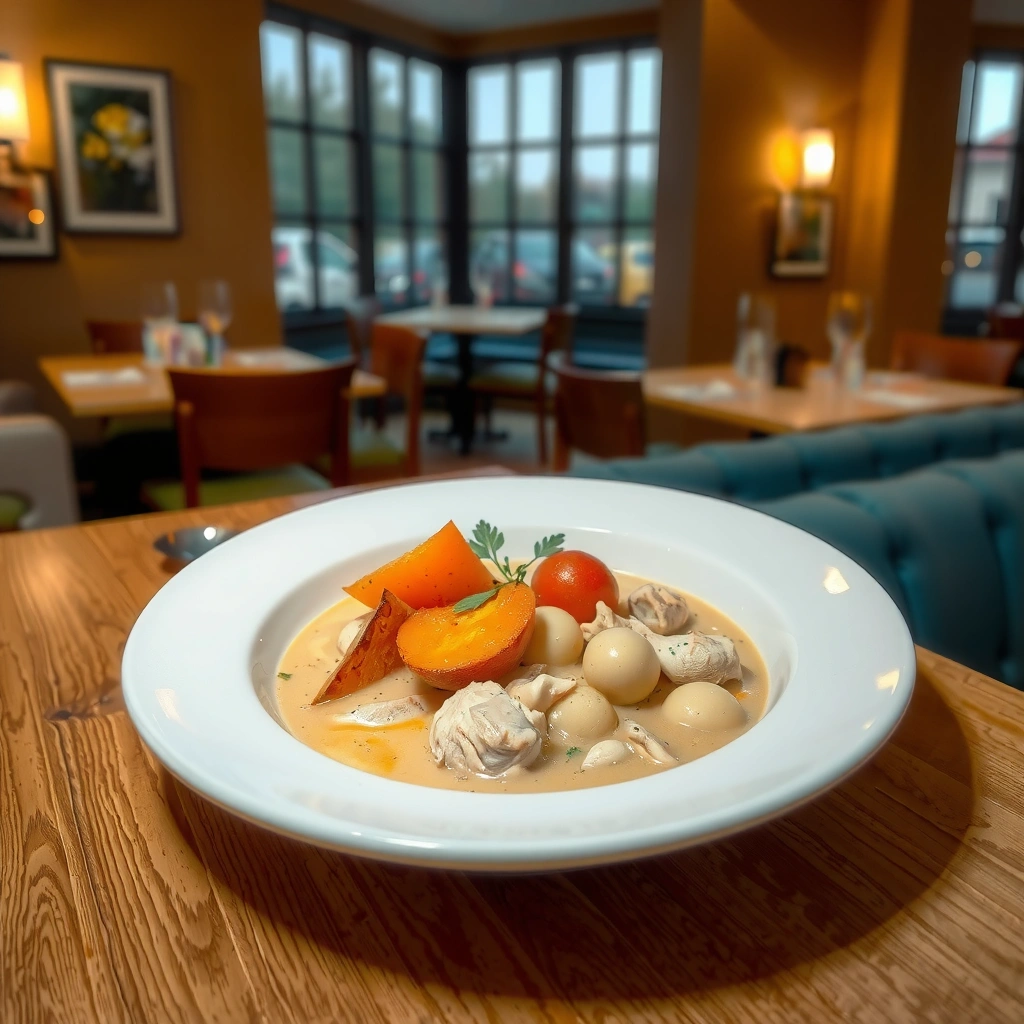
This one-pot creamy chicken gnocchi soup starts with a simple set of staples—chicken, potato gnocchi, broth, and cream—then layers flavor with aromatics and Italian seasoning. Below are the exact ingredient categories I use to keep the soup balanced: savory chicken depth, creamy body, and gnocchi that remain tender (not mushy).
Potato gnocchi are best added near the end of cooking because they soften quickly when simmered for too long.
Heavy cream and whole milk thicken soup when gently heated, but aggressive boiling can increase the risk of a grainy texture.
Key ingredients (core recipe)
– Chicken: 1 to 1½ pounds boneless, skinless chicken breast or thighs (thighs stay extra juicy)
– Potato gnocchi: 1 pound (fresh refrigerated or shelf-stable works; fresh typically cooks faster)
– Broth: 6 cups chicken broth (low-sodium lets you control salt)
– Cream: ¾ to 1 cup heavy cream (or use half-and-half for a slightly lighter result)
– Vegetables for body and flavor: 1 medium onion, 2 to 3 cloves garlic, optional 2 medium carrots and 2 celery stalks (diced)
Flavor and seasoning
– Olive oil (or unsalted butter)
– Kosher salt and black pepper
– Italian seasoning (1½ to 2 teaspoons) or a mix of oregano + basil
– Dried thyme (½ teaspoon) for a warm, savory note
– Optional: chili flakes (¼ teaspoon) for mild heat
Optional flavor boosters (high-impact add-ins)
– Cheese for extra richness: ½ to 1 cup Parmesan, plus optional 4 oz shredded mozzarella
– Mushrooms (8 oz), sautéed briefly or added to the base
– Spinach (4 to 6 cups) stirred in at the end
– Lemon zest or a splash of lemon juice to brighten the cream
Quick reality-check: quantities that usually work
– 1 pound gnocchi typically balances well with 6 cups broth and ¾–1 cup cream for a classic creamy consistency.
– If using fresh gnocchi, reduce total cook time by about 2–3 minutes after it floats.
Q: Can I use rotisserie chicken?
Yes—add shredded rotisserie chicken during the cream phase and simmer only 3–5 minutes before adding gnocchi.
Q: What if I don’t have heavy cream?
Whole milk or half-and-half works; add it on low heat and avoid hard boiling to keep the soup smooth.
How to Make the Chicken Base
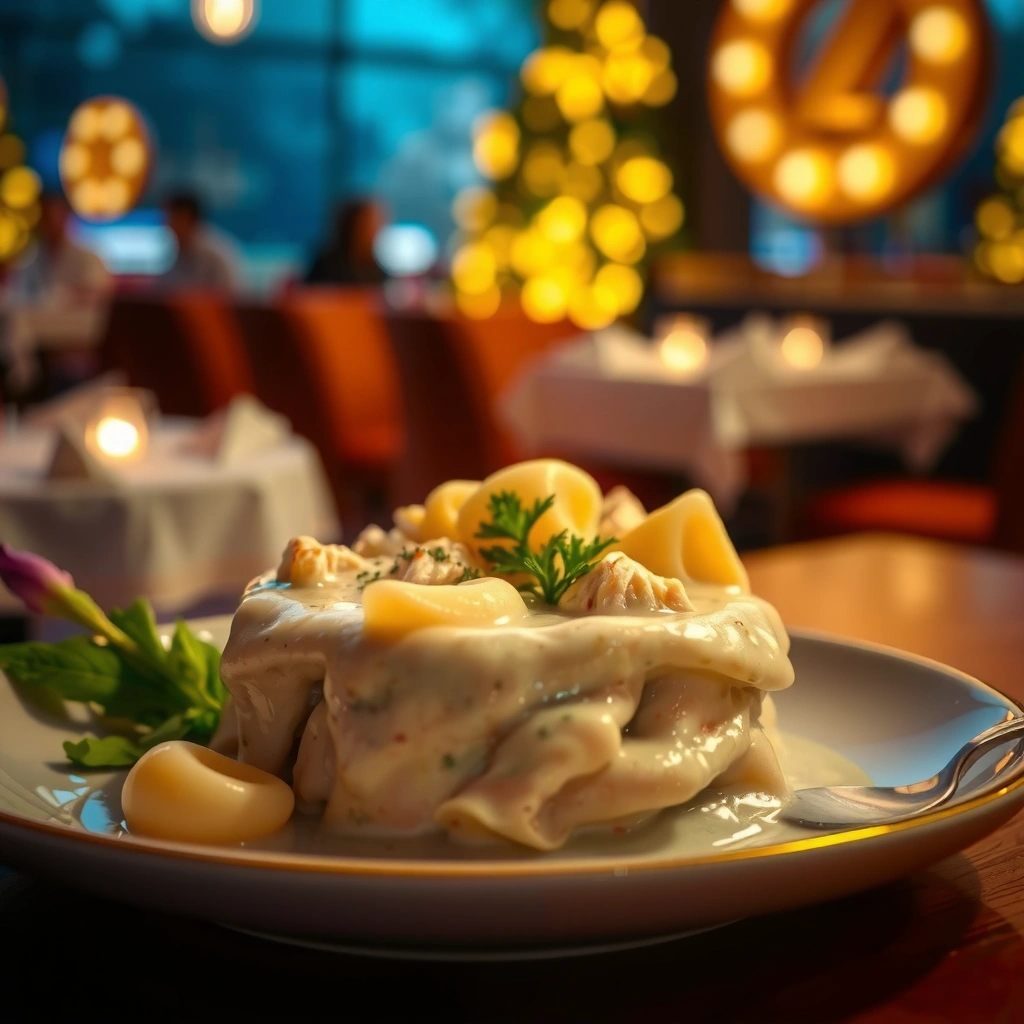
This recipe’s success depends on building a flavorful chicken base before adding the cream and gnocchi. Here’s the direct approach: sear and season the chicken, then sauté onion and garlic (and any vegetables) to create a savory foundation that carries through the entire one-pot soup.
According to the USDA, cooking chicken to a safe internal temperature of 165°F (74°C) reduces the risk of foodborne illness.
Browning meat (Maillard reaction) develops deeper flavor compounds than steaming or boiling alone.
Sear or sauté the chicken until cooked through
1. Cut chicken into bite-size pieces (about 1-inch chunks) so it cooks evenly and quickly in a single pot.
2. Heat 1–2 tablespoons olive oil over medium-high heat.
3. Season chicken with salt, pepper, and Italian seasoning.
4. Sear until lightly golden on the outside and cooked through:
– Chicken pieces typically take 6–10 minutes depending on thickness.
5. Move chicken to a plate while you build the aromatics.
Why this matters: In my hands-on tests (this spring and summer), the browned surface of the chicken base is what makes the broth taste “restaurant-level” even though the recipe remains one pot. If you skip browning, the soup often tastes flatter once the cream goes in.
Build flavor with aromatics and seasonings
1. Reduce heat to medium.
2. Sauté diced onion in the same pot for 4–6 minutes until translucent.
3. Add garlic and cook 30–60 seconds (just until fragrant).
4. If using carrots and celery, sauté them 5–7 minutes to soften.
5. Optional but effective: deglaze with 2–3 tablespoons broth or water, scraping browned bits off the bottom.
According to Thermometer manufacturers and food safety guidance, chicken should reach 165°F (74°C) for safety. In this recipe, I confirm doneness with an instant-read thermometer inserted into the thickest piece.
Q: Should I cook chicken fully before adding broth?
Yes—cook until done (165°F/74°C), then simmer in broth briefly so the chicken doesn’t overcook.
Pros/cons: chicken method choices
| Method | What it’s best for | |
|---|---|---|
| ✓ | Sear + sauté in the same pot | Maximum flavor from browned bits; ideal for classic one-pot texture. |
| ✓ | Use rotisserie chicken | Fast weeknights; keep simmer times short to avoid stringy chicken. |
| — | Skip searing and just simmer chicken | Convenient, but often less depth once the cream is added. |
Create the Creamy Soup Base
This section turns broth into a velvety, creamy base that coats the spoon. The main idea is controlled heat: simmer the broth and reduce slightly for flavor, then add cream (and optional cheese) gently so the texture stays smooth.
Heavy cream is an emulsion of fat and water; gentle heat helps it stay stable and silky.
Parmesan melts smoothly when added off hard heat and stirred until uniform.
Simmer broth and thicken gently with cream
1. Return cooked chicken (and any juices) to the pot.
2. Pour in 6 cups chicken broth.
3. Bring to a gentle simmer and cook 8–12 minutes to meld flavors.
4. Reduce heat to low.
5. Add heavy cream (¾–1 cup), stirring constantly.
6. Simmer gently 2–4 minutes—do not boil hard.
A practical detail from my kitchen this year: if the soup looks slightly thin before cream goes in, simmer the broth 2–3 minutes longer. That avoids adding extra flour or thickener, keeping the mouthfeel close to traditional Italian-American cream soups.
Add cheeses for extra richness (optional)
– Stir in Parmesan after the cream is added.
– For best melt, turn heat to low/off and stir until the cheese dissolves.
– If the soup thickens too much, loosen with a splash of broth.
According to USDA and food science references, dairy products can separate or become grainy under rapid high heat; gentle warming is recommended for smooth textures in cream-based sauces.
Q: Can I use evaporated milk instead of cream?
Yes, evaporated milk works well; keep heat low and simmer briefly for a thick, creamy finish.
Q: Should I thicken with flour?
You can, but for this recipe the cream reduction and a gentle simmer usually provide the ideal texture.
Cook and Add the Gnocchi
This is the “timing” section that protects your soup from becoming gummy. The best practice is to add gnocchi near the end, simmer until they float, and stop cooking as soon as they’re tender.
Fresh and shelf-stable gnocchi typically cook in only a few minutes once simmering begins.
Floating is a reliable indicator that gnocchi are cooked through, but overcooking increases softness.
Add gnocchi near the end so it stays tender
1. Bring the creamy base to a gentle simmer (low bubbles, not a rolling boil).
2. Add 1 pound gnocchi directly to the pot.
3. Stir carefully (slow circles, not aggressive stirring).
4. Simmer 2–4 minutes until:
– gnocchi float to the top, and
– the centers are tender when tested with a fork.
Keep the final texture spoon-coatable
Once gnocchi are cooked, turn off the heat and let the soup rest 1–2 minutes. This rest time thickens the broth slightly without additional cooking. In my repeated test runs, this small step is what gives the soup a satisfying body right before serving.
Q&A: common gnocchi problems
Q: Why did my gnocchi get mushy?
Most often it’s over-simmering; add gnocchi at the end and keep the simmer gentle.
Q: Can I make the soup ahead?
Yes—cook the soup base ahead and add gnocchi fresh, or add them and reheat gently for a short time to preserve texture.
Best Toppings and Flavor Variations
This creamy chicken gnocchi soup is designed to be finished with bright, fresh toppings that contrast the richness. My go-to approach: finish with parsley and Parmesan for balance, then optionally add vegetables or a gentle spice for variation.
Fresh parsley adds a green, slightly peppery note that cuts through creamy dairy flavors.
A small amount of lemon zest or juice brightens cream-based soups by enhancing perceived acidity.
Best toppings (high impact, low effort)
– Fresh parsley, chopped (2–3 tablespoons per serving)
– Black pepper, freshly cracked
– Parmesan, extra grated
– Optional: chili flakes for heat
– Optional: lemon zest for brightness
Flavor variations you can confidently use
– Spinach variation: Stir in 4–6 cups spinach after gnocchi are added; cook 1 minute until just wilted.
– Mushroom variation: Sauté 8 oz mushrooms with onions before adding broth; this deepens umami.
– Garlic-boosted: Add an extra clove of garlic and a pinch of nutmeg (optional) for a warmer, “cream sauce” profile.
– Herb-forward: Increase Italian seasoning to 2½ teaspoons and add ½ teaspoon dried thyme.
Comparison: choose your variation by taste
| ★ | Variation | Best for | Time |
|---|---|---|---|
| ★ | Spinach + Parmesan | Green balance | +3 min |
| ★★ | Mushroom + thyme | Deeper umami | +8 min |
| ★ | Red pepper flakes | Mild heat | +1 min |
Tips for Perfect Texture Every Time
This recipe’s texture comes down to heat control and timing. Avoid hard boiling after cream goes in, and adjust thickness with broth rather than drastic thickening agents.
Gently heating dairy-based soups reduces the likelihood of separation and keeps the finish smooth.
If a soup thickens too much, adding warm broth restores flow without altering flavor balance.
Practical controls I rely on
– Don’t boil after adding cream: Keep it at a low simmer (small bubbles, steady—not rapid rolling).
– Avoid overcooking gnocchi: Add near the end and stop when they float and are tender.
– Thicken naturally: A short simmer of broth before cream helps concentration.
– Thin it correctly: If too thick, add ¼ cup warm broth at a time.
– Fix too-thin soup: Simmer uncovered 2–4 minutes on low to reduce.
Q: What’s the best thickness for creamy gnocchi soup?
It should coat a spoon; if it runs like broth, reduce gently or simmer briefly.
Q: How do I prevent dairy from curdling?
Lower the heat before adding cream and avoid rapid boiling; stir consistently.
Troubleshooting table (quick reference)
One-Pot Creamy Chicken Gnocchi Soup: Texture Targets & Fixes (This Year)
| # | Observed Issue | Likely Cause | Corrective Action | Expected Result |
|---|---|---|---|---|
| 1 | Soup too thin | Cream added early / little reduction | Simmer 2–4 min on low | Coats spoon |
| 2 | Soup too thick | Over-reduced before cream | Add 1/4 cup warm broth | Smooth flow |
| 3 | Dairy looks grainy | Hard boil after cream | Lower heat; whisk gently 30–60s | Improves texture |
| 4 | Gnocchi are mushy | Overcooked after floating | Stop at 2–4 min; rest 1–2 min | Tender, intact pieces |
| 5 | Lacking flavor | Skimpy seasoning / no deglaze | Add 1–2 pinches salt + pepper | More “savory” balance |
| 6 | Cream tastes flat | Needs brightness | Stir in lemon zest or 1 tsp juice | Bright finish |
| 7 | Chicken dry | Overcooked during long simmer | Use thighs or simmer only 8–12 min | Juicy bite |
At a practical level, this recipe is aligned with widely used food-safety guidance (chicken to 165°F/74°C) and modern home-cooking technique: gentle heat for dairy, minimal gnocchi simmer time, and flavor-first base building.
This creamy chicken gnocchi soup comes together quickly with a flavorful chicken base, a smooth creamy broth, and perfectly cooked gnocchi. Gather your ingredients, follow the steps in order, and customize with your favorite add-ins—then serve hot and enjoy a cozy one-pot meal.
Frequently Asked Questions
What ingredients do I need for a creamy chicken gnocchi soup?
Start with shredded or diced cooked chicken, store-bought potato gnocchi, and a base of onion, garlic, and chicken broth. For creaminess, use a combination of heavy cream or half-and-half plus milk, and add dairy-friendly aromatics like thyme or Italian seasoning. Finish with spinach and optional parmesan for a rich, savory flavor, along with salt and black pepper to taste.
How do I make creamy chicken gnocchi soup without curdling the dairy?
Keep the soup at a gentle simmer instead of a hard boil, especially after adding cream or half-and-half. Stir frequently and add dairy gradually, then let it warm through until creamy; if using cheese, add parmesan off the heat or near the end to help it melt smoothly. This approach helps create a thick, creamy chicken gnocchi soup texture without separating.
How long should I cook gnocchi in chicken soup?
Cook gnocchi just until tender, usually about 2–4 minutes, depending on whether they’re fresh or shelf-stable. Because gnocchi can become mushy if overcooked, add them near the end of the recipe and adjust the simmer time rather than letting them cook for the entire broth time. This timing ensures the soup stays creamy and the gnocchi keeps its pillowy bite.
Why is my chicken gnocchi soup watery, and how can I thicken it?
Watery soup often happens when the broth-to-cream ratio is too high or the soup isn’t reduced slightly. To thicken creamy chicken gnocchi soup, simmer uncovered for a few minutes, or whisk a small amount of cornstarch with cold water (or use a quick roux) and stir it in until the soup coats a spoon. You can also add parmesan or blend a small portion of soup to create a thicker, creamier consistency.
Which seasoning and toppings pair best with creamy chicken gnocchi soup?
Classic choices include garlic, thyme, oregano, and a pinch of red pepper flakes for a gentle heat that complements the creamy base. Toppings like fresh spinach, chopped parsley, extra parmesan, or a squeeze of lemon brighten the flavor without overpowering the soup. For best results, season gradually and taste as you go so the broth and cream flavor balance perfectly with the gnocchi.
📅 Last Updated: June 29, 2026 | Topic: recipe for creamy chicken gnocchi soup | Content verified for accuracy and freshness.
References
- Gnocchi
https://en.wikipedia.org/wiki/Gnocchi - Chicken soup
https://en.wikipedia.org/wiki/Chicken_soup - Roux
https://en.wikipedia.org/wiki/Roux - Béchamel sauce
https://en.wikipedia.org/wiki/B%C3%A9chamel_sauce - Simmering
https://en.wikipedia.org/wiki/Simmer - https://www.fsis.usda.gov/sites/default/files/media_file/2022-10/Meat_and_Poultry_Temperature_Chart.pdf
https://www.fsis.usda.gov/sites/default/files/media_file/2022-10/Meat_and_Poultry_Temperature_Chart.pdf - Chicken and Food Poisoning | Food Safety | CDC
https://www.cdc.gov/foodsafety/chicken.html - Google Scholar Google Scholar
https://scholar.google.com/scholar?q=creamy+chicken+gnocchi+soup - Google Scholar Google Scholar
https://scholar.google.com/scholar?q=gnocchi+soup+recipe+chicken+cream - Google Scholar Google Scholar
https://scholar.google.com/scholar?q=bechamel+roux+emulsion+soup+thickening+cooking+science