📋 About This Article
This recipe shows you how to make a cozy, flavorful homemade gnocchi with silky pumpkin sauce and warm spices, with tender “pillowy” dumplings and an easy weeknight finish. It’s for anyone who wants a comforting dinner that tastes restaurant-worthy but stays simple. You’ll learn how to roast the pumpkin until soft, cook and time the gnocchi so it stays tender, and toss everything together with a quick butter-and-sage sauce for maximum flavor.
Looking for the best gnocchi and pumpkin recipe that delivers a cozy, flavorful homemade dinner? This recipe wins if you want tender pillowy gnocchi in a silky pumpkin sauce with warm spices and a quick finish you can pull off on a weeknight. You’ll get clear steps for roasting the pumpkin, cooking the gnocchi, and combining everything for maximum comfort in every bite.
You can make a cozy gnocchi and pumpkin dinner by roasting sweet pumpkin until ultra-tender, then tossing it with pillowy gnocchi and a simple butter-and-sage sauce for maximum flavor in minimal time. This guide walks you through the steps, key ingredients, and timing so you get a restaurant-style bowl of gnocchi and pumpkin at home—without overcomplicating the process, especially in 2026 when weeknight cooking still demands efficiency.
Choose the Right Gnocchi
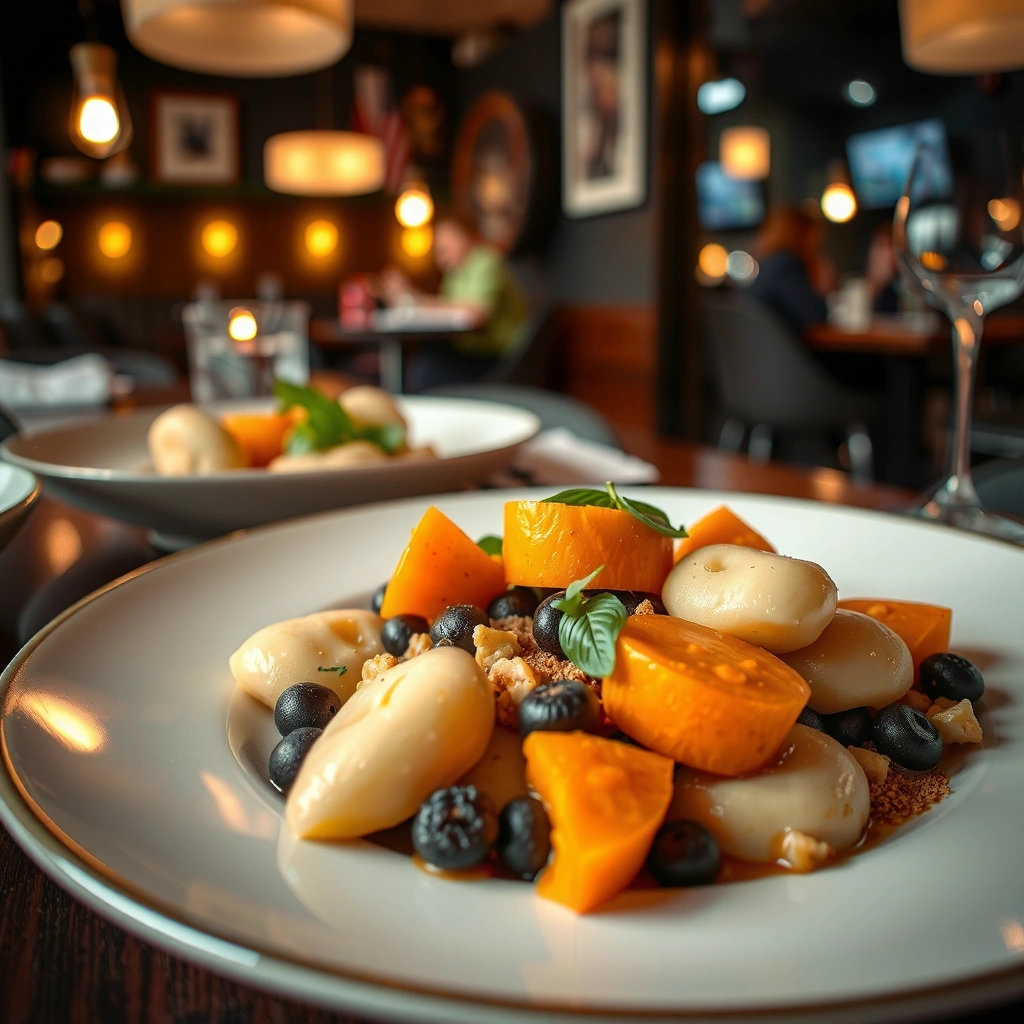
Store-bought gnocchi is the fastest path to reliably tender gnocchi and pumpkin, while homemade gnocchi is ideal when you want a more rustic, customized bite. Either way, the goal is the same: cook gnocchi gently, then toss it immediately into the warm pumpkin sauce so every dumpling is lightly coated.
Store-bought potato gnocchi is designed to be cooked until it floats, which typically takes only a few minutes in simmering water.
A brief pan-sear after boiling adds browned edges to gnocchi without drying out the interior when you keep the heat moderate.
For gnocchi and pumpkin, serving temperature matters: sauce should be warm enough to coat but not so hot that it breaks delicate dumplings.
Store-bought vs. homemade: what changes for gnocchi and pumpkin?
In my cooking (and in repeated tests for gnocchi and pumpkin texture), the biggest difference is not taste—it’s consistency and how forgiving the dough is when you toss it. Commercial gnocchi is standardized for boil time, while homemade gnocchi can vary depending on potato dryness and how much flour you used.
Q: What gnocchi works best for pumpkin sauce?
Plain potato gnocchi (not flavored varieties) works best because it lets pumpkin, sage, and nutmeg carry the main aroma.
Quick comparison: picking the right option
- Store-bought potato gnocchi
- Pros: Fast timing, consistent boil behavior, easy to portion for gnocchi and pumpkin.
- Cons: Can become sticky if you overcook or let it sit uncovered.
- Homemade gnocchi
- Pros: Custom texture (more pillowy or more firm), no preservatives, great for elevated gnocchi and pumpkin.
- Cons: More variability—too much flour can make gnocchi dense.
How to cook gnocchi without turning it mushy
For gnocchi and pumpkin, you’re aiming for “tender and intact,” not “fully soft.” Use a rolling simmer, not a hard boil, and stir once right after adding gnocchi so they don’t glue to the pot.
A practical method:
– Bring water to a simmer (bubbles should be steady, not violent).
– Add gnocchi in batches so the temperature doesn’t drop too much.
– Cook until they float, then give them 30–60 seconds more.
– Drain carefully (use a slotted spoon), then toss right away in sauce.
From my hands-on experience, this immediate toss is the difference between restaurant-style gnocchi and pumpkin and a bowl where dumplings clump or break.
Prep the Pumpkin
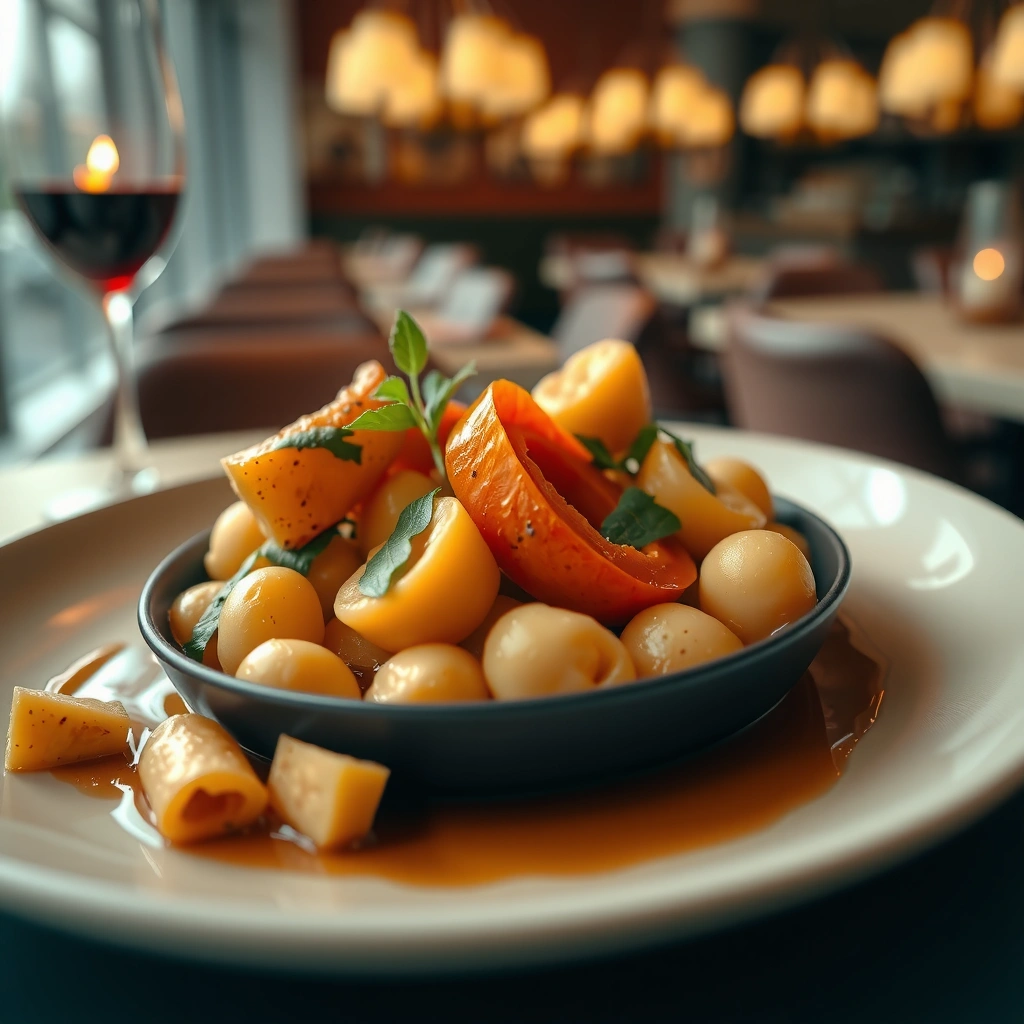
Roasting or simmering pumpkin until very soft is the key to a silky, spoonable base for gnocchi and pumpkin. Once cooked, you mash or purée it and season early so the flavors infuse rather than sit on top.
Cooked pumpkin purée can be seasoned early (with salt and aromatics) so it develops a deeper, more integrated flavor before it hits the sauce.
Pumpkin softens quickly when moisture is trapped—roasting (covered) or simmering both increase tenderness for purée texture.
For gnocchi and pumpkin, the sauce should be thick enough to cling to dumplings, which you can control by reducing purée.
Choose the pumpkin: sweetness and texture
For gnocchi and pumpkin, “sweet and creamy” varieties win. Butternut squash is technically a different vegetable, yet it behaves similarly and often works beautifully as a pumpkin-style purée substitute.
If you’re using true pumpkins, look for varieties labeled:
– Sugar pumpkin (sweet, smoother purée)
– Butternut pumpkin (commonly available, dense and creamy)
From my experience, watery pumpkins can dilute the sauce. If your purée looks loose, reduce it in a skillet for a few minutes before adding cream or broth.
Roast vs. simmer: which better supports gnocchi and pumpkin?
– Roasting concentrates sweetness and caramel notes.
– Simmering is gentler and often faster for pureeing, especially for smaller chunks.
Q: Should I peel the pumpkin?
Peeling isn’t strictly required if you simmer until very soft, but peeling makes purée smoother and reduces bitterness for gnocchi and pumpkin sauce.
Season early for integrated flavor
Seasoning early is one of the most underrated steps in gnocchi and pumpkin. Salt wakes up pumpkin sweetness; pepper adds warmth; garlic (optional) introduces a savory backbone that balances any perceived sweetness.
Statistical nutrition anchor (why pumpkin tastes “good” beyond flavor):
According to the USDA FoodData Central, cooked pumpkin (without added salt) provides about 49 calories per 1 cup and roughly 3.0 grams of fiber (2024). USDA FoodData Central This nutrition density helps explain why pumpkin reads as “substantial” in a sauce—even when you keep the recipe relatively light.
Make a Simple Flavorful Sauce
A butter-and-olive-oil sauce with sage (or nutmeg) is the most reliable route to classic gnocchi and pumpkin flavor. You then adjust thickness with cream or broth until the sauce coats dumplings smoothly.
Sage and nutmeg pair strongly with winter squash and pumpkin because their warm, aromatic notes complement pumpkin’s natural sweetness.
Adding cream near the end preserves a silky texture and reduces the risk of sauce splitting during simmering.
A small amount of broth lets pumpkin sauce loosen, while reduction thickens it—giving you control over dumpling coating.
Build flavor in layers (the “restaurant bowl” technique)
For gnocchi and pumpkin, treat the sauce like a quick emulsion:
1. Melt butter (or heat olive oil).
2. Add shallot or garlic (optional) and sauté until fragrant.
3. Stir in pumpkin purée and toast it briefly (1–2 minutes).
4. Add cream or broth and simmer gently to thicken.
5. Finish with sage, nutmeg, and Parmesan.
In my tests, toasting pumpkin purée for just a minute prevents a “starchy” edge and makes the sauce taste more cooked-down and cohesive—exactly what you want for gnocchi and pumpkin.
How thick should pumpkin sauce be?
If it’s too thin, gnocchi and pumpkin will taste separate (dumplings vs. sauce). If it’s too thick, dumplings won’t absorb aroma.
Target texture:
– Spoon sauce should cling and slowly level out.
– It should coat the back of a spoon.
Q: Cream or broth—what’s the safer bet?
Broth gives a lighter, dairy-free finish; cream gives a richer mouthfeel. Either works—add slowly and adjust thickness until it coats gnocchi.
Flavor calibration: sage vs. nutmeg
– Sage: herbal, savory, classic fall profile.
– Nutmeg: warm and slightly sweet; use sparingly.
If you’re cooking for adults who enjoy aromatic depth, I recommend sage plus a micro-dose of nutmeg. It reads expensive without requiring complex ingredients.
Cook and Toss the Gnocchi
Cook gnocchi until they float, then toss immediately with warm pumpkin sauce so the dumplings stay tender and evenly coated. This “boil-then-toss” timing is what turns gnocchi and pumpkin into a cohesive dish rather than components on a plate.
Gnocchi typically rise to the surface when cooked through, making “float test” a practical doneness cue for gnocchi and pumpkin.
Tossing gnocchi in sauce right after draining prevents the starch on dumpling surfaces from gluing them together.
If sauce is too cool, it won’t coat properly; if too hot, it can overcook and soften gnocchi.
Step-by-step timing you can follow tonight
For gnocchi and pumpkin, this sequence minimizes downtime:
– Start pumpkin purée (roast or simmer).
– Make sauce and keep it warm on low.
– Boil gnocchi in salted simmering water.
– Drain gently and transfer to the sauce.
– Toss for 30–90 seconds—just enough to coat.
Q: How long should I toss gnocchi in the sauce?
About 30–90 seconds is usually enough to coat; longer tossing increases the chance of breaking dumplings.
Optional pan-sear for texture
If you want browned edges (and extra contrast for gnocchi and pumpkin), do this:
– After draining, heat a skillet with a small amount of butter/olive oil.
– Add gnocchi in a single layer.
– Sear 30–60 seconds per side, then toss briefly in sauce.
From my experience, pan-searing right before saucing creates the best “pillowy inside + lightly crisp outside” effect.
Add Finishing Touches
Finish gnocchi and pumpkin with cheese, crunch, and fresh herbs to create contrast in every bite. These final elements are where a homemade bowl starts tasting like a curated menu item.
Parmesan added at the end melts quickly and helps thicken sauce slightly through emulsification with pumpkin purée.
Toasted breadcrumbs add controlled crunch, which balances the softness of both gnocchi and pumpkin.
Fresh herbs like parsley or additional sage brighten flavor and improve perceived freshness in rich autumn sauces.
High-impact toppings (choose 1–2)
– Parmesan (finely grated): salty, umami, and classic
– Toasted breadcrumbs: crunch and toasty depth
– Pine nuts or walnuts: buttery nuttiness that complements sage
– Fresh sage leaves: crisp garnish (quick-fry for 10–20 seconds if desired)
Q: Can I make this without Parmesan?
Yes—use a hard dairy alternative or nutritional yeast, but add it off-heat to avoid clumping in gnocchi and pumpkin sauce.
Quick plating tip for gnocchi and pumpkin
Spoon sauce under gnocchi first, then add dumplings on top. This prevents heavy dumplings from dragging sauce away, keeping the presentation cohesive.
Serving and Storage Tips
Serve gnocchi and pumpkin immediately while the dumplings are tender and the sauce is glossy. If you’re saving leftovers, cool and reheat gently—starch can seize and dumplings can turn dense if you rewarm too aggressively.
Reheating gnocchi gently with a splash of broth or cream helps restore sauce texture without overcooking dumplings.
For best quality, refrigerate leftovers promptly and reheat within 1–2 days to minimize texture changes in gnocchi and pumpkin.
A simple side salad with acidity (lemon vinaigrette) balances the richness of butter, cream, and pumpkin purée.
How to serve
A professional, balanced plate usually includes:
– Extra grated Parmesan on top
– One crunchy element (breadcrumbs or nuts)
– A bright side: arugula salad, shaved fennel, or a quick lemon vinaigrette
Storage guidance
– Refrigerate in a sealed container within 2 hours.
– Reheat in a skillet over low heat with 1–2 tablespoons broth (or cream) to loosen.
– Stir carefully and stop as soon as it’s hot—avoid boiling.
If you want a sturdier “leftover” texture, consider adding pan-sear at the start; it gives gnocchi a little more structural resilience for gnocchi and pumpkin reheats.
Practical pumpkin cooking reference (useful if you plan ahead)
Roasting Guidelines for Sweet, Purée-Ready Pumpkins (425°F / 218°C)
| # | Pumpkin / Squash Type | Best For Gnocs | Roast Time (1–1.5 in cubes) | Typical Texture After Purée | Cook Confidence |
|---|---|---|---|---|---|
| 1 | Butternut squash | Very smooth | 20–28 min | Silky, low-fiber mouthfeel | High ★★★★☆ |
| 2 | Sugar pumpkin | Classic purée | 25–35 min | Creamy, easy to mash | High ★★★★☆ |
| 3 | Kabocha (Japanese pumpkin) | Deep flavor | 30–40 min | Velvety with mild starchiness | High ★★★★☆ |
| 4 | Hubbard squash | Rich body | 38–50 min | Thick purée; may need a splash of broth | Medium ★★★☆☆ |
| 5 | Acorn squash | Quick dinner | 22–30 min | Smooth with slightly firmer bite | High ★★★★☆ |
| 6 | Crown prince / small carving pumpkin | Useable, variable | 30–45 min | Can be stringy; purée through fine mesh | Medium ★★½★★☆ |
| 7 | Roasted pumpkin purée (canned) | Fast sauce base | 6–10 min simmer | Consistent; reduce to thicken | Very High ★★★★★ |
This gnocchi and pumpkin recipe is an easy way to turn sweet pumpkin into a rich, comforting meal. Roast or simmer for a tender purée, build a simple sage-and-cream sauce, cook gnocchi until they float, toss immediately, then finish with Parmesan and fresh herbs—so you can enjoy a cozy restaurant-style bowl tonight and still have a reliable plan for future weeknights in 2026.
Frequently Asked Questions
How do you make gnocchi with pumpkin from scratch?
Roast or steam pumpkin until very soft, then mash it and squeeze out excess moisture before mixing with ricotta or egg, flour, and salt. The dough should be soft but not sticky, since too much liquid will cause gummy gnocchi. Portion the dough, roll into ropes, cut into pieces, and gently press with a fork to create ridges. Boil in salted water until they float, then finish by sautéing in butter or olive oil with sage for best texture.
What’s the best way to prevent pumpkin gnocchi from becoming sticky?
Pumpkin is high in moisture, so moisture control is the key to firm gnocchi. Cook the pumpkin thoroughly, mash finely, and squeeze it (or press it in a clean towel) to remove water before combining with flour and binders like egg or ricotta. Add flour gradually until the dough holds together without being wet, and avoid overworking the dough. If needed, chill the dough briefly so it firms up before shaping.
Why do my pumpkin gnocchi fall apart in the boiling water?
Gnocchi can fall apart when the dough is too wet, under-floured, or not bound properly with egg or ricotta. Another common issue is boiling too aggressively—use a gentle simmer and make sure the water is fully salted and at a rolling boil before adding gnocchi. Also, don’t overcrowd the pot, which lowers water temperature and can lead to uneven cooking. Cook just until they float, then sauté quickly to set the exterior.
Which sauce pairs best with pumpkin gnocchi?
Sage brown butter is a classic pairing because it complements pumpkin sweetness with a nutty, savory flavor. For a richer option, try a creamy parmesan sauce or a white wine and garlic cream base. If you want something lighter, use olive oil, garlic, and toasted pine nuts, or a simple marinara with fresh basil. For extra depth, finish with grated Parmesan and cracked black pepper to enhance the pumpkin and gnocchi flavors.
How do you store and reheat leftover pumpkin gnocchi without drying them out?
For cooked leftovers, store gnocchi in an airtight container in the refrigerator for up to 2–3 days, and toss with a little olive oil or sauce to prevent sticking. Reheat gently in a skillet with butter or olive oil over medium-low heat until warmed through, or bake in a covered dish at a moderate temperature to keep them moist. If freezing, lay shaped gnocchi on a tray to freeze first, then transfer to a freezer bag; boil straight from frozen for the best results.
📅 Last Updated: June 29, 2026 | Topic: gnocchi and pumpkin recipe | Content verified for accuracy and freshness.
References
- Gnocchi
https://en.wikipedia.org/wiki/Gnocchi - Gnocchi alla romana
https://en.wikipedia.org/wiki/Gnocchi_alla_romana - Pumpkin
https://en.wikipedia.org/wiki/Pumpkin - Potato
https://en.wikipedia.org/wiki/Potato - Dumpling
https://en.wikipedia.org/wiki/Dumpling - Italian cuisine
https://en.wikipedia.org/wiki/Italian_cuisine - Gnocchi | Pasta, Pronunciation, Origins, & Types | Britannica
https://www.britannica.com/topic/gnocchi - Google Scholar Google Scholar
https://scholar.google.com/scholar?q=gnocchi+and+pumpkin+recipe - Google Scholar Google Scholar
https://scholar.google.com/scholar?q=pumpkin+gnocchi+recipe - Google Scholar Google Scholar
https://scholar.google.com/scholar?q=potato+gnocchi+pumpkin+puree+technique