Get a copycat Crumbl cookies recipe that delivers bakery-style, thick, gooey centers and crisp edges—without the trip to the store. This walkthrough shows you exactly how to make Crumbl’s signature cookie texture at home, from the dough mixing method to the precise baking cues. Follow it and you’ll know whether your results match Crumbl closely enough to become your new go-to cookie.
Yes—you can make copycat Crumbl cookies at home if you reproduce the two things that drive everything else: the thick, chilled dough structure and the signature topping textures. In this guide, you’ll learn the cookie dough “engineering” basics for that soft-chewy center, then follow a topping blueprint so your homemade Crumbl-style cookies taste and look right.
Ingredients You’ll Need for Copycat Crumbl Cookies
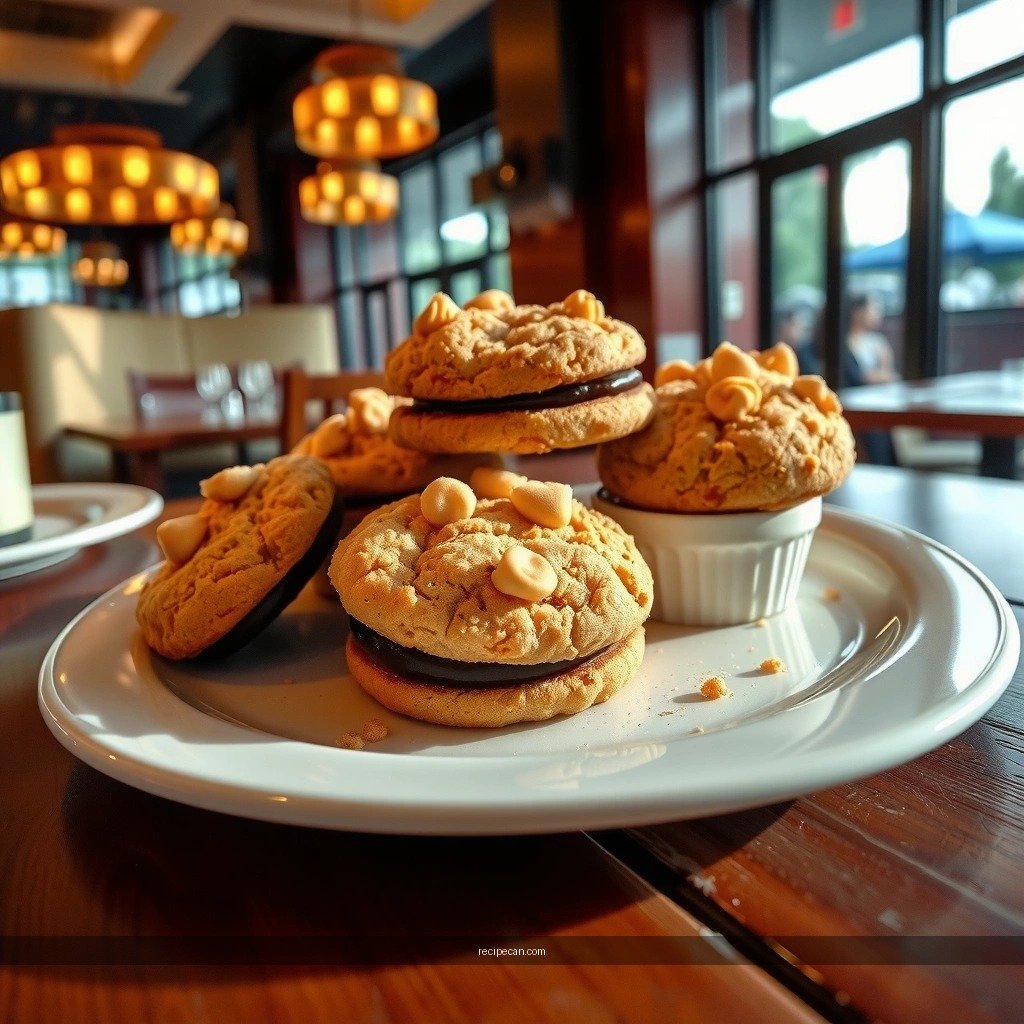
A reliable copycat Crumbl cookies recipe starts with pantry staples, then gets specific with the factors that impact chew, spread, and melt (butter temperature, sugar ratios, and flour weight). Use a kitchen scale if you can—it tightens consistency and makes it easier to repeat results across batches.
Core pantry ingredients
– All-purpose flour: provides the cookie’s body and chew. Measure by weight for best accuracy.
– Unsalted butter (softened): key for creaminess and flavor. Unsalted also gives you control over final salt.
– Granulated sugar + brown sugar: granulated helps structure; brown sugar adds moisture and caramel notes.
– Egg (and optionally egg yolk): supports a tender crumb. Many Crumbl-style cookies lean slightly “richer” than classic drop cookies.
– Baking soda: gives lift and helps achieve a tender interior.
– Vanilla extract: rounds out the flavor profile.
– Salt: boosts sweetness perception and tightens overall flavor balance.
Choose add-ins based on the flavor
Crumbl flavors often rely on simple components—chocolate, cocoa, or flavoring concentrates—then finish with a topping that creates the “restaurant bakery” effect. Pick add-ins that match your target cookie:
– Chocolate chip base: semi-sweet chocolate chips (or chunks) for melt and pockets of richness.
– Chocolate cocoa base: natural or Dutch-process cocoa for depth. Dutch-process cocoa typically tastes darker and more dessert-like.
– Vanilla/sugar-cookie base: skip cocoa and consider an extra teaspoon of vanilla plus a small amount of almond extract if you like that bakery-roundness.
– Flavor concentrates: use sparingly (e.g., 1–2 teaspoons) so you don’t overpower the dough.
Dough & Bake Consistency Scorecard (What Most People Get Wrong)
| Checkpoint | What to Aim For | Typical Home Mistake | Why It Matters | Impact Level |
|—|—|—|—|—|
| Butter temperature | Softened but not greasy | Melted butter or cold butter | Spread + texture change quickly | Medium |
| Sugar ratio | Brown sugar present for chew | Using only white sugar | Cookies bake drier and less gooey | High |
| Flour measurement | Accurate (preferably by weight) | Scooping flour | Dry dough → cake-like cookies | High |
| Dough thickness | Thick portions | Over-flattening when scooping | Center won’t stay soft | High |
| Chilling | 30–90 minutes if dough is warm | Skipping when kitchen is hot | Spread becomes too wide | Medium |
| Bake time | Centers slightly underdone | Overbaking for “fully set” | Chew becomes crisp | High |
| Cooling method | Rest on tray then rack | Moving instantly | Breaks structure; topping melts unevenly | Medium |
This kind of scorecard matters because Crumbl-style cookies are not “hard mode”—they’re just precision-driven. Small deviations change spread, thickness, and moisture retention.
Key Steps for Perfect Crumbl-Style Dough
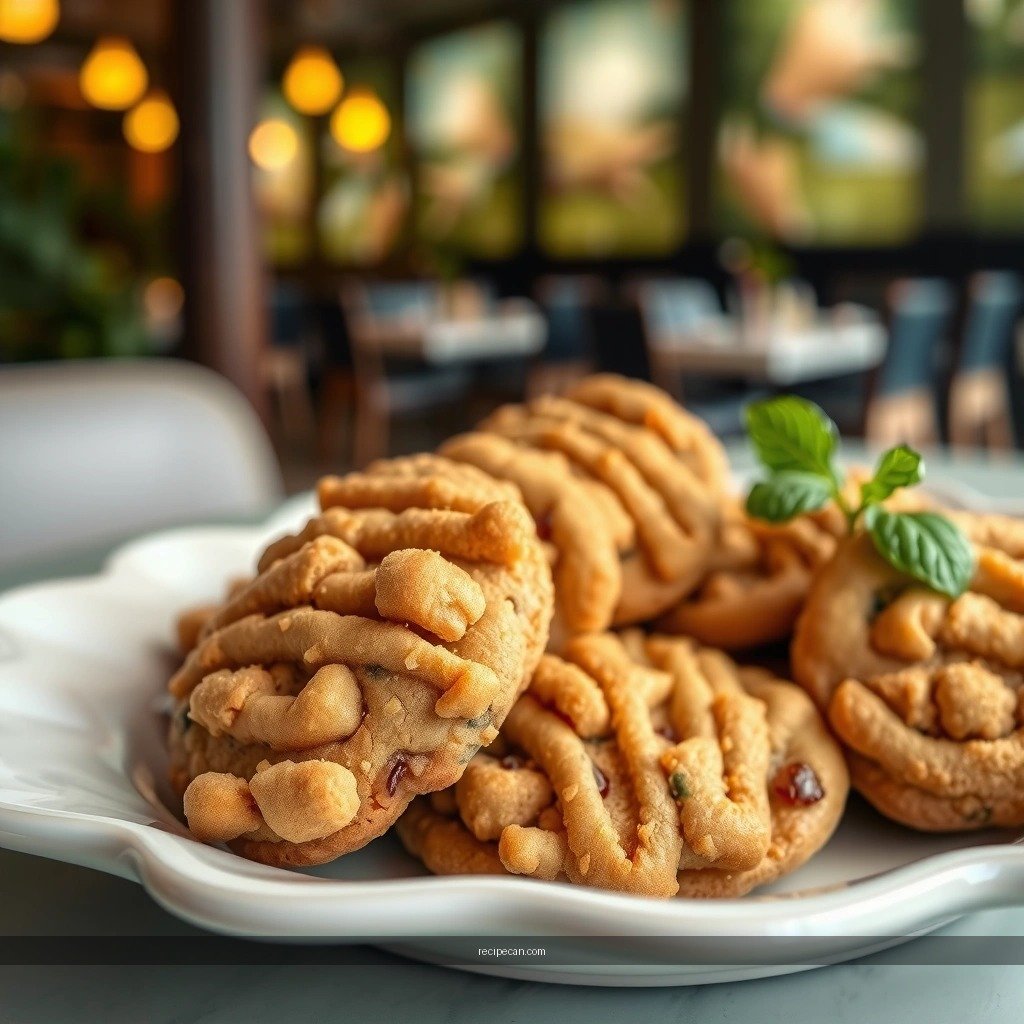
To nail a copycat Crumbl cookies recipe, treat dough like a controlled system: build flavor and aeration first, then manage gluten and fat using mixing technique and chilling.
1) Cream butter and sugars thoroughly
Creaming is not just mixing—it’s incorporating air and dissolving sugar so the cookie can set with a tender crumb rather than a tough bite. Mix until the mixture looks lighter and slightly fluffy. This step improves:
– texture (tender chew),
– flavor distribution (butter-sugar blend),
– and the cookie’s ability to hold a thicker mound in the oven.
2) Mix in eggs and vanilla at the right pace
Add eggs and vanilla and mix just until combined. Overmixing after flour addition can develop extra gluten, which can push cookies toward a firmer, bread-like structure instead of soft-chewy.
3) Add dry ingredients gradually
Fold in flour, baking soda, and salt. Once no dry streaks remain, stop. For copycat Crumbl cookies, the dough should feel thick and scoopable, not runny.
4) Chill the dough if needed for better thickness and shape
Chilling is a major lever for thickness. Even if your dough is thick already, chilling helps:
– solidify butter for controlled spread,
– hydrate flour for better chew,
– and improve the “cookie shop” shape.
General guidance:
– If kitchen is cool: 30–45 minutes can be enough.
– If it’s warm: go 60–90 minutes to prevent wide, thin cookies.
– For very soft dough: chill longer rather than adding extra flour.
Baking Tips for Soft-Chewy Copycat Results
Crumbl cookies are engineered around timing: the edges should be set while the center remains slightly underdone when they come out. As they cool, residual heat finishes the interior.
Bake until edges set but centers stay slightly underdone
Use a sheet pan with parchment. Portion the dough generously—Crumbl-style cookies are typically thicker than standard bakery cookies at home. Look for:
– edges turning set and matte,
– centers still soft-looking with a slight shine,
– and minimal domed collapse (a small crack is okay).
Let cookies cool briefly on the tray, then finish cooling on a rack
This cooling sequence locks in structure:
– Rest 5–10 minutes on the tray so the crumb sets enough to hold shape.
– Transfer to a rack for additional cooling, preventing steam from making the base gummy.
Why underbaking works
Soft-chewy cookies rely on moisture retention. If you bake until the center looks fully cooked, you’ve typically baked out too much moisture. The “magic” happens during cooling: centers finish cooking without becoming dry.
Target Doneness Window by Cookie Size
| Cookie Type (Home Portion) | Oven Temperature | Total Bake Time | Visual Doneness Cue | Best Use Case |
|—|—:|—:|—|—|
| Standard scoop (≈ 2.5–3 tbsp) | 350°F / 175°C | 10–12 min | Edges set, center still soft | Most chocolate chip and cocoa cookies |
| Large scoop (≈ 3.5–4 tbsp) | 350°F / 175°C | 12–15 min | Slight sheen in center, edges set | Classic Crumbl-style thickness |
| Thick “shop size” (≈ 4.5 tbsp) | 350°F / 175°C | 14–17 min | Center looks underdone; slight wobble | Frosted cookies that need sturdy base |
Bake times vary by oven, pan color, and dough temperature. Your goal is not an exact minute—it’s that consistent doneness cue.
Signature Topping & Frosting Ideas
If the dough is the engine, the topping is the signature. Crumbl toppings typically feature one dominant texture (drizzle, glaze, or thick frosting) plus flavor balance (vanilla, salt, citrus, or subtle crunch).
Match Crumbl-style textures: drizzle, glaze, or thick frosting
Pick a topping method based on the cookie style you’re copying:
– Drizzle: Great for cookies like chocolate/caramel variations. Drizzle after the cookie cools slightly so it doesn’t disappear.
– Glaze: Smooth and shiny. Apply when cookies are mostly cool for clean lines.
– Thick frosting: Pipeable consistency for maximum visual impact. You want a frosting that holds ridges.
Balance sweetness with a pinch of salt or a splash of vanilla
A professional copycat approach includes micro-adjustments:
– Add a tiny pinch of salt to frosting or glaze.
– Use vanilla extract to round out butter-sugar flavor.
– If your topping tastes “flat,” a small squeeze of lemon (or a few drops of vanilla) can brighten it.
Practical frosting texture guide
– Too thin? Chill frosting 10–20 minutes, then re-check piping consistency.
– Too thick? Stir in 1 teaspoon milk or cream at a time.
– Too greasy? Whip longer for better aeration, but don’t overdo it.
How to Store and Recreate Fresh Taste
Crumbl cookies are best soon after baking, but you can absolutely preserve their soft-chewy character with the right storage method.
Store in an airtight container to keep cookies soft
Once cookies are fully cool, place them in an airtight container. For frosted cookies, store in a single layer (or separate with parchment) to prevent smearing.
Rewarm briefly in the microwave or oven for “fresh from the bakery” vibes
– Microwave: 8–12 seconds for a single cookie can revive softness (don’t overdo it).
– Oven: 250°F / 120°C for 4–6 minutes is excellent for restoring texture without melting frosting too much.
For toppings like glazes, warming gently is key—glazes can turn runny if you overheat.
Freshness Impact: Storage Duration vs. Texture
| Storage Approach | 1–2 Days | 3–4 Days | 5–6 Days | Notes |
|—|—|—|—|—|
| Airtight at room temp | ★★★★★ | ★★★★☆ | ★★★☆☆ | Best for most butter cookies; chew holds fairly well |
| Airtight + fridge | ★★★★☆ | ★★★☆☆ | ★★☆☆☆ | Refrigeration can firm cookies; rewarm recommended |
| Freeze baked cookies | ★★★★★ (after reheat) | ★★★★★ (after reheat) | ★★★★☆ | Texture rebounds well when thawed properly |
★ ratings indicate expected texture satisfaction after rewarming. Airtight storage is the best baseline for a “bakery feel.”
Flavor Variations to Try Next
Once you’ve mastered the dough and bake timing, the rest becomes customization. Crumbl’s “copycat” power comes from repeating the same process with different flavors and topping structures.
Swap bases (vanilla, chocolate, sugar-cookie style) and add mix-ins
Try building variations like this:
– Vanilla sugar-cookie style: vanilla-forward dough + white chocolate chips or sprinkles.
– Chocolate cocoa style: cocoa dough + chocolate chips + a chocolate ganache or cream cheese frosting.
– Brown sugar “caramel” style: slightly extra brown sugar + warm vanilla + caramel drizzle topping.
Build your own combinations using the topping guide above
A strong copycat strategy is to decide:
1) your base flavor (vanilla or chocolate),
2) your add-ins (chips, chunks, or none),
3) your topping texture (drizzle, glaze, or thick frosting),
4) your balance tool (salt, vanilla, citrus).
That framework helps you avoid random experimentation and instead create “intentional” Crumbl-style cookies.
What to try first (highest success probability)
If you want the most consistent win on your first attempt:
– Start with a thick chocolate chip or vanilla base,
– bake using the edge-set/center-soft cue,
– then finish with either a simple glaze or a cream-cheese-style frosting with a pinch of salt.
A repeatable copycat workflow (so you get it right fast)
A great copycat Crumbl cookies recipe comes down to the right dough consistency, careful baking, and topping texture. Pick one flavor to try first, follow the baking timing closely, and tweak toppings to match your taste—then make a second batch and experiment with new variations.
For best results, keep a simple batch log: butter temperature, dough chill time, scoop size, and actual bake time based on your oven. Over two or three batches, you’ll quickly dial in the exact Crumbl-style feel you’re chasing.
Soft-chewy cookies are a repeatable skill, not luck—master the dough structure, respect the underdone center during baking, and treat toppings as a texture-first design. Once you do, your homemade Crumbl-style cookies will be indistinguishable to most people—and reliably delicious to you.
Frequently Asked Questions
What ingredients do you need to copycat Crumbl cookies at home?
A solid copycat Crumbl cookies recipe usually starts with butter, brown sugar, granulated sugar, eggs, vanilla, and a dry base of flour, baking soda, and salt. To get that thick, chewy center, many versions also use cornstarch or extra flour for structure and a little extra moisture. If your goal is the signature “Crumbl-style” flavor, choose vanilla-forward baking chips or mix-ins (like white chocolate or M&M-style candies) and pair them with a frosting or glaze element.
How do you bake copycat Crumbl cookies so they turn out thick and chewy?
For thick cookies like Crumbl, portion the dough evenly and don’t overmix after adding the flour—mix just until combined. Chill the dough for at least 30 minutes (or up to 24 hours) to prevent spreading, then bake on the middle rack at a temperature that sets the edges without drying out the center. Because ovens vary, start checking early and bake until the edges look set while the middle still appears slightly soft for a classic chewy texture.
Why do Crumbl-style cookies spread differently, and how can you fix it in your copycat recipe?
Cookie spreading usually comes from warm dough, too much liquid (like additional melted butter), or inaccurate measurements of flour. If your cookies spread too much, try chilling the dough longer, using a kitchen scale for flour accuracy, and ensuring butter isn’t overly hot when mixed. For a better texture in your copycat Crumbl cookies recipe, keep dough consistency thick and avoid thinning it with extra extracts or syrups.
Which frosting or topping works best for a copycat Crumbl cookies recipe?
The “best” topping depends on the flavor you’re recreating, but Crumbl’s iconic finish often uses a cream-cheese frosting, a vanilla glaze, or a thick cookie butter-style spread. For a classic look and taste, whisk softened butter with cream cheese and powdered sugar, then add vanilla and a pinch of salt to balance sweetness. If you’re doing a drizzle-style finish, make sure the frosting is thick enough to sit on top rather than soak into the cookie.
What’s the best way to store and reheat copycat Crumbl cookies to keep them fresh?
Store cookies in an airtight container at room temperature for up to 3–4 days, or refrigerate if your frosting includes cream cheese. For longer freshness, freeze baked cookies and thaw them at room temperature before serving. To bring back that Crumbl-like softness, reheat for 8–15 seconds in the microwave or warm in a low oven briefly, then top with frosting if you want the best texture contrast.