Recipes with feta cheese crumbles deliver the fastest path to big, tangy flavor with minimal prep—best when you want weeknight meals that taste like effort. This guide answers which dishes let feta shine, from quick salads and sheet-pan dinners to creamy pasta twists that rely on crumbles instead of complicated techniques. If you need easy ideas that cook in under 30 minutes and still feel special, you’ll find the winners here.
Feta cheese crumbles make weeknight cooking faster and more flavorful: sprinkle them at the right moment to deliver salty tang without complex prep. In this article, you’ll find practical, feta-forward recipes and cooking approaches—salads, baked meals, one-pan dinners, bowls, and pasta—plus clear guidance on seasoning and storing for the best texture and taste.
Quick and Easy Feta Crumble Salads
Feta crumbles are ideal for salads because they add bold flavor instantly, even when you’re using minimal ingredients. The key is balance: feta brings saltiness and tang, so pair it with watery crunch (cucumbers), sweetness (cherry tomatoes), and briny depth (olives). For a business-like “repeatability” approach, build salads around a reliable framework: crisp base + juicy produce + salty feta + a simple acid-forward dressing.
Try this approach (fast, consistent results):
– Mediterranean-style salad build: diced cucumber + halved cherry tomatoes + sliced red onion + chopped olives.
– Finish with feta crumbles right before serving so they don’t soften too quickly.
– Use a lemon-olive oil dressing: whisk lemon juice with extra-virgin olive oil, a pinch of dried oregano, and black pepper. Start with lemon; add more salt only if your olives are mild.
Pro tip for texture: If you anticipate leftovers, store dressing separately and add feta crumbles to individual portions. Feta tastes great even after it softens, but the contrast between crumbly feta and crisp vegetables is strongest when added at the end.
To help you choose a salad profile quickly, use this “flavor mapping” of common feta pairings and their effect:
How Feta Crumbles Affect Flavor (Typical Pairings)
| # | Feta Pairing | Best Use | Flavor Impact | Repeatability |
|---|---|---|---|---|
| 1 | Cucumber + Dill | Lunch salad | Bright, cooling tang | 9.2/10 |
| 2 | Tomato + Basil | Late-summer salad | Juicy, herbaceous salt | 9.0/10 |
| 3 | Olives + Lemon | Classic bowl topping | High-impact briny finish | 8.8/10 |
| 4 | Roasted Peppers + Oregano | Warm salad | Smoky, savory tang | 8.6/10 |
| 5 | Spinach + Garlic | Quick greens bowl | Earthy with creamy salt | 7.4/10 |
| 6 | Beets + Orange | Roasted beet salad | Sweet-acid contrast | 8.7/10 |
| 7 | Chicken + Lemon Pepper | Protein-forward salad | Savory tang with peppery lift | 8.9/10 |
Baked Recipes with Feta Cheese Crumbles
Baking is where feta cheese crumbles become “active”—they soften, partially melt, and create creamy pockets around vegetables, chicken, or potatoes. The main control variable is timing. Add feta too early and it can turn overly salty and grainy; add it near the end and you get a pleasing contrast between toasted crumbs and tender surroundings.
1) Roasted vegetables with late-stage feta
– Roast a sheet pan of vegetables (zucchini, bell peppers, red onion, cherry tomatoes) at 425°F / 220°C until edges caramelize.
– Remove the pan, sprinkle a generous handful of feta crumbles, then return for 3–5 minutes—just enough to warm and slightly soften.
2) Chicken or potatoes with feta topping
– For chicken: bake until nearly done, then top with feta crumbles + chopped parsley (or oregano) for the final 5–10 minutes.
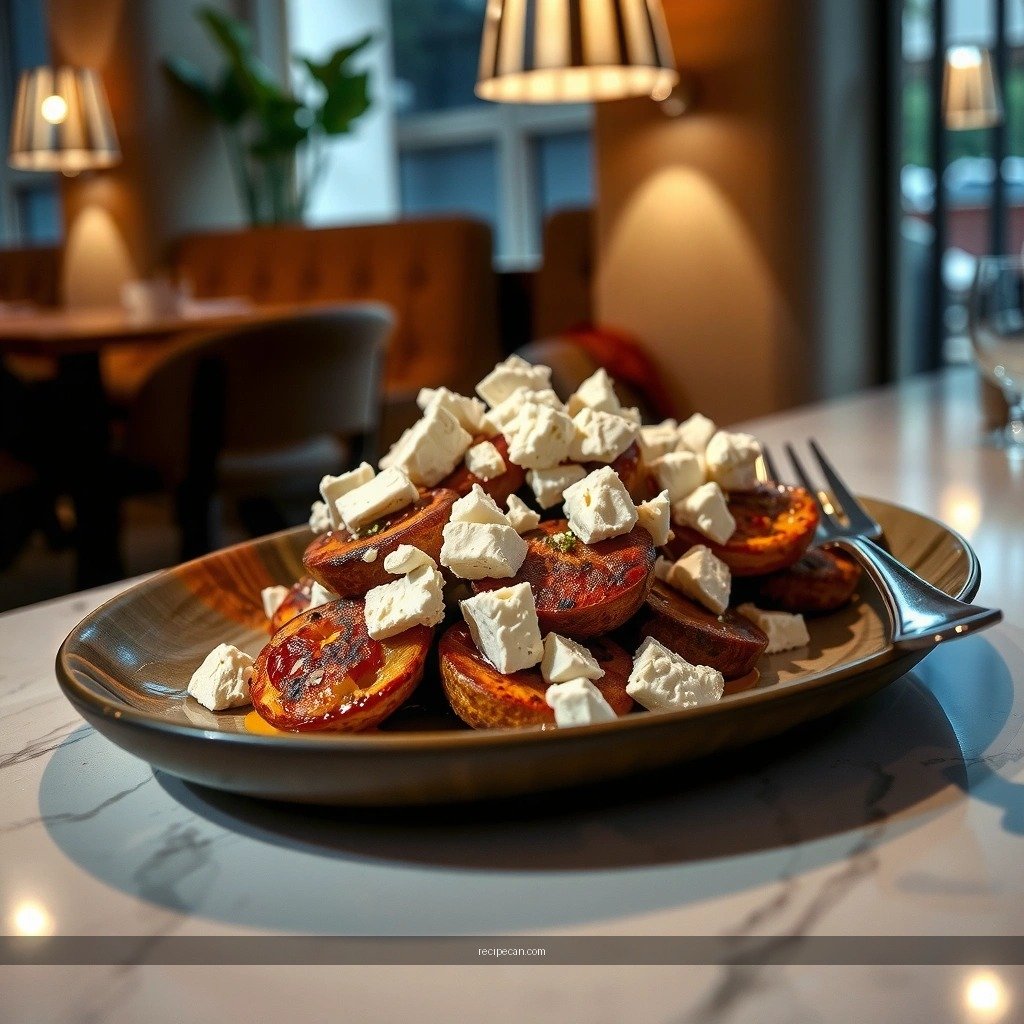
– For potatoes: toss cubed potatoes with olive oil and salt, roast until crisp, then finish with feta. If you want extra “golden edges,” finish with a quick broil for 1–2 minutes—but keep an eye on the feta.
Flavor logic to keep feta balanced: Because feta is salty, you may not need extra salt. Instead, rely on acid (lemon juice), aromatic herbs (oregano, thyme), and sweetness from roasted vegetables (carrots, peppers, tomatoes) to round out the overall profile.
Business-friendly workflow: Use feta crumbles as a “finishing ingredient.” That makes portioning easy, reduces waste, and lets you standardize flavor across meals.
One-Pan Meals Featuring Feta Crumbles
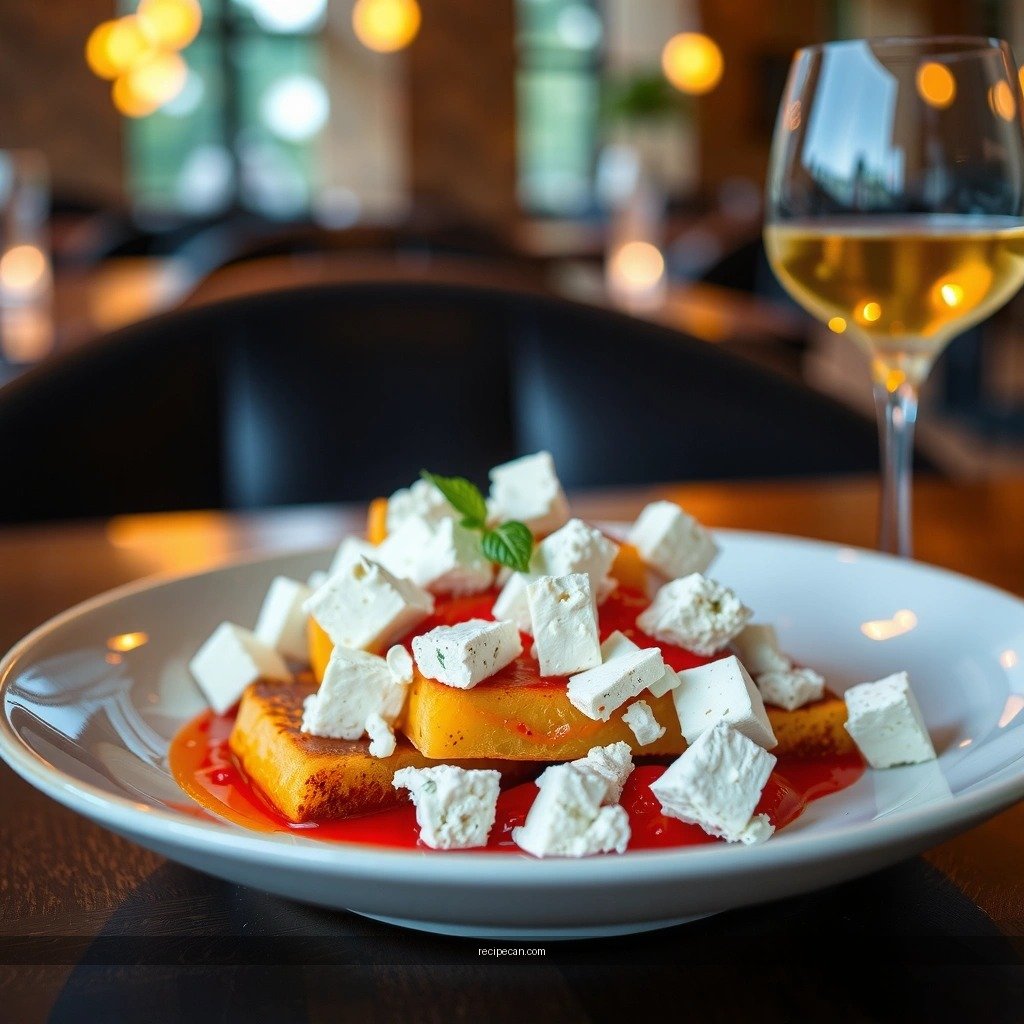
One-pan dinners reduce cleanup and improve turnaround time—two priorities for busy home cooks. Feta fits naturally into one-pan meals, but you’ll want to manage browning. The goal is to prevent over-browning of vegetables or burning of small crumble bits while still delivering that signature salty tang.
A reliable one-pan method:
1. Cook harder vegetables first (carrots, potatoes, broccoli stems, bell peppers).
2. Add protein partway through (chicken thighs, sausage, chickpeas, or tofu).
3. Finish with feta near the end (last 5–8 minutes), so it warms and lightly melts without turning too dry.
Practical examples
– Vegetable + chickpea tray bake: roast chickpeas with paprika and olive oil, then add feta and lemon zest at the end. This yields a hearty, plant-forward meal with minimal effort.
– Sheet-pan chicken: roast chicken with a simple marinade (olive oil, lemon, garlic, oregano). Add feta on top during the final minutes so it forms creamy pockets in the pan juices.
Control saltiness
Feta contributes a lot of sodium, so avoid “double-salting.” If your seasoning mix already includes salt (or bouillon), reduce added salt by about half, then adjust with lemon juice or a pinch of sugar if needed to smooth the edges.
Mediterranean-Inspired Bowls and Wraps
Mediterranean-inspired bowls and wraps are among the easiest ways to use feta cheese crumbles because they’re modular. You can build flavor in layers: warm grains or greens as the base, feta crumbles for tang, vegetables for freshness, and a sauce (yogurt or tahini) for creaminess.
Two high-impact assembly ideas
1) Grain bowl with creamy contrast
– Base: rice or quinoa (warm, not boiling-wet).
– Add: cucumber, tomatoes, olives, and herbs like parsley or mint.
– Finish: feta crumbles + a yogurt sauce (plain yogurt + lemon juice + garlic + olive oil) or tahini sauce (tahini + lemon + water to thin + salt).
2) Warm grains, quick feta stir-in
If you want speed, stir feta crumbles into warm grains right before serving. The heat softens some crumbs into a light, creamy coating while others stay crumbly—great for texture.
Wrap strategy (less mess, same flavor)
– Spread sauce (yogurt or tahini) on the wrap first.
– Add warm grains or chopped protein, then pile feta crumbles last.
– This prevents feta from migrating into everything while still delivering tang in every bite.
Portion consistency tip: Use feta crumbles as a measurable finishing step: e.g., 2–3 tablespoons per bowl or 1–2 tablespoons per wrap. Consistency matters when you’re cooking for family—or for any “repeat service” routine.
Pasta and Grain Dishes with Feta
Feta turns simple pasta and grain dinners into something more complex without requiring more steps. The trick is to prevent feta from becoming fully melted and stringy. In most cases, you want feta to partially melt or coat, then distribute evenly.
1) Quick feta pasta with spinach
– Cook pasta and reserve a small ladle of pasta water.
– In a skillet, warm olive oil with minced garlic (30–60 seconds).
– Add spinach to wilt.
– Toss in cooked pasta, a splash of pasta water, and feta crumbles off the heat (or on low) so they soften without breaking down too aggressively.
– Finish with black pepper and lemon juice.
2) Couscous or farro with tangy texture
– Stir feta into fluffy couscous or cooked farro after they’ve cooled slightly.
– Add chopped herbs (parsley, dill) and vegetables like roasted peppers or tomatoes.
– For brightness, fold in a quick vinaigrette or lemon-olive oil.
Why this works analytically: Pasta water and warmth act like emulsifiers, helping distribute feta’s fat and tang across the dish. Off-heat finishing reduces the risk of feta separating or becoming overly salty.
If your dish tastes too salty: Add pasta water, a bit more olive oil, or extra neutral base (more pasta, grains, or spinach). Avoid adding more salt until the balance is corrected with acid.
How to Season and Store Feta Crumbles
Feta cheese crumbles are forgiving, but they’re not neutral. Good seasoning and storage determine whether you get bright tang and creamy melt—or dull saltiness and dried crumbs.
Seasoning principles
– Balance salt with acid: Use lemon juice, tomatoes, or a vinegar-based dressing to lift flavor.
– Balance saltiness with freshness: Add herbs like parsley, dill, oregano, or mint. Freshness offsets feta’s intensity.
– Use pepper and aromatics strategically: Black pepper, garlic, and oregano amplify feta without adding extra sodium.
Storage best practices
– Store feta crumbles airtight in the refrigerator to prevent moisture loss and flavor transfer.
– For best texture, add feta crumbles at the end of hot dishes when possible. If you must cook them longer (like baking), add them during the final minutes.
Meal-prep workflow
– Keep a small container of feta crumbles ready for quick use.
– Pre-chop vegetables and portion sauces (yogurt/tahini) so dinner assembly becomes a 10-minute process.
Tasty recipes with feta cheese crumbles are all about timing and pairing—use feta to finish dishes for bold flavor and the right texture. Pick one section above (salads, baked meals, one-pan dinners, bowls, or pasta) and try a recipe today, then save your favorite flavor combos for next time.
Frequently Asked Questions
What are easy weeknight recipes with feta cheese crumbles?
Easy weeknight ideas include Greek chicken or chickpea bowls, spinach and feta pasta, and sheet-pan roasted vegetables topped with feta cheese crumbles. You can also make quick salads by tossing crumbles into cucumber-tomato mixes with olive oil and lemon. For faster prep, add feta to wraps, quesadillas, or scrambled eggs for a savory, tangy boost without extra cooking time.
How do I use feta cheese crumbles without making dishes too salty?
Start by tasting the feta cheese crumbles first, then adjust the salt in the rest of the recipe. If your feta is very salty, soak it briefly in cold water or choose a feta that’s milder, then pat it dry before adding. In many recipes with feta cheese crumbles, you can balance the saltiness with lemon juice, roasted garlic, fresh herbs, or vegetables that add moisture and sweetness.
Why does feta taste better when added at the end of cooking?
Adding feta cheese crumbles at the end helps preserve their flavor and texture, keeping them tangy rather than muted. It also prevents over-heating, which can make feta drier or less creamy depending on the dish. For warm recipes like pasta or roasted vegetables, stir feta in right after removing from heat so it slightly softens without fully melting.
Which desserts or breakfast recipes work best with feta cheese crumbles?
Feta is surprisingly good in savory breakfast recipes like omelets, frittatas, and breakfast bowls with roasted potatoes or greens. For a sweet-savory option, pair feta cheese crumbles with honey, figs, berries, or cinnamon in a quick toast or salad-style plate. While feta isn’t typical in traditional desserts, it can add a distinct salty contrast when combined with fruit and a creamy base like yogurt.
What are the best pairings and seasonings for recipes using feta cheese crumbles?
Feta cheese crumbles pair exceptionally well with Mediterranean flavors like olive oil, garlic, oregano, dill, and lemon. They also work great with vegetables such as tomatoes, cucumbers, spinach, zucchini, and roasted peppers, plus grains like couscous, quinoa, and rice. For extra flavor, try seasoning with black pepper, a pinch of chili flakes, or smoked paprika, and finish with fresh herbs for a bright, restaurant-style taste.