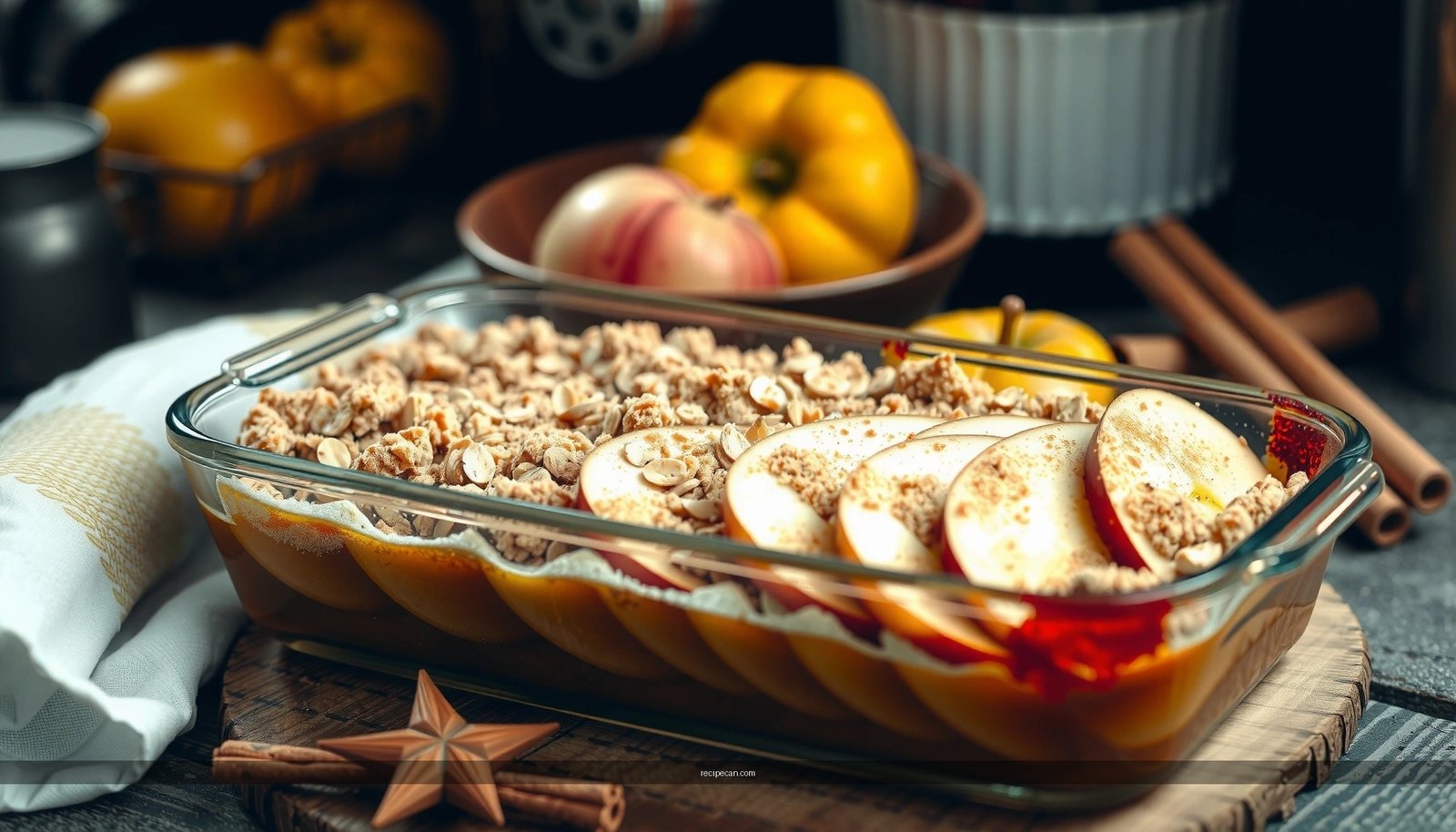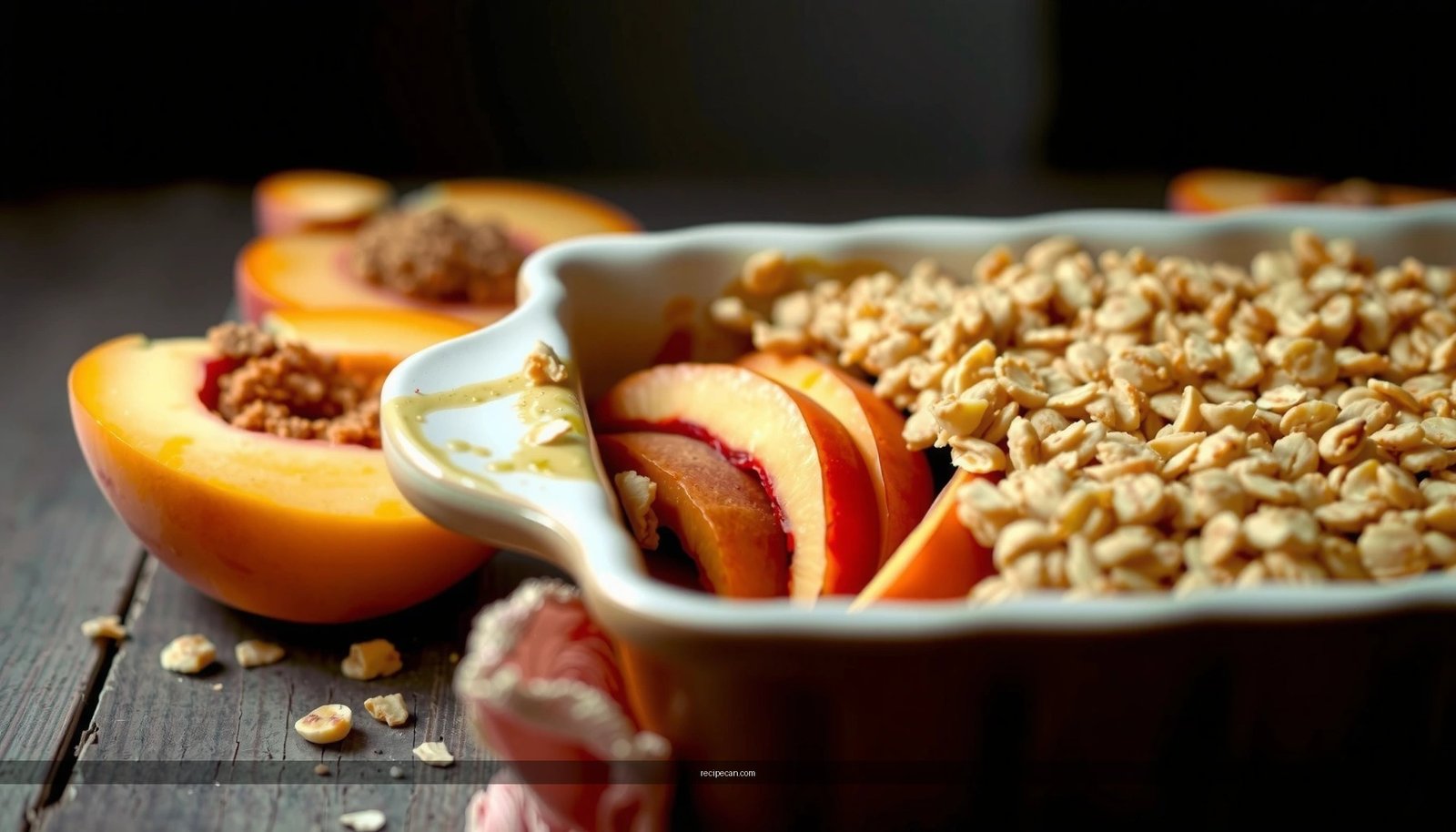
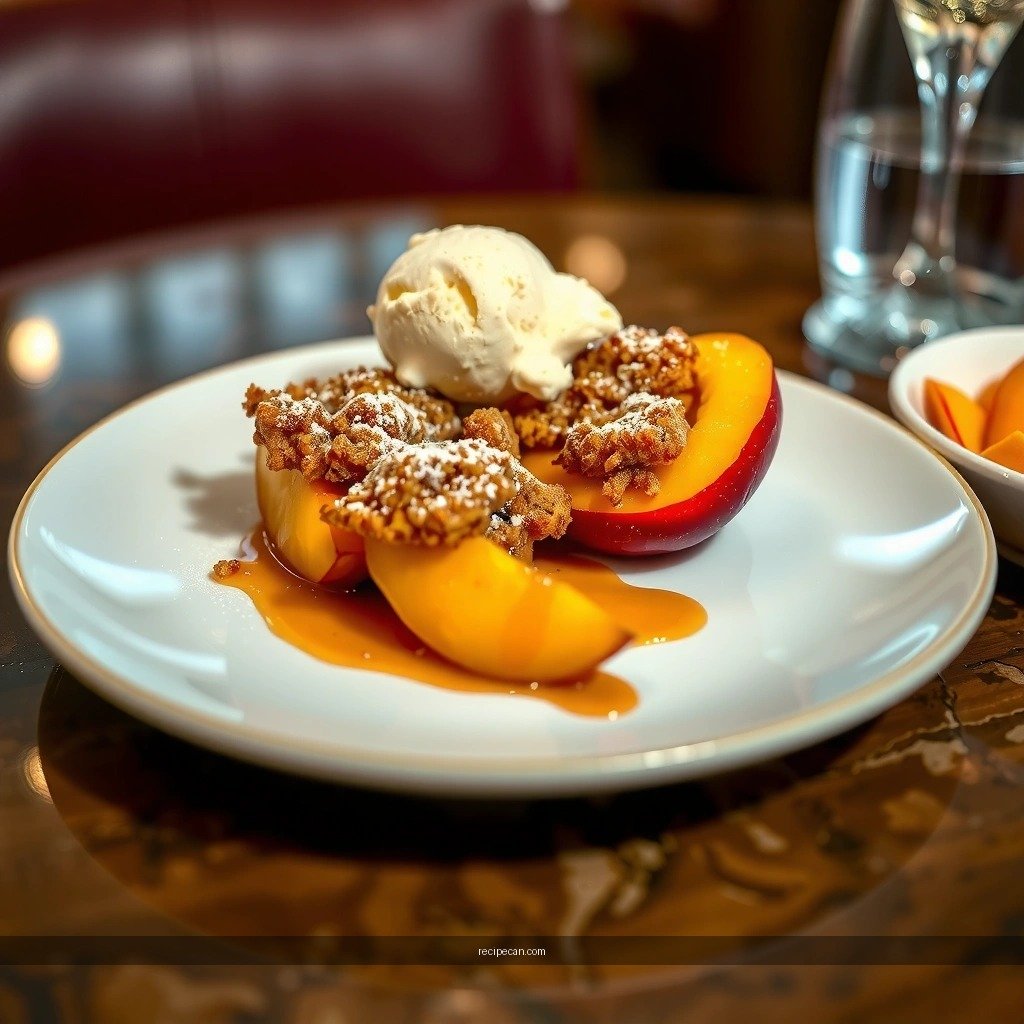
Find out how to make the best peach crumble recipe for easy, juicy peaches with a crispy topping. This step-by-step guide delivers a bubbling, fruit-forward filling and a buttery oat-and-flour crumble that turns golden without going dry. If you want one pan, minimal effort, and maximum peach flavor, this is the winner.
A peach crumble is the simplest way to turn peaches into a warm, restaurant-style dessert: juicy fruit baked under a buttery, golden crumb topping. This recipe delivers the right fruit-to-crumble balance by using a thickened peach filling (so it bubbles without running) and a topping that’s mixed just enough to stay crisp.
A good peach crumble is less about following “rules” and more about managing three outcomes: texture (tender fruit + crunchy topping), moisture (bubbly but not watery), and browning (golden, not burned). Below you’ll get practical guidance for choosing peaches, thickening them correctly, and building a crumble that stays crisp even after cooling—plus storage tips so leftovers taste nearly as good as the first slice.
Choose the Right Peaches
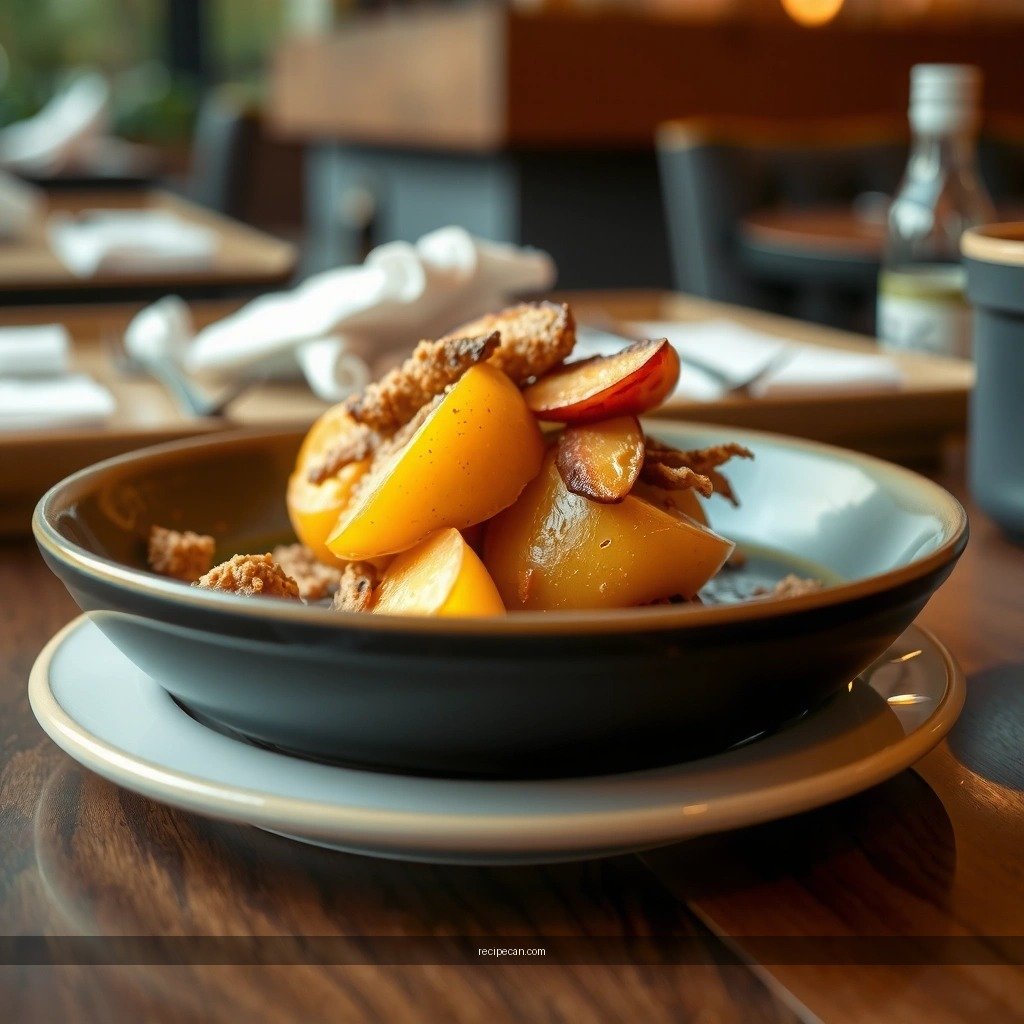
– Use ripe peaches for natural sweetness and flavor
– Slice evenly so they bake at the same rate
Choosing the peaches is where crumble success begins. In a baked dessert, peach flavor peaks when the fruit is fully ripe—sweet, aromatic, and soft enough to yield juice during baking. If the peaches are under-ripe, you’ll often get a crumble that tastes “flat” and bakes with uneven texture: the outside can soften while the center remains firmer.
What to look for in ripe peaches
– Smell: A strong peach aroma near the stem is a practical indicator of ripeness.
– Give (not mush): Press gently—ripe peaches yield slightly but shouldn’t feel bruised or collapsed.
– Color: While color varies by variety, ripe fruit generally looks vibrant rather than pale/greenish.
How much fruit to use (and why it matters)
For an 8-inch (20 cm) square or similar-sized baking dish, you’ll typically want enough fruit to create a thick, even layer rather than a shallow base. A practical target is about 4 to 5 cups sliced peaches. This depth helps the filling bubble and set so your topping lands on a cohesive layer of fruit rather than a thin syrup.
Even slicing = predictable baking
Slice peaches into similar thickness pieces (about 1/2-inch / 1.25 cm). Uneven slices can cause two common problems: small pieces over-soften and larger pieces stay firmer, leading to a texture mismatch where some bites taste jammy and others taste undercooked.
Fresh vs. frozen peaches (quick adjustment)
– Fresh: Use as directed; their juice is naturally higher and needs normal thickening.
– Frozen: Thaw partially and drain excess liquid (or reduce thickener slightly only if the fruit releases minimal liquid). Frozen peaches often contribute more water, so you may need a slightly thicker filling to prevent pooling around the edges.
Prepare the Peach Filling
– Toss peaches with sugar, lemon juice, and a thickener like cornstarch
– Let the filling sit briefly to help it become juicy and set well
The peach filling is what makes a crumble sliceable. Without proper thickening, peaches can release too much juice and leave you with a topping that’s crisp but sitting on a watery layer.
The filling should be “juicy-but-structured”
Your goal is a filling that becomes:
– Bubbly at the edges (evidence of thickening and flavor integration)
– Saucy in the center but not runny
– Set slightly as it cools (thickener firms up during rest)
A reliable thickening approach
Cornstarch is a common choice because it creates a clear, glossy set. Use it with a small amount of acid (lemon juice) and sugar to support thickening and balance sweetness.
Key mixing and resting technique
After tossing sliced peaches with sugar, lemon juice, and cornstarch, let the filling sit for 10–20 minutes. This rest does two things:
1. Hydrates the cornstarch so it thickens more evenly during baking.
2. Draws out peach juice, creating a consistent syrup that bakes into a cohesive filling layer.
How to tell if your filling is balanced
Before baking, the filling should look slightly glossy and lightly coated—not watery. If it looks like thin liquid pooling at the bottom, add a bit more cornstarch (start with 1 teaspoon increments). If it looks overly dry or thick, you can compensate with a splash of peach juice or water, but typically peaches will loosen during the rest period.
Recommended Peach Crumble Fill Thickener (By Fruit Volume)
| # | Fruit Volume (Sliced Peaches) | Cornstarch | Sugar | Expected Filling Behavior |
|---|---|---|---|---|
| 1 | 3 cups | 2 tbsp | 1/3 cup | Bubbles then sets; minimal pooling |
| 2 | 4 cups | 2 1/2 tbsp | 1/2 cup | Jam-like center after cooling |
| 3 | 5 cups | 3 tbsp | 2/3 cup | Hearty sliceable filling |
| 4 | 4 cups (very juicy/frozen) | 3 tbsp | 1/2 cup | Prevents thin syrup edges |
| 5 | 3 cups (firmer/less ripe) | 2 tbsp | 3/8 cup | Softens evenly without collapsing |
| 6 | 6 cups | 3 1/2 tbsp | 3/4 cup | Maintains thickness through baking |
| 7 | 4 cups (low-sugar preference) | 2 1/2 tbsp | 1/3 cup | More moisture risk if peaches aren’t ripe |
Make the Crumble Topping
– Combine flour, sugar, butter, and seasonings (like cinnamon) for crunch
– Mix just until crumbly—don’t overwork for best texture
A great peach crumble topping is built from three ingredients that behave differently in the oven: flour for structure, sugar for browning, and butter for crisp, sandy texture. The goal is a topping that turns golden and crisp without becoming hard as a brick.
Choose the crumb texture intentionally
Most crumble toppings fall into one of two camps:
– More sandy (fine crumbs): crisp and delicate
– More rustic (larger clumps): crunchy in spots with a softer “bread-y” base layer
For an all-purpose, reliable dessert, aim for medium clumps—achieved by mixing until you can see butter-coated flour that has transformed into crumbs but not a uniform paste.
Why “mixing just until crumbly” matters
Overmixing develops gluten in the flour, which can make the topping:
– chewy rather than crisp
– dense instead of flaky
– prone to clumping into thick layers
Practical technique: use a fork or your fingertips to rub butter into flour. Stop when you see no large pools of butter and the mixture holds together when squeezed loosely.
Flavor additions that enhance peaches
Cinnamon is classic because it complements peach aromatics, but you can also use:
– Vanilla (a small amount): rounds sweetness
– Nutmeg or cardamom (tiny pinches): adds warmth without overpowering
– Pinch of salt: makes fruit taste brighter and improves overall balance
If you want extra crunch, you can replace a portion of flour with rolled oats (e.g., 2–4 tablespoons). This gives the topping additional texture and helps it brown more consistently.
Assemble and Bake
– Spread peach filling in your baking dish evenly
– Sprinkle topping generously and bake until browned and bubbling
Assembly influences both performance and presentation. A crumble that looks great can still fail if the filling is too thin or the topping is unevenly distributed.
Step-by-step assembly logic
1. Preheat the oven to 375°F / 190°C. Higher heat can brown topping before the filling bubbles; lower heat may dry out the topping and leave filling under-set.
2. Spread peach filling evenly so every bite gets fruit.
– If you notice extra juices pooling, stir gently—don’t pour it off. The thickener will usually work during baking.
3. Sprinkle crumble topping generously.
– Aim for full coverage, with small gaps that let steam escape. Too little topping can leave exposed fruit areas that brown unevenly.
– Too much topping can insulate the fruit, slowing thickening.
Bake until you see the right signals
Bake for roughly 35–50 minutes, depending on dish size and peach volume. Your doneness checklist:
– Browning: topping turns deep golden
– Bubbling: juices bubble at edges and slightly through topping
– Aroma: unmistakably “peachy” with toasted-butter notes
If the topping browns too quickly, loosely tent with foil for the final 10–15 minutes. This protects color without sacrificing the filling’s set.
Serving and Storage Tips
– Let it cool slightly so the juices thicken
– Store leftovers covered in the fridge and reheat for best crispness
Crumble is best served warm, but it must rest long enough to stop being runny. The thickener continues to set as the dessert cools.
Rest time for clean slices
Let the crumble cool for 15–25 minutes before serving. You’ll notice:
– juices thicken slightly
– topping stays crisp longer
– fillings firm up so the crumble holds its shape
Serving ideas that elevate a simple dessert
– Vanilla ice cream: classic contrast of cold cream and hot fruit
– Greek yogurt or whipped cream: lighter option that still complements the topping
– A drizzle of honey (lightly): works especially well if peaches are not very sweet
Storage that preserves texture
Cool completely, then store leftovers:
– Fridge: covered, up to 3–4 days
– Reheat for crispness: use an oven or toaster oven at 325°F / 165°C until warmed (about 10–15 minutes). Microwaving softens the topping by rehydrating it.
If you refrigerate, note that crumble naturally loses some crunch; reheating restores much of the crispness.
—
This peach crumble recipe delivers a dependable method: choose ripe peaches, create a thickened and resting filling for a set fruit layer, and mix the crumble topping just until crumbly for maximum crunch. Bake until you see golden browning and bubbling edges, then rest before serving so the juices thicken into sliceable perfection. If you’d like, tell me whether you prefer fresh or frozen peaches, and I’ll fine-tune the thickener and bake time for your exact fruit and dish size.
Frequently Asked Questions
What is the best peach crumble recipe for a juicy filling?
Use ripe, slightly firm peaches and toss them with sugar, lemon juice, and a little cornstarch (about 1–2 tablespoons per 6 cups sliced peaches) to prevent runny peach crumble. Bake until the peaches bubble around the edges and the topping turns golden brown, usually 35–45 minutes at 375°F (190°C). For extra flavor, add a pinch of cinnamon and a handful of chopped peaches to help the crumble stay juicy without becoming watery.
How do you keep peach crumble from getting watery?
Watery crumble usually comes from under-ripe fruit or too much peach juice. Choose peaches that are ripe but not overly soft, and coat them with a thickening agent like cornstarch or flour before baking. Also let the finished peach crumble cool for at least 15–20 minutes—this gives the filling time to set and thicken naturally.
Why does my crumble topping turn out too dry or sandy?
Dry crumble topping often means the butter is too little or too cold, so the oat-flour mixture doesn’t bind well. Use melted or softened butter (typically 1/2 to 3/4 cup butter for a standard 8×8-inch dish) and toss until the mixture resembles damp sand with some clumps. If you want a more buttery, tender topping, add a tablespoon of brown sugar or a bit of extra butter and avoid overmixing.
Which peaches are best for peach crumble—fresh, frozen, or canned?
Fresh peaches are ideal for the most vibrant flavor and texture, especially when they’re ripe and juicy. Frozen peaches work well in a peach crumble recipe, but thaw and drain them first so you don’t end up with excess liquid. Canned peaches can be used in a pinch—drain thoroughly and reduce added sugar since canned fruit is often sweeter.
How can I make a simple peach crumble topping with oats and butter?
Combine rolled oats, flour, brown sugar, and a pinch of salt, then stir in melted butter until the mixture clumps. For the best texture, aim for both larger oat pieces and smaller crumbs so you get a crisp top with a tender center. Bake at 375°F (190°C) until the crumble is golden and fragrant, then serve warm with vanilla ice cream for classic peach crumble flavor.