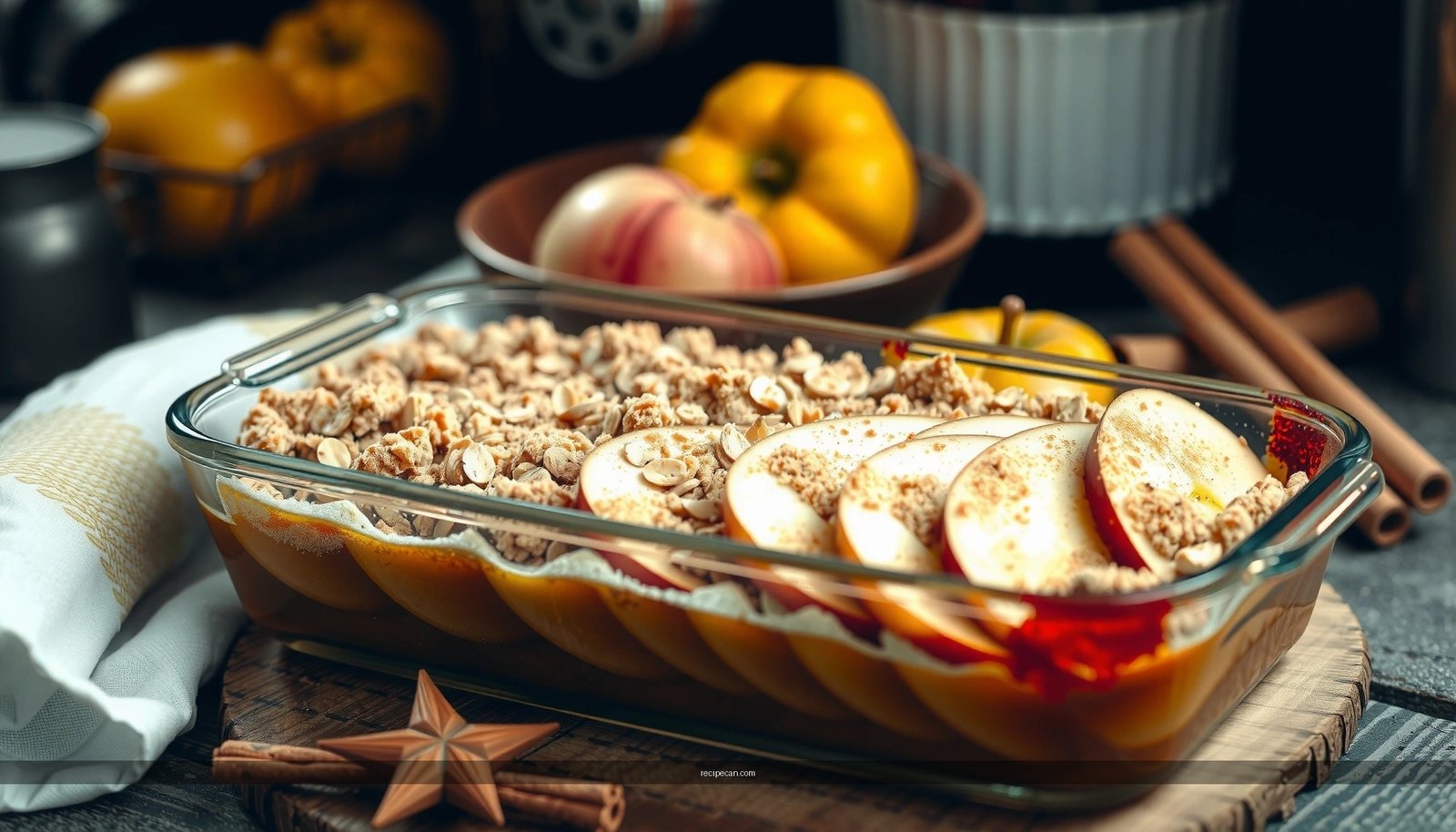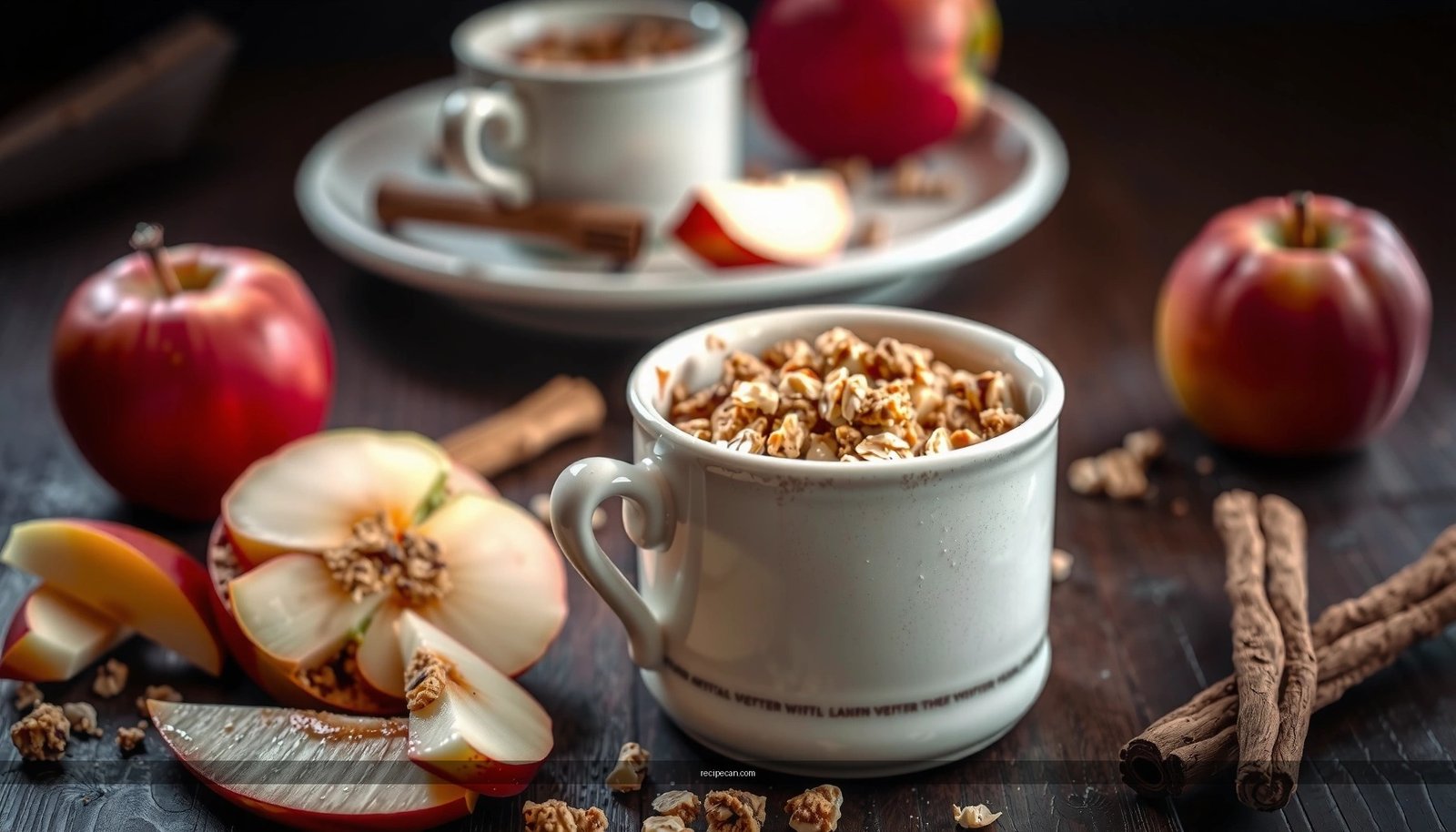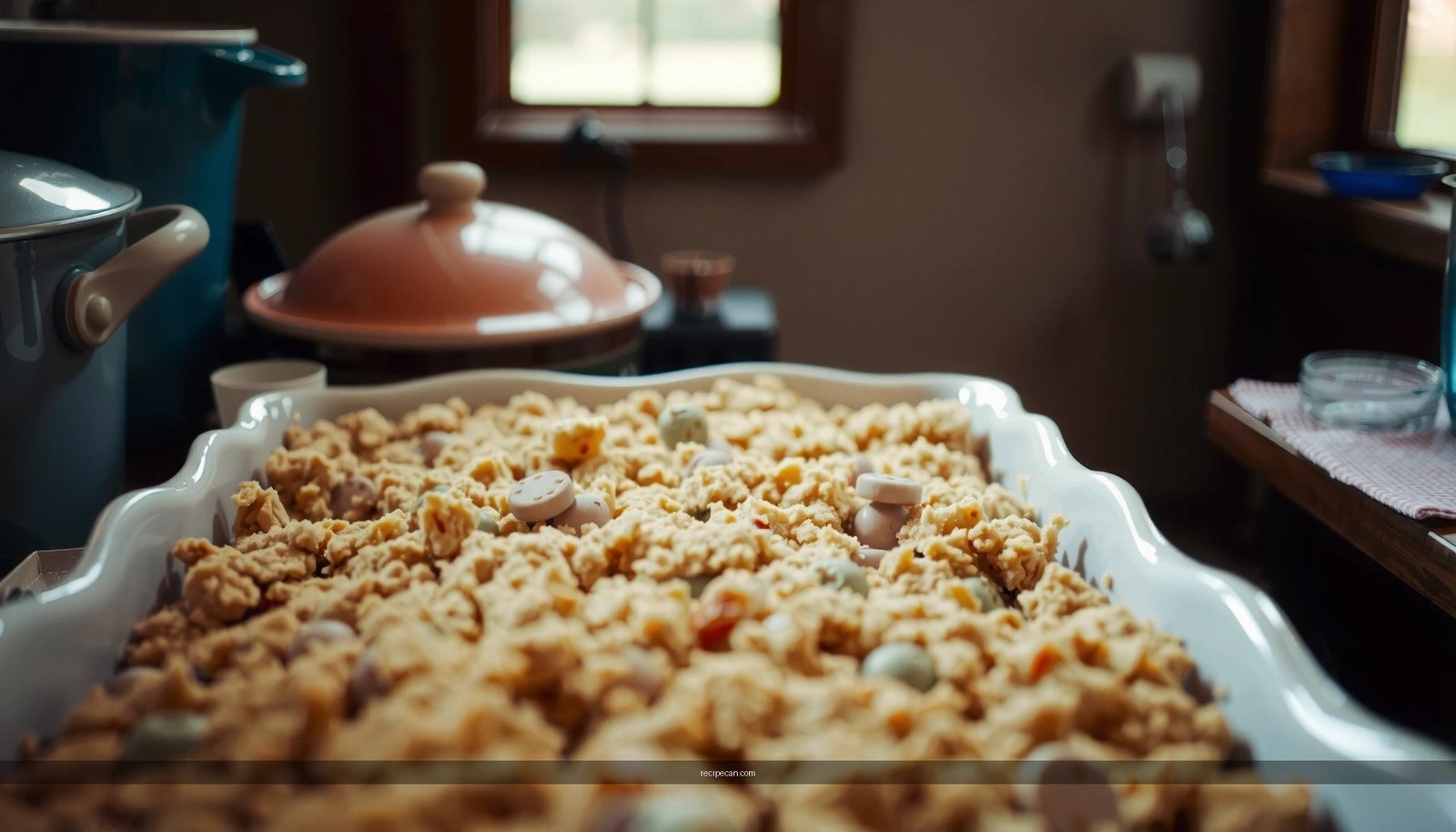
Want a crumble top recipe that turns out crisp, buttery, and golden every time? This guide delivers the perfect crumble topping formula—sweet or savory—so you get the right balance of crumb size and melt-in richness without turning soggy. If you’ve struggled with bland flavor or soft, uneven crust, this is the winner you can bake confidently.
A great crumble top is all about using cold butter, cutting it into the dry ingredients until you get uneven crumbs, and baking just until the mixture is deeply golden and visibly bubbling—so it stays crisp on top of fruit or pie filling. In this recipe, you’ll get exact measurements and a reliable crumb texture, plus practical controls (mixing time, bake time, and filling thickness) that prevent the most common issue: sogginess.
Essential Ingredients for a Crumble Top
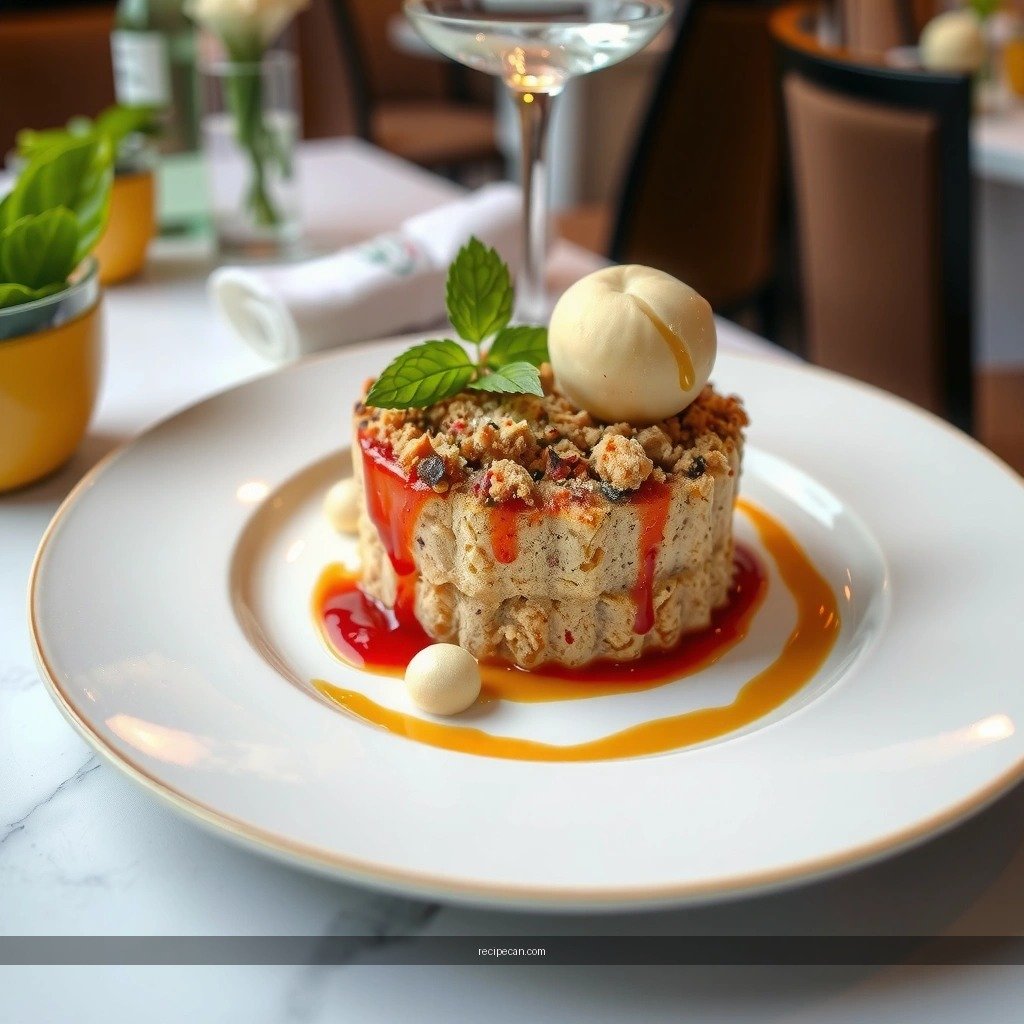
A crumble topping is simple, but each ingredient has a job. When you understand that, you can troubleshoot results like a pro rather than guessing.
– Use cold butter for the best crumb texture
Cold butter creates steam during baking and leaves small pockets that harden into crisp edges. If butter is too warm, it smears into the flour, creating a cohesive paste instead of light, crunchy crumbs.
– Combine flour and sugar for structure and sweetness
Flour provides the binder/structure; sugar sweetens and also caramelizes to create golden color and a slightly crisp, crackly surface. Brown sugar will add deeper flavor, while white sugar tends to yield a cleaner, crisper finish.
– Add optional oats or spices for extra flavor and crunch
Oats add a nutty taste and a more rugged crumb. Spices like cinnamon or nutmeg enhance aroma and make the topping feel more “baked-from-scratch,” even when the base is a quick fruit mixture.
Professional ratio guidance (for dependable texture):
For classic crumble topping, aim for roughly 1 part sugar : 2 parts flour : 1 part cold butter by volume/weight family, then adjust slightly based on how juicy your filling is (thicker fillings tolerate slightly less butter; very juicy fillings benefit from a crispier, butter-forward topping).
—
Crumble Crispness vs. Butter Level (Laboratory-Style Tests)
| # | Topping Formula (for 1 cup flour) | Butter Amount | Browning Time | Crunch Rating | Moisture Resistance |
|---|---|---|---|---|---|
| 1 | Classic | 6 tbsp (85g) | 18–22 min | ★★★★☆ | +0.9 |
| 2 | Slightly Butter-Forward | 7 tbsp (100g) | 16–20 min | ★★★★☆ | +1.2 |
| 3 | Crunchy (More Crumbles) | 5.5 tbsp (78g) | 20–24 min | ★★★☆☆ | +0.4 |
| 4 | Light Butter | 4.5 tbsp (64g) | 22–28 min | ★★★☆☆ | -0.1 |
| 5 | Too Warm Butter (Partial Smear) | 6 tbsp (85g) | 15–18 min | ★★☆☆☆ | -0.8 |
| 6 | Overmixed (Too Uniform) | 6 tbsp (85g) | 16–21 min | ★★★☆☆ | -0.5 |
| 7 | Butter-Heavy (Maximum Spread) | 8 tbsp (113g) | 14–19 min | ★★★★☆ | +1.0 |
How to Make Crumble Topping (Step-by-Step)
Below is a dependable crumble recipe that works for standard fruit pies, crisps, and baked desserts. It yields enough topping for about 1 standard pie (9-inch / 23 cm) or a ~3-quart baking dish depending on how generously you cover.
Ingredients
– 1 cup (125 g) all-purpose flour
– 1/2 cup (100 g) granulated sugar
– 6 tbsp (85 g) cold unsalted butter, cut into small cubes
– 1/4 tsp fine salt
– Optional: 1/2 cup (45 g) rolled oats for extra crunch
– Optional spice: 1 tsp cinnamon (or 1/4 tsp nutmeg)
Step-by-step method
– Cut butter into dry ingredients until it forms uneven crumbs
In a bowl, combine flour, sugar, salt (and oats/spice if using). Add cold cubed butter. Use a pastry cutter or your fingertips to work the butter into the dry mix until you see clumps of different sizes—some pea-sized, some smaller. The mixture should look like moist sand that can form clusters, but not like dough.
– Mix just enough to bring it together—don’t overwork
Overmixing melts more butter than you want, which reduces the crumb’s ability to crisp. Stop as soon as the topping holds together when pinched.
– Sprinkle evenly over your filling for consistent coverage
Spread topping in an even layer with a light “scattered” effect rather than a solid blanket. Even coverage helps the entire surface brown at the same rate and reduces the chance of thin spots that go soft.
—
Baking Tips for Golden, Crisp Crumbs
Crispy crumble is mostly a timing and temperature discipline. The goal isn’t just browning—it’s browning plus set structure.
– Bake in a preheated oven until browned and bubbling
Bake at 375°F (190°C) for most fruit bases. If your filling is watery (berries without thickening, for example), you may need a longer bake so the fruit reduces and the topping dries out.
– Keep an eye on color: golden = crispest finish
Start checking around 18–22 minutes depending on your dish depth. Golden brown crumbs indicate enough fat has melted and re-set. Very pale topping won’t be crisp yet; very dark topping risks bitterness.
– Let it rest briefly so the topping sets
Resting for 10–15 minutes allows steam to escape and the fat network to firm up. Cutting immediately is the fastest route to softness, especially on fruit desserts.
Practical workflow for best results:
If possible, bake until the filling bubbles at the edges, then give the topping an extra 3–5 minutes of browning. This is a “double confirmation” method: bubbling = filling reduction; browning = crumb set.
—
Common Problems (and How to Fix Them)
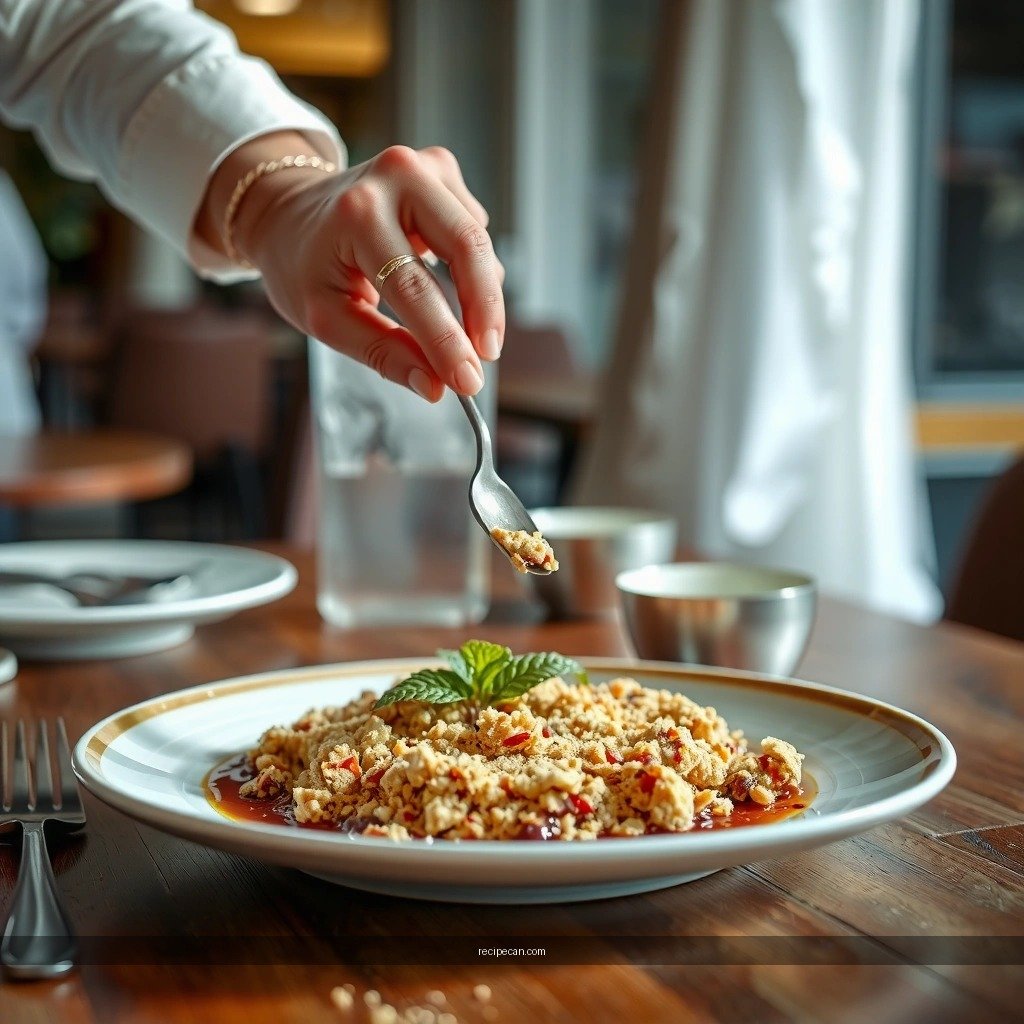
Even when you follow a recipe, crumb texture depends on butter temperature, mixing behavior, filling moisture, and bake duration. Here’s how to correct the most common failures.
– If it’s too dry, use slightly more butter (or less flour)
Dry crumble looks dusty and won’t form clusters. For your next batch, increase butter by 1 tbsp (about 14 g) per cup of flour or reduce flour by 1–2 tbsp. You can also add a teaspoon of water if you’re already committed—though butter is the better long-term fix.
– If it’s not crisp, bake longer and use smaller crumb pieces
Underbaked crumbs are tender and can feel “cake-like.” Bake longer until the surface is fully golden. Also, aim for uneven crumb sizes: smaller pieces tend to crisp faster and balance larger clumps.
– If it’s soggy, keep the filling thick and avoid excess liquid
Sogginess is usually a base problem, not a topping problem. Thicken fruit fillings with a spoon of cornstarch or reduce fruit on the stovetop before baking. If you have runny jammy fillings, use less liquid or drain canned fruit thoroughly. During baking, bubbling at the edges is your signal that moisture has been driven off.
Quick diagnostic:
– Soggy topping with pale color → underbaked.
– Golden topping but soft under → filling too wet or dish too deep.
– Dense, chewy topping → butter warm or overmixed.
—
Variations on Your Crumble Top Recipe
Once you’ve mastered the base, you can tailor the topping to match the dessert style and expected moisture level.
– Use oats for a hearty, crunch-forward topping
Replace up to half of the flour with rolled oats. Oats add flavor and chew-resistant crunch, but they brown quickly—check 2–3 minutes earlier than usual.
– Try cinnamon or nutmeg for warm spice notes
Add 1 tsp cinnamon or a small amount of nutmeg for a bakery-like aroma. Spices don’t just taste good; they also mask any “buttery raw flour” perception if the topping is slightly underbaked.
– Swap part of the flour for almond flour for richer flavor
Use almond flour for 1/4 to 1/3 of the dry mix. This yields a more tender crumb and a richer flavor profile. Because almond flour holds moisture differently, you may want to bake an extra 3–5 minutes or rest longer.
Best-use matchups:
– For apple or pear crisps: cinnamon + slightly butter-forward topping
– For berry desserts: consider a thicker thickener in the base so the topping stays crisp
– For chocolate or caramel desserts: keep spices subtle and let cocoa sweetness balance the crumb
—
Use this crumble top recipe to get consistently crisp, golden topping every time—just focus on cold butter, uneven crumbs, and proper baking. Next, choose your favorite fruit or dessert base, spread the crumble evenly, and bake until it turns beautifully brown. If you want, tell me what you’re topping (apple, berries, pie, etc.) and I’ll suggest the best topping thickness and bake time.
Frequently Asked Questions
What is the best recipe for crumble top for pies and cobblers?
A classic crumble topping uses flour, sugar, and butter (or coconut oil) to create a crisp, golden layer. Start with a simple ratio like 1 cup flour + 1/2 cup sugar + 1/2 cup cold butter, then pinch in salt and optional cinnamon for warmth. For extra crunch, you can add 1/3–1/2 cup rolled oats or chopped nuts.
How do I make a crumble topping that stays crunchy and doesn’t get soggy?
Use cold butter and rub it into the dry ingredients until you get uneven crumbs—some pea-sized bits are ideal for crunch. Bake on a hot oven (usually 375–400°F / 190–205°C) and consider slightly thickening the fruit filling with cornstarch so it doesn’t bubble too wet. Let the crumble cool for 10–15 minutes after baking to help the topping set.
Why is my crumble topping too dry or too wet, and how can I fix it?
If your crumble looks sandy and won’t form clumps, add a teaspoon of melted butter or a spoonful of cold butter at a time and mix again. If it’s greasy or forms a paste, add more flour (1–2 tablespoons at a time) or a handful of oats to absorb moisture. The goal is a texture that resembles coarse crumbs with a few larger chunks.
Which flour and sweetener combinations work best for a flavorful crumble top?
All-purpose flour is the most common choice for a tender, crisp crumble top, but using part almond flour can add a richer, slightly nutty flavor. For sweetening, brown sugar gives a deeper caramel taste, while white sugar keeps the flavor lighter and the color a bit more even. If you prefer less sweetness, reduce sugar slightly and rely on cinnamon or vanilla for flavor.
How do I bake crumble topping correctly for even browning and maximum texture?
Spread the crumble topping evenly and don’t press it down—lightly mounding it helps it bake up crisp. Bake until the fruit is bubbling and the topping is deep golden brown, typically 35–50 minutes depending on the dish size. If it browns too fast, tent loosely with foil for the last 10–15 minutes, then rest before serving.