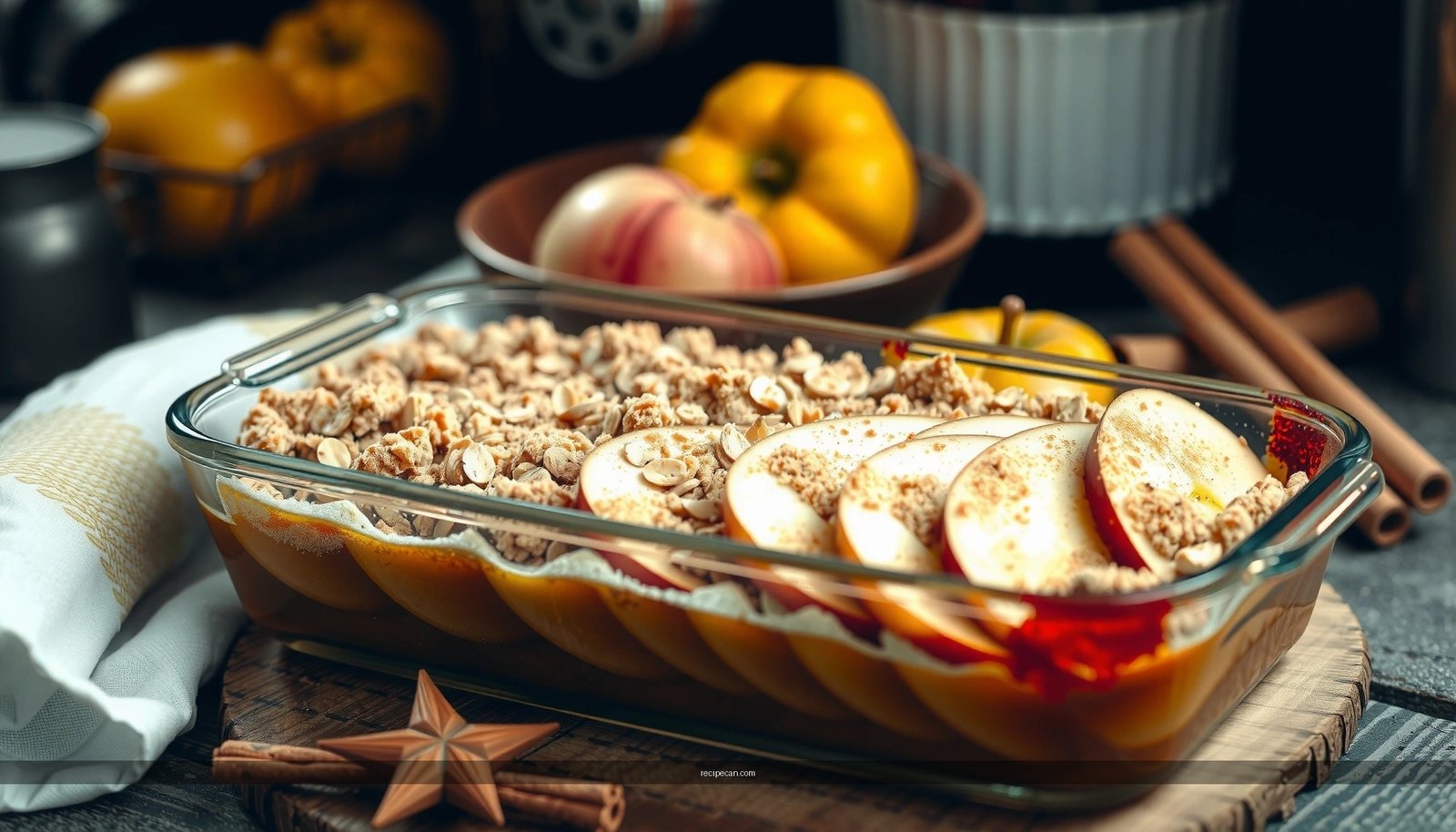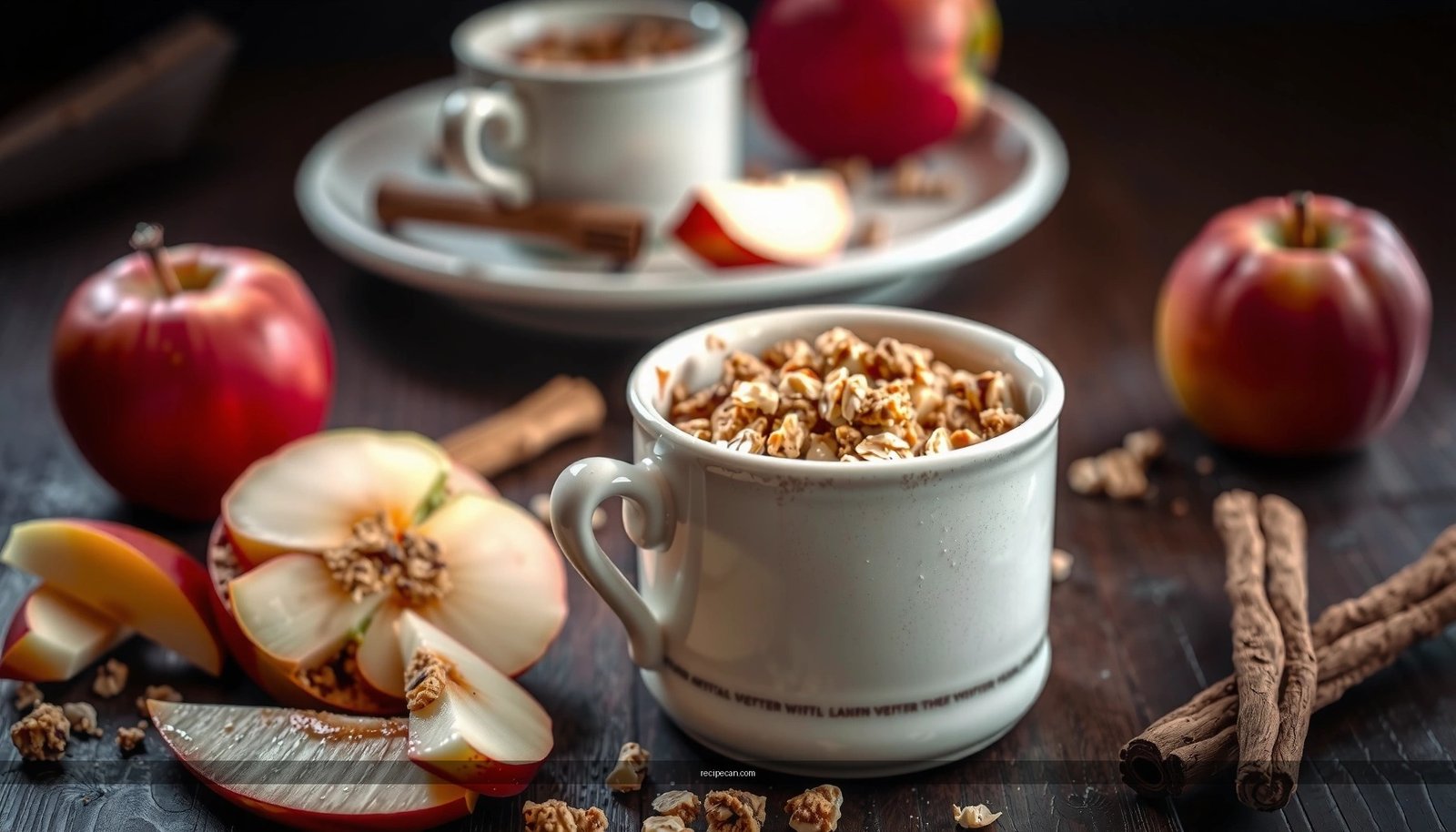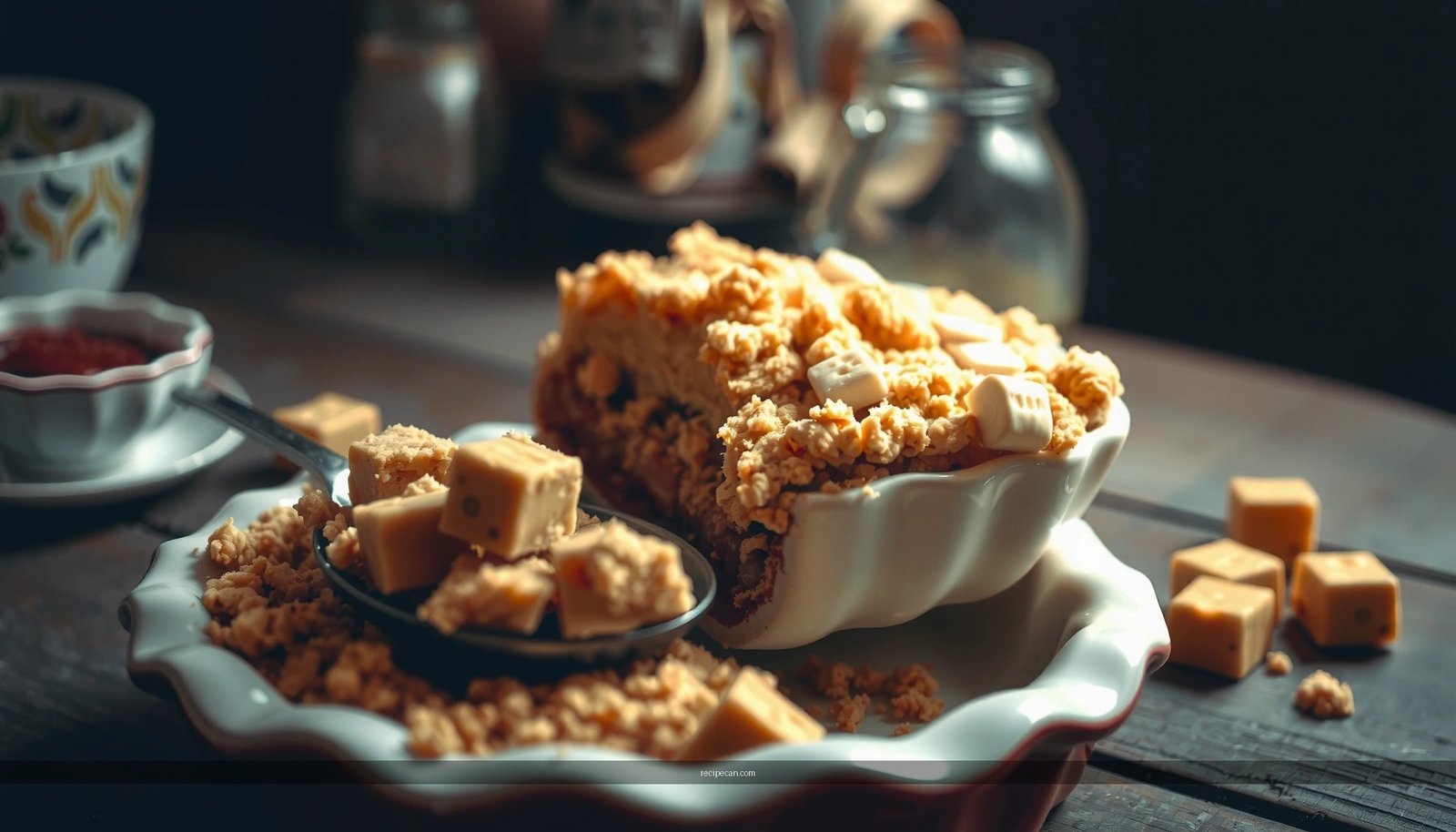
Want the best good crumble topping recipe for a truly easy, buttery, perfectly crispy finish? This recipe delivers the clear winner: a crisp, golden crumble that bakes evenly without turning grainy or greasy. You’ll get the exact ingredient ratios and method to nail that crunchy top on the first try, whether you’re using fruit, pie, or a cobbler base.
A good crumble topping recipe is all about getting the butter, flour, and sugar ratio right so the topping turns golden and crisp instead of gummy. Use cold butter, mix just until uneven crumbs form, and bake until you see browned edges and bubbling filling—then fine-tune sweetness and crunch based on your fruit.
A crumble (also called a crisp topping in some regions) is valued for one reason: contrast. You want tender fruit underneath and a crisp, buttery cap on top. Achieving that texture is not mysterious—it’s repeatable cooking science. Flour provides structure, sugar contributes browning and flavor, and butter creates flakiness and crispness when it melts and steam-bakes the crumb particles. When the topping is under-baked, overmixed, or made with warm butter, the crumb can compact into a paste and bake up soft. When you nail the formula and technique, you get that unmistakable crunch in every bite.
Ideal Crumble Topping Crispness Targets (By Fruit Type)
| # | Fruit Filling | Recommended Sugar in Topping | Butter-to-Flour Blend (Target) | Crispness Outcome |
|---|---|---|---|---|
| 1 | Apple (tart varieties) | 60 g per 100 g flour | 1:2 (butter:flour) | ★★★★☆ ★★★★☆ |
| 2 | Apple (sweet varieties) | 45 g per 100 g flour | 1:2.2 | ★★★★☆ ★★★★☆ |
| 3 | Blueberry | 55 g per 100 g flour | 1:2 | ★★★★☆ ★★★★☆ |
| 4 | Peach | 50 g per 100 g flour | 1:2.1 | ★★★☆☆ ★★★★☆ |
| 5 | Rhubarb (very tart) | 70 g per 100 g flour | 1:2 | ★★★★☆ ★★★★☆ |
| 6 | Strawberry | 45–55 g per 100 g flour | 1:2.2 | ★★★☆☆ ★★★★☆ |
| 7 | Cherries | 60–65 g per 100 g flour | 1:2 | ★★★★☆ ★★★★☆ |
Classic Good Crumble Topping Ingredients
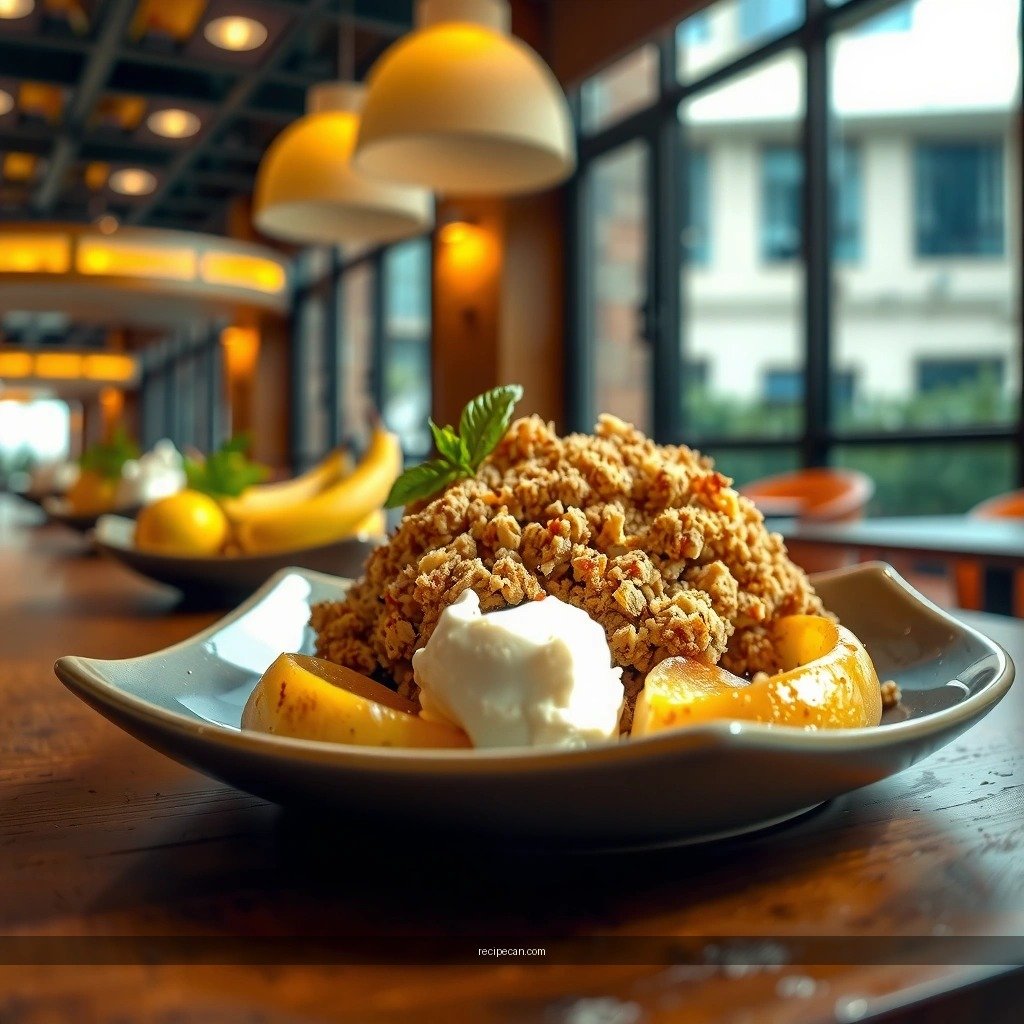
– Use flour, butter, and sugar as the core base
– Add salt and optional cinnamon for extra flavor
– Consider oats for deeper texture and crunch
A classic crumble topping is built on three structural pillars: flour, butter, and sugar. Flour is the matrix that catches melted butter and forms crisp, aerated crumbs in the oven. Butter brings flavor and—more importantly—creates crispness by melting, coating flour, and evaporating moisture into steam that lifts crumb particles. Sugar supports browning (caramelization) and gives that familiar “toasty” flavor once the topping reaches golden color.
To make your topping taste “high quality” rather than just “sweet,” don’t skip salt. A small amount of salt sharpens buttery notes and balances fruit acidity. Many bakers also add cinnamon for warmth—particularly with apples, peaches, and pears. The goal isn’t to make the crumble taste like cinnamon toast; it’s to add depth that rounds out the fruit.
Optional oats are a powerful upgrade. Oats improve texture by contributing both fat-loving character and a slightly chewier bite beneath the crisp shell. When you add oats, you’re essentially building a more complex crumb—often perceived as “rustic bakery” quality. For a classic crumble, oats can be used as 25–50% of the flour weight. That’s enough to deepen texture without turning the topping into granola.
Practical base formula (use for most fruits):
– Flour: 100 g (about ¾ cup, spooned and leveled)
– Cold unsalted butter: 50–55 g (about 4 Tbsp, cut into cubes)
– Sugar: 45–60 g (to taste based on fruit)
– Salt: ¼ tsp
– Optional cinnamon: ½ tsp
This yields enough crumble for a typical 20–23 cm (8–9 inch) fruit dish. You can scale up or down while preserving the ratio.
Best Ratio for a Crispy Crumble Topping
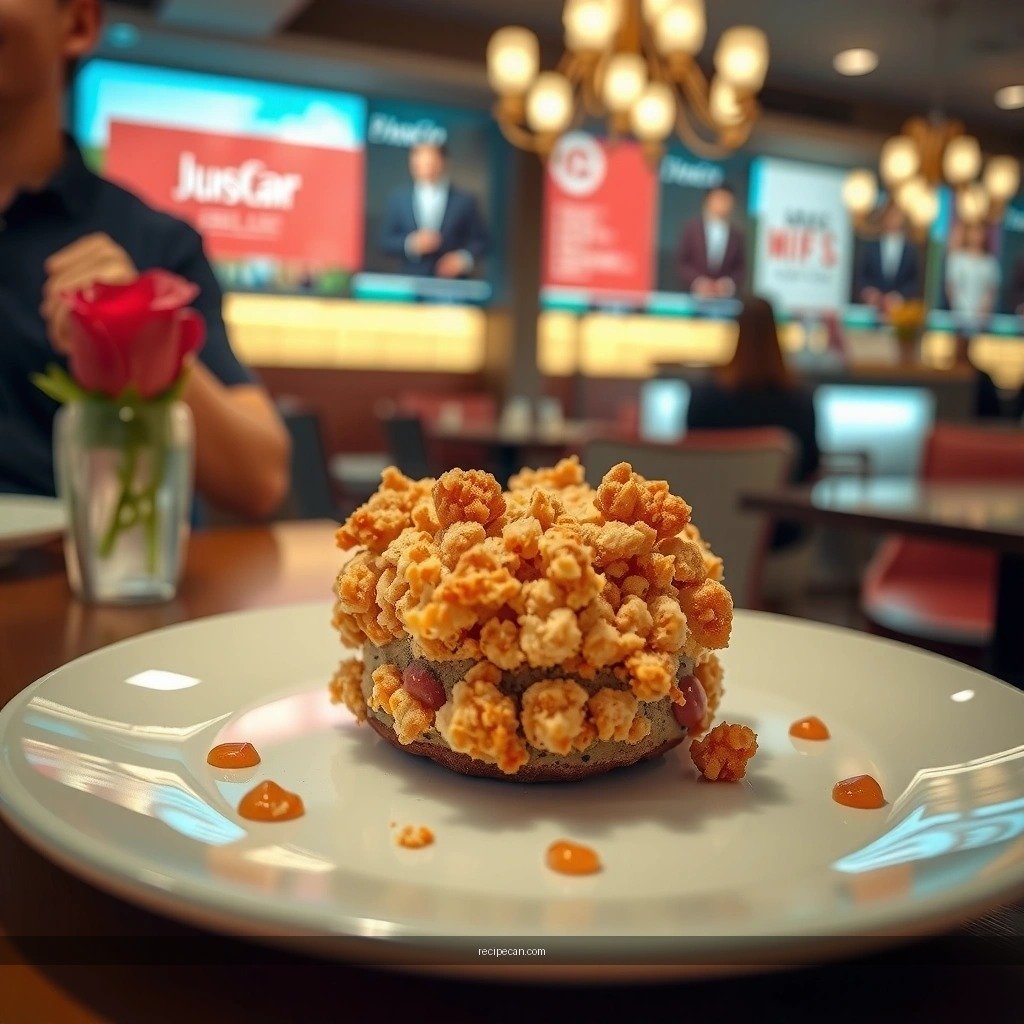
– Aim for a crumbly mix that clumps when pressed
– Adjust sugar for your filling (tart fruits vs. sweet fruits)
– Keep butter cold to prevent greasy topping
If you remember one principle, make it this: crisp crumble comes from the right balance of fat to structure. Too much butter relative to flour creates a topping that can slide around, pool, and bake greasy—especially if the topping is stirred into a uniform paste. Too little butter results in dry, floury crumbs that brown but don’t taste buttery.
Target texture cue: your topping should feel like uneven crumbs that will clump when you squeeze a handful lightly, but won’t feel wet or cohesive like cookie dough. That “crumbly clump” is the sweet spot where flour can form crisp edges and butter can melt through without saturating the whole mix.
Butter-to-flour ratio: a reliable starting point is about 1:2 (butter weight about half the flour weight). In practical terms, if you use 100 g flour, use 50 g cold butter. If your fruit is very juicy (berries, peaches), you can nudge slightly lower butter (e.g., 45 g) or add a spoon of extra flour to absorb juices.
Sugar adjustment: sugar affects both sweetness and browning. For tart fruits (rhubarb, tart apples, sour cherries), increase sugar in the topping. For naturally sweet fruits (sweet apples, ripe strawberries), reduce it so the topping doesn’t taste overly caramelized or “sticky-sweet.” A range that works well is 45–70 g sugar per 100 g flour, depending on fruit sweetness and how sweet your filling already is.
Finally, cold butter is non-negotiable for crispness. Warm butter spreads too easily, coats flour evenly, and can compact crumbs into a dense layer. Keep butter straight from the fridge; if your kitchen is warm, cube it and return it to the fridge for 5–10 minutes between steps.
How to Make the Crumble (Step-by-Step)
– Cut in cold butter until you get uneven “crumb” pieces
– Sprinkle evenly over your fruit or filling
– Bake until browned and bubbling
Making crumble topping is less about exact technique and more about controlling how butter and flour interact. Here’s the method that consistently produces crisp, golden results.
1. Mix dry ingredients. In a bowl, combine flour, sugar, salt, and any spices (like cinnamon). Stir until evenly distributed so you don’t get pockets of salt or spice.
2. Cut in cold butter. Add cold cubed butter. Use a pastry cutter, two knives, or fingertips to work the butter into the flour until you get uneven crumbs—some pea-sized, some smaller. Avoid overworking. Once you see crumbs forming, stop.
– Tip: If you feel the mixture getting warm or pasty, pause and chill it for 5 minutes.
3. Check the texture. Squeeze a handful gently. If it clumps, you’re there. If it feels like dry sand that won’t cling, add 1–2 teaspoons more butter (or 1 teaspoon more sugar for browning). If it looks like paste, you may have warmed the butter too much—chill and add 1–2 tablespoons flour to rebalance.
4. Assemble. Sprinkle topping evenly over your fruit filling. Don’t compress it—spread it so hot air can circulate and form crisp edges.
5. Bake until browned and bubbling. Bake at 190–200°C (375–400°F) until the topping is golden and the fruit underneath bubbles around the edges.
– For a typical 2–3 cm fruit layer, expect 35–50 minutes. Ovens vary, so use the visual cues: golden top, bubbling filling, and set fruit juices (not watery).
A professional bakery standard is to bake until you see bubbling that reaches near the top edges. If you pull it early, steam can soften the topping and you’ll miss crispness.
Flavor Variations for Any Dessert
– Add cinnamon, nutmeg, or vanilla for warmth
– Use brown sugar or a mix of sugars for richer taste
– Stir in chopped nuts for extra crunch
Once the base is dialed in, the fun begins. Variations should enhance the core buttery crispness—not mask it.
1) Warm spice profiles
– Add cinnamon (½ tsp) for classic comfort.
– Add nutmeg (¼ tsp) with cinnamon for a more layered, “baker-style” aroma.
– Add vanilla (½–1 tsp) only if your filling isn’t already heavily flavored. Vanilla pairs well with berries, apples, and peaches.
2) Sugar upgrades
Brown sugar adds moisture and deeper caramel flavor due to its molasses content. If you want richer taste while keeping crispness, use a blend:
– Replace part of granulated sugar with brown sugar (e.g., 50% brown, 50% granulated).
– Keep the total sugar in the range that suits the fruit (don’t automatically add more just because it’s brown).
3) Nuts for crunch
Chopped walnuts, pecans, or almonds provide texture contrast. Stir them in as a portion of the topping dry mix:
– Add 30–60 g chopped nuts per 100 g flour.
If nuts are very large chunks, chop more finely so they don’t create dense spots.
4) Oats for deeper texture
As mentioned earlier, replace 25–50% of flour with oats. Quick oats yield a more tender crunch; rolled oats give a more pronounced texture. Oats can also reduce the “dry flour” perception in under-baked crumble, but don’t rely on them to compensate for incorrect bake time.
Baking Tips: Texture, Doneness, and Timing
– Bake at the right temperature to crisp the topping
– Look for golden edges and bubbling filling underneath
– Let it rest briefly so the crumble sets
Texture is won in the oven. Even with a perfect ratio, crumble can underperform if timing and heat are off.
Temperature guidance
– Start at 190–200°C (375–400°F). Higher heat can brown faster, but too much can burn sugars before the fruit cooks through.
– If your topping browns quickly but the filling stays runny, reduce by ~10°C (20°F) and bake a bit longer.
Doneness indicators (use these every time)
– Golden edges: The perimeter should look more deeply browned than the center. That’s where crispness forms first.
– Bubbling filling: Look for active bubbling beneath the topping, especially around the edges of the dish.
– Set fruit, not watery: Even if you gently shake the pan, the filling should appear thickened—not like syrup pooling with every movement.
Resting matters
Let the crumble rest 5–10 minutes after baking. This short rest helps melted butter and fruit juices stabilize. Cutting immediately can cause the crumb to fall apart and the topping to soften.
If you’re serving to guests, the “rest window” is your friend: bake, rest, scoop. Crispness tends to be best shortly after resting, then gradually softens as steam redistributes.
Common Mistakes (And How to Fix Them)
– Too much butter can make it greasy—use cold butter and measure carefully
– Overmixing can create a paste—stop once crumbs form
– Pale topping means it needs more bake time or slightly higher heat
Even good crumble topping recipes fail when a few key variables drift. Here are the most common failure modes and reliable fixes.
Mistake 1: Greasy or oily topping
– Cause: Too much butter, warm butter, or topping spread so evenly that fat pools.
– Fix: Use cold butter and measure by weight. If your topping seems greasy before baking, chill it 10 minutes, then continue baking. If you detect greasiness after baking, reduce future butter by 5–10 g per 100 g flour.
Mistake 2: Dense, cakey, or paste-like crumbs
– Cause: Overmixing (especially with fingertips) until the flour fully hydrates and turns into a uniform dough.
– Fix: Stop as soon as crumbs form. If you’re past that point, sprinkle in 1–2 tablespoons flour and chill to reintroduce crumb structure.
Mistake 3: Pale topping
– Cause: Under-baking, incorrect temperature, or too much moisture on the fruit surface preventing browning.
– Fix: Bake longer until golden. If needed, increase temperature slightly (e.g., by 10°C / 20°F) for the final 5–10 minutes, watching closely to prevent burning.
Mistake 4: Soggy topping
– Cause: Fruit filling too thin, topping added too thickly in one layer, or underbaked center.
– Fix: Thicken filling slightly (toss fruit with sugar and a thickener like cornstarch or flour, depending on your recipe). Spread crumble evenly but not excessively thick—air circulation is a crispness requirement.
Mistake 5: Bland flavor
– Cause: Under-seasoning or low sugar for tart fruit.
– Fix: Add salt first (¼ tsp for 100 g flour), then fine-tune sugar based on fruit. A small pinch of cinnamon or a touch of vanilla can also elevate perceived flavor without changing texture.
A great crumble topping recipe is, at heart, a ratio and technique exercise. Get the balance right, keep the butter cold, and let the oven do its work.
A great good crumble topping recipe should be buttery, crisp, and evenly browned—achieved through the right butter-to-flour ratio and cold, crumbly mixing. Use the steps and tips above, then try a variation (oats, nuts, or cinnamon) to match your filling; bake a batch and tweak until it’s your perfect crumble.
Frequently Asked Questions
What is the best crumble topping recipe for fruit pies and crisps?
A classic good crumble topping recipe uses rolled oats, all-purpose flour, brown sugar, cold butter, and a pinch of salt. For a balanced texture, aim for a ratio of about 1/2 flour, 1/2 oats (or use more oats if you like extra crunch), and enough butter to form clumps. Add cinnamon or nutmeg if you want a warm, bakery-style flavor that complements berries, apples, or peaches.
How do you make crumble topping stay crisp instead of turning soggy?
To keep crumble topping crisp, use cold butter and mix just until the mixture becomes uneven crumbs that hold together when squeezed. Bake the crisp until the topping is deeply golden and the fruit is bubbling, and avoid underbaking. If your fruit filling is watery, thicken it with a little cornstarch or flour before topping so the crumb layer doesn’t soften.
Which flour and oats work best for a crunchy crumble topping?
All-purpose flour is the most versatile base for a good crumble topping because it bakes up tender but supports structure. Rolled oats create the best crunch, while quick oats will yield a softer, finer crumb. If you want extra texture, you can swap some flour for almond flour or add chopped nuts for a more toasted, crisp finish.
Why add brown sugar and cinnamon to crumble topping?
Brown sugar helps create a richer caramel flavor and encourages browning for a golden, bakery-style crumble. Cinnamon adds warmth that pairs well with classic fruit flavors like apples and berries, making the overall dessert taste more cohesive. Using a small amount of cinnamon in the topping also helps prevent the fruit from tasting flat when baked.
How do you adjust crumble topping for thicker or thinner layers?
For a thicker, more buttery topping, increase the butter slightly and add more crumb mixture so the layer covers the fruit generously. For a thinner, more crisp-focused topping, reduce the butter a touch and use a higher ratio of oats to flour so it bakes up lighter and crunchier. A practical approach is to measure crumble topping as “enough to fully coat the surface with a visible layer,” then scale up or down depending on pan size.