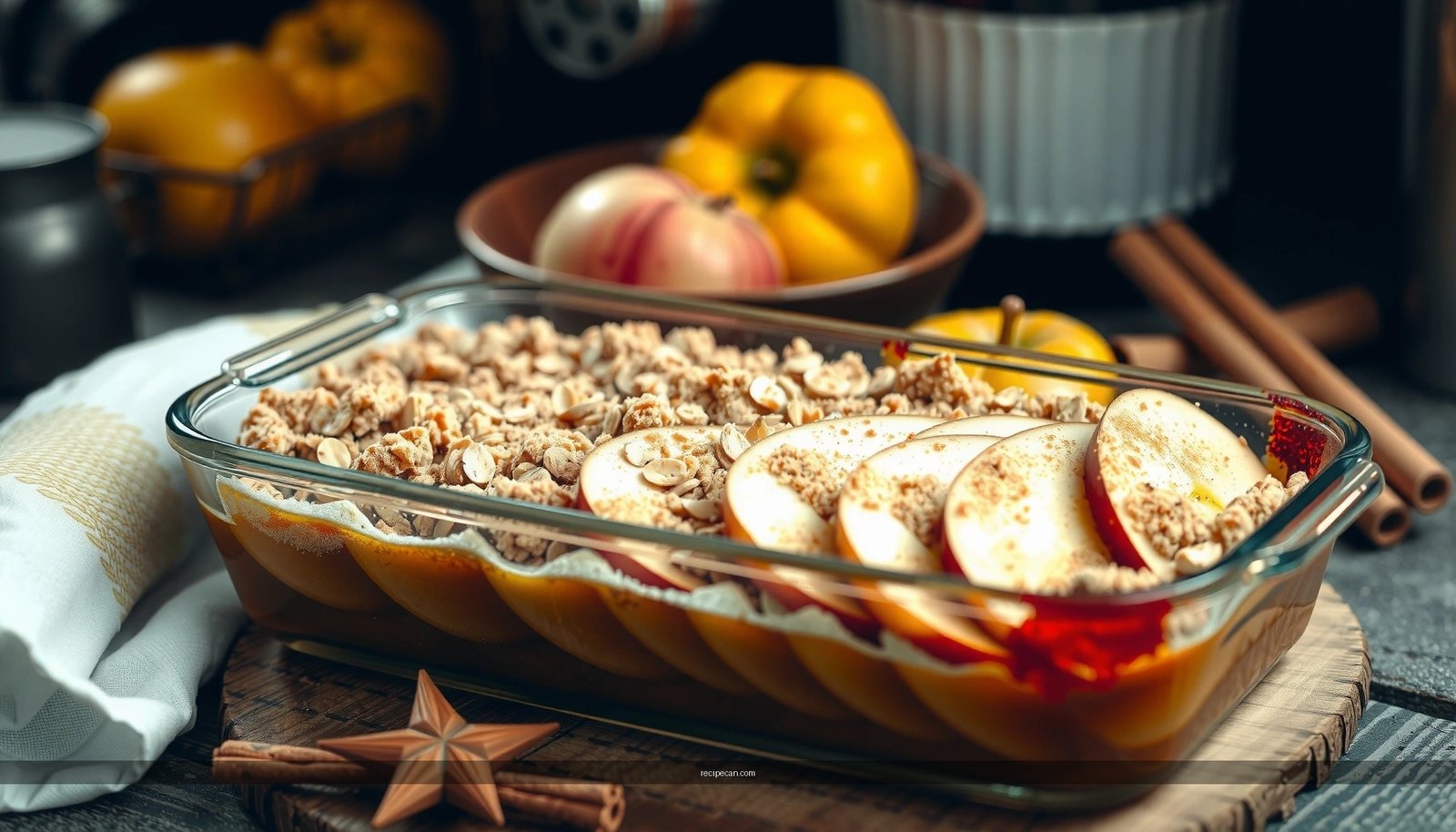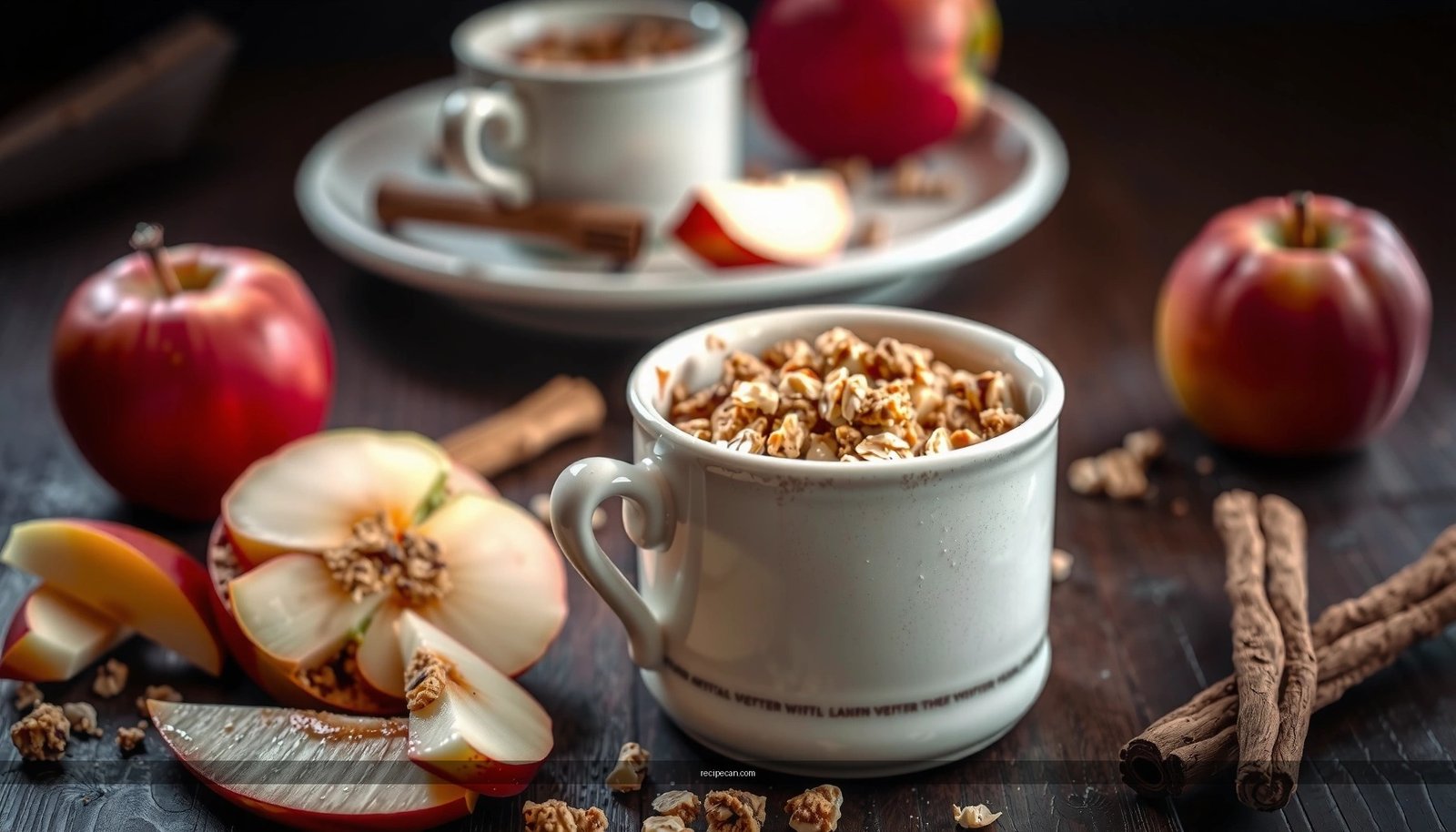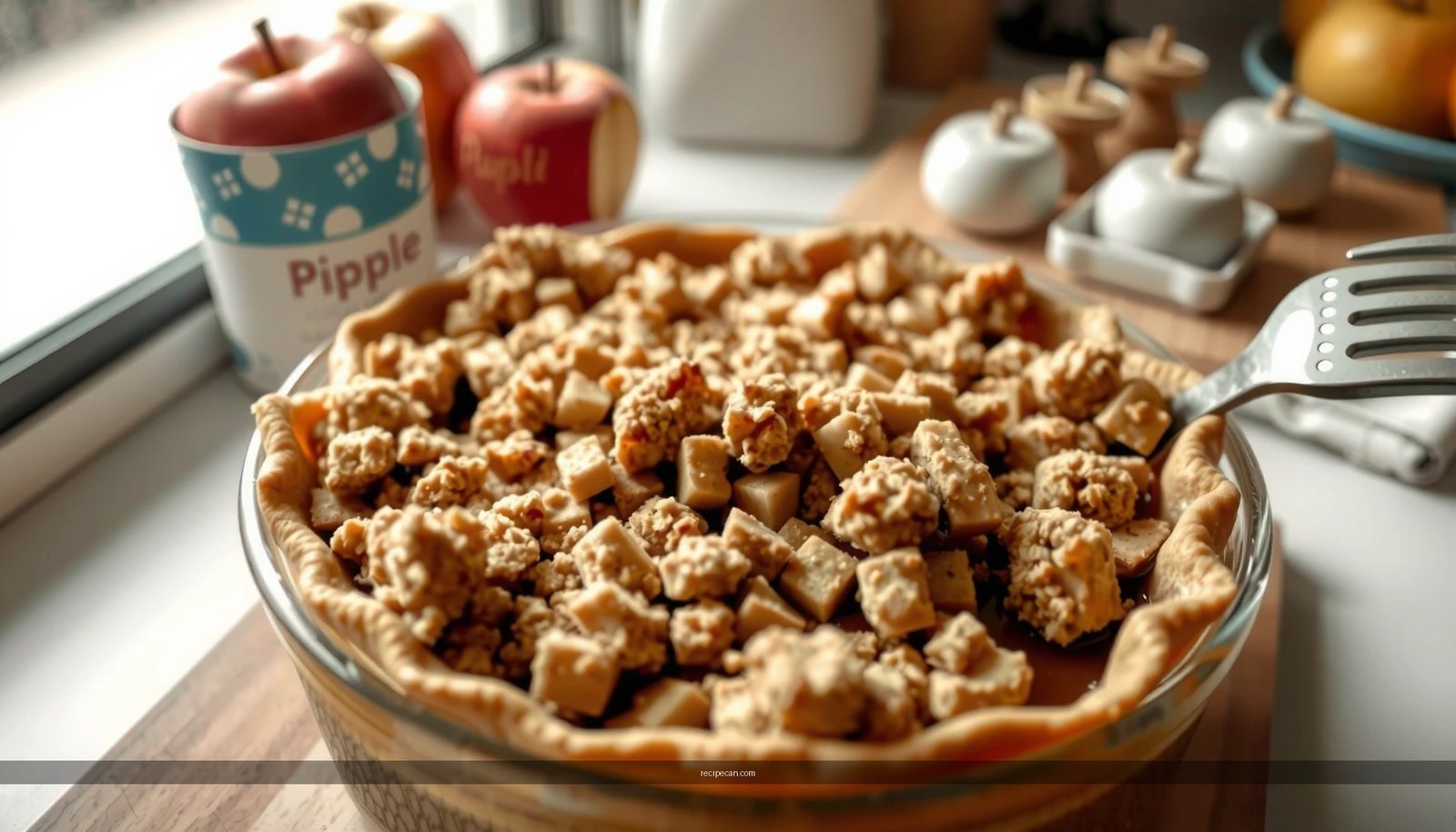
Crumble topping for apple pie delivers the easiest path to a perfectly crisp, golden finish—no complicated lattice, no guesswork. This recipe is built to stay crunchy under juicy apples, with the right ratio of butter, sugar, and flour for a true crumbly bite. If you want the topping that reliably turns out crisp every time, this is the winning method.
Make a crisp, golden crumble topping by using cold butter, mixing just until it forms clumps, and baking until deeply browned—then let the pie rest so the topping sets without going soggy. In this recipe guide, you’ll learn exactly how to build a thick, even apple pie crumble, how to tune the texture (more crunch vs. more tender), and which baking moves reliably deliver that signature bakery-style crisp.
Best Ingredients for Crumble Topping
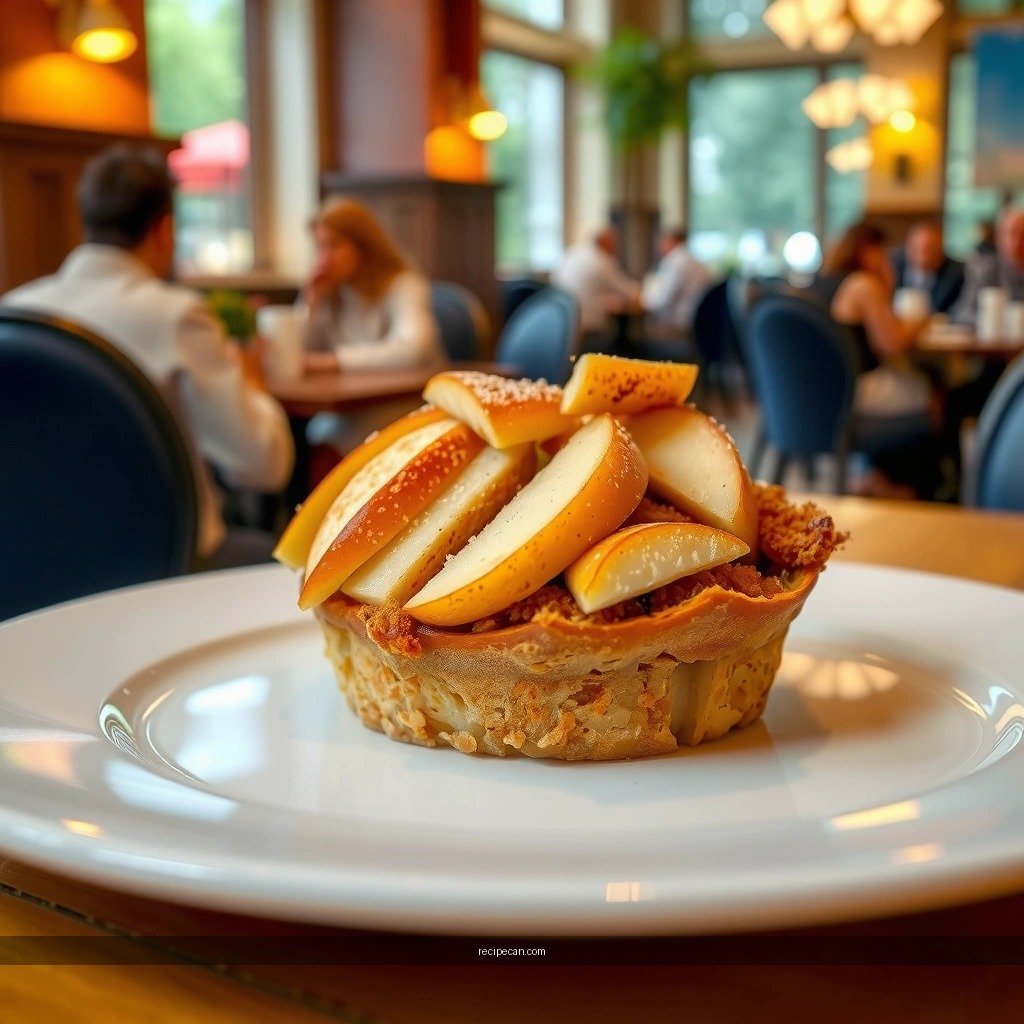
The foundation of great crumble topping is a simple ratio: flour for structure, sugar for sweetness and browning, and cold butter for crunch. When cold butter is cut into the dry ingredients, it creates pockets of fat that melt in the oven—those pockets expand into uneven, crunchy clusters. Add oats if you like, but only if you treat them as a texture enhancer rather than a replacement for fat-boosting butter.
– Use flour, brown sugar (or white sugar), and cold butter for the classic crumble texture
– Flour: Provides gluten structure to “hold” crumble bits as they bake, helping them stay crisp instead of turning into a flat streusel dust.
– Sugar: Drives caramelization.
– Brown sugar (often best for apple pie) adds molasses flavor and deeper browning.
– White sugar yields a slightly sharper sweetness and can crisp up a touch faster.
– Cold butter: The most important texture ingredient. If the butter warms while you mix, the crumble can become sandy and won’t form satisfying clumps.
– Optional: add rolled oats for extra crunch and better browning
Rolled oats add “tooth” to the topping—chewy-crisp rather than glassy-crisp. They also improve browning because they toast as they bake. Use oats to complement flour, not to replace it completely. A common, reliable approach is to swap a portion of flour (for example, 20–40%) with rolled oats.
Practical ingredient benchmarks (for predictable results)
Aim for a crumble that looks like coarse sand with clumps. If it looks like smooth dough or fully uniform crumbs, it likely lacks either butter distribution or mixing technique. If it looks like dry flour with no clumps, it may need a bit more butter (or your butter may not have been cold enough).
How to Make the Crumble Topping
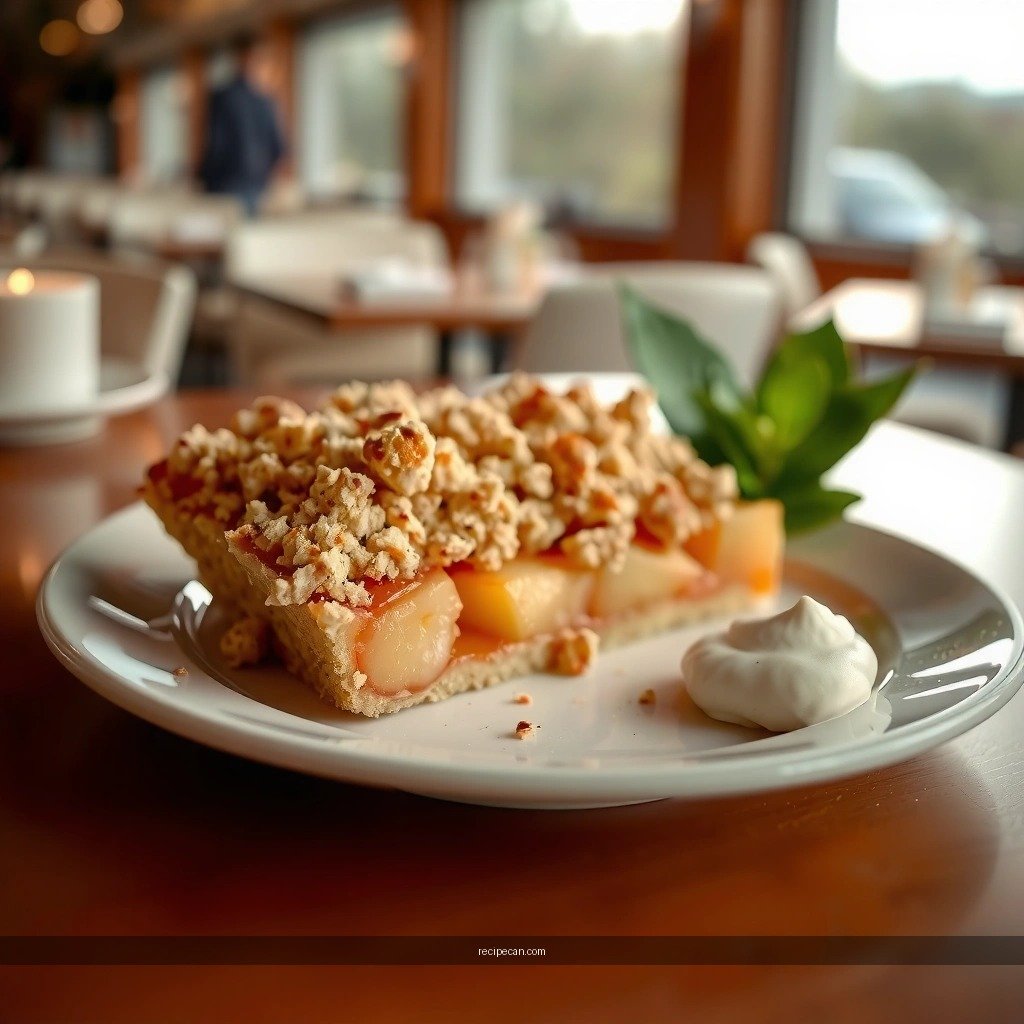
Crumble technique is less about measuring perfectly and more about controlling temperature, mixing, and clump size. Your goal is to create crumble clusters that range from small flakes to larger crumbs—so some pieces brown quickly while others bake through for a layered texture.
– Cut cold butter into dry ingredients until you get clumps of different sizes
Start by combining your dry ingredients (flour, sugar, and any oats). Then add chilled butter and use a fork, pastry cutter, or your fingertips to cut it in. Work quickly and stop as soon as you see clumps forming.
– Clump size matters: Larger clumps create bigger crunchy bites, while smaller ones provide overall coverage and sweet caramelized edges.
– Don’t overmix: Overmixing warms butter and breaks clumps down into uniform crumbs that can bake flatter.
– Aim for a mixture that looks crumbly but holds together when pressed
The squeeze test is your best quality check: grab a small pinch and press it lightly. It should form a loose clump that falls apart when you poke it—not a paste, not powder. If it turns into paste, your butter is too warm. If it won’t clump at all, either the butter wasn’t cold or the ratio needs adjustment.
A quick method you can repeat every time
1. Chill butter before mixing (straight from the fridge is ideal).
2. Mix dry ingredients thoroughly so sugar is evenly distributed.
3. Cut in butter just until you see uneven crumbs.
4. Let the crumble sit briefly in the fridge while you prep the apples (even 10 minutes helps the texture set).
How Much Crumble to Use for Apple Pie
Crumble quantity affects both bite and performance. Too little and the topping can disappear into the apples; too much and it may get dry before the apples are fully cooked. For an apple pie-style crumble topping, you generally want enough to create a visible, thick layer—not a thin dusting.
– Spread an even layer over the apple filling for consistent coverage
After assembling your pie with apple filling, distribute crumble across the top so you can still see apples through it in places—but not so much that the surface looks bare. This helps bubbling apple juices caramelize under the crumble without soaking it completely.
– Add a slightly thicker topping if you want extra crunch and contrast
If you prefer that “bakery” crunch, mound crumble a little thicker at the edges and center. The edges usually brown faster; a thicker layer creates crunch across the whole surface rather than just around the perimeter.
A reliable strategy is to aim for full coverage plus a slightly uneven, clumpy thickness (because the crispest bits come from thicker clusters).
Recommended coverage guidance (so you don’t guess)
For a standard 9-inch pie, most home bakers do well with enough crumble to form a topping layer about 2–3 cm at the thickest clumps (not literally measured—use your visual cue: the topping should look substantial, not wispy). If you’re using a deeper dish or a particularly juicy filling, slightly more topping helps preserve crispness.
Crumble Texture Outcomes by Butter Temperature (9-inch Apple Pie)
| # | Butter Temp at Mixing | Clump Formation | Browning Speed | Crispness After Rest |
|---|---|---|---|---|
| 1 | Very cold (0–4°C / 32–39°F) | Strong | Medium-fast | ★★★★☆ |
| 2 | Cold (5–10°C / 41–50°F) | Good | Medium | ★★★☆★ |
| 3 | Cool (11–15°C / 52–59°F) | Moderate | Medium | ★★★☆☆ |
| 4 | Room temp (16–20°C / 60–68°F) | Weak | Fast | ★★☆☆☆ |
| 5 | Warm (>21°C / >70°F) | No clumps | Very fast | ★☆☆☆☆ |
| 6 | Cold butter + 15-min rest in fridge | Strong | Medium | ★★★★★ |
| 7 | Cold butter + chilled apples (less juice bleed) | Good | Medium-fast | ★★★★☆ |
Baking Tips for a Crisp Golden Crumble
Even with the perfect crumble mix, baking determines whether you get crisp clusters or a muted, softened top. Focus on two signals: deep golden color and bubbling apple filling beneath. Those two indicators together ensure the apples are cooked through and the crumble has dried and browned enough to stay crisp.
– Bake until the topping is deeply golden and the apple filling is bubbling
Use bubbling as your “doneness” cue. Apple filling that isn’t bubbling may still be too wet—steam and juice will soften the crumble as it cools. Bake until you see steady bubbling near the edges or through any gaps in the topping, and until the crumble looks like it has browned all the way through (not just on top).
– If browning happens too fast, loosely cover with foil for the remaining bake time
Browning can outpace fruit cook time, especially in ovens that run hot. If your crumble turns dark before the pie bubbles, tent the top with foil. Keep it loose so heat and steam can escape; you’re protecting color without trapping moisture. Uncover for the final minutes if you want a sharper crunch.
Temperature strategy (works especially well for crisp tops)
– If you’re baking from a raw, juicy filling: bake hot enough to drive off moisture but watch the topping color.
– If your oven is prone to uneven browning: rotate the pie halfway through so crumble clumps brown evenly.
Serving and Storing for Best Texture
Crisp crumble is a “timed asset.” It’s at its best shortly after baking when the apples are bubbling and the fat has set, but not yet fully softened by residual moisture. The rest period is what turns “just baked” into “crisp and stable.”
– Let the pie rest 15–30 minutes so the crumble sets and stays crisp
Resting allows apple juices to thicken and settle. That thickened filling is less likely to seep up and soften the topping. If you cut too early, you’ll get delicious flavor but a less stable crumble crunch.
– Store leftovers airtight; rewarm briefly to refresh the topping texture
Cool the pie fully before storing. Air exposure softens crisp topping faster. For best texture the next day, rewarm in an oven or toaster oven briefly—enough to re-crisp without overcooking the apples. Microwaving works in a pinch, but it tends to soften the crumble due to steam.
Best-practice storage note
If you expect leftovers, consider portioning and storing in shallow containers to reduce uneven moisture retention. This helps the topping reheat more evenly.
Enjoy a crisp, golden crumble on top of your apple pie by using cold butter, mixing until clumpy, and baking until the topping turns deeply golden. Make your next pie with this crumble-topping approach, then let it rest before serving for the best crunch—try it and share your results!
In short, the easiest way to achieve a perfectly crisp crumble topping for apple pie is to build the topping with cold butter + balanced flour and sugar, keep it clumpy rather than uniform, and bake until you get both deep golden color and bubbling apple filling. Finish strong by allowing a 15–30 minute rest, then store and rewarm properly to preserve the crunch through the last slice.
Frequently Asked Questions
What’s the best crumble topping for an apple pie recipe?
The best crumble topping is usually a “streusel” made from flour, butter, sugar, and a pinch of salt, sometimes with cinnamon for extra warmth. For apple pie, aim for a balance where the topping is crisp and golden but not too sandy—adding rolled oats can boost crunch and help the crumble hold its shape. Use brown sugar for deeper caramel flavor and pair it with a little cinnamon to complement baked apples.
How do you make crumb topping for apple pie that stays crunchy?
To keep your crumble topping crunchy, use cold butter and mix until it forms small clumps rather than an even powder. Bake the pie on a middle rack so the top browns without overcooking the apples. If your pie filling is very juicy, consider thickening the apple filling (like with flour or cornstarch) and letting it cool slightly before topping so the crumble doesn’t absorb moisture.
Why does my crumble topping turn into a paste instead of staying crumbly?
A crumbly topping turns paste-like when the butter is too warm or the mixture is overmixed, which prevents proper clumps from forming. Another common cause is adding the topping too early to a hot, watery apple filling, allowing steam and liquid to soften it. Keep the butter cold, mix only until you get uneven crumbs, and let the apple filling thicken before assembling.
Which ingredients give the best flavor in a crumble topping for apple pie?
Brown sugar and cinnamon are the classic flavor boosters for a crumble topping on apple pie, creating that cozy caramel-spice profile. Adding a small amount of nutmeg or vanilla extract can further elevate the flavor without overpowering the apples. For texture, incorporate rolled oats or chopped nuts (like pecans or walnuts) to make the apple pie crumble topping taste bakery-style and more complex.
How much crumble topping should you use for a standard apple pie recipe?
A good rule of thumb is to use enough crumble topping to evenly cover the entire surface of the pie with a modest thickness—usually about 1 to 1.5 cups of crumble mixture for a 9-inch pie. If you like a thicker, more generous topping, you can scale up slightly so every bite includes a substantial layer of crumble. Weighing ingredients can help you replicate results, especially when using flour, sugar, butter, and oats for consistent apple pie topping coverage.