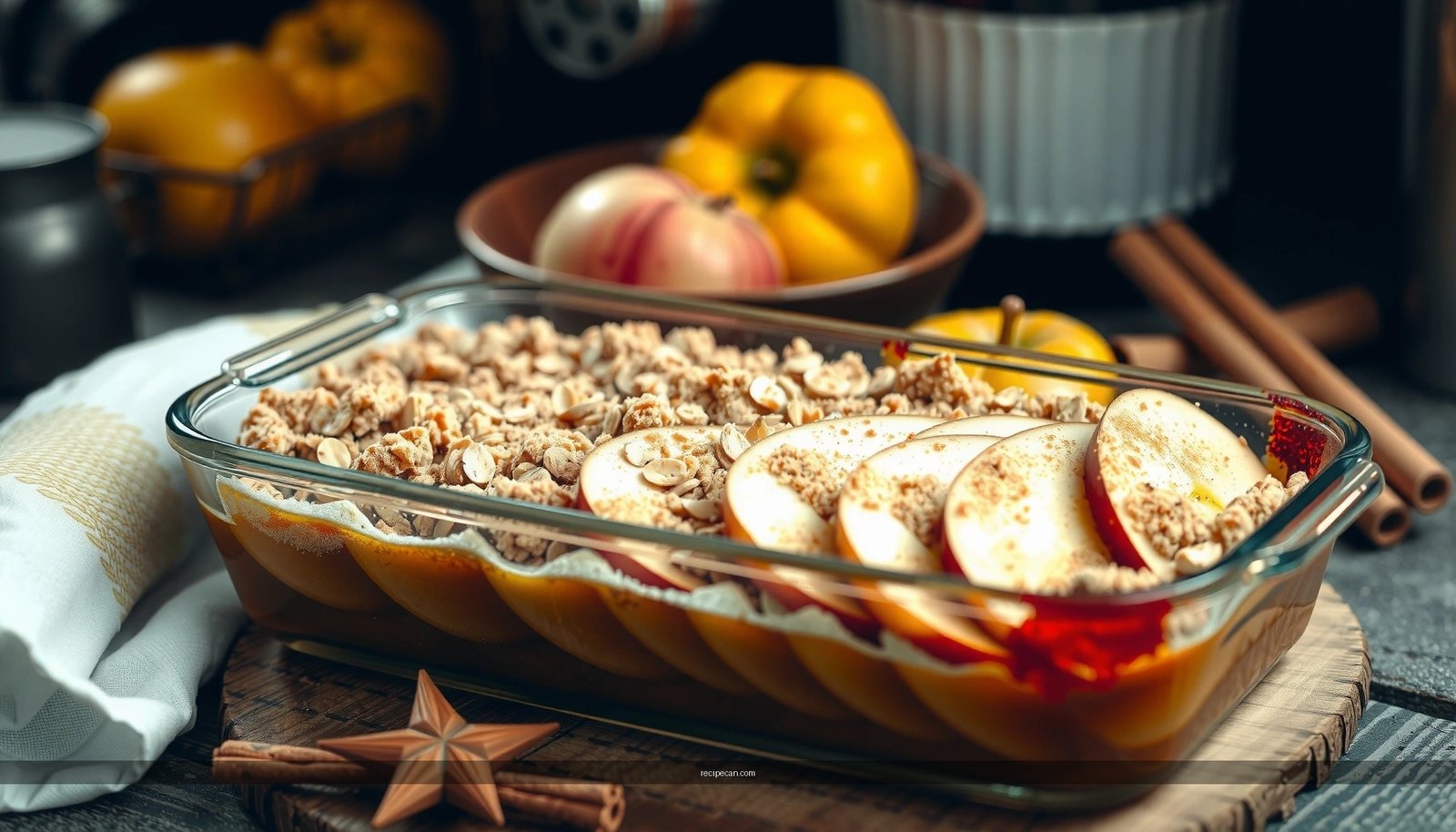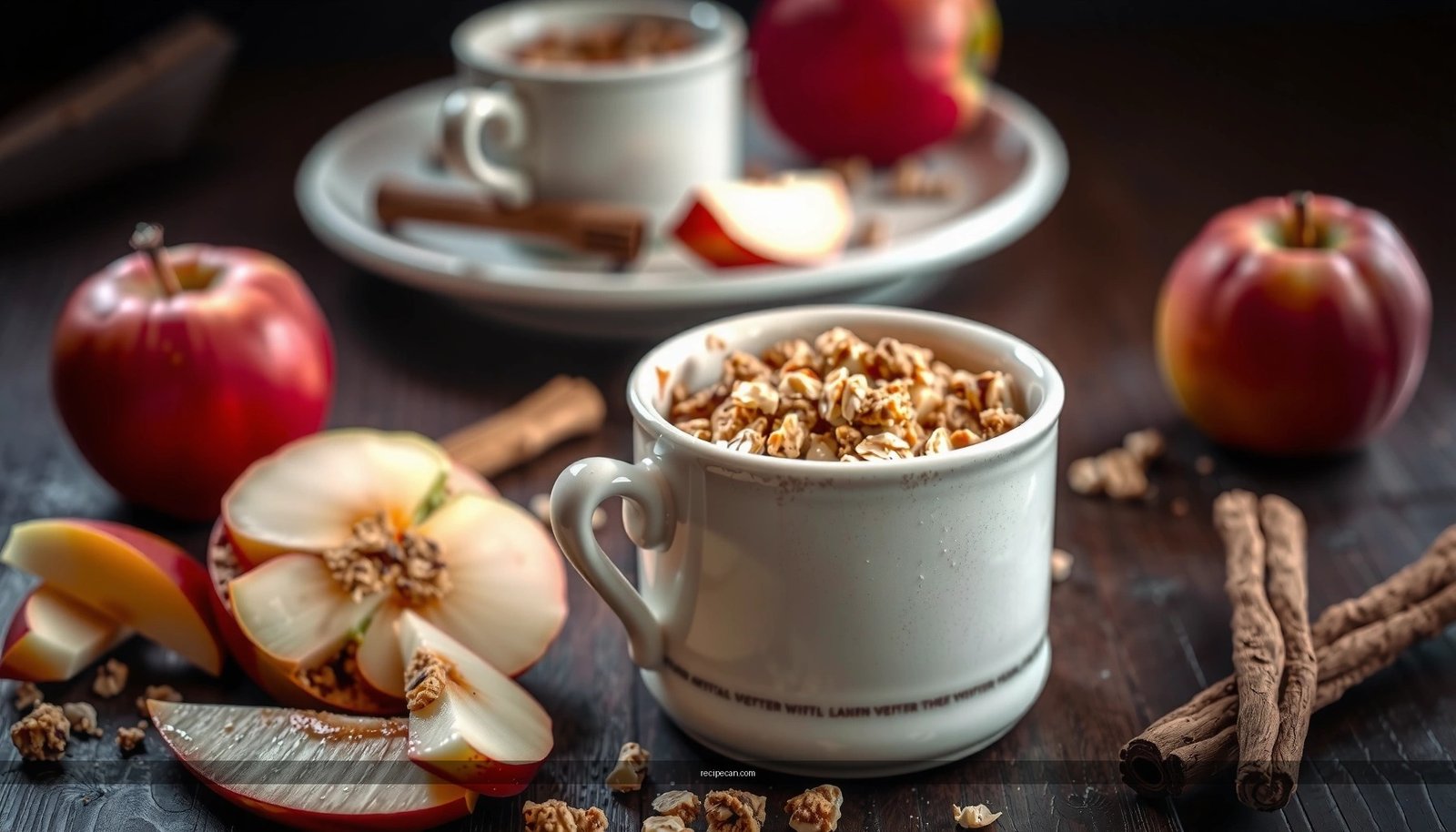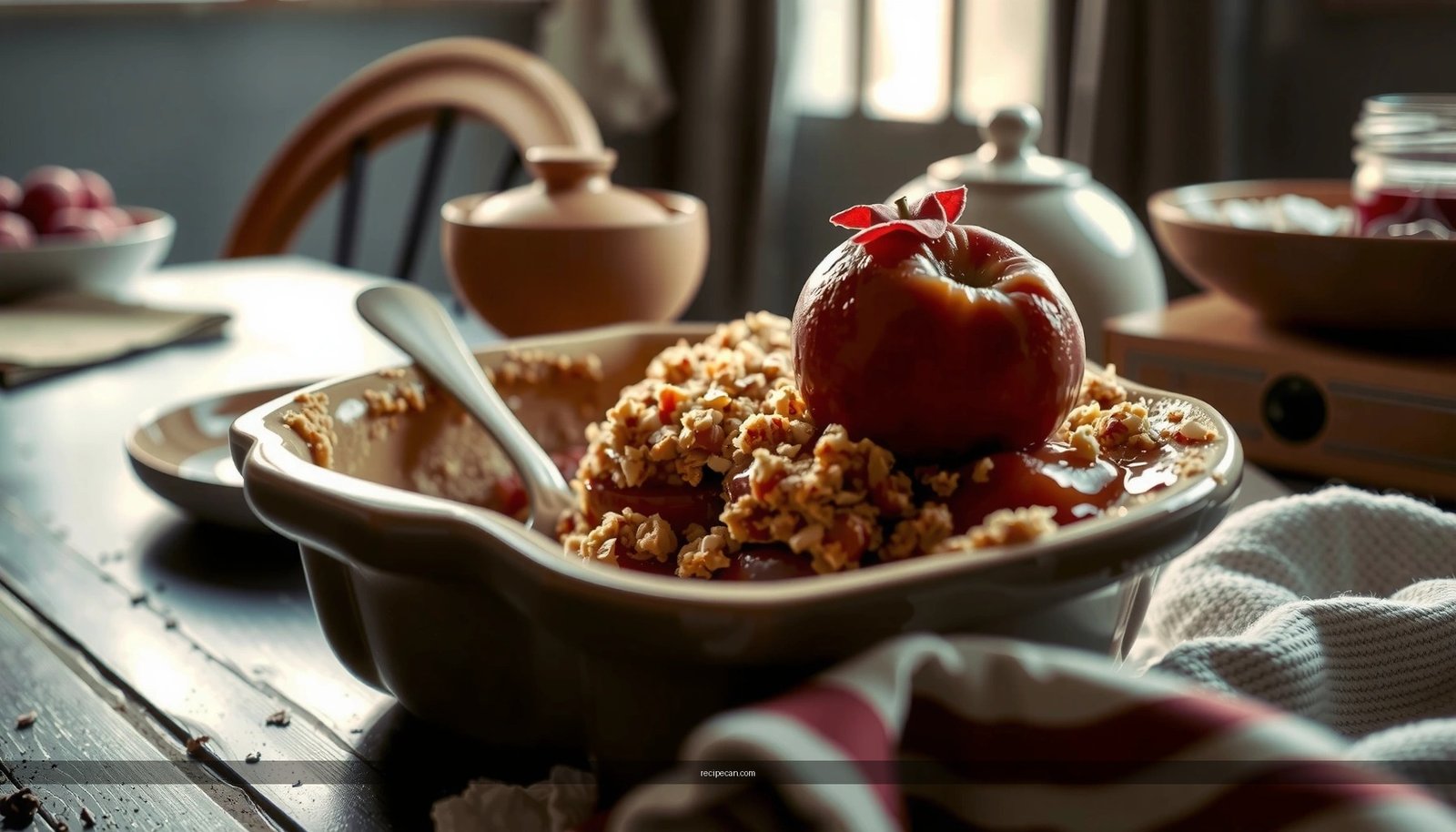
Looking for a crumble easy recipe that delivers a perfect, crisp topping with minimal fuss? This guide answers how to make an effortless crumble step by step—so your filling stays juicy and your crumb stays golden. You’ll get the simplest method and the key bake-time cues to nail the texture every time.
Make a perfect crumble by pairing fruit with a quick sugar-spice base, then topping it with cold, buttery crumbs and baking until the edges turn crisp and the center bubbles. This crumble easy recipe focuses on simple ingredient ratios and the small technique choices—especially fruit moisture and topping texture—that consistently deliver a golden, satisfying result.
Choose Your Fruit (Fresh or Frozen)
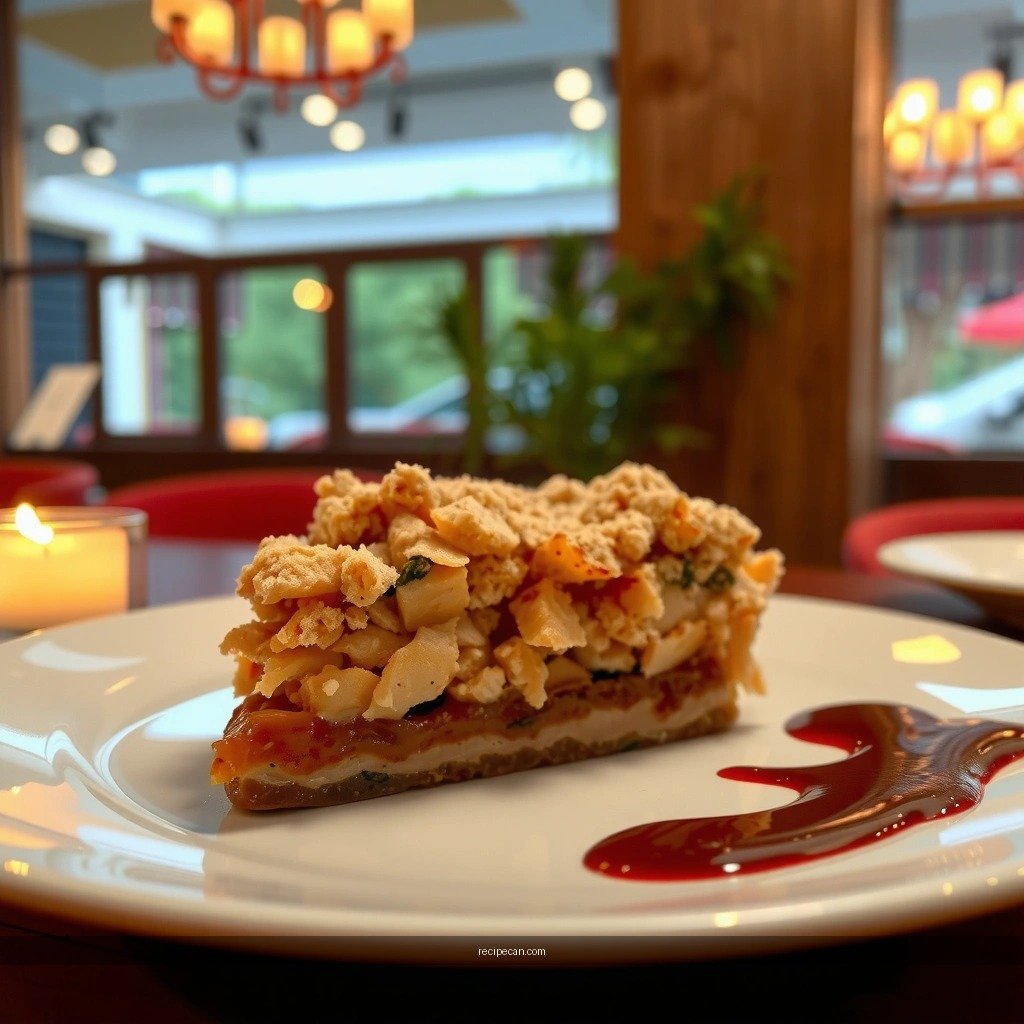
The best crumble starts with the right fruit and the right expectations. A “standard baking dish” crumble typically uses about 4 cups of fruit, which creates enough filling to bubble up through the crumb topping without overpowering it. The fruit you choose can be fresh, frozen, or a combination.
How to pick fruit for reliable results
– Use about 4 cups fruit for a standard baking dish: This amount supports the classic balance of sweet filling + crisp topping. If you scale up to a deeper dish, consider increasing topping slightly so the crumb layer doesn’t go thin.
– Keep moisture in mind: thick fruits need less thickening:
– Firmer fruits (apples, pears) naturally hold shape and release less juice later, so they often need less thickener.
– Soft, juicy fruits (berries, peaches, stone fruit) release more liquid as they heat, which means you’ll want either slightly more sugar management and/or a touch of thickener.
– Frozen fruit works—just bake a few minutes longer if needed: Frozen berries and mixed fruit are often pre-washed and convenient. They may release more moisture at the start (especially if they’re not fully thawed), so you may need a few extra minutes for bubbling and set.
Pro tip for consistent texture: For berries, don’t be afraid of thickener—crumble is forgiving, but runny filling is rarely what you want. For apples or pears, you can often rely on the fruit’s natural structure with only a light thickening approach.
Moisture Guide for Fruit Choices (Quick Reference)
Different fruits “behave” differently in the oven, and that directly affects how thick your filling should be. Use the table below to quickly align your thickener and baking expectations with the fruit you’re using.
Fruit & Filling Behavior in a 4-Cup Crumble
| # | Fruit Type | Expected Juiciness | Typical Thickener | Bake Time Impact | Outcome Rating |
|---|---|---|---|---|---|
| 1 | Apples (peeled or unpeeled) | Low–Medium | 1–2 tsp cornstarch | Baseline (35–45 min) | ★★★★★ |
| 2 | Pears | Medium | 1–2 tsp cornstarch | Baseline +5 min (40–50) | ★★★★☆ |
| 3 | Peaches (fresh or frozen) | High | 2–3 tsp cornstarch | +5–10 min for bubbling | ★★★★☆ |
| 4 | Blueberries | Medium–High | 2 tsp cornstarch | Baseline +5 min if frozen | ★★★★☆ |
| 5 | Strawberries | High | 2–3 tsp cornstarch | +10 min if very juicy | ★★★☆☆ |
| 6 | Mixed berry blend | High | 2–3 tsp cornstarch | +5–15 min depending on thaw | ★★★★☆ |
| 7 | Cherries (pitted) | Medium | 1–2 tsp cornstarch | Baseline (35–45) | ★★★★☆ |
Make the Easy Crumble Topping
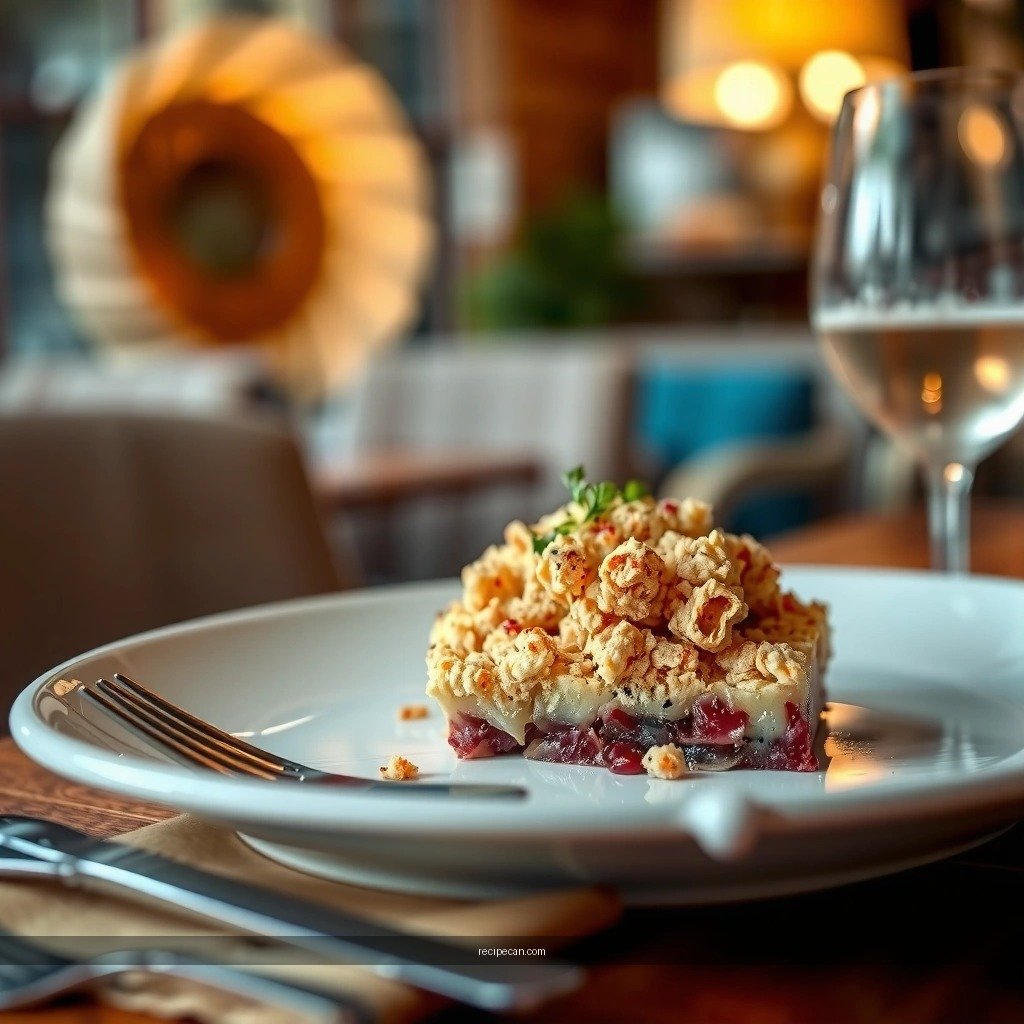
The crumble topping is where the “perfect” texture is determined. You’re aiming for buttery, clumpy crumbs—not a dry, sandy layer and not a wet, paste-like coating.
Classic topping structure (simple ratios)
A dependable crumble topping typically follows this approach:
– Combine flour, sugar, and butter for a classic crumb texture
Flour provides structure, sugar aids browning, and butter creates the crisp, tender crumb.
– Use cold butter and rub it in to form clumps
Cold butter won’t fully melt when you mix it, which means it will produce distinct crumb clusters in the oven. Those clusters expand and crisp—giving you the signature crumble bite.
– Add optional oats or nuts for extra crunch
Oats add chew and toasted flavor; nuts add crunch and a more complex texture profile. Keep the additions proportional so the topping remains cohesive.
Analytical technique note (why cold butter matters):
When butter is cold, flour doesn’t absorb it as evenly during mixing. During baking, the butter melts in pockets, creating steam and fat channels that separate the crumb into irregular, crisp surfaces. That’s why “rubbed-in clumps” deliver better crust than “fully mixed butter.”
Quick customization options
– For a more crisp topping: Slightly increase flour or use a higher proportion of oats for rugged texture.
– For a more tender topping: Reduce oats a little and lean on all-purpose flour for a finer crumb.
– For added flavor: Brown sugar (instead of half white sugar) can deepen caramel notes without changing the method.
Build the Crumble Base
Once your topping is ready, you assemble the filling. This step is about controlling sweetness, flavor brightness, and—and most importantly—liquid management.
– Toss fruit with sugar and a little lemon juice for flavor
Lemon juice sharpens fruit flavors and reduces “flat” sweetness. It also helps clarify berry notes, which can otherwise taste muted when baked.
– Add a thin thickener (like cornstarch) if your fruit is very juicy
Cornstarch is a practical, neutral thickener. It gelatinizes as it bakes, turning fruit juices into a set, spoonable filling rather than a runny syrup.
– Spread evenly to help it bake consistently
Uneven layers create uneven baking: thick fruit mounds may remain undercooked while thinner areas can bubble away too fast.
Actionable ratio guidance for 4 cups fruit
A safe starting point for an easy crumble is:
– Sugar: about 1/2 to 3/4 cup, adjusted to tartness (berries need more than apples; sweet peaches need less).
– Thickener (if needed): about 1–3 teaspoons cornstarch depending on juiciness.
If you’re using very juicy frozen fruit, you can dust the cornstarch lightly with the sugar first so it coats evenly rather than clumping.
Assemble and Bake to Golden Perfection
Baking turns separate components into one cohesive dessert. The goals are bubbling fruit filling, golden crumb edges, and a center that sets as it cools.
– Bake at 350°F (175°C) until bubbling and the top is golden
This is the most broadly reliable temperature for fruit crumbles: hot enough to brown the topping, gentle enough to cook fruit thoroughly without burning.
– Let it rest 5–10 minutes so the juices set
Resting is not optional if you want clean spooning. Fruit juices thicken as they cool slightly, converting “hot liquid” into “set filling.”
– Check doneness by looking for crisp edges and a bubbling center
Doneness is visual and tactile:
– The center should bubble through lightly at the edges.
– The topping should look dry-gold and feel crisp at the surface.
Time expectations
Most standard crumbles bake in the 35–55 minute range depending on fruit type and whether fruit is frozen. If your topping is already very brown but the center isn’t bubbling, loosely tent with foil to prevent over-browning while continuing to bake.
Serving Tips and Variations
A crumble is best when served warm, because aroma and texture are at their peak. You can also use variations to adapt to seasonal fruit and different dietary preferences.
– Serve warm with ice cream, whipped cream, or yogurt
Ice cream is classic: the cold cream contrasts with hot bubbling fruit and crisp crumbs. Yogurt adds tang for bright flavor.
– Try cinnamon, vanilla, or ginger for easy flavor upgrades
Cinnamon is the most common pairing for apples, pears, and berries. Vanilla rounds sweetness. Ginger adds a subtle warmth that works well with peaches and cherries.
– Swap in different fruits (berries, apples, peaches) to match what you have
This recipe works because it’s technique-driven rather than ingredient-specific. Swap fruit while adjusting thickener and bake time.
High-performing combinations
– Apples + cinnamon + a pinch of nutmeg for a bakery-style profile.
– Peaches + ginger for a modern, aromatic twist.
– Mixed berries + lemon zest for a brighter finish (zest provides more aroma than juice alone).
Troubleshooting Common Crumble Issues
Even the easiest crumble recipe benefits from quick diagnostics. When something goes wrong, it’s usually one of three causes: topping moisture, insufficient bake time, or too much fruit liquid.
– If topping is too dry, add a teaspoon of melted butter
Dry topping can be fixed early—while crumbs are still forming. Add butter sparingly to avoid turning crumbs into paste.
– If topping is too soft, bake longer or use colder butter
Soft topping usually means butter didn’t stay cold enough during mixing or the bake time was insufficient. Next time, chill the butter or give the crumble a few extra minutes until crisp at the edges.
– If fruit is runny, add more thickener or rest longer after baking
Runny filling is commonly thickener or rest-related. If your crumble is already baked but still loose, next attempt add an extra teaspoon of cornstarch and bake until the center bubbles steadily. Always rest 5–10 minutes for proper set.
Quick “decision rule” during baking:
If the topping is golden but the filling isn’t bubbling, focus on bake completion (often 5–15 more minutes). If the filling bubbles but the topping isn’t crisp, extend baking or tent carefully to avoid burning.
Warm, golden, and crisp—this crumble easy recipe gives you a fast, reliable dessert with minimal prep. Gather your fruit, mix the buttery crumble topping, bake until bubbling, and then serve immediately; try your favorite fruit variation next time!
Frequently Asked Questions
What is the easiest crumble recipe for beginners?
An easy crumble recipe usually uses simple ingredients: butter, flour, sugar, and oats (optional) for the topping, plus fruit for the filling. You can use frozen or fresh fruit—such as berries, apples, or peaches—to make it even simpler. Combine the fruit with a little sugar and thickener (like cornstarch) and bake until bubbly, then add the crumb topping and bake until golden.
How do you make a crumble topping that’s buttery and not dry?
Use cold butter and mix it into the crumble ingredients until the mixture looks like coarse crumbs. If your topping feels dry, add 1–2 teaspoons of melted butter or a splash of milk, then re-mix lightly. For extra crunch, include oats and brown sugar, and avoid overworking the mixture so it stays crumbly.
Why does my crumble turn out soggy, and how can I prevent it?
Soggy crumble topping usually happens when the filling is too wet or the topping goes in too soon. Thicken the fruit filling with cornstarch or flour, and bake until you see bubbling around the edges before the topping is fully set. Using fruit that’s not overly watery (or draining berries) also helps the crumble stay crisp.
Which fruits are best for an easy crumble recipe?
The best fruits for a crumble are those that hold up well and bake into a juicy, thick filling, like apples, pears, peaches, and berries. Frozen fruit works great for an easy crumble recipe—just consider adding a little extra thickener to prevent excess juices. For best results, cut apples and pears into small slices so they cook evenly and the crumble topping can bake crisp.
What’s the best baking time and temperature for an easy crumble?
Most easy crumble recipes bake at 350°F to 375°F (175°C to 190°C) until the fruit is bubbling and the topping is golden brown. Typically, plan for about 35–45 minutes depending on fruit size and whether your fruit is fresh or frozen. Let it cool for 5–10 minutes after baking so the filling thickens and the crumble slices cleanly.