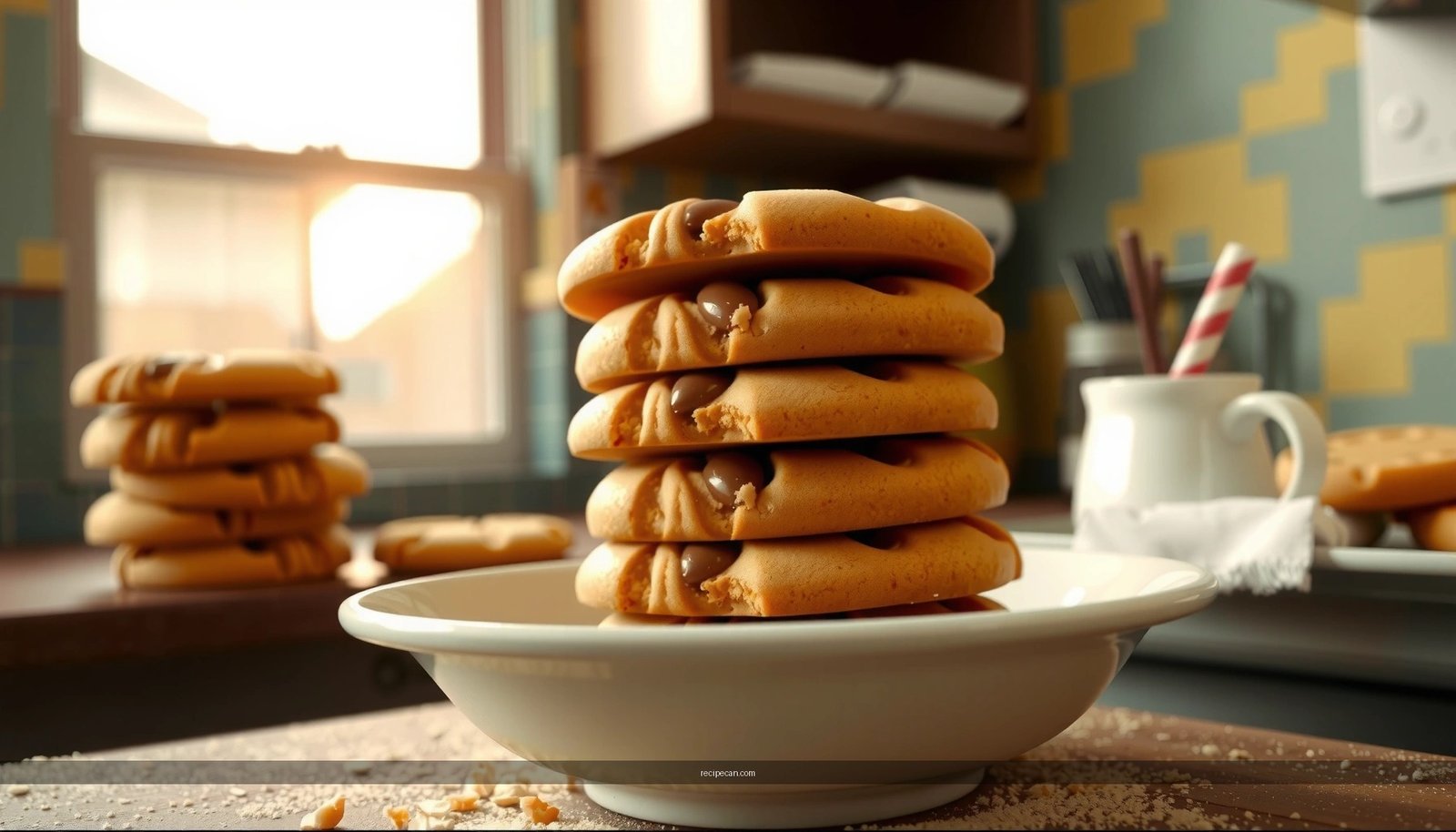
Looking for the best Crumbl peanut butter cookie recipe that delivers the soft, chewy, copycat texture? This recipe is tuned for thick, tender centers, a crisp-edged finish, and rich peanut butter flavor that stays addictive even after the first bite. If you want the closest thing to Crumbl at home—without guessing on dough thickness, bake time, or chill steps—you’ll get it here.
If you follow the right dough ratios, timing, and cooling method, you can bake Crumbl-style peanut butter cookies at home that are notably soft and chewy with a deep peanut-forward flavor. This copycat Crumbl peanut butter cookie recipe walks you through exact ingredients, mixing steps, shaping cues, and bake-time targets so you can reproduce that signature bakery texture—batch after batch.
Ingredients for a Crumbl Peanut Butter Cookie
A true Crumbl peanut butter cookie copycat depends on three things: (1) a peanut butter-forward flavor base, (2) sugar balance for spread and chew, and (3) flour/baking soda structure that keeps the centers tender instead of cakey.
– Use peanut butter as the main flavor and add both sugars for sweetness and spread
For the closest texture, use creamy peanut butter (not natural, unless you remix it thoroughly) and combine brown sugar + granulated sugar. The brown sugar’s molasses notes enhance both flavor and chew, while granulated sugar helps with browning and that slightly crisp edge-to-soft-center contrast.
– Gather basics like butter, eggs, flour, baking soda, and salt for structure
– Butter adds richness and controls spread.
– Egg provides structure and moisture—critical for softness.
– Flour sets the dough so the cookies don’t collapse.
– Baking soda (plus a little salt) supports lift and browning without turning the cookie fluffy.
– Salt is not optional; it’s what makes peanut flavor taste “bolder,” not just sweeter.
Target mix quality matters: your dough should be thick, cohesive, and scoopable. If it looks dry or crumbly, you may be short on peanut butter/egg moisture or slightly over-measuring flour. If it’s too loose, chill briefly so the cookies hold their shape.
Recommended Bake Parameters for Soft, Chewy Peanut Butter Cookies
| # | Parameter | Target | Why It Matters | Impact |
|---|---|---|---|---|
| 1 | Oven Temperature | 350°F / 177°C | Sets edges while preserving a soft center | Best |
| 2 | Bake Time | 9–11 minutes | Underbake slightly for chewy carryover | +Texture |
| 3 | Scoop Size | 3 Tbsp (about 45–50 g) | Uniform thickness for consistent softness | Uniformity |
| 4 | Dough Rest (Optional) | 15–30 minutes chilled | Improves scoop definition and prevents spread | Shape |
| 5 | Edge Doneness | Set, lightly golden | Centers keep moisture for chew | Chew |
| 6 | Cooling Time on Tray | 7–10 minutes | Finishes setting without drying | Structure |
| 7 | Cookie Doneness Test | Slight wobble in center | Avoids overbaking and tough bite | Perfect Pull |
Make the Cookie Dough (Easy Mixing Steps)
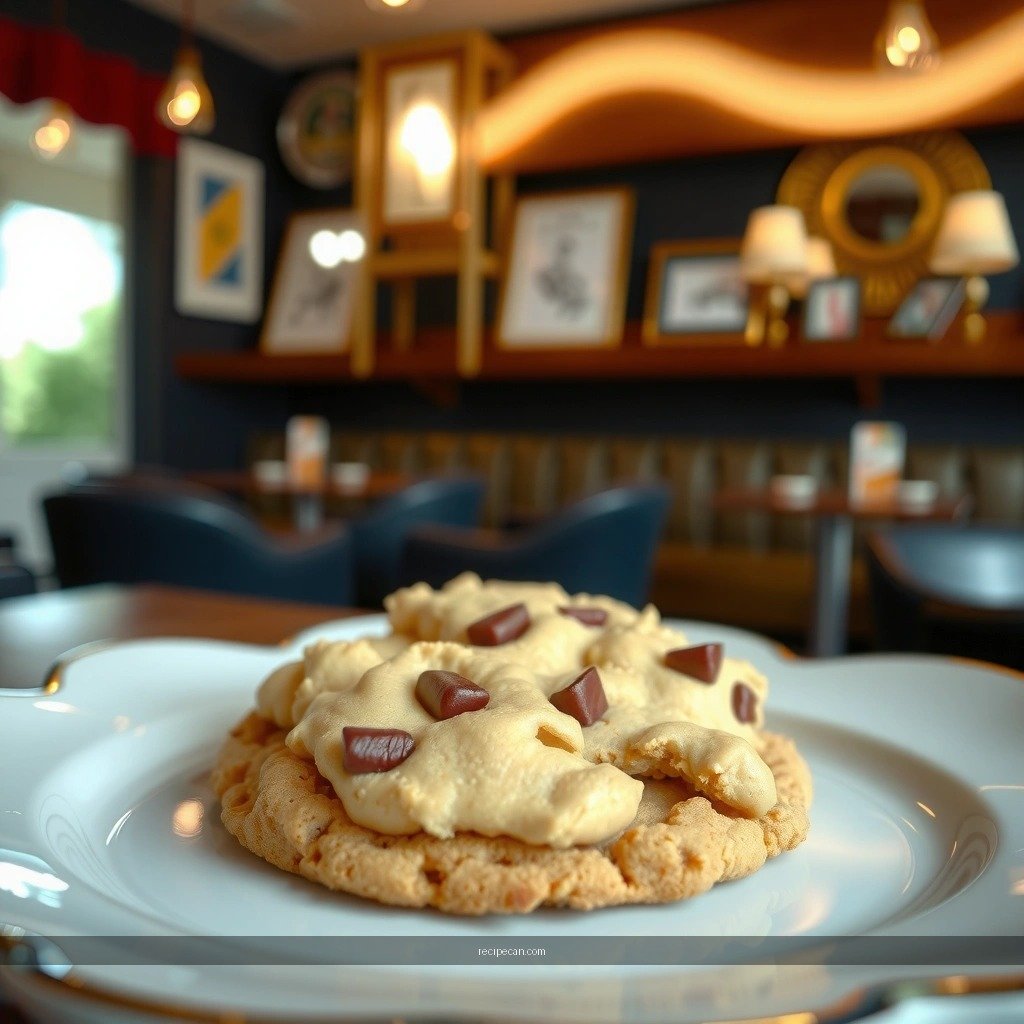
The best Crumbl peanut butter cookie copycat technique is controlled mixing. Overmixing can develop excess gluten, which leads to cookies that feel bready instead of tender and chewy.
– Cream butter and sugars until light for a tender, chewy crumb
Start with room-temperature butter. Cream it with both sugars until the mixture looks paler and slightly aerated. That aeration helps create the soft crumb while supporting a chewy center.
– Mix in peanut butter and egg, then fold in dry ingredients just until combined
Add peanut butter and mix to fully incorporate. Then add the egg and mix until glossy and uniform. Finally, combine dry ingredients separately (or at least whisk flour, baking soda, and salt) and fold in just until you don’t see streaks of flour.
Pro tip: stop mixing earlier than you think. The dough will finish hydrating as it rests and bakes.
Dough consistency checks (quick troubleshooting)
– Too sticky and spread-prone: chill dough 15–30 minutes.
– Too dry or crumbly: you likely over-measured flour—mix another tablespoon of peanut butter or 1–2 teaspoons of milk/water (one at a time) to restore cohesion.
– Too thin: chill and ensure your butter wasn’t melted.
Shape for the Classic Crumbl Look
Crumbl cookies have a specific “presence”: domed tops, thick centers, and consistent diameter. You’ll get closer to that look by shaping for uniform thickness rather than relying only on baking.
– Scoop dough into even portions for consistent baking
Use a cookie scoop or weigh portions. Around **45–50 g per cookie** (about 3 Tbsp) is a dependable range for a bakery-style thickness.– Slightly press or shape the tops so they bake up like the signature cookies
After you place each scoop on the tray, lightly press the top with your palm or a spoon to encourage even rising. Avoid flattening; you want to create a shape that bakes into a soft dome with a tender center.
Tray spacing and heat flow
Bake on parchment-lined sheets and space cookies about 2 inches apart. Overcrowding traps heat and can cause uneven doneness—edges will set faster than centers, reducing chew.
Bake Time and Temperature Tips
Copycat success is mostly timing. Crumbl-style cookies are often pulled slightly early so carryover heat finishes the set while keeping centers soft.
– Bake until edges look set while centers stay soft for chewiness
Bake at 350°F / 177°C for about 9–11 minutes. Look for edges that appear set and lightly golden, while the center still looks slightly underdone and glossy.
– Cool on the tray briefly, then transfer to finish setting without overbaking
Let cookies cool 7–10 minutes on the tray. Then transfer to a rack. This step prevents condensation from making them gummy while also avoiding the “dry bite” that happens when you bake too long or cool too fast.
Visual doneness cues (what to look for)
– Center: soft, not fully dry; may wobble gently.
– Surface: matte with slight sheen at the very center.
– Edges: firm to the touch, but not dark brown.
Peanut Butter Flavor Boosts (Copycat Tricks)
If you want your Crumbl peanut butter cookie recipe to taste unmistakably peanut-forward, small changes make a big difference. Peanut flavor is largely about how salt and fat interact with aromatics.
– Add a pinch more salt to make the peanut flavor pop
A slightly higher salt level can make the peanut taste richer without increasing sweetness. If your first batch tastes “muted,” adjust by adding a small pinch (not a full extra teaspoon).
– Try a swirl or extra dollop of peanut butter on top before baking
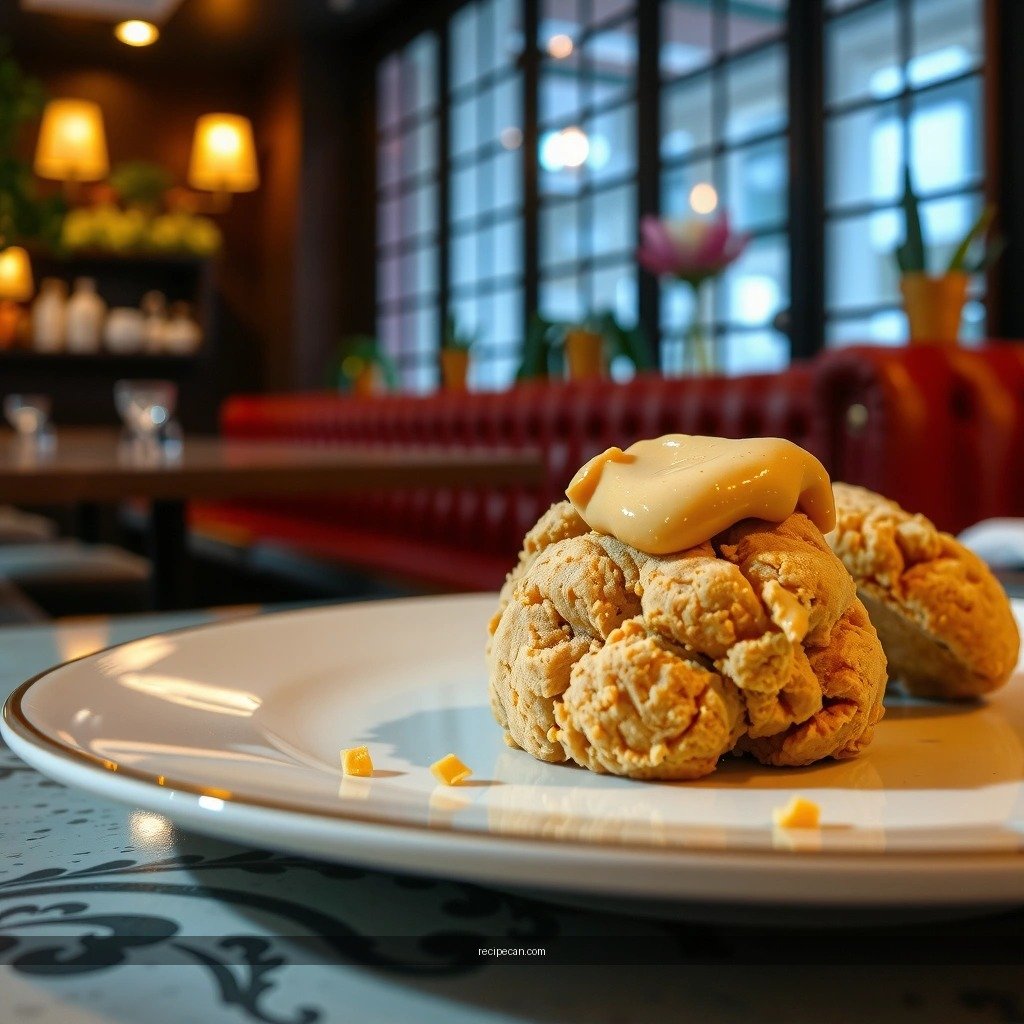
Add a small dollop of peanut butter on each cookie before baking, or gently swirl it into the top. As the cookie bakes, that topping softens into a gooey peanut layer that reads as “bakery special” in both flavor and appearance.
Peanut butter choice matters
Creamy peanut butter brands differ in oil content and sweetness. If using a brand that is more natural/oily, stir well and consider chilling dough to prevent excess spread.
Storage and Serving Ideas
A great copycat cookie isn’t just good warm—it stays chewy long enough to be worth baking. The right storage keeps the crumb from drying out.
– Store airtight at room temperature for best texture for a few days
Place cooled cookies in an airtight container. For best chew, avoid refrigeration (it can firm up fat and dull texture). If you want to refresh, warm briefly before serving.
– Serve warm (or microwave briefly) for the gooey, fresh-baked feel
For a true “just baked” sensation, microwave 5–10 seconds. The goal is to re-soften the center without melting the cookie’s structure.
Serving pairings that complement peanut butter
– Milk (classic, but reliable)
– Hot coffee or tea (balances richness)
– Vanilla ice cream (turns it into a dessert-style cookie sandwich)
Crumbl peanut butter cookies are all about achieving a soft, chewy center with rich peanut flavor—using the right mix, consistent scoops, and careful bake timing. Follow this recipe step-by-step, then save your favorite tweaks (like extra topping or salt) for your next batch—try making them today and share your results!
Frequently Asked Questions
What makes the Crumbl peanut butter cookie recipe taste so similar to the bakery version?
Crumbl-style peanut butter cookies usually rely on a mix of creamy peanut butter for flavor and texture, plus butter and brown sugar to create a rich, slightly caramelized taste. The cookie dough is balanced to stay soft in the center while developing a lightly set edge. Using the right peanut butter consistency and not overmixing helps you avoid a dry or crumbly result that doesn’t match the classic Crumbl peanut butter cookie.
How do you make a Crumbl peanut butter cookie recipe that stays soft and chewy?
For chewy cookies, cream your butter and sugars thoroughly, then mix in peanut butter just until combined to prevent excess gluten development. Chill the dough briefly (often 15–30 minutes) so the cookies bake up thicker with a tender center. Bake at the recommended temperature and pull the cookies when the edges look set but the centers still look slightly underdone.
Why is my peanut butter cookie dough spreading too much, and how can I fix it?
Over-spreading is commonly caused by warm butter, too much liquid, or dough that hasn’t been chilled. Make sure you measure ingredients accurately, use room-temperature butter (not melted), and chill the dough before baking. If your cookies still spread, try reducing the bake time slightly or adding a small amount of flour next batch while keeping the peanut butter flavor consistent.
What type of peanut butter is best for a Crumbl peanut butter cookie recipe?
Most people get the closest results with creamy peanut butter because it blends smoothly into the dough and creates a uniform texture. Natural peanut butter can work, but it may change the cookie structure since it separates; if you use it, stir well and consider draining excess oil. For a classic “Crumbl-like” taste, choose a peanut butter that’s rich and not overly sweet, so the cookie’s sugar and butter flavors balance correctly.
Which baking tips help you get bakery-style thickness and domed tops with a peanut butter cookie recipe?
Use a consistent scoop size so the cookies bake evenly and reach the signature thickness. Place dough portions on a lined tray with proper spacing, and avoid pressing the dough down—let it rise naturally. For best results, preheat fully, bake on the center rack, and remove cookies right when they look set around the edges for that soft, bakery-style finish.