Want a cookie crumbl recipe that delivers true copycat Crumbl cookies at home? This guide gives you the best-tested method for recreating that signature thick, chewy texture and bold flavor in every batch. Follow the exact steps and you’ll know precisely how to nail the dough, bake, and finish so your cookies taste like Crumbl—not merely “similar.”
Yes—you can make thick, soft, Crumbl-style cookies at home by dialing in three variables: a properly creamed dough base, the right bake window, and a signature finish (chunks, frosting, or drizzle). With the steps below, you’ll learn how to achieve that classic Crumbl texture—crisp edges with a tender, slightly underdone center—then customize flavors like chocolate chip, sugar, and peanut butter without guesswork.
Choose Your Signature Flavor
Crumbl’s cookie identity is built on bold, recognizable flavor profiles paired with texture contrasts. Before you mix dough, decide what “signature” means for your batch: a classic cookie dough base with chunky mix-ins, or a frosted finish with a flavor-forward sauce.
Pick a popular Crumbl-style option
– Chocolate Chip: Use chopped chocolate (or chocolate chunks) to create melty pockets rather than uniform chips.
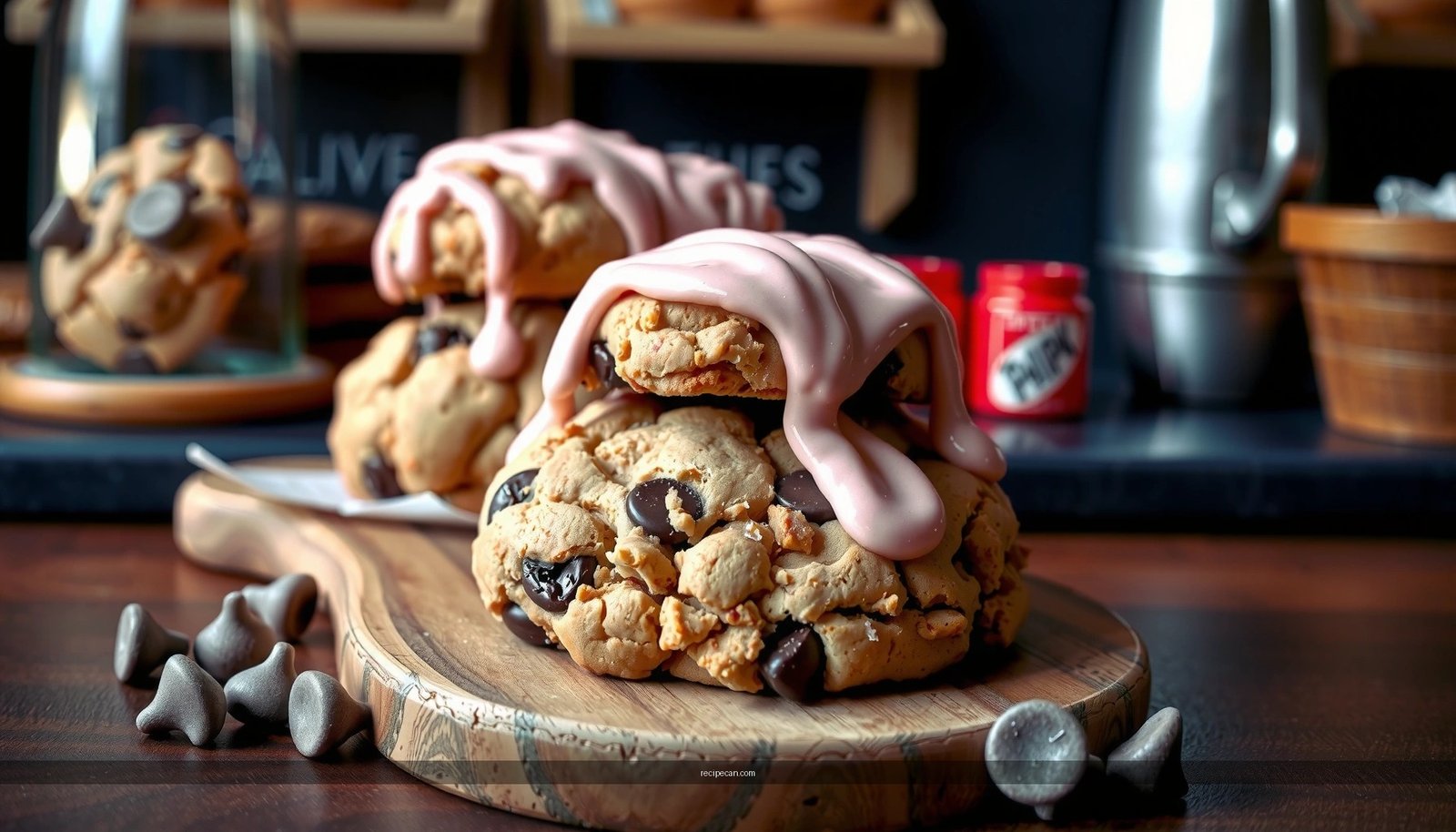
– Sugar Cookie: Go for a vanilla-forward dough and finish with frosting or glaze for that bakery-bright sweetness.
– Peanut Butter: Prioritize peanut butter flavor by balancing fat (butter) with peanut butter’s density and sweetness.
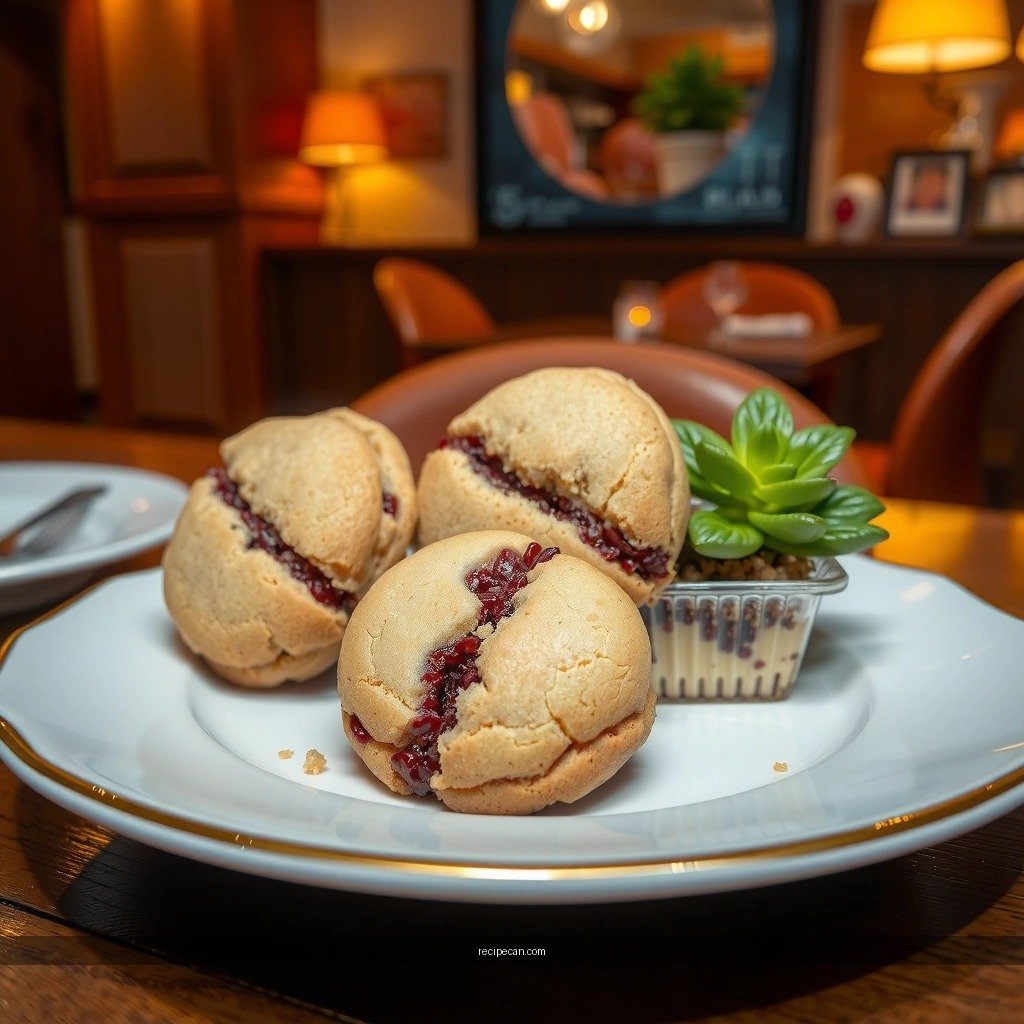
– Seasonal/Swirl Options: Cinnamon roll-style swirls, caramel ribbons, or berry preserves can mimic Crumbl’s “wow” effect.
Gather mix-ins and toppings ahead of time
Have everything ready before baking—especially if you plan to frost “right after baking,” when the cookie surface is still warm enough to help toppings settle and slightly soften.
– Chocolate chunks (semi-sweet or dark)
– Sprinkles (flat “gel” sprinkles hold shape better than very small sugar beads)
– Caramel bits or chopped toffee (for buttery crunch)
– Frosting components: cream cheese, butter, powdered sugar, vanilla, and a pinch of salt
Plan swirls and topping strategy
If your cookie includes a swirl (like cinnamon sugar, cookie butter, or caramel), assemble it so it’s evenly distributed:
– Spread swirl filling in thin ribbons rather than thick blobs (thick blobs can cause gummy pockets).
– Keep filling temperature cool so it doesn’t completely melt into the dough during mixing.
Make the Cookie Dough Base
A copycat Crumbl cookie starts with a dough base designed for thickness and tenderness. The goal is to create enough structure (from flour + leavening) while retaining moisture and fat (from butter and sugars) for that “soft-center” bite.
Cream butter and sugars thoroughly for a thick, tender cookie
This step impacts both lift and texture. When you cream correctly:
– The dough traps air, supporting a tender crumb.
– The butter emulsifies with sugar, helping cookies bake up soft instead of dry or tough.
Practical targets:
– Cream until the mixture looks lighter and slightly fluffier (usually 2–4 minutes depending on mixer power).
– Use room-temperature butter so it creams, not smears.
Use the correct flour and leavening for structure and softness
– Flour: All-purpose flour works best for a Crumbl-like texture. Too little flour makes cookies spread; too much flour can create a dry, cakey bite.
– Leavening: A common approach is a combination of baking soda (for spread control and browning) and baking powder (for lift). Adjusting leavening is a “fine-tuning” dial, not a first attempt experiment.
Chill the dough if you want thicker cookies and better flavor
Chilling is one of the most effective tools for repeatable results:
– It hydrates flour and thickens the dough structure, reducing excessive spread.
– Cold dough also helps toppings (chunks, sprinkles, swirl fillings) stay where you place them.
For best copycat consistency, chill at least 30 minutes; for more control, 60–120 minutes is ideal.
How to portion for Crumbl-size thickness
Crumbl cookies are typically large. Portioning affects bake time dramatically:
– Use a 1/4 cup (about 60–75 g) scoop for a thick, restaurant-style cookie.
– For smaller cookies, reduce bake time by a few minutes and expect a thinner center.
Crumbl-Style Results: Baking Time vs. Cookie Weight (Convection Off)
| # | Cookie Portion (Weight) | Oven Temp | Target Bake Window | Center Set? |
|---|---|---|---|---|
| 1 | 60–70 g (large scoop) | 350°F / 177°C | 10–12 min | Soft & slightly glossy |
| 2 | 75–90 g (extra-thick) | 350°F / 177°C | 12–14 min | Tender, edges set |
| 3 | 45–55 g (medium) | 350°F / 177°C | 9–10 min | Set but still soft |
| 4 | 30–40 g (small) | 350°F / 177°C | 7–8 min | Soft center holds |
| 5 | Large, from cold dough | 350°F / 177°C | +1 min vs. room-temp | Better thick shape |
| 6 | Large, room-temp dough | 350°F / 177°C | 10–13 min | Glossy center phase |
| 7 | Large with extra chunks | 350°F / 177°C | 11–14 min | May need -1 min to avoid dryness |
Bake for the Perfect Crumbl Texture
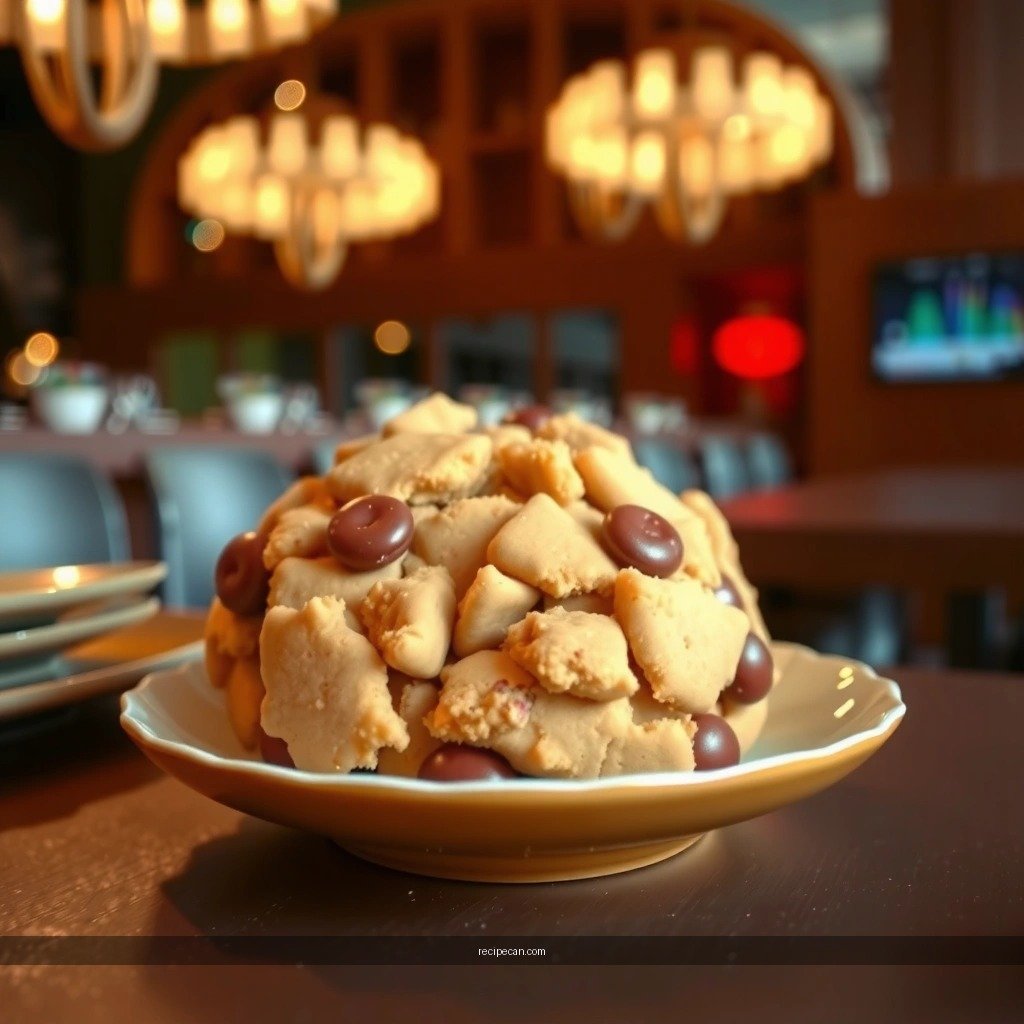
Crumbl-style cookies are defined by a specific bake moment: edges set, centers still soft. You’ll notice the surface looks slightly underdone—then finishes baking as the cookie cools on the tray.
Bake until edges set but centers stay slightly soft
Use visual cues rather than relying only on minutes:
– Edges should appear set and lightly browned.
– Centers should look puffy and slightly glossy; they will continue to firm as they cool.
Rotate the tray halfway through for even browning
Home ovens often hot-spot. Rotating at the midpoint helps ensure:
– Even color on all cookies
– Consistent centers (less risk of overbrowning on one side)
Let cookies cool to finish the texture before topping
Cooling is not optional—especially if you’re adding frosting.
– Wait about 5–10 minutes before topping if you want frosting to hold texture.
– If you frost immediately with a warm center, frosting can melt and thin; that’s delicious, but it changes the “stacked” look.
Practical bake timing method (repeatable)
1. Start with the lower end of the bake window for your portion size.
2. Check at the earliest time.
3. If the center is still too liquid, bake 1 minute more (don’t jump 3 minutes at once).
4. After removing, leave cookies on the tray to set for a few minutes—residual heat finishes the job.
Add Toppings and Finishing Touches
Toppings are where copycat cookies move from “homemade” to “Crumbl-like.” The best results come from matching topping type to cookie temperature and structure.
Top with frosting, glaze, or buttercream right after baking (or slightly after cooling)
– Thick buttercream/cream cheese frosting: Best after a brief cool so it doesn’t collapse.
– Glaze drizzles: Best slightly warmer so it adheres and sets with shine.
Use sprinkles or extra chunks for that Crumbl look
Sprinkles should be applied strategically:
– Add immediately while frosting is tacky (for adhesion).
– Avoid saturating with too many small sprinkles; they can “melt” into frosting and lose the pop.
Add any drizzle (caramel/chocolate) for extra flavor contrast
Drizzles create both visual appeal and flavor engineering:
– Chocolate drizzle adds bittersweet depth against vanilla or sugar cookies.
– Caramel drizzle enhances the buttery notes in peanut butter and cinnamon blends.
Tip: drizzle after frosting sets slightly (a few minutes), so the design stays distinct.
Storage and Freshness Tips
A Crumbl-style cookie is best the day it’s baked, but correct storage can keep the texture close to fresh.
Store cookies airtight to keep them soft
– Use an airtight container at room temperature.
– If you’re stacking cookies, consider placing parchment between layers to reduce surface sticking.
Freeze dough or baked cookies to bake on demand
For the most “fresh from the oven” experience:
– Freeze baked cookies in a sealed container or freezer bag.
– Or freeze portioned dough balls so you can bake one tray at a time.
Re-warm briefly to restore the “fresh” feel
– Microwave softens quickly but can make edges chewy—use short bursts.
– Oven reheat (low temp, short time) is best for texture: just until warmed and slightly re-softened.
Troubleshooting Common Issues
Even with the best Crumbl cookie recipe, variations in butter temperature, oven accuracy, and measuring technique can cause predictable problems. Here’s how to correct them fast.
Common causes:
– Dough too warm
– Butter too warm or melted during creaming
– Not enough flour or no chill time
Fixes:
– Chill dough longer (at least 60 minutes next batch).
– Confirm butter is room temp for creaming.
– Weigh flour instead of scooping, if possible.
Cookies are too dry
Likely causes:
– Overbaking by 1–3 minutes
– Too much flour (often from scooping flour)
– Chocolate chunks absorbed too much moisture if dough was dry to begin with
Fixes:
– Reduce bake time and check at the earliest window.
– Use accurate flour measurement.
– Consider slightly increasing butter or adding mix-ins for moisture retention (small adjustments only).
Uneven texture
Likely causes:
– Oven temperature mismatch
– Inconsistent portion sizes
– Not rotating the tray
Fixes:
– Verify your oven with a thermometer.
– Portion with a scoop for repeatability.
– Rotate trays halfway through.
Baking a cookie crumbl recipe at home is all about thick dough, accurate baking time, and the right finishing touches. Follow the steps above to nail that Crumbl texture, then choose your favorite flavor and make your first batch today—save your notes so you can perfect your next cookie run.
The biggest takeaway: treat this like a controlled process. When your dough is properly creamed, chilled for stability, baked until the edges set but the center stays soft, and finished with toppings at the right temperature, you’ll consistently land on that thick, tender, Crumbl-style bite—batch after batch.
Frequently Asked Questions
What’s the best way to get a Crumbl-style cookie texture at home?
For a Crumbl recipe that bakes up thick and soft, use a simple dough base with butter and brown sugar, and don’t overmix once the flour is added. Chill the cookie dough for at least 30–60 minutes to prevent spreading and help the centers stay gooey. Bake until the edges look set but the middle still looks slightly underdone, then let the cookies cool on the sheet for a few minutes before transferring.
How do you make a cookie crumbl recipe taste like bakery-level vanilla and caramel flavor?
Use high-quality vanilla extract and consider adding a pinch of salt to balance sweetness and deepen the flavor. For caramel notes, brown sugar is key—swap part of the granulated sugar for dark or light brown sugar depending on how rich you want the flavor. If your recipe calls for frosting or glaze, use real butter and a small amount of cream to help the flavor taste more like a cookie shop frosting.
Why do my cookie crumbl recipes come out flat, and how can I fix it?
Flat cookies usually come from dough being too warm, too much butter, or over-creaming/baking too long. Chill the dough, measure ingredients carefully, and avoid adding extra butter unless the recipe is specifically written for it. Also check your oven temperature with an oven thermometer and bake in the recommended time window so the cookies set without becoming dry or spreading.
Which cookie crumbl flavors are easiest to replicate for beginners?
Classic beginner-friendly options include chocolate chip, cookies-and-cream, and sugar cookies with a simple vanilla glaze. These cookie crumbl recipes rely on straightforward dough techniques and toppings that are easier to scale without special ingredients. Choose one flavor to start, follow the bake time closely, and focus on consistent dough thickness for the signature Crumbl look.
What’s the ideal bake time and temperature for a cookie crumbl recipe?
Most cookie crumbl-style cookies bake best at about 350°F (175°C), but time matters more than you’d expect because dough thickness varies by scoop size. Bake until the edges are set and the centers look slightly soft, typically around 9–14 minutes depending on your portion. Let cookies rest on the baking sheet for 5–10 minutes to finish setting before moving them to a rack, so they stay thick and tender.