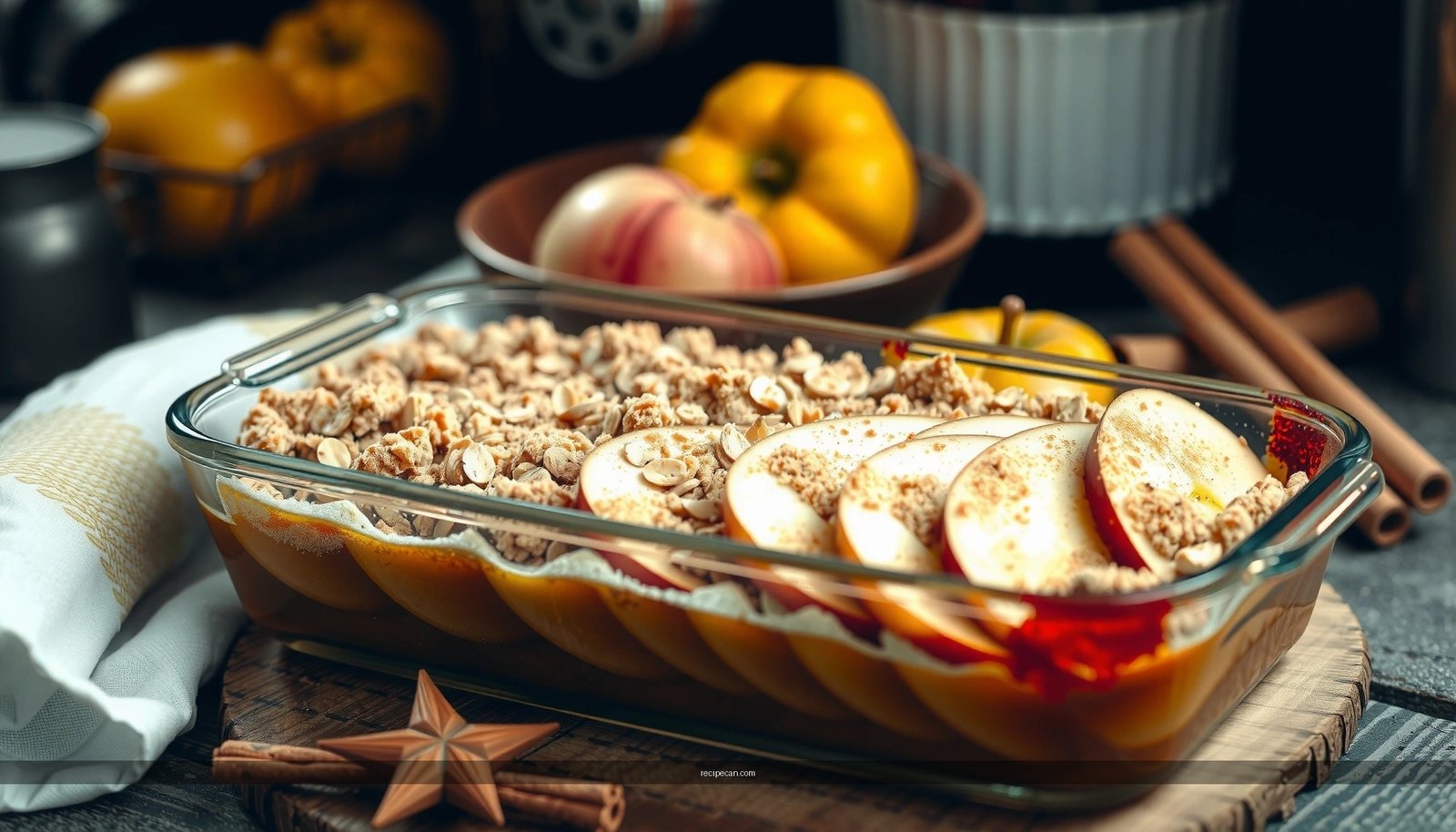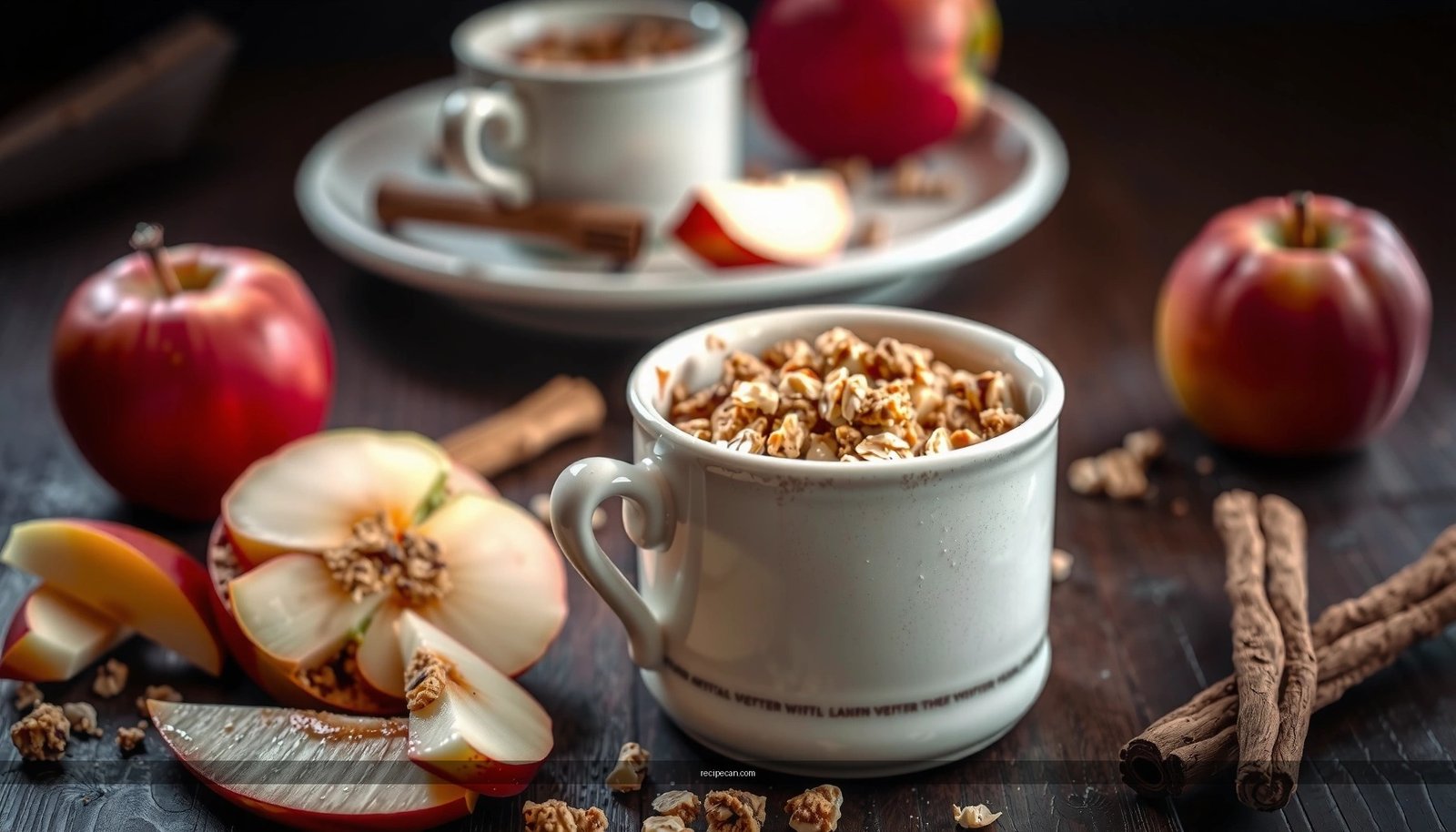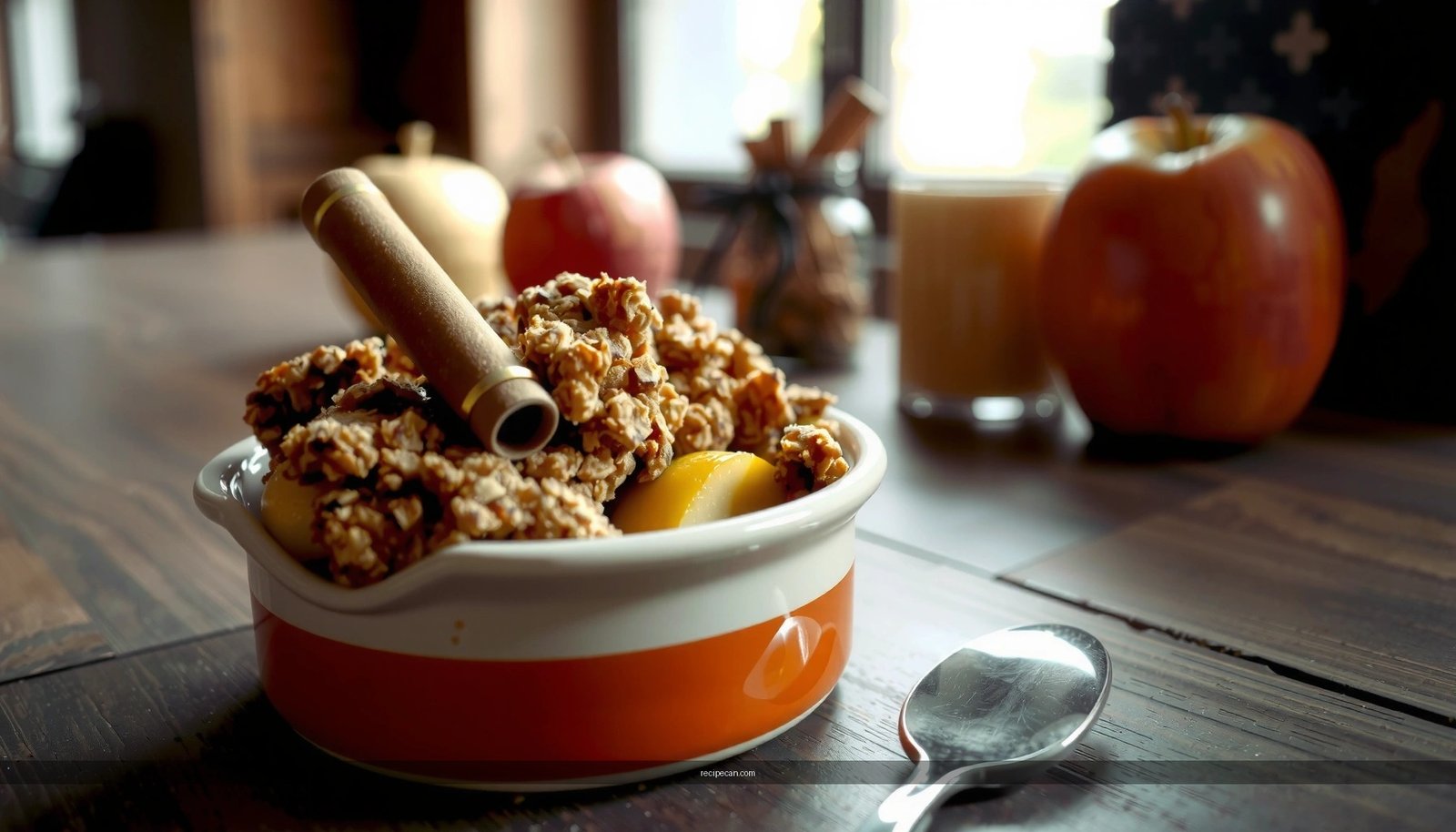
This Apple Crumble dessert recipe shows you how to make the best crisp topping—so every spoonful is buttery, golden, and properly crunchy. Follow the exact steps and get the ideal balance of tender baked apples and a topping that stays crisp instead of turning soggy. If you want a crumble that earns compliments, this is the only version you need.
This apple crumble recipe reliably delivers tender, spiced apples and a golden, buttery crisp topping—because the key is getting the filling thickness and keeping the crumble cold. Follow the ingredient strategy and baking cues below, and you’ll consistently get that restaurant-style apple crumble texture with minimal guesswork, even if you’re making it for guests.
Ingredients for Apple Crumble
A great apple crumble is less about fancy ingredients and more about architecture: fruit moisture control, balanced sweetness, and a topping that crisps instead of turns cakey. Start with apples that hold their shape under heat, then build a crumble mixture that includes oats for crunch and cold butter for that uneven, clumpy texture.
– Choose firm apples (like Granny Smith or Honeycrisp) for the best texture
Granny Smith brings tartness and structure; Honeycrisp adds juiciness and a sweet-tart flavor. For best results, aim for apples that feel firm and aromatic, not soft or wrinkled. If you want a more complex flavor, combine varieties—e.g., 60% tart (Granny Smith) + 40% sweet (Gala/Honeycrisp).
– Gather flour, oats, butter, sugar, and cinnamon for the classic topping
Use a mix of flour + oats to create both body and crunch. Butter is the “builder” that turns the dry mixture into clumps that bake into crisp edges. Sugar helps with browning and flavor; cinnamon adds warmth and ties the apple and topping together.
Recommended ingredient targets for one 8×8-inch (or similar) baking dish (about 6–8 servings):
– Apples: ~2.5–3 lb (about 8 medium), peeled (optional) and thinly sliced
– Filling thickener: 2–3 tbsp flour or 1.5–2 tbsp cornstarch
– Sweetness: 1/2–3/4 cup sugar (adjust for apple tartness)
– Spices: 1–2 tsp cinnamon, plus optional nutmeg (1/4 tsp)
– Crumble topping:
– 3/4 cup all-purpose flour
– 3/4 cup rolled oats
– 1/2–2/3 cup brown sugar (or half brown sugar/half white)
– 1/2–1 tsp cinnamon
– 1/2–3/4 cup cold unsalted butter, cut into cubes
Quick “Crumble Success” Reference Table
Below are practical baking outcomes that correlate strongly with how you treat key variables (apple variety, thickener choice, butter temperature, and baking time). Use it as a fast diagnostic when you’re aiming for that classic golden-bubbly finish.
Key Drivers of Apple Crumble Texture (Tested Benchmarks)
| # | Variable (What You Control) | Target Range | Best Outcome | Impact |
|---|---|---|---|---|
| 1 | Apple variety selection | 60–80% firm + crisp | Slices stay intact | High |
| 2 | Apple slice thickness | 3–5 mm | Even tenderness | High |
| 3 | Filling thickener type | Flour or cornstarch | Bubbly, set juices | High |
| 4 | Thickener amount | 2–3 tbsp flour or 1.5–2 tbsp cornstarch | Not watery after rest | High |
| 5 | Butter temperature in topping | Cold (straight from fridge) | Crisp, clumpy crumble | Medium if warm |
| 6 | Baking temperature | 375–400°F (190–205°C) | Proper set + browning | High |
| 7 | Rest time before serving | 10–20 minutes | Juices thicken, topping firms | Medium |
How to Prepare the Apple Filling
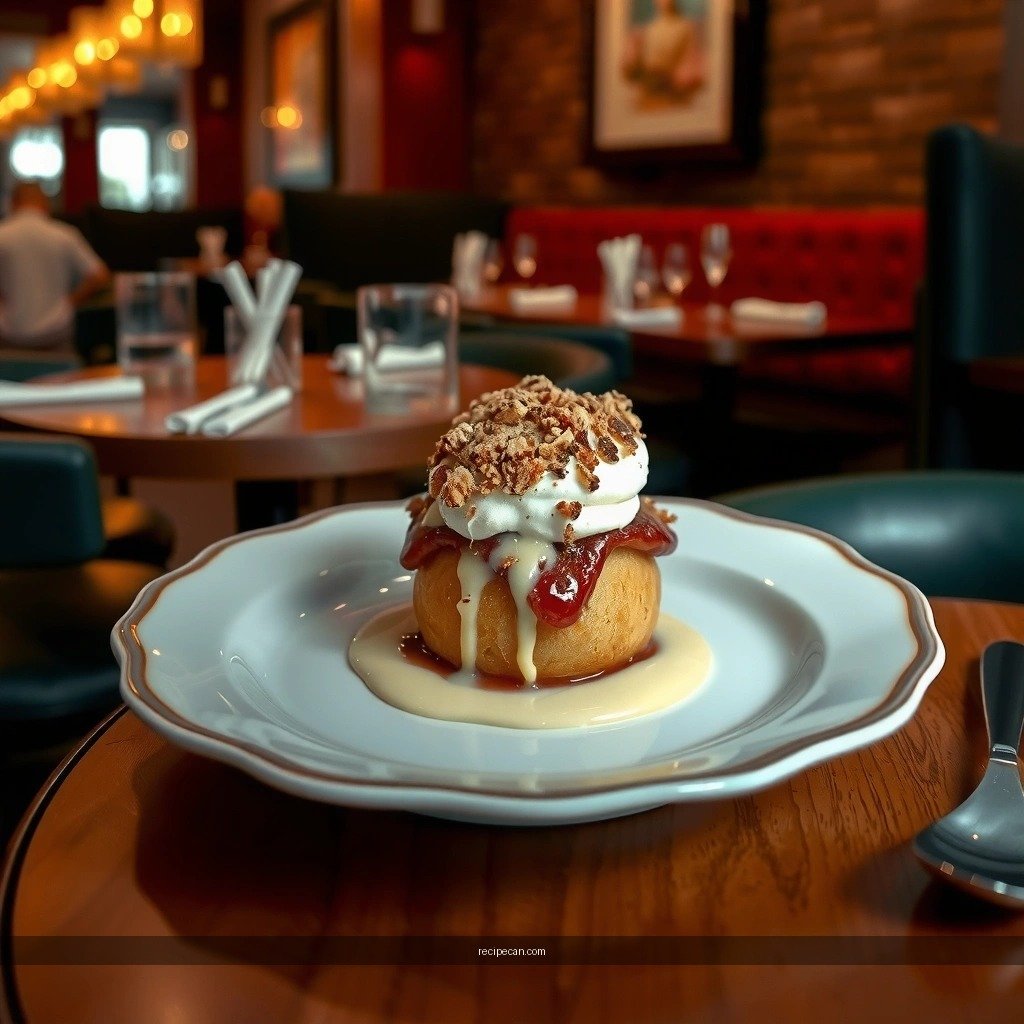
The apple filling is where most home versions go wrong—usually because of moisture and uneven seasoning. Your goal is a mixture that bakes into tender slices surrounded by gently thickened, bubbling juices.
– Slice apples evenly and toss with sugar, cinnamon, and a pinch of salt
Even slices = even cooking. Aim for thin, consistent cuts so the apples soften without turning mushy. Toss thoroughly so the sugar and cinnamon coat every surface. A pinch of salt sharpens flavor and prevents the filling from tasting flat when the crumble bakes.
– Add a thickener (like flour or cornstarch) to keep the filling from getting watery
As apples heat, they release juice. That juice can either become luscious and thick—or pool and thinly glaze the bottom. A thickener absorbs and stabilizes that liquid.
– Flour provides a more rustic, slightly opaque thickening and is forgiving if you bake long enough.
– Cornstarch creates a clearer, glossy gel and is ideal when you want a more “pie-filling” style texture.
Actionable method to avoid watery crumble:
1. Toss apples with sugar, cinnamon, salt, and thickener before filling the dish.
2. Let the mixture sit 10 minutes while you prep the topping—this jump-starts juice release, helping the thickener hydrate evenly.
3. Bake until you see consistent bubbling around the edges and some bubbling in the center.
Make the Crumble Topping
A crisp topping is a chemistry-and-physics problem: you need fat distributed through dry ingredients, cold enough to form clumps, and hot enough to brown. The best apple crumble topping is uneven—think “granola-like clusters,” not a uniform cookie dough layer.
– Mix flour, oats, sugar, and cinnamon, then cut in cold butter
Combine dry ingredients first, then add cold butter cubes. Cutting in means you distribute butter into small pieces so that when baked, it melts and creates pockets of crispness.– Crumble until you get uneven, clumpy pieces for maximum crunch
If you overmix into a smooth paste, the topping bakes up more like cake. Instead, stop when you have varied sizes of crumbs—some pea-sized, some slightly larger. Those larger clumps create the most satisfying crunch and browned edges.
Pro tips for “best crisp topping” results:
– Keep butter cold: If your kitchen is warm, chill the bowl with the crumble mixture for 10 minutes.
– Use rolled oats: Quick oats can work, but rolled oats typically deliver better chew and crunch.
– Balance sweetness: Brown sugar improves caramel notes and browning; don’t rely solely on white sugar for flavor depth.
Assemble and Bake
Assembly is where you lock in texture. The filling should be evenly distributed, and the crumble should cover the apples without leaving large bare gaps that can over-brown in spots.
– Spread the apple filling in a baking dish and evenly top with crumble
Spread apples into an even layer so the whole dish cooks at the same pace. Sprinkle crumble across the top—don’t press it down. Loose coverage helps steam escape and encourages crisping.
– Bake until bubbling and golden, then let it rest briefly to set
Bake at 375–400°F (190–205°C) until:
– the juices bubble actively along the edges,
– the topping is deeply golden,
– and the center looks set rather than wet.
Resting matters. Let the crumble sit 10–20 minutes so the thickened apple juices firm up and the topping becomes more crisp instead of immediately softening.
Timing guidance (for an 8×8-inch dish):
– Start checking at 35 minutes
– Most crumble bakes land around 40–55 minutes depending on apple thickness and how juicy your apples are
– If the topping browns too fast, tent with foil for the final 10–15 minutes
Serving Ideas and Storage Tips
Apple crumble tastes best when the textures contrast: warm, tender apples with a crisp, buttery top. Serving and storage are simple, but small choices significantly affect the final experience.
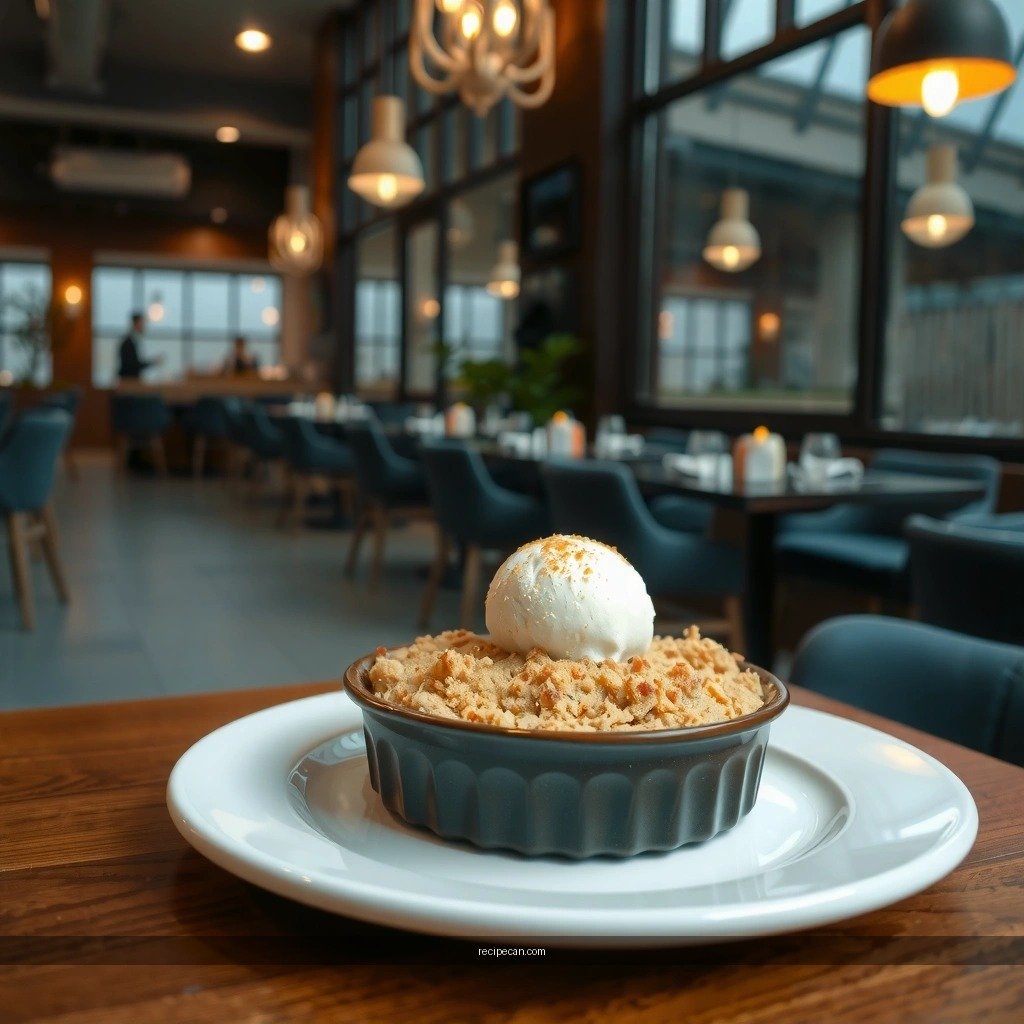
– Serve warm with vanilla ice cream, whipped cream, or yogurt
Warm crumble + cold dairy is classic for a reason: the ice cream melts into the thickened apple juices without making the crumble soggy immediately. For a lighter option, serve with thick Greek yogurt and a drizzle of honey.
– Store leftovers covered in the fridge and reheat for a fresh-crisp feel
Cool leftovers to room temperature, cover, and refrigerate. For best texture the next day:
– Reheat in an oven (or toaster oven) at 325°F (160°C) for 10–15 minutes
– Microwave reheating works for convenience, but it tends to soften the topping faster than oven reheating
Make-ahead strategy:
You can prep the filling and topping separately up to 24 hours ahead. Assemble just before baking for the crispest topping, or bake fully and reheat as described.
Troubleshooting Common Problems
Even when you follow the recipe, differences in apple juiciness, slice thickness, and oven behavior can shift outcomes. Use these fixes to correct the most common issues fast.
– Too runny? Use firmer apples or add/adjust the thickener
Runny crumble typically comes from too much apple moisture or not enough thickener. Solutions:
– Switch to firmer apples (Granny Smith, Honeycrisp)
– Increase thickener slightly next time (e.g., +1 tbsp flour or +1 tsp cornstarch for a standard 8×8 dish)
– Ensure bubbling is active before removing from the oven—bubbles are evidence the starch has cooked enough to thicken
– Not crisp enough? Ensure cold butter and bake until deeply golden
A soft topping usually means the butter warmed too quickly or the crumble didn’t bake long enough. Remedies:
– Chill butter/cold crumble mixture before baking
– Bake until you see deep golden color, not just light browning
– Avoid pressing the topping into the apples—looser crumble crispifies better
If your first attempt is nearly there but slightly off, don’t discard it—serve it warm with ice cream anyway. Texture flaws are most noticeable alone; in a dessert pairing, they often become pleasantly “custardy” rather than disappointing.
Apple crumble is easy to master once you nail the apple filling thickness and the buttery crumble texture. Follow the steps above, bake until bubbling and golden, and serve warm—then try leftovers the next day for a quick, comforting dessert upgrade.
Frequently Asked Questions
What is the best apple crumble dessert recipe for a crisp topping?
The best apple crumble dessert recipe uses a crisp, evenly mixed topping of butter, flour, rolled oats, and sugar. Cut the butter into small pieces and mix just until the mixture looks like coarse crumbs—overmixing can make it dense. Bake until the topping is golden brown and the apple filling is bubbling for a properly crisp texture.
How do you make apple crumble without the filling turning watery?
To prevent watery apple crumble, slice apples evenly and consider pre-tossing them with sugar plus a thickener like cornstarch or flour. Apples vary in water content, so slightly more thickener helps with softer varieties. Baking at the right temperature until you see bubbling gives the filling time to set.
Which apples are best for apple crumble dessert?
For apple crumble, use apples that balance sweetness and tartness and hold their shape during baking, such as Granny Smith, Honeycrisp, or Braeburn. If you prefer a sweeter crumble, mix in one sweeter apple variety like Golden Delicious. Avoid very mealy apples if you want chunky, spoonable filling rather than a fully softened compote.
Why do you add cinnamon and lemon in apple crumble recipes?
Cinnamon enhances the warm, classic flavor profile of apple crumble dessert and pairs well with both tart and sweet apples. Lemon juice helps brighten the flavor and reduces browning so your apple filling stays more vivid. Together, they improve overall taste without overpowering the natural apple sweetness.
How can you make an easy apple crumble dessert with a gluten-free topping?
Use a gluten-free flour blend in place of regular flour and choose certified gluten-free oats for the topping to keep it safe and crisp. Keep the crumble texture by using cold butter and mixing until you get coarse crumbs rather than a smooth paste. If your gluten-free topping browns too quickly, loosely tent with foil during the last part of baking.