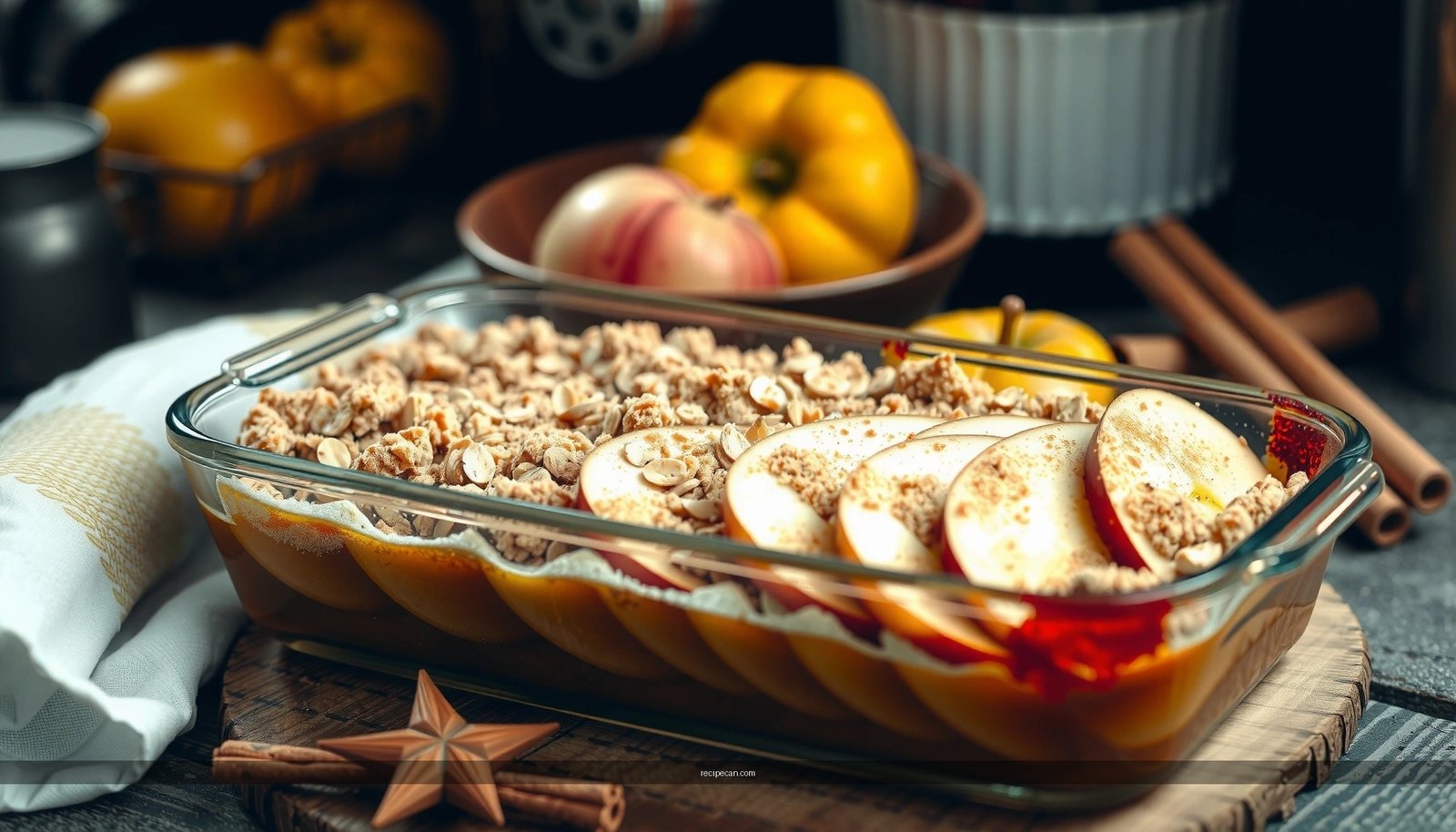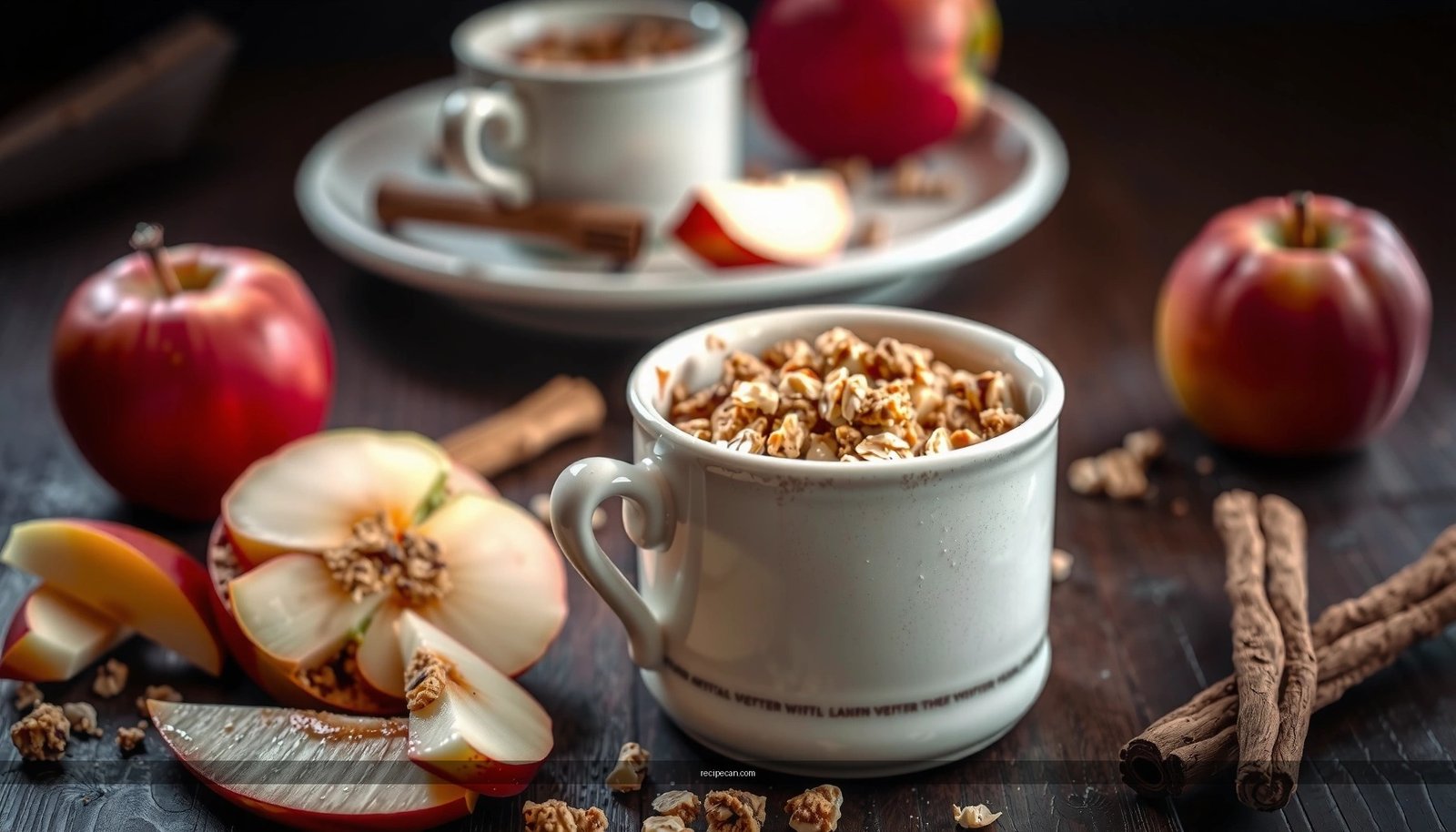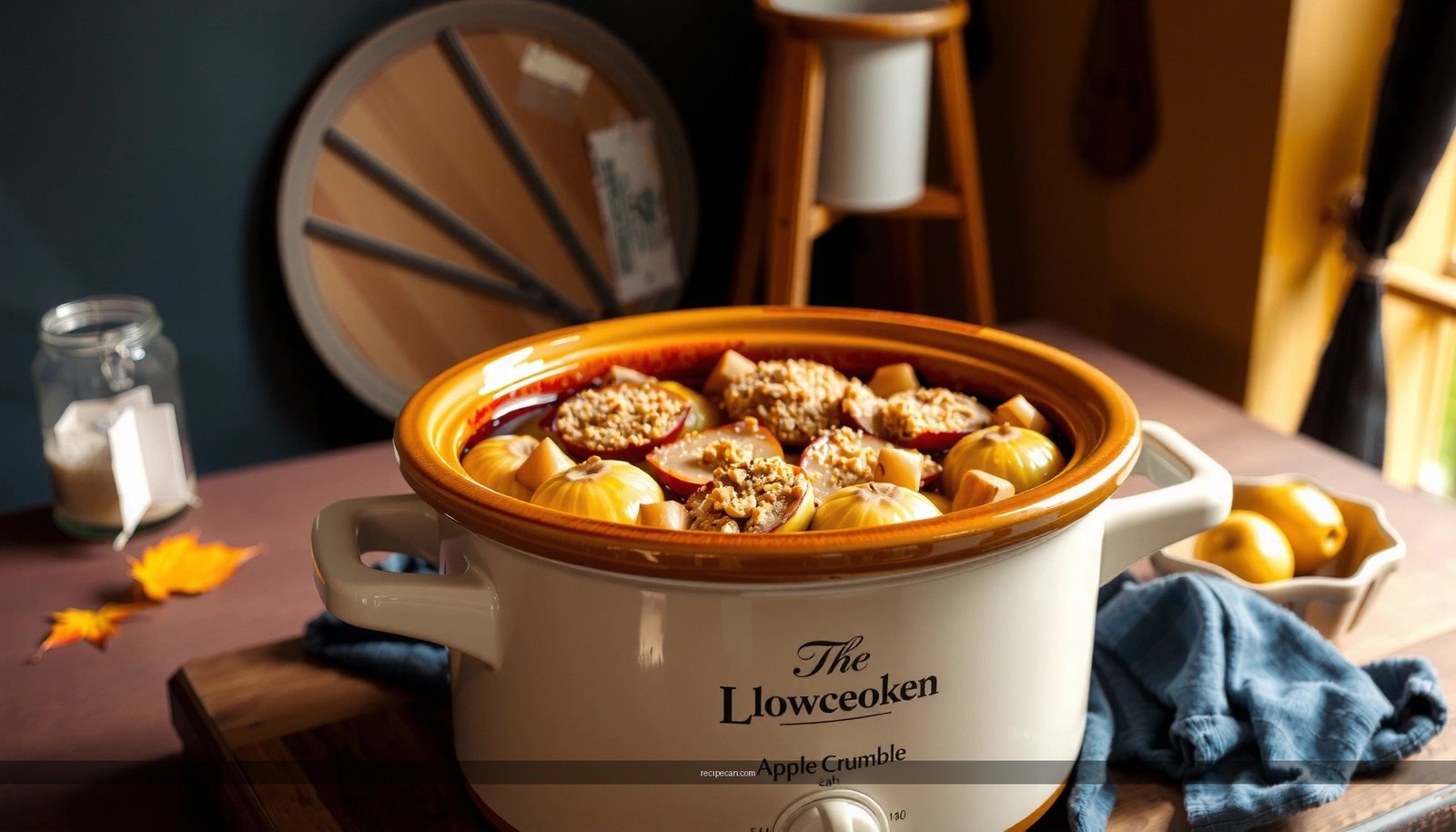
This slow cooker apple crumble recipe delivers a cozy, golden dessert with tender apples and a crisp-topped finish—without babysitting the oven. If you want the easiest way to get real crumble texture from your slow cooker, this step-by-step method is the fastest route to a dependable, crowd-pleasing result. You’ll know exactly what to cook, how long to run it, and how to serve it hot with minimal effort.
This slow cooker apple crumble recipe delivers warm, tender apples and a buttery, golden crumb topping with minimal effort—no baking session required. You’ll prep the apples, mix a simple topping, and let the slow cooker do the hard work, then finish with a quick texture adjustment so it stays crisp where it counts.
Choose the Best Apples for Slow Cooker Apple Crumble
The best slow cooker apple crumble starts with the right apple variety. Because slow cookers use steady, indirect heat, apples can break down quickly if they’re too soft, but they’ll hold their shape beautifully when you choose fruit with good structure and balanced sweetness.
– Use tart-sweet apples like Granny Smith or Honeycrisp for great flavor
– Granny Smith brings acidity that cuts through the sweetness of brown sugar and creates a more “bakery-style” depth.
– Honeycrisp adds sweetness and a crisp, juicy bite that stays more distinct even after long cooking.
– If you like a softer, “melt-in” texture, you can blend in Empire or Fuji (use slightly less cooking time).
– Slice apples evenly so they cook consistently
– For even doneness, aim for uniform slices or chunks (roughly 1/4–1/2 inch thick).
– Inconsistent pieces are the main reason slow cooker apple desserts end up with a patchwork texture—some apples become applesauce while others remain firm.
A practical approach for consistency: core and slice first, then quickly sort by size. Even a small effort here prevents the “hot spot” effect where thinner pieces overcook.
Prep the Apple Filling
The apple filling is where slow cooker apple crumble becomes truly reliable. A well-balanced filling controls sweetness, flavor intensity, and—most importantly—texture. Without proper thickening, juices can pool, making the dessert taste watery even if it smells perfect.
– Toss apples with sugar, cinnamon, and a little lemon juice
– Combine granulated sugar (or a mix of sugar and brown sugar) with ground cinnamon and a small amount of lemon juice.
– Lemon juice does two things: it brightens the flavor and slows browning, which helps the apples look more appetizing.
– Add a small thickener (like cornstarch) to keep the filling from getting too runny
– In a slow cooker, apples release liquid as they soften. A thickener helps that liquid turn into a spoonable sauce rather than a thin syrup.
– Use cornstarch for classic results: stir it with sugar and cinnamon before tossing with apples so it disperses evenly.
– Start conservatively—too much thickener can make the filling gummy; too little can leave it loose.
Actionable ratio: For roughly 6 cups sliced apples, a common, dependable approach is about 1/4 cup sugar, 1–2 teaspoons cinnamon, and 1–2 tablespoons cornstarch (adjust to the sweetness of your apples and how juicy they are). If your fruit is especially juicy, slightly increase thickener.
Make the Crumble Topping
Crumble topping is essentially a controlled texture system: enough fat for tenderness and enough flour to form crumbs that can toast and set. The goal is coarse crumbles—not a doughy layer—so the topping has both structure and that “crisp-springy” mouthfeel.
– Combine flour, brown sugar, and butter (or a butter substitute) for crunch
– Use all-purpose flour as the base.
– Brown sugar provides molasses depth and a caramel-leaning flavor that pairs naturally with cinnamon apples.
– Butter (cold, if you’re mixing by hand) creates rich flavor and encourages browning at the edges. For dairy-free versions, use a high-quality butter substitute designed for baking so the crumble still binds and toasts.
– Stir until you get coarse crumbs—this helps the topping stay “crumble” not cake
– Rub butter into dry ingredients until you see pea-sized and sand-like bits.
– If the topping turns into a smooth, cohesive paste, you’ve likely overmixed or added too much liquid (some brands of substitutes behave differently—stick to the amount you can crumble).
For best results in a slow cooker environment, keep the crumble slightly thicker and less compact. A dense layer can steam instead of crisping, which makes it taste more like cake than crumble.
Key texture strategy
Slow cookers are great at tenderizing fruit, but they can be less crisp-friendly for toppings. Your topping will crisp best when it’s either:
1) added later (so it has less time to steam), or
2) placed in a way that allows some heat contact and evaporation.
That leads directly into the next section.
Layering Tips for the Perfect Texture
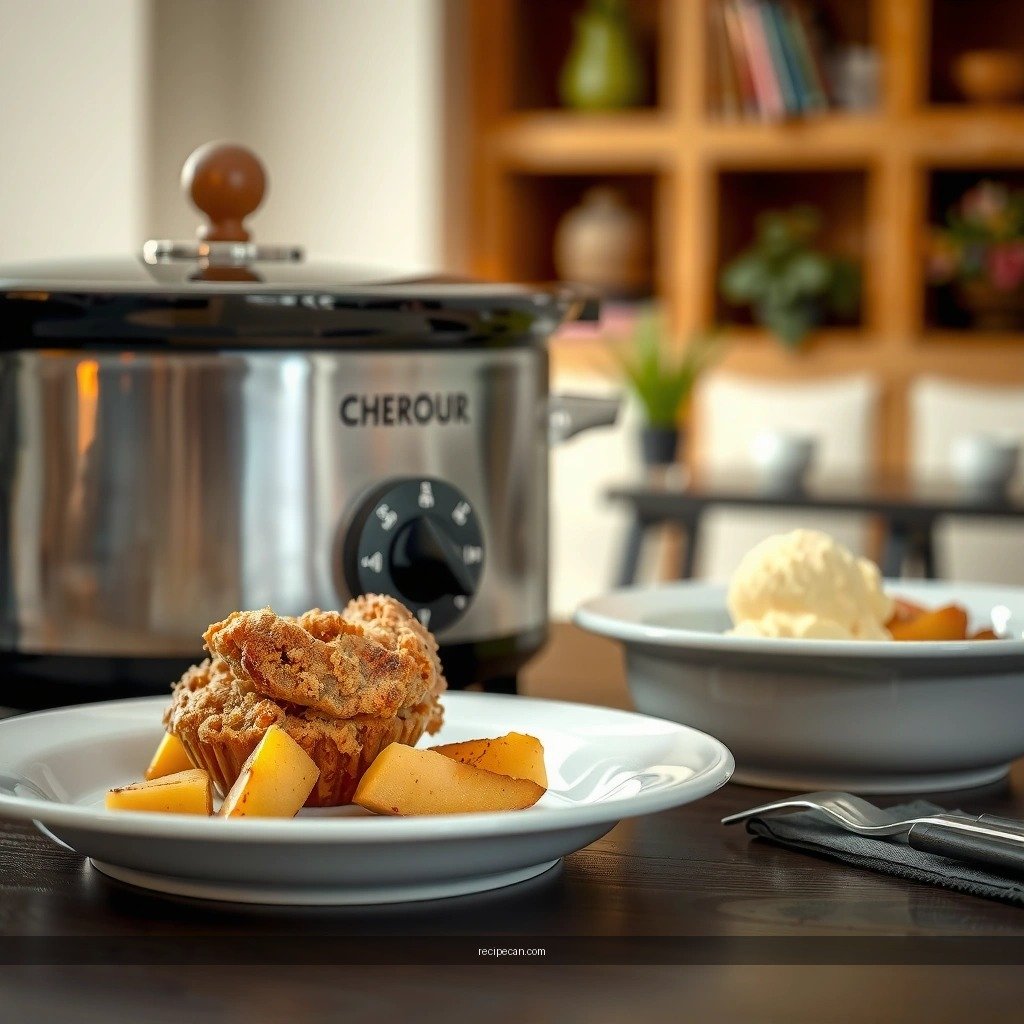
Layering isn’t just about assembly—it’s about heat flow. Proper layering reduces uneven cooking and helps you control whether the topping crisps or softens.
– Place apples in an even layer to avoid hot spots
– Spread apples into the slow cooker so no area is much thicker than the rest.
– Thick mounds hold heat differently and can become overly soft while thinner sections turn into mush.
– Add crumble topping during the last part of cooking if needed to keep it crisp
– For a more traditional crumble finish, consider adding topping after the apples have softened.
– A common method: cook apples first, then sprinkle topping on, and cook briefly again—long enough to set and bubble, not so long that it fully steams.
Example staging (typical):
– Cook apples on low until tender.
– Add crumble topping.
– Continue cooking briefly until the top is fragrant and slightly set.
This approach is especially useful if your slow cooker runs cool or doesn’t generate much surface evaporation.
Slow Cooker Timing and Doneness Checks
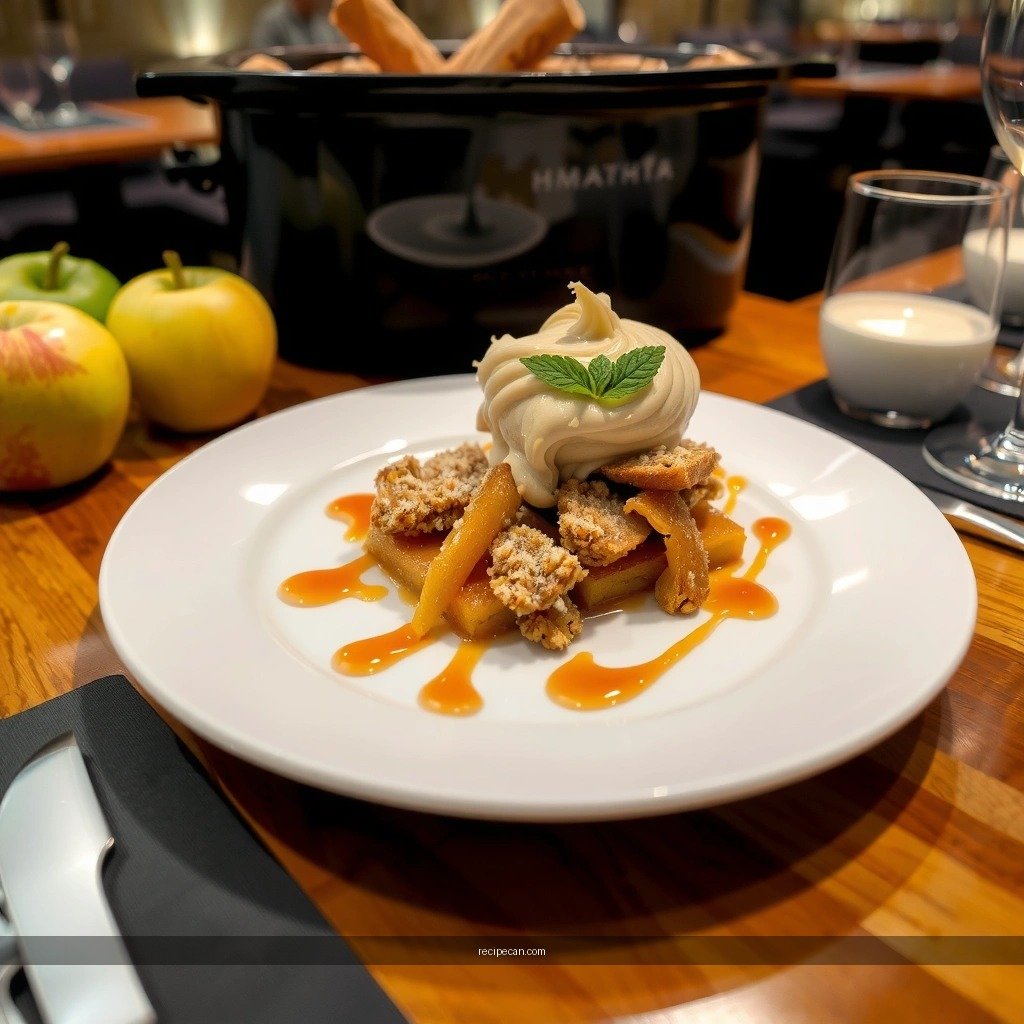
Timing is the biggest variable in slow cooker desserts because every model cooks slightly differently. Rather than relying only on a single clock, use doneness signals—tender apples plus bubbling edges.
– Cook until apples are tender, then adjust time for your desired thickness
– Apples are ready when they’re fork-tender but still hold some shape.
– If you prefer a thicker “filling” consistency, cook a bit longer before serving (or let the dessert rest briefly; juices thicken as they cool).
– Check for bubbling around the edges as a quick doneness signal
– Look for bubbles at the perimeter of the apple mixture. This indicates the sauce has heated through and is beginning to thicken.
– If the center looks calm and underheated, it may need more time.
Practical doneness cues:
– Apples: should easily compress when pressed but not collapse into uniform applesauce.
– Crumble top: should look set and slightly dry on top, not wet and glossy.
– Sauce: should cling to a spoon rather than run like thin juice.
If your dessert turns out too thin, you can thicken it right in the slow cooker by cooking a little longer with the lid on (or stirring and letting it simmer through evaporation). If it’s too thick, a splash of warm water or apple juice can loosen it before topping addition.
Visual reference: How slow-cooker apple crumble compares by thickness preference
Estimated Slow Cooker Apple Crumble Thickness by Cook Stage (Low Heat)
| # | Cook Stage (Low) | Typical Duration | Sauce Behavior | Thickness Rating | Adjustment if Needed |
|---|---|---|---|---|---|
| 1 | Apples only (start) | 1 hr | Watery pooling | ★☆☆☆☆ | Add thickener and continue |
| 2 | Apples only (softening) | 2 hr | Juices begin to cling | ★★☆☆☆ | Top may steam if added now |
| 3 | Apples only (tender) | 2 hr 30 min | Bubbling edges appear | ★★★☆☆ | Add topping for best set |
| 4 | Topping added (short cook) | 30 min | Sauce thickens at edges | ★★★★☆ | Best for classic crumble |
| 5 | Topping added (set top) | 45 min | Spoonable, cohesive filling | ★★★★★ | Serve immediately for peak texture |
| 6 | Extra thickening (rested simmer) | 15 min more | Very thick, less syrupy | ★★★★★ | Loosen with warm liquid if needed |
| 7 | Overcook risk window | +30–45 min | Topping softens; apples break down | ★★☆☆☆ | Reduce next time; add topping later |
Serving and Storage Ideas
A great slow cooker apple crumble is more than just “done.” Serving technique affects texture, and smart storage protects the crumble’s integrity so leftovers taste like dessert—not reheated mush.
– Serve warm with vanilla ice cream or whipped cream
– Warm filling + cold cream creates contrast in temperature and texture.
– Vanilla ice cream is the classic because it balances cinnamon’s spice without overpowering the fruit.
– Store leftovers in the fridge and reheat gently to preserve texture
– Cool leftovers to room temperature before refrigerating (this reduces condensation that can soften topping).
– Reheat in short intervals in the microwave or on low heat in the oven, covered loosely to prevent drying.
– For best texture, re-crisp the topping briefly under a broiler (watch closely) if you want more crunch.
Storage tips that matter:
– Keep crumble and sauce together in one container for convenience; the topping will soften over time, but the flavor stays strong.
– If you anticipate frequent reheating, you can portion into single servings—less time exposed to heat and moisture.
Serving ideas beyond the basics
If you want to elevate a weekday crumble into a “company-worthy” dessert:
– Add a drizzle of caramel sauce for a richer finish.
– Sprinkle with toasted walnuts or pecans for crunch contrast.
– Serve with Greek yogurt for a tangy, higher-protein option that still feels cozy.
This slow cooker apple crumble recipe delivers cozy, tender apples with an easy crumble topping—no complicated baking required. Follow the apple, filling, and timing tips above, and then serve it warm with your favorite topping; try making it the next time you want a comforting dessert with minimal prep.
In summary, the fastest path to great slow cooker apple crumble is choosing apples with structure, thickening the juices so the filling stays spoonable, and managing crumble timing so it sets rather than steams. With even slicing, careful layering, and simple doneness checks (tender apples and bubbling edges), you’ll consistently get a dessert that tastes homemade, warm, and satisfying—right after the slow cooker finishes.
Frequently Asked Questions
What’s the best slow cooker apple crumble recipe for beginners?
A beginner-friendly slow cooker apple crumble usually uses sliced apples, a cinnamon-sugar filling, and a simple crumble topping made from oats, flour, butter, and brown sugar. For reliable results, cook the apples on low until they’re tender, then add the crumble topping for the final portion of cooking so it stays lightly crisp. If your slow cooker runs hot, start checking around the 2-hour mark to avoid mushy apples or overly browned topping.
How do you prevent a soggy crumble in a slow cooker apple crumble recipe?
To keep your topping from getting soggy, add the crumble topping later in the cooking process—typically during the last 45–60 minutes. Using rolled oats and a slightly thicker crumble mixture helps absorb moisture without dissolving, while keeping the lid on minimizes temperature swings. For extra protection, you can stir less, avoid adding too much liquid, and choose apples that hold their shape well (like Honeycrisp or Granny Smith).
Why do you add thickener like flour or cornstarch to slow cooker apple crumble?
Apples release a lot of juice as they soften, and without thickening the filling can become watery. A small amount of cornstarch or flour mixed with the cinnamon sugar helps the apple sauce thicken into a spoonable, dessert-ready filling. This makes your slow cooker apple crumble taste more like a traditional baked crumble and improves the texture when serving.
Which apples are best for slow cooker apple crumble?
For the best slow cooker apple crumble, choose apples that stay firm and sweet-tart after long cooking, such as Honeycrisp, Granny Smith, Braeburn, or Pink Lady. These varieties hold their texture better than very mealy apples, which can break down into applesauce. If you prefer a softer filling, you can use a mix of firm and slightly softer apples, but keep an eye on cook time.
How long should you cook a slow cooker apple crumble and when should you add the topping?
Cook the apple filling on low for about 2–3 hours, or until the apples are tender and the juices are bubbling gently. Add the crumble topping during the last 45–60 minutes—long enough to set and lightly crisp, but not so long that it turns cake-like. If your slow cooker tends to run cool or hot, adjust in 10–15 minute increments for the best crumble texture.