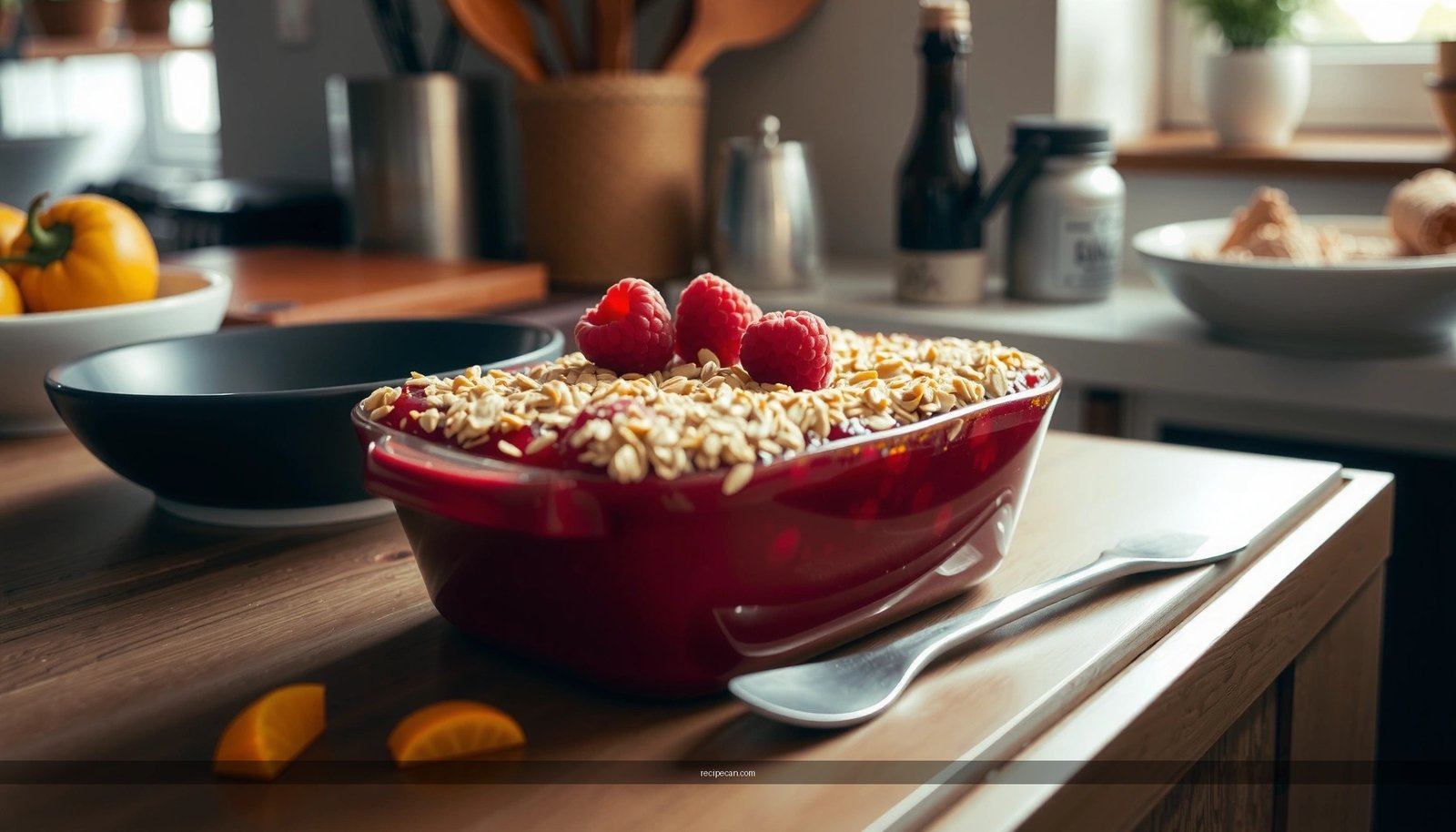
Get a raspberry crumble recipe with a topping that turns out perfectly crisp—no soggy patches, no guessing. Follow these easy steps to balance butter, flour, and sugar so the crumble bakes up crunchy around juicy raspberries. If you want the clearest method for crisp, golden results every time, this is the one to make.
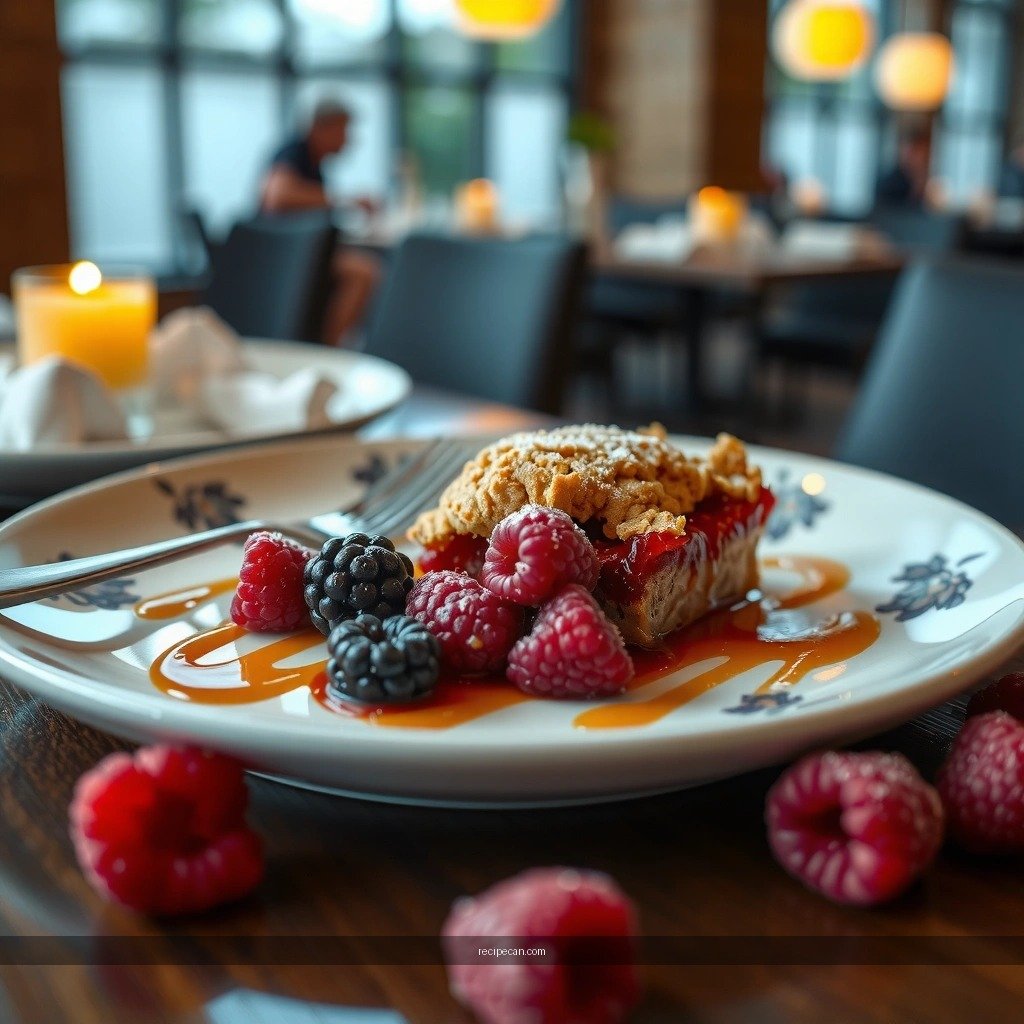
This raspberry crumble recipe delivers a juicy, fruit-forward filling with a buttery, perfectly crisp topping—without complicated technique. Toss raspberries with a bit of sugar (and lemon if you like), add a simple flour-butter crumb, then bake until the edges turn golden and the filling bubbles up through the crust.
A well-executed crumble is less about precision and more about managing two things: moisture (so the raspberries thicken instead of watering down) and heat exposure (so the topping browns instead of staying pale or soggy). Below, you’ll find a reliable, repeatable method—plus practical troubleshooting guidance and variations you can tailor to your preferences.
Crumble Topping Performance Targets (for a Crisp Bake)
| # | Baking Indicator | Target Range | What It Tells You | Outcome |
|---|---|---|---|---|
| 1 | Topping color | Golden to deep amber | Proper browning + crispification | ★ ★ ★ ★ ★ |
| 2 | Fruit bubble intensity | Bubbling at edges + center | Filling has thickened enough | ★ ★ ★ ★ ★ |
| 3 | Bake time (typical) | 35–45 minutes | Crisp topping + set filling | ★ ★ ★ ★ ★ |
| 4 | Oven temperature | 190–200°C / 375–400°F | Enough heat for crisp browning | ★ ★ ★ ★ ★ |
| 5 | Rest time before serving | 10–20 minutes | Filling thickens; topping stays crisp longer | ★ ★ ★ ★ ★ |
| 6 | Undercooked crumb | Pale topping (light blonde) | Crumble won’t crisp; can feel greasy/soft | ★ ★ |
| 7 | Overly wet filling | Watery pooling after rest | Usually too little sugar/too short bake | ★ ★ ☆ |
Ingredients You’ll Need
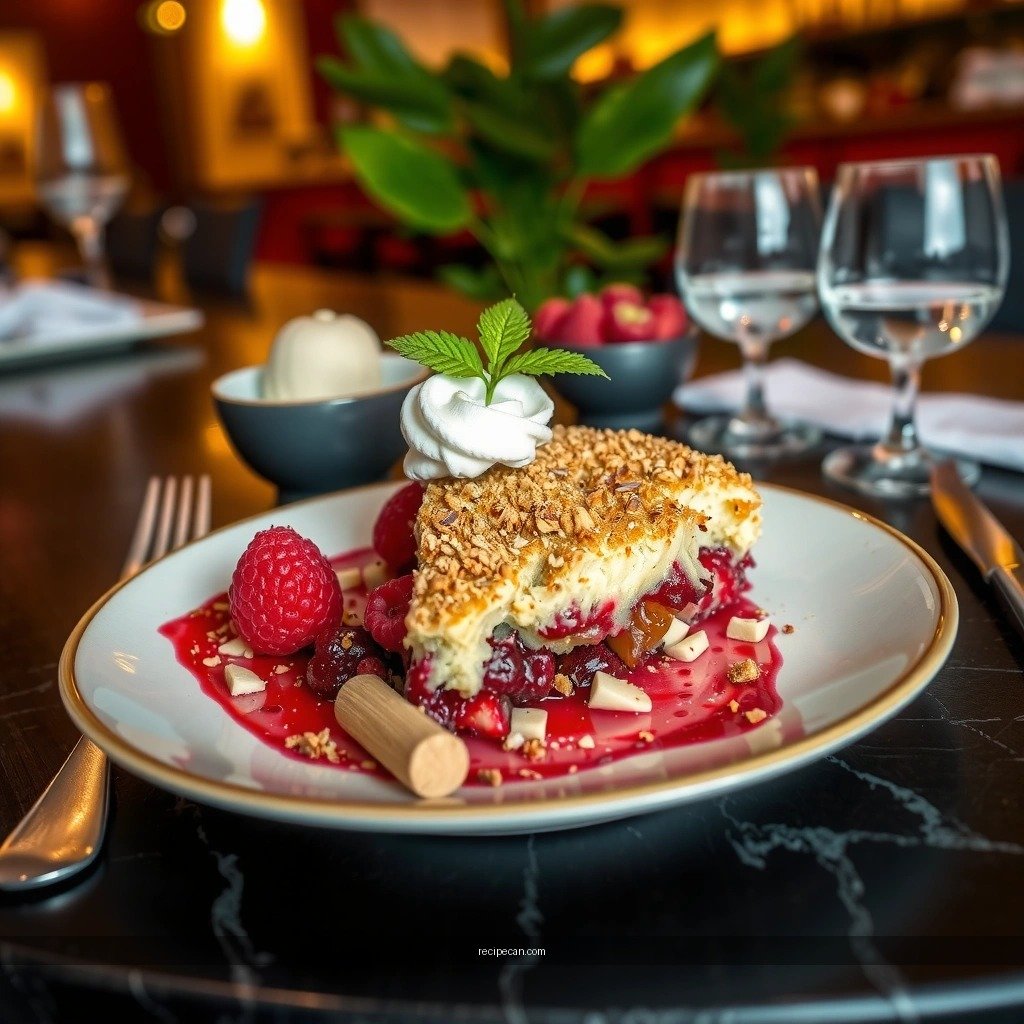
Raspberry crumble is fundamentally a three-part system: raspberries (for the filling), sugar (for sweetness and juice thickening), and a crumb made from flour, butter, and more sugar. The optional aromatics—like lemon zest or vanilla—help you dial in brightness and depth.
Core ingredients (for a standard 8×8-inch / 20×20 cm dish):
– Raspberries (fresh or frozen): About 4 cups (500–600 g). Frozen raspberries work extremely well; use them straight from the freezer to reduce extra thawing water.
– Sugar for the filling: 1/3 to 1/2 cup (65–100 g) depending on sweetness preference and raspberry tartness.
– Flour: 3/4 cup (90 g) all-purpose flour for the crumb.
– Butter: 1/2 cup (113 g) cold unsalted butter, cut into cubes for coarse crumbs.
– Sugar for the crumb: 1/4 cup (50 g) to balance the tart fruit and support browning.
Optional but recommended flavor boosters:
– Lemon zest (1–2 tsp): Enhances raspberry aroma and cuts through sweetness.
– Vanilla extract (1–2 tsp): Rounds out fruit flavor and makes the dessert feel bakery-level.
– Pinch of salt: Salt intensifies berry flavor and makes the overall taste more “complete,” even in a simple crumble.
Ingredient quality note (important for crispness):
Cold butter is your texture insurance. If the butter melts too early while mixing, the topping can turn pasty and bake into a softer crust.
Prepare the Raspberry Filling
The filling’s job is to become juicy but set—meaning the juices should bubble, thicken, and lightly gel as the dessert rests. With raspberries, the balance is especially sensitive because their seeds and delicate structure can release liquid quickly.
– Combine raspberries with sugar (and lemon if using) to create a juicy base.
Toss raspberries with sugar in a bowl. If you’re using lemon zest, add it now. For more pronounced flavor, you can also add a tiny splash of lemon juice, but avoid adding too much liquid—sugar is doing the heavy lifting for thickening.
– Let the mixture sit briefly to draw out juices.
Rest for 10–15 minutes. This step helps raspberries release flavorful syrup, which bakes into a glossy filling rather than a watery layer.
– Transfer to a baking dish and spread evenly.
Spread the fruit in an even layer so the bake time is consistent across the dish. Uneven thickness is a common reason one side crisps while the other stays loose.
Practical guidance for fresh vs. frozen raspberries:
– Fresh: You may see less liquid at first; the sugar will still extract it quickly during the brief rest.
– Frozen: If you notice excessive thawed liquid, pour off a tablespoon or two (not all) to prevent an overly wet bottom. The goal is controlled bubbling, not a fruit soup.
Make the Crumble Topping
A crisp crumble topping forms when you create coarse crumbs (not a smooth dough) and bake them until browned. This is where most “good but not great” crumbles are won or lost.
– Mix dry ingredients (flour and sugar) thoroughly.
Combine flour, crumb sugar, and any dry add-ins like a pinch of salt. Mixing evenly prevents bland spots and improves browning distribution.
– Cut in cold butter until you get coarse crumbs.
Add cold butter cubes and rub or “cut” them into the flour mixture using your fingertips or a pastry cutter. Stop when the mixture resembles pea-sized to breadcrumb-sized clumps. A mix of sizes helps create crisp edges and tender centers.
– For best texture, keep the topping slightly uneven and crumbly.
If the crumb looks too uniform or starts to form a cohesive paste, the butter is getting too warm. In that case, chill the topping for 10 minutes before assembling.
Why cold butter matters analytically:
Cold fat holds its shape longer in the oven, producing steam pockets as it melts. Those pockets help lift and aerate the crumb, leading to a crisp, “shattering” texture rather than a dense, cake-like crust.
Assemble and Bake
Now combine the two systems: bubbling fruit and browning crumb. The key is even distribution and a bake long enough to set the filling without burning the top.
– Sprinkle the crumble evenly over the raspberry filling.
Distribute the topping across the surface so heat can reach all crumb areas. If you pack it down hard, you’ll reduce airflow—leaving less room for crispness.
– Bake until the topping is golden and the fruit is bubbling.
Bake at 190–200°C (375–400°F) for about 35–45 minutes, depending on your dish depth and whether your raspberries are fresh or frozen. You’re looking for:
– A golden, fragrant topping
– Visible bubbling at the edges and through small gaps
– Rest before serving so the filling thickens.
Let the crumble sit for 10–20 minutes. Resting is not optional if you want clean slices and minimal “run.” During rest, the fruit juices thicken as they cool slightly, turning into a spoonable, syrupy layer.
Troubleshooting at a glance:
– Topping is browning but fruit isn’t bubbling: Continue baking in 5-minute increments.
– Fruit bubbles but topping is pale: Bake a bit longer; if the top browns too fast, loosely tent with foil.
– Bottom is watery: Next time use the longer bake window, increase sugar slightly, or reduce excess liquid from frozen fruit.
What “Done” Looks Like for Raspberry Crumble
| # | Sign | Cues | Action | Confidence |
|---|---|---|---|---|
| A | Edges bubbling | Fruit syrup visible | Bake 0–5 min more | High |
| B | Top color | Golden, not blonde | Continue baking if pale | High |
| C | Center setting | Small bubbles, not slosh | Remove once stable | Medium |
| D | Steam + aroma | Berry-fruit smell, buttery notes | Let it rest 10–20 min | Medium |
| E | Watery pooling | After rest, liquid spreads | Increase bake time next round | Low |
| F | Soft crust | No crisp snap | Bake longer; chill topping for next time | Low |
Flavor Variations to Try
Once you’ve mastered the basic raspberry crumble recipe, small adjustments can significantly change the final flavor and texture. Think of these as controlled “levers” you can pull.
– Add cinnamon or a pinch of salt to enhance the raspberry flavor
– Cinnamon (1/2 tsp): Adds warmth that pairs naturally with berries.
– Pinch of salt: Often makes fruit desserts taste sweeter and brighter by contrast.
– Use oats in the crumble for extra crunch
Replace 1/4 cup (25–30 g) of the flour with rolled oats. Oats add texture and help the topping stay crisp longer after baking. For a more rustic crumble, use thicker-cut oats.
– Try mixing in other berries for a twist
– Blueberries: mild sweetness, slightly thicker texture
– Blackberries: deeper flavor, more robust seed presence
– Strawberries: higher water content—use slightly less (or bake a few minutes longer) to prevent excess looseness.
Pro tip: If you add berries with higher water content (like strawberries), consider reducing the filling sugar slightly or extending bake time to ensure the juices set.
Serving and Storage Tips
A great raspberry crumble isn’t just about the bake—it’s about how you serve and store it so the topping stays enjoyable.
– Serve warm with vanilla ice cream or whipped cream
Warm crumble + cold cream is classic for a reason: the contrast improves flavor perception, and the cream balances raspberry tartness. If you prefer a lighter finish, try Greek yogurt sweetened lightly with honey.
– Store leftovers covered in the fridge and reheat to re-crisp
Keep in an airtight container and refrigerate up to 3–4 days. To restore crispness, reheat in an oven (or toaster oven) at 175°C / 350°F for 8–12 minutes rather than microwaving. Microwaving often softens the crumb by reheating trapped moisture.
– Freeze baked crumble for easy future desserts
Cool completely, cover tightly, and freeze up to 2 months. Thaw overnight in the fridge, then reheat at 175–180°C (350–360°F) for 15–20 minutes until the topping regains crispness and the filling bubbles.
Crumble Topping Strategies: Flour vs. Oats
| # | Feature | Flour-Dominant | Oat-Enhanced |
|---|---|---|---|
| 1 | Crispness peak | High (classic snap) | High (crunchy top clusters) |
| 2 | Browning speed | Faster | Slightly slower |
| 3 | Moisture tolerance | Moderate | Often better (less soggy) |
| 4 | Flavor profile | Pure buttery-crumb | Warm, toasted oat notes |
| 5 | Texture uniformity | Smoother crumb variety | More varied clusters |
| 6 | Best for fruit type | Raspberries/stone fruit | Richer mixes & juicier berries |
| 7 | Crumble density | Lighter | Slightly heavier |
| 8 | Reheating performance | Good with oven reheat | Often better texture after reheat |
| 9 | Ingredient flexibility | Requires flour | Easily swaps part flour for oats |
| 10 | Toasting aroma | Subtle | More pronounced |
| ★ | Best For | Traditional crisp crumb | Extra crunch & moisture resilience |
Raspberry crumble is all about juicy raspberries and a buttery, crispy topping—follow the filling, crumb, and baking steps above for reliable results. Make it today, taste as you go, and try one variation to find your favorite combo.
When you control the bake (golden topping + bubbling fruit) and allow a short rest (so the filling thickens), you’ll consistently get the texture most people want from a homemade raspberry crumble: snappy crumb, spoonable filling, and bakery-style aroma in every bite.
Frequently Asked Questions
What is the best raspberry crumble recipe for a crispy topping?
A great raspberry crumble recipe uses cold butter cut into flour, oats, and sugar so the topping bakes up crisp instead of dense. Aim for a mixture that looks like coarse crumbs, not a wet dough, and bake until the edges are bubbling and the top turns golden brown. For extra crunch, add a little rolled oats or chopped nuts to the crumble topping.
How do you thicken raspberry filling so the crumble isn’t runny?
To thicken raspberry filling, toss fresh or frozen raspberries with sugar and a thickener like cornstarch before baking. Use cornstarch (typically 1–2 tablespoons per 4 cups of raspberries) and let the mixture sit briefly so it starts to coat the fruit. Bake until you see active bubbling in the center—this indicates the raspberry crumble filling has reached the right consistency.
How do you make raspberry crumble with frozen raspberries?
You can absolutely make raspberry crumble with frozen raspberries—no need to thaw them first if you want to prevent excess liquid. Add frozen berries directly to the baking dish, then stir in sugar and cornstarch (or a similar thickener) to control the moisture release. Bake slightly longer if needed, until the filling bubbles and the crumble topping is crisp.
Why does my crumble topping turn out soggy, and how can I fix it?
Soggy topping usually happens when there’s too much liquid in the raspberry filling or when the topping is too finely mixed and bakes unevenly. Make sure your filling is thickened (cornstarch helps), use cold butter, and create coarse crumbs for the best texture. If your crumble browns too slowly, try baking a little longer or broiling briefly at the end to crisp the top.
Which crumble topping ingredients give the best flavor in raspberry crumble?
For a classic raspberry crumble recipe, use flour plus rolled oats for texture and butter plus brown sugar for caramel-like flavor. Adding a pinch of salt, a squeeze of lemon, or vanilla in the topping can brighten the overall taste and balance the tart raspberries. You can also experiment with cinnamon or nutmeg for warmth, and chopped almonds or walnuts for extra crunch.