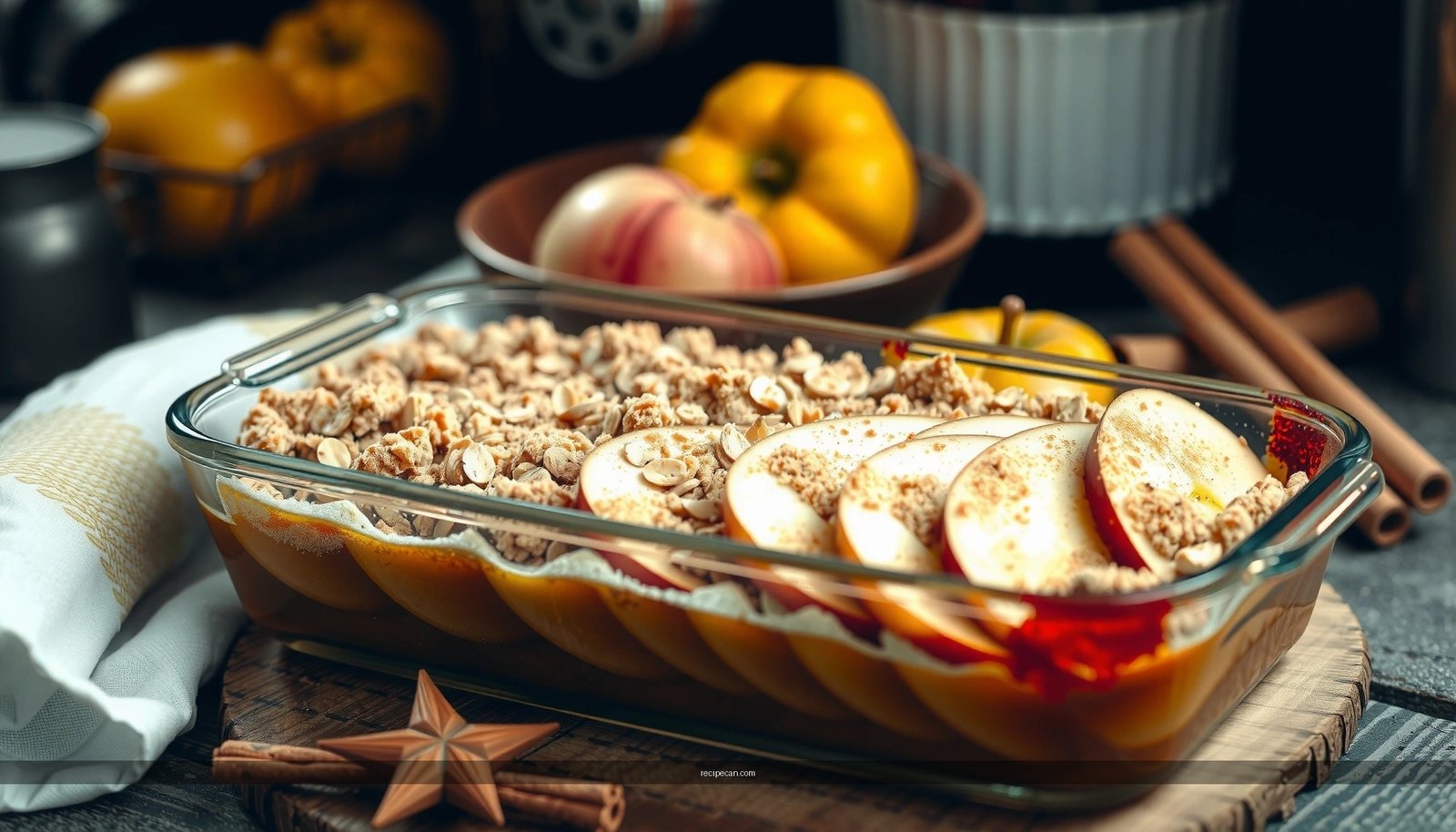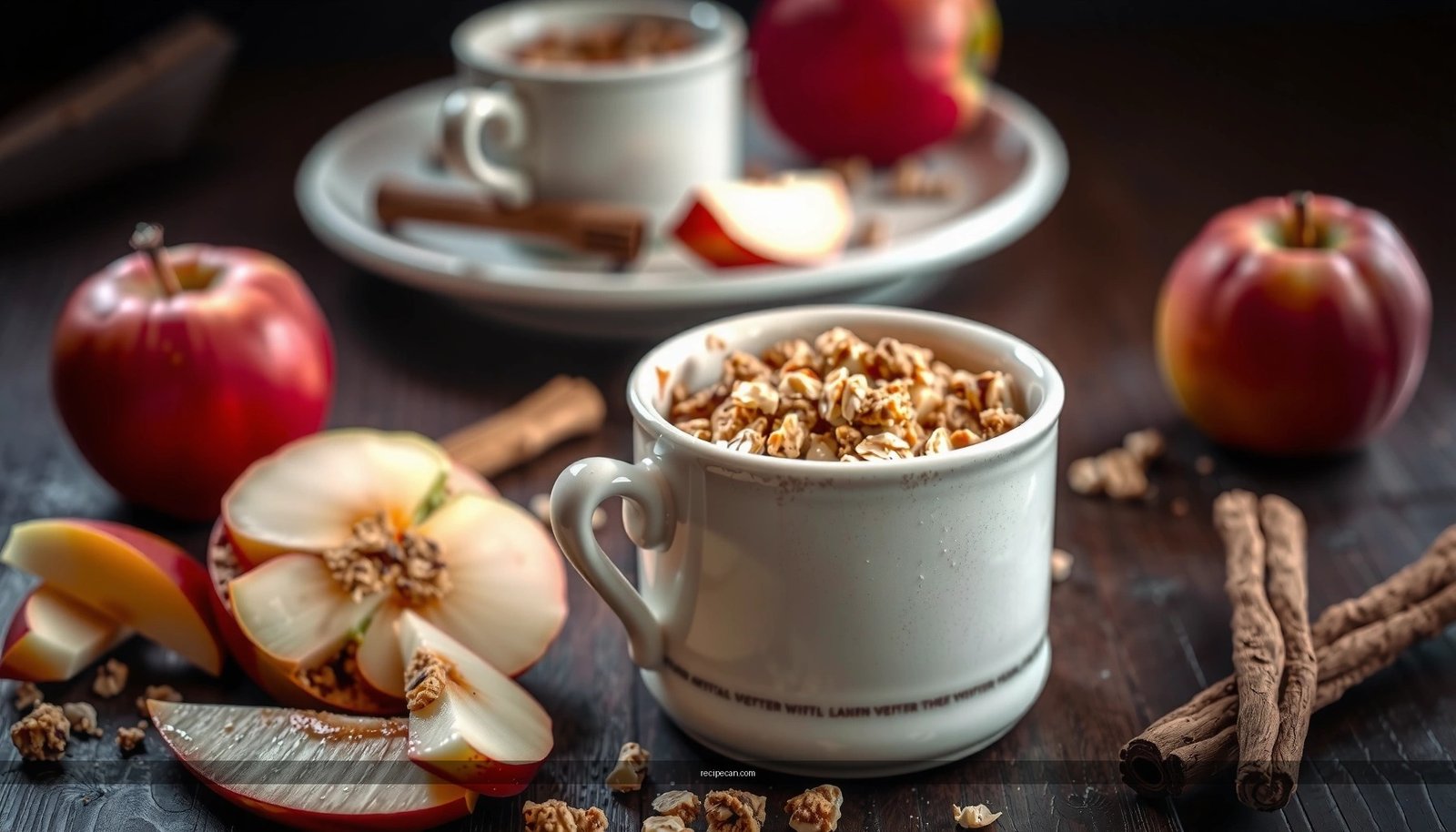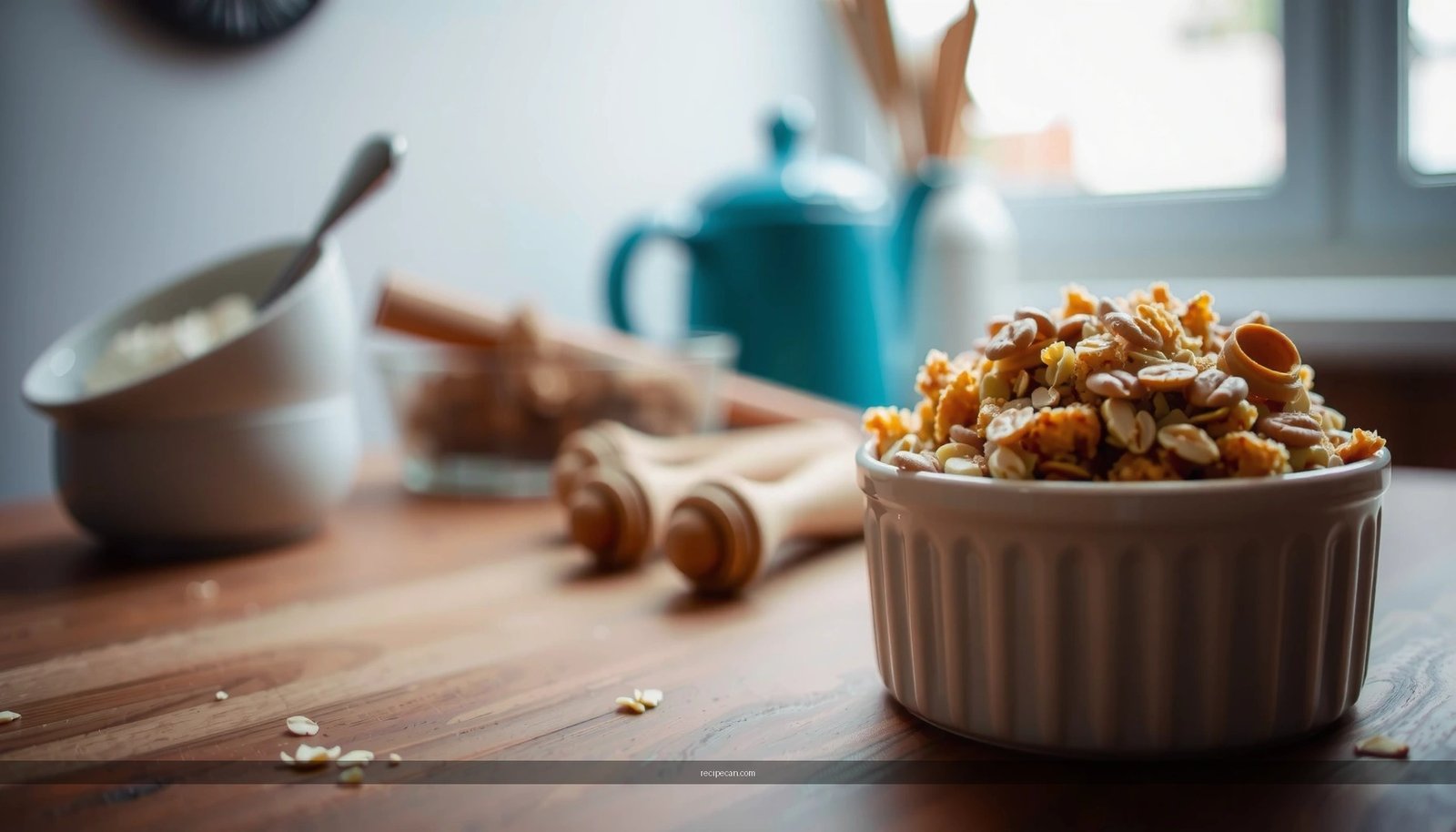
Get the oat crumble top recipe that delivers the crunch you want without fuss—simple measurements, quick prep, and reliable browning every time. This is the easy method that makes your crumble topping taste buttery, crisp, and evenly toasted on top of pies, fruit, or baked puddings. If you’ve been chasing a topping that stays crisp instead of turning soft, this version answers that question fast.
You can make an oat crumble top by cutting cold butter into rolled oats, flour, and sugar, then baking until deeply golden for a crisp, flavorful crunch. This simple method gives you a reliable topping for pies, crisps, crumbles, and fruit bakes—because the texture is engineered through the right ratios, cold fat, and bake color.
Essential Ingredients for Oat Crumble Top
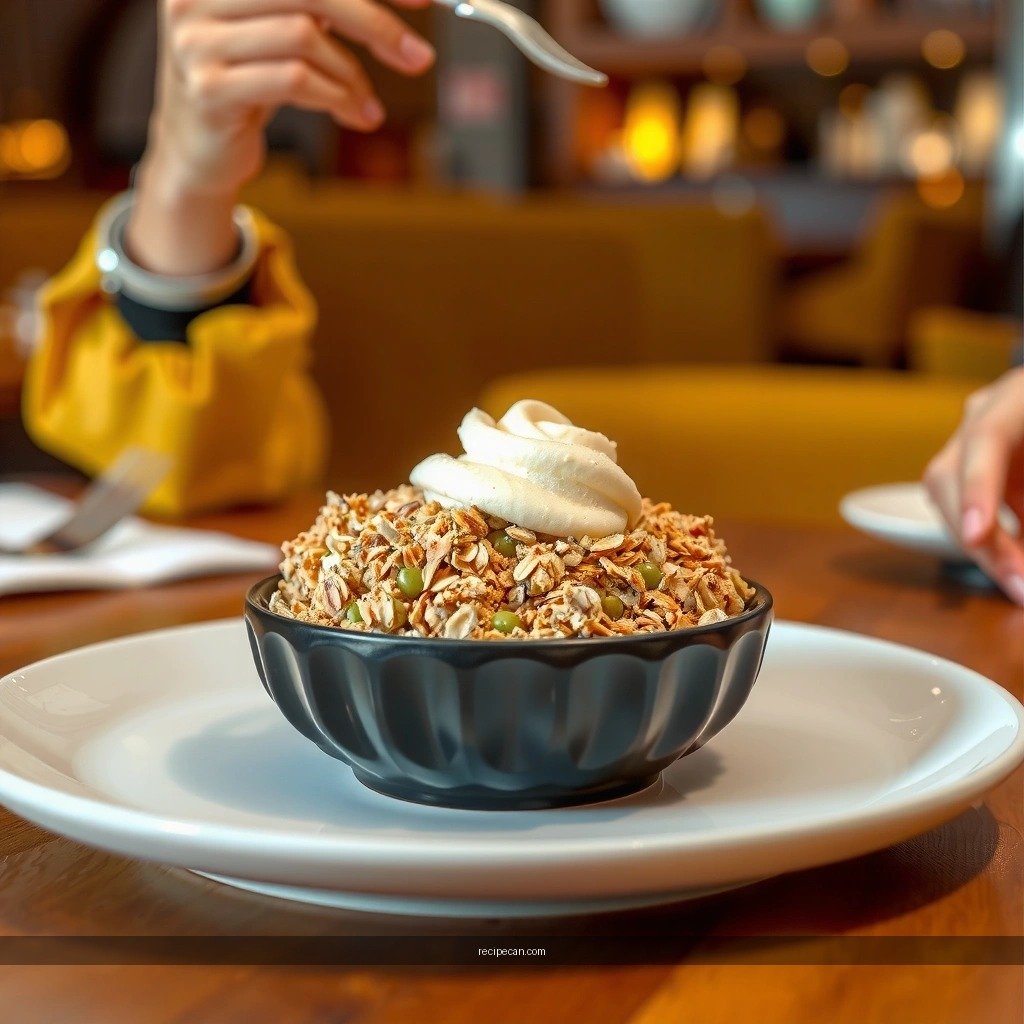
The foundation of a great oat crumble top is a balanced mix of structure (oats + flour) and bite (butter + sugar). Oats provide the nutty flavor and the irregular, crunchy “clusters” that make crumble distinct; flour helps bind the mixture so it bakes into cohesive crumbs rather than sandy flakes.
– Use rolled oats for best crunch and structure
Rolled oats retain texture during baking, creating larger, crisp crumbs. Quick oats can work in a pinch, but they often bake into a finer, less satisfying crunch.
– Combine with flour and sugar for sweetness and binding
Flour increases cohesion, while sugar contributes caramelization. Both impact whether the topping forms crisp edges and a set, golden surface.
What “ratios” mean in practice
For dependable results, keep the topping’s composition consistent. A standard approach is:
– Rolled oats: main bulk for crunch
– All-purpose flour: binder and crumb stabilizer
– Cold butter: creates layers of fat that melt and turn into crisp pockets
– Sugar: browning + gentle sweetness
If you’re scaling up for a larger baking dish, use “heaping” oats only if you can keep the butter amount proportional—otherwise the topping may bake too greasy or too dry.
Oat Crumble Top Texture Targets (Oven-Baked, 190–200°C / 375–400°F)
| # | Dessert Base | Ideal Oat Topping Thickness | Best Warm-Up Goal | Outcome Score |
|---|---|---|---|---|
| 1 | Apple crisp | 6–8 mm | Juices bubbling at edges | 9/10 ★ |
| 2 | Berry crumble | 5–7 mm | Sauce glossy, not watery | 8/10 ★ |
| 3 | Stone fruit bake (peach/cherry) | 6–9 mm | Filling thickened, bubbling center | 8/10 ★ |
| 4 | Mixed berry pie | 4–6 mm | Crumb set, lightly browned | 7.5/10 ★ |
| 5 | Pear ginger crisp | 6–8 mm | Ginger syrup slightly reduced | 8.5/10 ★ |
| 6 | Rhubarb crisp | 6–8 mm | Tart juices thickened | 8/10 ★ |
| 7 | Banana “crisp” style bake | 5–7 mm | Soft fruit, crisp top boundary | 6.5/10 ★ |
Step-by-Step How to Make Oat Crumble Top
The method is straightforward, but the details determine whether you get that signature crunchy clusters instead of an even, pale crumb. The key technique is cutting cold butter into the dry mix so it disperses in fat-speckled crumbs; those specks melt and brown in the oven.
– Cut cold butter into dry ingredients until crumbly
Use butter straight from the fridge (or freezer for 10 minutes). Cut it into small cubes, then mix by hand or pulse in short bursts until the mixture resembles coarse sand with some larger clumps. Overmixing can make the topping compact and less crisp.
– Spread evenly on your filling before baking
Sprinkle in an even layer, then lightly press just enough to make contact. Avoid packing it down firmly—air pockets help crisp up during baking.
Practical, repeatable workflow (no guesswork)
1. Preheat the oven to 190–200°C (375–400°F).
2. Mix dry ingredients (rolled oats, flour, sugar; add cinnamon/nutmeg if using).
3. Add cold butter and rub/cut until you see clumps.
4. Top your filling right before baking so the crumble doesn’t absorb moisture from the fruit.
If your filling is very wet (e.g., berries with minimal thickener), consider adding a bit more flour to the filling or preheating the base for 10 minutes before adding the topping—this protects crispness.
Best Bake Time and Temperature
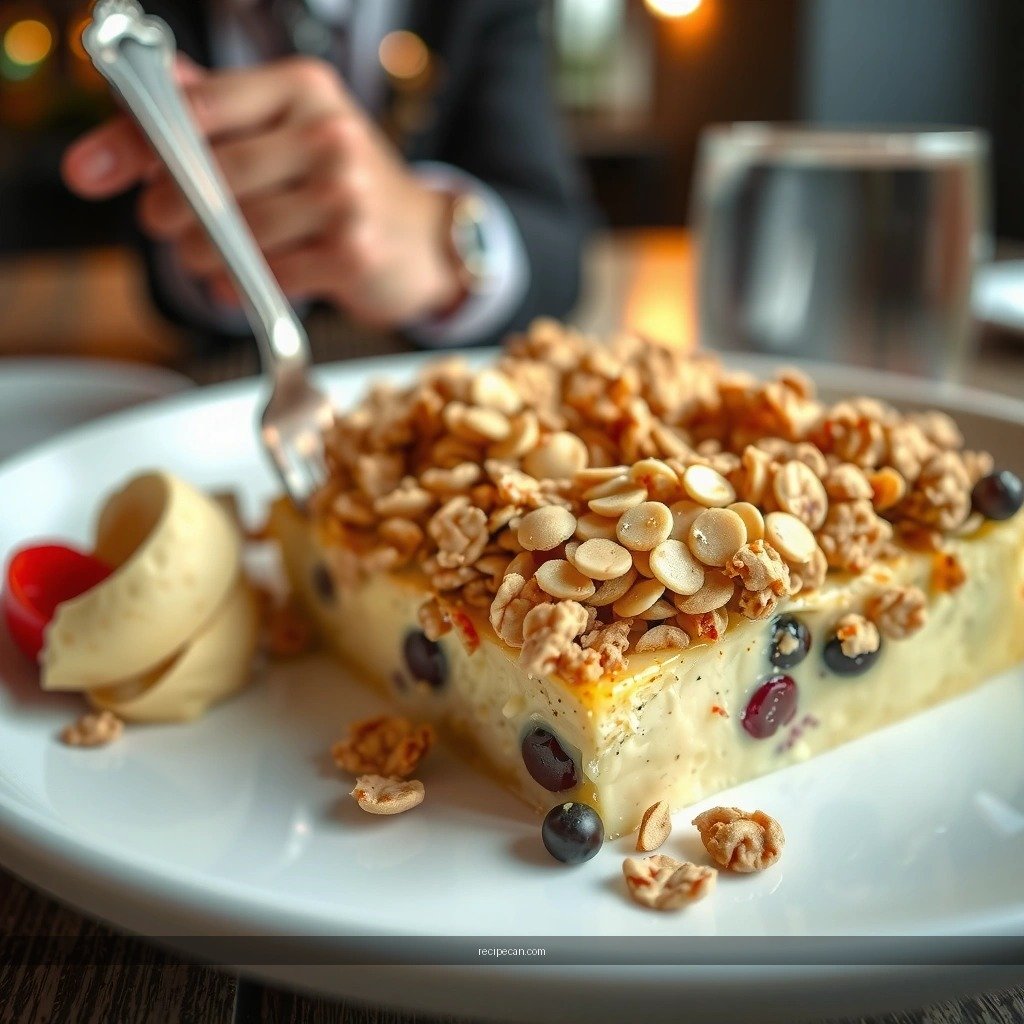
Baking temperature and timing serve two goals: (1) set and thicken the fruit or pie filling, and (2) deeply brown and dry out the oat crumble top so it stays crisp after cooling.
– Bake until edges are browned and the topping looks set
You’re looking for golden color with visible crisp edges. If the top looks pale, it will likely turn soft once it hits steam and fruit juices.
– Stir once halfway (optional) for more even crisping
For larger, thicker crumble layers, gently stir or redistribute clumps once around the halfway point to improve browning consistency.
Typical bake window
– Small dish / thin layer: 20–28 minutes
– Medium dish: 30–40 minutes
– Thicker layer or very juicy filling: 40–50 minutes
Start checking at the lower end. Crumbles go from “underbaked” to “perfectly crisp” fairly quickly once they begin browning.
Flavor Variations and Add-Ins
Once the base technique is stable, you can adapt your oat crumble top for different dessert profiles—warm spice, toasted nutty notes, or a lightly salted caramel direction. Keep additions relatively small so they don’t overpower the oats or cause the topping to soften.
– Add cinnamon, vanilla, or nutmeg for warm flavor
Cinnamon is the most reliable classic pairing with apples, pears, peaches, and berries. A small amount of nutmeg adds depth; vanilla enhances sweetness perception.
– Mix in chopped nuts or a pinch of salt to enhance taste
Nuts add crunch and aroma, while a pinch of salt intensifies the browned-butter flavor.
Smart add-in ideas (and what they do)
– Cinnamon (1–2 tsp per standard batch): increases “bakery” warmth
– Ground ginger (1/2 tsp): pairs exceptionally with pears and apples
– Chopped pecans or walnuts (1/2 cup): increases crunch and browning
– Flaky sea salt on top after baking: boosts flavor without changing texture much
Avoid adding liquid flavorings (like extracts) into the dry mix if you can help it; they may create uneven clumps and slightly soften the crumb.
Troubleshooting: Common Oat Crumble Problems
Even with a solid recipe, crumble can behave unpredictably depending on butter temperature, fruit moisture, and baking equipment. Use these fixes to salvage texture quickly.
– Too soft? Use colder butter and bake a bit longer
Soft topping usually comes from butter that warmed too early, or from underbaking. Chill the crumb mix briefly, then bake until deeply golden.
– Too dry? Add 1–2 teaspoons more butter and re-crumble
A dry crumble often lacks fat for cohesion and browning. Add a small amount of cold butter, break it in, and bake just until set again.
Quick diagnostic table (symptom → likely cause → fix)
– Top looks pale, fruit bubbling: bake longer; don’t cover
– Top is browned but not crisp after cooling: butter may have been too warm or layer too thick; next time reduce thickness slightly
– Crumbles merge into one dense layer: butter may be too soft and mixture was overmixed; pulse less next time
How to Store and Reheat Oat Crumble Top
Crumble is best right after baking, when the oat topping is at peak crispness. That said, you can store and reheat effectively—especially if you re-crisp using dry heat.
– Store cooled crumble in an airtight container briefly
Keep it at room temperature for short storage only. Moisture in the air gradually softens the topping.
– Reheat in the oven or toaster oven to restore crunch
Reheating re-dries the crumb and reactivates crisping. Microwaving usually leads to soft, steamed topping.
Storage guidance that protects quality
– Best within: 24–48 hours for most households
– How to reheat: 160–175°C (325–350°F) for 5–10 minutes until crisp
– For pre-assembled desserts: reheat until warm and topping re-crispens, but avoid overheating the fruit base
If you need longer storage, freeze baked crumble portions in airtight bags and reheat straight from frozen.
The key to a great oat crumble top recipe is the crumbly mix, cold butter, and baking until deeply golden. Follow the ratios, bake to the right color, and try a cinnamon or nut variation—then make your next fruit bake or pie extra crunchy by adding this topping.
Frequently Asked Questions
What is an oat crumble top and how do you make it for oat crumble topping?
An oat crumble top is a sweet, buttery topping made from rolled oats, flour (or oat flour), sugar, and fat like butter or coconut oil. To make oat crumble topping, mix dry ingredients first, then work in the butter until the mixture looks like coarse crumbs. Sprinkle evenly over fruit (like apples or berries) so it bakes into a crisp, golden layer.
How do you keep an oat crumble topping from turning soggy?
To prevent soggy oat crumble, make sure the fruit filling isn’t too wet—thicken saucy fruit with cornstarch or reduce excess liquid before baking. Use the right ratio of oats to fat, and spread the crumble top evenly so it can toast instead of steaming. Bake until the topping is deeply golden and let the crumble rest for 10–15 minutes to set.
Why does oat crumble top recipe sometimes come out too dry or too hard?
If your oat crumble top is too dry, it usually needs a bit more butter or water-rich ingredient to bind the crumbs together. If it’s too hard, it may have been overbaked or made with too much flour and not enough oats. Aim for coarse crumbs that clump when pressed, and bake just until golden while keeping an eye on oven hot spots.
What is the best oat crumble topping recipe for fruit desserts?
A reliable best oat crumble topping recipe uses rolled oats for crunch, a small amount of all-purpose flour for structure, and brown sugar for caramel flavor. Combine oats, flour, brown sugar, and cinnamon, then cut in cold butter until you get uneven, crumbly clusters. For fruit desserts, use about 1 cup topping per 4–5 cups of fruit and bake until bubbling and golden.
Which oats are best for oat crumble top—rolled oats, quick oats, or steel-cut oats?
Rolled oats are the best choice for oat crumble top because they toast nicely and keep a pleasant chew. Quick oats can make the crumble more uniform but may bake up softer, while steel-cut oats usually take longer to cook and can result in a firmer texture if your recipe isn’t designed for it. If you only have quick oats, slightly reduce baking time and consider adding a touch more butter for better cohesion.