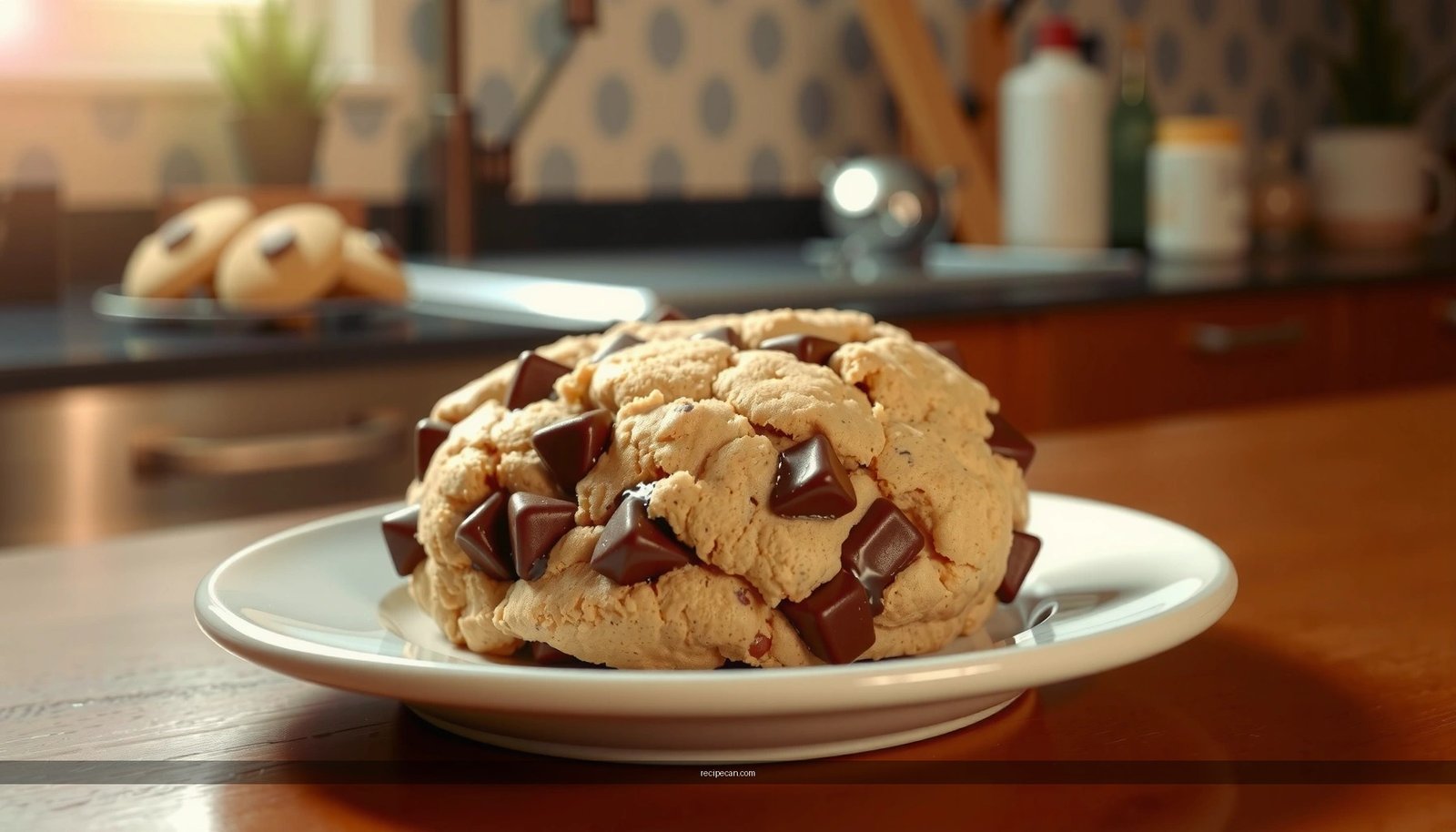
Find the best Chocolate Chip Crumbl cookie recipe that tastes like the original without the hassle—this easy copycat delivers thick, chewy centers and crisp edges every time. The step-by-step method answers the only question that matters: how to recreate Crumbl’s signature cookie texture and chocolate-studded bite at home. If you want the closest result to a fresh Crumbl tray with ingredients you can buy anywhere, start here.
You can recreate Crumbl-style thick, chewy chocolate chip cookies at home by chilling the dough, baking until the edges just set, and finishing with fresh chocolate chips for extra gooey pockets. Below is a step-by-step copycat approach (with doneness cues, ingredient guidance, and troubleshooting) so your homemade batch hits the same warm centers and crisp edges you’re after.
Ingredients for Chocolate Chip Crumbl Cookie Recipe
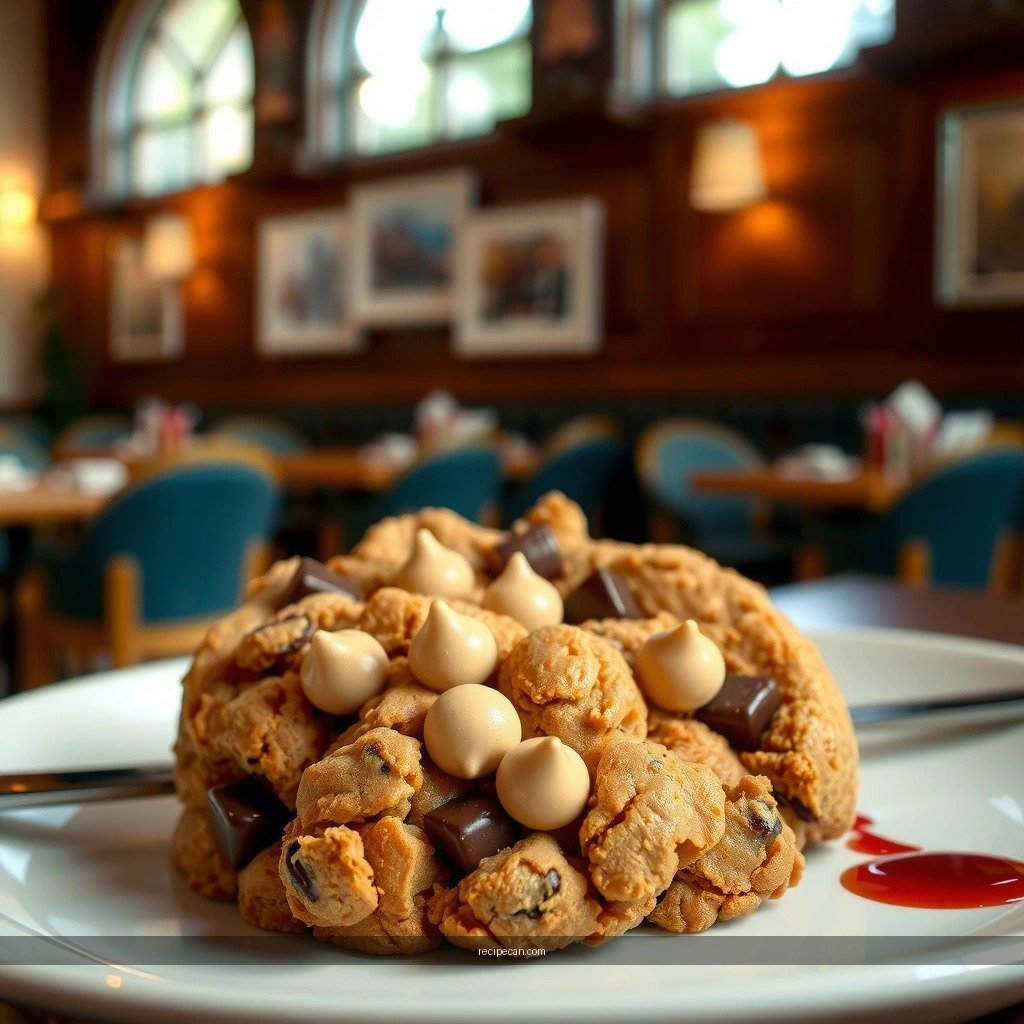
Crumbl’s chocolate chip cookies stand out because the dough balances soft chew with a slightly crisp perimeter, while the chocolate distributes in a way that melts into the center rather than staying “frozen” in place. This copycat recipe uses straightforward pantry staples, but the proportions and process matter.
– Use butter, brown sugar, and white sugar for that classic chewy-meets-crisp balance
– Butter provides flavor and structure through fat and water content during baking.
– Brown sugar adds moisture and a molasses note that deepens the “bakery” flavor and supports chew.
– White sugar contributes crispness and browning through faster caramelization of sugars and proteins at the cookie surface.
– Add eggs and vanilla for structure and rich flavor
– Eggs act as an emulsifier and binder, helping cookies stay thick and tender instead of turning cakey or sandy.
– Vanilla boosts perceived sweetness and rounds out chocolate flavor. Use pure vanilla extract if you can.
– Fold in chocolate chips for consistent melty pockets
– Chocolate chips melt fastest at the cookie’s hottest points; that’s why distribution and a final “top-off” of chips can make a noticeable difference.
– For that Crumbl-style look, use a portion of the chips in the dough and keep some for pressing on top.
Chocolate Chip Cookie Batch Performance (Baking Variables)
| # | Baking Variable | Recommended Setting | Expected Cookie Outcome | Impact Score |
|---|---|---|---|---|
| 1 | Dough chill time | At least 2 hours (up to 24) | Thicker cookies, less overspreading | +9.2 |
| 2 | Oven temperature | 350°F / 177°C | Edges set without drying centers | +7.6 |
| 3 | Mixing intensity | Mix until flour disappears (no more) | Tender crumb, less toughness | +6.4 |
| 4 | Cookie portion size | ~55–60 g dough each | Consistent thickness and timing | +6.9 |
| 5 | Doneness cue | Edges set, center looks slightly underdone | Gooey middle that firms as it cools | +8.3 |
| 6 | Chocolate strategy | Press 2–3 chips on top after portioning | Bakery-style chips + extra melty pools | +5.8 |
| 7 | Overbaking | Bake 1–3 minutes too long | Dry center, reduced chew | -8.0 |
Dough Tips for the Perfect Crumbl Texture
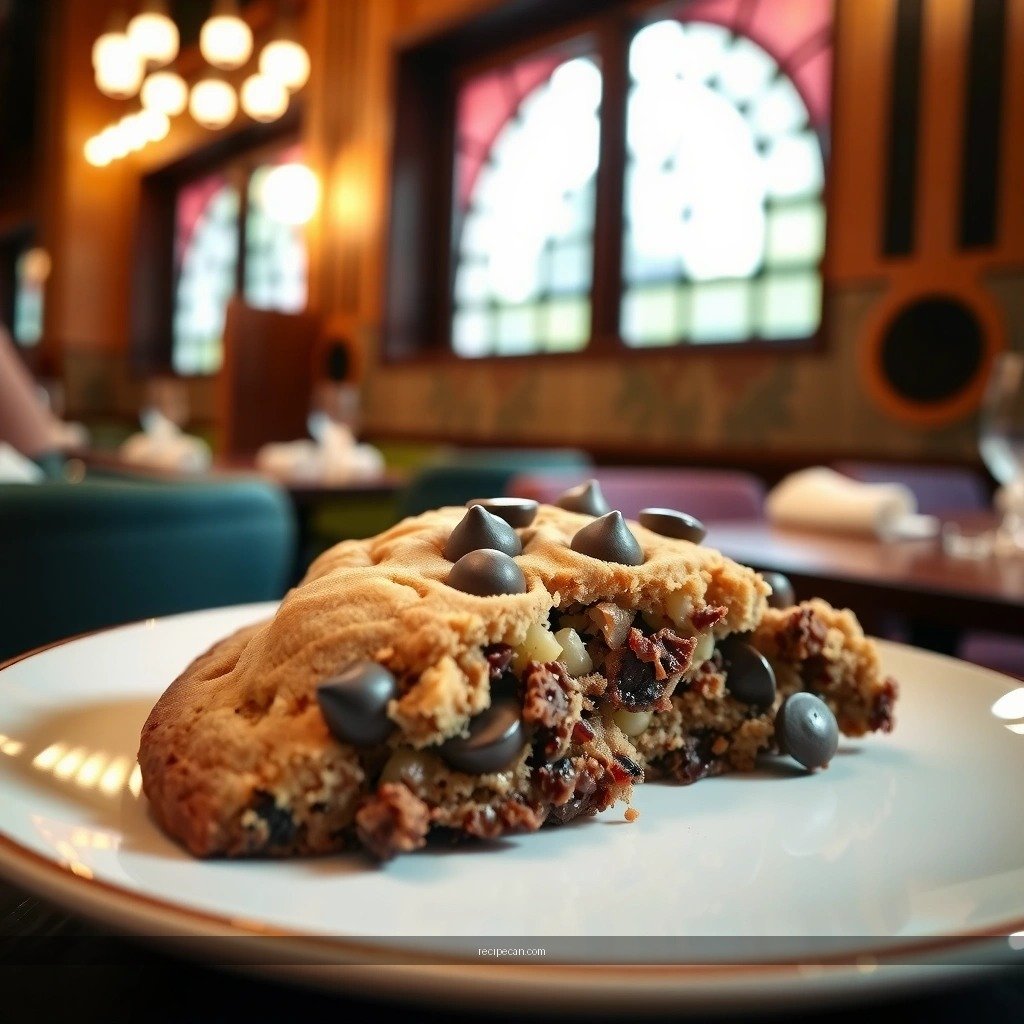
Crumbl’s signature thickness doesn’t come from a complicated technique—it’s mostly controlled variables: temperature, mixing time, and how much the dough relaxes before going in the oven.
– Chill the dough to help prevent overspreading and keep thick cookies
Cold dough slows butter melt and strengthens the cookie’s final shape. If your dough is room temperature, the cookie will spread and bake thinner—exactly the opposite of the Crumbl look.
– Best practice: chill at least 2 hours.
– For a more developed flavor: chill overnight, then scoop and bake straight from the fridge.
– Don’t overmix—mix just until combined for tender results
Once flour enters the bowl, keep mixing minimal. Overmixing develops gluten, which can turn the crumb bready rather than soft and chewy.
– Stop when you no longer see dry streaks.
– Folding in chocolate by hand at the end can further reduce gluten development.
– Reserve a few chips to press on top for bakery-style looks
Pressing chips on top gives you visible chocolate pools as they melt—part of what makes Crumbl cookies look “finished” even before baking. Use the reserved chips for:
– improved appearance, and
– extra melty pockets in the top third of each cookie.
If you want a shortcut that still feels “copycat,” portion the dough into balls first, then chill the balls. It’s easier to keep cookie sizes consistent and helps the chill do its job evenly.
Baking Time, Temperature, and Doneness Signs
Oven settings and timing matter, but Crumbl-style results depend more on when you pull the cookies than on a rigid bake time. Different ovens and pan materials shift browning and moisture loss.
– Bake at the right heat so edges set while centers stay soft
A solid baseline is 350°F / 177°C. At this temperature, the edges can set while the center remains tender enough to stay gooey after cooling. If your oven runs hot, you may need to lower by 5–10°F.
– Pull cookies when they look slightly underdone—they firm up as they cool
The cookie continues to cook from residual heat. If you wait for the centers to look fully baked, they’ll likely overcook and dry out.
– Pull when edges are light golden
– Center should look puffed and slightly soft, not wet or raw
– Use visual cues (light golden edges, soft centers) for best timing
Here are practical doneness cues that translate to every batch:
– Edges: set and matte, not glossy
– Surface: no longer looks like wet dough
– Center: still slightly shiny or soft when nudged (it won’t collapse, but it won’t be fully firm)
As a starting point for similarly sized cookies (~55–60 g), many bakers land around 9–12 minutes, but don’t treat that as a rule. Treat it as a range you calibrate.
Cooling and Serving for Gooey Centers
Even perfect baking can’t overcome poor cooling. Cooling is where the chewy texture “locks in,” and serving temperature is where the gooey chocolate experience peaks.
– Let cookies cool briefly so they set without drying out
Rest cookies on the baking tray for 5–10 minutes. This helps the butter re-solidify slightly and makes the cookie stable for moving. Then transfer to a rack or plate to finish cooling.
– Serve warm for maximum chocolate melt and chew
Chocolate chips are most sensorially “Crumbl-like” when warm enough to smear and melt.
– Best time to serve: around 10–25 minutes after baking
– For maximum melt: serve the same day, not after fully cooling
– Store properly to maintain freshness and texture
Store in an airtight container at room temperature for 2–3 days. For best results:
– Place a sheet of parchment between layers so cookies don’t stick.
– If the cookies firm up, warm them in the microwave for 7–12 seconds to reactivate the melt.
If you’re meal-prepping or baking for a group, consider refrigerating or freezing dough balls (and baking directly from cold) to keep texture consistent.
Flavor Boosters and Easy Variations
Once you’ve mastered the base copycat, small upgrades can push the flavor toward your preferred version of “Crumbl-style.”
– Try flaky salt on top to enhance sweetness and chocolate depth
Finish with a pinch or light sprinkle of flaky salt right after baking (or immediately after pressing top chips). Salt doesn’t make cookies salty—it intensifies chocolate and balances brown sugar.
– Add espresso powder for a richer chocolate taste
Espresso powder (not liquid coffee) can deepen the chocolate flavor without adding a coffee taste. Start with 1/2 to 1 teaspoon in the dry ingredients. It’s especially effective if you use semi-sweet chips.
– Use milk or dark chocolate chips to match your preferred sweetness
– Milk chocolate chips: sweeter, more caramel-like melt
– Dark chocolate chips: deeper cocoa flavor, slightly less sweetness
– For a more complex bite, consider a mix (e.g., half milk/half dark)
You can also swap in a small amount of chocolate bar pieces instead of chips if you want thicker “chunks” that create dramatic gooey pockets.
Troubleshooting Common Issues
Even with good technique, home ovens and ingredient brands can introduce variability. Use these fixes to diagnose quickly and adjust confidently.
– If cookies spread too much, chill dough longer and check ingredient temperatures
Spreading usually happens when butter melts too quickly or dough relaxes before baking. Fix it by:
– chilling another 1–2 hours
– ensuring butter is softened properly when mixing (not liquefied)
– confirming your oven is truly at the set temperature (use an oven thermometer if possible)
– If cookies are too dry, reduce bake time and avoid overbaking
Dry cookies are almost always an overbake issue. Next batch:
– pull 30–90 seconds earlier than you think you should
– choose visually underdone cues over time
– keep cookie size consistent so heat exposure matches
– If centers won’t set, verify oven temperature and cookie size consistency
Under-set centers can result from too-low oven temperature or overly large cookies that need longer time to set. Try:
– bake at the correct temperature (again, thermometer helps)
– weigh dough portions to keep sizes uniform
– rotate the pan halfway through if your oven has hot spots
If you want a fast diagnostic: bake one test cookie first, then adjust bake time by 1–2 minutes for the entire batch. This prevents large batches from going wrong.
If you follow the dough-chilling step and bake using doneness cues (not just time), you’ll get that Crumbl-style thick, chewy texture with gooey chocolate chips. Try this recipe once, adjust bake time by a minute or two to match your oven, and then make it your own with the variations—grab your ingredients and start baking today.
Cookies that taste like they came from a bakery are achievable at home—your edge lies in controlling temperature, minimizing mixing, and pulling from the oven at the exact visual moment. Once you dial in your chill time and bake cues, you’ll be able to produce reliably thick, warm, chocolate-melt cookies that satisfy the Crumbl texture profile every time.
Frequently Asked Questions
What is the best chocolate chip Crumbl cookie recipe for chewy centers?
For a chewy chocolate chip Crumbl cookie, chill the dough so the fats solidify and the cookie bakes with a thicker, softer center. Use browned or melted butter, a higher ratio of brown sugar, and slightly underbake until the edges look set but the middle still looks soft. Cool on the baking sheet for 5–10 minutes to help the centers finish setting without drying out.
How do you make a chocolate chip Crumbl cookie taste like the bakery version?
Start with a melted-butter base and use a blend of brown sugar and granulated sugar to mimic that signature sweet, caramel-like flavor. For texture, fold in chocolate chips and press a few extra chips into the top right before baking, then finish with a sprinkle of flaky salt. Keep your dough portion consistent (typically large cookies) so you get the same height and gooey bite you expect from a Crumbl style cookie.
Which baking temperature and bake time should you use for chocolate chip Crumbl cookies?
Bake at 350°F (175°C) for most Crumbl-style chocolate chip cookies, and aim for about 10–14 minutes depending on your oven and cookie size. Look for lightly golden edges while the center remains slightly underdone; the cookie will continue to set as it cools. If you want more gooey center, pull the tray out a minute earlier and cool longer on the pan.
Why does my chocolate chip Crumbl cookie come out flat, and how can I fix it?
Flat cookies usually happen when the dough is too warm or the butter is over-melted and not chilled before baking. Chill the dough at least 30–60 minutes (or longer for stronger thickness) and measure flour carefully to avoid a too-wet dough. Also avoid using small cookie scoops—Crumbl-style cookies are large, and proper portion size helps maintain structure.
How do you store and reheat chocolate chip Crumbl cookies to keep them soft and fresh?
Store baked chocolate chip Crumbl cookies in an airtight container at room temperature for up to 3–4 days to preserve softness. For longer storage, freeze the cookies or the dough portions and thaw as needed. To reheat, microwave for 8–15 seconds or warm in an oven at a low temperature (around 300°F) briefly—this helps restore that fresh-baked gooey texture without drying the edges.