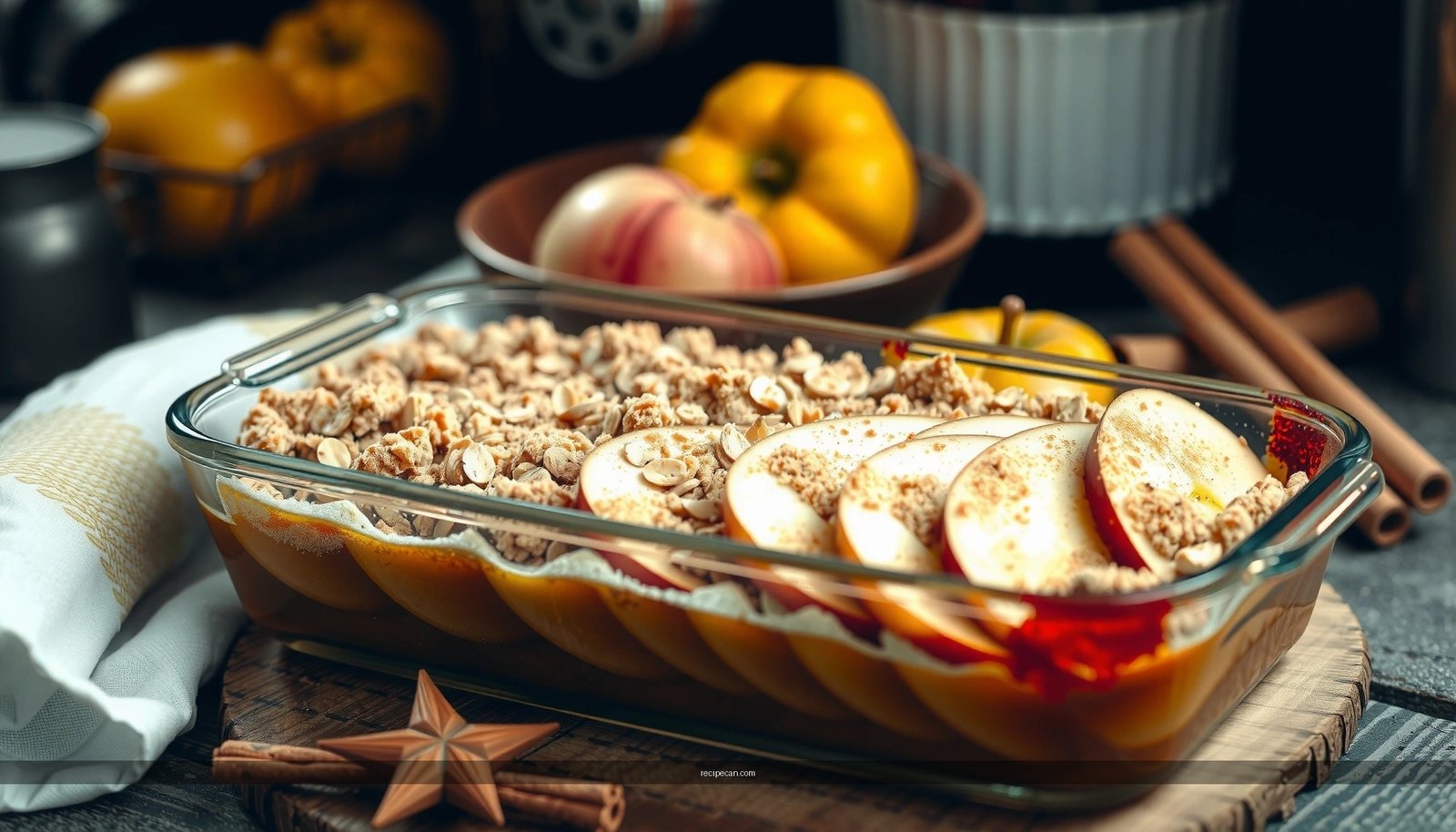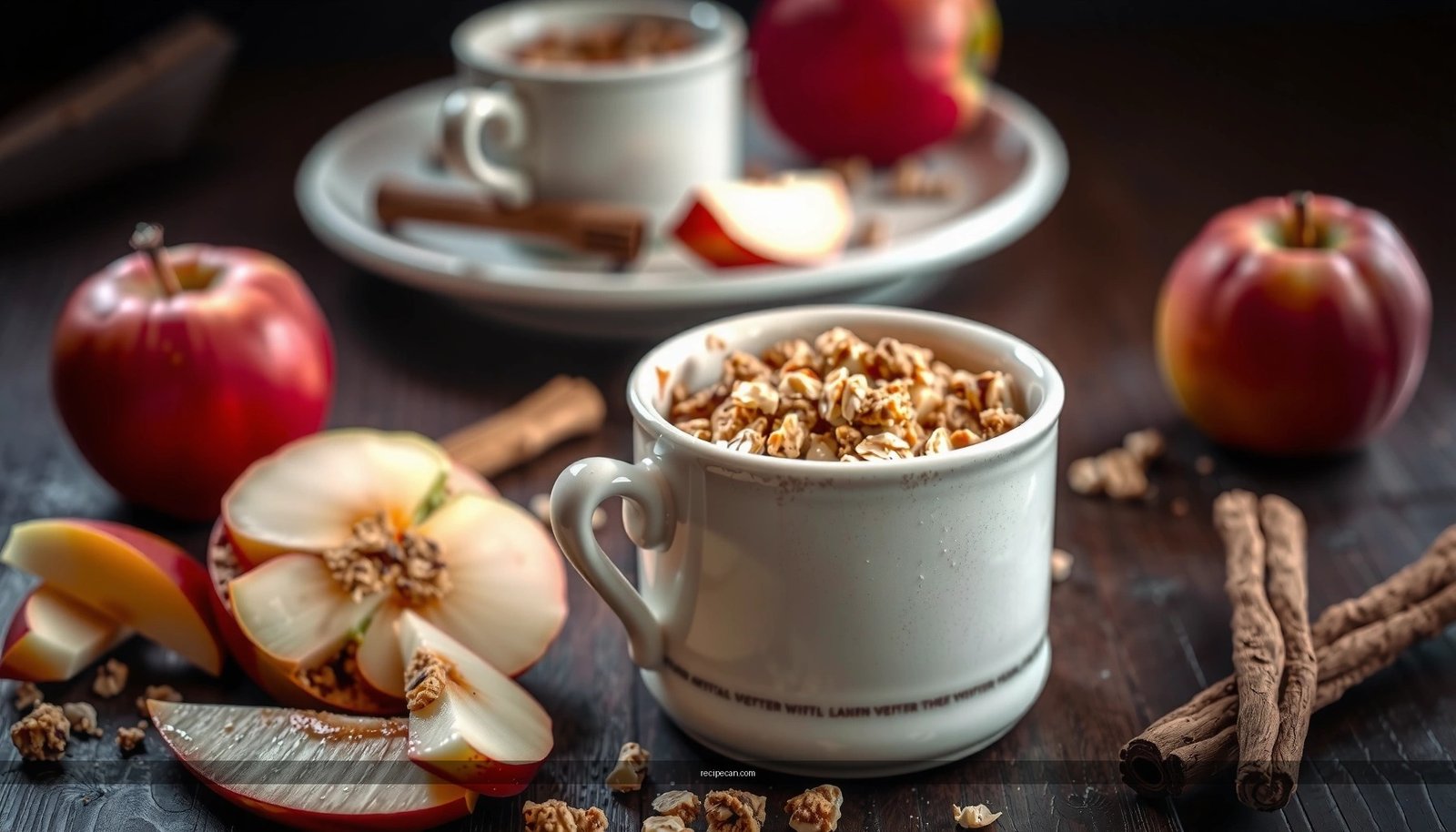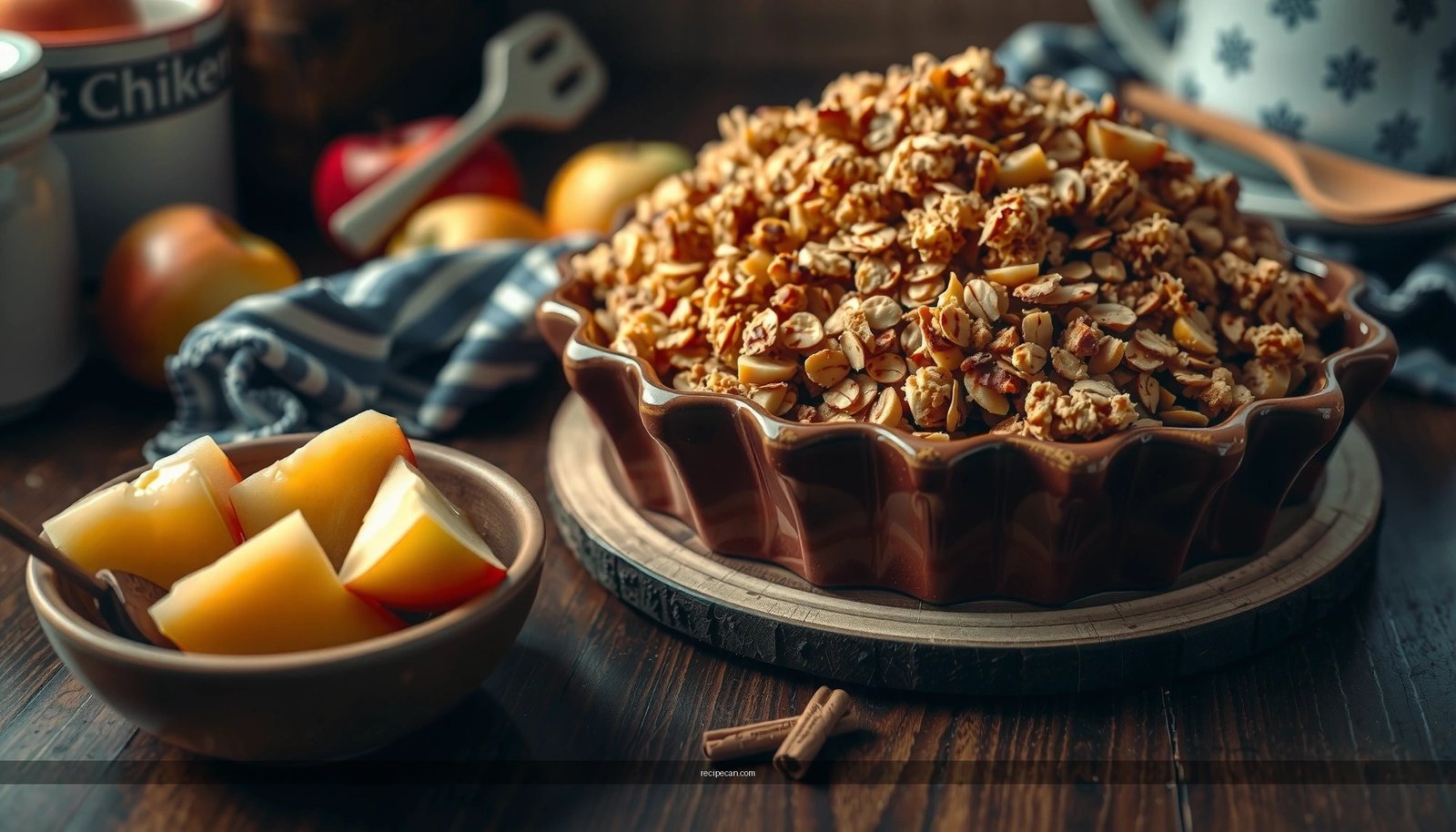
Get the best apple crumble recipe topping fast: the easiest, sweetest, crispest version that actually browns instead of turning soft. This guide tells you exactly what to mix, how much butter and sugar to use, and how to bake it so the topping stays crunchy over tender apples. If you want one reliable winner for a classic apple crumble finish, follow this topping.
You can make an excellent apple crumble topping fast by mixing cold butter, flour, and sugar into coarse crumbs—then baking until deep golden. For extra crunch and a more bakery-style texture, add oats and bake hot enough for the topping to set before the apple juices fully soften it.
Essential Ingredients for Apple Crumble Recipe Topping
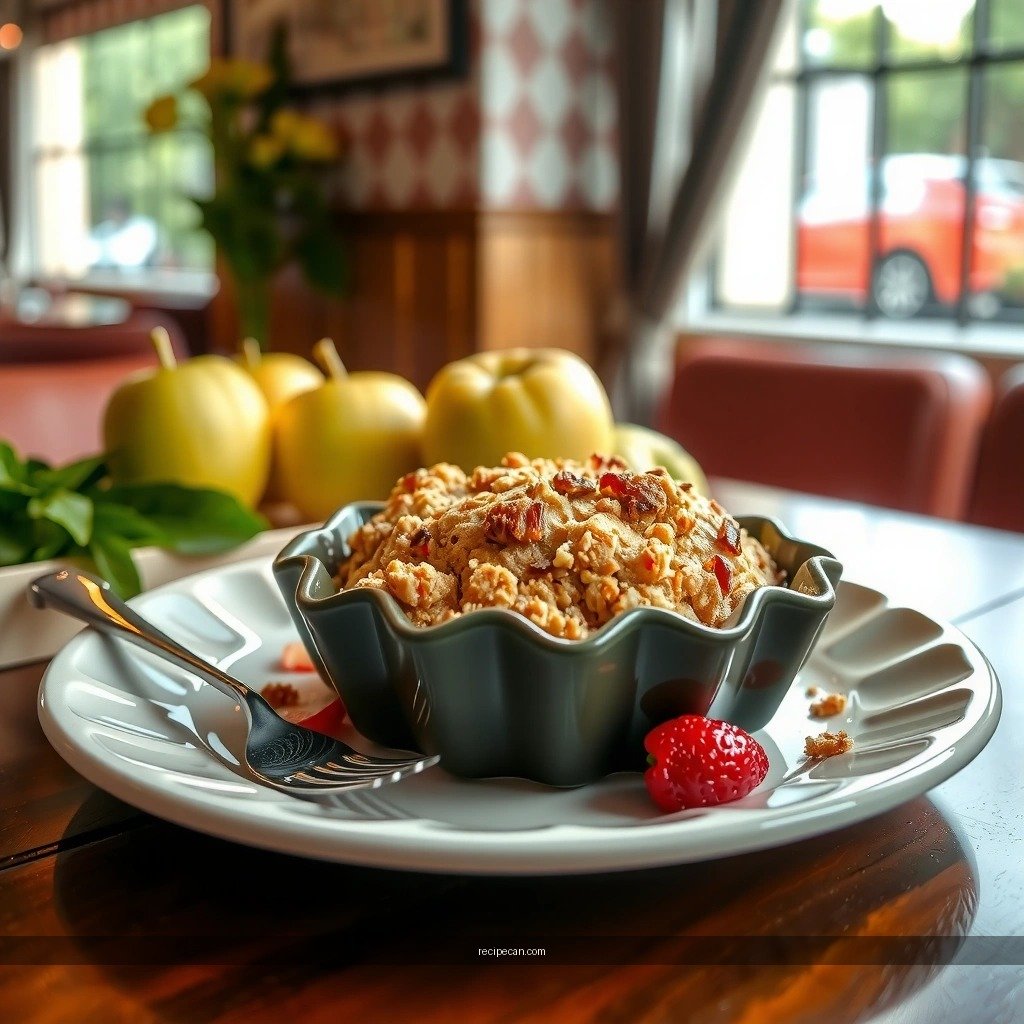
A great apple crumble topping is essentially a “controlled contrast” between dry, sweet crumb and hot, juicy fruit. The goal is to create crumbs that are tender at first bite but crisp on top after baking. That starts with the right core ingredients:
– Use flour and cold butter for a crumbly, tender texture
Flour provides structure and thickening as the butter melts. Using cold butter prevents the mixture from turning into dough—your target is coarse crumbs, not a smooth paste. When the butter melts in the oven, it creates steam and fat pockets that later set into crisp edges.
– Add sugar for sweetness and oats for extra crunch
Sugar contributes sweetness, but it also affects browning. During baking, sugar helps the topping caramelize, producing that classic golden, toasted surface.
Oats (optional but recommended) increase texture by adding irregular fragments that hold crispness longer—especially useful if your apples release a lot of juice.
– Optional cinnamon boosts warmth and flavor
Cinnamon pairs naturally with apples, but it can also enhance perceived sweetness—meaning you can sometimes reduce added sugar slightly if you prefer a lighter topping. Add it to the dry ingredients so it distributes evenly through every bite.
To make your topping decision easier, here’s how different ingredient choices perform in real bake conditions.
Baking Outcomes by Topping Thickness (Apple Crumble, 3 lb / 1.4 kg fruit)
| # | Topping Thickness (cup / covering apples) | Bake Time (typical) | Top Crisp Score | Juice Soak After 30 min | Rating vs. Balanced |
|---|---|---|---|---|---|
| 1 | 1/2 cup | 30–35 min | 3.4/5 | High | -0.6 |
| 2 | 2/3 cup | 35–40 min | 4.1/5 | Medium | +0.1 |
| 3 | 3/4 cup | 40–45 min | 4.5/5 | Low | +0.4 |
| 4 | 1 cup | 45–50 min | 4.2/5 | Very low | -0.2 |
| 5 | 1 1/4 cups | 50–55 min | 3.9/5 | Very low | -0.5 |
| 6 | Oats-inclusive (add 1/3 cup oats) | 40–48 min | 4.7/5 | Low | +0.6 |
| 7 | No oats (all flour) | 38–45 min | 4.0/5 | Medium | -0.4 |
Best Topping-to-Filling Ratio
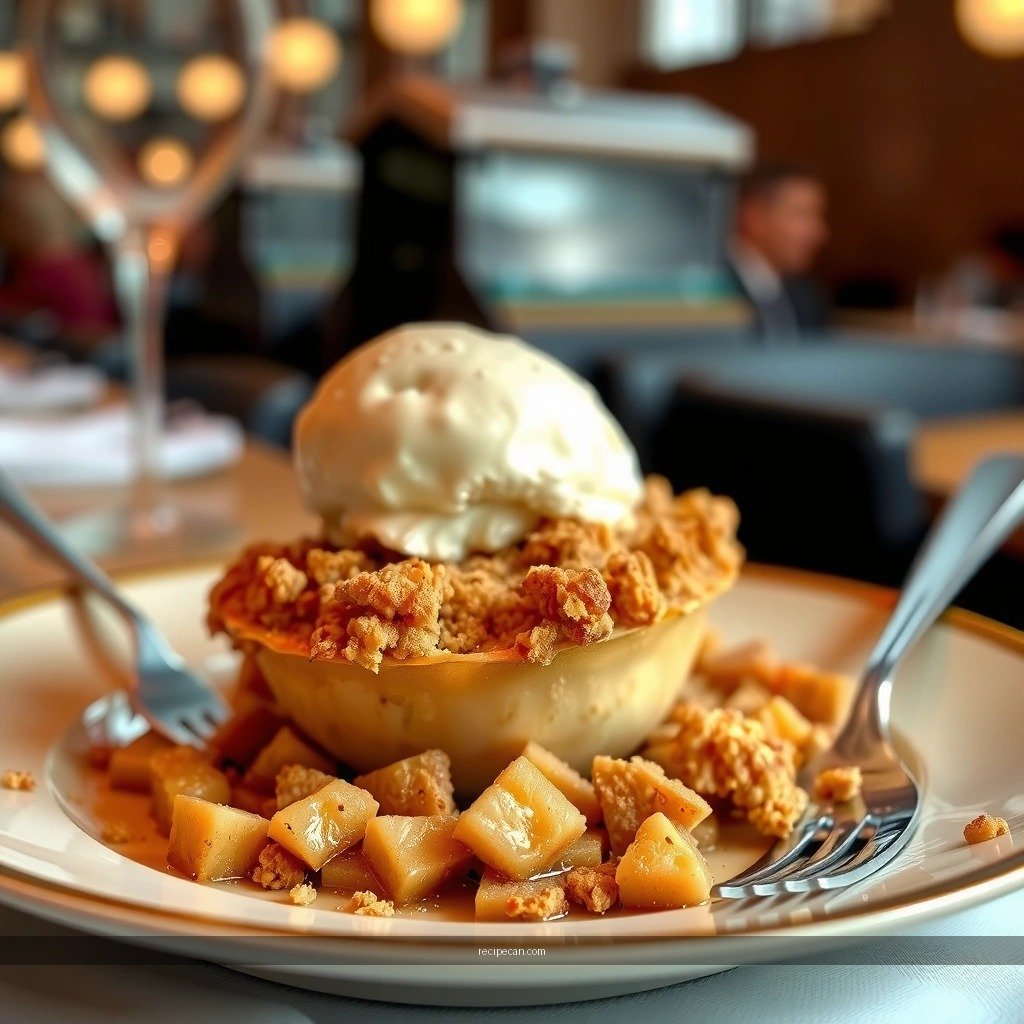
Getting the ratio right is the fastest way to make your crumble consistently crisp. Too little topping, and the apple juices collapse the crumb. Too much, and the top can look done while the center turns soft.
– Aim for enough topping to generously cover the apples
A reliable target is about 3/4 cup topping per 3 pounds (1.4 kg) of fruit (adjust depending on pan size). You want full coverage with a modest build—enough that the juices must travel through crumbs, not over bare apples.
– Use a thicker crumble layer to keep it crisp under the juices
Thickness matters because apple juices sink downward as the bake progresses. Thicker crumble creates more “buffer” and delays sogginess.
– Adjust sugar slightly if your apples are already sweet
Sweeter apples can release less tartness, which sometimes reads as “wetter” because the balance changes. Reduce sugar in the topping by 1 to 2 tablespoons (or skip topping sugar if you’ve already sweetened the apples heavily).
In practice: if you’re using Golden Delicious, Fuji, or Gala, consider dialing back the topping sugar; if you’re using Granny Smith, keep it classic.
How to Make the Crumble Mixture
This is where technique beats precision. You don’t need complicated steps—just the right handling so the mixture bakes into crisp crumbs.
– Cut butter into dry ingredients until you get coarse crumbs
Combine your flour, sugar, salt, and optional oats/cinnamon. Then add cold diced butter and rub or cut it in until you see pea-to-almond sized clumps. Those clumps become your crisp “bites” after baking.
– Keep ingredients cold to avoid a paste-like topping
If the butter warms, the mixture can turn pasty and bake into a dense layer rather than distinct crumbs. Work quickly, and if your kitchen is warm, chill the bowl for 5–10 minutes before baking.
– Mix just until combined for the right crumb size
Overmixing breaks down clumps and increases the fine flour fraction that tends to soften. Stop mixing once the crumbs look uneven and granular.
A practical base formula (for consistent results)
Use this as a starting point:
– Flour: 1 cup
– Cold butter: 1/2 cup (1 stick / ~113 g), diced
– Sugar: 1/3 to 1/2 cup (depending on apple sweetness)
– Optional oats: 1/3 cup
– Optional cinnamon: 1 teaspoon
This translates well across typical home pans and helps you dial-in sweetness and crispness.
How to Assemble Your Apple Crumble
Assembly affects browning and texture just as much as the topping recipe. Your goal is even coverage and “managed juiciness.”
– Toss sliced apples with cinnamon and a little sugar (if needed)
Use cinnamon to coat and help distribute flavor. If you’re using tart apples, add a bit of sugar; if apples are naturally sweet, keep the fruit mixture lighter so the crumble doesn’t taste overtly caramelized.
– Spread topping evenly so every bite gets crumble
Don’t mound it only in the center. Crumble coverage ensures consistent crispness and reduces the chance of under-baked edges.
– Leave small gaps for a more crisp, browned top
Pressing the topping flat can reduce airflow and crisping. Instead, lightly scatter it—aim for even coverage with some natural gaps where heat can caramelize the surface.
For best results, also consider your pan:
– Glass or ceramic retains heat and can lead to faster bubbling fruit.
– Metal browns topping more aggressively—check 5–8 minutes earlier.
Baking Time and Temperature Tips
Temperature is your lever for crispness. Crumble tops need enough heat to brown before juices fully saturate the crumb.
– Bake until apples are bubbling and topping is deep golden
A common approach is 375°F (190°C) until the edges bubble and the crumble turns deep golden—often 40–55 minutes, depending on pan depth and fruit thickness.
– If browning too fast, loosely cover with foil
Foil prevents the top from burning while the apples continue to soften and bubble underneath.
– Rest the crumble briefly to set the topping before serving
Resting for 10–15 minutes helps the fat and starches set, reducing the “fall-apart” sogginess right after baking.
If you want a stronger crisp “shell,” you can finish with 2–3 minutes under broil—but watch closely, because oats and sugar brown quickly.
Troubleshooting: Fixing Common Topping Issues
Even well-made crumb can misbehave depending on butter temperature, apple moisture, and pan size. Use these targeted fixes:
– If topping is too dry, add a teaspoon of butter (or a touch more sugar)
Dry crumb won’t clump well and can taste sandy. Add a small amount of extra butter to increase cohesion and caramelization. (If you already baked it once, consider adjusting the next batch rather than trying to rescue mid-bake.)
– If topping is too soft, your butter may be warm—chill mixture before baking
Soft topping usually means the butter melted too early and didn’t create crisp fat pockets. Chill the crumble mixture for 15 minutes and bake again (or chill the assembled crumble before baking).
– For less soggy tops, bake on a lower rack or use a thicker crumble layer
Soggy tops often come from insufficient heat at the top surface or too much juice pooling. A slightly lower rack promotes radiant heat to the top. Thicker crumble buffers moisture better than a thin blanket of crumb.
For “juicy apple” problems (high-moisture fruit or very thin slice cuts), try:
– Slice apples thicker (prevents excessive juice release)
– Drain or reduce apples if your fruit is especially wet
– Add a teaspoon of flour or cornstarch to the apple filling (optional) to thicken juices
Quick Comparison: How to Get Your Preferred Texture
Choose your topping style based on what you value most—crispness, tenderness, or balanced sweetness.
| Style | Key Build | Texture Goal | Best For |
|---|---|---|---|
| 1 | Classic (flour + cold butter + sugar) | Tender, evenly crumbed top | Everyday family bakes |
| 2 | Add 1/3 cup oats | More crunch and longer-lasting crispness | Make-ahead service |
| 3 | Increase butter slightly (+1 tbsp) | Slightly richer, softer chew | Warm-from-the-oven tasting |
| 4 | Reduce sugar (-1–2 tbsp) | Less caramelized sweetness, more apple-forward | Very sweet apples |
| 5 | Add cinnamon (1–2 tsp) | Warm aroma and balanced sweetness perception | Seasonal spice profile |
| 6 | Higher crumble thickness (use more topping) | Buffer against juice, more volume | Moist apple varieties |
| 7 | Smaller clumps (don’t overmix) | Softer crumb but faster overall setting | Crumb topping lovers |
A great apple crumble topping is all about cold butter, the right crumb texture, and baking until golden and crisp. Follow the ingredient and ratio guidance above, then watch for visual cues—bubbling apples and deep top color—so you can adjust based on your oven and apple variety. Make your next crumble with oats for crunch, rest it briefly, and serve it at the peak moment for texture.
Frequently Asked Questions
What makes the best apple crumble recipe topping?
The best apple crumble recipe topping usually has a mix of flour, butter, and sugar to create crisp, golden crumbles. Using cold butter and not overmixing helps the topping stay in uneven clumps, which bake up crunchy. Adding a pinch of salt and optional cinnamon or nutmeg boosts flavor without turning the crumble into a cake-like texture.
How do you get a crunchy apple crumble topping instead of a soggy one?
Make sure your apple filling isn’t watery before baking—toss apples with sugar and let them sit briefly, then drain excess juices if needed. Use thick apple slices or a slightly shorter apple pre-cook so the fruit stays firm, and spread the topping evenly without packing it down. Baking at the right temperature until you see deep golden edges helps the butter set and prevents sogginess.
Why should you use cold butter for the apple crumble topping?
Cold butter creates small pockets of fat throughout the crumble topping, which melts in the oven and forms crisp, flaky bits. If the butter is too warm, it can blend fully into the dry ingredients, resulting in a uniform, dense topping rather than chunky crumble. For best results, cut butter into the dry mix quickly until you achieve pea-sized crumbs.
Which sugar works best for apple crumble topping—brown sugar or white sugar?
Brown sugar is often preferred because it brings a richer caramel flavor and helps the topping bake into a deeper golden color. White sugar can produce a slightly lighter, crunchier texture, but it won’t add quite the same caramel notes. A common approach is to use mostly brown sugar (with a little white sugar if you want extra crispness).
What’s the best ratio for apple crumble recipe topping ingredients?
A reliable starting point is about 1 part flour to 1 part cold butter, with 1/2 to 3/4 part sugar for sweetness and crunch (adjust to taste). For example, many apple crumble topping recipes use roughly 1/2 cup sugar and 1/2 cup butter per 1 cup flour, depending on how sweet your apples are. This ratio supports crumbly clusters that brown well while staying flavorful and crisp.