Want a crumbl cookie recipe copycat that actually tastes like the real thing? This guide delivers the closest at-home match—so you’ll know exactly how to nail Crumbl-style cookie texture, flavor, and that signature frosting-and-topping finish. Follow the steps and you’ll be able to produce restaurant-level cookies in your own kitchen, not a generic “similar” dessert.
Crumbl-cookie copycat results are easiest to achieve when you nail three variables—dough consistency, chilling time, and bake temperature—then replicate the flavor and frosting ratios that create that signature “soft-baked” feel. Follow the base dough method below, choose one classic flavor profile to start, and use precise timing so the edges set while the centers stay luxuriously tender.
Copycat Crumbl Cookie Dough Base
– Use a thick, scoopable dough with butter + brown sugar for that soft, bakery texture
– Chill the dough to help the cookies bake up with the right chew and shape
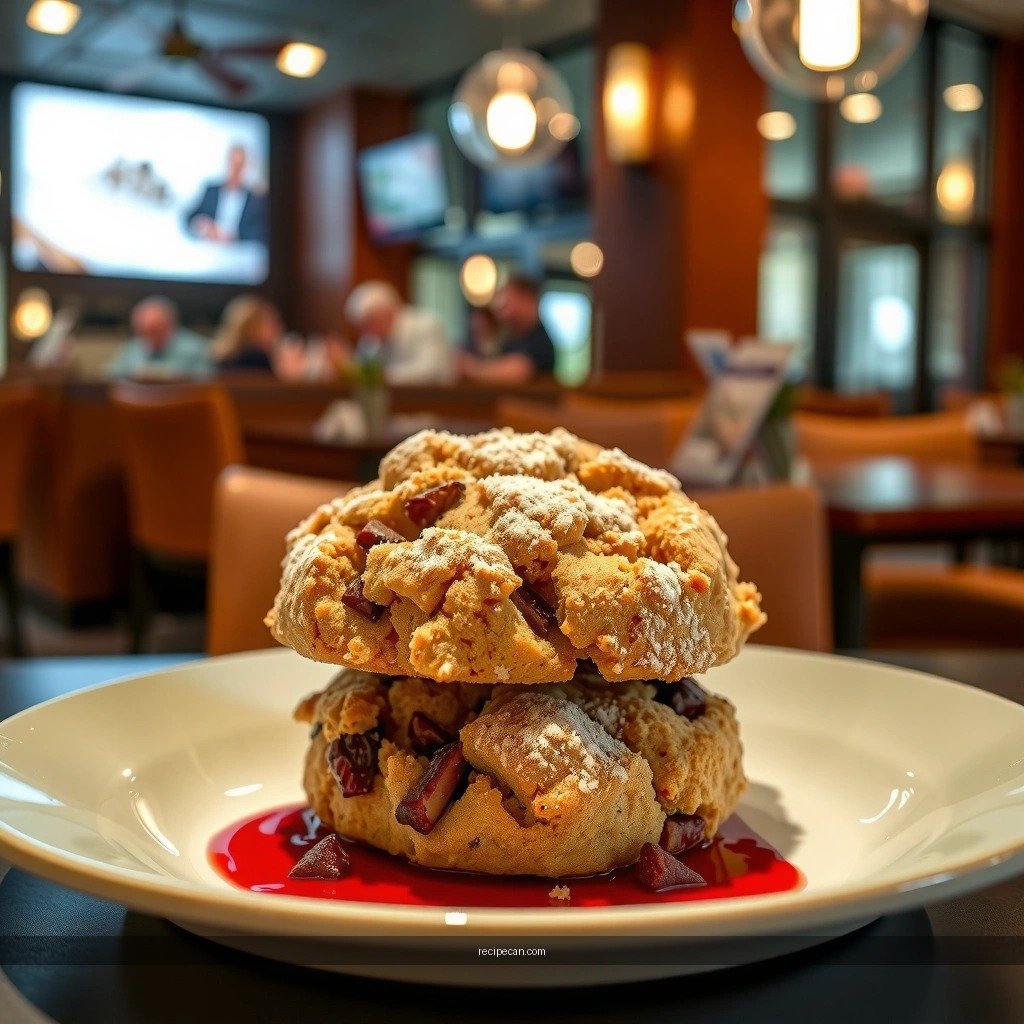
Crumbl-style cookies are engineered for a specific texture: thick, scoopable dough that bakes into a cookie with a slightly crisp edge and a soft, almost molten center. To copy that at home, you need a base dough that’s not runny and not stiff—think “peanut-butter scoop” consistency. Brown sugar is key because it carries molasses, which boosts moisture and helps the cookie stay chewy after cooling.
A practical approach: build a dough that holds its shape when scooped, then chill it long enough for the fat to firm up. When butter is properly solidified, the cookies spread less, bake more evenly, and keep their bakery-thick profile. Skipping or shortening the chill is the most common reason copycat cookies turn out flat or greasy.
Recommended base-dough method (copycat approach):
1. Cream butter + brown sugar until smooth and slightly aerated. This is where you create spread control and tenderness. Use room-temperature butter so you don’t overmix flour later.
2. Add eggs and vanilla (and any flavor concentrates, if using) and mix just until combined.
3. Combine dry ingredients separately (including flour and a thickening tweak like cornstarch—more on that below).
4. Mix dry into wet gradually and stop when the dough looks uniform. Overmixing can make cookies tougher instead of tender.
5. Rest/chill the dough before baking—this is non-negotiable for texture consistency.
How to tell you’re on track: after chilling, the dough should be thick, scoopable, and slightly tacky. If it looks too soft to hold peaks, chill longer. If it looks crumbly or dry, mix in 1–2 teaspoons of milk or cream next time (or for a small batch, briefly press dough together and re-chill).
Crumbl-Style Cookie Targets: Dough Thickness, Chill, and Bake (Home Copycat)
| # | Cookie Variable | Target Range | Why It Matters | Result Signal |
|---|---|---|---|---|
| 1 | Dough scoop size | 3.0–3.5 oz (85–100 g) | Maintains thick bakery dome and center softness | Holds thickness |
| 2 | Butter temperature | 68–72°F (20–22°C) | Ensures smooth creaming without late dough break | Uniform dough |
| 3 | Chill time | 12–24 hours | Reduces spread; improves chewy set | Less flattening |
| 4 | Oven temperature | 350°F (177°C) | Sets edges while keeping centers soft | Edge set / center soft |
| 5 | Bake time (large scoop) | 10–14 minutes | Stops overbaking before center dries | Slightly underdone look |
| 6 | Cooling step on tray | 8–12 minutes | Finishes setting structure before moving | Cuts cleanly |
| 7 | Frosting timing | After 15–25 min cooling | Prevents melting while keeping frosting creamy | Frosting holds peaks |
Key Ingredients for the “Crumbl” Texture
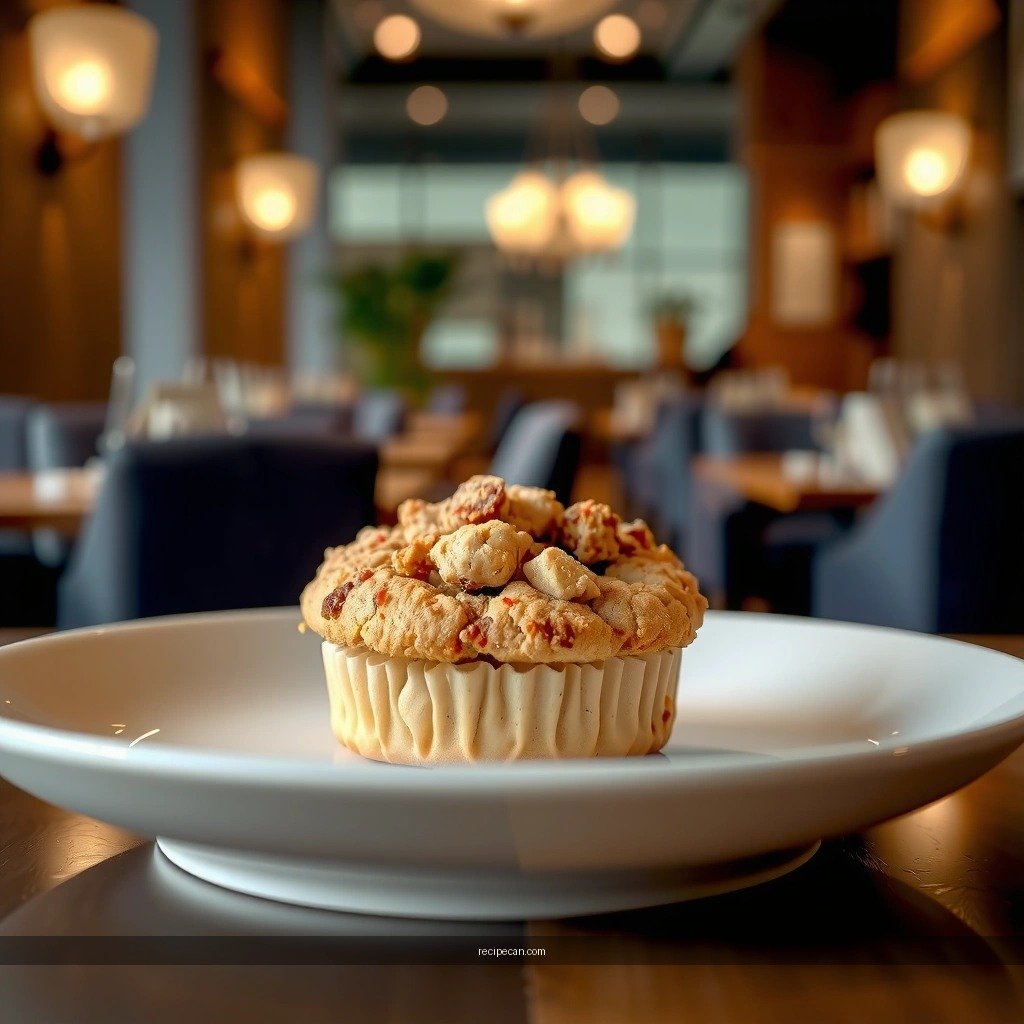
– Balance flour and cornstarch (or a similar thickening tweak) for a tender, not cakey crumb
– Choose quality vanilla and use room-temperature butter for smooth mixing
If you want your homemade cookies to feel like they came from a bakery—soft chew, thick bite, and minimal “cakiness”—you must adjust texture at the ingredient level. Flour alone can lead to a dryer crumb. Adding a small amount of cornstarch (or an equivalent thickening approach) helps tenderize and refine the crumb.
What to aim for in your dry mix:
– Flour: provides structure, but measure accurately (spoon flour into the cup, then level).
– Cornstarch: reduces gluten development slightly and softens the crumb, giving that Crumbl-style melt.
– Leavening: use enough baking soda or baking powder to support lift without blowing out the thick shape. Over-leavening encourages spreading and a cakeier interior.
Vanilla and butter matter more than people think.
– Room-temperature butter mixes more smoothly, trapping air and distributing fat evenly—this affects both chew and spread.
– Quality vanilla (especially pure vanilla extract) gives the “round” bakery flavor that complements chocolate, citrus, and peanut butter.
Actionable quality check: when you mix, your dough should look cohesive and glossy rather than patchy or dry. Patchiness often signals cold butter; dry dough often indicates too much flour or not enough creaming time.
Flavor & Topping Options (Crumbl-Inspired)
– Match popular cookie profiles: chocolate chip, sugar, peanut butter, lemon, and more
– Apply frosting/toppings correctly so they set on the cookie without melting or sliding
Crumbl’s most recognizable feature is how flavor and frosting are staged: the cookie base is thick and soft, and the toppings are engineered to sit cleanly on top. At home, that comes down to two things—choosing a flavor profile that matches your base dough and applying frosting at the right temperature.
Flavor directions you can confidently copy:
1. Chocolate chip: Use semi-sweet or dark chips. For better “bakery distribution,” fold chips in after the dough is mixed and chilled slightly.
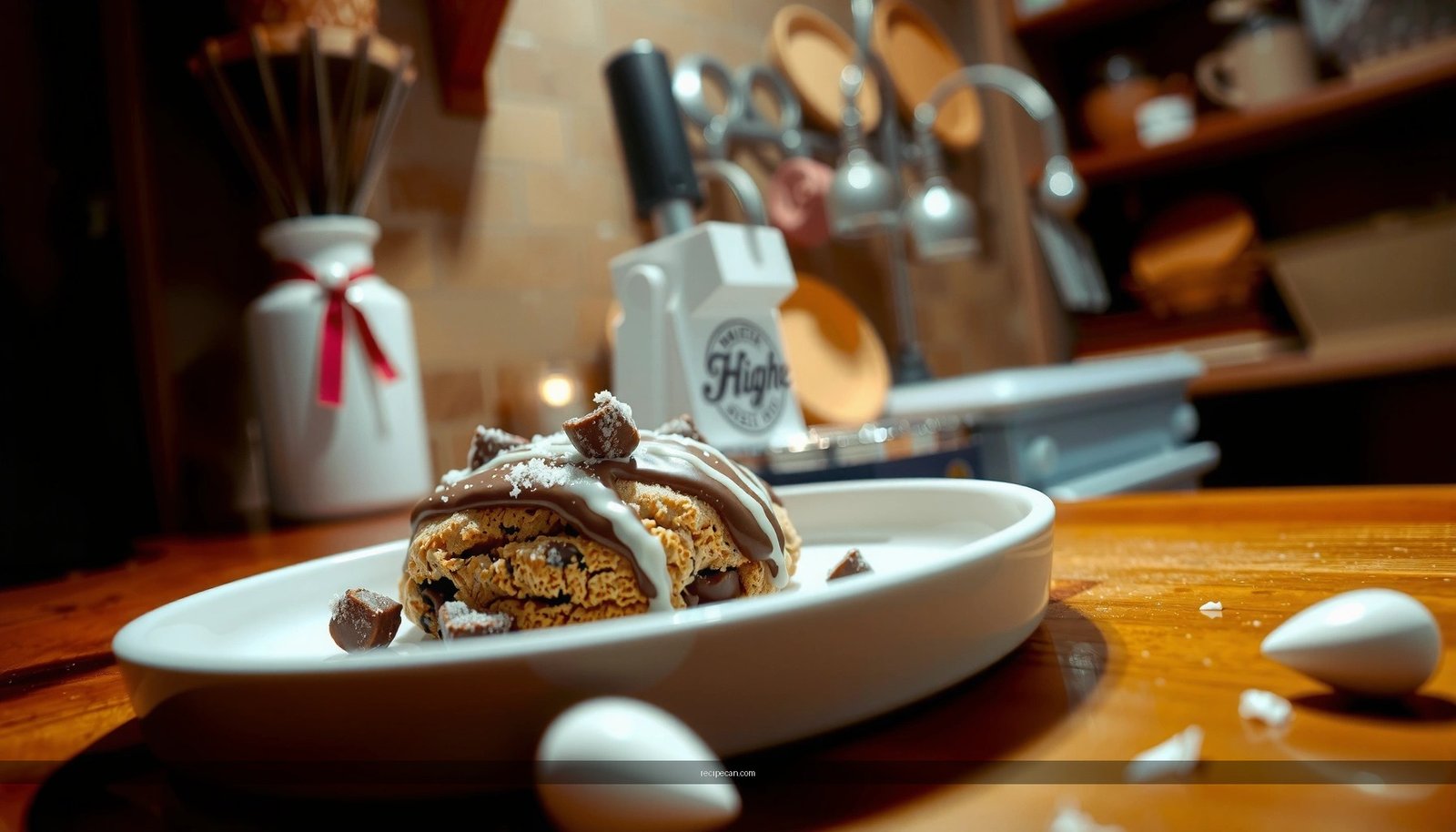
2. Sugar cookie (frosted): Keep the dough buttery and vanilla-forward; aim for a smooth, thick frosting layer.
3. Peanut butter: Use peanut butter flavor that’s stable (avoid overly oily spreads). Swirl gently to avoid greasy streaks.
4. Lemon: Add lemon zest to the dough and/or lemon extract to frosting for a bright but not harsh profile.
Frosting technique (to prevent melting or sliding):
– Cool cookies on the tray first (they still radiate heat).
– Frost only once the cookie surface is warm-to-the-touch but not hot.
– Pipe or spread frosting evenly; thick frosting looks best and sets more reliably.
Quick ratio guidance: if frosting is too thin, it will seep into the cookie and lose that “topping-on-top” effect. If it’s too stiff, it won’t adhere smoothly. Adjust with powdered sugar (thickens) or a small splash of milk/cream (loosens) in small increments.
Baking Tips for Perfect Edges and Centers
– Bake until the edges are set but the centers still look slightly underdone
– Let cookies cool on the tray briefly, then finish cooling to lock in texture
Crumbl-style timing is less about hitting an exact minute and more about reading doneness. The ideal cookie looks like it’s “almost done,” with edges that are set and deeper golden, while the center still appears soft and slightly glossy.
How to judge doneness visually:
– Edges: set and lightly golden.
– Center: still slightly underbaked; it will finish as the cookie cools.
– Top: should not look dry or cracked.
Cooling strategy:
1. Rest on the hot tray for 8–12 minutes. This allows internal structure to set without overbaking.
2. Transfer to a rack to finish cooling. This prevents the bottom from steaming and softening too much.
Actionable troubleshooting:
– If cookies are spreading too much, your butter may be too warm or your dough chill is too short.
– If cookies are too dry, reduce bake time by 1–2 minutes and confirm your flour measurement method.
How to Store and Recreate Fresh-Tasting Cookies
– Store airtight for best softness; consider reheating briefly for that “fresh from the oven” feel
– Freeze dough balls for quick, ready-to-bake copycat cookies anytime
The best copycat cookies taste great the day you bake them—but you can extend that “fresh bakery” experience with storage and reheating discipline.
For baked cookies:
– Store in an airtight container once fully cooled.
– Keep cookies at room temperature for up to a few days for best softness. Refrigeration can sometimes firm the texture and dull the “melty” center.
For reheating:
– Warm cookies in the microwave for 5–10 seconds or in a low oven (about 300°F / 150°C) for 3–6 minutes.
– Reheating quickly helps rehydrate the interior without drying out the center.
For dough (your best shortcut to always having Crumbl-style cookies):
– Scoop dough balls onto a tray, freeze until solid, then transfer to a freezer bag.
– Bake from frozen with a slightly longer bake time (typically +1 to +3 minutes depending on your oven).
This is the simplest way to enjoy consistent cookie results: your dough is already portioned, chilled, and ready for a controlled bake.
Troubleshooting Common Copycat Issues
– Cookies spread too much? Chill longer and ensure butter isn’t too warm
– Cookies too dry? Reduce bake time slightly and measure flour accurately
Even with a reliable base dough, home ovens and ingredient variation can cause drift. Use these targeted fixes to restore the Crumbl texture.
1) Cookies spread too much
Common causes:
– Butter was too warm during mixing.
– Dough chill was too short.
– Oven is running hot.
Fixes:
– Chill dough 12–24 hours (minimum 12).
– Confirm butter temperature is around 68–72°F (20–22°C) before creaming.
– Use an oven thermometer if you suspect temperature drift.
2) Cookies too dry or crumbly
Common causes:
– Too much flour.
– Overbaking—especially baking until the center fully looks done.
Fixes:
– Measure flour accurately (spoon and level).
– Pull cookies when edges are set but centers still look slightly underdone.
– Reduce bake time by 1–2 minutes on your next batch.
3) Frosting melts or slides
Common causes:
– Cookies were frosted too hot.
– Frosting is too thin.
Fixes:
– Frost after 15–25 minutes cooling (timing depends on room temperature).
– Adjust frosting thickness gradually with powdered sugar.
A small adjustment—chill time, flour amount, or bake timing—usually resolves the issue without changing the entire recipe.
Crumbl cookie recipe copycat results come down to nailing dough thickness, chilling, and bake timing—then using the right topping technique for that signature finish. Pick one flavor to start, follow the base dough steps, and adjust bake time as needed; then make a batch and freeze extra dough so you can enjoy Crumbl-style cookies anytime.
Frequently Asked Questions
What makes a Crumbl cookie recipe copycat so similar to the real thing?
The key is nailing the cookie “base” so the texture matches—creamy butter, balanced sweetness, and the right bake time for a soft center with set edges. Use a thick dough, chill it if needed for better structure, and aim for doneness when the edges look set but the center still looks slightly underbaked. For a true Crumbl cookie recipe copycat, also match the frosting style (spreadable glaze or creamy topping) and add-ins to replicate the flavor profile.
How do I bake a Crumbl cookie recipe copycat for the best soft center and chewy texture?
Start by measuring flour carefully (spoon and level rather than packing) because too much flour makes copycat cookies cakier and less chewy. Bake at a moderate temperature and pull the cookies when edges are set and the middles look soft; carryover heat finishes the center as they cool. For consistency, portion dough evenly, use parchment, and cool on the tray briefly before transferring so the bottom doesn’t overcook.
Why does my cookie dough spread too much in a Crumbl cookie recipe copycat?
Excess warmth, under-chilled dough, or overly melted butter can cause excessive spreading, which is common when recreating a Crumbl cookie recipe copycat. Chill the dough 30–90 minutes, especially if your kitchen is warm, and ensure your butter isn’t too hot when mixed. Also check your flour amount and avoid skipping any thickening steps like letting the dough rest, which helps the cookie hold its shape.
Best way to make a Crumbl cookie recipe copycat frosting or glaze that tastes like the original?
Use powdered sugar for creamy frosting and mix in butter/cream cheese gradually so the texture stays smooth and spreadable. For flavor accuracy, add vanilla and a small pinch of salt to balance sweetness, and consider a tiny splash of milk or heavy cream only if the frosting is too thick. If you’re making a glaze, heat it briefly to dissolve sugar and get a glossy finish, then spread or drizzle right after preparation for the best mouthfeel.
Which ingredients should I prioritize when building a Crumbl cookie recipe copycat from scratch?
Prioritize real butter, proper flour measurement, and the right sweeteners (usually a mix of sugars) to recreate the signature flavor and texture. For classic copycat results, use vanilla extract, add salt for balance, and consider brown sugar for moisture and chew. If the cookie includes toppings like chips or cake-like mix-ins, choose high-quality brands and fold them in gently so your Crumbl cookie recipe copycat holds flavor in every bite.