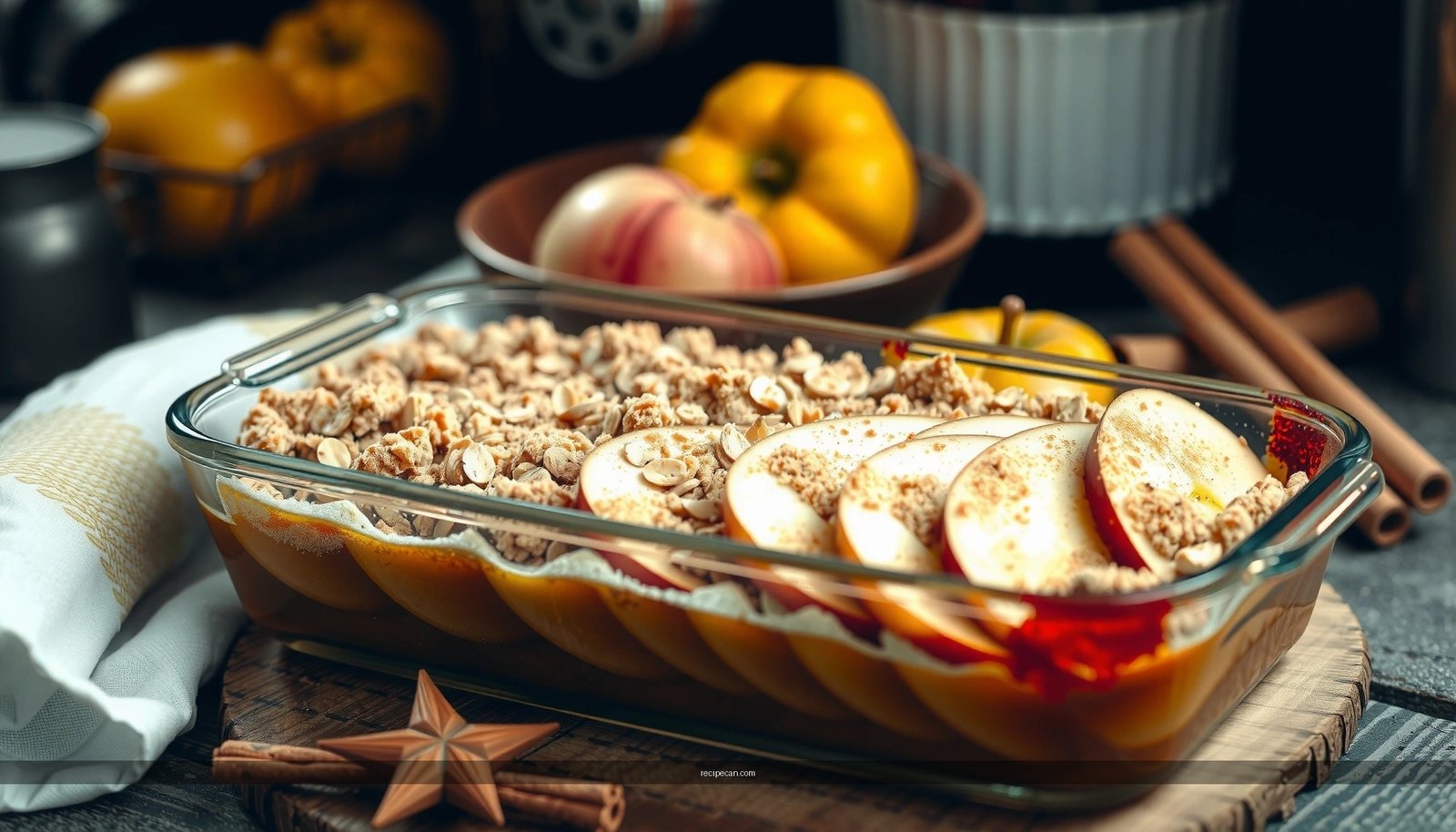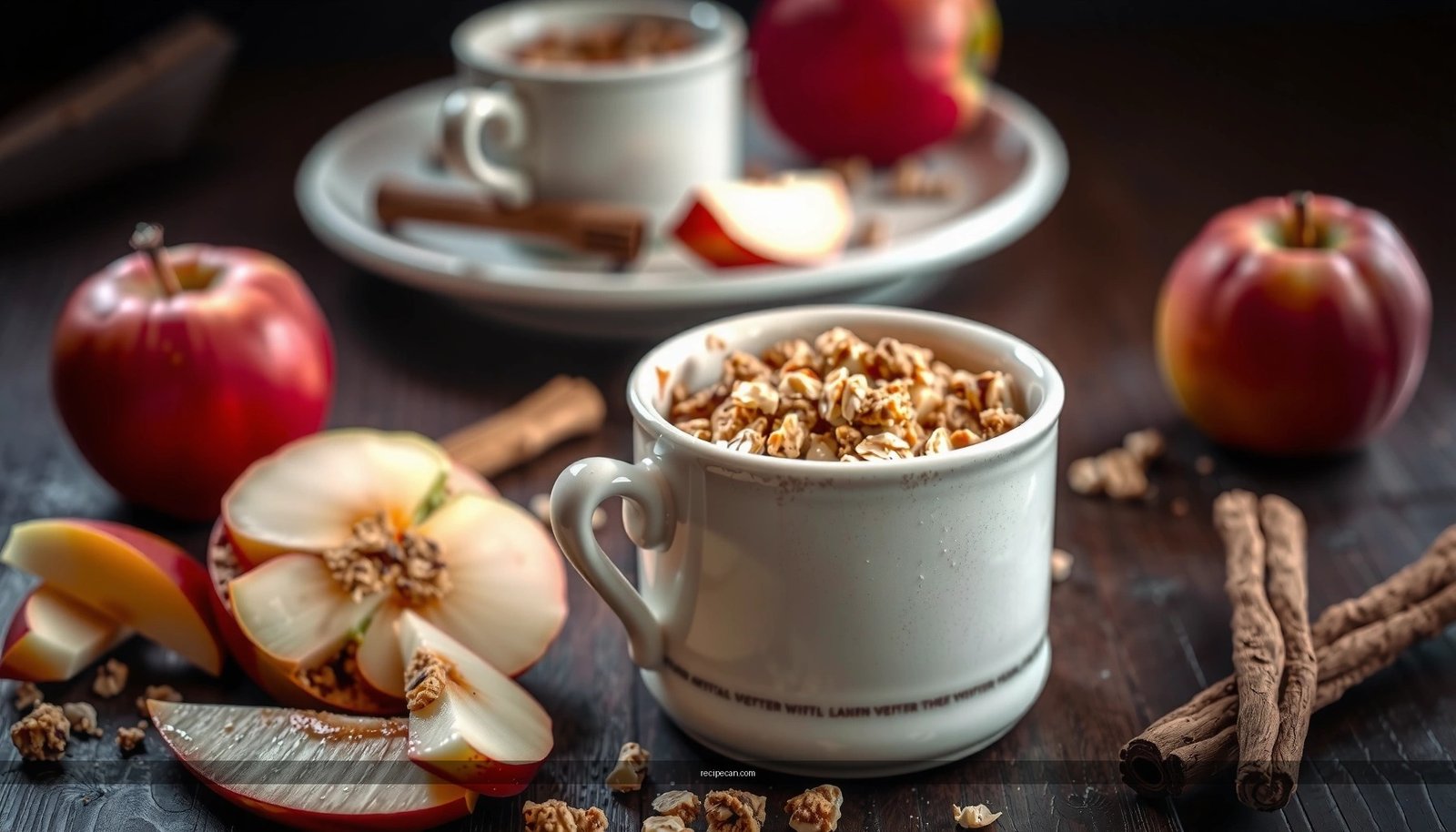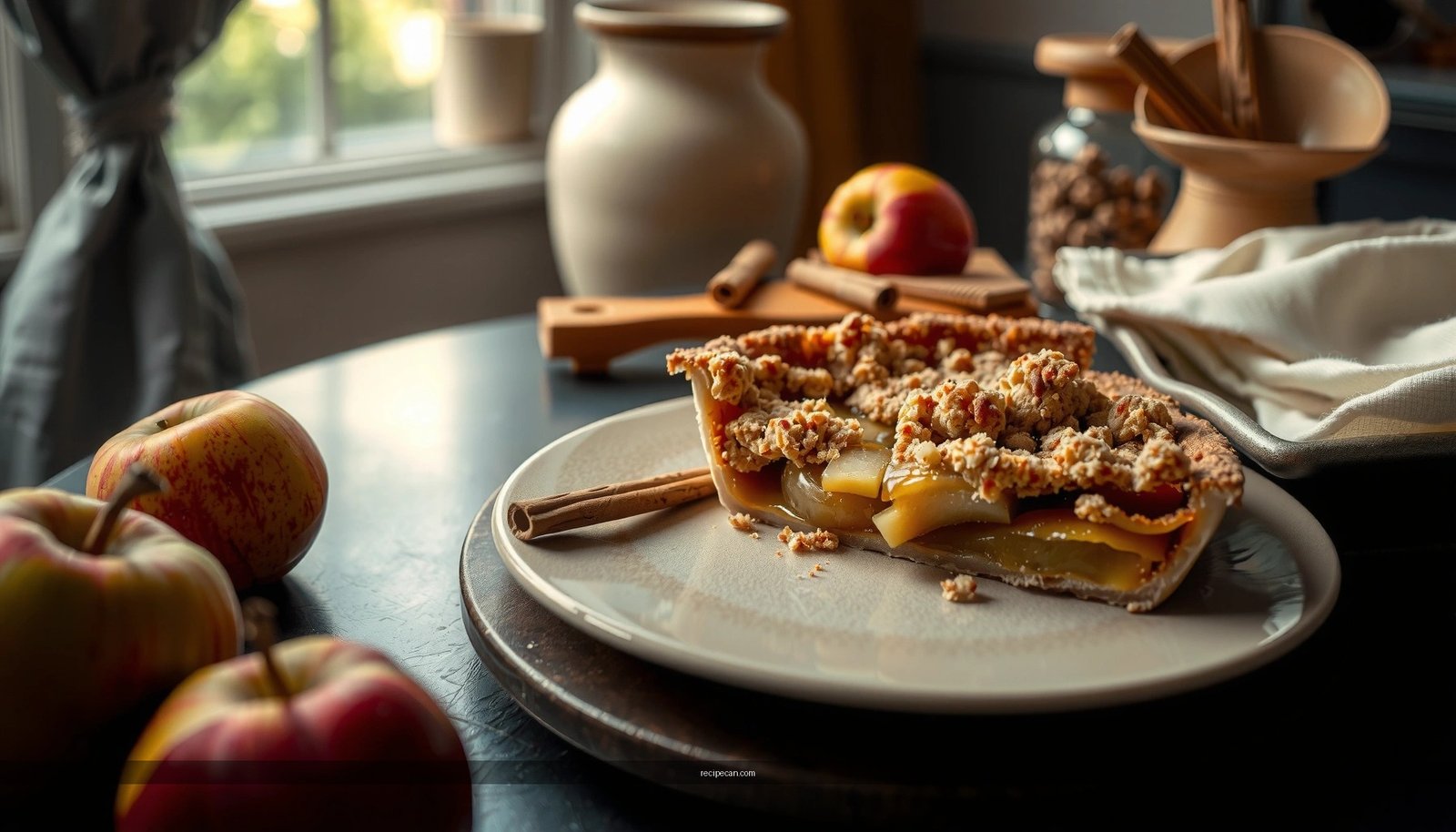
Looking for the best apple crumble pie recipe that delivers an easy build, juicy apple filling, and a consistently crispy crumble? This is the clear winner: a straightforward method that bakes down into tender apples with a thick, spoonable center and a golden, crackly topping. If you want the most reliable “slice-and-stay” texture—no soggy crust or watery filling—this one answers it.
The best apple crumble pie recipe delivers a juicy, well-thickened apple filling and a buttery, crisp crumble top that stays crunchy—without requiring complicated technique. If you use the right apple variety, thicken the juices correctly, and chill the crumble before baking, you’ll get that golden, bubbly finish every time (even with an easy workflow).
The key idea is balancing moisture and texture: apples release water as they bake, but the crumble’s fats and sugars can also re-melt into the filling if everything isn’t proportioned and timed properly. This guide walks through the decisions that matter—what apples to buy, how to thicken without tasting “starchy,” how to keep crust crisp, and when to bake for maximum crunch.
Apple Texture & Bake Performance (Best for Pie)
| # | Apple variety | Best texture in oven | Moisture release | Pie outcome rating |
|---|---|---|---|---|
| 1 | Honeycrisp | Crisp → tender | Moderate | ★★★★☆ |
| 2 | Granny Smith | Firm with bite | Moderate | ★★★★★ |
| 3 | Braeburn | Juicy, holds shape | Moderate-high | ★★★★☆ |
| 4 | Pink Lady (Cripps Pink) | Tender with structure | Moderate | ★★★★☆ |
| 5 | Jonagold | Softens evenly | Moderate-high | ★★★★☆ |
| 6 | Cortland | Very tender | High | ★★★☆☆ |
| 7 | Empire | Tender, sweet | Moderate | ★★★★☆ |
Choose the Right Apples and Flavor Add-Ins
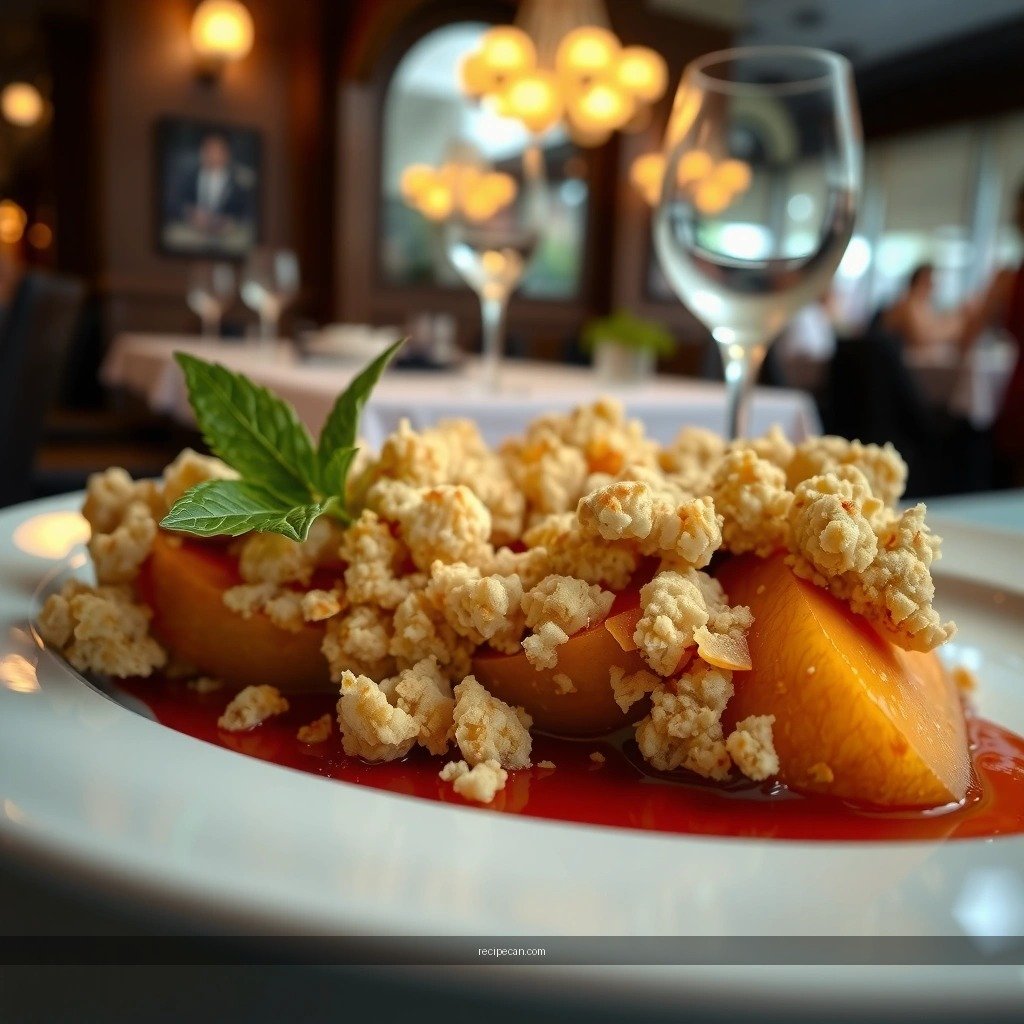
A crumble pie lives and dies by apple structure. For a juicy filling that slices cleanly, you want apples that stay intact long enough to bake evenly, then soften into tender pieces rather than collapsing into applesauce.
Best apple varieties
– Granny Smith: tart, firm, and reliable for holding shape; it also “cuts” sweetness so your filling doesn’t taste flat.
– Honeycrisp: sweet-tart balance with excellent bite; it delivers that “juicy but not mushy” result many people associate with bakery pies.
– Braeburn / Pink Lady (Cripps Pink): great all-around choices when you want flavor complexity and a tender, spoonable interior.
If you only have softer apples (like Cortland or Red Delicious), you can still bake a crumble pie, but you’ll need to adjust thickener upward and be more careful with bake time to avoid an overly loose filling.
Flavor add-ins that actually work
– Cinnamon: use it for warmth and aroma; start with about 1–1½ teaspoons per 6–7 cups sliced apples (then adjust to preference).
– Lemon juice: brightens flavor and helps slow browning. It also balances the sweetness that comes from sugar and reduces the “one-note” taste.
– Vanilla (optional): a small amount (½–1 teaspoon) rounds out spice without turning the filling into dessert that tastes like cake.
Actionable tip: Taste one raw slice. If it’s already sweet, reduce sugar slightly; if it’s sharp, keep sugar steady. This is the quickest way to personalize your pie for the apples you find.
Create the Juicy Apple Filling
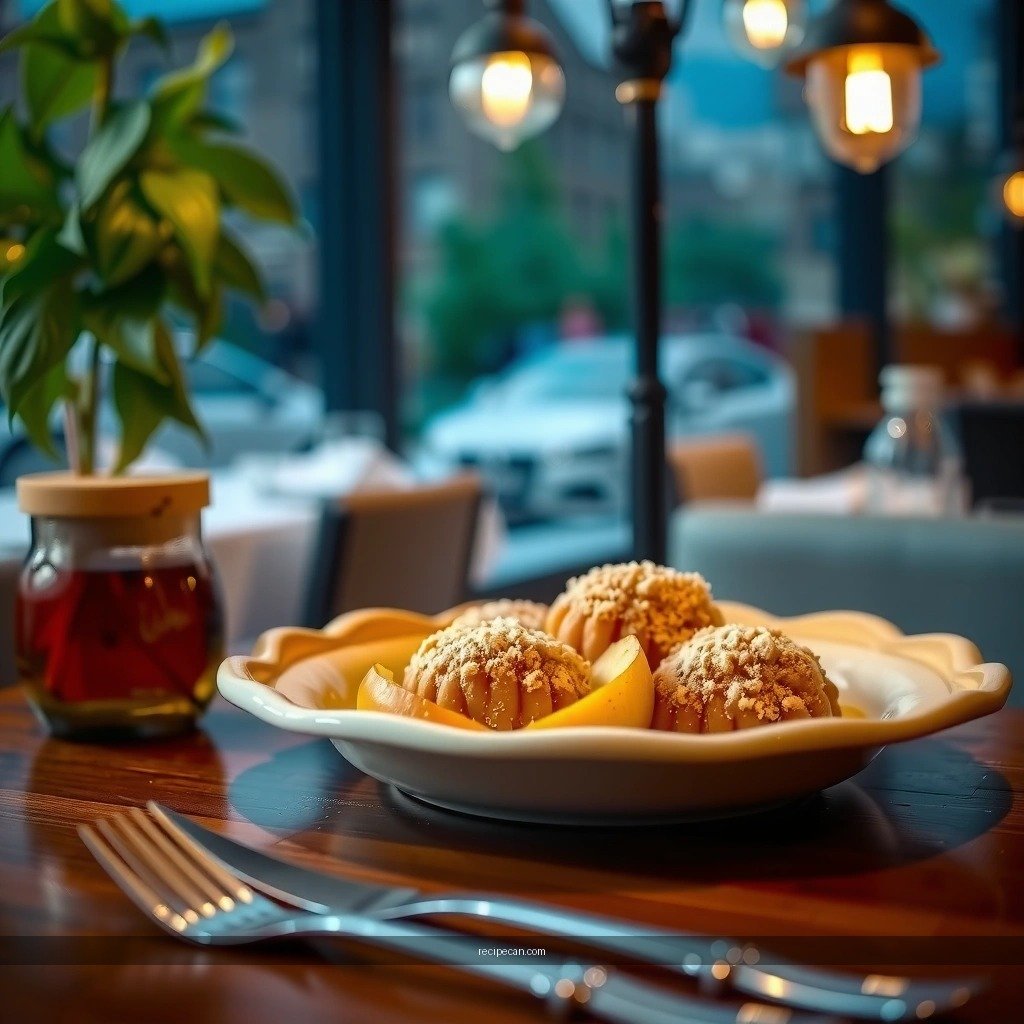
A “juicy” apple crumble pie doesn’t mean watery. It means you get glossy, bubble-thickened fruit juices that cling to apple slices and set as the pie cools.
Toss properly to prevent a watery pie
Core technique: toss apples with sugar plus a thickener before the pie goes in the oven. Common thickener options:
– Cornstarch: thickens at lower temperatures and gives a glossy finish (useful for quick, juicy bakes).
– Flour: classic and stable, but it requires enough heat/time to cook through so it doesn’t taste pasty.
In practice, a good baseline for a typical 9-inch pie is around:
– 1/2 cup (about 100–110 g) sugar for 6–7 cups apples (depending on sweetness)
– 1/4 cup cornstarch *or* 1/3 cup flour for thickening
(If your apples are very juicy or you’re using a softer variety, lean toward the higher thickener side.)
Simmer lightly vs. mix thoroughly
You can either:
– Mix thoroughly (easy method): Toss until every slice is coated. The sugar draws moisture out as the pie rests briefly and during baking.
– Simmer lightly (more control): For a more uniform sauce, simmer sugar + thickener + lemon + spices until it thickens, then combine with apples. This can reduce variability between apple brands.
Timing cue
During baking, look for bubbling in the center and around the edges. If bubbles are minimal, the thickener may not have reached full set. If bubbles are aggressive but the pie never browns, the topping may need more time—or the apples may be releasing too much moisture too quickly.
Actionable tip: If you’re short on time, let the assembled pie sit 10–15 minutes before baking. This helps juices initiate and begins thickening so you get a cleaner, set filling at slice time.
Make a Flaky Pie Crust Base
Even though crumble topping steals the show, crust quality determines whether the pie feels “premium” or soggy. The main variables are temperature and handling.
Keep everything cold
– Use cold butter and ice water (or very cold dough hydration).
– Work quickly so gluten doesn’t develop too much. Overmixing or warm dough leads to toughness and less flake.
Blind bake briefly if needed
For apple pies, a short blind bake can protect against a wet bottom—especially if your filling is extra juicy or you’re using a thinner crust.
– Blind bake just until the bottom looks set and slightly dry, not fully browned.
– Then add filling and bake again with the crumble.
A business-like mindset: consistency
If you want repeatable results, measure thickness: aim for about 1/8 inch (3 mm) crust. Too thick can stay undercooked; too thin can struggle under juicy filling.
Actionable tip: Vent your crust strategy (even with crumble). You can add small vents on the base or ensure the crumble is allowed to vent moisture rather than sealing it under a flat layer.
Build the Apple Crumble Topping
Crispy crumble is a science of fat-to-flour ratio, texture of butter, and chilling time. The goal is crumb pieces that bake into crackly, golden clusters—not a greasy, uniform paste.
Classic topping ratio
A reliable combination for a crisp crumble:
– Butter + flour + sugar
– Optional oats for extra crunch and chew
How to get the crumb texture
1. Mix dry ingredients (flour, sugar, salt; optional oats).
2. Rub butter into dry until you have irregular crumbs—think “coarse sand to pea-sized bits.”
3. Chill the crumble before baking.
Chilling matters because it slows melting. When chilled crumble hits the oven, it forms crisp edges before the fats fully liquefy, producing that desired crunch.
Optional upgrades
– Add a pinch of nutmeg to complement apple and cinnamon.
– Use brown sugar for deeper caramel notes (especially with tart apples).
– Sprinkle a tiny bit of turbinado sugar right before baking for extra sparkle and crunch.
Actionable tip: If your topping clumps into one mass when pressed, it’s too wet or the butter is too soft—add a spoon of flour and chill again.
Assemble and Bake for the Perfect Finish
This is where your earlier decisions show up. The best results come from even layering and clear baking cues rather than guessing.
Assemble correctly
– Spread apple filling evenly—avoid piling in one corner.
– Top with crumble generously, covering the filling while still allowing some air circulation.
Bake until “bubbly + golden”
Most apple crumble pies bake around 350°F (175°C) for roughly 45–60 minutes, but ovens vary. Use visual signals:
– Filling bubbles through the edges and any gaps in crumble.
– Crumble is deep golden and the surface looks dry, not wet.
Manage browning
If the crust browns too fast:
– Tent loosely with foil after the first 20–30 minutes.
– Avoid sealing too tightly—venting helps evaporate excess moisture.
Cooling is not optional
Let the pie cool at least 30–60 minutes. During cooling, starch thickener sets, and juices thicken enough to reduce seepage on the first slice. Cutting too soon is the number-one cause of “watery pie” complaints, even when the filling is correct.
Actionable tip: For extra professionalism, place the pie on a preheated baking sheet. It helps the bottom set faster and reduces risk of a soggy base.
Tips for Serving and Storing
A great apple crumble pie is judged twice: first at the table, then the next day. Handle cooling and storage with the same discipline you applied to bake quality.
Serving best practices
– Cool 30–60 minutes for cleaner cuts and a set filling.
– Reheat slices briefly (if desired) and consider toasting the topping for texture.
Best pairings:
– Vanilla ice cream for contrast with tart apples and warm spice
– Whipped cream if you prefer a lighter finish
– A drizzle of warm caramel if your apples are on the sweeter side
Storage and re-crisping
– Store leftovers covered in the fridge.
– To re-crisp, reheat in a preheated oven (around 325°F/160°C) for 10–15 minutes instead of microwaving, which softens the crumble.
This protects the signature “juicy + crispy” experience that makes crumble pie different from a standard apple pie.
Actionable tip: If you anticipate leftovers, let the pie fully cool before covering—trapped steam softens the crumble.
This best apple crumble pie recipe is all about the right apples, thickened filling, and properly chilled crumble for maximum crunch. Bake for the cues (bubbly filling, deeply golden topping), cool before slicing, and you’ll consistently get a juicy center with a crisp, buttery top. Make it this week, write down your preferred apple variety and any sugar/thickener adjustments, and you’ll have a repeatable go-to pie for every season.
Frequently Asked Questions
What is the best apple crumble pie recipe for a flaky crust?
To get the best apple crumble pie with a flaky crust, use a cold butter crust and avoid overmixing—work the dough just until it comes together. Roll it evenly, chill it before baking, and consider a quick par-bake (5–10 minutes) so the bottom won’t get soggy from the apple filling. Choose a mix of apples that holds shape, and thicken the filling with a little flour or cornstarch for a firm slice. Pair the crust with a crisp crumble topping made from flour, butter, sugar, and cinnamon.
How do you keep the apple filling from getting watery in apple crumble pie?
Watery apple filling usually comes from too much juice or not enough thickening. Toss your sliced apples with sugar plus a thickener (like cornstarch or flour) and let them sit briefly so excess liquid is accounted for, then cook the filling slightly if needed. Bake until the filling is bubbling and the topping is deeply golden, and let the pie cool before slicing so the best apple crumble pie recipe sets cleanly. This helps prevent runny filling while keeping apples tender.
Which apples are best for apple crumble pie to balance sweetness and texture?
For the best apple crumble pie recipe, use a blend of apples for both flavor and structure—sweet/tart options like Honeycrisp, Granny Smith, and Braeburn work especially well. Honeycrisp adds sweetness and crunch, while Granny Smith brings tartness and keeps the filling from tasting flat. Using firmer apples helps them stay chunky instead of turning into applesauce, giving your crumble pie a more satisfying texture.
Why does my crumble topping sink or turn soft, and how can I fix it?
A crumble topping can sink if the filling is too wet or if the topping is too soft from warm butter or insufficient flour. Use cold butter and mix just until the crumble forms uneven clumps, then sprinkle it over a thickened, not overly runny apple filling. Bake on a lower rack to set the base, and consider finishing on the upper rack for extra browning. When baked properly, the apple crumble topping should be crisp and hold its texture.
Best way to assemble and bake an apple crumble pie for evenly cooked apples?
For even cooking, cut apples into uniform slices and keep the filling thickness consistent so heat penetrates at the same rate. Preheat the oven fully, bake until you see active bubbling in the center, and tent the crust with foil if it browns too quickly. Let the pie cool for at least 2–3 hours so the filling thickens and the crumble topping stays crisp. This approach ensures your best apple crumble pie recipe bakes through without undercooked apples or a soggy bottom.