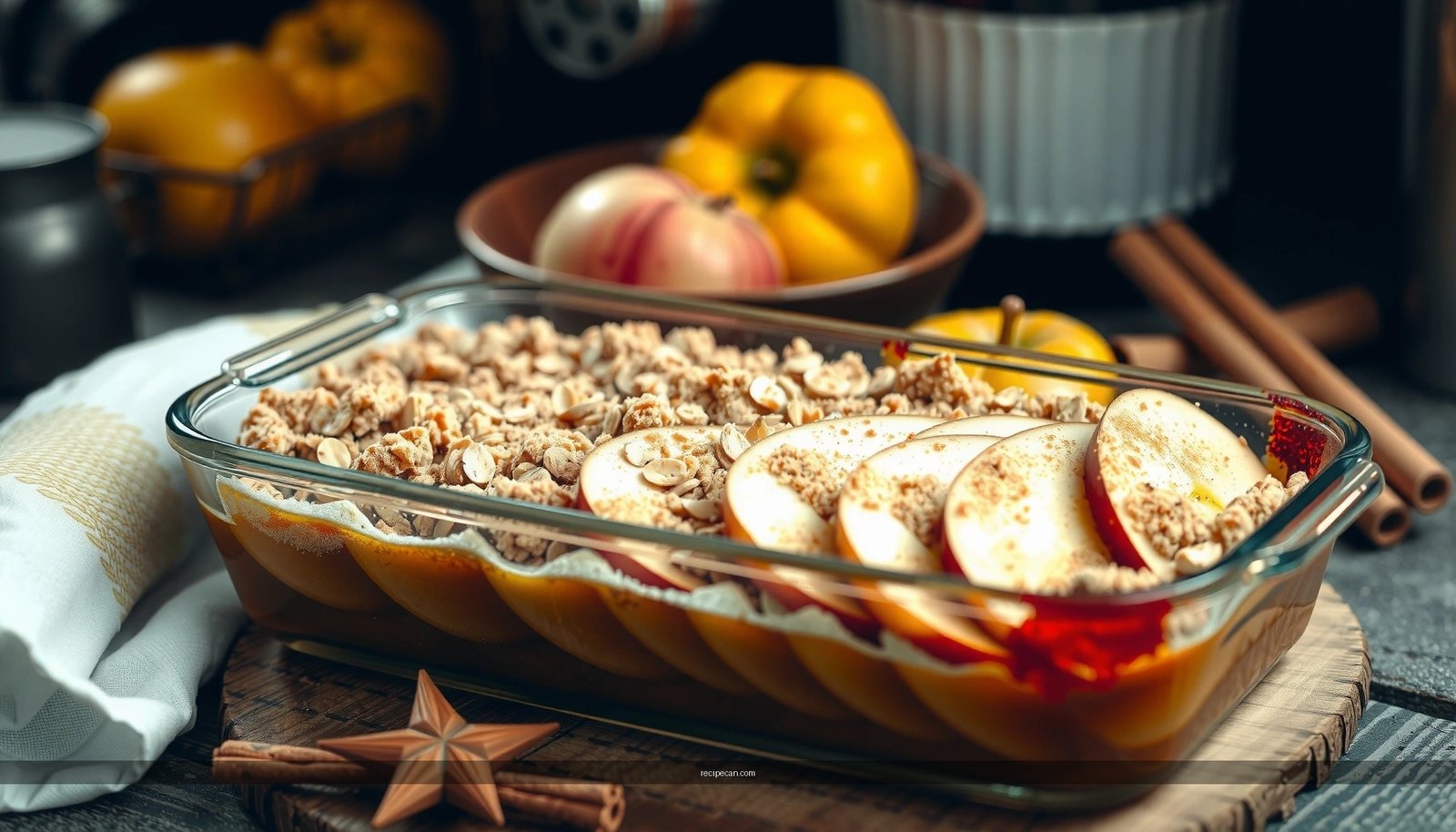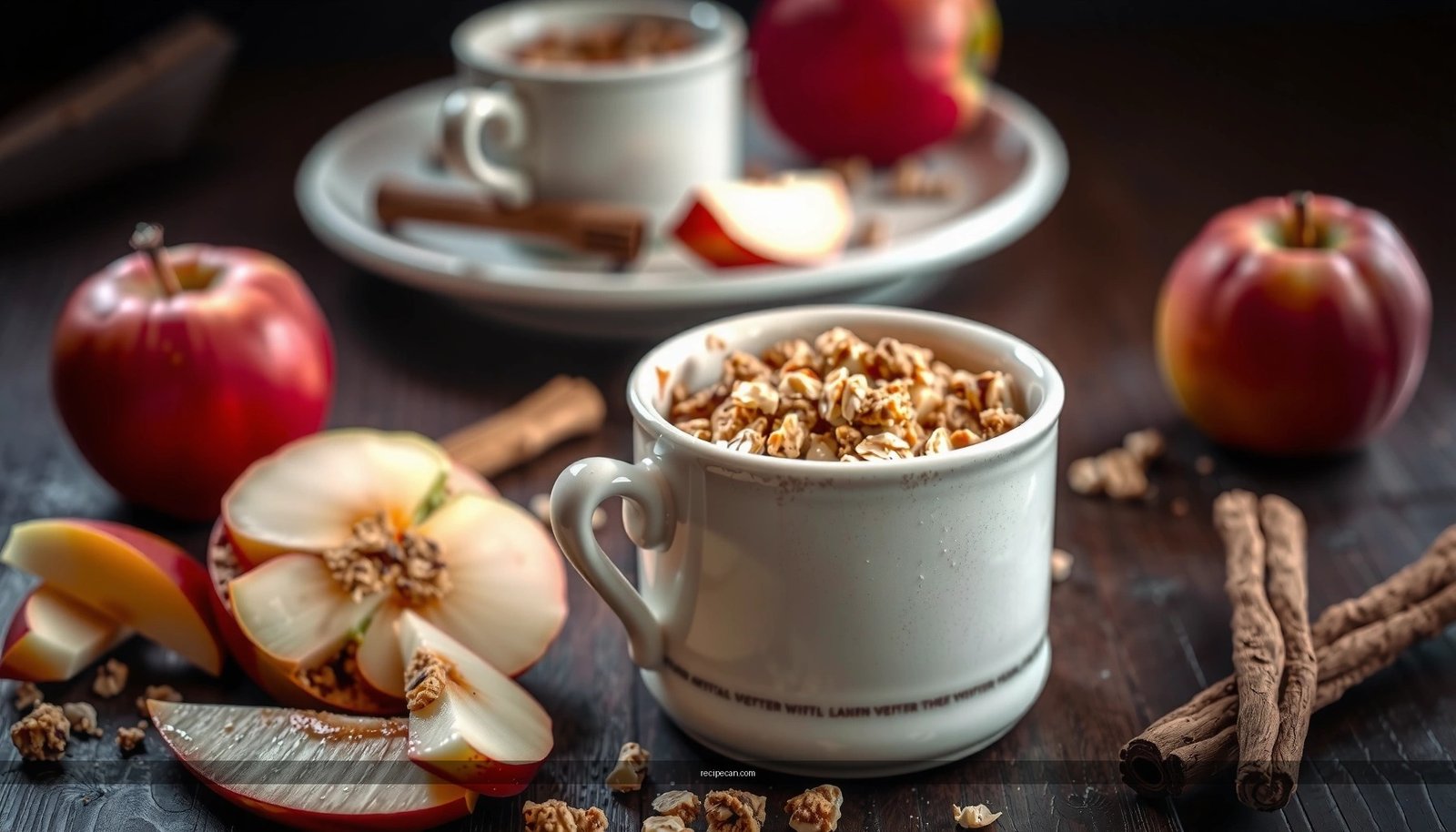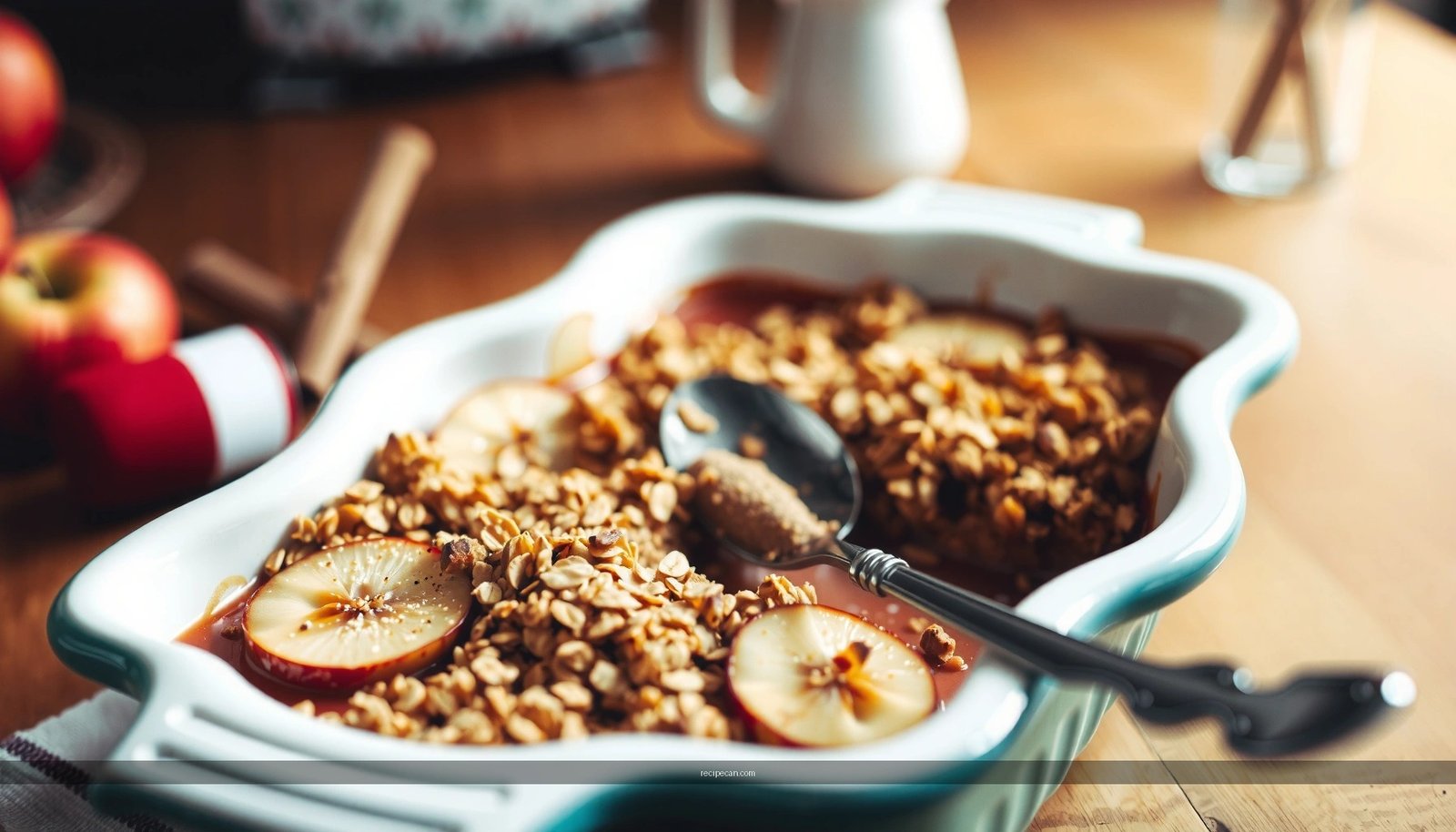
Get the best Apple Crumble recipe from AllRecipes—one classic version that consistently delivers a crisp, buttery topping and tender cinnamon apples in one reliable bake. This recipe is built to answer the exact question: which “apple crumble recipe all recipes” format gives the most satisfying crumble texture without turning soggy. Follow these steps and you’ll get a golden, spoon-ready dessert every time.
Bake this apple crumble by using tart, peeled, sliced apples and topping them with a buttery cinnamon oat crumble—then bake until the surface is golden and the filling is visibly bubbling. This “all recipes” style method is easy to follow, but the small choices (apple type, thickener, and cold butter) are what reliably deliver the best flavor and texture.
Apple Varieties: Sweetness vs. Tartness (Crumble Performance)
| # | Apple variety | Best for | Texture after baking | Crumble score |
|---|---|---|---|---|
| 1 | Granny Smith | Tart balance | Holds shape well | 9.4/10 |
| 2 | Honeycrisp | Natural sweetness | Juicy, tender | 8.7/10 |
| 3 | Braeburn | Balanced flavor | Firm with soft edges | 9.0/10 |
| 4 | Golden Delicious | Classic sweetness | Softer, caramelizes | 7.4/10 |
| 5 | Rome Beauty | Sharp, aromatic bite | Steady hold | 8.9/10 |
| 6 | Jonagold | Sweet-tart blend | Cooks evenly | 8.3/10 |
| 7 | McIntosh | Soft, spoonable apples | Breaks down quickly | 7.1/10 |
In a classic apple crumble (the “all recipes” style you’re likely familiar with), the goal is controlled juiciness: tender apples under a crisp-but-not-hard oat topping. If you choose apples that are too sweet or too soft, your filling can turn loose and muddy; if they’re too tart or undercooked, the center can feel sharp or dry. The best crumble is a product of balance—flavor balance from the apples, and texture balance from the thickener and the cold crumble topping.
Choose the Best Apples
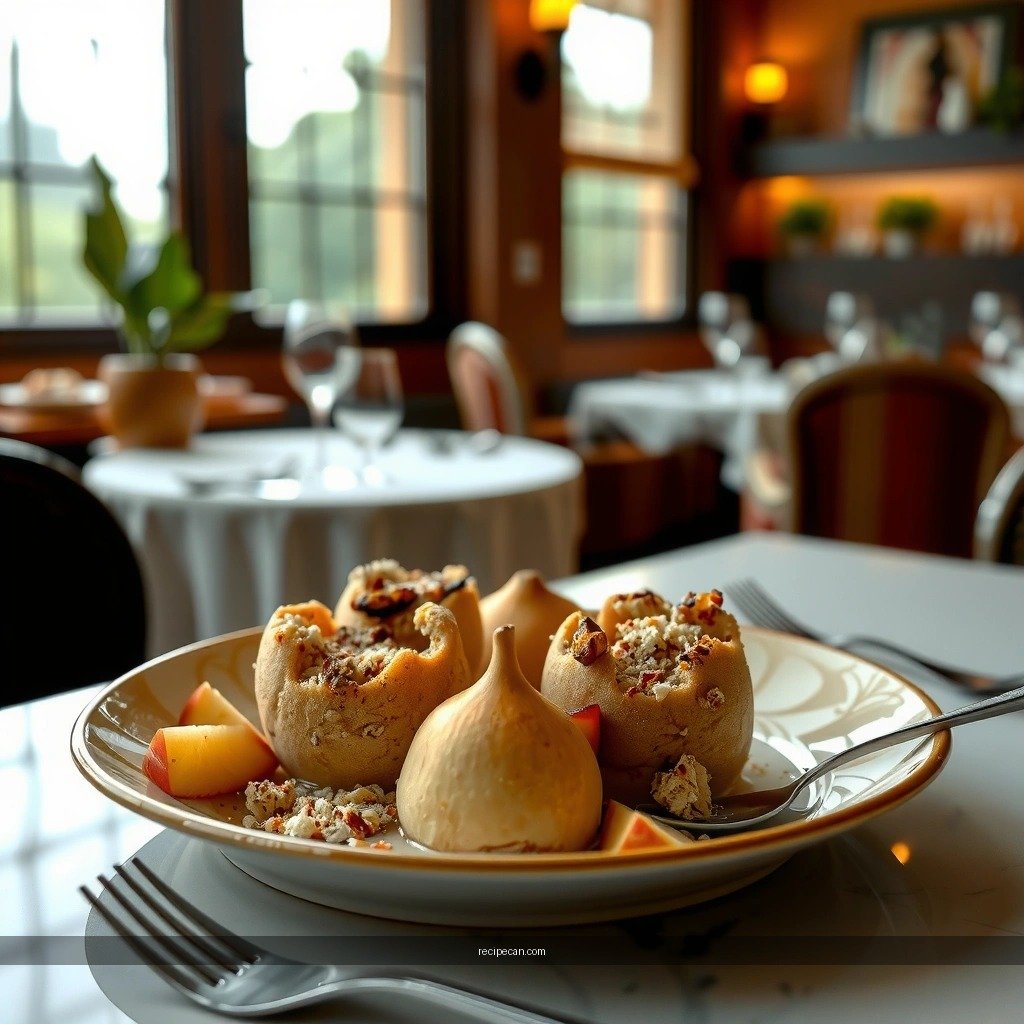
Start with peeled, sliced apples—but the real upgrade is selecting varieties that behave predictably in an oven environment.
– Use tart apples (like Granny Smith) for balanced sweetness. Tart apples bring acidity that cuts through butter and cinnamon. That contrast makes the flavor taste more “rounded” rather than sugary, especially once the topping browns.
– Mix apple varieties for more complex flavor. A reliable strategy is one tart variety + one sweeter variety. Tart apples help the filling stay structured, while sweeter ones contribute a caramel-like sweetness as they bake.
– Aim for similar slice thickness. For even cooking, cut apples into roughly 1/4-inch (6 mm) slices. Too-thick pieces cook unevenly and can leave a crunchy core beneath a browned topping.
– Consider firmness, not just sweetness. Firm apples hold their shape longer, which improves the “apples visible in the crumble” look. Softer apples can still work, but you’ll typically need a bit more thickener and possibly longer baking.
Practical pairing idea:
Use Granny Smith + Honeycrisp for a crumble that’s bright, juicy, and not overly soft. If you prefer a more classic, sweeter profile, add Braeburn instead of Honeycrisp.
Prep the Apple Filling
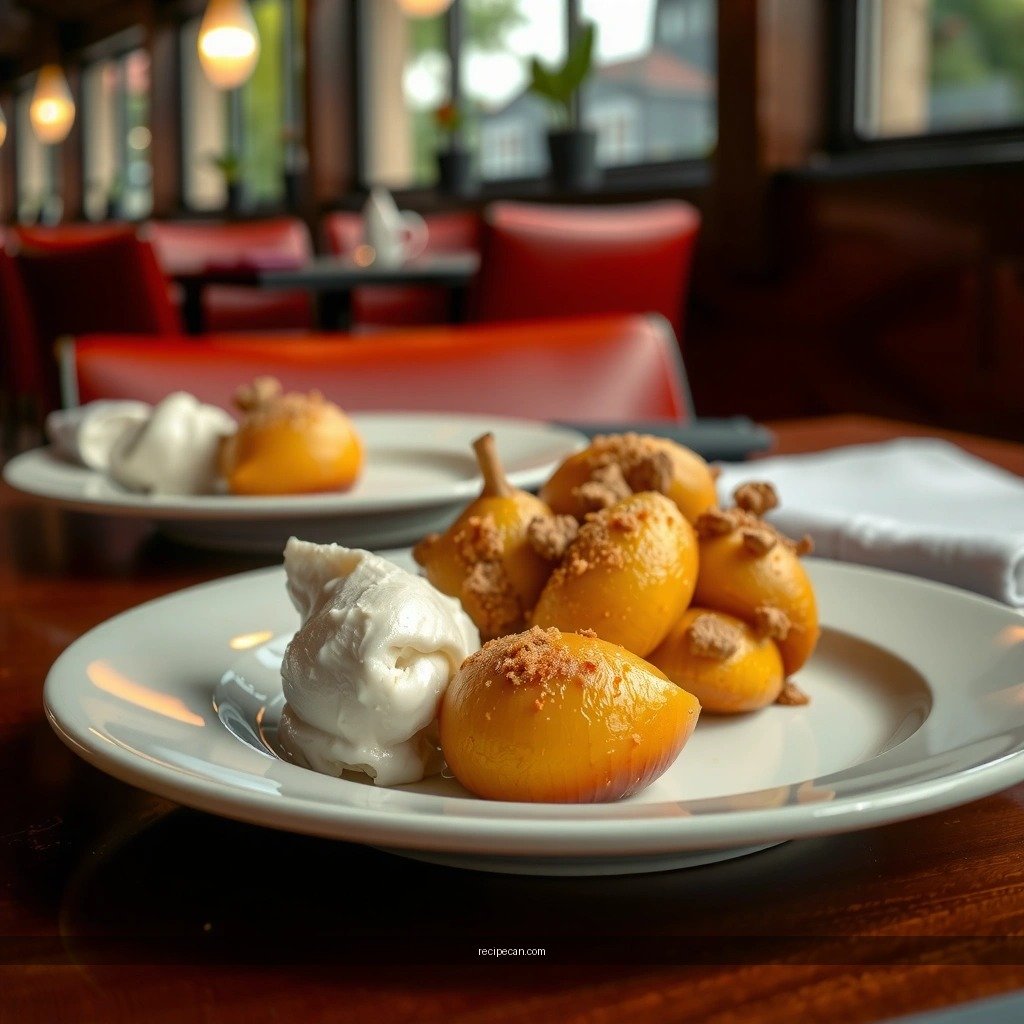
The filling is where most “watery crumble” problems originate. A classic crumble filling should taste juicy, but it must set enough to become cohesive when you scoop.
– Toss apples with sugar, cinnamon, and a little lemon juice. Lemon juice does two things: it enhances apple flavor (a subtle brightening effect) and helps prevent dulling during baking. Cinnamon should coat the slices so every bite has warm spice rather than a cinnamon “pocket.”
– Add a thickener (like flour or cornstarch) to prevent a runny filling. Apples release water as they bake. Without thickener, that liquid can pool at the bottom and prevent the crumble topping from staying crisp.
– Cornstarch tends to set with a smoother, glossier texture.
– All-purpose flour gives a more “baked” thickening effect and is commonly used in home-style recipes.
How much thickener? Rather than chasing a single number, think by consistency:
– If your apples are very juicy or you’re using sweeter varieties, lean slightly heavier on thickener.
– If your slices are on the thicker side, use enough thickener to compensate for extra moisture released as they soften.
Actionable workflow (for best results):
1. Combine sliced apples, sugar, cinnamon, and lemon in a mixing bowl.
2. Sprinkle thickener over the apples, then toss thoroughly until you don’t see dry flour/cornstarch spots.
3. Let the mixture sit 5–10 minutes before assembling. This draws out a little juice, letting the thickener hydrate and begin forming a gel—often reducing the risk of late pooling during baking.
Make the Crumble Topping
A proper apple crumble topping is buttery, uneven, and crumbly. When it’s too uniform or too warm (from melting butter), it can bake into a flat layer instead of textured crumbles.
– Combine flour, oats, brown sugar, cinnamon, and cold butter. Cold butter is the key—when it stays solid, it creates pockets of fat that expand and crisp as the topping bakes.
– Use your fingers or a pastry cutter to form crumbly, uneven chunks. Uneven chunks create variation in thickness, which is what you want: some crumbs become deeply golden while others remain lighter and chewy.
– Balance oats vs. flour. Oats provide crunch and structure; flour helps the crumbs bind enough to cling to the apples. If you use only oats, the topping can be fragile. If you use only flour, it can feel more like shortbread than crumble.
– Don’t compact the topping. If you pack it down, you’ll reduce airflow and crisping. Aim for a loose crumble with visible butter-coated flakes.
Quality control tip:
Rub a small portion of the crumble between your fingertips. It should feel like moist sand forming clusters—not a paste. That tactile check typically predicts the right texture in the oven.
Assemble and Bake
Assembly affects both baking time and how the filling meets the topping. The “classic” method bakes apples until bubbling around the edges—those bubbles indicate that the filling has reached a set point.
– Spread apples evenly in the baking dish. Uneven layers cause uneven moisture release. If one area is thicker, it stays underbaked while the thinner areas over-brown.
– Bake until the topping is golden and the filling bubbles around the edges.
– Place the crumble on the center rack for consistent heat distribution.
– Look for golden crumbs (not just light browning) and bubbling at the perimeter. Bubbling is your cue that thickener is activated and the juices are thickened enough to scoop cleanly.
Timing expectations: Many classic crumble bakes land around 35–50 minutes, depending on apple thickness, dish size, and oven accuracy. Start checking at the 30–35 minute mark, then monitor until golden and bubbling.
Oven strategy for high reliability:
If you want to prevent a too-dark top while ensuring the filling sets, loosely tent with foil after the crumble reaches golden color—then continue baking just long enough to confirm edge bubbling.
Serving Tips and Variations
Apple crumble is forgiving, and small variations can transform the profile from comforting to restaurant-style dessert.
– Serve warm with vanilla ice cream or whipped cream. The classic pairing works because cold fat softens the warm crumble and balances cinnamon. Vanilla is the “safe business bet,” but salted caramel ice cream is also excellent if you enjoy deeper sweetness.
– Try adding nuts, raisins, or a pinch of nutmeg for variation.
– Nuts: Chopped walnuts or pecans add a toasted bitterness that complements cinnamon. Add them to the crumble mixture for integrated crunch.
– Raisins: For bursts of sweetness, soak raisins briefly in warm water or apple juice, then pat dry.
– Nutmeg: A small pinch can add complexity—just don’t overdo it, or it can dominate.
Two high-impact, low-effort upgrades:
1. Use a spoon-friendly rest time. Let the baked crumble rest 10–15 minutes. This allows bubbling juices to thicken further so scoops hold shape.
2. Finish with flaky salt. A tiny pinch on top (especially if using sweet apples) makes the flavor taste more vivid and less one-note.
Troubleshooting Common Issues
Even well-written recipes fail if the underlying texture mechanics are ignored. Here are the most common failures and how to correct them.
– If it’s watery, bake a bit longer or increase thickener next time. Watery crumble usually means the filling never reached its set point (underbaking) or not enough thickener to capture released juices (under-thickening).
– Fix (now): Bake until you see sustained bubbling at the edges, not just initial bubbling.
– Fix (next time): Slightly increase cornstarch/flour or choose firmer apples.
– If topping browns too fast, cover loosely with foil and continue baking. Fast browning can happen when your oven runs hot or your baking dish is positioned too close to the top element.
– Fix (now): Tent foil over the top while keeping airflow around the sides.
– If topping is dry or sandy, check your butter temperature. Cold butter is ideal, but if it’s extremely hard and your crumble is over-mixed, it can produce a drier texture. Aim for crumb clusters, not powder.
– If filling tastes under-seasoned, adjust salt and spice distribution. Many home versions under-salt. A small pinch of salt in the filling can make cinnamon and apple flavor read more clearly.
Warm, buttery apple crumble is easy to nail once you use the right apples, thicken the filling, and bake until you see bubbling. Follow this all recipes-inspired method with careful apple selection and a cold, uneven oat crumble topping, then iterate with your favorite additions—nuts, raisins, or extra cinnamon—to make it your own. Save the recipe, bake your first batch, and you’ll have a dependable classic for weeknights, gatherings, and anytime comfort dessert is on the agenda.
Frequently Asked Questions
What is the best apple crumble recipe from “All Recipes”?
The best apple crumble recipe from All Recipes is typically one that balances sweet-tart apples with a buttery, golden crumb topping. Look for versions that use a mix of apples (like Granny Smith and Honeycrisp), a little cinnamon, and a crumble topping made with flour, oats, butter, and brown sugar. These ingredients help the crumble turn crisp while keeping the apple filling juicy. Always follow the bake time closely until the topping is browned and the filling is bubbling.
How do I make an apple crumble using the All Recipes method?
Start by peeling and slicing apples, then toss them with sugar, cinnamon, and a thickener like cornstarch if the recipe calls for it. Spread the apples in a baking dish and evenly layer the crumble mixture over the top. Bake at a moderate to hot temperature until the topping is crisp and the edges are bubbling, which is the key sign the apple crumble is set. Let it rest for 10–20 minutes so the filling thickens and doesn’t run when you scoop it.
Why is my apple crumble topping not crispy, and how can I fix it?
If your apple crumble topping turns out soft, it’s often because the butter is too melted, the crumble isn’t thick enough, or the topping wasn’t baked long enough. Using cold butter and cutting it into the dry ingredients helps create a crumbly texture that crisps in the oven, similar to many “All Recipes” apple crumble variations. Another fix is to bake until you see deep golden color and bubbling filling, then rest briefly before serving. If your dish is crowded or the apples are very juicy, add a bit of cornstarch to prevent excess liquid.
Which apples work best for apple crumble in All Recipes?
The best apples for apple crumble are firm varieties that hold their shape, such as Granny Smith, Honeycrisp, Braeburn, or Golden Delicious. Mixing tart and sweet apples is a common “All Recipes” approach because it creates more balanced flavor and prevents the filling from tasting one-note. Firm apples also reduce the chance of watery filling, helping the crumble stay crisp. If you only have softer apples, slice them thicker or use a thickener to keep the filling from becoming too runny.
How do I store and reheat an apple crumble from All Recipes?
Cool the apple crumble completely, then cover and refrigerate it within a couple of hours; it typically keeps well for 3–4 days. For reheating, warm individual portions in the oven or toaster oven so the topping regains crispness, ideally at around 325°F (165°C). Microwaving works for convenience but can soften the crumble topping, so it’s best for quick heating. If you’re freezing, wrap tightly and freeze before or after baking, then reheat until hot and bubbling for best texture.