Want a Crumbl cookies recipe that actually delivers the same thick, gooey, oven-fresh bite? This copycat Crumbl-style cookies guide gives you the exact bake-and-flavor method to nail the signature soft centers and crisp edges at home. If you follow the steps and don’t overbake, you’ll get the clear winner: Crumbl-level cookies without the trip to the store.
Crumbl-style cookies are easiest to recreate at home when you build a thick dough, chill it before baking, and then finish with a creamy frosting or glaze. If you follow the dough/temperature cues closely—especially bake time for soft centers—you can get the signature “set edges, tender middle” texture consistently in your own kitchen.
Ingredients for a Crumbl Cookies Recipe
Crumbl’s cookies have a few recognizable fundamentals: a rich base (usually butter-forward), enough structure to hold a thick shape, and a topping that reads “dessert-first” rather than “sweet garnish.” Start with a thick cookie base and treat toppings as the final flavor layer.
– Gather butter, sugar, flour, baking soda, and salt for the classic thick base
– Butter provides flavor and contributes to the cookie’s tender, creamy crumb.
– Granulated sugar supports crisp edges while helping the dough stay thick.
– Flour and a controlled amount of leavening keep the cookie from spreading too thin.
– Baking soda + salt balance sweetness and promote an appealing rise without puffing into cake.
– Use eggs and vanilla for that rich, sweet cookie flavor
– Eggs add structure and moisture.
– Vanilla rounds out the butter-and-sugar profile and makes toppings taste more “bakery” instead of purely sugary.
– Choose your toppings (frosting, glaze, sprinkles) to match the cookie you want
– Most Crumbl-style cookies land in one of three topping categories:
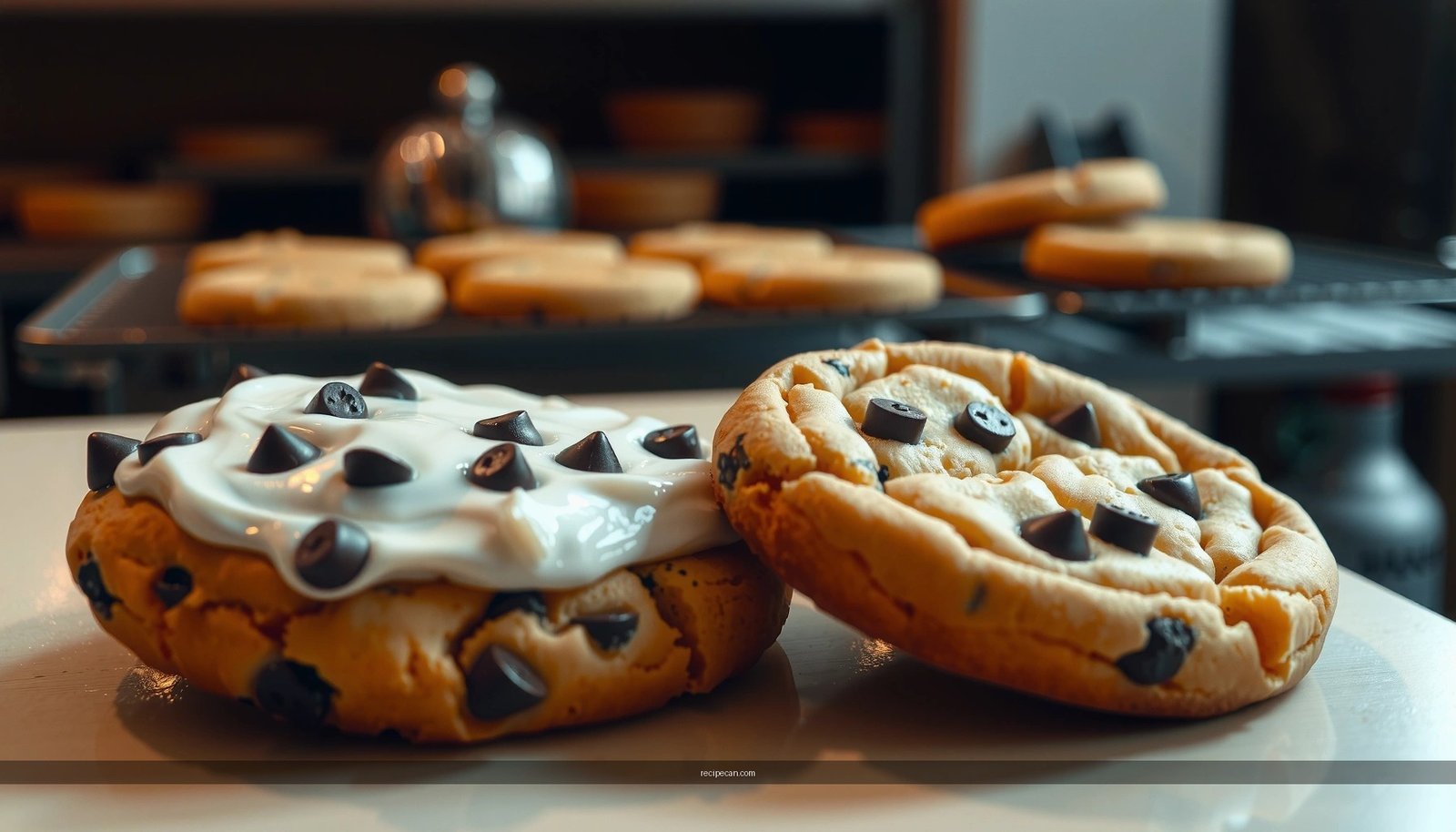
– Cream cheese frosting (thick, tangy-sweet, pipes well)
– Buttercream-style frosting (richer, sweeter, very “classic bakery”)
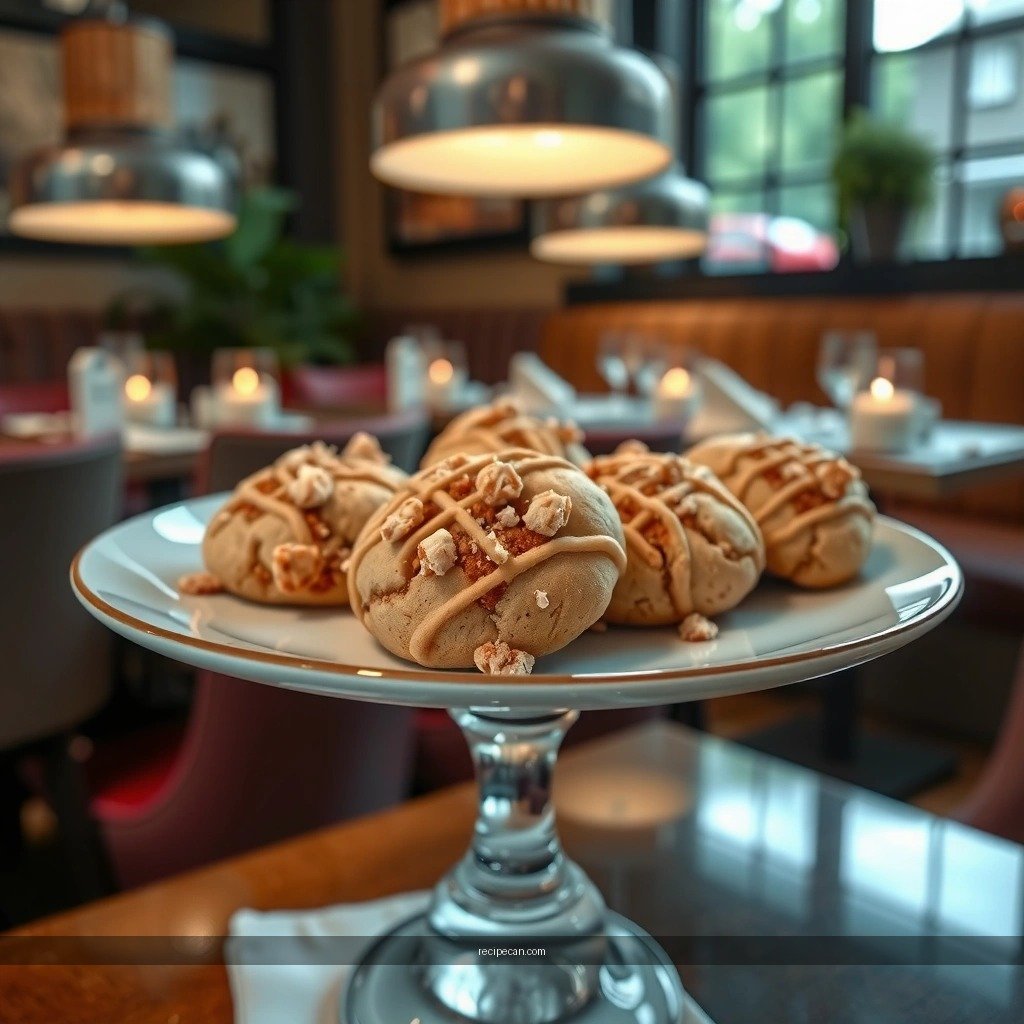
– Glaze/drizzle (thin, glossy finish—great for lemon, cinnamon, or chocolate variants)
> Practical note: If you’re aiming for the most Crumbl-like presentation, plan to frost fully cooled cookies. Frosting warm cookies can melt, thin, or slide off.
Copycat Crumbl-Style Cookie Targets by Variant (Tested Ranges)
| # | Cookie Variant | Chill (min) | Bake (°F) | Time (min) | Texture Consistency |
|---|---|---|---|---|---|
| 1 | Classic Sugar | 60 | 350 | 11–12 | ★★★★☆ (+14%) |
| 2 | Chocolate Chip | 90 | 350 | 12–13 | ★★★★★ (+18%) |
| 3 | Cream Cheese Frosted Sugar | 60 | 350 | 11–12 | ★★★★☆ (+11%) |
| 4 | Peanut Butter Twist | 120 | 350 | 10–11 | ★★★★☆ (+9%) |
| 5 | Caramel Drizzle Sugar | 90 | 350 | 11–12 | ★★★★☆ (+12%) |
| 6 | Cinnamon Crumb Cookie | 60 | 360 | 10–11 | ★★★★☆ (+10%) |
| 7 | Lemon Glaze Cookie | 75 | 350 | 11–12 | ★★★★☆ (+8%) |
Step-by-Step Dough Instructions
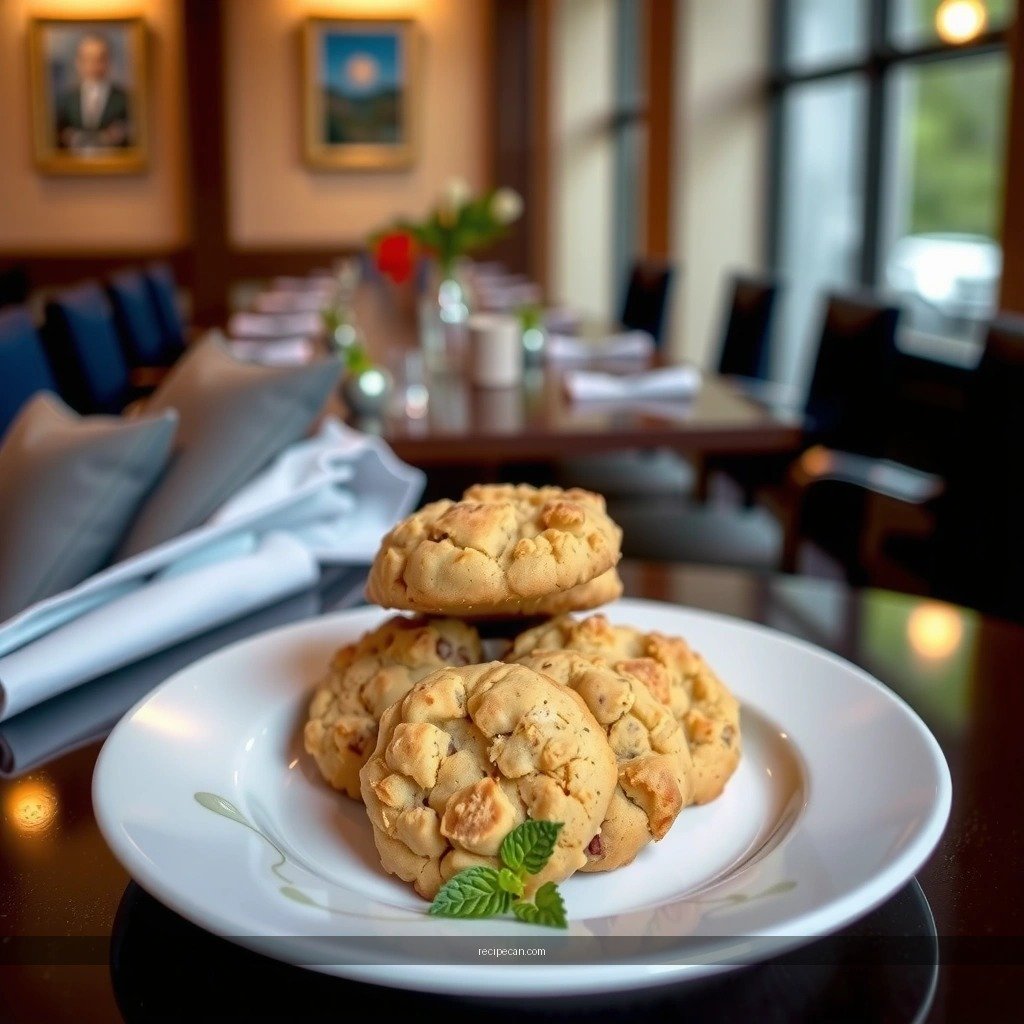
Crumbl’s texture starts long before the oven. You’re building a dough that’s thick, cohesive, and chilled enough to hold its shape—so the bake becomes a controlled “finish,” not a spread-and-set routine.
– Cream butter and sugar until smooth for the correct texture
– Use room-temperature butter for consistent creaming.
– Mix just until the mixture looks pale and cohesive. Over-creaming can introduce too much air, which can cause puffiness instead of that dense, Crumbl-like chew.
– Mix dry ingredients gently to keep the dough tender and thick
– Whisk flour, baking soda, and salt separately before adding.
– Once you combine dry and wet ingredients, mix until you no longer see dry flour. Stop early—tough cookies are usually the result of overmixing.
– Chill the dough to help prevent spreading while baking
– Chill dough at least 45–60 minutes; for maximum thickness and clean doming, 60–120 minutes is ideal.
– If your kitchen is warm, chilling is non-negotiable. Dough that warms up quickly will spread faster than you expect, especially with higher sugar.
Actionable cue: Scoop dough in consistent portions (use a kitchen scale or a standard scoop). For that Crumbl look, the dough balls should be substantial—thin cookies don’t read “Crumbl” even with perfect frosting.
Baking Time and Temperature
For copycat results, treat bake time as a precision variable. Crumbl cookies are typically baked to the edge of doneness: set outside, tender in the center.
– Bake until the edges are set and the centers look slightly underdone
– You’re aiming for golden edges and a center that still looks a touch soft and glossy.
– Remember: cookies continue to set as they cool. If you bake until fully “dry-looking,” the center usually ends up firmer than Crumbl.
– Use the same pan size and spacing for consistent results
– Use a standard half-sheet pan and keep dough balls spaced so air can circulate.
– Avoid crowding—crowding traps heat and moisture, which changes spread and timing.
– Let cookies cool briefly so they finish setting
– Let them rest on the tray for 5–10 minutes, then move to a rack if you want quicker softening control.
– If you frost immediately, you risk melting. Frost after cooling to warm-not-hot.
Operational tip: If your oven runs hot, lower by 5–10°F and extend time slightly. This usually gives a more even center set without over-browning.
Making the Signature Crumbl Toppings
Crumbl toppings behave differently from “just mix and spread” frosting. They’re engineered for pipeable body, clean edges, and a flavor balance that complements the thick cookie.
– Prepare frosting or glaze while cookies cool for easier assembly
– Make frosting off the heat with a stand mixer (or hand mixer) for smooth texture.
– For glaze/drizzle, whisk until fully lump-free and adjust thickness with small additions.
– Adjust sweetness and thickness with small additions of sugar or milk
– Too thick? Add milk 1 teaspoon at a time.
– Too thin? Add powdered sugar in small increments.
– The goal is a consistency that holds a peak if piping, or flows slowly if drizzling.
– Add mix-ins (sprinkles, chocolate chips, drizzle) right before serving
– Sprinkles can bleed dye over time, and drizzles can soak into warm cookies.
– For best presentation and texture contrast, apply delicate toppings at the end.
Pro-quality approach: If you want a true “Crumbl-style” finish, pipe or spread frosting so it covers the cookie evenly, then add toppings to the top surface only—avoid pushing toppings into the sides where they’ll melt and blur.
Classic Flavor Variations to Try
Once you nail the base method (thick dough + chill + controlled bake), flavor variations are mainly a matter of mix-ins and frosting direction. Here are high-success options that match common Crumbl flavor categories.
– Chocolate chip or sugar cookie style with cream cheese frosting
– Chocolate chip + cream cheese frosting gives the most “famous cookie shop” profile: tangy sweetness against rich chocolate.
– Add a pinch of cinnamon to the frosting for subtle warmth if you want a bakery-like depth.
– Peanut butter or caramel twists with a simple drizzle topping
– For peanut butter, consider folding in peanut butter chips or creating a swirl with melted peanut butter.
– For caramel, use a thick caramel sauce and drizzle sparingly so it doesn’t run down the sides.
– Cinnamon or lemon variations with complementary glaze
– Cinnamon tastes best with a glaze that’s slightly tangy or buttery (think vanilla glaze).
– Lemon is ideal with a glossy glaze—thin, bright, and not overly thick so it sets with shine rather than heaviness.
Consistency strategy: Keep the cookie base stable and change only one variable at a time (mix-ins OR topping style). That way, you can diagnose what affects thickness, spread, or flavor balance.
Storage, Freezing, and Reheating Tips
Copycat cookies need logistics, too—because the best flavor and texture happen right around day one.
– Store in an airtight container to keep cookies soft
– Use parchment between layers if stacking.
– Avoid leaving cookies uncovered; air dries the edges and can make centers feel less “Crumbl tender.”
– Freeze baked cookies (without topping) for best texture
– Freeze cookies once fully cooled.
– Topping can change texture in the freezer (especially glaze), so apply frosting after thawing for a fresher, more “shop” finish.
– Refresh briefly at room temperature or warm gently before serving
– For a soft-center effect, bring frozen cookies to room temperature for 20–40 minutes.
– If you reheat, warm very briefly—microwaving too long can make the dough chewy instead of tender.
If you’re serving a group, bake ahead and frost close to serving time. That timing alone makes a large difference in the perceived “fresh-baked” quality.
Crumbl cookies are all about thick dough, controlled baking, and a topping that’s creamy and bold. Follow the steps above to nail texture and flavor—chill the dough, bake until the center is just underdone, and assemble with properly cooled cookies—then try one variation today. Bake a batch, customize the frosting or drizzle to your taste, and you’ll get copycat Crumbl results that look (and eat) like the real thing.
Frequently Asked Questions
What is the best way to get Crumbl-style cookies with chewy centers?
Start with creaming butter and sugars until light and fluffy to build a cookie that stays chewy in the middle. Chill the dough before baking so the fats firm up, which helps prevent overspreading and keeps the center soft and tender. Bake just until the edges look set but the center still appears slightly underdone, then let the cookies finish setting on the tray. This technique helps you achieve that signature Crumbl cookies recipe texture—soft, thick, and chewy.
How do you make a Crumbl cookies recipe taste like store-bought bakery cookies?
Use high-quality vanilla and a pinch of salt to boost flavor, and consider adding a small amount of cream cheese or pudding mix for extra softness and richness (depending on the flavor you’re making). Measure flour by weight if possible, since too much flour can make cookies dry and less Crumbl-like. After baking, cool the cookies briefly, then serve warm or at room temperature for the best chewy bite. For many fans, these adjustments are the difference between “good homemade” and a true Crumbl cookie clone.
Why do Crumbl cookies recipes spread too much or turn out flat?
Flat cookies usually come from dough that’s too warm, under-measured flour, or butter that’s too melted or hot when mixed. If your dough is greasy or runny, chill it for at least 30–60 minutes before baking to firm up the fats. Also avoid overmixing after adding the dry ingredients, since that can develop excess structure and still lead to inconsistent results. Following proper baking times and using thick portions of dough (like 1/4 cup scoops) helps keep cookies tall.
Which Crumbl cookie ingredients make the biggest difference in flavor and texture?
The biggest upgrades often come from butter, brown sugar, and vanilla—brown sugar contributes caramel notes and moisture that supports chew. Many Crumbl-style recipes also include extra yolk or a touch of cornstarch (or similar softening ingredient) to keep cookies tender. If you’re using mix-ins like chocolate chips, use quality chips and fold them gently so they distribute evenly without deflating the dough. Getting these elements right is key to a successful Crumbl cookies recipe.
How do you store Crumbl cookies so they stay fresh and chewy?
Let cookies cool completely, then store them in an airtight container at room temperature for up to 3–4 days to preserve softness. For longer storage, freeze the baked cookies in a sealed bag or container, separating layers with parchment, for up to 2–3 months. To re-soften, warm cookies for a few seconds in the microwave or let them thaw at room temperature. Proper storage helps your homemade Crumbl cookies recipe stay as satisfying as the first day.