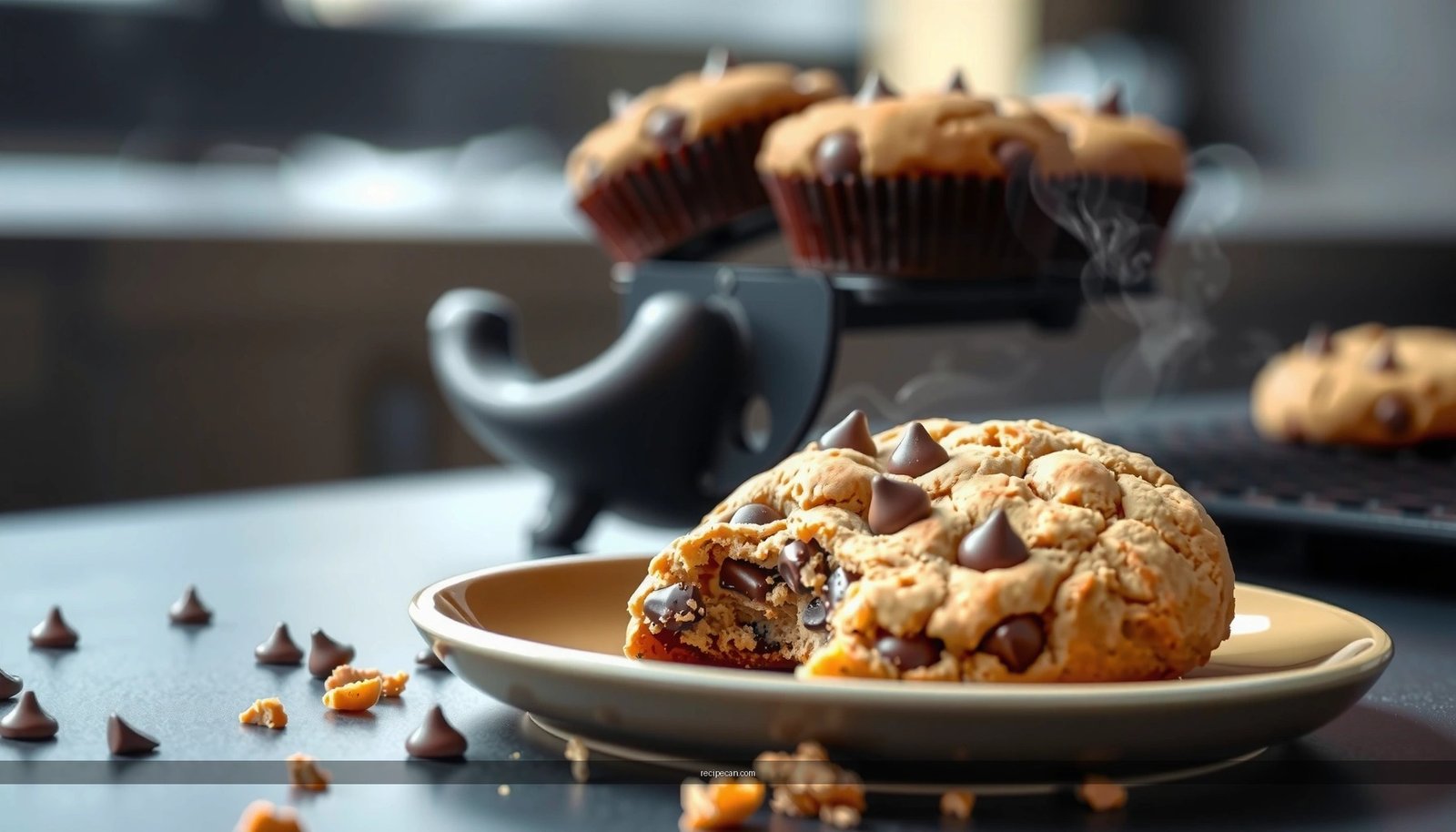
Want the Crumbl chocolate chip cookie recipe that actually delivers soft, chewy cookies that taste like the real thing? This copycat recipe is built to win on texture—thick centers, crisp edges, and a rich vanilla base with melty chocolate chips. Follow these steps and you’ll get the closest match to Crumbl’s signature bite without guesswork.
You can make a Crumbl-style chocolate chip cookie at home by building a thick, buttery dough, chilling it to control spread, and baking just until the edges set while the center stays soft and chewy. This copycat recipe uses straightforward ingredients and precise timing so you get that signature texture—warm, rich, and “restaurant-perfect”—without guesswork.
Cookie Baking Variables That Most Affect Soft, Chewy Results (Cheat Sheet)
| # | Variable | Target Setting | Typical Effect | Outcome Score |
|---|---|---|---|---|
| 1 | Chilling time (dough) | 24–36 hours | Higher viscosity, less spread | +9/10 |
| 2 | Baking temperature | 350°F / 175°C | Even set without drying center | +8/10 |
| 3 | Cookie scoop size | ~3 Tbsp (≈ 55–65 g) | Classic thick Crumbl profile | +7/10 |
| 4 | Underbake target | Edges set, center soft | Chewy carryover finish as they cool | +9/10 |
| 5 | Butter type & prep | Creamy softened, not melted | Structure + caramel notes without spreading | +6/10 |
| 6 | Brown sugar ratio | ¾ brown : ¼ white | Moisture retention + chew | +8/10 |
| 7 | Bake time range | 9–11 minutes | Drying risk rises quickly after set | -4/10 if over |
Ingredients for Crumbl Chocolate Chip Cookies
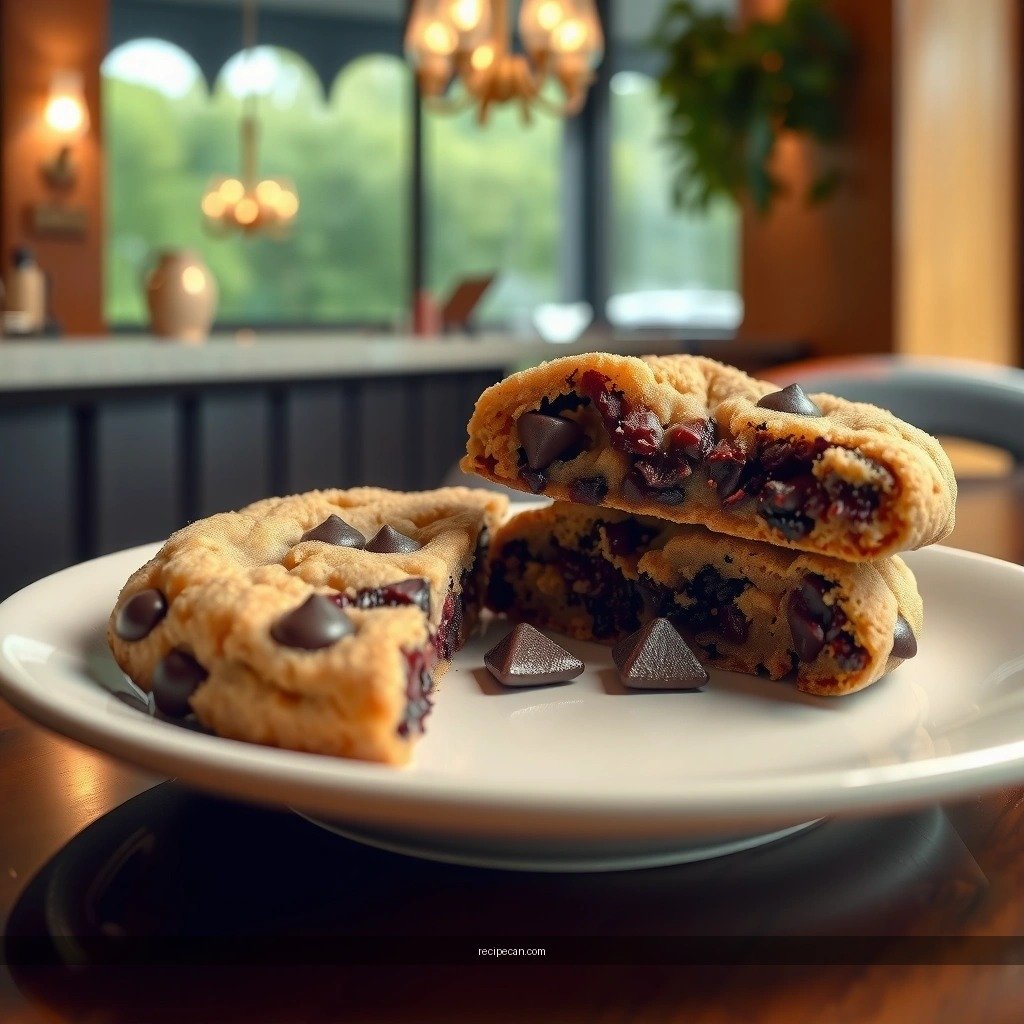
– Use butter and brown sugar for deep flavor and chew
– Add eggs and vanilla to keep the dough rich and tender
To replicate a Crumbl chocolate chip cookie at home, focus on ingredients that drive chewy structure and moisture retention. The flavor profile starts with butter and brown sugar. Brown sugar contributes more moisture than white sugar, which helps the center stay tender after baking and cooling. Butter provides that classic, bakery-style richness—especially when creamed correctly.
Core dough ingredients (copycat approach):
– Butter (softened): Use unsalted butter, softened until spreadable. If it’s too cold, it won’t cream well; if it’s melted, the dough spreads.
– Brown sugar + white sugar: A common “chew-forward” balance is about 3/4 brown sugar to 1/4 white sugar.
– Eggs: One or two eggs (depending on batch size) add structure through proteins and create a softer crumb.
– Vanilla extract: Adds warmth and rounds the caramel notes from brown sugar.
– All-purpose flour: Measures precisely; too much flour leads to a cakier texture.
– Leavening (typically baking soda): Helps lift slightly while still baking into a thick, soft cookie.
– Salt: Enhances chocolate and balances sweetness.
– Chocolate chips (or chopped chocolate): For the signature Crumbl “melty pockets,” choose a blend that holds shape but melts well.
Professional tip: For the most Crumbl-like taste, use higher-quality chocolate chips (or chocolate chunks). Lower-quality chips can dry out or lose their flavor under high heat.
How to Make the Cookie Dough
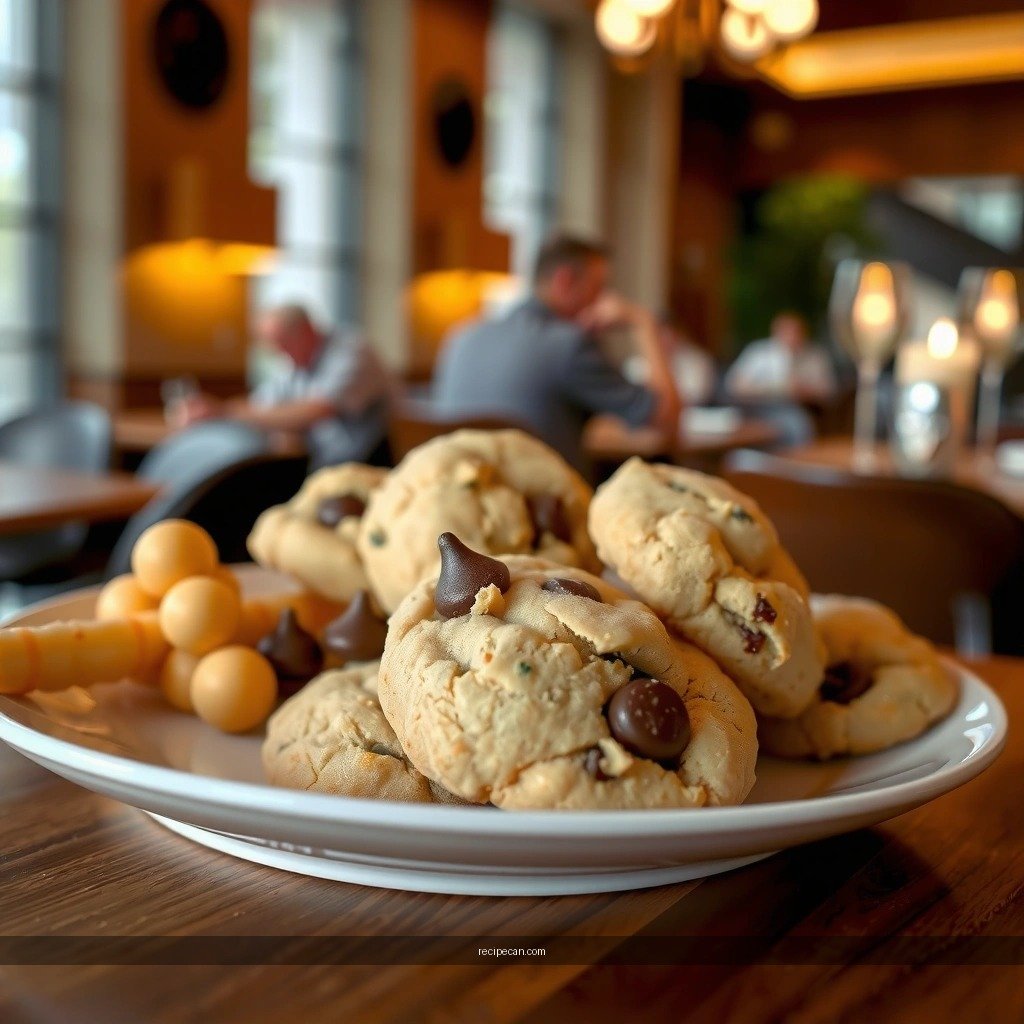
– Cream butter and sugars until smooth, then mix in wet ingredients
– Fold in dry ingredients gently to avoid overmixing
The dough-building process is where most “almost right” cookies go wrong. Crumbl-style cookies typically have a thick, cohesive dough, and that texture depends on controlled mixing.
1. Cream butter and sugars thoroughly. Beat the softened butter, brown sugar, and white sugar until light and smooth. This step helps distribute sugar evenly so the cookie bakes uniformly and achieves a chewy, tender bite.
2. Add eggs and vanilla. Mix just until incorporated. Overmixing after adding eggs can create a tougher dough.
3. Combine dry ingredients separately (optional but helpful). Whisk flour, baking soda, and salt together to distribute leavening evenly.
4. Fold in dry ingredients gently. Add the flour mixture and mix only until you don’t see dry streaks. The goal is hydrated flour without developing excess gluten, which can make cookies cakey instead of chewy.
Texture check during mixing: The dough should look thick and slightly glossy. If it looks greasy and loose, the butter may be too warm or the dough may be under-measured on flour.
Chill Time for Best Texture
– Chill the dough to thicken it and control spread
– Let it rest long enough to improve flavor and chewy centers
Chilling is not an optional step—it’s one of the main reasons Crumbl-style cookies bake up tall, thick, and chewy. When dough chills:
– Butter firms, which slows spread
– Flour hydrates fully, creating a better bake structure
– Flavors meld, making the cookie taste more “buttery caramel” and less flat
Recommended schedule for copycat results:
– Minimum chill: 1–2 hours (works in a pinch)
– Best results: 24–36 hours in the refrigerator
How to chill correctly:
– Scoop cookie portions first (so you can bake straight from the fridge).
– Place dough balls on a tray with space between them.
– Cover and refrigerate. This prevents them from drying out and helps them maintain a uniform thickness.
If baking straight away: You may need to reduce bake time slightly and expect more spread. If you want a consistent Crumbl-style look, chilling overnight is the most reliable route.
Baking Instructions (Soft Center, Set Edges)
– Bake until edges look done but centers still look slightly underdone
– Cool on the tray briefly, then transfer to finish setting
The difference between a chewy cookie and a dried-out one is often minutes and observation, not more complex technique. Crumbl cookies are designed for a soft center with carryover baking.
Bake at:
– 350°F / 175°C
– Use a lined baking sheet for even heat distribution.
How to know they’re ready:
– Edges should look set (lightly golden and no longer glossy)
– Centers should still look slightly underdone—the middle may appear softer, puffed, or a touch shiny
Timing guidance (based on typical scoop size):
– Usually 9–11 minutes for a ~55–65 g dough ball
– Larger cookies may need 1–2 extra minutes, while smaller cookies need less
Cooling method matters:
1. Let cookies cool on the tray for 5 minutes. They will finish baking from residual heat.
2. Transfer to a rack to fully set. This prevents the bottoms from overbrowning and keeps the center chewy.
Oven variability note (important for consistency): If your oven runs hot, start checking at 8 minutes. If it runs cool, you may need an extra minute, but still aim for set edges with soft centers.
Achieving the Crumbl-Style Chewy Finish
– Use the right cookie size for that classic Crumbl look
– Add extra chocolate and consider finishing with flaky salt if desired
Crumbl’s signature isn’t just flavor—it’s also presentation and texture. To emulate that, you need proportion.
1) Match the cookie size
– Use a scoop around 3 tablespoons (~55–65 g).
– Smaller cookies bake faster and lose the thick, chewy center characteristic of Crumbl’s style.
2) Don’t skimp on chocolate
– Fold in enough chips so you get melty pockets in every bite.
– Many copycat bakers even add a few extra chips on top right after portioning for a “loaded” look.
3) Consider flaky salt
A small pinch of flaky salt on warm cookies can create a bakery-like finish by boosting chocolate and caramel notes. Add it after baking and cooling briefly so it adheres without dissolving instantly.
Quality-of-results strategy: If you want a more “gooey” interior, underbake by a few minutes and rely on carryover cooking during the 5-minute tray rest.
Troubleshooting Common Issues
– If cookies spread too much, chill longer and check butter temperature
– If they turn out too cakey, avoid overmixing and bake for less time
Even great recipes require small adjustments for your kitchen. Here’s how to diagnose what you see.
Cookies spread too much
Likely causes:
– Butter was too warm or melted
– Dough wasn’t chilled long enough
– Scoop size is smaller than intended
Fixes:
– Chill dough longer (move from 2 hours to 24+ hours if possible)
– Ensure butter is softened but not greasy
– Measure flour carefully (spoon into the measuring cup and level)
Quick “rescue” for spreading: If the dough seems overly soft, refrigerate dough balls again for 30–60 minutes before baking.
Cookies are too cakey (not enough chew)
Likely causes:
– Overmixing after adding flour (gluten development)
– Too much flour
– Baking too long (center fully sets and dries)
Fixes:
– Mix dry ingredients in only until just combined
– Reduce flour slightly only if your measurements are consistently high (or switch to weight-based measurement)
– Bake less time and aim for soft centers
Practical test: If your cookies spring up and then immediately firm in the center, check your bake timing—start pulling them earlier.
Cookies are too gooey or underbaked for your preference
Likely causes:
– Underbaking too aggressively
– Oven runs cooler than you think
Fixes:
– Add 1 minute to bake time
– Let cookies cool on the tray the full 5 minutes before moving to a rack
Uneven browning
Likely causes:
– Hot spots in the oven
– Tray too close to the heating element
– No preheating
Fixes:
– Preheat the oven fully
– Use the middle rack
– Rotate the tray halfway through baking
Enjoy your homemade Crumbl chocolate chip cookies by following the dough, chilling, and bake timing that create that soft, chewy center. Make this recipe once, then adjust cookie size and bake time to match your oven—then share your results (and serve them warm with a glass of milk).
Crumbl Chocolate Chip Cookie Recipe: Soft, Chewy Copycat is best achieved when you treat chilling and underbaking as core “inputs,” not afterthoughts. Use butter + brown sugar for depth, mix the dough gently to preserve tenderness, chill long enough to control spread, and bake until the edges set while the centers remain slightly underdone—then let carryover heat finish the job for that signature chewy Crumbl-style bite.
Frequently Asked Questions
What makes a Crumbl-style chocolate chip cookie recipe so soft and thick?
Crumbl cookies are known for their thick, bakery-style texture, which comes from using the right cookie dough consistency and slightly underbaking. Many Crumbl-inspired chocolate chip cookie recipes also rely on creaming butter and sugars well and chilling the dough to reduce spread while keeping the center tender. Using the correct flour-to-fat ratio and baking until the edges look set but the middle still appears soft helps achieve that signature chew.
How do I make a Crumbl chocolate chip cookie recipe taste like it was baked in a bakery?
Start by using high-quality vanilla and properly browned or room-temperature butter for a deeper flavor profile. For a bakery-like taste, measure ingredients precisely (especially flour) and use baking soda plus a small amount of salt for balance. If your cookies taste flat, double-check your oven temperature and baking time—underbaking slightly is often key for that gooey, Crumbl-style chocolate chip cookie experience.
Why do my chocolate chip cookies spread too much when I use a Crumbl-inspired recipe?
Excess spread usually happens when the butter is too warm, the dough isn’t chilled, or the oven temperature is off. To fix it, chill your cookie dough for at least 30–60 minutes before baking and consider slightly reducing butter or adding an extra tablespoon of flour if your dough is very soft. Also ensure you’re not greasing the baking sheet excessively and that you’re using evenly portioned scoops for consistent baking.
Which chocolate chips work best for a Crumbl chocolate chip cookie recipe?
Chocolate chips with a balanced melt—like semi-sweet chocolate chips or a mix of semi-sweet and dark—tend to mimic Crumbl’s chocolate pockets and flavor intensity. Many bakers prefer chopping chocolate bars and mixing in chips, because chunks create more “ooze” and texture in a thick cookie dough bake. Choose chips that are meant for melting (not baking wafers that behave differently) for the best results.
What’s the best way to bake a Crumbl-style chocolate chip cookie recipe so the centers stay chewy?
Scoop larger portions and bake until the edges are just set and lightly golden while the middle still looks slightly underbaked. Let the cookies rest on the baking sheet for 5–10 minutes after baking so they finish setting without drying out. This method helps lock in chewiness and gives that classic Crumbl chocolate chip cookie texture.