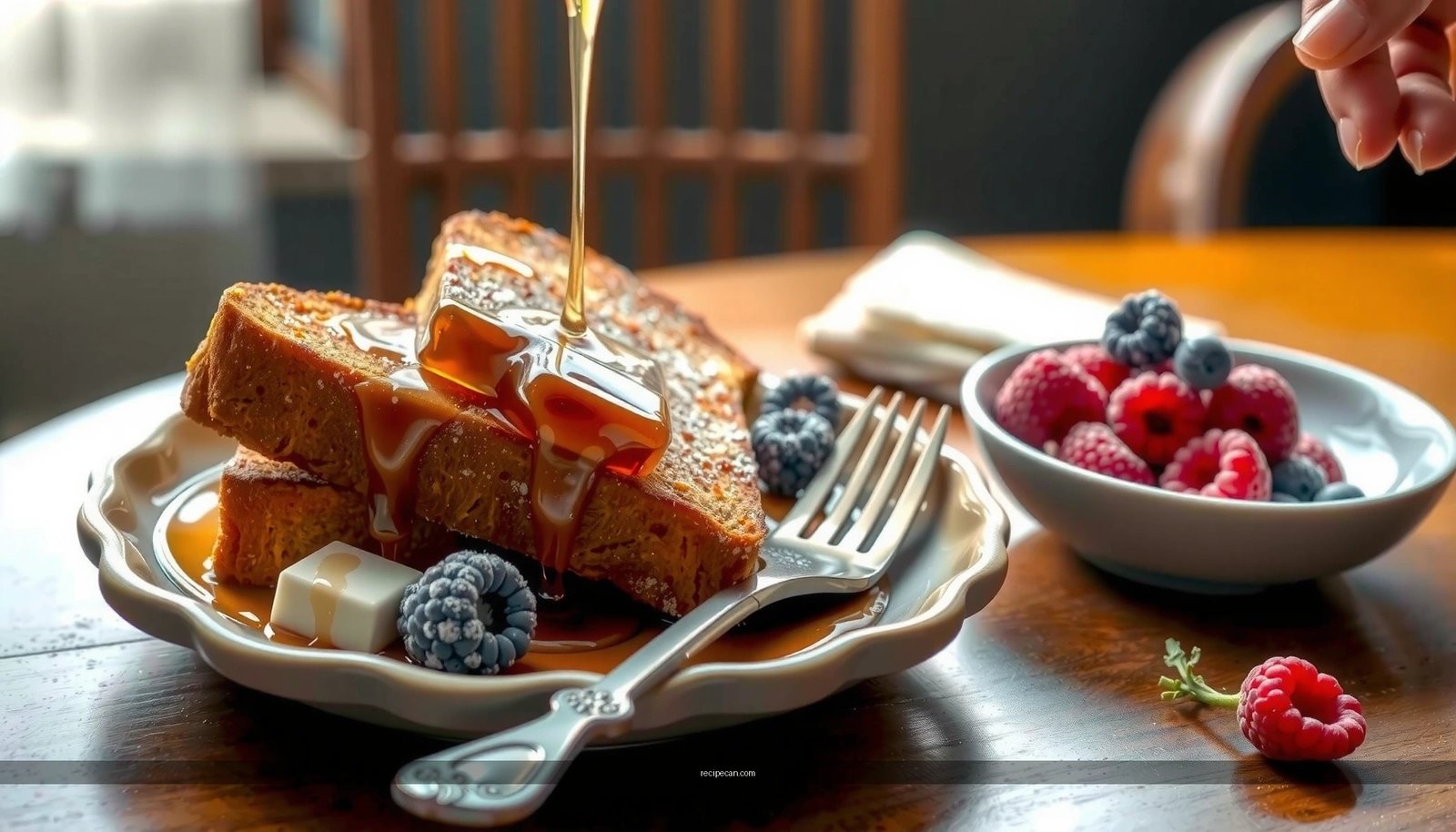
You can make the perfect French toast mixture fast: this recipe delivers the ideal soaking custard every time, so the bread turns golden instead of soggy. Follow the easy steps to nail the right egg-to-milk ratio and soak time for fluffy, custardy slices. If your main question is how much to mix and how long to soak, this is the clear winner.
Use this straightforward French toast mixture ratio—eggs plus milk (or half-and-half), a touch of sugar, and the right seasonings—then soak thick bread briefly for even absorption and a golden custardy center. The key is balancing texture: whisk until smooth, let the bread drink without turning soggy, and cook on steady medium heat for that bakery-style finish.
Ingredients for French Toast Mixture
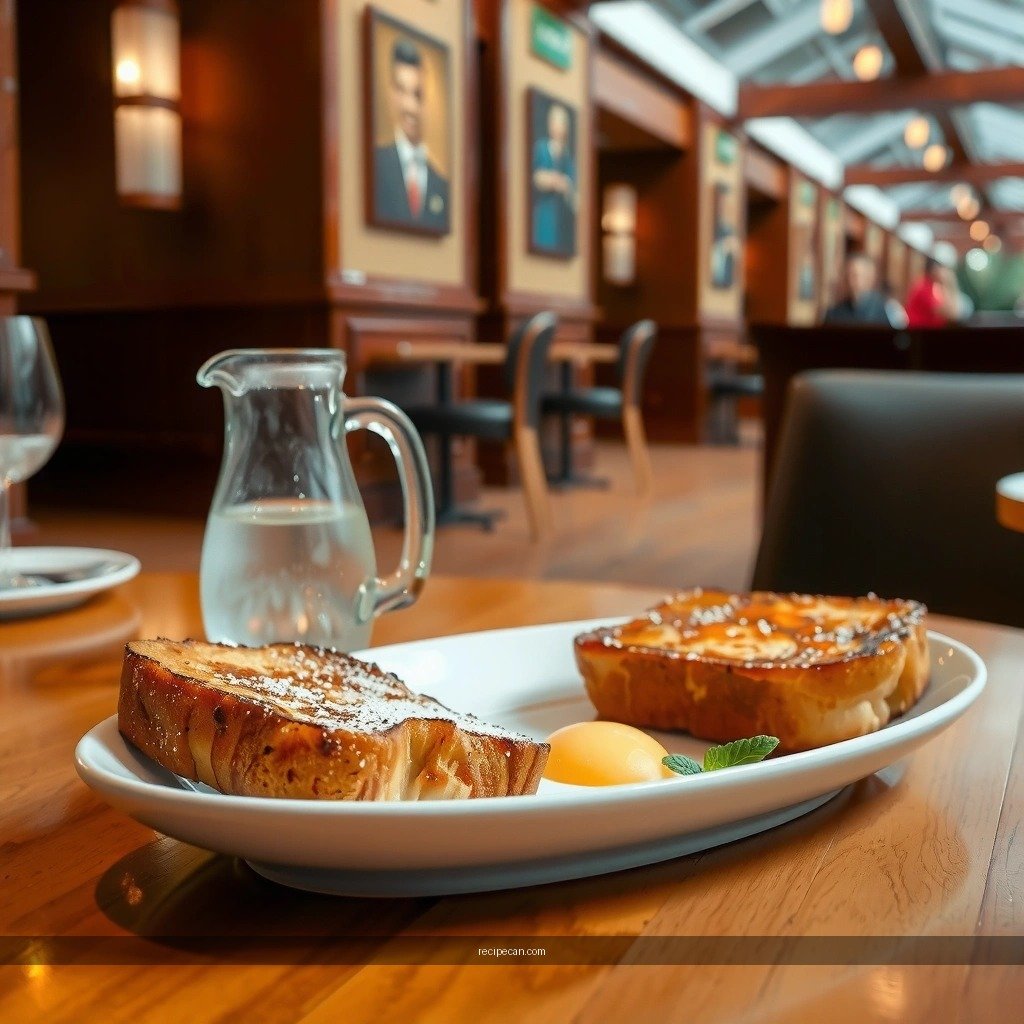
A great French toast mixture is essentially a controlled custard. The goal isn’t just flavor—it’s viscosity and emulsification, so the egg proteins set evenly and the bread doesn’t scorch or split before the center cooks.
Base components (structure + browning)
– Eggs: Provide the custardy set. Eggs also help the mixture cling to the bread surface instead of pooling.
– Milk (or half-and-half): Milk adds creaminess and moisture balance. Half-and-half increases richness and slightly improves browning due to higher fat content.
– Sugar: Adds sweetness and supports caramelization. Keep it moderate; too much sugar can cause faster browning and darker exteriors before the interior fully cooks.
Classic flavoring
– Vanilla: Rounds out egg-and-milk flavors and makes the final taste feel “bakery.”
– Cinnamon: Adds warm, aromatic notes that pair naturally with the custard.
Flavor balancing
– Salt: A small amount makes the sweetness taste more complete and prevents the mixture from tasting flat or one-dimensional.
A practical ratio (for about 8 slices)
If you’re planning a standard home breakfast:
– 2 large eggs
– 1 cup (240 ml) milk or half-and-half
– 2–3 tbsp sugar
– 1 tsp vanilla extract
– 1/2–1 tsp ground cinnamon
– 1/4 tsp salt
This ratio is intentionally forgiving: it yields a mixture that soaks evenly, sets into custard, and browns without needing excessive soaking time.
French Toast Mixture Scaling Guide (Custard Strength)
| # | Batch Size (Slices) | Eggs | Milk/Half-and-half | Sugar | Best For |
|---|---|---|---|---|---|
| 1 | 4 slices (small batch) | 1 large | 1/2 cup (120 ml) | 1–2 tbsp | Fast weeknight breakfast |
| 2 | 6 slices | 1 1/2 large* | 3/4 cup (180 ml) | 2 tbsp | Light custard, less soaking |
| 3 | 8 slices (standard) | 2 large | 1 cup (240 ml) | 2–3 tbsp | Golden exterior + custardy center |
| 4 | 10 slices | 2 1/2 large* | 1 1/4 cups (300 ml) | 3 tbsp | Brunch crowd with consistent results |
| 5 | 12 slices | 3 large | 1 1/2 cups (360 ml) | 3–4 tbsp | Thicker soak, still not soggy |
| 6 | 15 slices | 4 large | 2 cups (480 ml) | 4–5 tbsp | Catering-style French toast trays |
| 7 | “Extra custardy” (12 slices) | 3 large + 1 extra yolk | 1 1/2 cups (360 ml) | 3 tbsp | More richness, slower bread soak |
If you don’t want to measure fractional eggs, use 1 egg + 1 extra yolk in place of 1½ egg (and adjust with a splash of milk so the mixture remains pourable).
Step-by-Step How to Make the Mixture
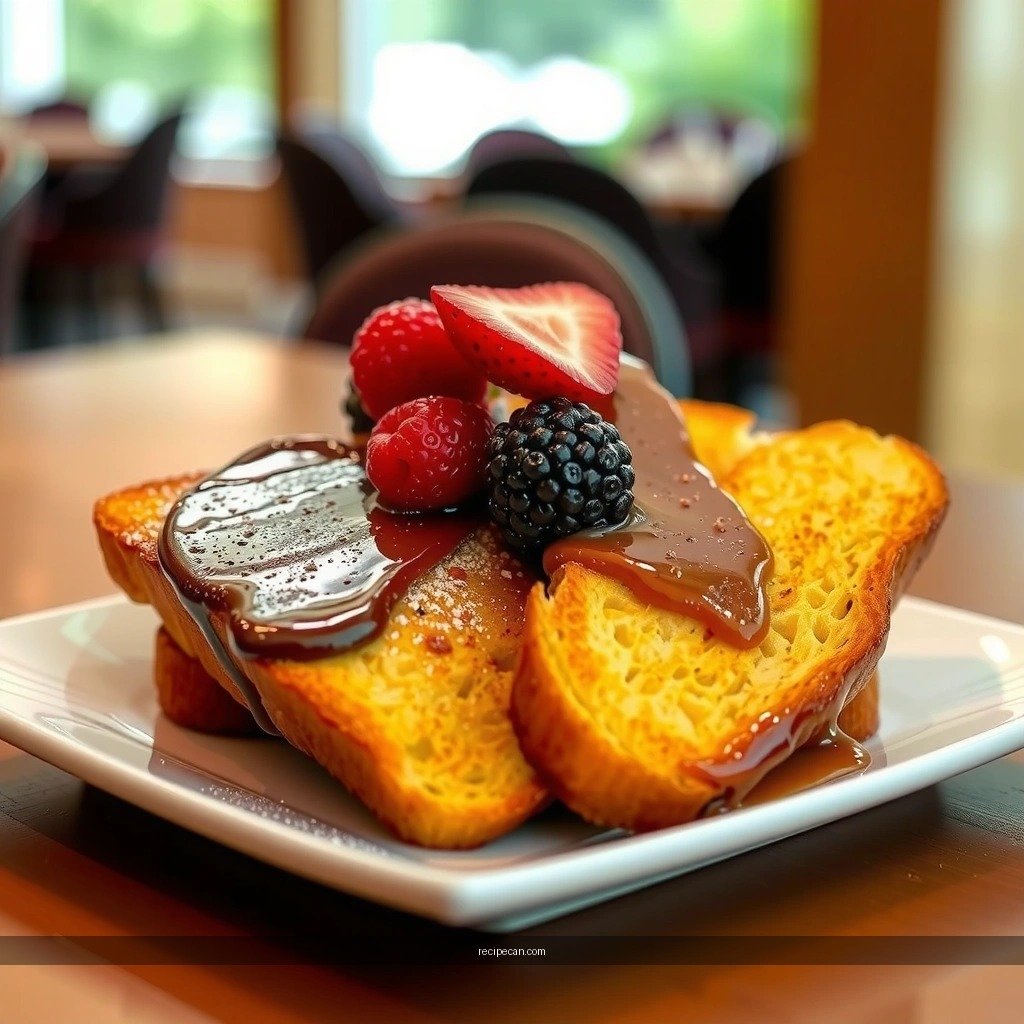
The mixture process is where many “almost good” French toast recipes fail. Professional results come from controlling how the eggs are handled and how thoroughly the sugar dissolves.
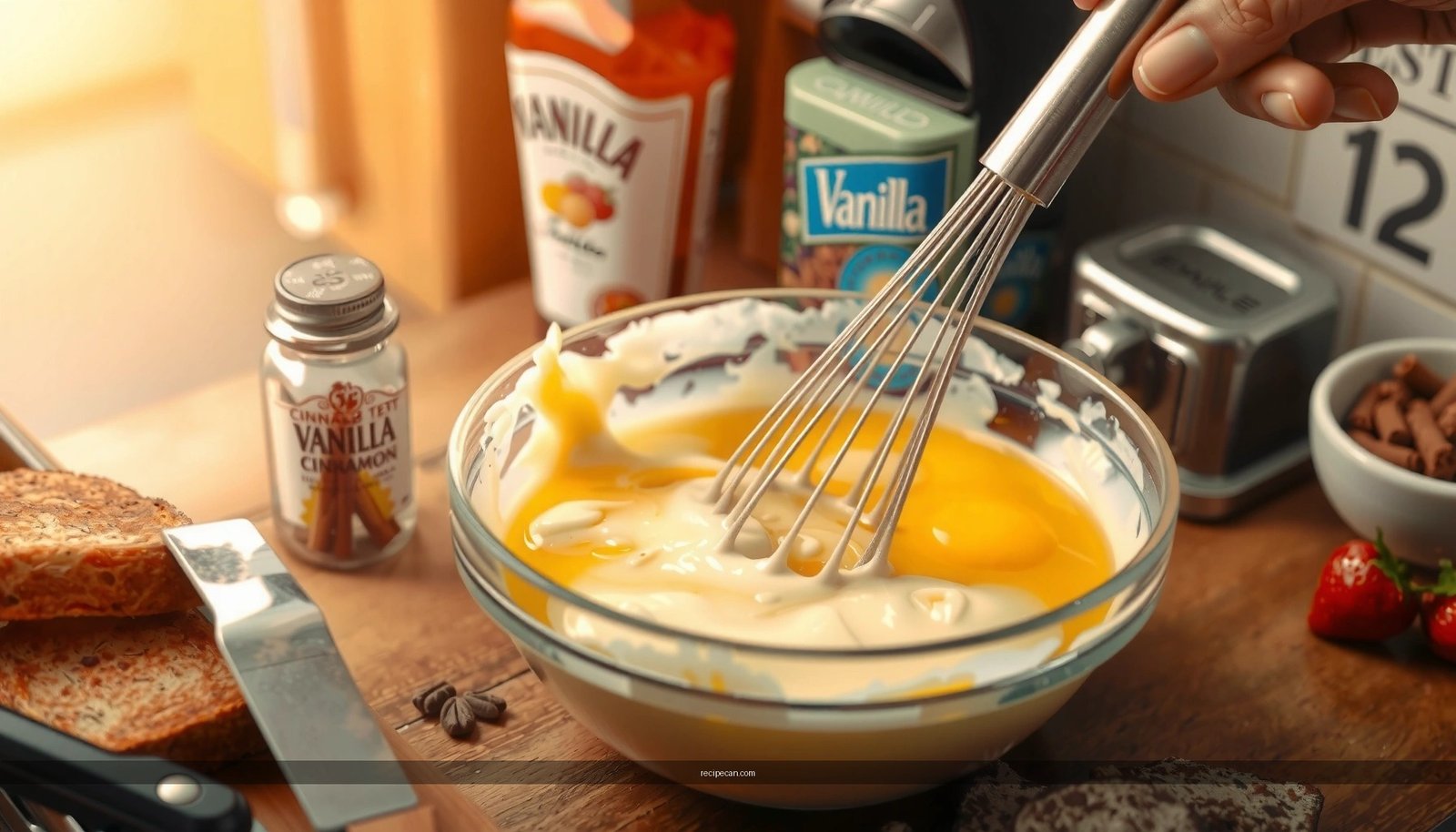
– Whisk eggs, milk, sugar, and seasonings until smooth
Whisk for 20–30 seconds (or until no sugar granules remain). This helps prevent streaks of egg and ensures even custard set throughout the bread.
– Mix just until combined to avoid overworking the eggs
Over-mixing isn’t about “danger”—it’s about texture. If you whip too aggressively, you can incorporate extra air, which may lead to uneven cook pockets or a slightly foamy center.
– Let it sit briefly if you want deeper flavor
A 5–10 minute rest helps cinnamon and vanilla bloom and hydrates any partially dissolved sugar. If your goal is maximum custard absorption, a short rest is especially helpful.
Actionable tip: Keep the mixture at room temperature while you prep the skillet. Cold mixture can cause uneven cooking—outer surfaces set quickly while the center lags.
Quality check (quick and practical):
Dip a spoon into the mixture. It should coat the back of the spoon lightly and look uniform—no visible sugar clumps, and no separated egg streaks.
Best Bread to Use and How to Soak
Bread choice matters almost as much as the French toast mixture ratio. For a golden, custardy interior, you need bread with enough structure to hold custard without collapsing.
– Use thick-cut bread (brioche, challah, or Texas toast)
These breads have a richer crumb (more fat and/or egg content), which improves custard retention and browning. Aim for slices about 3/4 to 1 inch thick.
– Soak quickly so it absorbs without turning soggy
For best results with thick-cut bread:
– 15–25 seconds per side for fresh, structured bread
– 30–45 seconds per side for slightly stale bread (stale bread drinks more efficiently)
You’re targeting “even saturation,” not fully submerging the bread until it falls apart.
– Flip halfway for even coverage
If you never flip, the top surface can remain under-saturated while the bottom becomes overly wet.
Soaking approach options
– Standard soaking (most consistent): dip, flip, and remove to a rack or plate.
– Short rest method: after soaking both sides, let bread sit 30–60 seconds so liquid redistributes into the crumb, then cook.
If your bread is very fresh: consider shortening soak time. Fresh brioche can absorb quickly at room temp, and longer soaking increases the risk of a mushy center.
How to Cook French Toast for Golden Results
Even the best French toast mixture fails if you cook too hot or too cold. You want steady heat that caramelizes the sugars while allowing the eggs to set thoroughly.
– Preheat a skillet or griddle before adding bread
Use a medium skillet or griddle and preheat for 2–3 minutes. A properly preheated surface creates immediate browning and helps form a custard “shell.”
– Cook on medium heat for even browning
Medium heat is the reliable default for golden French toast. If you cook too low, bread steams and stays pale; if too high, the outside darkens before the interior cooks.
– Add butter or oil lightly and reapply as needed
Butter provides rich flavor, but it can burn at higher temperatures. A common professional approach is:
– Start with a thin layer of butter or neutral oil
– Reapply lightly between batches
– Wipe the pan if browned bits accumulate, since burnt crumbs can transfer bitterness.
Timing guidance
– Cook 3–4 minutes per side for thick slices.
– If you’re unsure, press gently with a spatula: the bread should feel springy, not squishy.
Hold strategy (for groups):
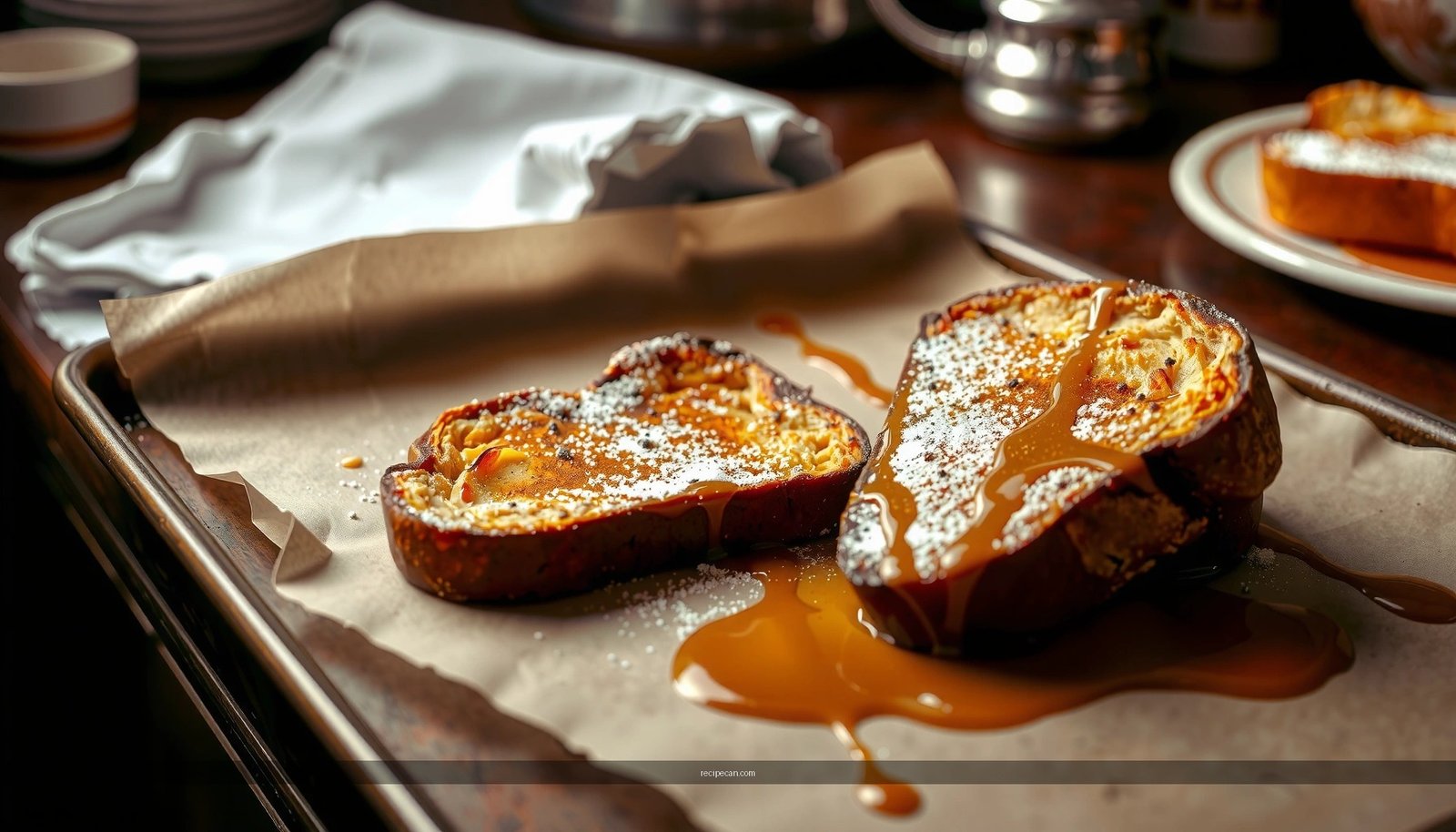
Place finished slices on a wire rack in a 200°F / 95°C oven while you cook the rest. Avoid stacking on a plate (steam will soften the crust).
Flavor Variations for Your French Toast Mixture
Once your base French toast mixture recipe works, variations are mostly about replacing or layering aromatics—without disrupting the custard ratio.
– Swap vanilla for almond extract for a richer taste
Use 1/4 to 1/2 tsp almond extract (it’s concentrated). Almond pairs especially well with cinnamon and berry toppings.
– Add nutmeg or orange zest for a brighter twist
Add a pinch of nutmeg for warmth, or 1–2 tsp orange zest for aromatic lift. Citrus zest adds “fresh” flavor even when syrup is sweet.
– Stir in a splash of cream or use brown sugar for depth
– Splash of cream: slightly increases richness and improves mouthfeel.
– Brown sugar: adds molasses notes and a deeper caramelization profile.
Quick flavor direction (so you don’t overdo it)
Pick one “primary” upgrade (vanilla or almond, cinnamon or nutmeg) and one “secondary” note (zest or extra spice). Too many competing aromatics can make the custard taste busy rather than bakery-like.
Custard vs. Browning: How Ingredient Tweaks Shift the Result
| # | Mixture Change | Custard Set | Crust Browning | Recommended For |
|---|---|---|---|---|
| 1 | Use half-and-half instead of milk | High | Higher | Richer, restaurant-style texture |
| 2 | Slightly reduce sugar | Neutral | Softer | Less caramelization, more custard focus |
| 3 | Add 1 extra yolk (per standard batch) | Very High | Higher | Extra creamy centers ★★★★☆ |
| 4 | Increase cinnamon (from 1/2 tsp to 1 tsp) | Neutral | Neutral | Aromatics-forward flavor ★★★★★ |
| 5 | Use brown sugar instead of white | Neutral | Much Higher | Deep caramel notes ★★★★☆ |
| 6 | Soak longer (double the time) | High | Can Decrease | May cause mushiness ★★☆☆☆ |
| 7 | Cook on slightly lower heat | Higher (even set) | Moderate | Consistent custard in the center |
Common Mistakes to Avoid
Even a great French toast mixture recipe can underperform if you run into a few predictable issues. Here are the highest-impact pitfalls and what to do instead:
– Over-soaking bread can lead to a mushy center
If the slices feel heavy and wet when you pick them up, you soaked too long. Reduce soak time by 10–15 seconds per side, and flip halfway for even absorption.
– Using heat that’s too high can burn the outside quickly
Overheated pans cause dark crusts that look done but leave the interior under-set. Use medium heat and adjust with shorter cook times or a slightly lower setting if browning accelerates.
– Skipping salt can make the mixture taste flat
Salt isn’t optional. It sharpens flavor and helps sugar taste balanced rather than sugary. Stick with about 1/4 tsp per 1 cup of milk for most home batches.
Additional common issues (quick fixes)
– Uneven soaking: Flip the bread and pour off excess mixture so both sides get similar saturation.
– Pan is too dry or too wet: If the butter pools, wipe and reapply lightly; if bread sticks, increase fat slightly.
– Batching too fast: Let the pan regain heat between batches to maintain consistent browning.
French toast starts with the right French toast mixture ratio—whisk, soak briefly, and cook on steady heat for the best custardy texture. Try the base recipe first, then experiment with vanilla, cinnamon, or a flavor variation next; make a batch and adjust sweetness and soaking time to your preference.
In the end, your best “secret” is consistency: use a reliable egg-to-milk ratio, season with vanilla, cinnamon, and salt, soak thick bread for seconds—not minutes—and cook at medium heat until the custard sets and the exterior turns golden. Once you nail that workflow, French toast becomes repeatable, scalable, and bakery-level—every single time.
Frequently Asked Questions
What is the best French toast mixture recipe for fluffy results?
A classic French toast mixture recipe uses eggs, milk (or half-and-half), and a pinch of salt, plus vanilla and cinnamon for flavor. For fluffier French toast, whisk 2–3 eggs with about 1 cup of milk and use enough liquid to coat the bread evenly. Let the bread soak briefly so the egg mixture penetrates, but don’t oversaturate.
How do I make a French toast mixture without milk?
You can swap milk for almond milk, oat milk, coconut milk, or even water plus a little extra fat like butter or yogurt. Keep the same ratios (roughly 2–3 eggs per 1 cup of dairy-free liquid) and whisk until smooth to avoid streaks. If you’re using a sweetened non-dairy milk, reduce added sugar to prevent burning in the pan.
Why does my French toast mixture come out watery or soggy?
Watery or soggy French toast usually happens when the bread is too fresh or the soaking time is too long for the egg-to-liquid ratio. Use sturdy bread like brioche, challah, or thick-cut sandwich bread, and soak just 10–30 seconds per side (longer only if the bread is very dry). Also make sure your pan is properly heated so the mixture sets quickly instead of pooling.
Which bread is best for a French toast mixture recipe?
The best bread for French toast mixture is slightly stale, thick-cut, and sturdy—brioche, challah, Texas toast, and thick sourdough all work well. These breads absorb the egg mixture without falling apart and give a tender interior with a crisp exterior. If you only have fresh bread, lightly toast or let it sit uncovered for a few hours before dipping.
How long should I soak bread in a French toast mixture?
Soak bread in your French toast mixture recipe for about 10–30 seconds per side for thick-cut brioche or challah. If the bread is drier or thinner, you may need less time to prevent oversaturation, while very dense bread may need a bit longer to absorb the egg mixture. Cook immediately after dipping for the best texture and to help the mixture set properly in the skillet.
References
- French toast
https://en.wikipedia.org/wiki/French_toast - https://www.britannica.com/topic/french-toast
https://www.britannica.com/topic/french-toast - Google Scholar Google Scholar
https://scholar.google.com/scholar?q=french+toast+recipe+egg+milk - Google Scholar Google Scholar
https://scholar.google.com/scholar?q=french+toast+custard+mixture+egg+ratio - Google Scholar Google Scholar
https://scholar.google.com/scholar?q=french+toast+food+science+egg+milk+batter - https://pubmed.ncbi.nlm.nih.gov/?term=french+toast
https://pubmed.ncbi.nlm.nih.gov/?term=french+toast - https://pubmed.ncbi.nlm.nih.gov/?term=french+toast+egg
https://pubmed.ncbi.nlm.nih.gov/?term=french+toast+egg - https://pubmed.ncbi.nlm.nih.gov/?term=french+toast+milk
https://pubmed.ncbi.nlm.nih.gov/?term=french+toast+milk - https://pubmed.ncbi.nlm.nih.gov/?term=french+toast+nutrition
https://pubmed.ncbi.nlm.nih.gov/?term=french+toast+nutrition - https://pubmed.ncbi.nlm.nih.gov/?term=egg+milk+custard+french+toast
https://pubmed.ncbi.nlm.nih.gov/?term=egg+milk+custard+french+toast