Get the best French toast cinnamon recipe that turns simple bread into perfectly crispy, golden slices with a cinnamon-spiced custard. This easy method delivers the ideal balance of crunch and tender center every time—no guesswork, no complicated steps. If you want cozy French toast with bold cinnamon flavor, this is the winner to make for breakfast or brunch.
French toast cinnamon is made by soaking thick bread in a custard of cinnamon, eggs, and milk/cream, then cooking it on a buttered skillet until deeply golden and evenly set. In this recipe, you’ll use precise batter ratios and proven cooking steps for crisp edges and a fluffy center—so your breakfast or brunch comes out reliably restaurant-style.
—
Ingredients for French Toast Cinnamon

The ingredient list is short, but the results depend heavily on texture and ratio. French toast is essentially bread + custard + heat; if any one component is off, you’ll get either soggy slices or dry, eggy centers. Start with bread that can hold liquid without collapsing.
– Bread type matters: brioche, challah, or thick-cut day-old bread works best
– Brioche and challah are ideal because they’re rich and naturally porous, which helps them absorb custard while still browning well.
– Day-old thick-cut bread (white, sourdough, or a hearty country loaf) also works well—stale bread behaves more like a sponge and less like a loaf sponge that falls apart.
– Avoid very thin bread or freshly baked, airy bread: it can become mushy before the interior is fully cooked.
– Cinnamon + eggs + milk/cream create the classic custard soak
– Eggs set the custard, giving structure and that signature “custardy” bite.
– Milk/cream controls richness and moisture retention. Whole milk makes a cleaner, lighter custard; half-and-half or light cream adds a sweeter, softer crumb.
– Cinnamon should be present in the custard, not just sprinkled at the end—this is what makes “French toast cinnamon” taste like the center matches the crust.
– A pinch of salt sharpens flavor and makes the cinnamon read more “warm” and less flat.
Batter ratio reference (for consistent results):
For 4 slices of thick bread, use 2 large eggs + 1/2 cup milk (or half-and-half) + 1/2 teaspoon vanilla + 1 to 1 1/2 teaspoons ground cinnamon + 1/8 teaspoon salt. (You’ll see how to scale this in practice as you follow the steps below.)
French Toast Custard Balance (4 Thick Slices)
| # | Custard Component | Recommended Amount | Why It Matters | Outcome |
|---|---|---|---|---|
| 1 | Eggs (structure) | 2 large | Sets custard and prevents runny centers | Fluffy interior |
| 2 | Milk / half-and-half | 1/2 cup | Controls richness; supports even cooking | Even browning |
| 3 | Ground cinnamon | 1–1 1/2 tsp | Core flavor; balances egg richness | Warm cinnamon profile |
| 4 | Vanilla extract | 1/2 tsp | Rounds spice and adds aroma | Bakery-style fragrance |
| 5 | Salt | 1/8 tsp | Amplifies cinnamon and sweetness | Better overall flavor |
| 6 | Skillet fat | 1–2 tbsp butter | Supports crisp edges via browning | Crisp, golden crust |
| 7 | Custard soak time | 30–60 sec per side | Moist but not dissolving | Custardy center |
—
How to Make the Cinnamon Custard

The custard is where “easy” turns into “perfect.” Because French toast cinnamon relies on a cooked egg matrix, the goal is to distribute custard evenly through the bread without saturating it to the point of tearing.
– Whisk eggs, milk (or half-and-half), cinnamon, vanilla, and a pinch of salt
In a wide bowl (or a shallow baking dish for easy soaking), whisk until the mixture looks uniform—no streaks of egg.
– Tip for consistent flavor: whisk cinnamon in thoroughly so it doesn’t clump. Cinnamon can settle quickly; give the bowl a quick stir before dunking each slice.
– Let the bread soak briefly (or longer for extra custardy texture)
Soaking time directly affects texture:
– 30–60 seconds per side for thick slices gives you a custardy interior without collapsing.
– Up to 2–3 minutes total per slice can work for sturdy day-old bread, but watch closely: thin or soft bread may become too fragile.
Analytical best practice:
If you’re aiming for crisp edges, you want the bread to absorb custard, then set quickly on the skillet. That means you should soak, lift, and let excess drip off for a few seconds before placing the bread on the pan. Excess custard dripping into the skillet can cause burning and creates “fried custard puddles” that taste off.
—
Cooking the French Toast
Cooking is the second half of the equation: heat management determines whether you get crisp edges, deep golden color, and a fully cooked center.
– Use medium heat and a buttered skillet for even browning
Medium heat is ideal because it allows:
1. The egg-custard to set gradually (avoiding raw centers), and
2. The outside to brown (without going from brown to burnt too quickly).
Use butter for flavor, but keep in mind butter browns faster than some neutral oils. If your skillet browns quickly, reduce heat slightly and add butter in small amounts as needed.
– Cook until golden on both sides, flipping once to avoid breaking
A reliable method:
1. Preheat skillet on medium until the butter foams lightly.
2. Place soaked bread and cook undisturbed until the underside is golden.
3. Flip once using a flat spatula to minimize breakage.
4. Cook the second side until equally golden and set in the center.
How to know it’s done (without guessing):
– The surface should look dry-to-the-touch rather than wet.
– When pressed gently in the center, it should spring back slightly instead of feeling under-set.
– If the outside is browning too fast, lower heat and give it more time—speed is the enemy of custardy centers.
Batch cooking tip (brunch-friendly):
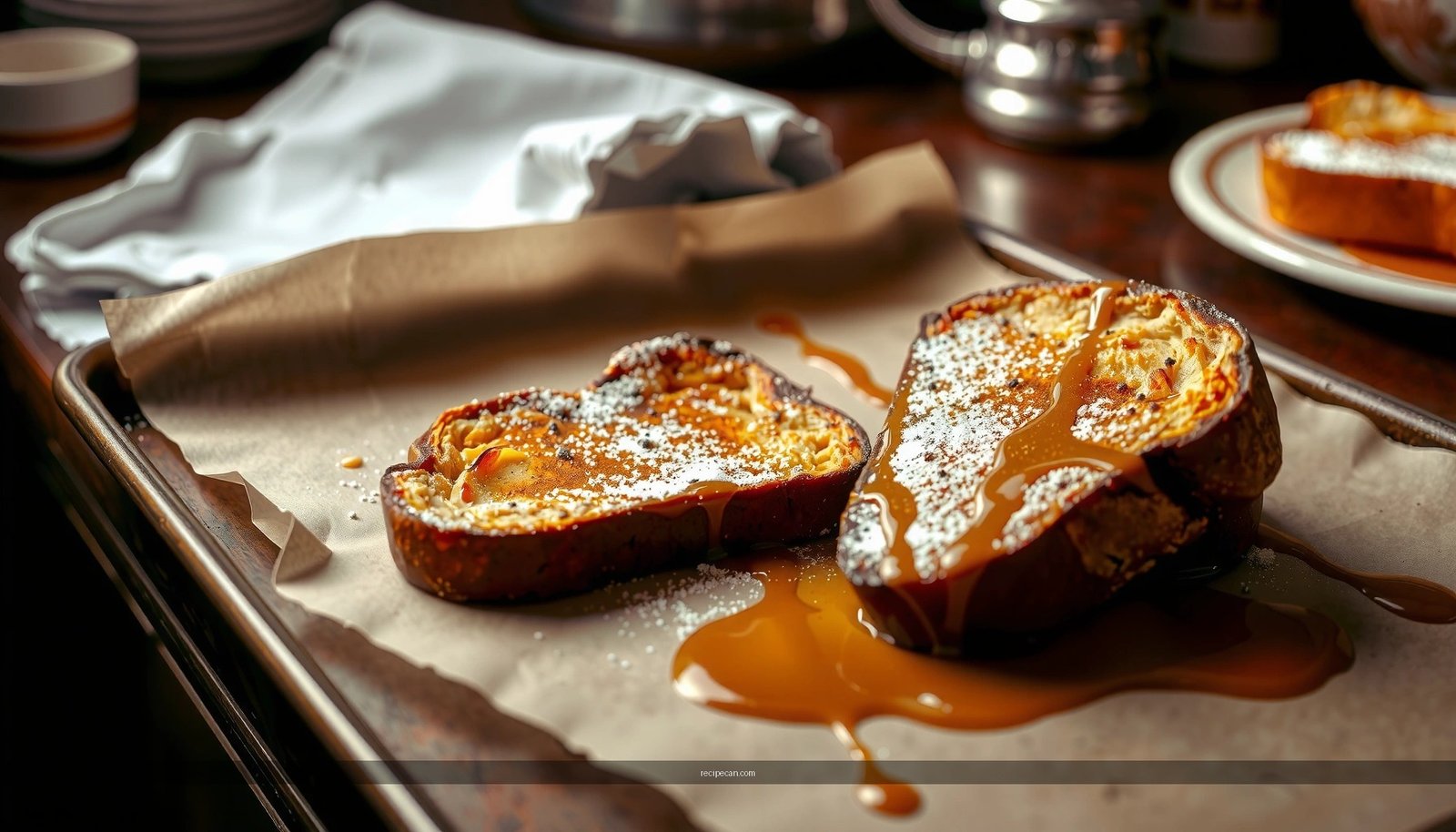
Hold finished slices on a baking sheet in a warm oven (about 200°F / 95°C) while you cook remaining batches. This keeps them hot without steaming them, which can happen if you stack them too early.
—
Serving Ideas and Toppings
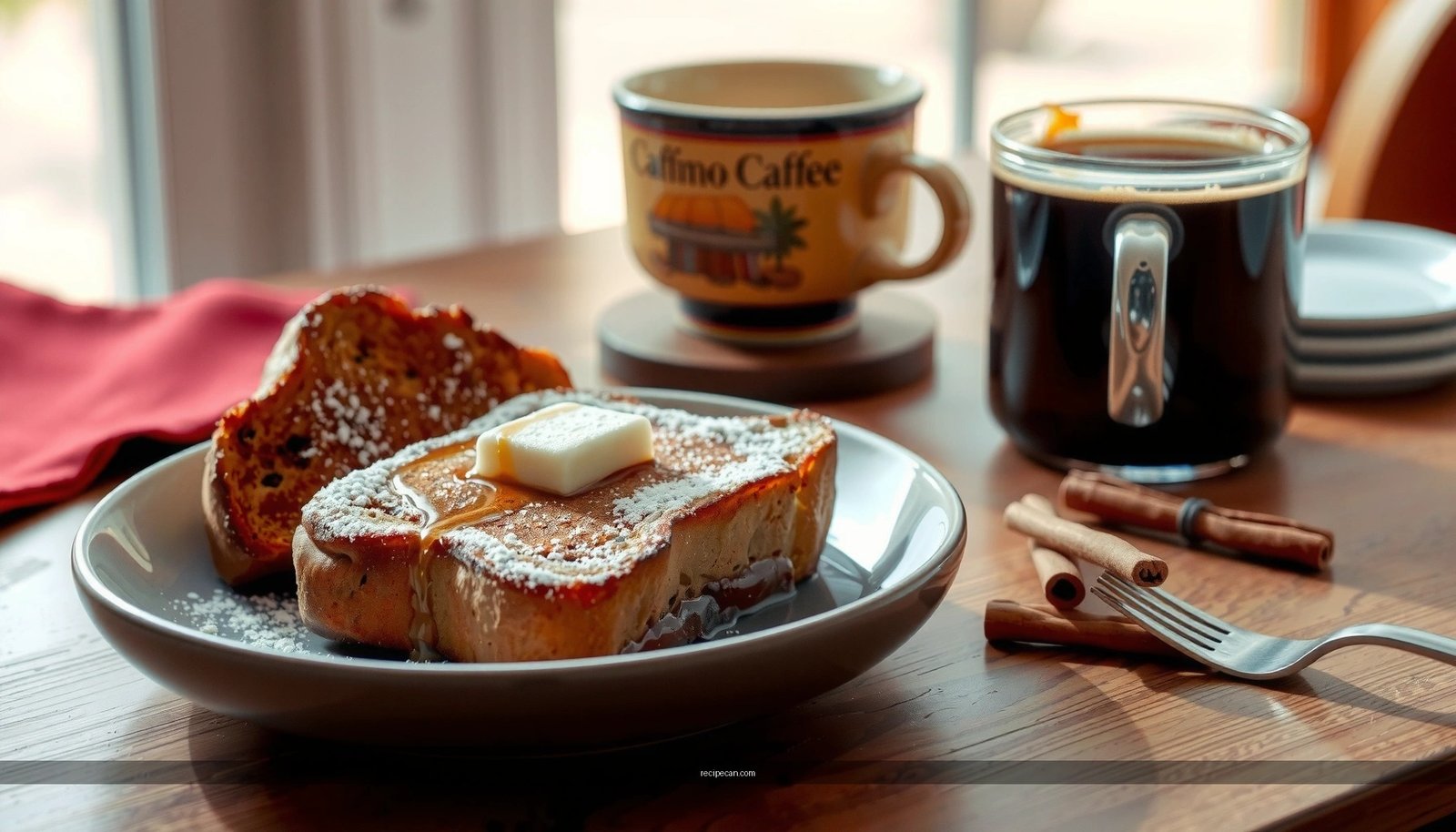
French toast cinnamon is versatile, and the best toppings reinforce the custard’s warm spice instead of competing with it. Think in layers: sweetness, texture, then temperature.
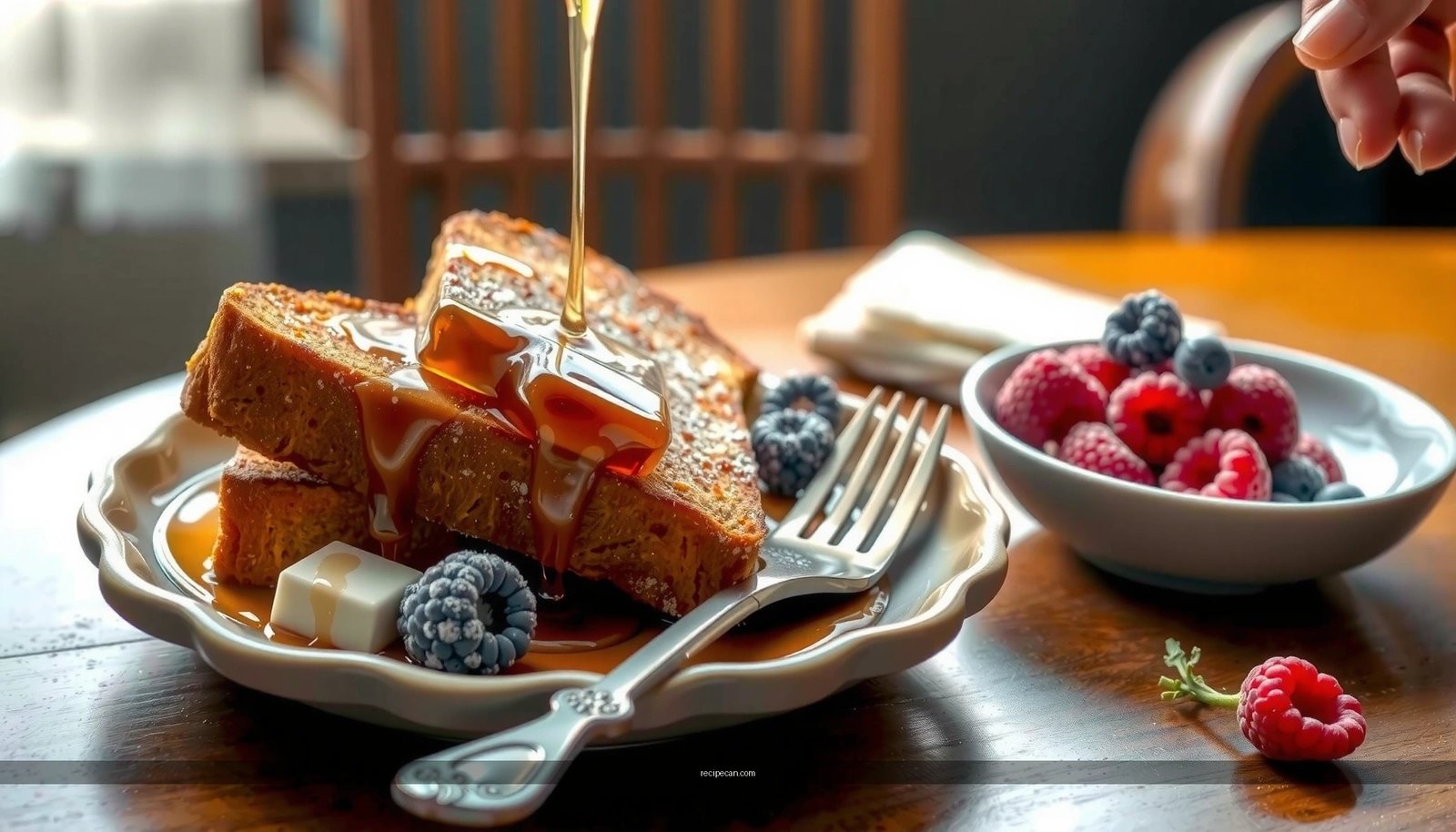
– Classic options: maple syrup, powdered sugar, and fresh berries
– Maple syrup complements cinnamon through caramel notes.
– Powdered sugar adds a light, bakery finish.
– Fresh berries (strawberries, blueberries, or raspberries) add acidity that cuts through richness.
– For extra flavor: cinnamon sugar, toasted nuts, or whipped cream
– Cinnamon sugar: mix 2 tablespoons sugar with 1/2 teaspoon cinnamon, then sprinkle lightly just before serving for extra “cinnamon-forward” impact.
– Toasted nuts (pecans or almonds): sprinkle right before serving so they keep their crunch.
– Whipped cream: choose lightly sweetened whipped cream to avoid making the dish taste one-note.
Practical pairing guidance:
If your custard cinnamon is on the stronger side (closer to 1 1/2 teaspoons), use slightly less syrup or add berries to balance. If your custard is milder, go heavier on syrup or cinnamon sugar.
—
Make-Ahead and Storage Tips
French toast cinnamon is surprisingly practical for mornings with limited time—if you plan the custard and soaking correctly.
– Prep custard ahead and soak just before cooking for best results
You can whisk the custard up to 24 hours in advance and refrigerate it covered. When ready to cook:
1. Let the mixture sit at room temperature for 10–15 minutes (cold custard soaks differently).
2. Soak bread briefly and proceed to the skillet.
This approach reduces morning chaos and keeps the bread from soaking too long (which is the most common reason for soggy French toast).
– Store leftovers in the fridge and reheat gently for softness
Cool leftovers, then store in an airtight container. Refrigerate for up to 3 days.
Reheat gently to preserve texture:
– Oven method: warm at 300°F / 150°C for about 8–10 minutes.
– Skillet method: reheat on low heat with a tiny pat of butter to refresh crispness.
Important note: Microwaving works in a pinch, but it often softens the crust and can make the bread taste more “eggy” because steam builds inside the slices.
—
If you follow the cinnamon custard ratio and cook on medium heat until golden, you’ll get restaurant-style French toast every time. Try this French toast cinnamon recipe today, then experiment with your favorite toppings and serve it for breakfast or brunch.
Frequently Asked Questions
What’s the best French toast cinnamon recipe for crispy edges?
For crispy edges, use slightly stale bread and soak it briefly rather than saturating it. Whisk eggs with milk, cinnamon, a pinch of salt, and vanilla, then coat each slice for about 10–20 seconds per side. Cook in a hot skillet or griddle with butter (or a butter-oil mix) until golden brown, flipping once. Finish with a cinnamon sugar topping for extra flavor and a bakery-style look.
How do I make French toast with cinnamon without it becoming soggy?
Use thick-cut bread and let the egg mixture soak in just long enough to coat, not pool. If your bread is fresh, toast it lightly first so it absorbs the custard more evenly. Keep the pan properly hot so the French toast sets quickly, and avoid overcrowding the skillet. Serve immediately or keep warm on a rack so steam doesn’t soften the cinnamon French toast.
Why does my French toast cinnamon taste bitter or overpowering?
Cinnamon can taste bitter if it’s old, too heavily measured, or cooked too long at high heat. Use ground cinnamon in moderation—typically 1 to 2 teaspoons per standard batch—and consider adding it to the egg custard rather than sprinkling it directly into hot butter. If you love stronger cinnamon flavor, mix cinnamon sugar separately to sprinkle at the end instead of loading the batter. Also check that your recipe includes vanilla or a touch of sugar to balance the spice.
Which bread is best for a cinnamon French toast recipe—brioche, challah, or sourdough?
Brioche and challah are the top choices because their rich, tender crumb absorbs the egg mixture without falling apart. Sourdough creates a more sturdy, tangy cinnamon French toast with a hearty texture, but it needs slightly shorter soaking to avoid dryness. If you want a classic “custardy” result, choose brioche or challah; for a firmer bite, sourdough works well. Whatever you pick, use thick slices for the best cinnamon French toast thickness and texture.
How can I meal-prep cinnamon French toast for brunch?
Make the cinnamon custard ahead and prep bread slices so you can cook quickly when guests arrive. You can also assemble the French toast and refrigerate briefly, but keep soaking time short to prevent sogginess. For longer prep, cook French toast fully, cool, then store in the fridge and reheat on a baking sheet at 350°F until warmed through and crisp. Re-toss with cinnamon sugar just before serving for fresh cinnamon flavor.
References
- French toast
https://en.wikipedia.org/wiki/French_toast - Cinnamon
https://en.wikipedia.org/wiki/Cinnamon - Custard
https://en.wikipedia.org/wiki/Custard - https://en.wikipedia.org/wiki/Egg_(food
https://en.wikipedia.org/wiki/Egg_(food - https://en.wikipedia.org/wiki/Bread
https://en.wikipedia.org/wiki/Bread - https://www.britannica.com/food/cinnamon
https://www.britannica.com/food/cinnamon - https://www.britannica.com/topic/French-toast
https://www.britannica.com/topic/French-toast - Google Scholar Google Scholar
https://scholar.google.com/scholar?q=French+toast+cinnamon+recipe - Google Scholar Google Scholar
https://scholar.google.com/scholar?q=french+toast+recipe+eggs+bread+soak+method - Google Scholar Google Scholar
https://scholar.google.com/scholar?q=cinnamon+in+baking+and+breakfast+recipes