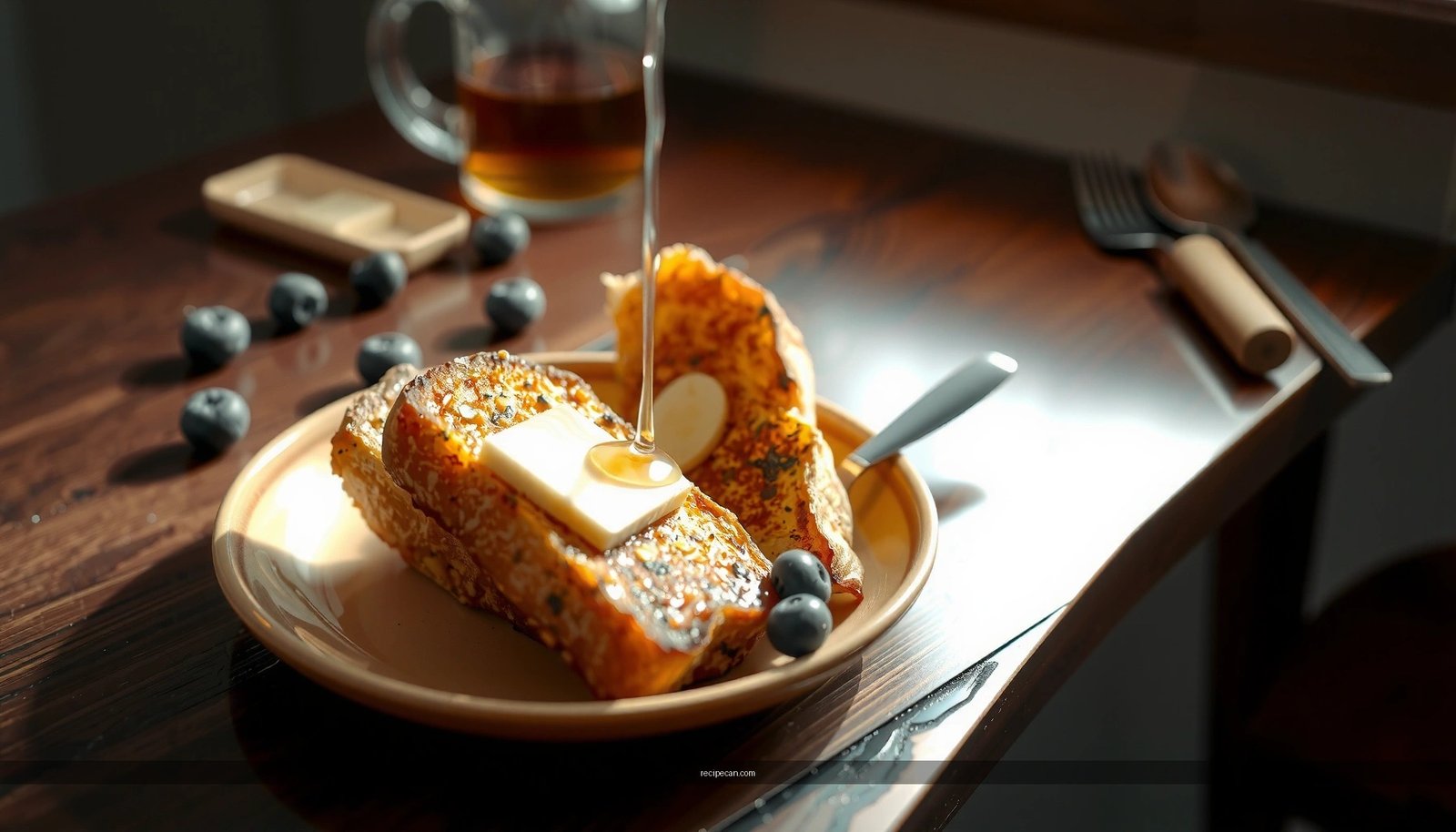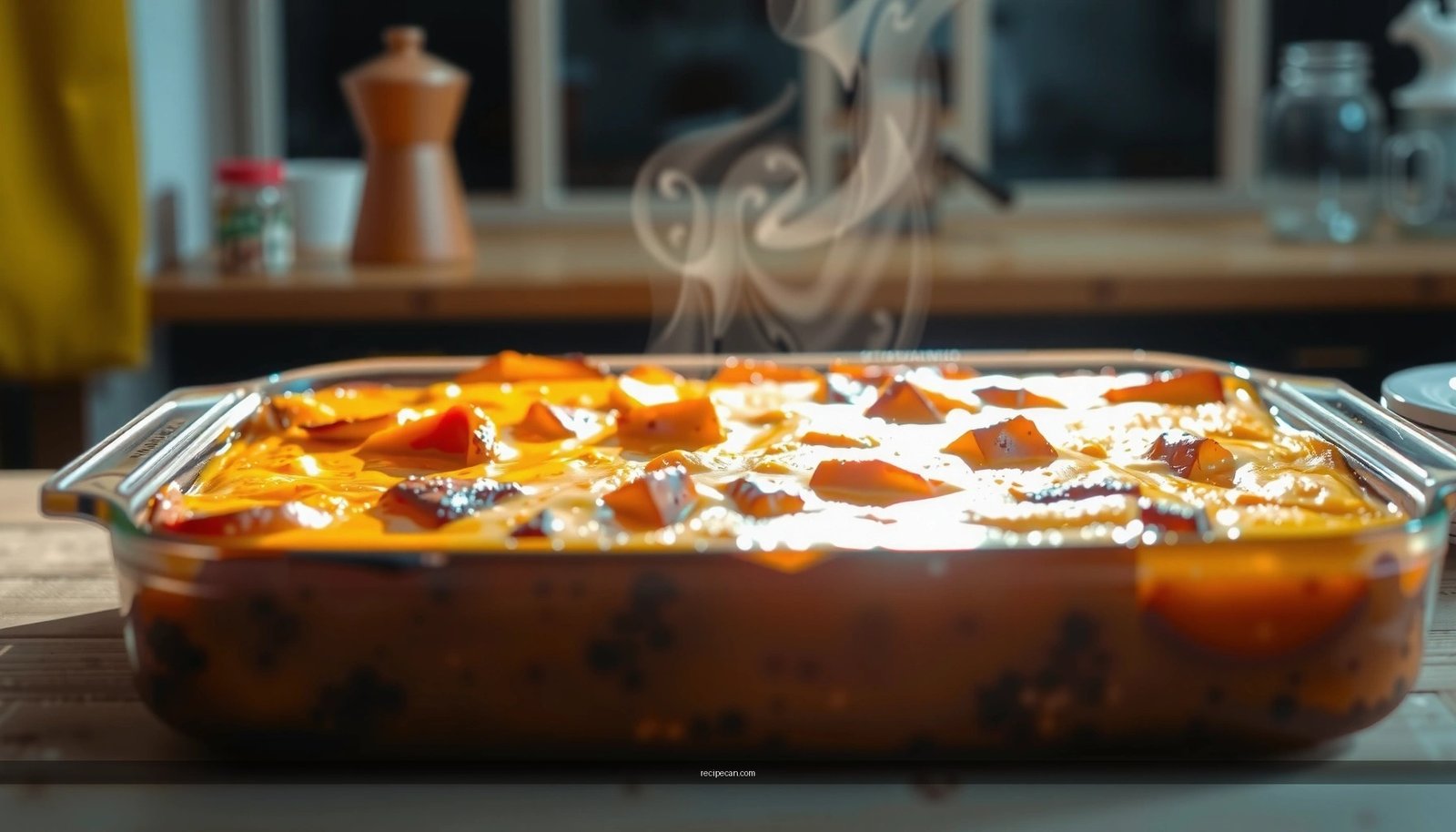
Searching for a french toast bread pudding recipe that turns leftover bread into a crisp-topped, custardy dessert? This recipe walks you through the exact bake-and-soak method for rich French toast flavor with a set, spoonable center. If you want the simplest path to bakery-style comfort in one pan, this is the version you’ll make again.
This French toast bread pudding recipe turns day-old bread into a custardy, golden dessert by soaking it in a cinnamon-egg mixture and baking it until puffed and deeply browned. Use the soaking and rest steps for consistent results—soft, creamy centers with crisp, caramelized edges every time.
Ingredients You’ll Need
– Bread, eggs, milk (or cream), sugar, and vanilla as the base
These form the classic custard foundation: eggs provide structure, milk/cream provides richness, and sugar/vanilla add sweetness and aroma.
– Cinnamon (plus optional nutmeg) for classic French toast flavor
Cinnamon is the key “French toast” note. A small amount of nutmeg deepens the flavor and gives it a warm, bakery-style finish.
– Butter and optional add-ins like raisins or chocolate chips
Butter contributes browning and mouthfeel. Add-ins can increase texture contrast—especially if you choose mix-ins that won’t release too much liquid.
A quick, practical ingredient guide
– Milk vs. cream: Whole milk works beautifully; for a richer custard, swap part of it with heavy cream (or use half-and-half).
– Sweetness level: If your topping will be very sweet (maple syrup or caramel), slightly reduce sugar in the custard.
– Add-ins: Raisins and chocolate chips are classic; dried cranberries or chopped pecans also work well.
Custard target texture (why it matters)
A successful French toast bread pudding has a custard that’s fully set but not dry. Achieving that balance depends on the ratio of eggs to liquid, plus bake time and doneness checks.
Baking Results Guide for French Toast Bread Pudding (Common Outcomes)
| # | Bread & Soak Method | Custard Absorption | Edge Color | Doneness Tendency |
|---|---|---|---|---|
| 1 | Day-old brioche or challah cubes, lightly dried | High (even soak in ~15–25 min) | Deep golden | Best set center |
| 2 | Fresh bread cubes (no drying) | Moderate (can stay under-soaked) | Light to medium | Higher risk of gummy texture |
| 3 | Whole-grain bread cubes, lightly dried | Medium to high | Golden-brown with speckling | Reliable, firmer bite |
| 4 | Brioche cubes, pressed gently during soak | High (fewer dry pockets) | More caramelization | Evenly creamy interior |
| 5 | Oversized bread cubes (uneven thickness) | Low to medium | Spotty browning | Dry or under-set spots |
| 6 | Add-ins mixed throughout (raisins or chips) | Medium (liquid pockets if raisins un-soaked) | Golden with darker speckles | Pleasant bursts, still set |
| 7 | Thorough rest (covered) for 30–60 min before baking | Highest (uniform custard coverage) | Consistent golden crust | Most predictable texture |
How to Prepare the Bread

– Cube the bread and let it dry slightly for better soaking
Cut into 1-inch cubes so each piece has enough surface area for custard absorption. If your bread feels moist, leave it out at room temperature for 30–60 minutes (or toast lightly in the oven for 3–5 minutes, then cool).
– Use day-old bread to prevent sogginess
Day-old bread is drier and better at holding custard without collapsing. That dryness helps you achieve the “custardy inside, crisp outside” contrast.
– Arrange bread evenly so it bakes uniformly
Spread cubes in a single layer where possible, then lightly tuck corners into the dish. Uneven piles create hot spots and uneven set.
Bread selection perspective (what works and why)
For French toast bread pudding, brioche and challah are favorites because their egg and butter content supports a richer custard texture. If you’re using leaner breads (like sourdough or whole wheat), add-ins and slightly longer baking may improve moisture retention and softness.
Operational tip: If you’re substituting gluten-free bread, choose a version designed for baking or that holds structure; otherwise, the custard can turn out looser.
Make the Custard Mixture
– Whisk eggs, milk, sugar, vanilla, and spices until smooth
Whisk until no egg streaks remain and the sugar looks dissolved. Smooth custard prevents streaky sweetness and supports an even bake.
– Soak the bread thoroughly (gentle press helps)
Pour custard over the bread, then press pieces gently so they contact the liquid. Avoid heavy stirring—your goal is absorption, not breaking the bread.
– Rest briefly so the custard fully absorbs
Rest the dish for 15–25 minutes for a quick method, or 30–60 minutes if you want a more uniform custard set. For best texture, you can also refrigerate covered overnight and bake the next day.
Custard thickness: a businesslike way to think about consistency
Custard should coat the back of a spoon but still pour easily. If it feels too thick (often from too little milk), it can bake into a dense pudding. If it’s too thin, the pudding can remain loose even after browning.
Simple calibration: If you’re unsure, measure your milk and eggs precisely. Baking performance is highly repeatable when ratios are consistent.
Optional add-ins: how to avoid texture failures
– Raisins: For a more controlled sweetness, soak raisins in warm water or juice for 10 minutes, then drain. This reduces sudden liquid release during baking.
– Chocolate chips: Fold in evenly. Keep them fairly small to distribute melting smoothly across the crumb.
Assemble and Bake
– Pour custard over bread and top with a little extra butter
Add a small amount of melted butter on top (or dot softened butter across the surface) to encourage crisp, caramelized edges.
– Bake at a steady temperature until puffed and browned
Bake at 350°F (175°C) until the pudding is puffed, lightly firm, and golden. Because ovens vary, use time ranges as guidelines and rely on doneness checks.
– Check doneness with a set center and light jiggle
The center should look set (no wet custard pooling), with a gentle jiggle like gelatin when you move the pan.
Recommended timing (so you can execute confidently)
– Quick soak (15–25 min): ~35–45 minutes
– Longer soak (30–60 min): ~35–45 minutes
– Chilled overnight: ~45–55 minutes, because the dish starts colder
Doneness cues to prioritize:
1. Surface color: deep golden with some darker caramelization.
2. Set edges: the perimeter should look firmer than the center.
3. Center behavior: a slight wobble is normal; sloshing is not.
Serving Ideas and Toppings
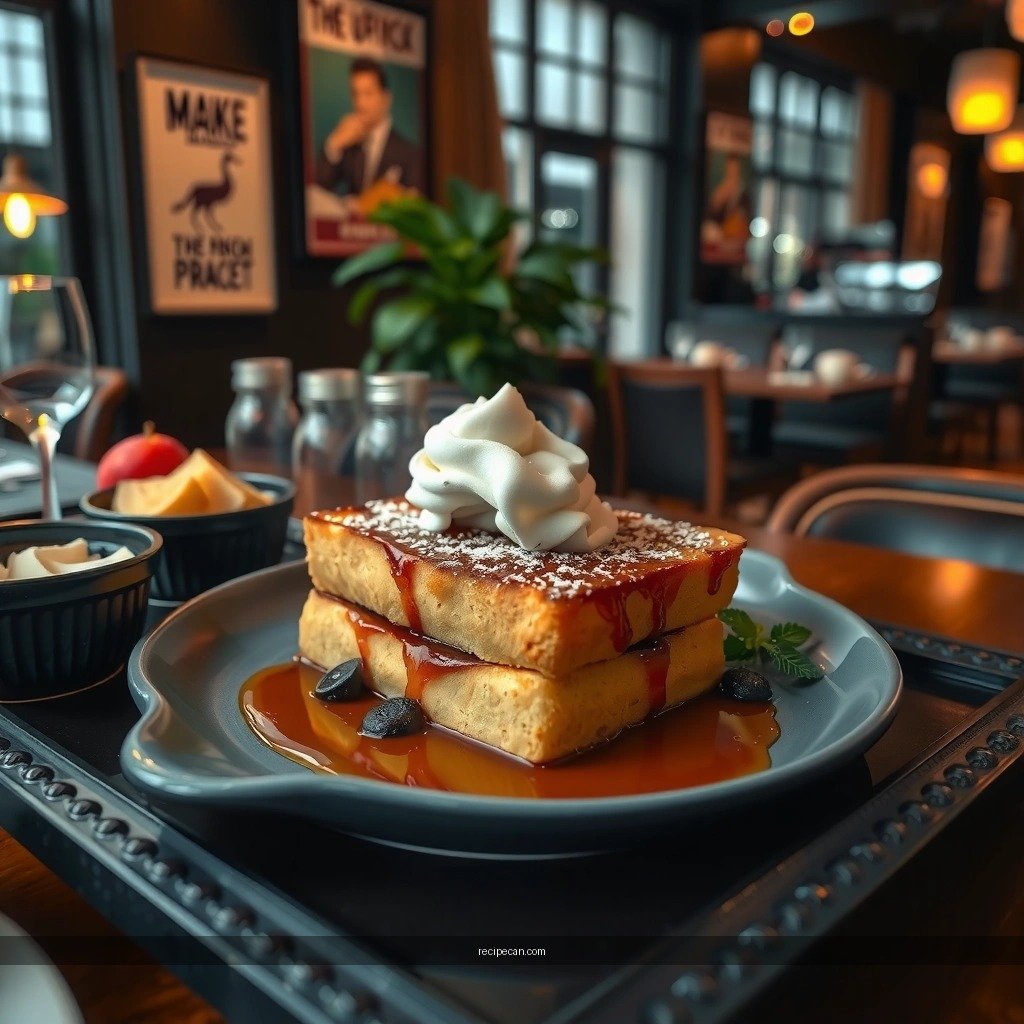
– Serve with maple syrup, powdered sugar, or fresh berries
Maple syrup complements cinnamon and adds a familiar “French toast” identity. Berries introduce acidity that cuts through sweetness.
– Add whipped cream or a dollop of vanilla yogurt
A cold, creamy topping offsets the warmth and improves perceived richness without making the pudding overly heavy.
– For extra flavor, try caramel sauce or cinnamon sugar
Caramel sauce amplifies the browned top notes. Cinnamon sugar is ideal if you want a drier, more “candy-crisp” finish.
Pairing notes for a polished dessert presentation
– Warm & runny: If you bake until just set, syrup soaks in more and creates a saucier texture.
– Firm & sliceable: Bake slightly longer for clean portions—useful when serving guests or planning a brunch spread.
Storage and Reheating Tips
– Store leftovers covered in the fridge
Cool to room temperature, then cover tightly. Refrigeration helps prevent custard breakdown and keeps flavors intact for up to 3–4 days.
– Reheat in the oven or air fryer to restore crisp edges
Microwave reheating can soften the crust too much. For best texture, reheat at 325°F (165°C) until warmed through—about 10–15 minutes for portions or 20–25 minutes for a full dish (air fryer generally works faster).
– Freeze portions if you want make-ahead desserts
Freeze individual portions once fully cool. Thaw in the fridge overnight and reheat in the oven to regain structure.
Best practice for meal planning (time-to-table)
If you’re preparing for guests, bake the pudding, cool, refrigerate, then reheat shortly before serving. This approach supports consistent texture while reducing last-minute stress.
Conclusion
Bake this French toast bread pudding until it’s golden on top and custardy in the center, then finish it with maple syrup or your favorite topping. For the most reliable results, use day-old bread, cube it evenly, soak thoroughly (with a gentle press), rest for absorption, and check doneness by set center and light jiggle rather than time alone. If you have leftovers, reheat in the oven or air fryer to restore those crisp edges that make this dessert feel freshly made.
Frequently Asked Questions
What bread is best for a French toast bread pudding recipe?
For the best texture, use sturdy bread like brioche, challah, or French bread that can soak up custard without turning to mush. Slightly stale bread works especially well because it absorbs the egg-milk mixture more evenly. If you prefer a lighter pudding, choose brioche or thick-sliced sourdough, but avoid very fresh sandwich bread.
How do you make French toast bread pudding without it getting soggy?
Use thick slices and let the bread sit in the custard briefly (about 10–20 minutes) so it absorbs flavor without collapsing. Bake in a dish that allows airflow around the edges, and don’t over-pour liquid—use just enough egg mixture to coat and lightly soak. For extra insurance, bake until the center is set and the top is golden, then rest 10–15 minutes to help it firm up.
Why is letting the custard soak before baking important for French toast bread pudding?
The soak time helps the bread pudding recipe hydrate the bread thoroughly, creating a creamy interior while still keeping some structure. Without soaking, you can end up with dry spots where the bread didn’t fully absorb the egg custard. With the right soak, the flavors of vanilla, cinnamon, and the egg mixture distribute more evenly for a classic French toast bread pudding taste.
How can you prevent French toast bread pudding from being dry or rubbery?
Measure your custard carefully and don’t skimp on eggs or milk—those provide moisture and a tender crumb. Bake at a moderate temperature (commonly 325–350°F / 165–175°C) and stop when the center is set but still slightly soft, since it will continue to set while resting. If you notice dryness, loosely cover with foil during the last portion of baking, and always let the pudding rest before serving.
Which toppings pair best with a French toast bread pudding recipe?
Classic toppings include maple syrup, powdered sugar, and warm cinnamon sugar for a true French toast vibe. For added richness, try a quick vanilla sauce, caramel drizzle, or a dollop of whipped cream. Fresh berries and toasted nuts (like pecans or almonds) also complement the custard and add texture, making your French toast bread pudding feel bakery-style.
References
- French toast
https://en.wikipedia.org/wiki/French_toast - Bread pudding
https://en.wikipedia.org/wiki/Bread_pudding - Custard
https://en.wikipedia.org/wiki/Custard - https://en.wikipedia.org/wiki/Custard-based_dessert
https://en.wikipedia.org/wiki/Custard-based_dessert - Bread
https://en.wikipedia.org/wiki/Bread - https://www.britannica.com/topic/French-toast
https://www.britannica.com/topic/French-toast - https://www.britannica.com/topic/bread-pudding
https://www.britannica.com/topic/bread-pudding - Google Scholar Google Scholar
https://scholar.google.com/scholar?q=french+toast+bread+pudding+recipe - Google Scholar Google Scholar
https://scholar.google.com/scholar?q=bread+pudding+custard+milk+egg+technique - Google Scholar Google Scholar
https://scholar.google.com/scholar?q=french+toast+soak+bread+milk+egg+method