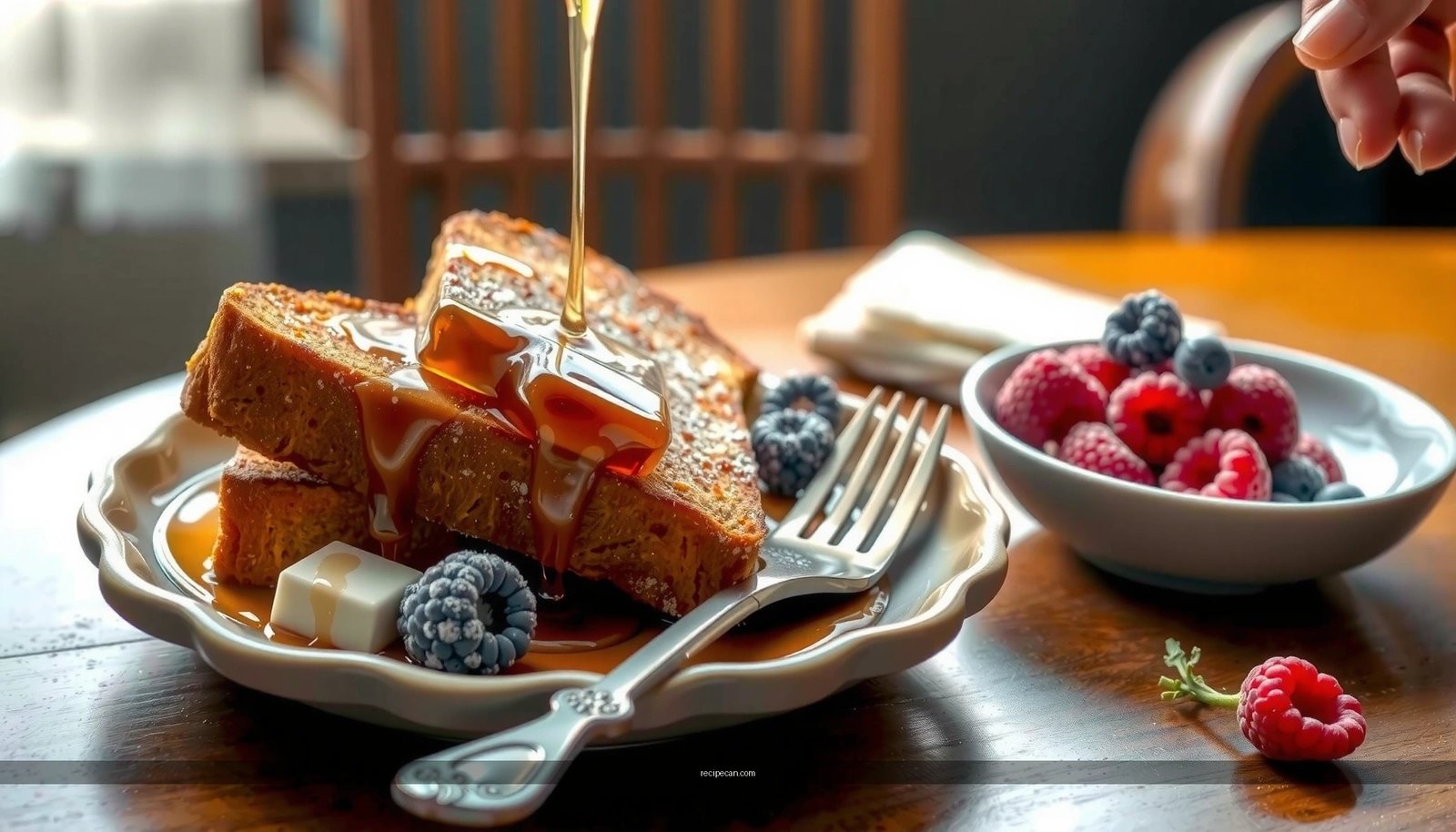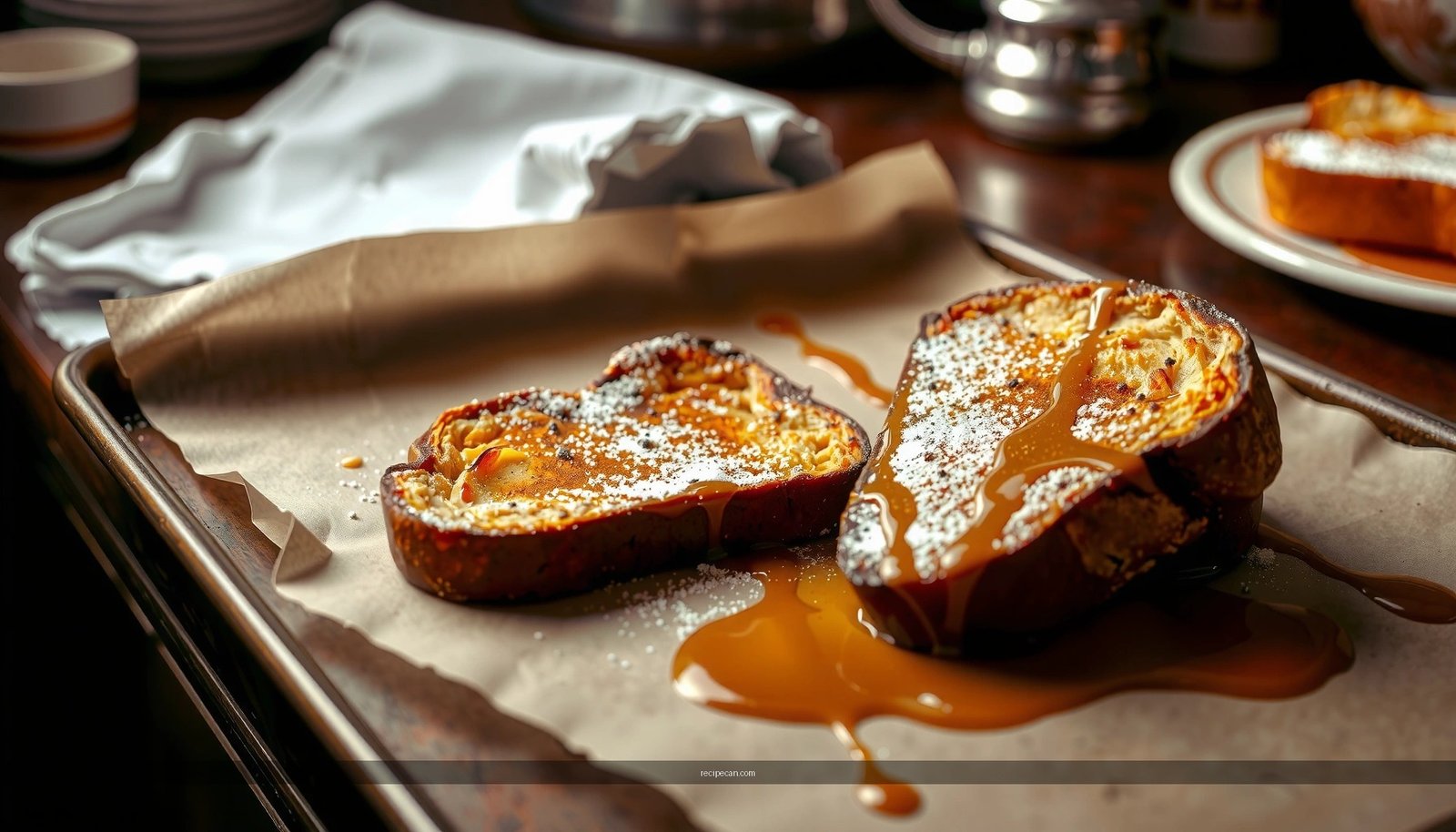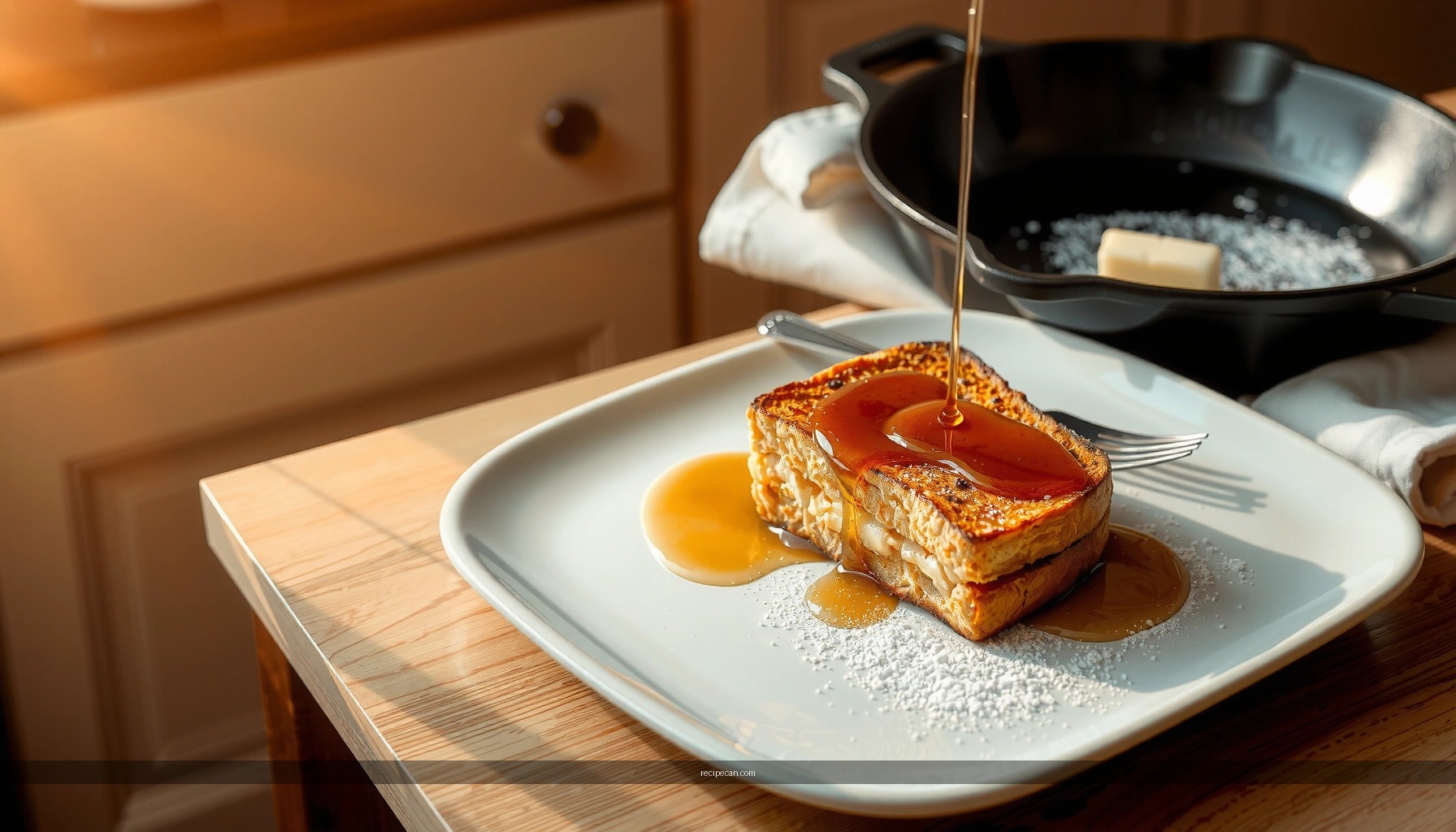
This french toast for one recipe is the clear winner when you want a fast, no-fuss single-serving breakfast without wasting ingredients. It delivers the same golden, custardy bite as classic French toast—using pantry staples and a skillet you already have. If you’re asking how to make one perfect plate in minutes, this is the recipe that answers it.
French toast for one is simple: whisk 1 egg with 1/4 cup milk, dip 1–2 slices of bread, and pan-fry until golden and set in the center. This single-serving approach gives you restaurant-style crisp edges and a custardy middle with minimal cleanup, no batch cooking, and exact amounts you can repeat every time.
French Toast Doneness Targets by Slice Type
| # | Bread Type (Single-Serving) | Custard Absorption | Cook Time | Best Finish |
|---|---|---|---|---|
| 1 | Brioche | High | 2–3 min/side | ★ ★ ★ ★ ★ |
| 2 | Texas toast | Medium–High | 3–4 min/side | ★ ★ ★ ★ ☆ |
| 3 | Sourdough (thick-cut) | Medium | 2:30–3:30 min/side | ★ ★ ★ ★ ☆ |
| 4 | White sandwich bread | Low–Medium | 2–3 min/side (brief soak) | ★ ★ ★ ☆ ☆ |
| 5 | Whole wheat (thick-cut) | Medium | 3–4 min/side | ★ ★ ★ ★ ☆ |
| 6 | Challah | High | 2–3 min/side | ★ ★ ★ ★ ★ |
| 7 | Baguette (stale, thick-cut) | Medium–High | 3–4 min/side | ★ ★ ★ ★ ☆ |
Ingredients for French Toast for One
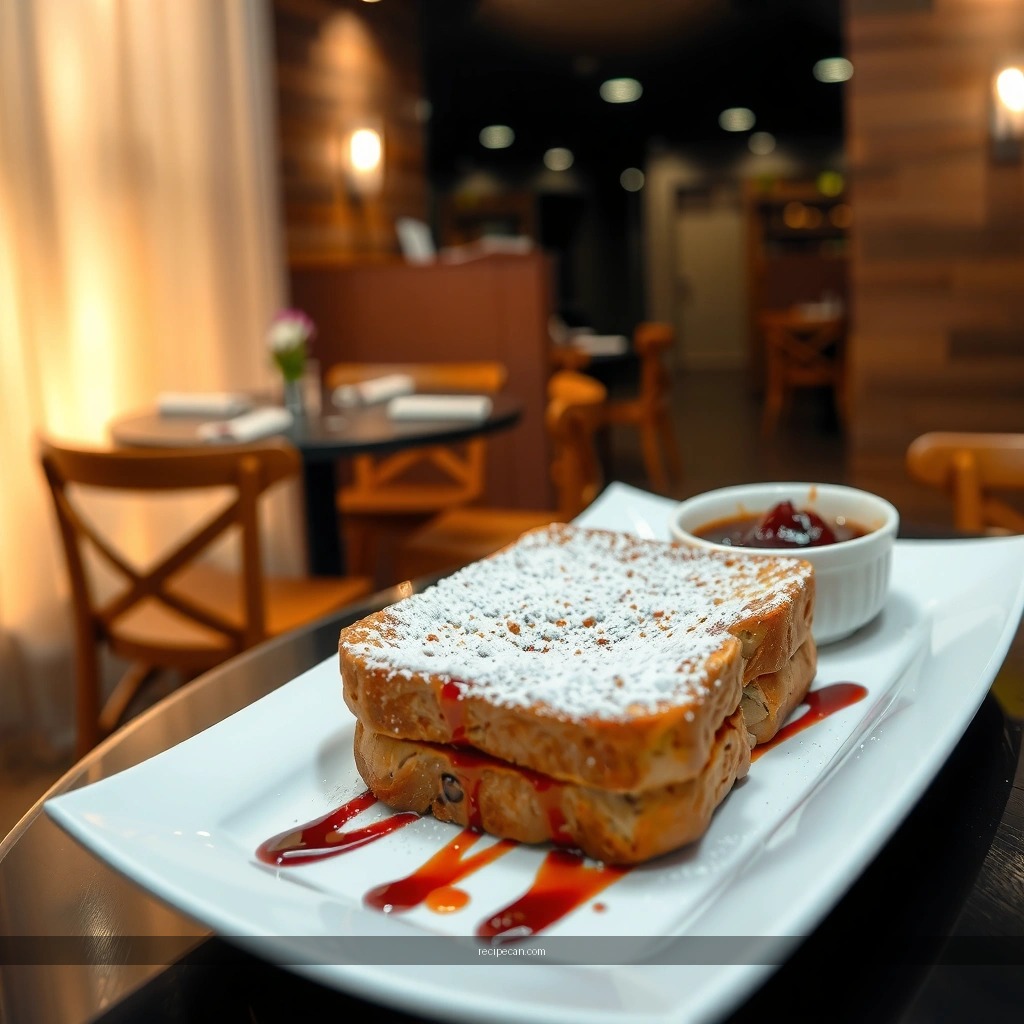
For a true single-serving French toast, the custard ratio matters more than fancy ingredients. Use the exact base below, then dial flavor with spices and salt.
– Use 1 egg and 1/4 cup milk (or milk of choice)
This creates a custard that’s rich enough to set without oversaturating the bread—important when you’re cooking only one portion.
– Add cinnamon and a pinch of salt for classic flavor
Cinnamon provides warmth; salt improves perceived sweetness and helps the egg set more evenly.
– Choose 1–2 slices of bread (thick-cut works best)
Thick-cut bread holds custard longer and develops better contrast: a crisp edge with a tender center.
Quick quality check: If your bread is very thin, it will cook too quickly and may taste “dry custard” instead of custardy. Thick-cut (or day-old) bread is the most forgiving for single-serving cooking.
Best Bread and Prep Tips
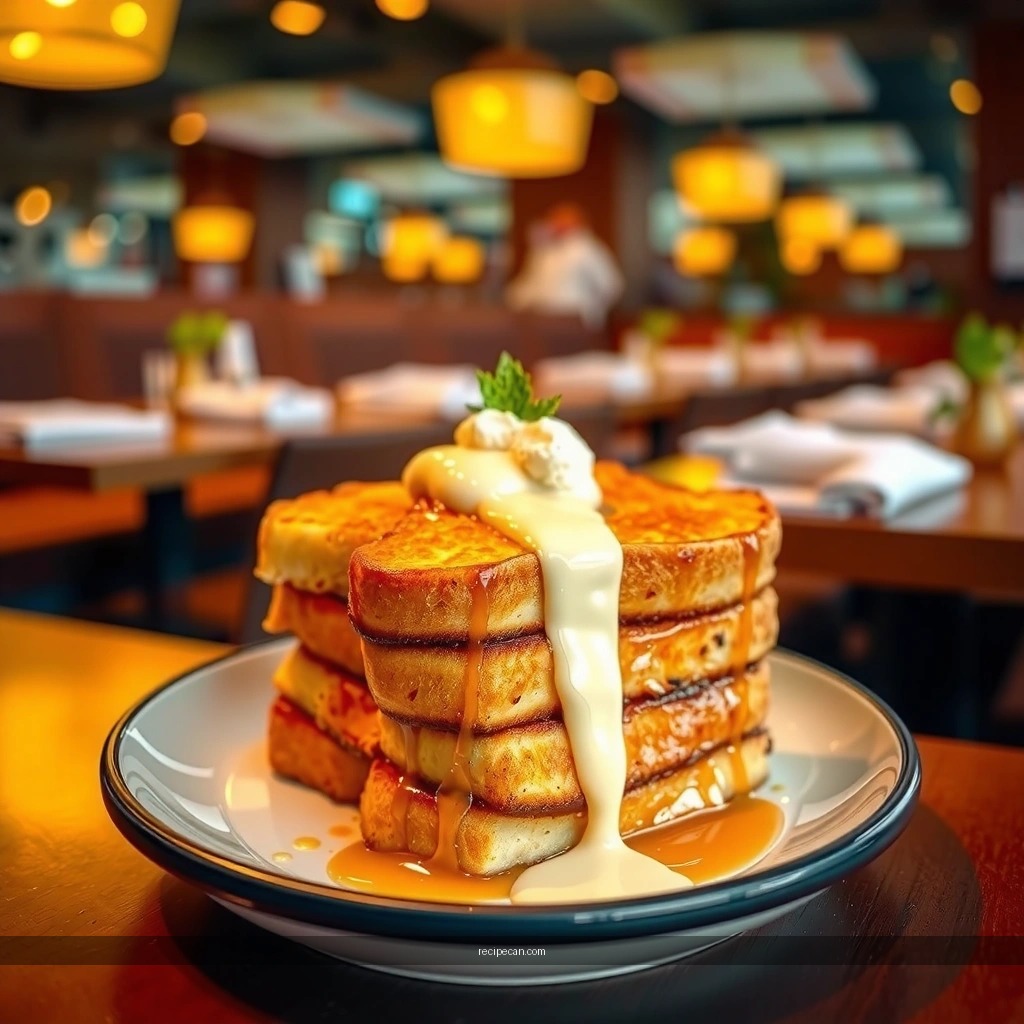
French toast texture is primarily a function of bread structure (porosity and moisture) and how you manage soak time. The goal is to coat each slice thoroughly while preventing liquid pooling.
– Day-old or slightly stale bread absorbs custard better
Stale bread has less surface moisture, so the egg-milk mixture penetrates instead of running off. If your bread is fresh, you can lightly toast it first (30–60 seconds) to help it grab the custard.
– Slice thickness affects cooking time—aim for even slices
Uneven slices cook at different speeds, leading to one side browning before the center sets. For single-serving French toast, a consistent thickness also makes your flip timing more predictable.
– Mix custard in a shallow bowl for easy dipping
Shallow bowls reduce spillage and make it faster to coat both sides. Efficient workflow matters with one serving: you want a quick breakfast, not a cleanup project.
Practical work method: Make the custard first, heat the pan next, then dip and cook immediately. Delayed dipping can cause the bread to soften too much before it hits the heat.
Simple Step-by-Step Cooking Method
To get that golden, custardy outcome, cook with medium heat and control soak time. French toast is a balancing act: too hot and you brown the outside before the center sets; too cold and you end up with pale, eggy bread.
– Dip bread briefly (don’t oversoak) and let excess drip off
Dip each side for about 10–20 seconds, then lift and let it drip for 5 seconds. If you oversoak, the slice can collapse or turn gummy in the middle—especially with soft breads like brioche.
– Cook on medium heat until golden on both sides
Place the dipped bread in a lightly buttered skillet over medium heat. Cook until the underside is deep golden, then flip and repeat. In a single-serving recipe, one or two slices means each side should have enough contact to caramelize without crowding.
– Adjust heat as needed to prevent burning or undercooking
If the surface browns too quickly, lower the heat slightly. If the center feels loose or looks under-set after browning, lower heat and extend the cook time by 30–60 seconds rather than raising temperature.
If you’re using a nonstick skillet, a lower-medium setting typically works best. If you’re using cast iron or stainless, medium can be fine, but keep an eye on the color—egg-based coatings go from “golden” to “too dark” quickly.
Make It Crispy and Custardy
Crispy edges and a set center are not accidental—they’re the result of fat management (butter or oil), correct heat, and a short rest period.– Keep the pan lightly buttered for browning and flavor
Use just enough butter to coat the surface. Excess butter can cause uneven frying and greasy pockets in one-serving portions.
– Cook until the center feels set and the edges look crisp
The center should feel springy rather than wet. Visually, look for crisp, lightly darker edges and a surface that no longer looks glossy from uncooked egg.
– Rest 30–60 seconds before serving for best texture
During rest, the custard continues to set and the moisture redistributes. Serving immediately often makes French toast seem slightly under-set and harder to slice cleanly.
For a more analytical approach: if you cut into the toast right away and see raw-looking custard texture, it likely needed more time on the pan. If it’s fully cooked but soggy at the edges, the issue was typically oversoaking or too-low heat.
Easy Toppings for One Serving
Toppings should complement—not overpower—the custardy crumb. For a single-serving breakfast, toppings also affect moisture balance: syrup adds moisture; fruit adds juice; powdered sugar adds a dry, sweet contrast.
– Classic: maple syrup and a dusting of powdered sugar
This pairing is the most reliable because the syrup seeps gently into warm toast, while powdered sugar stays light and visually clean.
– Fruit option: berries or sliced bananas
Berries add acidity that brightens the cinnamon notes. Banana adds sweetness and creaminess; slice it fresh and use a modest amount to avoid sogginess.
– Extra: a little butter or whipped cream if desired
Use sparingly—especially with syrup—to keep the custardy center from becoming watery.
If you want to keep it “breakfast efficient,” top the toast while it rests (30–60 seconds) so the toppings warm but don’t soak excessively.
Storage and Reheating (If You Have Leftovers)
Even when making French toast for one, leftovers happen—especially if you used thick-cut bread. Proper reheating preserves crispness and prevents a rubbery texture.
– Store in an airtight container in the fridge
Cool to room temperature before sealing. Warm leftovers trap steam and lead to softness.
– Reheat in a toaster oven or skillet for crispness
A toaster oven helps re-crisp edges without drying the center too aggressively. For skillet reheating, use medium-low heat and a short time with no soaking liquids.
– Eat within 1–2 days for best flavor and texture
Egg-based breakfasts degrade faster than most breads. For the best “fresh-cooked” experience, reheat once and serve.
Best practice: Reheat just until warmed through. Overheating reheats the egg, which can emphasize a “custard egg” aroma and reduce the creamy texture you want.
French toast for one is a fast, reliable single-serving breakfast that delivers golden crisp edges and a custardy center using straightforward ratios—1 egg, 1/4 cup milk, and 1–2 thick slices of bread. Follow the brief dip, cook on medium heat, and rest before topping, and you’ll consistently get bakery-style results with minimal waste and cleanup.
Frequently Asked Questions
What is the best French toast for one recipe when I don’t want leftovers?
A classic French toast for one recipe uses 1–2 slices of bread, 1 egg, a splash of milk, and a small amount of vanilla to create enough custard for a single serving. Choose a bread that absorbs well but doesn’t fall apart, like brioche, challah, or thick-cut Texas toast. Cook on medium heat until the outside is golden and the center is set, so you get the same texture you’d expect from a larger batch—without extra portions.
How do I make French toast for one without it getting soggy?
Use stale or day-old bread if possible, because it soaks up the egg mixture without turning mushy. Mix your custard well, then dip quickly—about 10–20 seconds per side for thin bread—and let excess drip off before cooking. Cook on medium and preheat the pan first, so the French toast sets as soon as it hits the skillet, preventing sogginess.
Which bread works best for a French toast for one recipe?
Brioche and challah are top choices because their rich texture creates tender, custardy French toast for one. If you prefer something lighter, thick-sliced sourdough or whole wheat can work well—just dip for a little longer to ensure proper egg absorption. Avoid very fresh, airy sandwich bread, since it can become rubbery or collapse when soaked.
Why does my single serving French toast taste eggy, and how can I fix it?
An eggy flavor usually comes from too much egg relative to the milk or not enough flavoring. For French toast for one, keep the custard balanced (about 1 egg per 1–2 slices) and add vanilla, cinnamon, and a pinch of salt to round out the taste. Let the batter sit for a minute so the flavors meld, and use moderate heat so the egg cooks evenly without over-browning.
How long should I cook French toast for one, and what’s the ideal doneness?
Cook one slice of French toast (or two slices, if your pan allows) for about 2–4 minutes per side, depending on thickness and your stove. You’re aiming for a deep golden-brown crust and a center that’s fully set, not wet or runny. If the outside browns too fast, lower the heat and continue cooking so the custard cooks through.
References
- French toast
https://en.wikipedia.org/wiki/French_toast - https://www.britannica.com/topic/french-toast
https://www.britannica.com/topic/french-toast - https://www.fda.gov/food/buy-store-serve-safe-food/eggs
https://www.fda.gov/food/buy-store-serve-safe-food/eggs - Eggs | Food Safety and Inspection Service
https://www.fsis.usda.gov/food-safety/safe-food-handling-and-preparation/eggs - Custard
https://en.wikipedia.org/wiki/Custard - Egg
https://en.wikipedia.org/wiki/Egg - Recipe
https://en.wikipedia.org/wiki/Recipe - Bread
https://en.wikipedia.org/wiki/Bread - https://scholar.google.com/scholar?q=french+toast+single+serving+recipe Google Scholar
https://scholar.google.com/scholar?q=french+toast+single+serving+recipe - Google Scholar Google Scholar
https://scholar.google.com/scholar?q=french+toast+recipe+scaling+servings