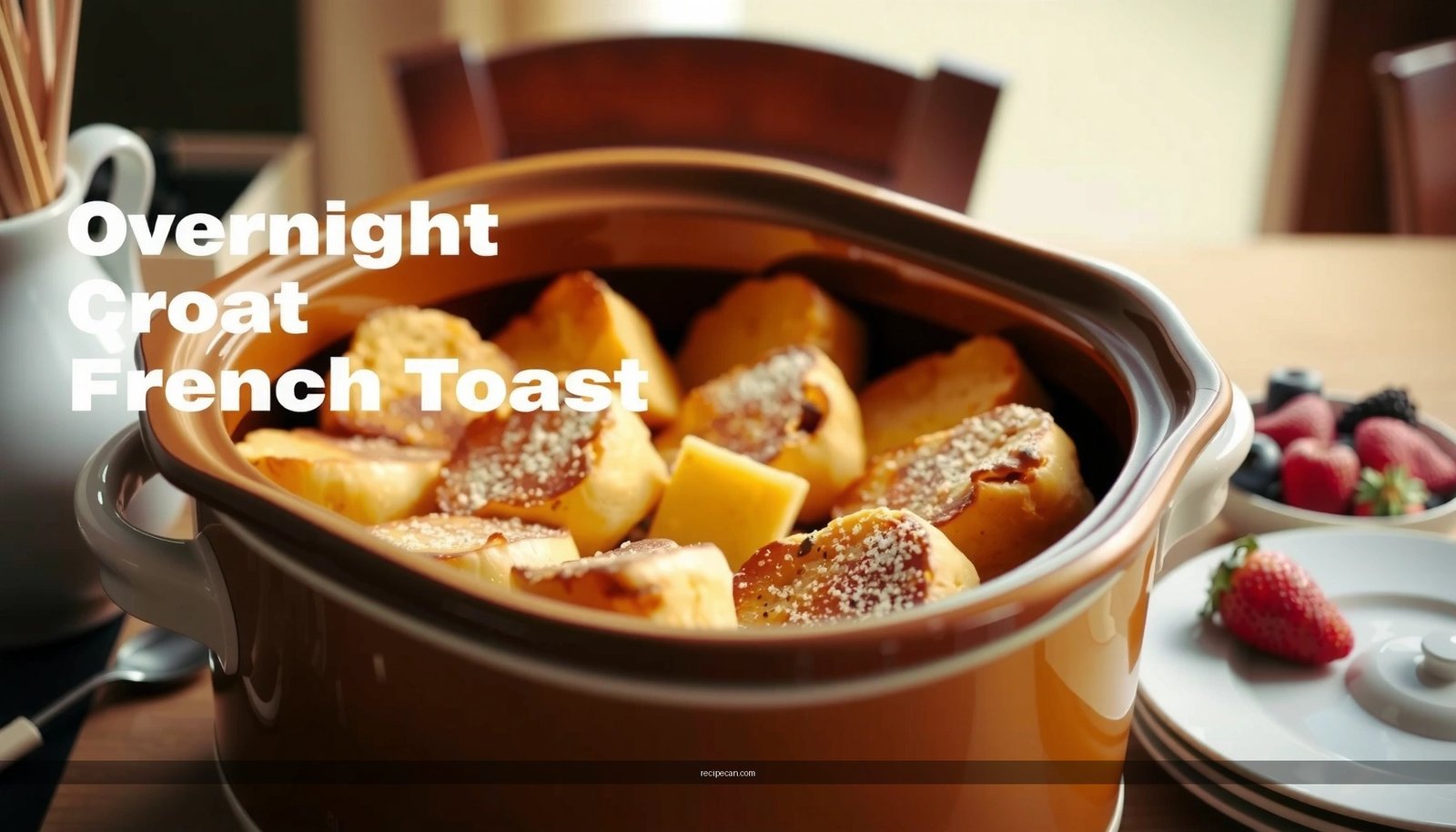
Want an easy crock pot French toast recipe that tastes like baked custard and saves you morning time? This overnight crock pot French toast method answers whether you can prep the batter and bread the night before for a ready-to-serve breakfast, then still get crisp edges and a soft center. If you’re aiming for “set it, wait overnight, and feed everyone,” this is the winner.
Crock pot French toast delivers a warm, custardy breakfast with minimal hands-on work because you can assemble the bread and egg mixture ahead of time and let the slow cooker do the heavy lifting. By choosing the right bread, balancing custard thickness, and using the correct LOW/HIGH timing, you’ll get tender centers and caramelized edges instead of soggy, uneven slices.
Ingredients and Best Bread for Crock Pot French Toast
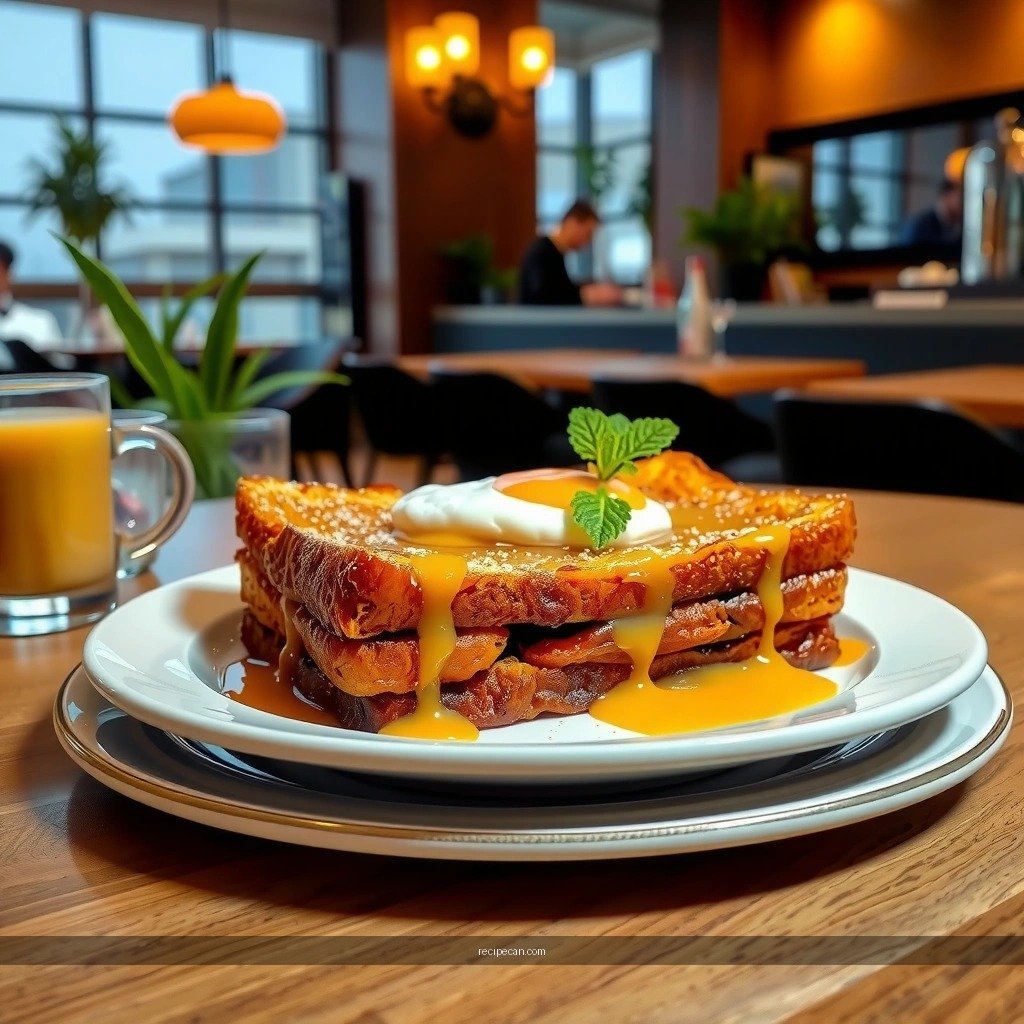
The success of crock pot French toast depends on two fundamentals: bread structure and custard absorption. A slow cooker holds steady heat for hours, so breads that are too soft can collapse, while breads that are too dense may never fully tenderize. For most cooks, a “sturdy soak” bread is the easiest path to classic, custardy French toast.
Best bread choices (why they work):
– Brioche: Buttery, slightly sweet, and sturdy enough to absorb custard without turning to mush.
– Challah: Similar richness to brioche with a gentle chew; great when you want a more “bakery” feel.
– Thick-cut French bread: Holds shape well and develops a lightly toasted surface against the custard.
When picking bread at the store, look for loaves that are thick-sliced and slightly stale or day-old if possible. A day-old loaf soaks more evenly because it has less moisture on the surface.
Core ingredients you’ll need:
– Eggs (custard set and richness)
– Milk or half-and-half (creaminess; half-and-half yields a richer mouthfeel)
– Vanilla (rounded sweetness)
– Cinnamon (warm aroma; adjust to taste)
– Butter (for richness and to help with browning when heated)
Optional add-ins (use strategically):
– Berries: Fold in gently or place on top after cooking to prevent them from bleeding into the custard too much.
– Chocolate chips: Add to the custard or sprinkle between layers; they’ll melt into pockets of sweetness.
– Nutmeg: A small dash creates an “eggnog French toast” depth without overpowering cinnamon.
Quick ingredient balancing tip:
If you like French toast that’s more custardy, lean toward half-and-half. If you prefer it firmer and less creamy, use milk and slightly reduce the amount of custard liquid.
Crock Pot French Toast: Bread Soak vs. Texture Outcome (Practical Benchmarks)
| # | Bread Type | Best For | Recommended Slice Size | Expected Soak Behavior | Outcome Rating |
|---|---|---|---|---|---|
| 1 | Brioche | Rich, soft custard | 1-inch thick cubes | Even absorption, minimal collapse | ★★★★☆ |
| 2 | Challah | Custardy with chew | 1–1.25-inch slices | Soaks well, holds structure longer | ★★★★☆ |
| 3 | Thick-cut French bread | Edge caramelization | 1–1.5-inch cubes | Absorbs gradually; best on day-old bread | ★★★☆☆ |
| 4 | Sourdough (boule slices) | Hearty, less sweet | 1-inch cubes | Can stay firmer if under-soaked | ★★☆☆☆ |
| 5 | White sandwich bread | Budget-friendly, softer texture | Half-inch pieces (smaller) | Absorbs fast; higher risk of mush | ★★☆☆☆ |
| 6 | Whole wheat loaf | Nutty flavor | 1-inch thick cubes | Soaks slower; longer LOW helps | ★★★☆☆ |
| 7 | Cinnamon-raisin bread | Naturally sweet breakfast | 1-inch cubes | Pre-seasoned; reduce added cinnamon | ★★★☆☆ |
Prep Steps: Build Your French Toast Base
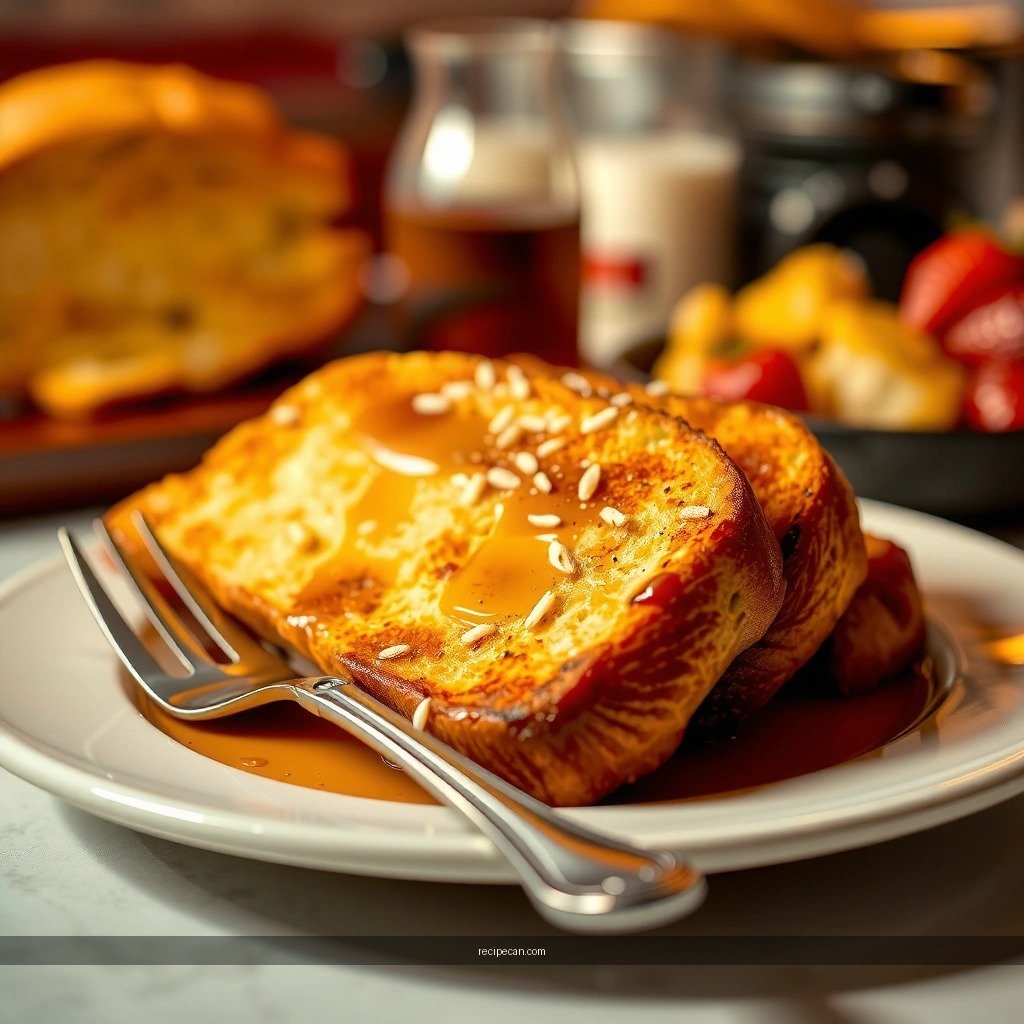
Crock pot French toast is intentionally low effort. The prep goal is simple: even coverage and thorough custard penetration.
1. Prepare the bread
– Cube or slice the bread into even pieces so each bite soaks at the same rate.
– Keep pieces roughly the same size (think 1-inch cubes). Uneven size is one of the most common causes of “some dry, some too wet.”
2. Layer it in the crock pot
– Place bread pieces evenly across the bottom.
– Don’t pack them tightly—leave small gaps so heat can circulate and the custard can move.
3. Whisk the custard thoroughly
– Whisk eggs until the yolks and whites fully combine.
– Add milk (or half-and-half), vanilla, cinnamon, and any optional nutmeg.
– Whisk until smooth—no streaks of egg or clumps of spices.
4. Pour custard over the bread
– Pour slowly so the custard spreads rather than pooling in one corner.
– If you have time, let it rest 10–30 minutes before cooking (or refrigerate overnight—more on that below).
5. Optional: butter placement
– Melted butter can be drizzled over the top or folded into the custard. In a slow cooker, butter helps create a richer finish and improves browning at the edges.
Overnight approach (typical workflow):
Assemble the base in the evening, cover, refrigerate, then cook the next morning. The colder custard + bread mix often yields more uniform texture because the bread absorbs gradually rather than all at once.
Cook Settings: Timing for Soft vs. Firm French Toast
Slow cooking is forgiving, but timing isn’t arbitrary. French toast texture comes down to **how long the custard has to set** and **how much moisture the bread retains**.Recommended settings:
– LOW for 3–4 hours: Best for a gentle set and classic custardy interior.
– HIGH for about 1.5–2 hours: Faster, with slightly firmer texture and more risk of unevenness if your crock pot runs hot.
How to prevent dryness and sogginess:
– Avoid overcooking. Even with the lid on, extra time continues to evaporate moisture and can dry out the bread.
– Watch the edges. If the edges are dry but the center still seems loose, you’re close—rather than extending another hour immediately, check again after 10–15 minutes.
– Check the center for doneness: The middle should be set (not liquid), and the bread should be tender when gently pressed with a fork.
Analytical way to think about it:
LOW cooking produces a steadier temperature profile. That means the egg mixture sets gradually, allowing bread to hydrate without steam-blasting the surface. HIGH cooking can work well, but it’s less forgiving if your crock pot is hotter than average.
Practical target texture:
– If you want soft and pudding-like, lean toward LOW near 3.5 hours.
– If you want sliceable and a bit firmer, use HIGH around 1.75–2 hours, then serve promptly.
How to Serve (and What Toppings Work Best)
Once your crock pot French toast is cooked, service matters because it holds heat differently than baked casseroles. Serve soon for the best custardy texture and clean topping coverage.
Classic toppings (high compatibility):
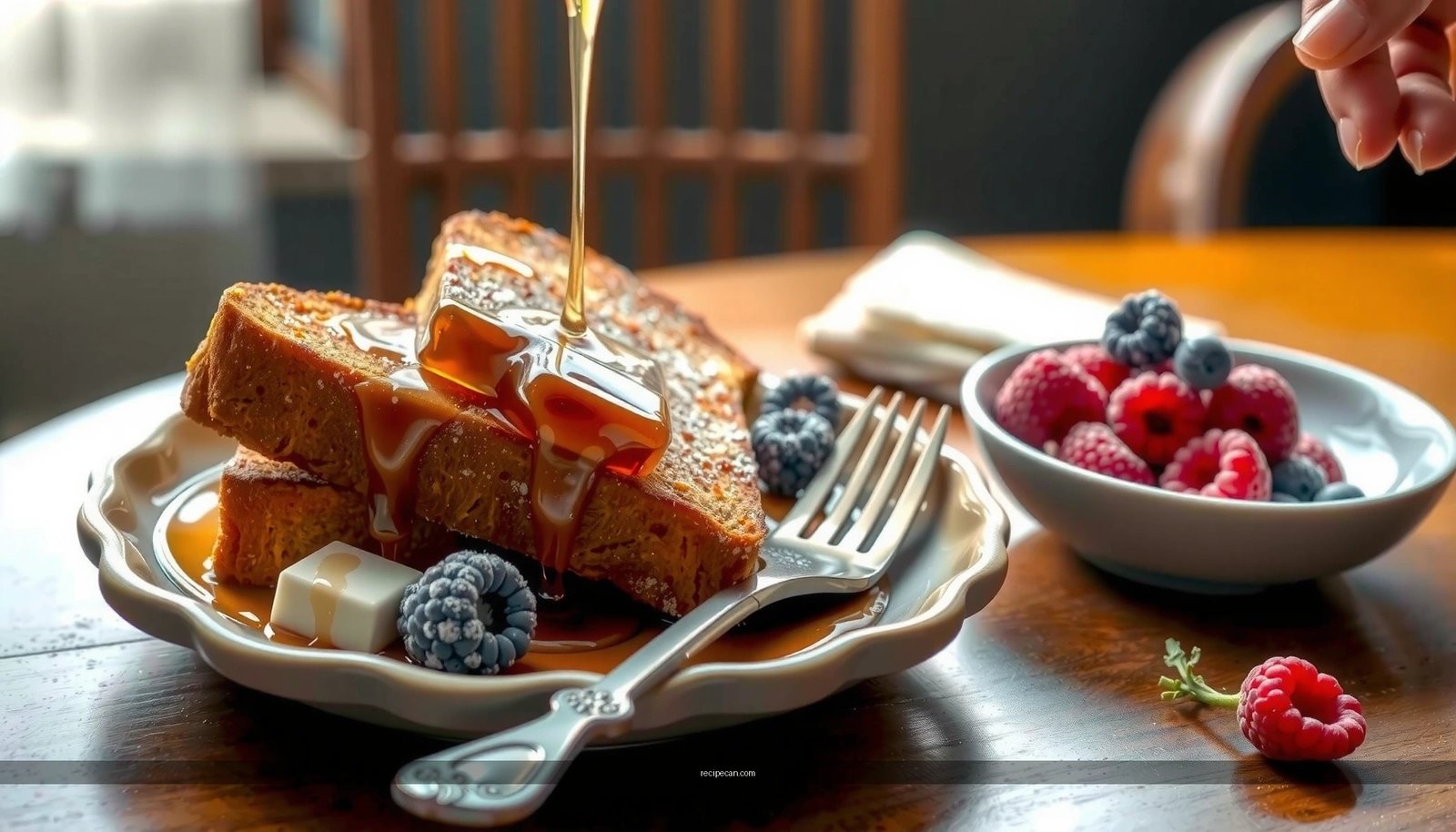
– Maple syrup: Pairs naturally with vanilla and cinnamon.
– Powdered sugar: Adds sweetness and visual contrast.
– Fresh fruit (strawberries, blueberries, bananas): Adds acidity and freshness to balance richness.
Flavor boosters:
– Butter: Helps syrup and fruit cling to the surface.
– Whipped cream: Elevates “brunch café” style.
– Cinnamon-sugar sprinkle: Works best for those who enjoy a more dessert-like profile.
Protein pairings (for a balanced breakfast plate):
– Breakfast sausage
– (Optional) a simple fruit + protein combo is often more satisfying for larger groups.
Serving method that improves texture:
Use a large spoon to lift portions from different areas—edges and center—so everyone gets a mix of crisp-tender and custardy bites. If you stir after cooking, you can break up the structure and make everything look uniformly soft.
Make-Ahead Tips and How to Reheat
Crock pot French toast is especially valuable for busy mornings because it supports real scheduling: assembling the night before, cooking during your “leave-home window,” and serving with minimal last-minute work.
Assemble ahead (best practice):
– Build the bread and custard in the evening.
– Cover and refrigerate overnight.
– In the morning, add the crock to the slow cooker (or transfer to the insert if needed) and cook per your chosen LOW/HIGH time.
Refrigerating leftovers:
– Cool slightly, then store in an airtight container in the fridge.
– Leftovers typically keep well for a couple of days (best quality sooner rather than later).
Reheating for best texture:
– Microwave: Reheat individual portions in short intervals. Add a teaspoon of milk if you want extra custardy softness.
– Oven: Reheat at a moderate temperature so edges don’t dry out as quickly.
– Avoid overheating—French toast dries quickly once the custard fully re-sets and moisture continues to escape.
Quality control after reheating:
If the texture tightens, the fix is simple: rewarm gently and consider a light drizzle of syrup or a small pat of butter to reintroduce moisture and shine.
Troubleshooting Common Crock Pot French Toast Issues
Even with the right bread and timing, small variables can shift results. Here are the most common problems and how to adjust next time.
– Too wet / custard pooling
– Cause: Too much liquid, or bread pieces too large/sparse, or cooking time too short.
– Fix: Use slightly less milk next time and aim closer to 3.5–4 hours on LOW for more set.
– Too dry
– Cause: Overcooking or using bread that absorbs but doesn’t release enough moisture under your cook time.
– Fix: Soak time matters—ensure bread is fully covered by custard. Reduce cook time slightly next batch (especially on HIGH).
– Soggy edges
– Cause: Lid trapping steam too long or very fresh, soft bread.
– Fix: Start with thicker, structured bread (brioche/challah). Also, avoid stirring after it begins to set—disturbing it can redistribute moisture.
– Uneven texture (some bites firm, others loose)
– Cause: Bread pieces weren’t evenly cut, or bread was packed too tightly in one area.
– Fix: Spread pieces evenly in a single layer depth and keep cube sizes consistent. If your model runs hot, shorten time by ~15–20 minutes.
– Lack of “classic French toast” flavor
– Cause: Custard seasoning is too mild or cinnamon is underused.
– Fix: Adjust vanilla and cinnamon. If using cinnamon-raisin bread, reduce added cinnamon so the flavor doesn’t become one-note.
These adjustments are cumulative—make one change at a time so you can identify what improved (or what caused a regression).
Crock pot French toast is the simple way to enjoy classic French toast with a creamy, slow-cooked result. Choose a sturdy bread like brioche, challah, or thick-cut French bread; build an even bread-and-custard base; use LOW for 3–4 hours (or HIGH for 1.5–2 hours) to dial in softness; and top with maple syrup, fruit, or a cinnamon-sugar finish. Once you nail the texture, make it overnight for a truly hands-off breakfast that still tastes like a special occasion.
Frequently Asked Questions
What is a crock pot French toast recipe and what does it taste like?
A crock pot French toast recipe is a make-ahead breakfast where bread soaks in a custard mixture and then slow-cooks until tender, fluffy, and lightly golden. The result tastes like classic baked French toast—creamy in the center with caramelized edges when served with syrup. You can flavor it with cinnamon, vanilla, and a pinch of nutmeg for that bakery-style taste.
How do you make crock pot French toast without it turning soggy?
Use sturdy bread like brioche, challah, or thick-cut Texas toast so it absorbs the egg mixture without collapsing. Keep your custard ratios balanced by using enough egg and milk (or cream) to soak thoroughly but not drown the bread, and avoid over-soaking—especially if your bread is very soft. For best results, cook on low in the slow cooker, and don’t open the lid early, since temperature drops can affect texture.
Why is cooking French toast in a slow cooker different from baking it in the oven?
Slow cooking provides gentle, even heat, which helps the custard set gradually and keeps the bread moist. Unlike oven-baked French toast, a crock pot French toast recipe is usually more uniform throughout and often easier to serve for groups. It’s also more hands-off, making it a great option for brunch or holidays when you want fewer last-minute tasks.
Which bread is best for crock pot French toast?
Brioche and challah are top choices because they’re rich, hold their shape, and soak up custard for a custardy interior. If you prefer a firmer texture, use thick-cut French bread or day-old sourdough (just note it may be slightly less sweet). Day-old bread usually works better than fresh because it absorbs the egg mixture more evenly without becoming gummy.
What’s the best way to reheat crock pot French toast and keep it fluffy?
Reheat leftovers in a covered dish in the oven at 300–325°F until warmed through, which helps maintain a tender crumb. You can also warm individual portions in the microwave, but the texture may soften more than oven reheating. For serving, add fresh toppings—like powdered sugar, berries, or warm maple syrup—right before eating to refresh the flavor.
References
- https://scholar.google.com/scholar?q=crock+pot+french+toast+recipe Google Scholar
https://scholar.google.com/scholar?q=crock+pot+french+toast+recipe - Google Scholar Google Scholar
https://scholar.google.com/scholar?q=slow+cooker+french+toast - Google Scholar Google Scholar
https://scholar.google.com/scholar?q=french+toast+baking+custard+egg+milk+proportions - French toast
https://en.wikipedia.org/wiki/French_toast - Slow cooker
https://en.wikipedia.org/wiki/Slow_cooker - Custard
https://en.wikipedia.org/wiki/Custard - Eggs as food
https://en.wikipedia.org/wiki/Eggs_as_food - Bread
https://en.wikipedia.org/wiki/Bread - Milk
https://en.wikipedia.org/wiki/Milk - Food safety
https://en.wikipedia.org/wiki/Food_safety