This baked French toast casserole recipe is the easiest, make-ahead breakfast answer when you want a guaranteed-done crowd-pleaser without last-minute frying. Expect crisp edges, a custardy center, and simple prep the night before so it’s ready to bake in the morning. If your goal is effortless weekday or holiday hosting, this is the clear winner.
Bake a custard-soaked bread casserole until it’s puffed and golden—then serve it straight from the oven for a stress-free make-ahead breakfast. This baked French toast casserole recipe works especially well for busy mornings and brunch because you can prep it the day before, refrigerate it to deepen the custardy texture, and bake when you’re ready to feed a crowd.
Baked French Toast Casserole: Ideal Bread–Custard Ratios for Consistent Set (8–10 servings)
| # | Bread Type | Bread (cups cubes) | Custard (cups) | Expected Texture Rating | Bake Consistency Risk |
|---|---|---|---|---|---|
| 1 | Brioche (sturdy) | 8 | 3.25 | ★★★★★ | Low |
| 2 | Challah | 8 | 3.0 | ★★★★★ | Low |
| 3 | Thick-cut French bread | 9 | 3.5 | ★★★★☆ | Low–Med |
| 4 | Sourdough (hearty) | 9 | 3.75 | ★★★★☆ | Med |
| 5 | Multigrain (dense) | 8.5 | 3.6 | ★★★☆☆–★★★★☆ | Med–High |
| 6 | Angel food cake (light) | 6.5 | 3.0 | ★★★★☆ | High |
| 7 | White sandwich bread | 8 | 2.75 | ★★★☆☆ | High |
Choose the Best Bread and Prep It
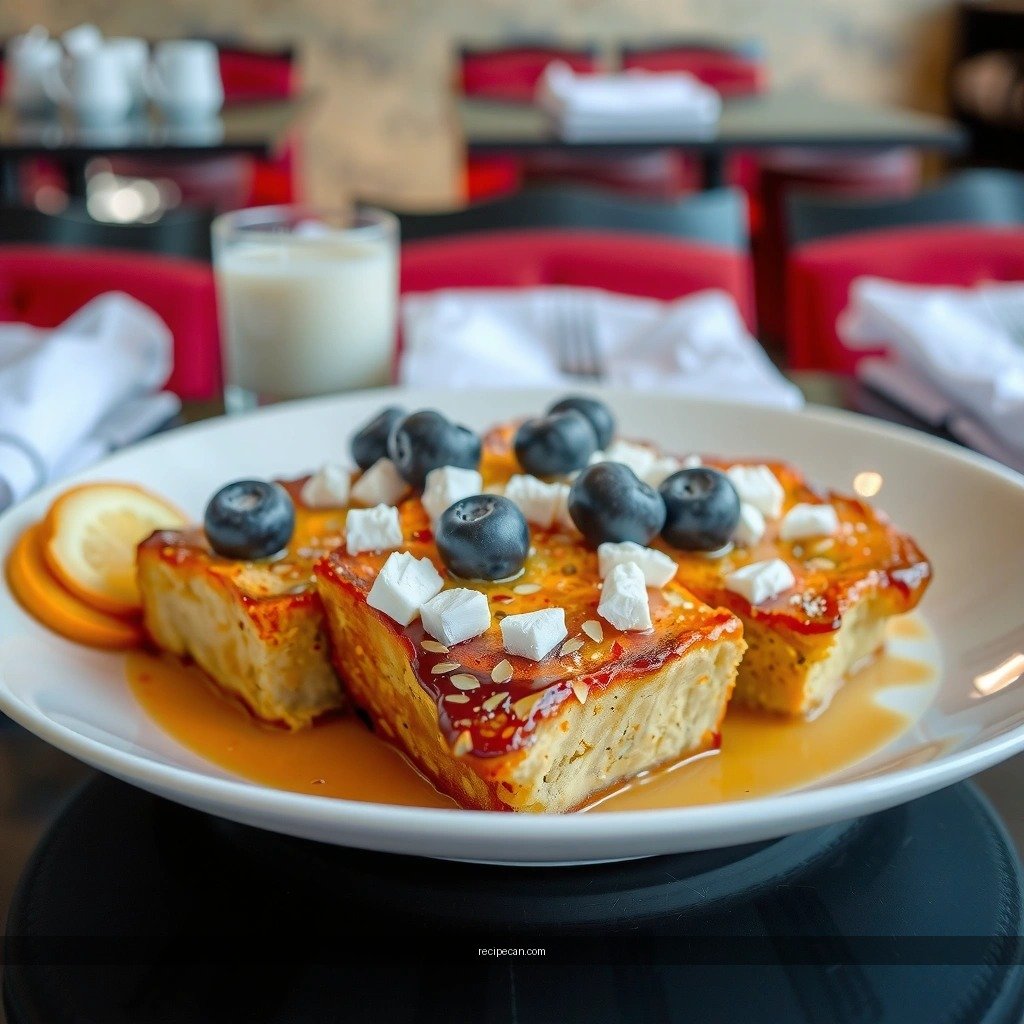
For a baked French toast casserole, bread choice determines almost everything: how much custard it absorbs, how evenly it sets, and whether you get a clean slice or a mushy center. Choose sturdy breads that can hold liquid without collapsing—brioche, challah, and thick-cut French bread are the gold standard because their structure absorbs custard gradually, then bakes into a tender interior with crisp, caramelized edges.
Practical guidance for best texture
– Use stale or lightly dried bread. If your bread is fresh, cube it and leave it out for a few hours (or toast lightly) so it can soak rather than flood.
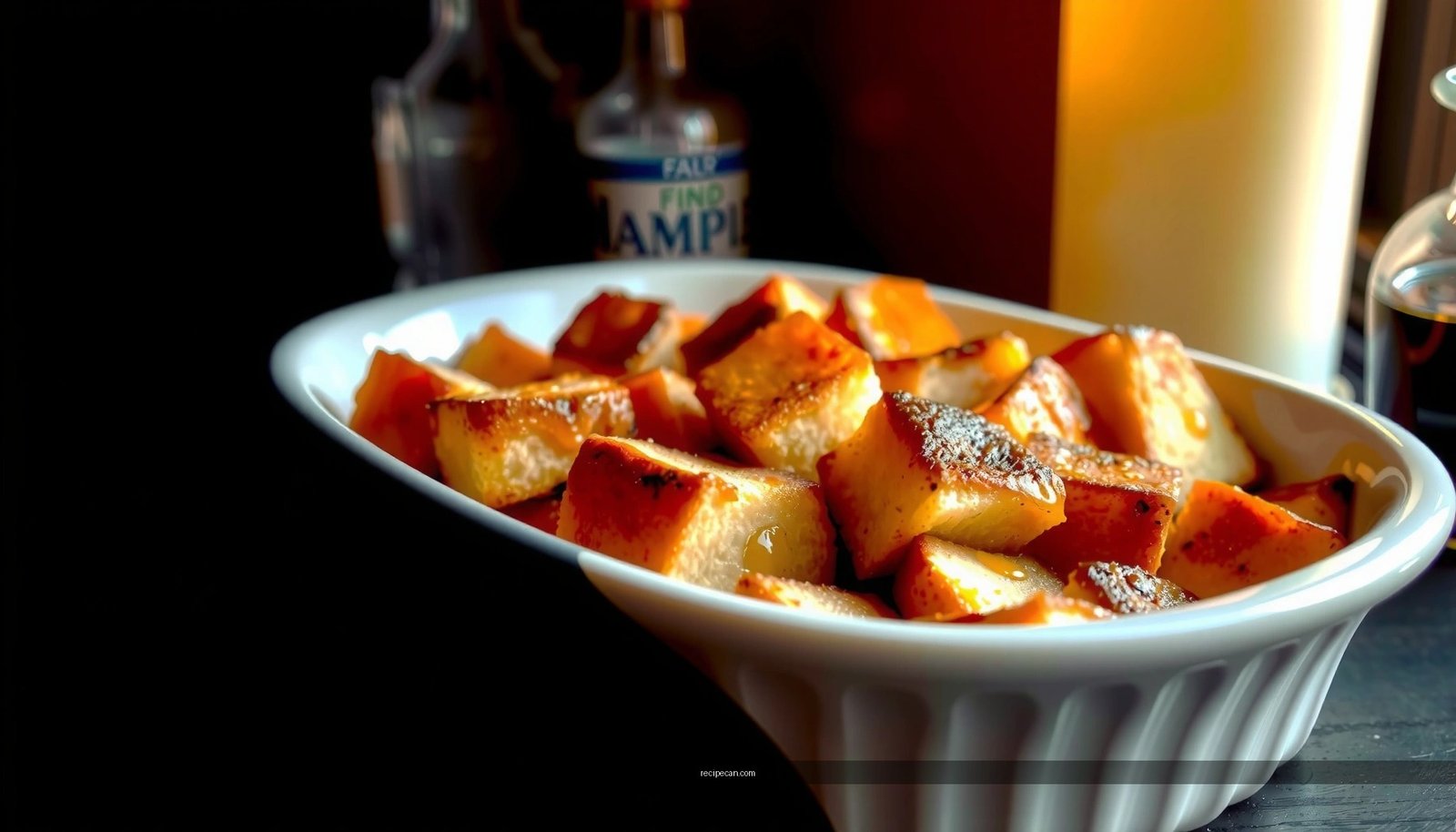
– Cut for absorption. Cube bread into uniform pieces (about ¾–1-inch). Consistent size improves custard coverage and helps the casserole bake evenly.
– Don’t pack too tightly. Spread bread in an even layer. Overpacking can block airflow and lead to a dense, underbaked middle.
– Plan for variability. Sourdough and dense multigrain will absorb differently than brioche; you may need slightly more custard for a comparable custardy result.
Batch-friendly prep tip: If you’re cooking for a team breakfast, family gathering, or weekend brunch, prepping the bread cubes the night before saves real time. Store cubed bread in an airtight container at room temperature (or refrigerate if it’s already humid in your kitchen) to keep it from drying unevenly.
Make the Custard So It Turns Out Custardy
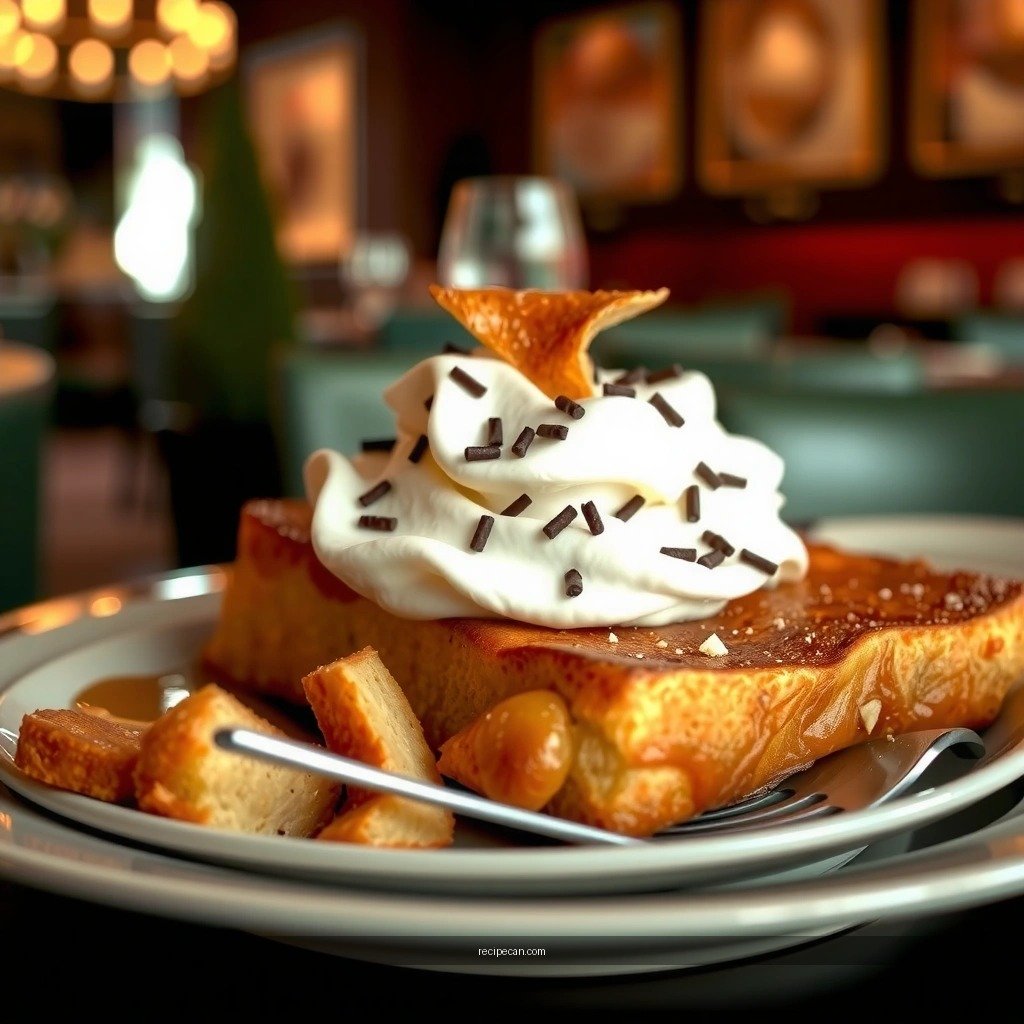
The custard is where “French toast casserole” earns its identity. A balanced mixture of eggs, milk or cream, sugar, vanilla, and cinnamon gives you a classic, bakery-style flavor and the right set when baked. Technically, eggs provide structure (they coagulate as they heat), while dairy and sugar control richness and browning.
Build a custard that sets, not just soaks
– Eggs + dairy ratio matters. More eggs generally increase firmness; more dairy can loosen the set. For most casseroles, using a consistent base custard ensures predictable results.
– Choose your dairy intentionally:
– Whole milk delivers a lighter profile and still provides excellent results.
– Half-and-half or part cream increases richness and helps edges brown more readily.
– Flavoring strategy: Cinnamon is classic, but don’t stop there. Nutmeg adds bakery depth, and orange zest brings a subtle brightness that pairs exceptionally well with berries or maple syrup.
– Salt is not optional. A small amount of salt sharpens sweetness and makes the custard taste “complete,” not flat.
Actionable custard techniques
– Whisk thoroughly for even custard distribution. Lumps of egg = uneven cooking and inconsistent texture.
– Let the custard sit 5–10 minutes. This lets cinnamon and vanilla hydrate, improving dispersion.
– Adjust sweetness thoughtfully. If you plan to serve with fruit and syrup, slightly less sugar in the custard often prevents overly sweet bites.
For a reliable crowd-friendly baked French toast casserole, aim for “custardy throughout” rather than “wet in the middle.” The goal is a firm, sliceable interior with a silky mouthfeel—achieved through proper soak time and a steady bake.
Assemble the Casserole (Soak Time Matters)
Assembly is straightforward, but soak time is the variable that separates a good casserole from an exceptional one. Bread needs time to absorb custard; if you bake immediately, the center may remain under-set. If you soak too long, the bread can become overly saturated and lose structure.
How to assemble
1. Layer bread evenly in a greased baking dish. Use a 9×13-inch dish as a common baseline for easy portioning.
2. Pour custard evenly over the top, then move it around lightly so liquid reaches corners.
3. Press gently if needed. You want contact, not compressing the bread into a dense layer.
4. Cover and refrigerate if you’re making it ahead.
Soak timing that delivers consistent results
– 2 hours (minimum): Helps the top absorb while still keeping a lighter, less custardy feel.
– 6–8 hours (ideal): Produces “just set” custard and tender bread with the most balanced texture.
– 12 hours (maximum recommended for most ovens): Still workable, especially with sturdier breads like brioche or challah, but monitor for extra-soft pockets.
Immediate bake option
If you’re short on time, assemble and rest at room temperature for 20–30 minutes before baking to jump-start absorption. Then bake a few minutes longer to ensure the center sets.
Operational advantage: This soak-and-bake design is ideal for hosting. You can prep in the evening, refrigerate overnight, and bake in the morning—no last-minute scrambling.
Bake Until Golden and Set
Baking is the finishing step where custard chemistry becomes dinner-table texture. You’re looking for a golden top, puffed sides, and a center that is set rather than wobbly. Oven performance varies, so rely on visual and tactile cues rather than time alone.
Oven temperature and cues
– Bake at a moderate-high temperature (commonly around 350°F–375°F / 175°C–190°C) to drive custard setting and browning without drying out.
– Golden, puffed top indicates heat is penetrating and eggs are coagulating properly.
– Center set: If you gently shake the dish, the center should have a slight jiggle but not look liquid.
Resting prevents runny slices
Once baked, rest the casserole for 10–15 minutes. This pause allows the custard to finish setting and makes slicing clean and consistent—especially important when serving a crowd where portions need to come out neatly.
Troubleshooting (fast diagnostics)
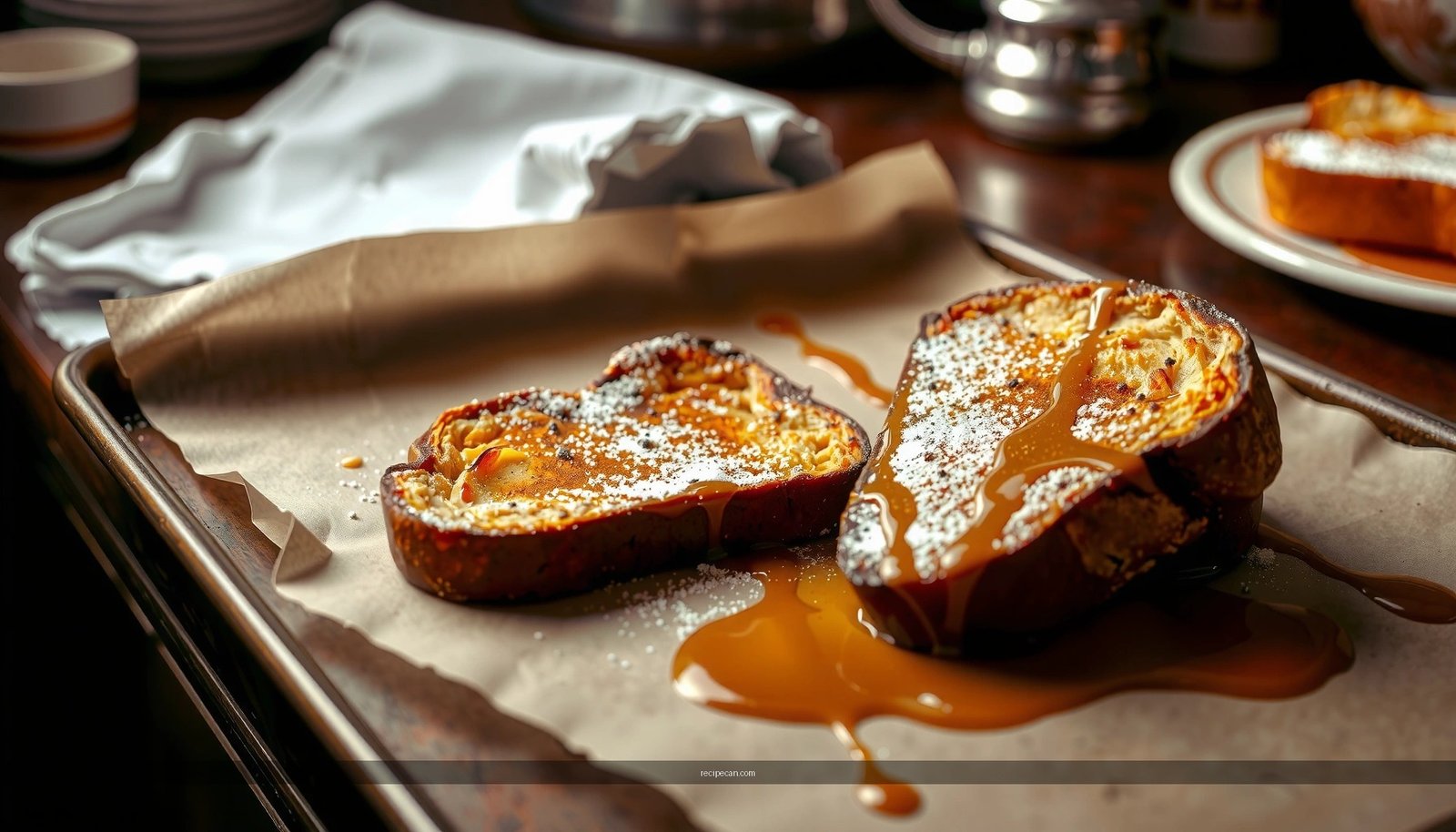
– Too pale: Increase bake time by 5–8 minutes or use a brief broil at the end (watch closely).
– Runny center: Bake longer, tent with foil if the top browns too quickly.
– Dry edges / hard top: Reduce bake time slightly next batch or increase custard ratio by a small amount (especially if using drier bread).
Make It Your Own with Toppings
A baked French toast casserole is best treated as a base system: it’s reliable, customizable, and designed for topping. Finish right before serving to preserve texture contrast—crispy edges and tender interior with fresh fruit or sauce.
Classic topping combinations
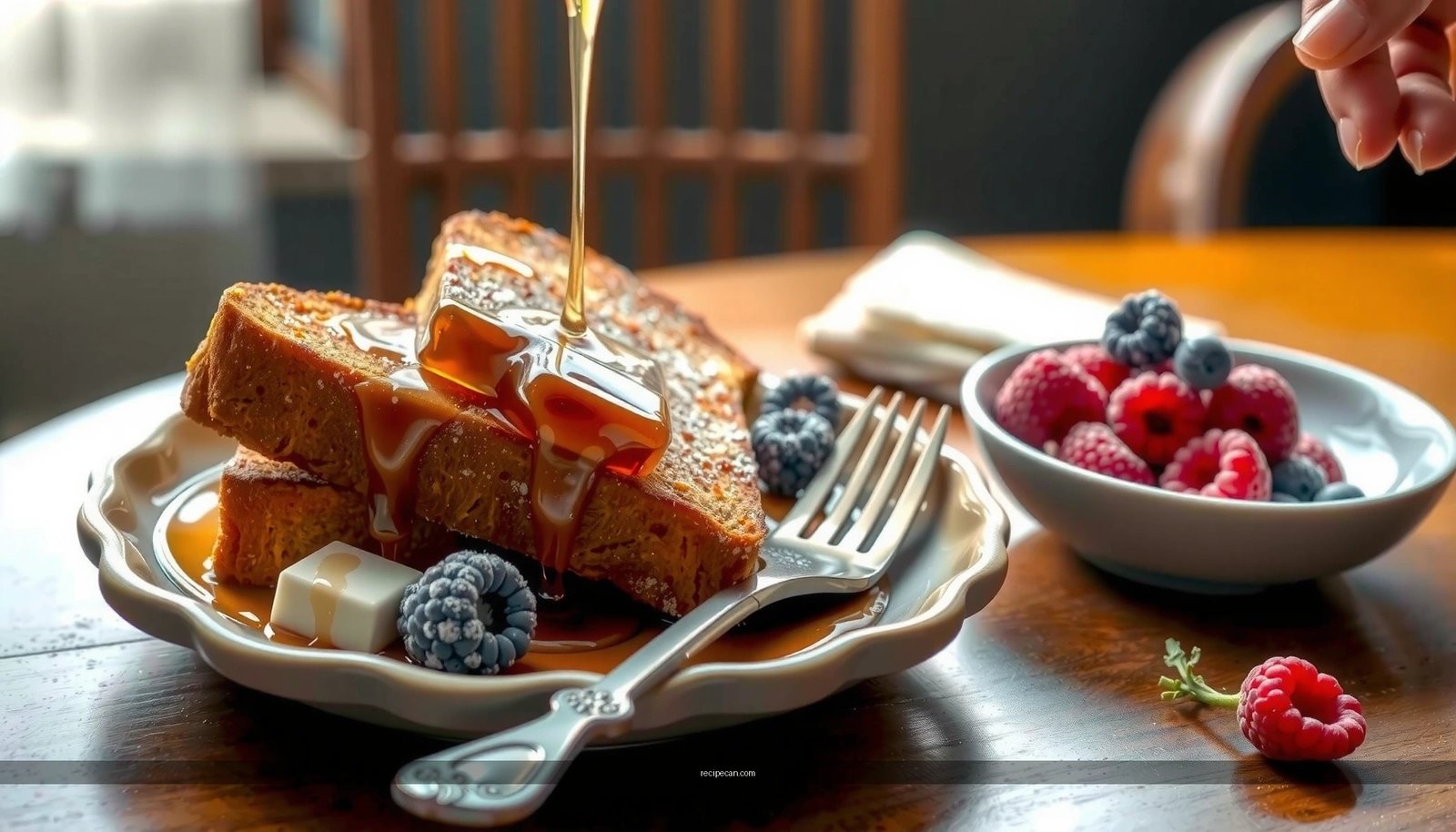
– Maple syrup + powdered sugar: Timeless and crowd-safe.
– Berries (fresh or warmed) + vanilla whipped cream: Adds brightness and a “brunch” feel.
– Warm cinnamon apple topping: Great for fall gatherings and comforting flavor profiles.
– Chocolate chips or chocolate sauce: Turns breakfast into a dessert-like experience, especially for kids and family brunch.
Flavor variation ideas
– Spiced option: Add extra cinnamon/nutmeg to the custard and top with a crumble or toasted pecans.
– Citrus-forward option: Orange zest in the custard pairs beautifully with berry compote.
– Raisin or dried fruit variation: Soak dried fruit briefly in warm water to plump, then fold into the bread before assembly.
Serving workflow tip
If you’re feeding a group, set up a toppings bar: syrup, fruit, whipped cream, and a sprinkle topping. It reduces time at the serving line and improves guest satisfaction because people self-portion what they enjoy.
Storage and Reheating Tips
Baked French toast casserole stores well because the egg-custard structure holds up after refrigeration. Proper reheating matters, though: you want to restore some crispness at the edges while keeping the center moist.
Storage
– Cool completely before covering to prevent condensation and sogginess.
– Store covered in the refrigerator for up to 3–4 days.
Reheating methods (best to worst for texture)
– Oven: Reheat at moderate temperature until warmed through. This best recreates toasted edges.
– Air fryer: Excellent for crisping edges quickly—use shorter intervals to prevent drying.
– Microwave: Fastest, but can soften the top. If using microwave, reheat in short bursts and let sit 1 minute before serving.
Make-ahead planning
If your goal is a truly low-effort morning, refrigerate overnight and bake fresh. For events with a tighter schedule, pre-portion the casserole after cooling and reheat individual portions—helpful for hotels, catering, or office breakfasts where serving speed matters.
—
This baked French toast casserole recipe is easy to prepare, designed for make-ahead convenience, and engineered to deliver golden edges with a custardy center. Choose sturdy bread, whisk a balanced custard, soak for the right window, bake until set, and finish with toppings that match your guests’ preferences. Make it this week—and next time, experiment with mix-ins like diced apples or chocolate chips to create a fresh variation without changing your core process.
Frequently Asked Questions
What is the best baked French toast casserole recipe for a crowd?
A classic baked French toast casserole uses thick bread cubes, an egg-and-milk custard, and a touch of vanilla and cinnamon, then bakes until puffed and golden. For feeding a crowd, use a larger baking dish (like a 9×13-inch) and plan for enough custard to fully soak the bread. If you want a richer texture, choose brioche or challah and let the casserole rest before baking so the bread absorbs the custard evenly.
How do you make baked French toast casserole that isn’t soggy?
To prevent sogginess, use stale or day-old bread and cut it into even cubes so they soak consistently. Let the assembled casserole sit (refrigerated if prepping ahead) until the bread is saturated, but avoid over-soaking beyond necessary time. Also bake at the right temperature and watch for doneness: the center should be set and the top should look dry and lightly crisp.
Why does my French toast casserole come out dry or rubbery, and how can I fix it?
Dry or rubbery baked French toast casserole usually happens when there isn’t enough custard, the bread is too fresh, or it’s baked too long. Make sure you use the recommended egg-and-milk ratio, and consider adding a little extra richness with cream or half-and-half if desired. If it’s already baking, check early and cover loosely with foil if the top browns faster than the center sets.
Which bread is best for baked French toast casserole—sourdough, brioche, or challah?
Brioche and challah are best because they’re tender, eggy, and hold custard without collapsing, giving that soft-yet-structured baked French toast casserole texture. Sourdough can work if it’s thick and slightly stale, but it may taste tangier and can absorb custard differently. For most people seeking an easy baked French toast casserole recipe, brioche or challah delivers the most reliable results.
How long should you bake French toast casserole, and can you make it ahead?
Bake a baked French toast casserole at about 350°F (175°C) until the center is set and the top is golden, typically around 35–45 minutes depending on your dish size. For best results, you can prep it ahead: assemble the casserole, cover, and refrigerate several hours (or overnight) so the bread absorbs the custard. If baking straight from the fridge, you may need a few extra minutes, so check the center for doneness before serving.
References
- Google Scholar Google Scholar
https://scholar.google.com/scholar?q=baked+french+toast+casserole+recipe - Google Scholar Google Scholar
https://scholar.google.com/scholar?q=french+toast+casserole+baking+custard+soak+times - Google Scholar Google Scholar
https://scholar.google.com/scholar?q=overnight+french+toast+casserole+egg+milk+ratio - French toast
https://en.wikipedia.org/wiki/French_toast - Bread pudding
https://en.wikipedia.org/wiki/Bread_pudding - https://www.foodsafety.gov/food-safety-charts/egg-safety
https://www.foodsafety.gov/food-safety-charts/egg-safety - https://www.foodsafety.gov/food-safety-charts/safe-temperatures
https://www.foodsafety.gov/food-safety-charts/safe-temperatures - Food Safety Basics | Food Safety | CDC
https://www.cdc.gov/foodsafety/foodborne-germs.html - baked french toast casserole recipe – Search results
https://en.wikipedia.org/wiki/Special:Search?search=baked+french+toast+casserole+recipe - https://www.ncbi.nlm.nih.gov/search/research-articles/?term=baked+french+toast+casserole+recipe
https://www.ncbi.nlm.nih.gov/search/research-articles/?term=baked+french+toast+casserole+recipe