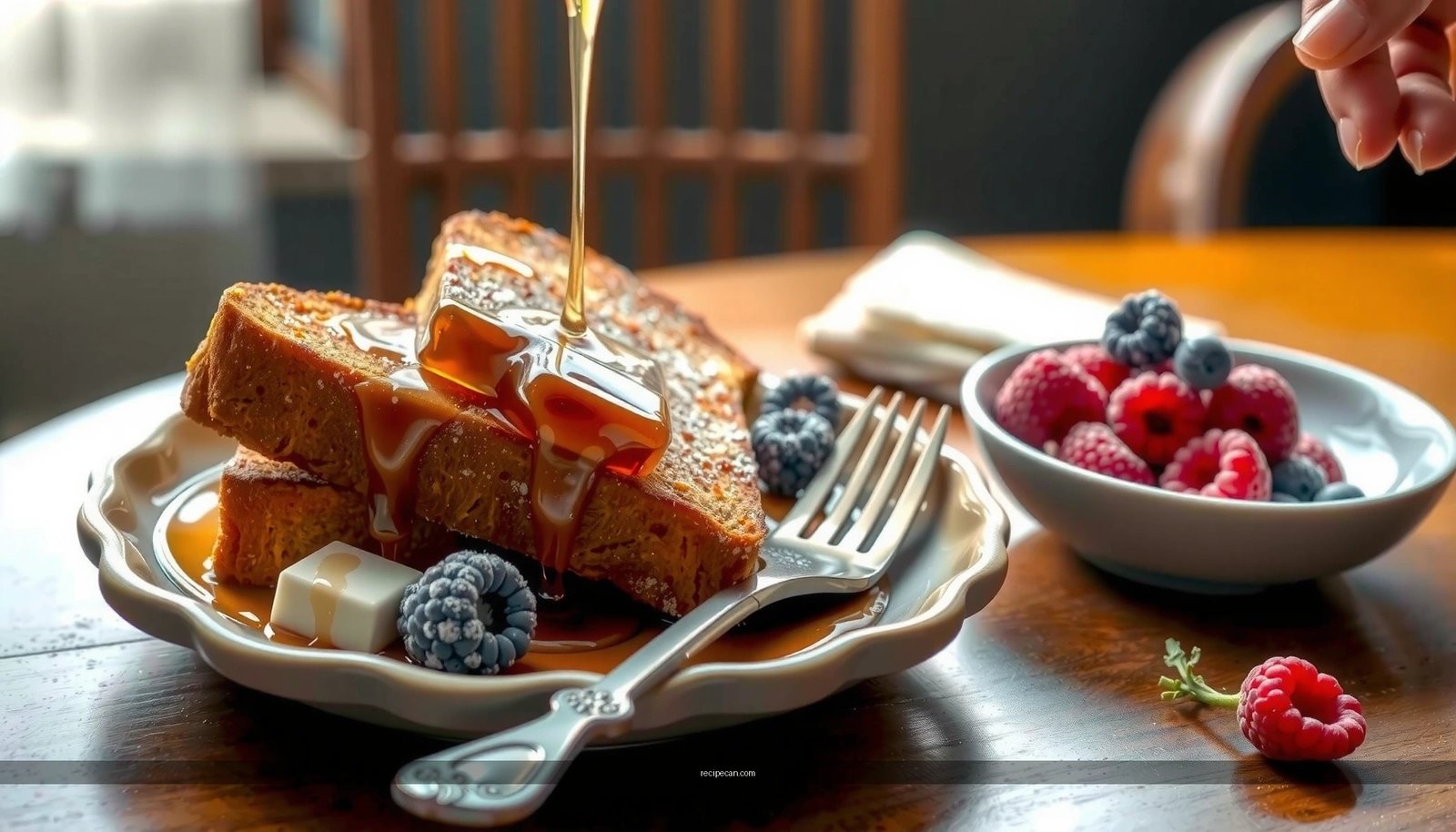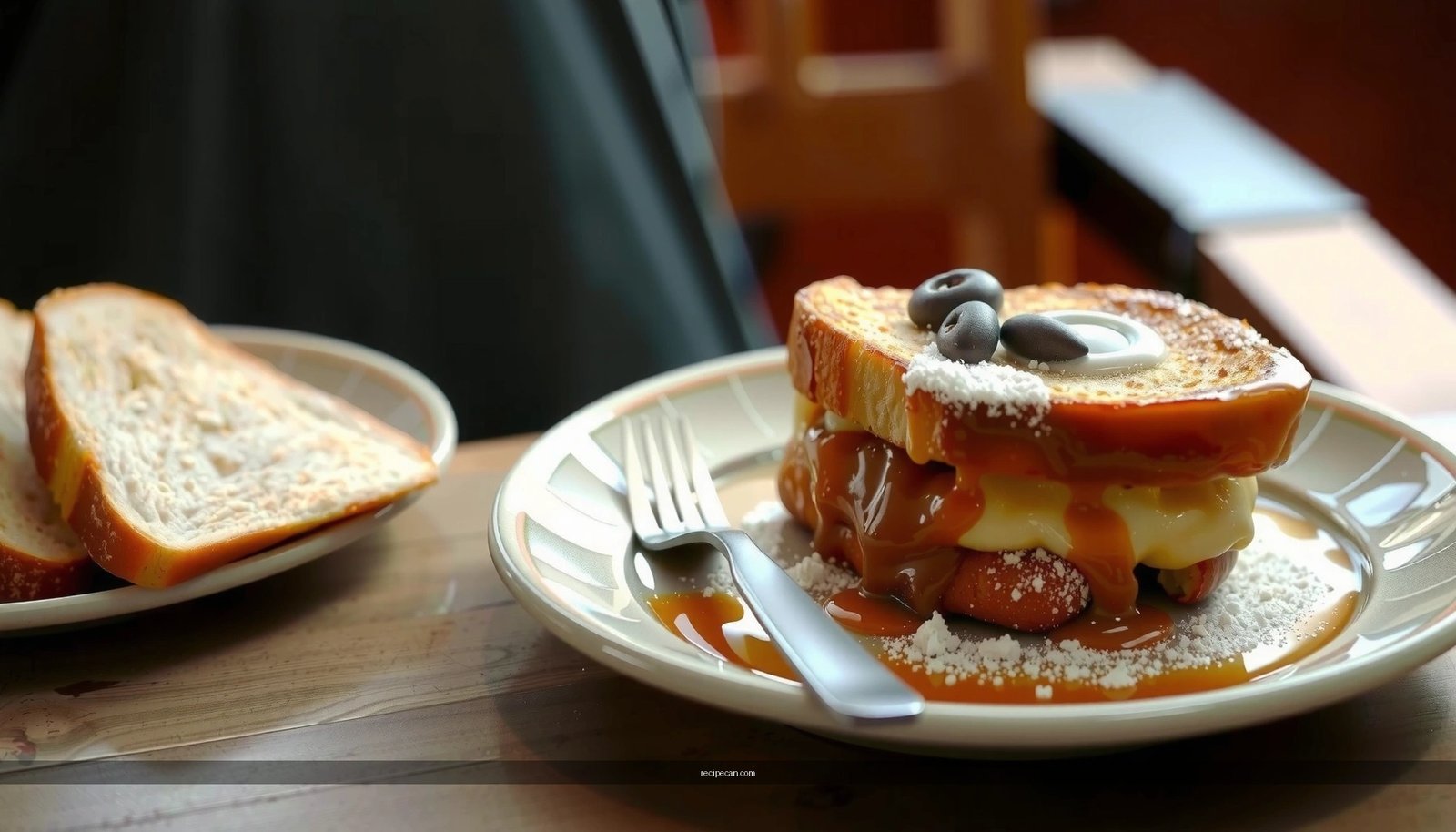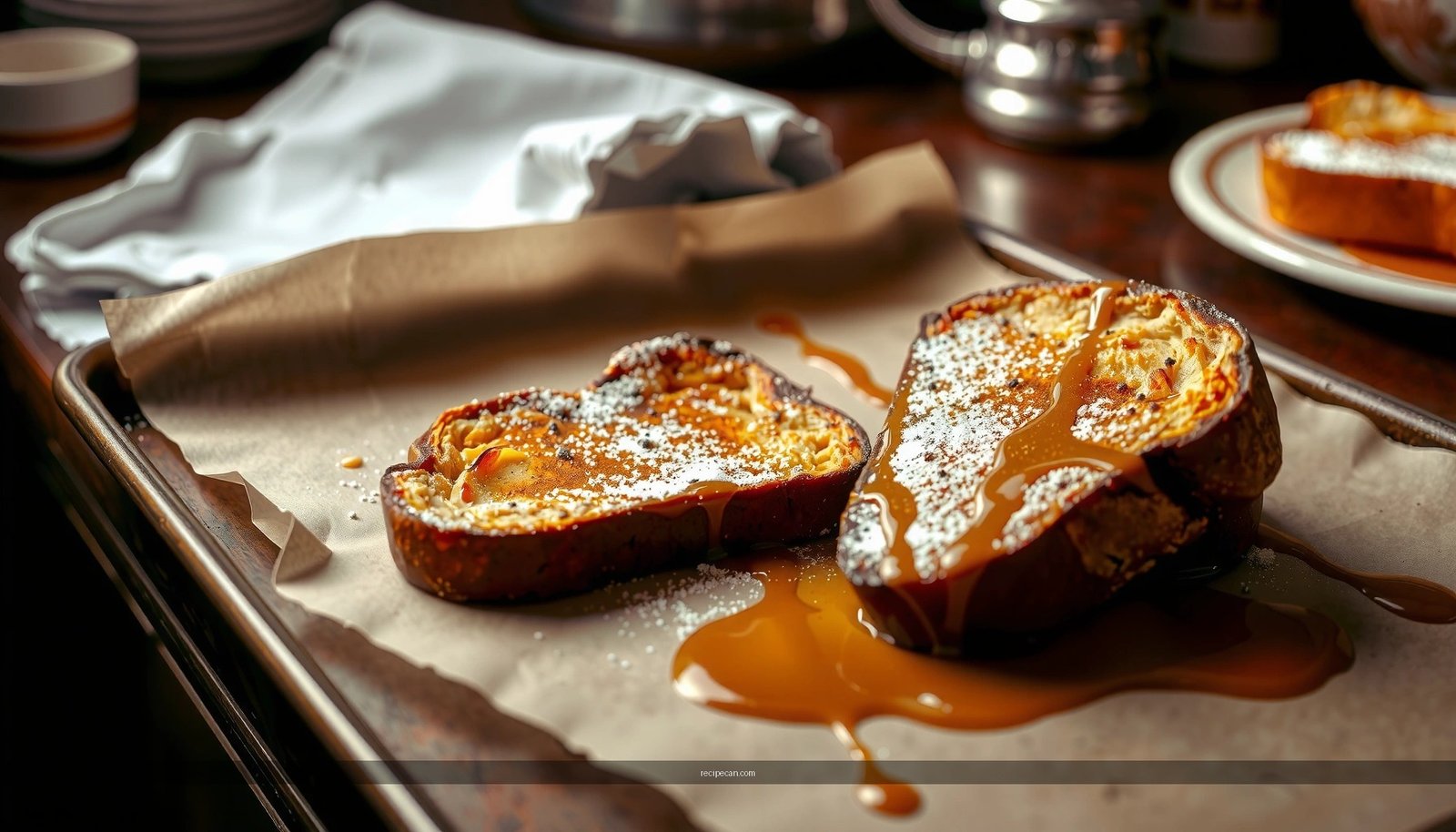
This overnight French toast recipe is the easiest way to get custardy, golden slices with minimal morning work. You’ll prep everything the night before, refrigerate, then bake for a reliably fluffy center and crisp edges. It’s the clear winner when you want make-ahead French toast that tastes like brunch—without the last-minute scrambling.
Make overnight French toast by soaking thick bread in a simple egg-and-milk custard, then refrigerating it overnight so it bakes up creamy in the center with golden edges. This easy make-ahead method is ideal for brunch planning because you can assemble the dish the night before and bake it in the morning with minimal effort.
Choose the Best Bread and Custard Base

The foundation of great overnight French toast is twofold: the bread must be sturdy enough to absorb custard without collapsing, and the custard must be balanced so the bake sets properly (not runny, not dry). When these two elements work together, you get that “custardy” slice that holds its shape while still feeling tender.
Bread choice (what holds texture):
– Thick-cut brioche or challah: These egg-enriched breads absorb custard well and naturally produce a rich, bakery-style interior.
– Day-old French bread: Slightly drier crusty loaves are excellent for overnight soaking because they absorb liquid more slowly and evenly.
– Avoid very soft white sandwich bread unless you like a softer, less defined slice. It can oversaturate and become gummy when soaked too long.
Custard base (classic and reliable):
A classic French toast custard uses:
– Eggs for structure and that set, custardy crumb
– Milk (or half-and-half) for creaminess and browning
– Sugar for subtle sweetness and caramelized edges
Recommended flavorings (warm, bakery-style):
– Vanilla (pure vanilla extract if possible) for round flavor
– Cinnamon for aroma and depth
– Optional: a small pinch of nutmeg for a more “custard dessert” profile
Analytical note: For an overnight bake, custard “set” matters. Eggs provide the protein network that firms up in the oven, while dairy supplies fat and moisture. Too little egg yields a soft, under-set center; too much yields a dense, eggy bite. The sweet spot is a balanced custard that fully hydrates the bread by morning while still baking into a sliceable pan.
Custard-to-Bread Ratios (Practical Guide)
Overnight French Toast Custard Settings by Pan Size
| # | Baking Dish | Bread Amount | Eggs | Dairy (Milk or Half-and-Half) | Custard Sweetness | Baking Outcome |
|---|---|---|---|---|---|---|
| 1 | 8×8 in (20×20 cm) | 8–10 cups cubes | 4 large | 1 cup | 1/3 cup sugar | Creamy, sliceable |
| 2 | 9×9 in (23×23 cm) | 10–12 cups cubes | 5 large | 1 1/4 cups | 1/2 cup sugar | Golden edges, set center |
| 3 | 9×13 in (23×33 cm) | 14–18 cups cubes | 7 large | 2 cups | 2/3 cup sugar | Pan-style custard richness |
| 4 | 11×7 in (27×18 cm) | 12–14 cups cubes | 6 large | 1 2/3 cups | 1/2 cup sugar | Balanced custard-to-bread |
| 5 | 12 cupcakes (or small dish) | ~9 cups torn bread | 4 large | 1 cup | 1/4 cup sugar | Portion-controlled tenderness |
| 6 | Low-and-wide casserole | Increase bread by ~10% | Use ratio above | Keep liquid level even | Reduce sugar by 1–2 tbsp | Less sogginess, more crust |
| 7 | Very tall/packed layers | Do not overfill | +1 egg vs average | +1/4 cup dairy | Keep sugar at 1/3–1/2 cup | Prevents under-set center |
Make-Ahead Soak: Assemble and Refrigerate

Overnight French toast is essentially a controlled hydration process. You want every bread cube to contact custard and soften evenly, without breaking down into paste. The overnight rest lets the bread pull custard into its interior, so when you bake, you’re drying and setting the custard rather than trying to “cook” it from the outside in.
Step-by-step assembly:
1. Grease your dish (light coating of butter or nonstick spray). This helps edges release cleanly.
2. Cut or cube the bread into thick pieces (about 3/4–1 inch). Uniform sizing = uniform absorption.
3. Arrange in a single even layer, filling corners and gaps so custard reaches all surfaces.
4. Whisk custard until smooth: eggs, milk/half-and-half, sugar, vanilla, cinnamon.
5. Pour custard slowly over top until the bread looks evenly soaked and the liquid level is close to the top of the bread (it doesn’t need to be fully submerged, but coverage matters).
6. Press gently with a spatula or your hand (with a towel) to encourage contact—just avoid compressing the bread so much that it tears.
Refrigerate for the right window:
– Minimum: 8 hours (gives time for absorption)
– Ideal range: 12–16 hours
– Maximum: up to 24 hours (beyond that, bread can over-soften and the texture becomes less distinct)
Practical planning tip: If you’re baking for a crowd, assemble the dish the night before, then set a timed reminder to pull it from the refrigerator about 20–30 minutes before baking. This promotes more even cooking through the center.
Optional Add-Ins for Flavor and Texture
Add-ins are where overnight French toast becomes “your recipe,” but there are trade-offs. Dense add-ins can absorb moisture and slightly change the bake’s set, so choose them intentionally.
Common, well-behaved mix-ins (add before soaking):
– Raisins: classic sweetness; use about 1/2 to 3/4 cup for a standard 9×13 pan.
– Chocolate chips: fold in lightly so they don’t cluster too heavily in one spot.
– Diced apples: use firm apples (like Honeycrisp or Granny Smith) to prevent them from turning watery.
Seasoning balance:
– Add a pinch of salt to keep sweetness from tasting flat. Salt also enhances vanilla and cinnamon perception.
Cinnamon-sugar crust enhancement:
If you want extra “bakery” contrast:
– Sprinkle a thin cinnamon-sugar layer over the bread before pouring custard, *or* add it to the top just after pouring.
– This creates a lightly caramelized top when baked, especially once uncovered.
Analytical perspective: Mix-ins generally affect two outcomes—(1) moisture distribution and (2) sweetness perception. Drier mix-ins (some nuts, dried fruit) tend to hold structure well. Wetter mix-ins (fresh fruit) may increase steam and soften edges, which can be desirable if you prefer a more tender bite.
Bake to Golden, Custardy Perfection
Baking is where the make-ahead work pays off. Your job is to set the custard evenly without drying the center, then brown the top for that appetizing French-toast look.
Recommended baking approach: covered, then uncovered
– Cover and bake first so the custard sets gently and the bread hydrates fully from the inside.
– Uncover near the end to brown the top and crisp the edges.
How to know it’s done (visual and tactile checks):
– Edges: should look golden and slightly puffed.
– Center: should be set—there should be no visible liquid custard when you gently jiggle the pan.
– Top: lightly browned, not dark or dry.
Timing (use as a baseline, not a rule):
– 9×13 dishes typically bake around 35–50 minutes total, depending on thickness and how tightly the bread is packed.
– For thicker or more densely packed layers, extend time in 5–10 minute increments.
Rest matters
Let the baked French toast rest 5–10 minutes. This allows custard to finish setting. Cutting immediately can cause slices to ooze.
Toppings and Serving Ideas
Toppings are the final lever for balancing texture—contrast matters. Creamy custard pairs best with something sweet, something fresh, or something crunchy.
Classic, high-impact options:
– Maple syrup: pours cleanly over set custard and complements cinnamon.
– Fresh berries: add brightness and acidity, which prevents the dish from tasting one-note.
– Powdered sugar: quick, elegant finish.
For richer brunch presentations:
– Whipped cream for a softer, dessert-like bite
– Caramel drizzle if you want a deeper, more indulgent flavor profile
Beverage pairing (practical menu logic):
– Coffee (especially medium roast) complements caramelized edges
– Fresh juice (orange or berry) cuts through richness and refreshes the palate
Serving workflow tip: For large groups, plate from the outer sections first (those bake slightly faster) and keep the center slices warm, covered loosely with foil.
Storage and Reheating Tips
Overnight French toast keeps well because it’s already baked custard—your goal on reheating is to restore warmth and avoid sogginess.
Refrigeration:
– Store leftovers covered in the refrigerator for up to 3 days.
Reheating (best methods):
– Oven or toaster oven: reheat at a moderate temperature until warmed through. This helps preserve edge texture.
– Microwave: works in a pinch, but it can soften edges and slightly increase moisture. If using the microwave, reheat in short bursts and avoid overcooking.
Freezing (for future breakfasts):
– Freeze baked portions after cooling completely.
– Wrap tightly and label with date.
– Reheat from frozen in an oven/toaster oven until hot and fragrant.
Quality expectation: Reheated slices may be slightly less crisp than fresh-baked, but the custardy center remains satisfying—especially when reheated with a brief oven warm-up instead of microwave-only.
French toast gets effortless when you prep it the night before—bread soaks up custard fully, and the morning bake delivers golden edges with a set, creamy center. Choose a sturdy bread, follow the soak and refrigeration window, bake covered then uncovered, and finish with toppings that balance sweetness and brightness. Make this overnight French toast recipe tonight, and wake up to an easy, crowd-pleasing brunch.
Frequently Asked Questions
How do I make an overnight French toast recipe that soaks evenly?
Cut bread into thick slices (about 1 to 1.5 inches) so it can absorb the custard without turning mushy. Use day-old brioche or challah and refrigerate after assembling so the mixture hydrates the bread slowly. Pour the egg mixture over the bread, press gently, and let it rest at least 8 hours, then bake for a hot, set custard result. For extra even soaking, rotate the baking dish halfway through the soaking time if your bread is dense.
What’s the best bread for an overnight French toast casserole?
The best bread for overnight French toast is brioche or challah because their rich texture absorbs custard well and stays tender. Sourdough can work if it’s sturdy and slightly stale, but avoid very soft sandwich bread or it may collapse. If you only have fresh bread, lightly toast it or cube and dry it for 10–15 minutes so the egg mixture penetrates properly. Bread that’s a day or two old usually delivers the best flavor and structure.
Why does my overnight French toast turn soggy, and how can I fix it?
Sogginess usually comes from too much custard, bread slices that are too thin, or soaking for too long at room temperature. Use the right overnight French toast ratio (enough egg mixture to coat without drowning), keep the dish refrigerated during the soak, and use thick-cut bread for better absorption. If it’s already assembled, you can fix texture by increasing bake time until the center is set and the top is golden. Topping with a crisp layer—like butter and a light sprinkle of sugar—also helps counter sogginess.
Which custard mixture is best for overnight French toast—milk, cream, or half-and-half?
For a classic overnight French toast recipe, use a balanced custard like whole milk plus eggs, or half-and-half for a richer, creamier texture. Heavy cream creates a very indulgent casserole but can be too rich if you overload the dish with liquid. Add vanilla extract and cinnamon for flavor, and whisk thoroughly so the eggs fully emulsify with the dairy. Let the custard soak into the bread in the refrigerator to achieve that custardy interior with a lightly crisp top.
How long should overnight French toast bake, and what temperature works best?
Bake your overnight French toast at 350°F (175°C) until the custard is puffed and the center is set, typically 35–55 minutes depending on thickness and how much bread you used. If the top browns too quickly, loosely cover with foil during the last part of baking. For food safety and doneness, aim for an internal temperature of about 160°F in the center, especially when using thicker bread slices. Let it rest 5–10 minutes before serving so the overnight French toast slices hold together.
References
- French toast
https://en.wikipedia.org/wiki/French_toast - Bread pudding
https://en.wikipedia.org/wiki/Bread_pudding - https://www.britannica.com/topic/French-toast
https://www.britannica.com/topic/French-toast - Google Scholar Google Scholar
https://scholar.google.com/scholar?q=overnight+french+toast - Google Scholar Google Scholar
https://scholar.google.com/scholar?q=French+toast+custard+soaking+bread - Google Scholar Google Scholar
https://scholar.google.com/scholar?q=overnight+soaked+bread+egg+custard+food+safety - https://www.cdc.gov/foodsafety/keeping-food-safe.html
https://www.cdc.gov/foodsafety/keeping-food-safe.html - https://www.fsis.usda.gov/food-safety/safe-food-handling-and-preparation/food-safety-basics/keeping-food-safe-cold-hot
https://www.fsis.usda.gov/food-safety/safe-food-handling-and-preparation/food-safety-basics/keeping-food-safe-cold-hot - https://www.fda.gov/food/foodborne-pathogens-safety/keeping-food-safe-and-fresh-eggs
https://www.fda.gov/food/foodborne-pathogens-safety/keeping-food-safe-and-fresh-eggs - https://www.who.int/activities/five-keys-to-safer-food
https://www.who.int/activities/five-keys-to-safer-food