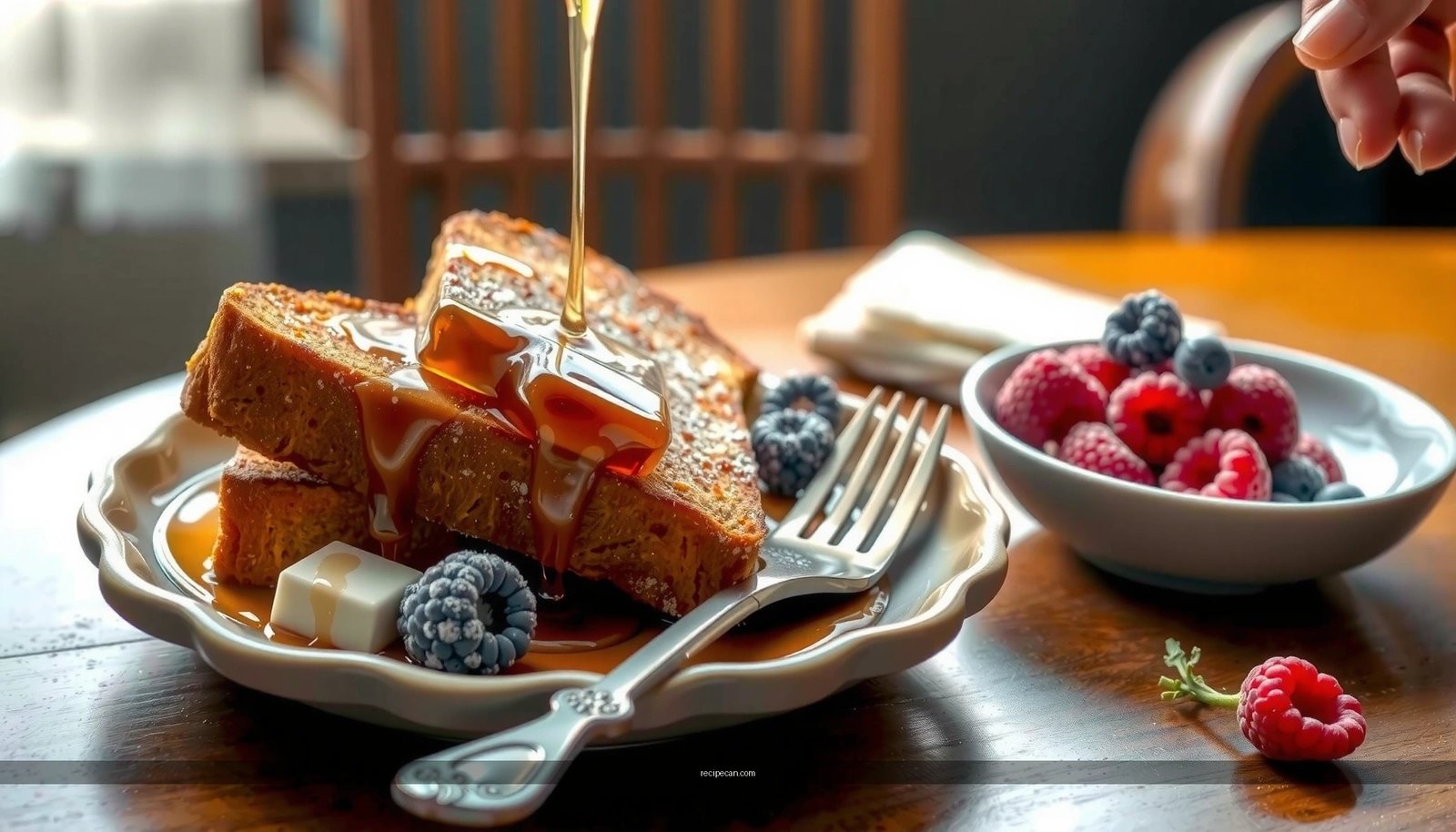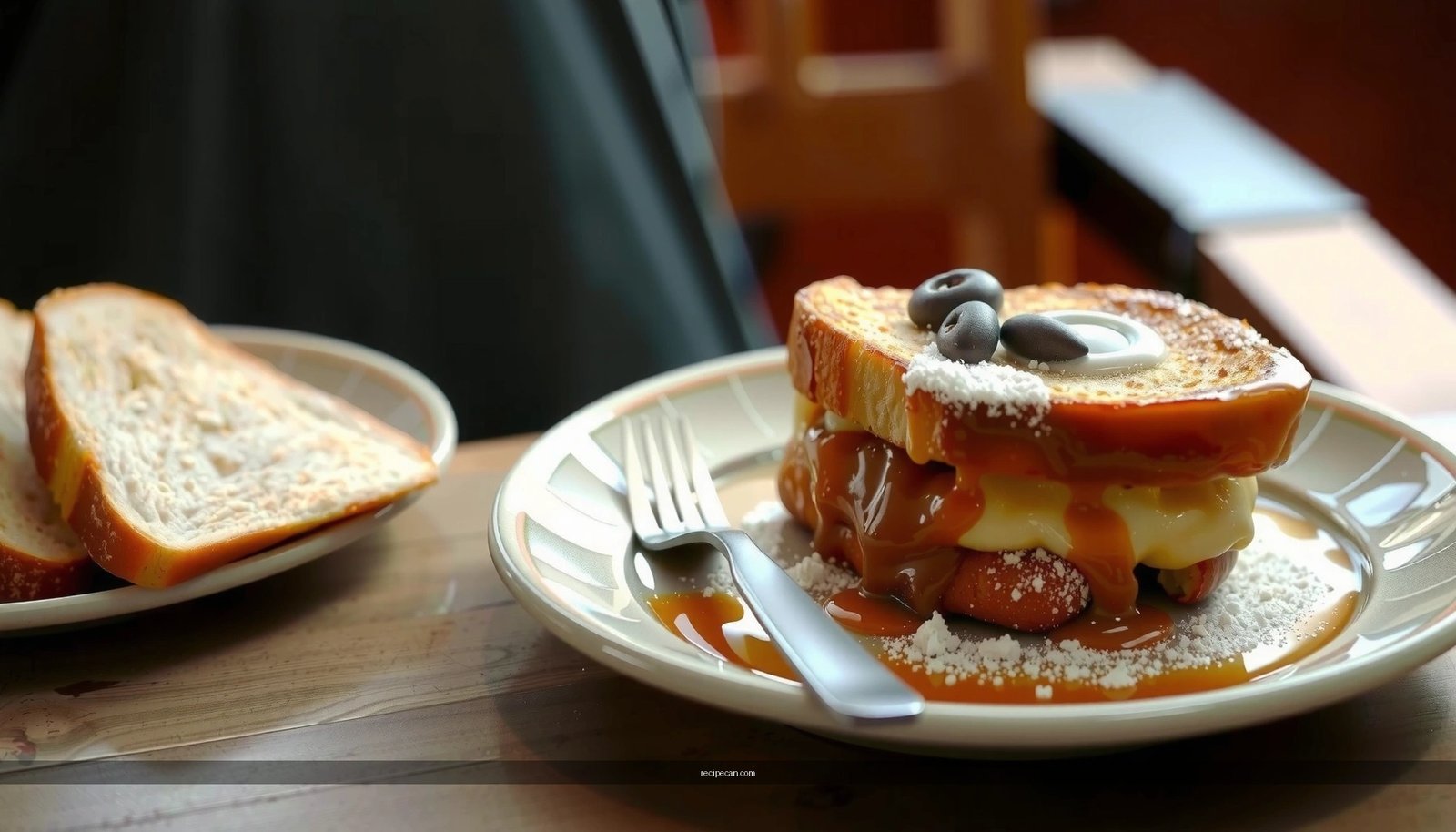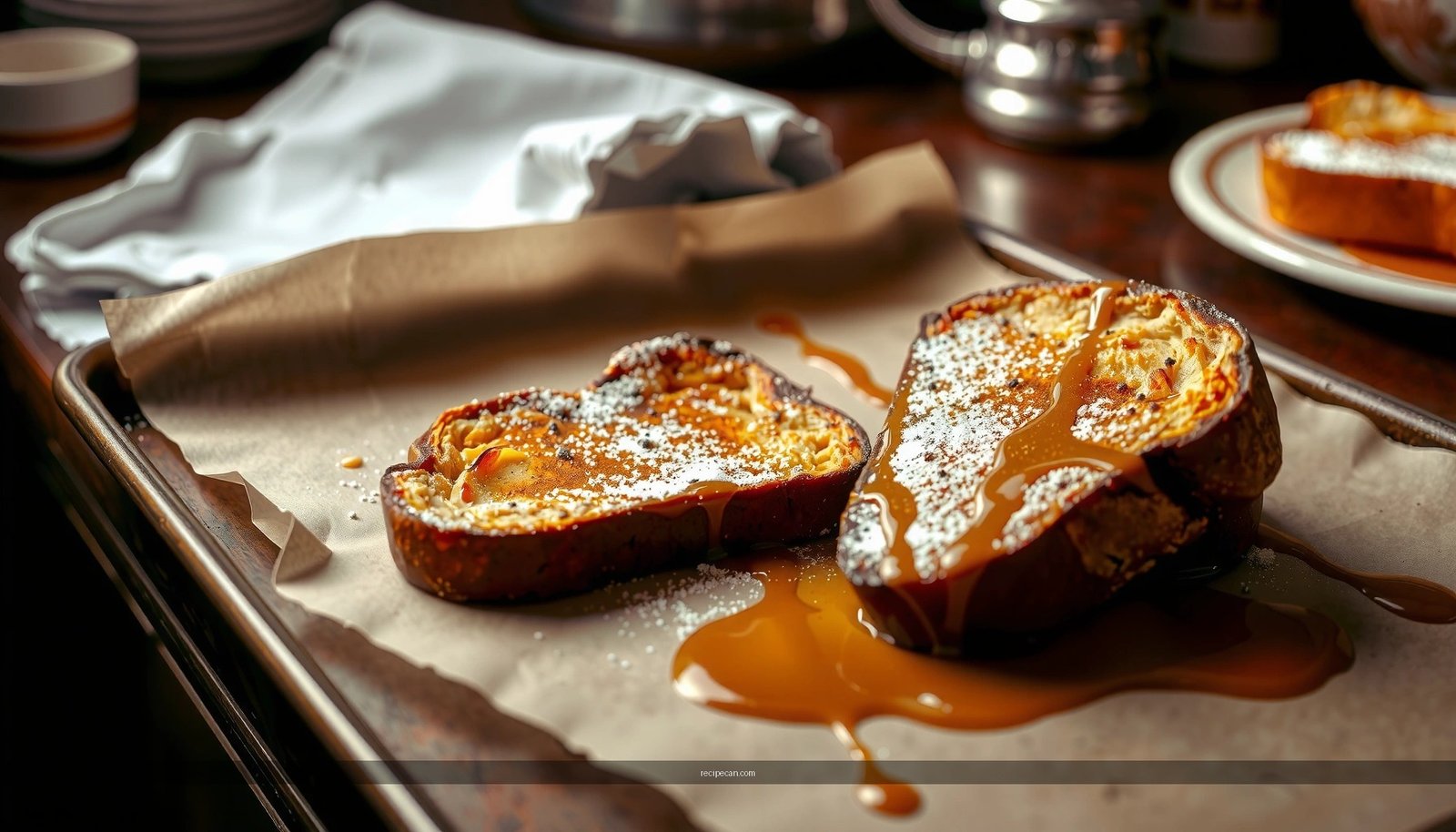
This overnight baked French toast recipe delivers the easiest hands-off make-ahead breakfast with a crisp top and custardy center. If you want a reliable way to prep the dish the night before, pour the custard over bread, and wake up to a ready-to-bake casserole, this is the clear winner. You’ll get straightforward timing and a proven method so the result comes out evenly set every time.
Overnight baked French toast is the simplest way to get a bakery-style breakfast at home: assemble it the night before, refrigerate while the bread absorbs custard, then bake until golden and custardy. This guide will help you choose the right bread, nail the soaking time, and follow foolproof bake instructions so your morning is stress-free and your results are consistently crowd-pleasing.
Choose the Best Bread for Overnight Baked French Toast
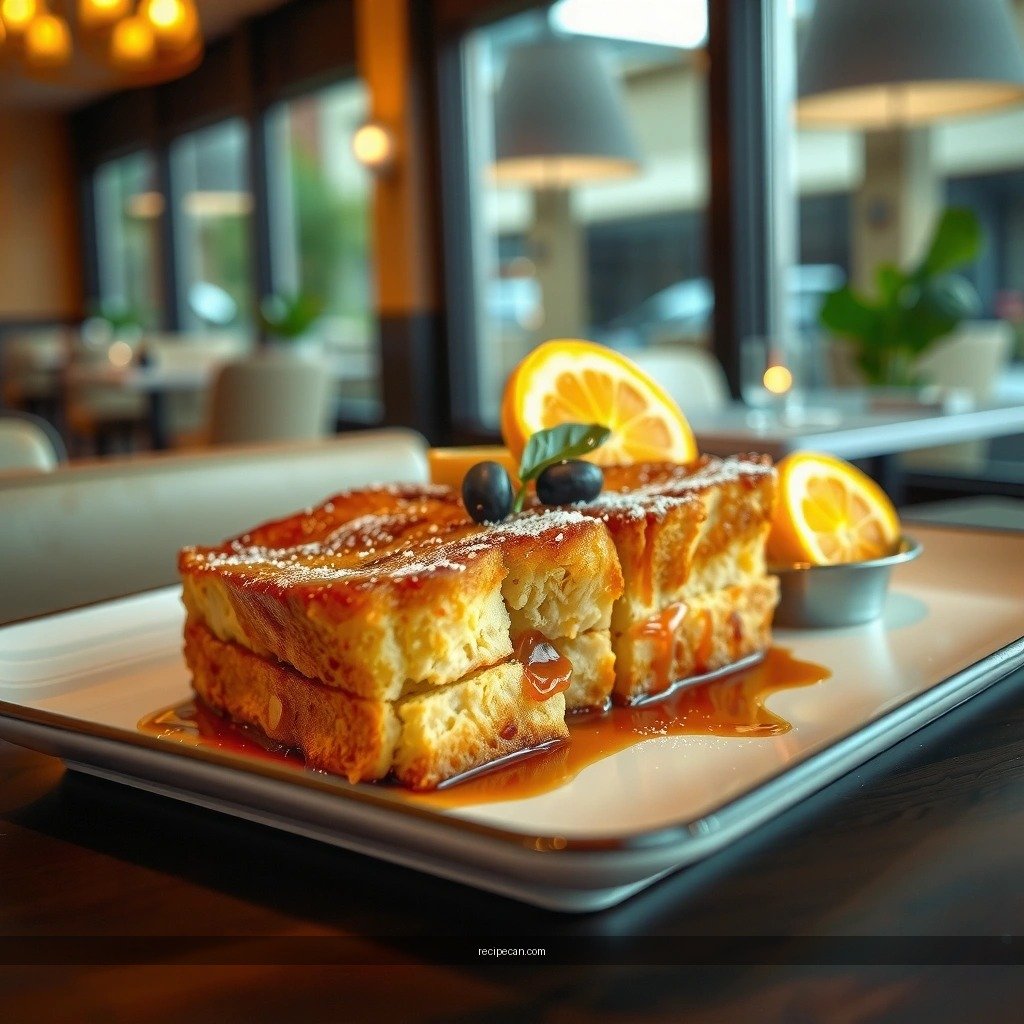
For overnight baked French toast, bread selection is the difference between tender custard and soggy disappointment. You want bread with enough structure to hold custard during refrigeration, while still softening through the center during baking.
– Use sturdy bread like brioche, challah, or thick-cut French bread
– Brioche and challah bring natural richness (buttery, eggy flavor) that makes the finished toast taste “special” without extra work.
– Thick-cut French bread (or a hearty country loaf) offers a more classic, slightly chewy texture—especially if you prefer less sweetness and more bread-forward flavor.
– Slice evenly so every piece soaks at the same rate
– Aim for slices around 3/4-inch to 1-inch thick.
– If slices vary in thickness, some pieces will over-soak (turning mushy) while others under-soak (staying bready).
Practical sizing guidance (so it bakes evenly)
If you’re serving a crowd, resist the urge to cram the baking dish too tightly. Bread needs contact with custard. As a rule, place slices so there are minimal gaps, but don’t stack them higher than a single layer.
Best Bread Choices for Overnight Baked French Toast (Texture + Soak Tolerance)
| # | Bread Type | Custard Absorption | Refrigeration Soak Tolerance | Best Texture Outcome | Rating |
|---|---|---|---|---|---|
| 1 | Brioche | High (rich custard) | Excellent (stays tender) | Creamy center | ★★★★☆ |
| 2 | Challah | High (even soak) | Excellent (uniform slice behavior) | Silky custard | ★★★★☆ |
| 3 | Thick-Cut French Bread | Medium-High | Very Good (handles overnight well) | Custardy with chew | ★★★☆ |
| 4 | Texas Toast (Brioche-Style) | High (bakes soft) | Good (use thicker slices) | Soft, spoonable | ★★★☆ |
| 5 | Sourdough (Hearty) | Medium (slower soak) | Good (add time if needed) | Firm edges, custard center | ★★★☆ |
| 6 | White Sandwich Bread | Very High | Fair (can turn mushy) | Soft, less structured | ★★☆☆☆ |
| 7 | Pumpernickel / Rye | Medium | Very Good (unique flavor) | Spiced, savory-leaning | ★★★☆ |
Make the Custard Soak (Eggs, Milk, and Flavor)

Custard is the engine of overnight baked French toast. You’re not just “dunking” bread—you’re creating an egg-milk emulsion that sets in the oven and turns into that tender, custardy interior.
– Whisk eggs, milk (or half-and-half), sugar, and vanilla until smooth
– For a rich, classic result, use whole milk or half-and-half.
– Whole milk yields a lighter custard; half-and-half gives a creamier, more luxurious mouthfeel.
– Whisk until the sugar fully dissolves—grainy sugar can create uneven sweetness.
– Add cinnamon and a pinch of salt for balanced flavor
– Cinnamon adds warmth, but a pinch of salt makes the custard taste complete rather than flat.
– Optional: a small squeeze of orange or a dash of nutmeg can elevate the flavor, especially with brioche or challah.
Custard ratio you can rely on
A dependable starting point for a typical 9×13-inch baking dish is:
– 8 large eggs
– 2 to 2½ cups milk or half-and-half
– 1/2 to 3/4 cup sugar
– 1 to 2 teaspoons vanilla
– 1 to 2 teaspoons ground cinnamon
– Pinch of salt
If you prefer a less sweet breakfast, reduce sugar slightly; if you’re serving with syrup, you can keep sweetness moderate in the bake and let toppings carry the rest.
Assemble and Soak Overnight (So It Bakes Perfectly)
The goal of overnight soaking is consistency: every piece of bread should absorb custard, and the dish should be evenly saturated before it ever hits the oven.
– Arrange bread in a baking dish and pour custard evenly over top
– Use a dish large enough that bread sits in a single layer or shallow layers without compressing.
– Pour custard slowly over the bread so liquid reaches edges and corners.
– If you’re adding fruit (like berries) or chocolate (like chips), do it now so they mingle with the custard as it hydrates.
– Cover and refrigerate for at least 6 hours (overnight is best)
– Overnight refrigeration (about 8 to 12 hours) produces the most even set.
– If you only soak for 4–5 hours, thick bread may bake correctly on the outside but remain under-custarded in the center.
– Refrigeration also prevents the eggs from “cooking” prematurely—critical for food safety and texture.
Avoid the two most common soak problems
1. Too little soak time → centers bake dry or bread-forward.
2. Over-soaking with overly soft bread (like sandwich bread) → custard turns to porridge-like softness.
Bake to Golden Perfection
Baking is where the custard sets and the top transforms from pale to beautifully golden. A two-stage bake (covered, then uncovered) is the secret to tender interiors and a crisp, caramelized surface.
– Bake covered first, then uncover to crisp the top
– Cover with foil for the initial phase so the center heats gently and sets without drying out.
– Uncover for the final phase to drive off surface moisture and encourage browning.
– Look for set centers and a deep golden-brown finish
– The French toast is done when the custard looks set (not jiggly) and the top is golden.
– If your dish is thicker or your bread is very dense, add a few minutes and check doneness by feel and appearance rather than by the clock alone.
Reliable bake checkpoint (so it’s foolproof)
– Covered phase: until the center is hot and custard has visibly thickened.
– Uncovered phase: until the top is browned and slightly crisp at the edges.
If you want a more precise method, insert a knife into the center—if it comes out clean and the interior looks custardy rather than wet, you’re ready to serve.
Serving Ideas and Toppings
Overnight baked French toast is a flexible platform: the base is rich, and toppings let you shift the flavor profile from classic to indulgent to “lighter but still satisfying.”
– Classic options: maple syrup, powdered sugar, and fresh berries
– Maple syrup is the obvious pairing—its caramel notes complement cinnamon and vanilla.
– Berries add acidity that cuts through richness, especially with brioche or challah.
– For extra flavor: whipped cream, toasted nuts, or a cinnamon glaze
– Toasted pecans or almonds add crunch and deepen flavor.
– Cinnamon glaze (simple powdered sugar + milk + cinnamon) turns the dish into a brunch centerpiece.
– For a more “restaurant” presentation, drizzle syrup in a thin line rather than pouring heavily—this prevents pooling in the bottom.
Add-in ideas that work particularly well
– Diced apples (tossed with cinnamon) for a warm fall vibe
– Banana slices for a softer, sweeter bite
– Chocolate chips if you want a dessert-like breakfast—just keep the amount moderate so the custard sets cleanly
Storage and Reheating Tips
One of the best things about overnight baked French toast is that leftovers still taste intentional—not like reheated bread pudding.
– Refrigerate leftovers in an airtight container for up to 3 days
– Cool the dish first (don’t seal while hot), then refrigerate.
– Store in portions if you anticipate grabbing quick servings.
– Reheat in the oven or toaster oven to keep the edges crisp
– Reheating in an oven maintains structure and keeps the top from turning rubbery.
– For best results, warm until heated through; avoid microwaving if you want to preserve that crisp edge-to-custard contrast.
Quick reheating guidance
– Toaster oven/oven: best for crisp edges
– Microwave (only if needed): cover loosely and heat in short bursts to reduce sogginess
Key takeaways for a dependable overnight bake
At a process level, this recipe succeeds because it controls three variables: bread structure, custard absorption, and bake moisture management. Choose sturdy bread, soak overnight for even hydration, then bake covered to set the custard before uncovering to brown the surface.
When you follow those steps, your overnight baked French toast becomes a repeatable routine—ideal for busy mornings, hosting, and meal planning.
After one soak and a simple bake, you’ll have tender, custardy overnight baked French toast ready whenever you want. Pick your favorite bread, respect the overnight refrigeration step, and bake until golden—then serve with your preferred toppings. Make it this week, and next time try a new flavor add-in or topping combination to keep your breakfast routine fresh.
Frequently Asked Questions
What is the best overnight baked French toast recipe for a crowd?
The best overnight baked French toast recipe uses a thick, sturdy bread (like brioche or challah), an even egg-and-milk custard, and a good soak time so every slice is tender. Assemble the casserole the night before, refrigerate it, and then bake in the morning for a hands-off breakfast. Add vanilla, cinnamon, and a touch of sugar for classic flavor, and top with fruit or maple syrup right after baking.
How do you make overnight baked French toast without it getting soggy?
To avoid sogginess, cut bread into thick cubes or slices so it absorbs custard without collapsing, and use the right custard ratio (about 1:1 milk-to-egg with enough richness for bread to set). Make sure the casserole is fully soaked in the fridge for several hours, not at room temperature, which prevents uneven texture. Bake until the center is set and the edges are golden, then let it rest 5–10 minutes before serving.
Why does overnight baked French toast come out dry, and how can you fix it?
Dry French toast usually means the bread didn’t absorb enough custard or it baked too long, especially if the cubes/slices are too small or the casserole is shallow. Increase custard slightly (or ensure even coverage) and confirm the dish chills long enough—typically 8–12 hours—for consistent soaking. Bake covered at first if it’s browning too fast, then uncover to finish so the interior stays creamy.
Which bread works best for overnight baked French toast?
Brioche, challah, and French bread are top choices because they hold up well to an overnight soak and produce a custardy, custard-set center. Day-old bread works best for overnight baked French toast since it absorbs the egg mixture without turning gummy. If you use a lighter bread like sandwich bread, expect a softer texture and consider using thicker slices and slightly longer soak time.
How long should you refrigerate overnight baked French toast before baking?
For the best results, refrigerate assembled overnight baked French toast for at least 8 hours and up to 12–14 hours, so the custard fully penetrates the bread. If you only have a shorter window, aim for 4–6 hours, but expect less custardy texture. Bake straight from the fridge (or let it sit briefly while the oven preheats) to help the casserole cook evenly.
References
- French toast
https://en.wikipedia.org/wiki/French_toast - https://www.britannica.com/food/french-toast
https://www.britannica.com/food/french-toast - Google Scholar Google Scholar
https://scholar.google.com/scholar?q=overnight+baked+french+toast+recipe - Google Scholar Google Scholar
https://scholar.google.com/scholar?q=overnight+egg+bread+soak+custard+baking+science - Google Scholar Google Scholar
https://scholar.google.com/scholar?q=food+safety+egg+based+casseroles+refrigeration+time - Eggs | Food Safety and Inspection Service
https://www.fsis.usda.gov/food-safety/safe-food-handling-and-preparation/eggs - https://www.fda.gov/food/buy-store-serve-safe-food/keep-food-safe
https://www.fda.gov/food/buy-store-serve-safe-food/keep-food-safe - Preventing Food Poisoning | Food Safety | CDC
https://www.cdc.gov/foodsafety/keep-food-safe.html - Promoting safe food-handling behaviours
https://www.who.int/foodsafety/areas_work/food-hygiene/en/ - https://www.usda.gov/media/blog/2013/08/02/food-safety-fridge-temperature-and-storage-guidelines
https://www.usda.gov/media/blog/2013/08/02/food-safety-fridge-temperature-and-storage-guidelines