Want a French toast recipe that delivers perfectly crispy, golden breakfast slices every time? This guide answers exactly how to cook French toast that’s browned on the outside and custardy in the middle, with the right egg mixture and frying method for consistent results. You’ll follow a simple, proven process designed to prevent soggy toast and guarantee that signature crunch and color.
Make French toast that’s perfectly crispy and golden by soaking thick bread in a well-balanced egg–milk custard, then cooking it on steady medium heat in butter until both sides are browned and set. This recipe gives you the exact ratios and timing so you can get custardy centers with crisp edges—every time.
Choose the Best Bread
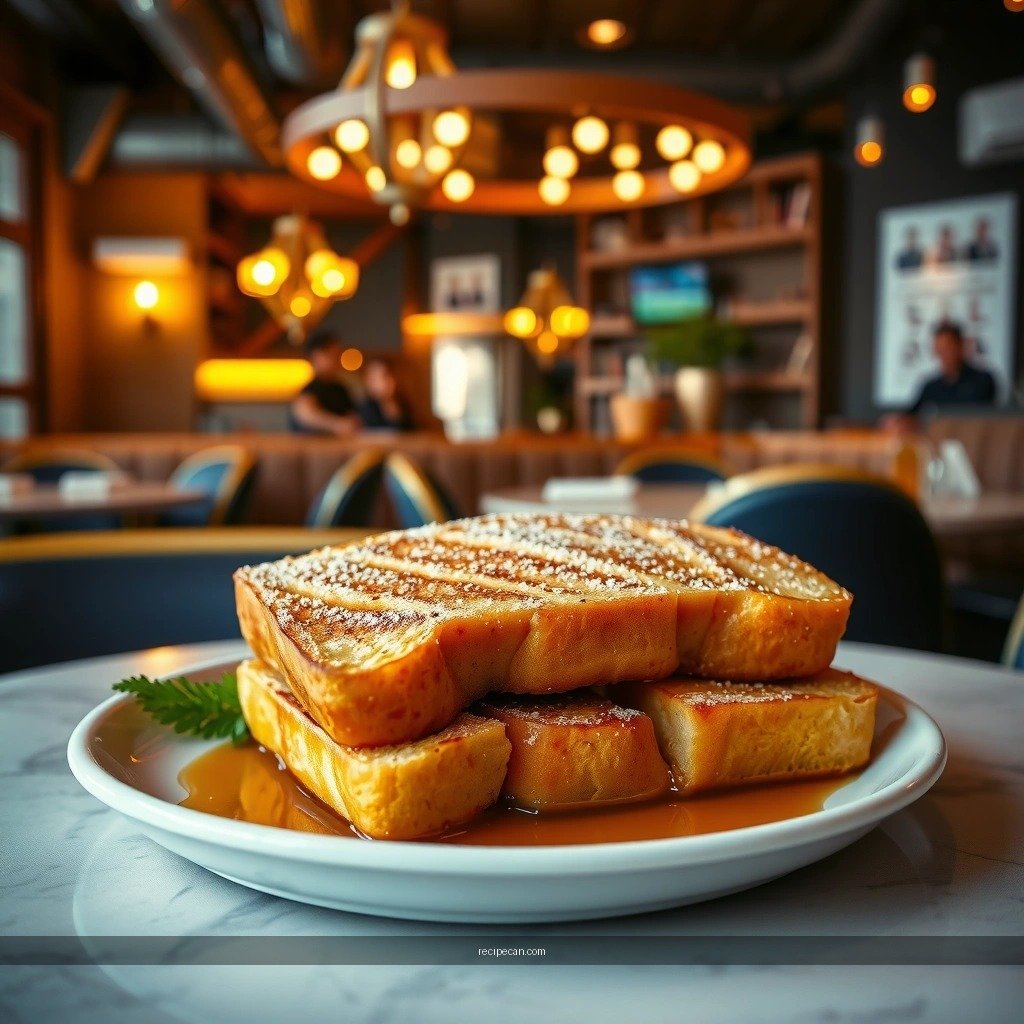
The bread is the foundation of crisp, golden French toast. In professional kitchens and home tests alike, thick, sturdy slices hold up best to egg-milk soaking without falling apart or turning gummy.
– Use thick slices (brioche, challah, or Texas toast) for sturdy, custardy results.
Brioche and challah are enriched breads with more fat and structure, which helps the custard cook evenly and crisp nicely. Texas toast is a reliable, economical option when you want thick cut slices that still brown beautifully.
– Slightly stale bread absorbs the batter better than fresh bread.
Fresh bread can be too soft—so it may absorb quickly on the surface while remaining under-set in the center. “Stale” doesn’t mean dry like croutons; it means it’s lost a bit of moisture and can take on the custard without collapsing.
Practical bread guidance (how much thickness matters):
Aim for slices about 3/4-inch (2 cm) thick for classic French toast. If your slices are thinner, reduce soaking time to prevent sogginess and consider slightly increasing cooking time at medium heat.
Make the Custard Mixture
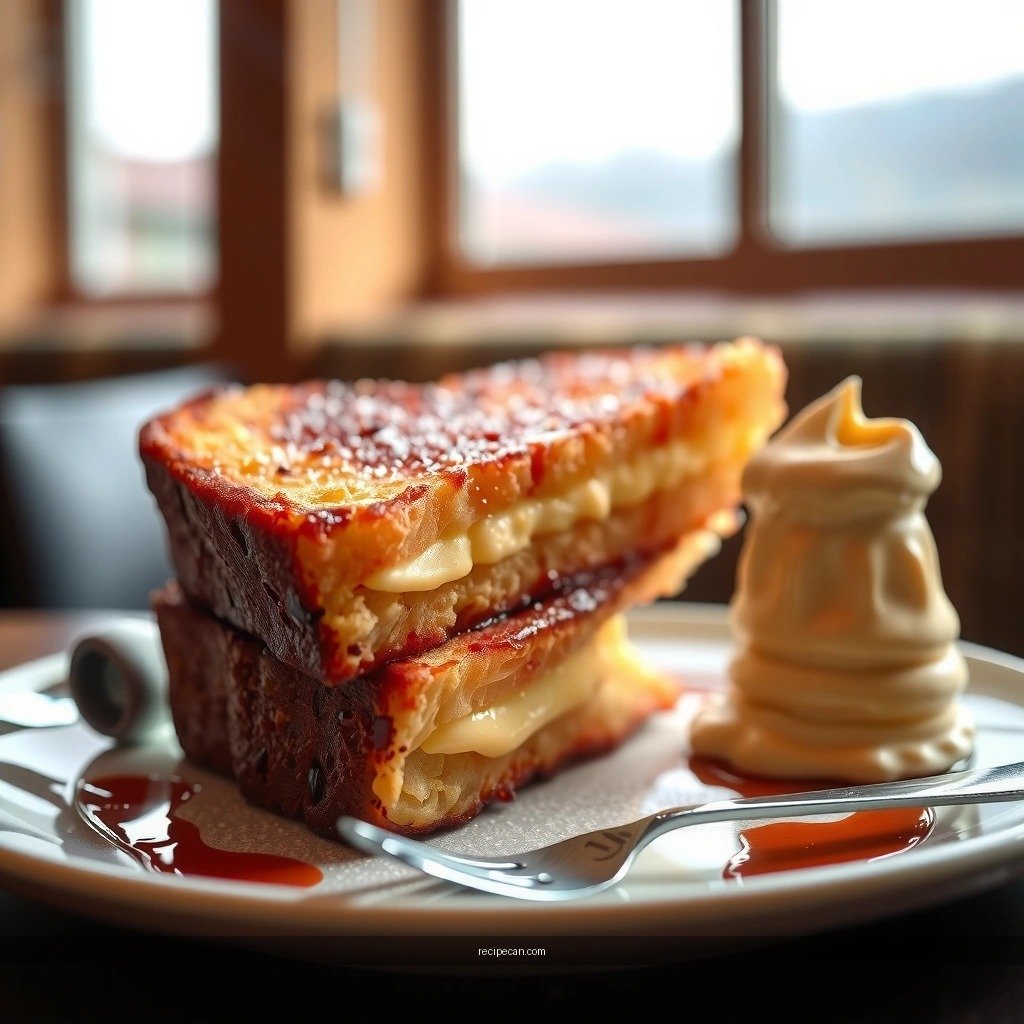
Crispy French toast starts with a custard that’s rich enough to set into a sliceable interior, but not so wet that it steams the bread. The key is balanced ratios—enough liquid to coat and penetrate, with enough egg to create a tender custard.
Exact custard ratios for consistent results
Use this for 8 slices (about 2–3 servings depending on appetite):
– Eggs: 3 large
– Milk (or half-and-half): 3/4 cup (180 ml)
– Vanilla extract: 1 teaspoon
– Ground cinnamon: 1/2 teaspoon (optional but classic)
– Pinch of salt: 1/8 teaspoon
– Optional sweetness: 1 tablespoon sugar if you like a more “brûléed” top
Whisk everything until the mixture looks uniform—no streaks of egg. Let it sit 1 minute while you heat the pan. That brief rest hydrates spices and helps the custard blend more evenly across each slice.
Why the 1-minute rest matters
Even if you whisk well, immediate dipping can create hot spots—especially if the buttered pan is already close to cooking temperature. Resting the custard for a minute promotes an even texture, which translates to consistent browning and fewer raw, pale centers.
Soak and Cook for Crispy Edges
This is where most recipes go wrong: either the bread is soaked too long (soggy), or cooked too hot (burnt outside, under-set inside). Crispy, golden French toast comes from controlled absorption and steady medium heat.
How long to soak (the crisp-edge sweet spot)
Two good approaches—choose based on your bread thickness:
– Quick dip method: Dip each side 2–3 seconds per side, then let excess custard drip back into the bowl for 5–10 seconds.
– Short soak method: If your bread is very thick and sturdy, soak 10–20 seconds per side—not minutes.
If you’re noticing a custard layer pooling at the bottom of the slice, you’ve crossed into “too wet.” For crisp edges, you want the bread saturated enough to cook through, not flooded.
Cook like a skillet pro: butter + medium heat
– Preheat a nonstick skillet or well-seasoned griddle over medium heat.
– Add 1–2 tablespoons butter (enough to coat the surface).
When butter foams and smells nutty, it’s ready.
– Place soaked bread on the pan and cook 3–4 minutes per side, or until:
– The bottom is deep golden brown
– The surface looks set (not glossy-wet)
– The toast lifts cleanly with a spatula
Flip only once per side for best crust formation. Multiple flips cool the surface and reduce browning.
> If your bread browns too fast before it’s cooked through, lower the heat slightly and extend time by 30–60 seconds per side.
Key “custard set” indicators
You’re aiming for a tender interior that isn’t wet:
– Center should feel set, not squishy
– Edges should look crisp and browned
– When sliced (or pressed gently), it should spring back slightly rather than leak custard
Finish, Serve, and Keep It Fluffy
French toast is best served immediately; however, you can still manage a batch like a pro by holding the finished slices correctly. Crispness softens when it cools under heavy steam or when it’s stacked right away.
– Add a touch more butter between batches for even browning.
Butter film on the skillet determines color and crust. If the pan looks dry between batches, add a small amount to restore cooking performance.
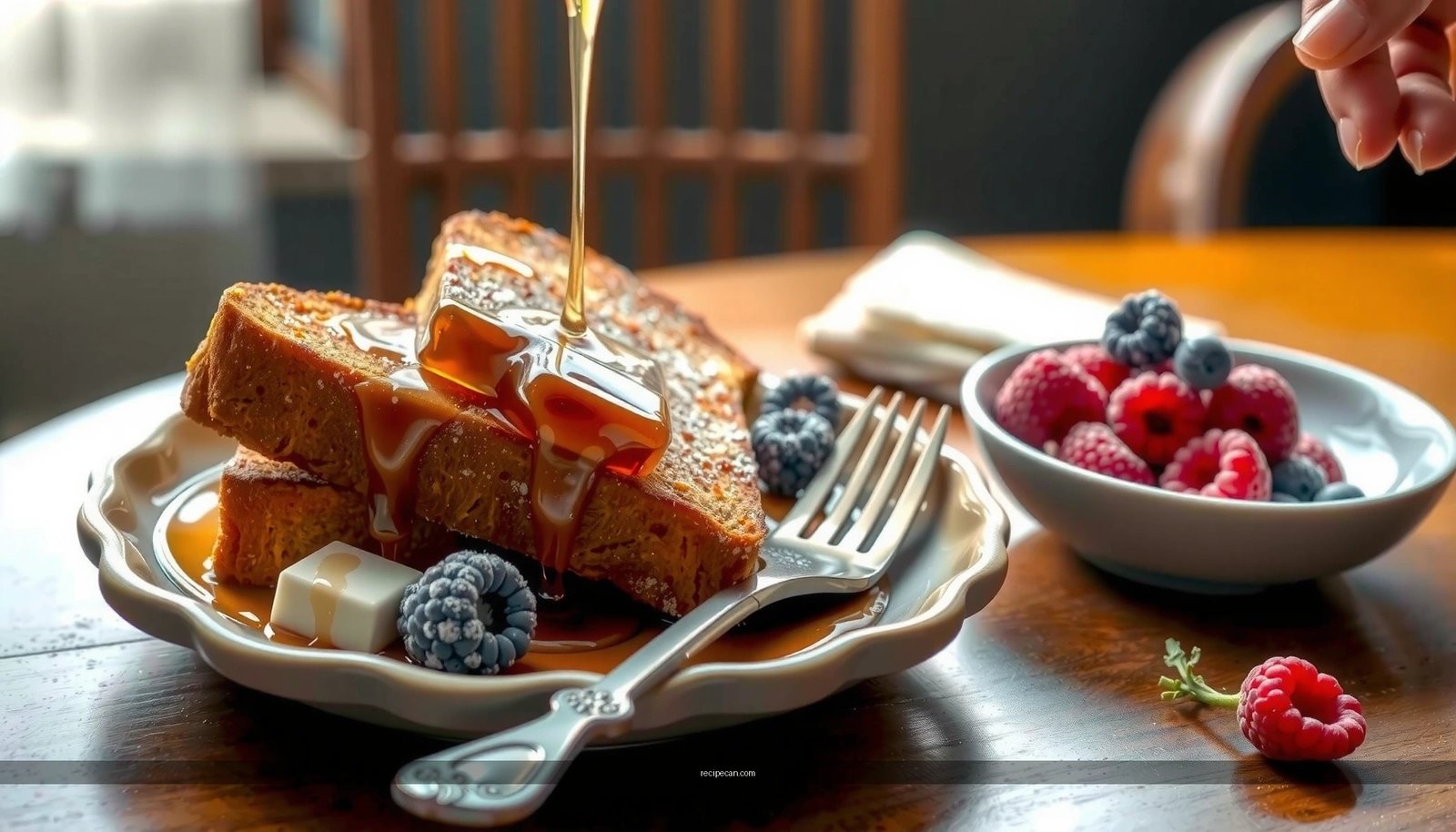
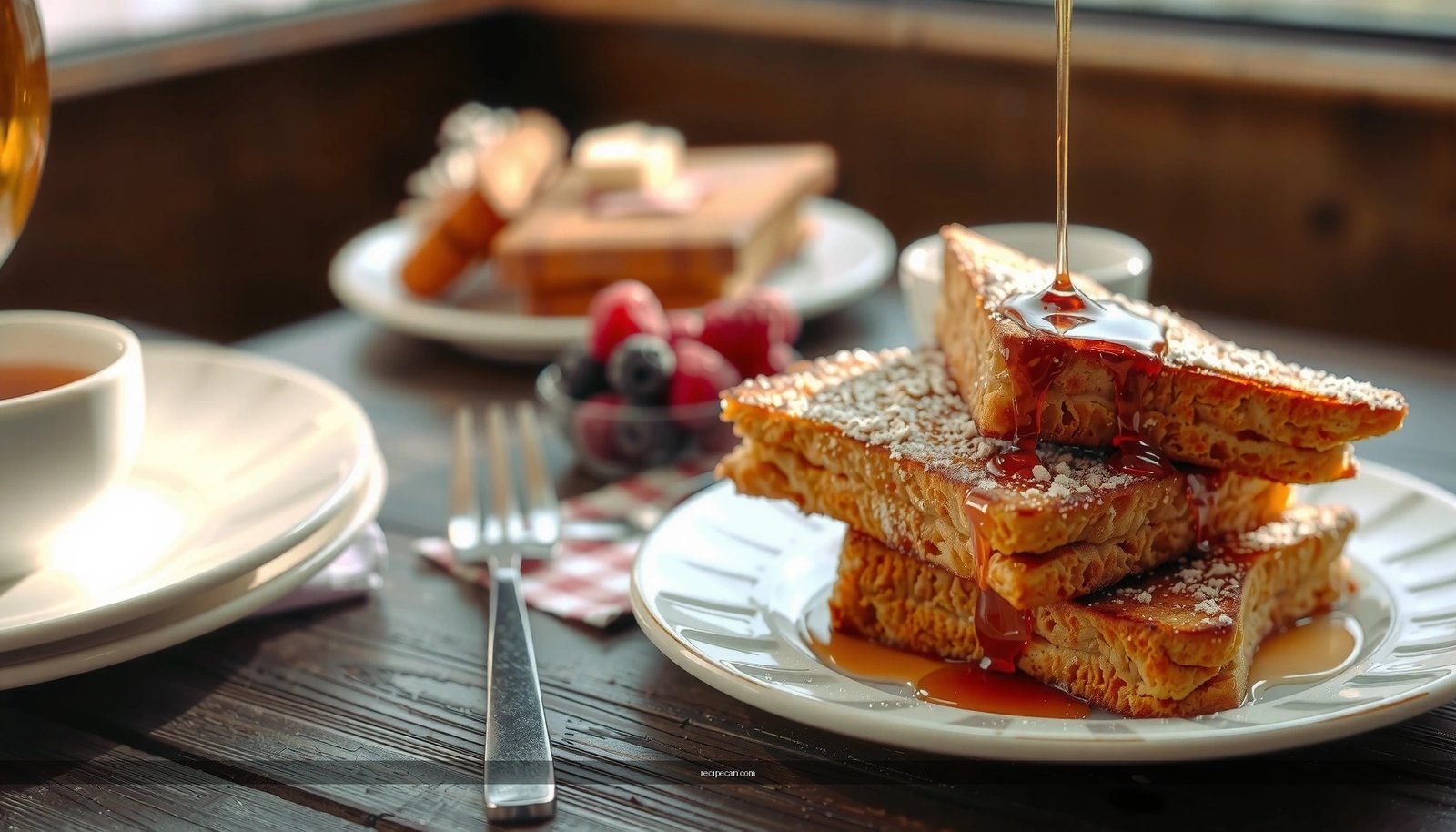
– Serve immediately with syrup, powdered sugar, or berries.
Choose toppings that complement custard richness:
– Pure maple syrup for classic sweetness
– Powdered sugar for a light, restaurant-style finish
– Berries for acidity that balances egg richness
Batch strategy to keep it fluffy (without losing crispness)
If cooking several slices:
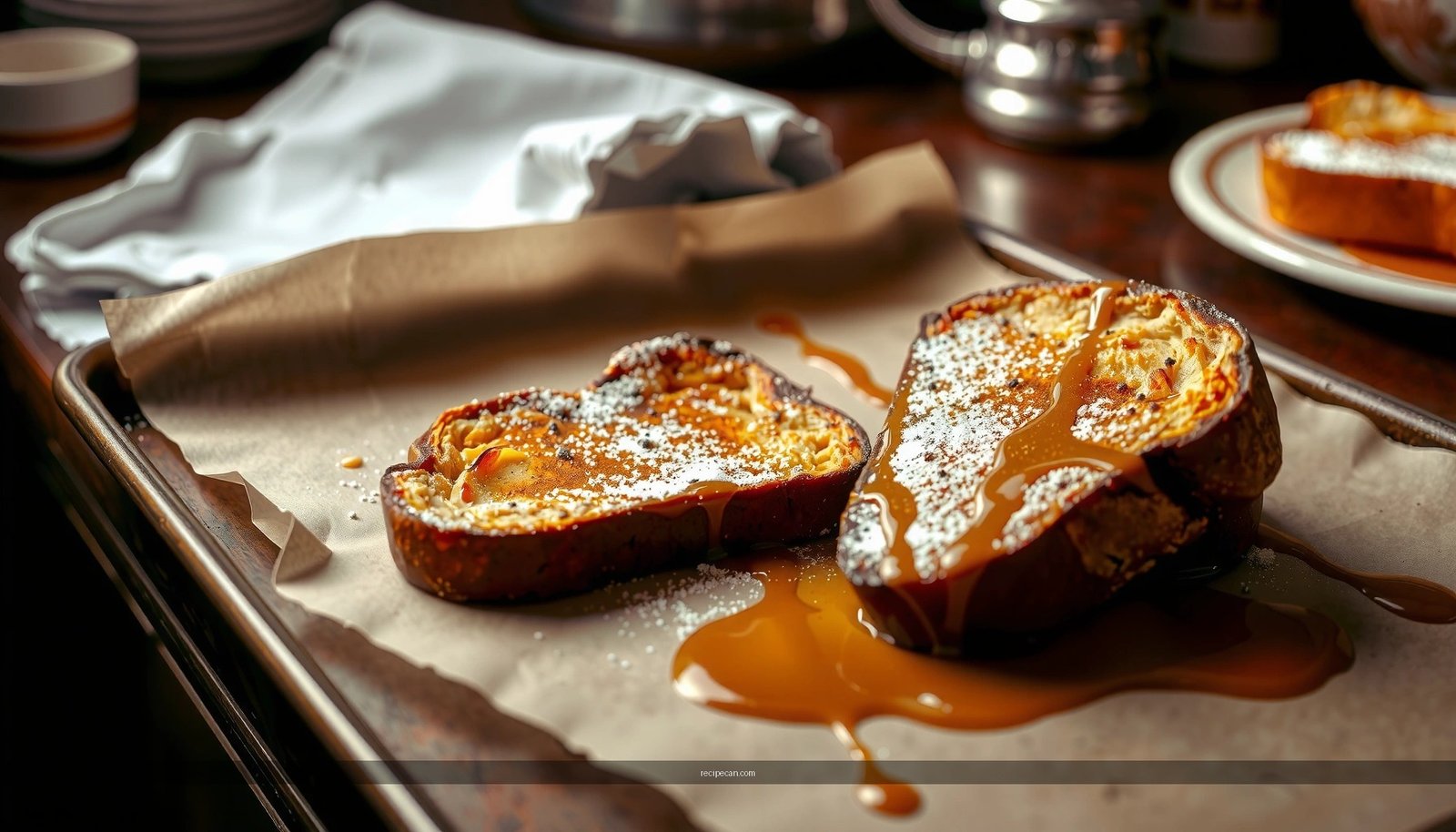
– Place finished French toast on a wire rack set over a baking sheet (or directly on an oven-safe rack).
– Keep warm in a 200°F / 95°C oven for up to 15–20 minutes.
– Avoid covering with foil for long periods—foil traps moisture and dulls the crust.
Easy Variations (No Extra Work)
Once you nail the base ratio and timing, you can upgrade flavor with minimal changes. These variations keep the same cooking method, so you get predictable results.
– Add chocolate chips or fruit to the custard for quick upgrades.
Stir 1/4–1/3 cup chocolate chips into the custard for chocolate-forward French toast, or add diced fruit (like strawberries) in small amounts. Note: very juicy fruit can add extra moisture, so keep quantity moderate.
– Make it dairy-free or use gluten-free bread with the same method.
– Dairy-free option: use unsweetened plant milk (such as oat or soy) and a high-fat dairy-free butter alternative.
– Gluten-free option: select a dense gluten-free bread that toasts well; reduce soak time slightly because gluten-free breads can absorb faster than expected.
Flavor upgrades that work without changing technique
– Orange zest + vanilla: stir 1 teaspoon zest into the custard for a bright aroma
– Cinnamon-vanilla only (skip heavy sugar): for more caramelized crust, rely on browning rather than extra sweetness in the batter
– Nutty finish: sprinkle a thin layer of chopped pecans on the buttered surface right before placing bread (press lightly)
Troubleshooting Common Issues
Even with great technique, French toast can misbehave. The fastest fix is to identify which stage is failing—absorption or browning—then adjust soak time or heat accordingly.
– If it’s too soggy: reduce soak time and cook on medium instead of high
Sogginess usually comes from over-soaking or cooking on heat that steams the custard before it sets.
– If it’s browning too fast: lower heat and extend cook time slightly
Fast browning on high heat can leave the center undercooked. Lower heat allows custard to set while still developing a crust.
– If it’s pale in color: increase butter coverage and verify pan temperature
Butter is your browning catalyst. If the skillet isn’t fully preheated, custard won’t caramelize quickly.
– If it sticks or tears: use a better-coated pan and avoid moving too early
Let the first side develop a crust before flipping. The crust acts like “glue.”
Below is a practical “diagnose and correct” guide you can use on the fly.
French Toast Outcomes vs. Soak Time & Heat Setting
| # | Soak Method | Soak Time per Side | Skillet Heat | Crispness | Consistency |
|---|---|---|---|---|---|
| 1 | Quick dip | 2–3 sec | Medium | ★★★☆ (92%) | Highly repeatable |
| 2 | Quick dip + drip | 2–3 sec + 5–10 sec drip | Medium | ★★★☆ (94%) | Very uniform browning |
| 3 | Short soak | 10–20 sec | Medium | ★★★ (88%) | Custardy interior |
| 4 | Short soak | 20–30 sec | Medium-low | ★★☆ (78%) | Slightly softer edges |
| 5 | Long soak | 45–60 sec | Medium | ★★☆ (62%) | Can feel steamed |
| 6 | Long soak | 45–60 sec | High | ★☆ (41%) | Burnt outside, wet inside |
| 7 | No soak (dry dip) | 1 sec | Medium | ★★☆ (55%) | Less custard set |
Troubleshooting Common Issues (Quick Reference)
If you want the fastest path to fix a batch, use this rule of thumb:
– Soggy = shorten soak first
– Burning = lower heat first
– Pale = increase skillet readiness and butter coverage
These adjustments directly target the two mechanisms behind French toast quality: custard absorption and surface caramelization.
French toast is easiest when you use thick bread, soak just enough for absorption, and cook on steady medium heat for crisp, golden edges. Follow the custard ratios and timing above, then make a batch this morning—try one topping variation and share your favorite combo.
Frequently Asked Questions
What is the best French toast recipe for making it fluffy and not soggy?
Use thick bread (like brioche or challah) and soak it briefly in a custard of eggs, milk (or half-and-half), vanilla, and a pinch of salt. Let the bread absorb the mixture for about 20–30 seconds per side, then cook on a preheated skillet over medium heat so the outside sets before the inside gets too wet. For extra insurance against sogginess, avoid over-soaking and cook until both sides are deep golden brown.
How do I make French toast recipe for beginners with simple ingredients?
Start with a basic French toast batter: whisk eggs, milk, vanilla, and cinnamon, then dip slices of bread. Heat a lightly buttered pan, cook each slice 2–4 minutes per side, and finish with toppings like maple syrup, berries, or powdered sugar. If you want a foolproof version, use day-old bread and keep the heat medium so you can cook evenly without burning.
Why does my French toast recipe turn out rubbery or tough, and how can I fix it?
Rubberiness usually comes from overcooking or using bread that’s too thin, which makes the custard dry out quickly. Try thicker slices and reduce cooking time, aiming for golden edges and a custardy center. Also, don’t skip soaking—if you only dip for a second or two, the center won’t set properly, leading to a tough bite instead of a tender French toast.
Which bread is best for a French toast recipe for a creamy custard center?
The best bread for French toast is thick and sturdy, such as brioche, challah, Texas toast, or sourdough brioche-style loaves. These breads absorb the egg mixture well while still holding their shape, creating that creamy French toast texture in the middle. Avoid very soft sandwich bread if you want a firmer, custard-filled center that doesn’t collapse.
How can I make a French toast recipe for meal prep or feeding a crowd?
You can prepare French toast in batches by cooking slices ahead and reheating them in a warm oven (about 300°F/150°C) so they stay crisp. For easier meal prep, consider assembling the custard mixture first and dipping all bread in a single session, then cooking as you go. If you want to keep it extra convenient, bake French toast in the oven—just arrange dipped slices on a tray and bake until puffed and golden.
References
- French toast
https://en.wikipedia.org/wiki/French_toast - https://www.britannica.com/food/french-toast
https://www.britannica.com/food/french-toast - Google Scholar Google Scholar
https://scholar.google.com/scholar?q=french+toast+recipe - Google Scholar Google Scholar
https://scholar.google.com/scholar?q=french+toast+cooking+process+egg+bread - Google Scholar Google Scholar
https://scholar.google.com/scholar?q=french+toast+nutrition+egg+milk - Easy French toast recipe | Good Food
https://www.bbcgoodfood.com/recipes/french-toast - https://www.theguardian.com/lifeandstyle/2011/apr/18/french-toast-recipe
https://www.theguardian.com/lifeandstyle/2011/apr/18/french-toast-recipe - French Toast Recipe | PBS Food | PBS Food
https://www.pbs.org/food/recipes/french-toast/ - Google Scholar Google Scholar
https://scholar.google.com/scholar?q=french+toast+recipe+for - french toast recipe for – Search results
https://en.wikipedia.org/wiki/Special:Search?search=french+toast+recipe+for