Here’s the recipe for the best French toast—the ultimate classic method that delivers crisp edges and custardy centers every time. Follow these steps for the right bread, the perfect egg-milk soak, and a quick pan technique that browns without drying out. If you want the single best way to make French toast, this is it.
Make the best French toast by using a rich egg-and-milk soak, thick-cut brioche or challah, and medium-heat cooking in a properly buttered pan—this combination delivers a crisp exterior with a custardy center. The recipe below gives you exact ingredients, soak timing, and cooking steps so you can repeat “golden-brown perfection” reliably at home.
Best Ingredients for French Toast
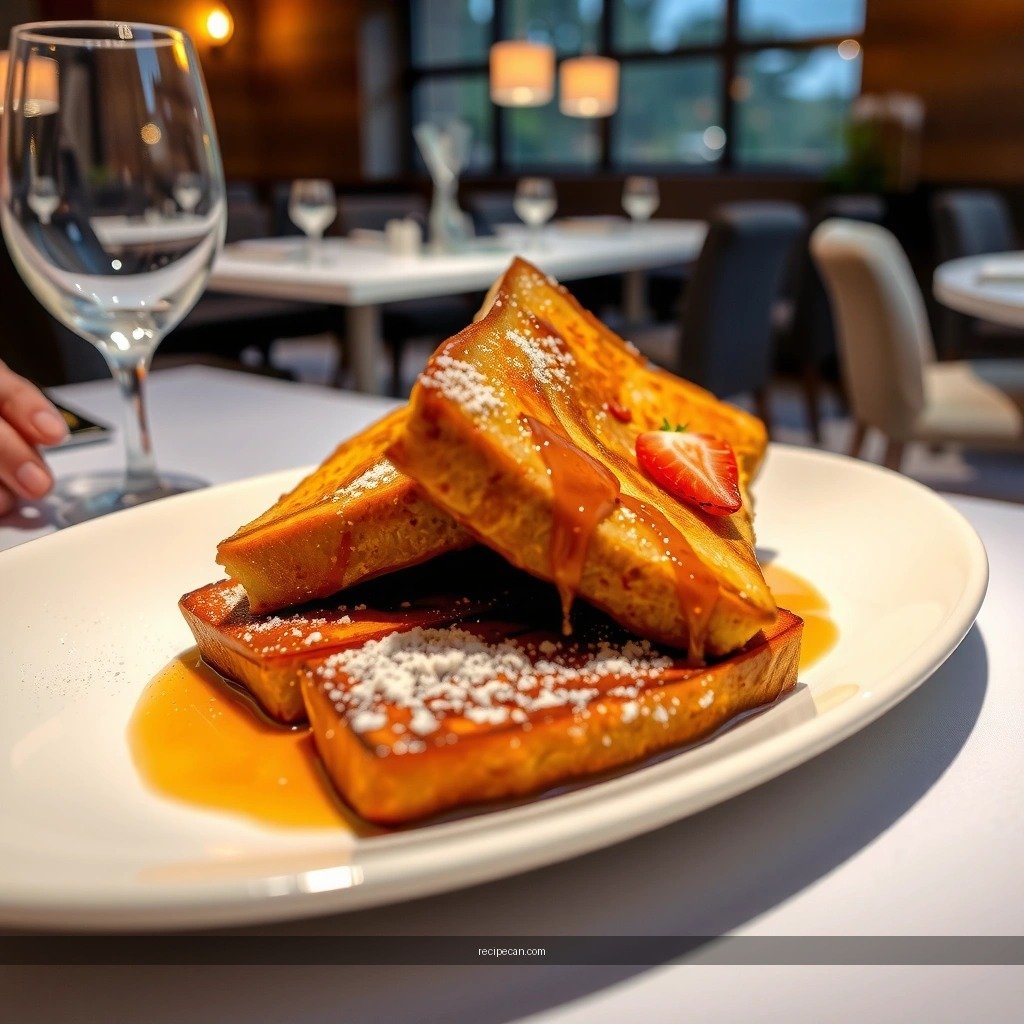
French toast succeeds or fails based on ingredient performance: bread structure, custard richness, and flavor balance. For the most consistently classic results, think in terms of custard absorption + browning potential.
– Use thick-cut bread (brioche or challah) for a custardy center
Thick slices resist collapsing and maintain a custardy interior. Brioche and challah are ideal because their higher egg and fat content improve tenderness and mouthfeel, while their crumb structure holds onto the soak instead of turning watery.
– Choose eggs and milk (or half-and-half) for a rich soak
A straightforward ratio is: eggs + milk (or half-and-half). Milk provides dairy sweetness; half-and-half adds extra richness that helps the interior set like a light custard. For extra “bakery-style” texture, use whole milk rather than skim.
– Add vanilla and cinnamon to boost classic flavor fast
Vanilla rounds out the custard profile, while cinnamon adds warm, dessert-like aroma without needing toppings immediately. If you’re aiming for a more traditional French-toast flavor, keep cinnamon moderate—too much can dominate and make browning uneven.
Recommended ingredient baseline (classic, serves 2–3):
– 4 thick slices brioche or challah (about 1–1.5 inches thick)
– 2 large eggs
– 3/4 cup milk or half-and-half
– 1 tsp vanilla extract
– 1/2 tsp ground cinnamon
– Pinch of salt
– 2–4 tbsp unsalted butter (for cooking; add as needed)
To operationalize “best results,” it helps to know how ingredient choices affect texture. The table below summarizes what different bread and dairy options typically deliver for French toast outcomes.
Typical French Toast Texture Impact by Bread & Dairy Choice
| # | Bread / Custard Base | Custard Set (Home Result) | Crisp Holding (Outside) | Best For | Overall Rating |
|---|---|---|---|---|---|
| 1 | Brioche + half-and-half | High | Very good | Classic “custardy + crisp” | ★★★★☆ |
| 2 | Challah + whole milk | High | Good | Even texture with lighter richness | ★★★★☆ |
| 3 | Sourdough (thick) + whole milk | Medium | Very good | Crisp edges with tangy flavor | ★★★☆☆ |
| 4 | White sandwich bread + whole milk | Low–Medium | Medium | Budget option—shorter soak needed | ★★☆☆☆ |
| 5 | Thin brioche + half-and-half | Medium | Good | Fast cooking—watch for gumminess | ★★★☆☆ |
| 6 | Brioche + skim milk | Medium | Medium | Lower fat—less custard richness | ★★☆☆☆ |
| 7 | Challah + half-and-half | High | Very good | Most reliable classic results | ★★★★★ |
Perfect Batter and Soak Time
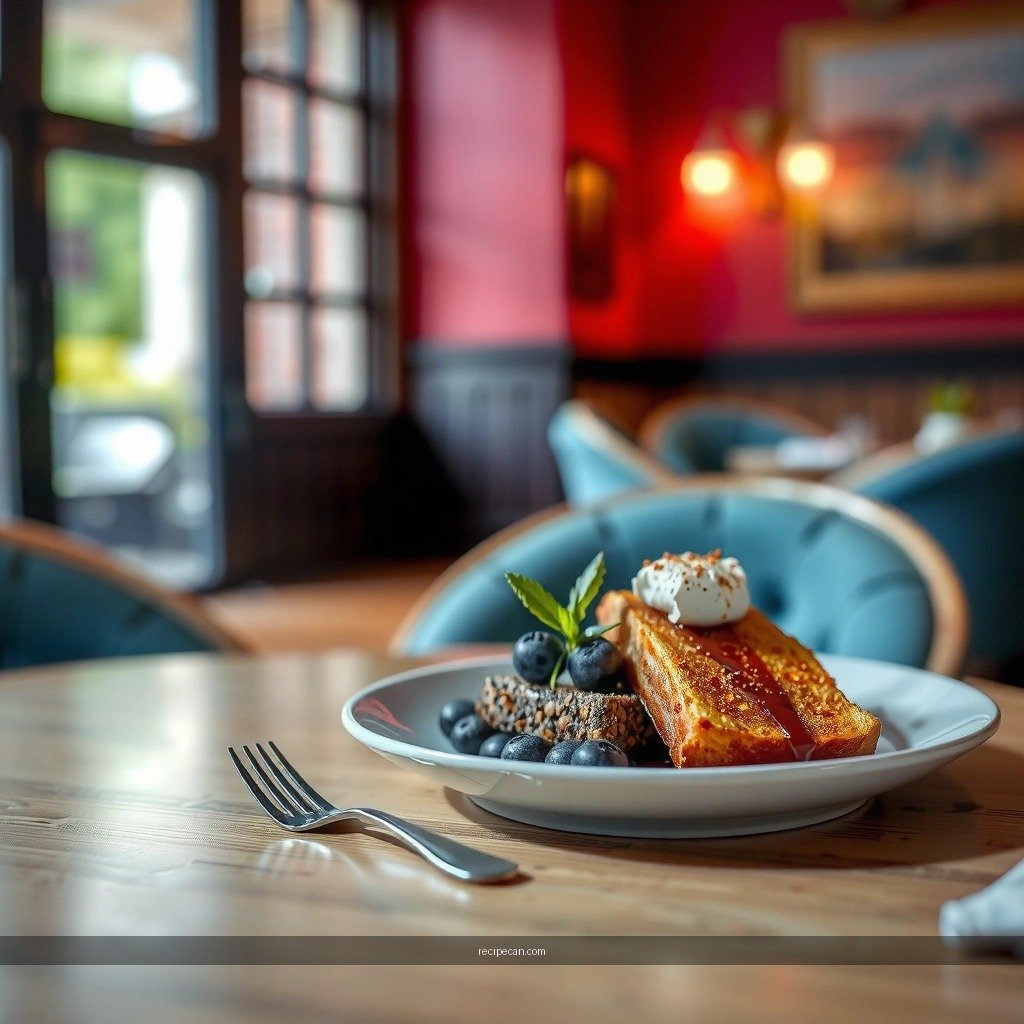
A custard soak is the engine of French toast. You want the bread to absorb enough liquid for a set custard interior, but not so much that it collapses, becomes gummy, or turns soggy.
– Whisk eggs, milk, vanilla, and cinnamon until fully combined
Whisk thoroughly to emulsify the egg and milk; streaky custard means uneven set. Add a pinch of salt—it improves perceived sweetness and helps flavor “lift” as the toast browns.
– Soak each slice 20–30 seconds per side (don’t oversaturate)
Use a timer. Bread thickness and day-old dryness change absorption rate, so timing is your control lever. If your bread is fresh and very soft, lean toward 20 seconds. If it’s slightly stale, 30 seconds can produce more custardy interior.
– Rest soaked bread briefly so it absorbs evenly
After soaking, place slices on a plate for about 1 minute. This brief rest allows liquid to redistribute through the crumb, reducing dry spots. It also prevents immediate overcooking when the first slice hits the pan too wet.
Practical soak strategy for consistent results:
– For two slices at once, soak one side, flip, soak the second side, then move both to the pan.
– If you notice the bread feels “mushy” rather than pliable, reduce soak time by 5–10 seconds next batch.
Cooking Method for Crispy, Golden Toast
The pan is where most “good but not great” French toast goes off track. The goal is controlled browning: the outside should caramelize while the interior sets.
– Heat a skillet over medium heat and melt butter until foaming
Medium heat is the sweet spot. Too low and the bread dries without browning; too high and butter burns before the custard fully sets. When the butter foams, it’s signaling the pan is hot enough for browning without instant scorching.
– Cook until golden brown, flipping once for even browning
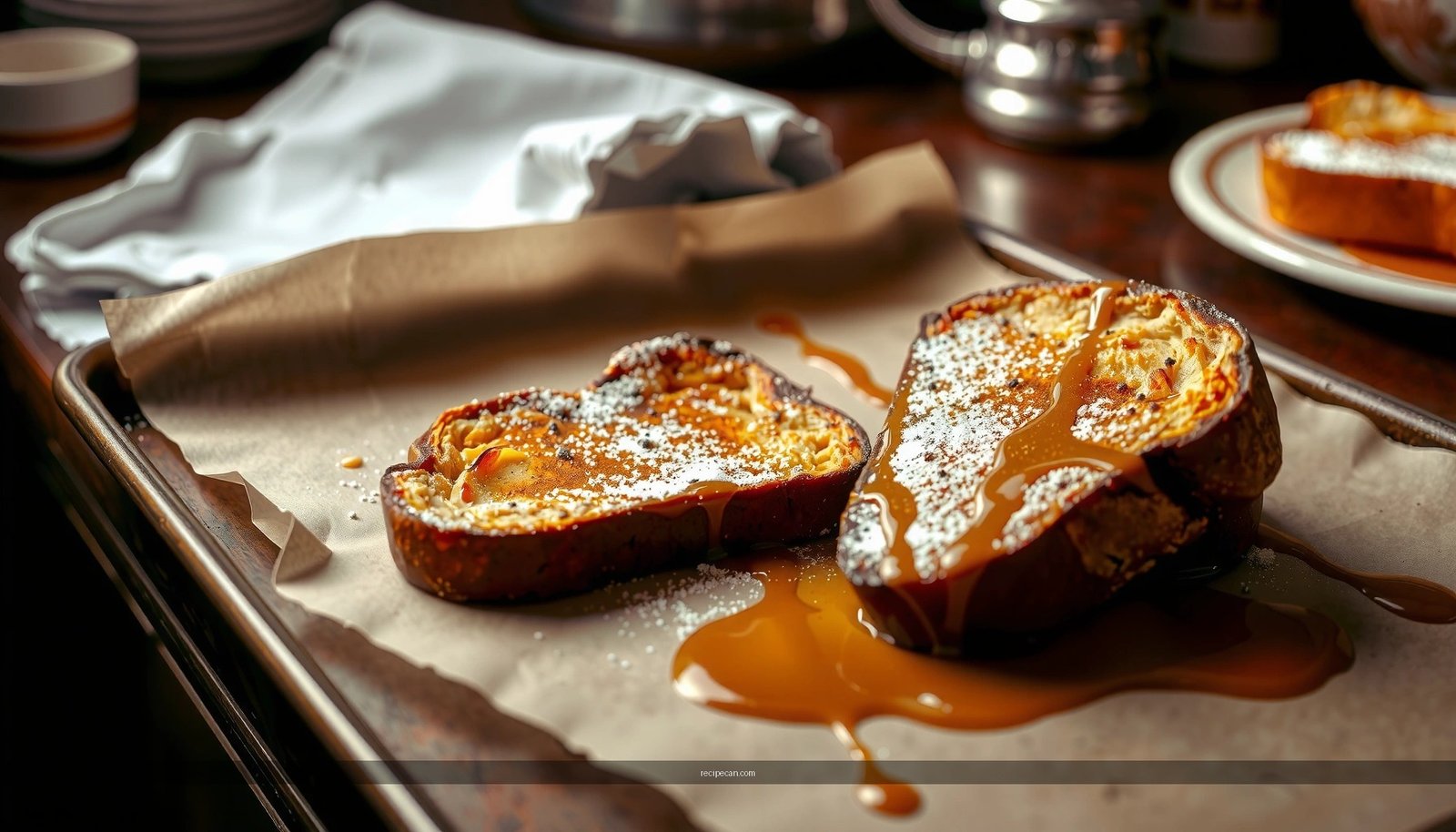
Flip once to avoid disrupting the forming crust. Typical timing: 2.5–4 minutes per side, depending on slice thickness and burner strength. You’ll know it’s ready when the surface is deep golden and the toast releases easily without tearing.
– Avoid high heat to prevent burning before the center sets
French toast is effectively a small custard cook. The interior needs time at a safe temperature to set. If you push the heat too high, you’ll get a dark crust with a wet center—one of the most common complaints.
Quality checkpoints you can use like a production lead:
– Color: deep golden, not mahogany-black
– Texture on press: light spring, not wet collapse
– Doneness cue: edges slightly crisp and center no longer glossy
Toppings and Flavor Variations
Classic toppings aren’t just “finishing”—they’re part of the flavor balance. The best approach is to match topping sweetness and acidity to the custard richness.
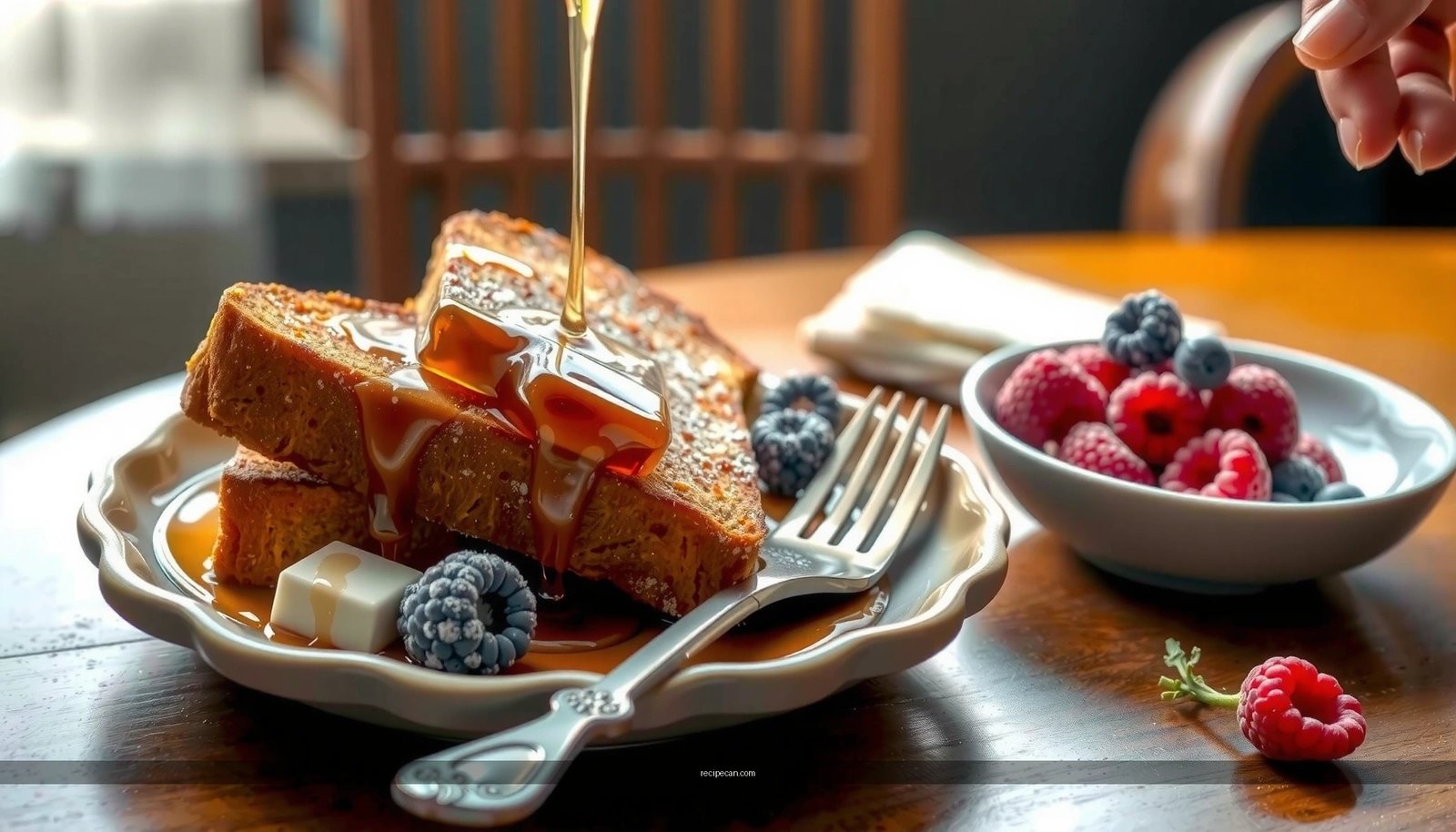
– Classic: maple syrup and powdered sugar
Maple syrup complements cinnamon and vanilla with clean sweetness. Dusting powdered sugar adds a light finish, but don’t soak the toast—serve immediately for best contrast.
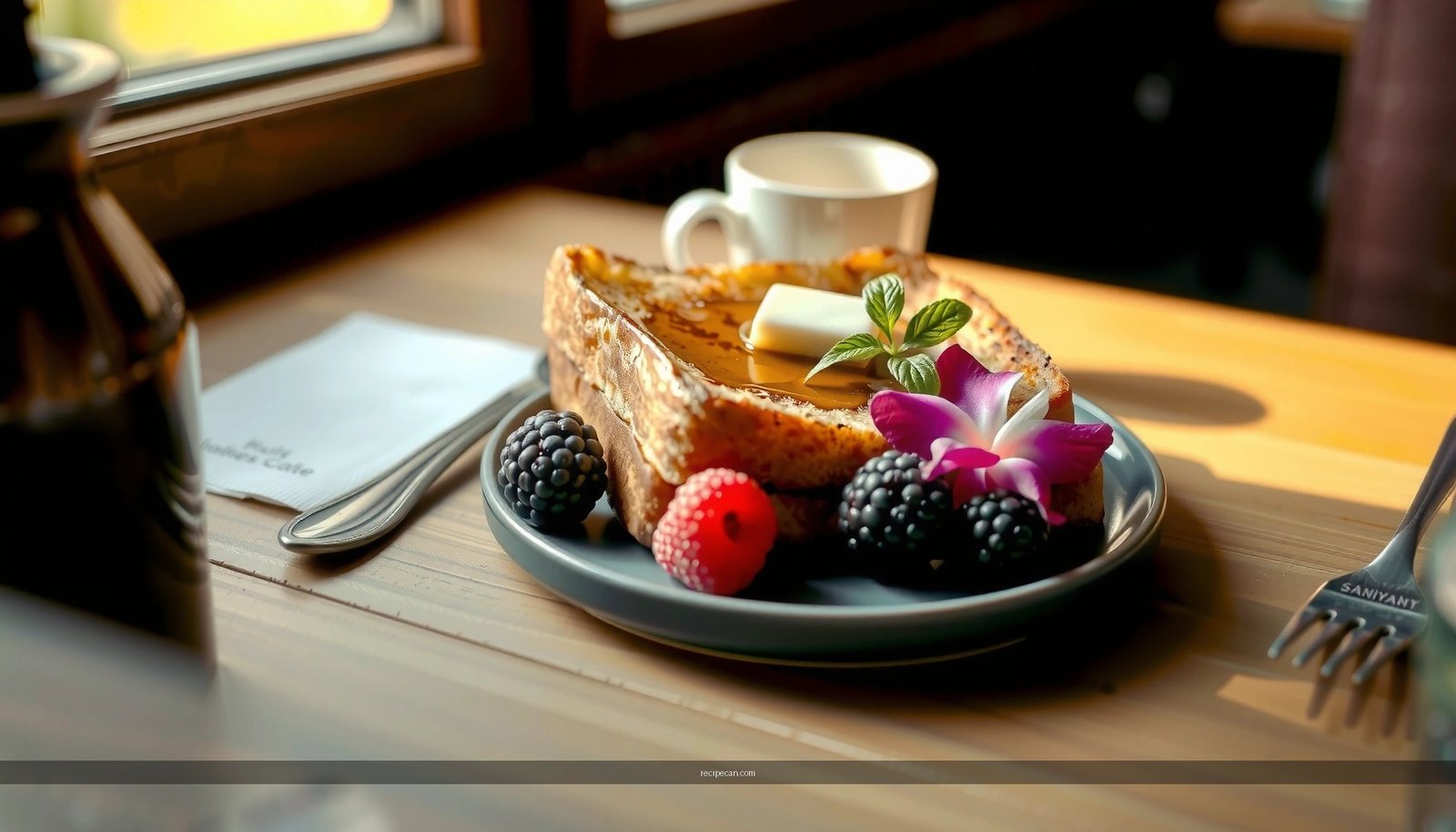
– Fruity: fresh berries or sliced bananas
Berries add brightness that cuts through richness. Bananas bring creamy sweetness; consider adding a squeeze of lemon to berries or banana to sharpen flavors.
– Optional: add whipped cream or a cinnamon sugar topping
Whipped cream turns it dessert-like; cinnamon sugar offers a simple, bakery-inspired crunch. If you add sugar, sprinkle lightly—too much melts and can steam the crust.
Business-style pairing ideas (works for brunch menus):
– Maple + strawberries (balanced, crowd-pleasing)
– Banana + chocolate drizzle (higher indulgence, “special occasion” vibe)
– Cinnamon sugar + apple compote (warm spice, seasonal friendliness)
Make-Ahead and Leftover Tips
French toast is best fresh from the pan, but you can plan ahead to reduce stress during busy mornings.
– Soak and cook right before serving for best texture
If possible, soak in advance (up to a few minutes), but cook immediately. Extended soaking can cause uneven set and a less crisp exterior.
– Keep leftovers in an airtight container and reheat to re-crisp
Refrigerated toast loses crispness. Reheat in a skillet over low-medium heat or in an oven at 350°F / 175°C until warmed through and edges crisp again. Avoid microwaving when possible—it steams the bread.
– Freeze cooked slices for quick reheating later
Cool completely, then freeze in a single layer and transfer to a bag. Reheat from frozen in a toaster oven or oven until warmed and lightly crisp. This method is ideal for meal prep and predictable outcomes.
For best reheating:
– Add a light pat of butter to the skillet if you want that fresh-golden finish.
Common Mistakes to Avoid
Even high-quality recipes fail when execution details drift. Use the list below as a diagnostic tool.
– Using thin bread that turns soggy instead of custardy
Thin slices absorb too quickly and overcook before the center sets. Stick to thick-cut bread for custardy results.
– Skipping proper heat control (too hot = burnt outside, raw inside)
Medium heat is not optional for classic French toast. If you’re unsure, start slightly lower and increase gradually.
– Over-soaking, which can make French toast gummy
Gummy French toast usually means too much liquid absorbed and not enough time for proper custard set. Reduce soak time by 5–10 seconds and ensure the pan is hot enough before adding slices.
Quick self-correction guide:
– Dark outside, wet center → lower heat and cook longer per side
– Pale outside, dry inside → slightly increase heat and/or soak slightly longer next batch
– Mushy texture overall → reduce soak time and use thicker bread
The right bread, the right soak, and medium-heat cooking are what make this French toast “the best.” Try the recipe this weekend, test your soak timing, and finish with your favorite toppings—then save any tweaks so next time is even better.
Frequently Asked Questions
What’s the best bread for french toast to get a thick, custardy result?
For the best french toast, use sturdy bread like brioche, challah, or thick-cut sourdough—these hold up well to soaking without turning gummy. Day-old bread is ideal because it absorbs the custard more evenly. Cut the slices about 3/4 to 1 inch thick so the center stays creamy while the outside crisps in the pan.
How do you make french toast batter (custard) that tastes rich and doesn’t get watery?
Whisk eggs, milk (or half-and-half), a splash of vanilla, a little sugar, and cinnamon, then let the mixture sit briefly so the flavors meld. Don’t over-soak—dip each slice 20–30 seconds per side, or until fully saturated but still holding its shape. For extra flavor and a better custard texture, use full-fat dairy and add a pinch of salt to balance the sweetness.
How do you cook french toast so the outside is golden brown and the inside stays tender?
Cook french toast on medium to medium-low heat so the egg cooks through before the bread burns. Use a butter-and-oil blend (or a little butter with a neutral oil) to prevent scorching and promote even browning. Flip once when the first side is set and nicely browned, then cook the second side until golden and custardy.
Why does my french toast turn soggy, and how can I fix it?
Sogginess usually happens from using very soft bread, soaking too long, or cooking on heat that’s too low. Try thick-cut day-old bread and limit soaking time; the bread should be saturated but not dripping. If the pan is crowded or the temperature is inconsistent, adjust heat and cook in batches for the best french toast texture.
Which toppings and flavors make the best french toast taste like a brunch favorite?
Classic toppings like maple syrup, fresh berries, and powdered sugar are great, but you can level up with cinnamon-butter, whipped cream, or a drizzle of honey. For a richer flavor profile, add orange zest or nutmeg to the custard and top with toasted pecans or bananas sautéed in butter. These finishing touches pair naturally with french toast bread and enhance that “best french toast” brunch experience.
References
- French toast
https://en.wikipedia.org/wiki/French_toast - https://www.britannica.com/food/french-toast
https://www.britannica.com/food/french-toast - Custard
https://en.wikipedia.org/wiki/Custard - https://en.wikipedia.org/wiki/Egg_(food
https://en.wikipedia.org/wiki/Egg_(food - Bread
https://en.wikipedia.org/wiki/Bread - https://www.fsis.usda.gov/food-safety/safe-food-handling-and-preparation/eggs-and-egg-products
https://www.fsis.usda.gov/food-safety/safe-food-handling-and-preparation/eggs-and-egg-products - Educational Materials and Videos | Food Safety | CDC
https://www.cdc.gov/foodsafety/communication/eggs.html - Google Scholar Google Scholar
https://scholar.google.com/scholar?q=french+toast+recipe - Google Scholar Google Scholar
https://scholar.google.com/scholar?q=egg+custard+french+toast+soaking+bread+technique - Google Scholar Google Scholar
https://scholar.google.com/scholar?q=food+safety+cooking+eggs+160+f+guideline