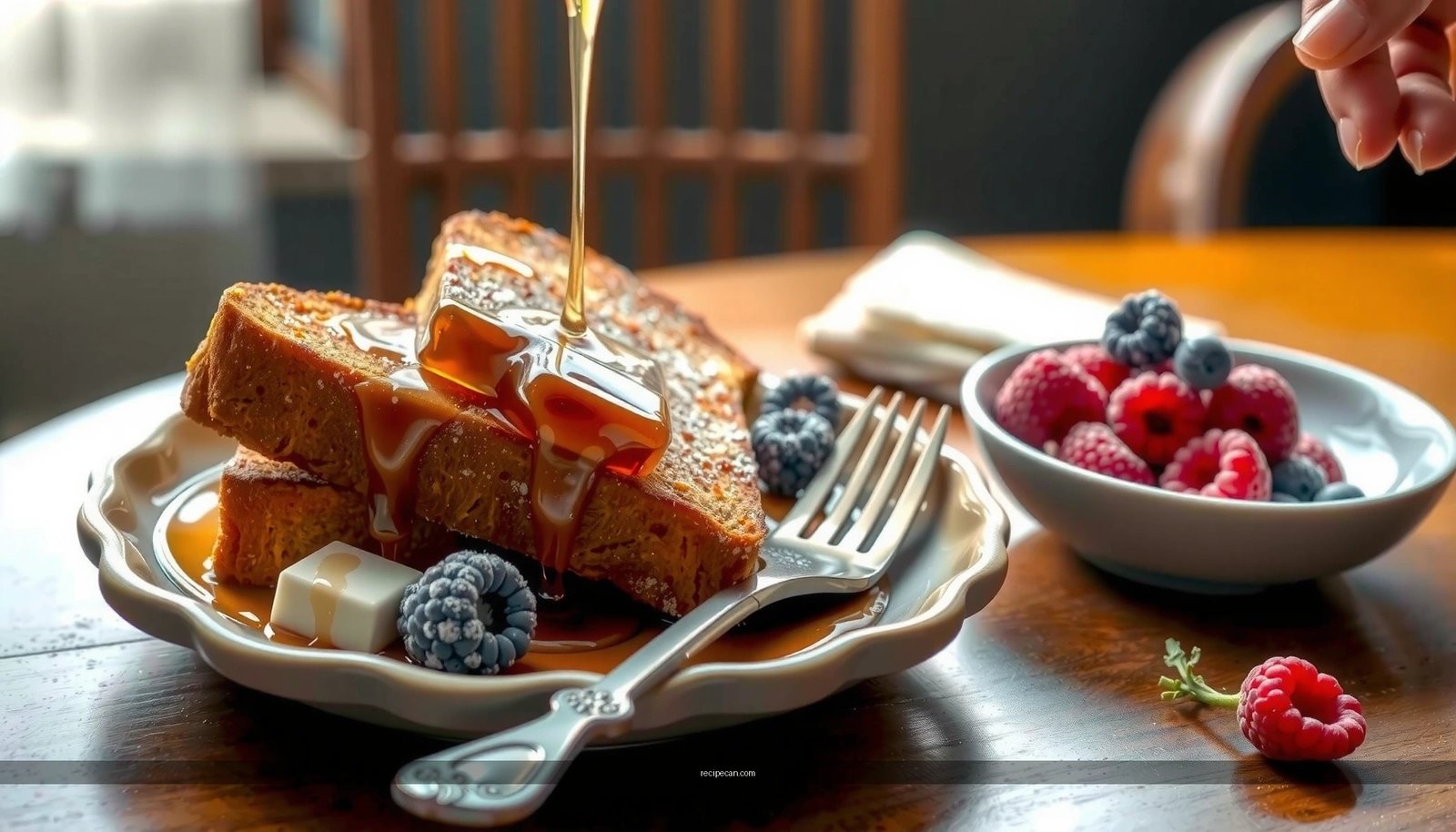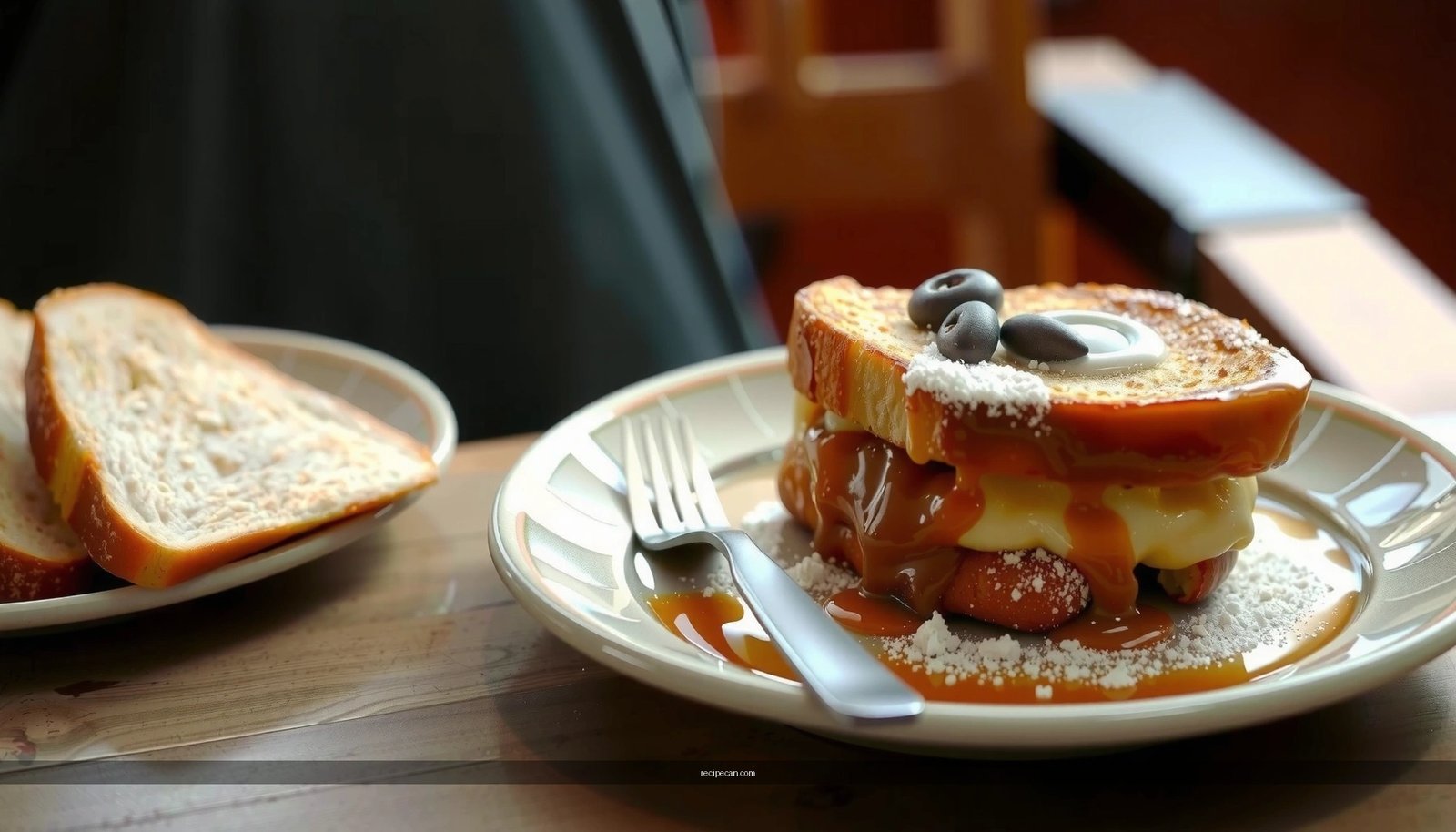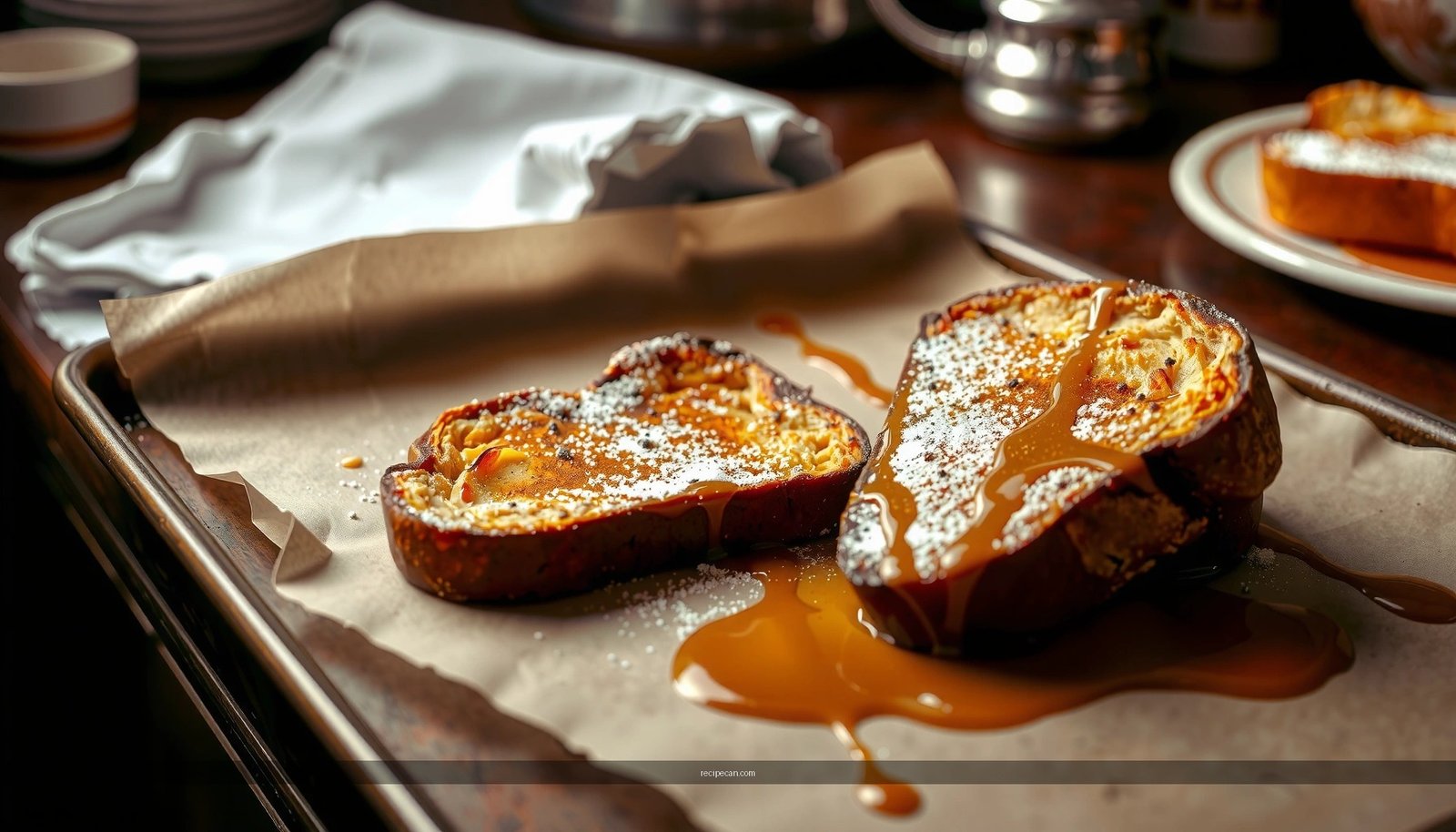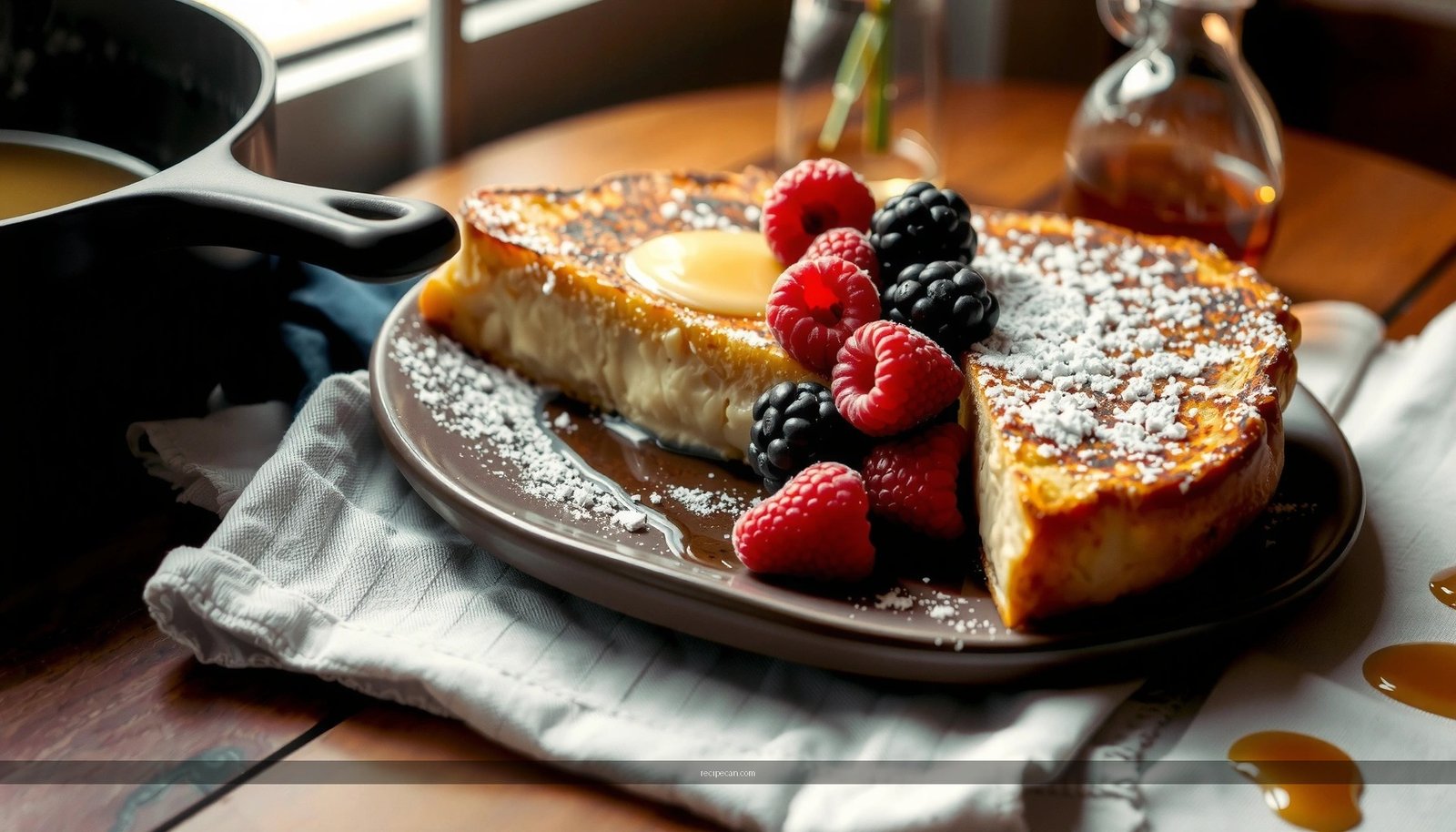
This French toast recipe no flour delivers real fluffy, custardy slices without any flour—exactly what gluten-free bakers want. You’ll get a straightforward method, from the egg-and-milk batter to the best pan-frying technique, so every bite browns and holds together. If your question is “Can I make French toast without flour and still get bakery-style texture?”, the answer is yes—here’s how.
You can make French toast that’s crispy on the outside and custardy in the center without flour by using an egg-based batter to “set” the bread like a tender custard. With the right bread, a brief soak (not a soak-and-forget), and controlled heat, this no-flour French toast comes out fluffy and gluten-free without the typical wheat-thickened texture.
In this guide, you’ll learn exactly what to put in the batter, which bread performs best for a flourless method, how to cook for golden edges, and how to troubleshoot the most common issues. Whether you’re avoiding flour for gluten-free reasons or simply want an easier approach, this is a reliable, repeatable French toast recipe no flour that’s great for weeknights, brunch hosting, or meal prep.
—
No-Flour Batter: What to Use Instead of Flour
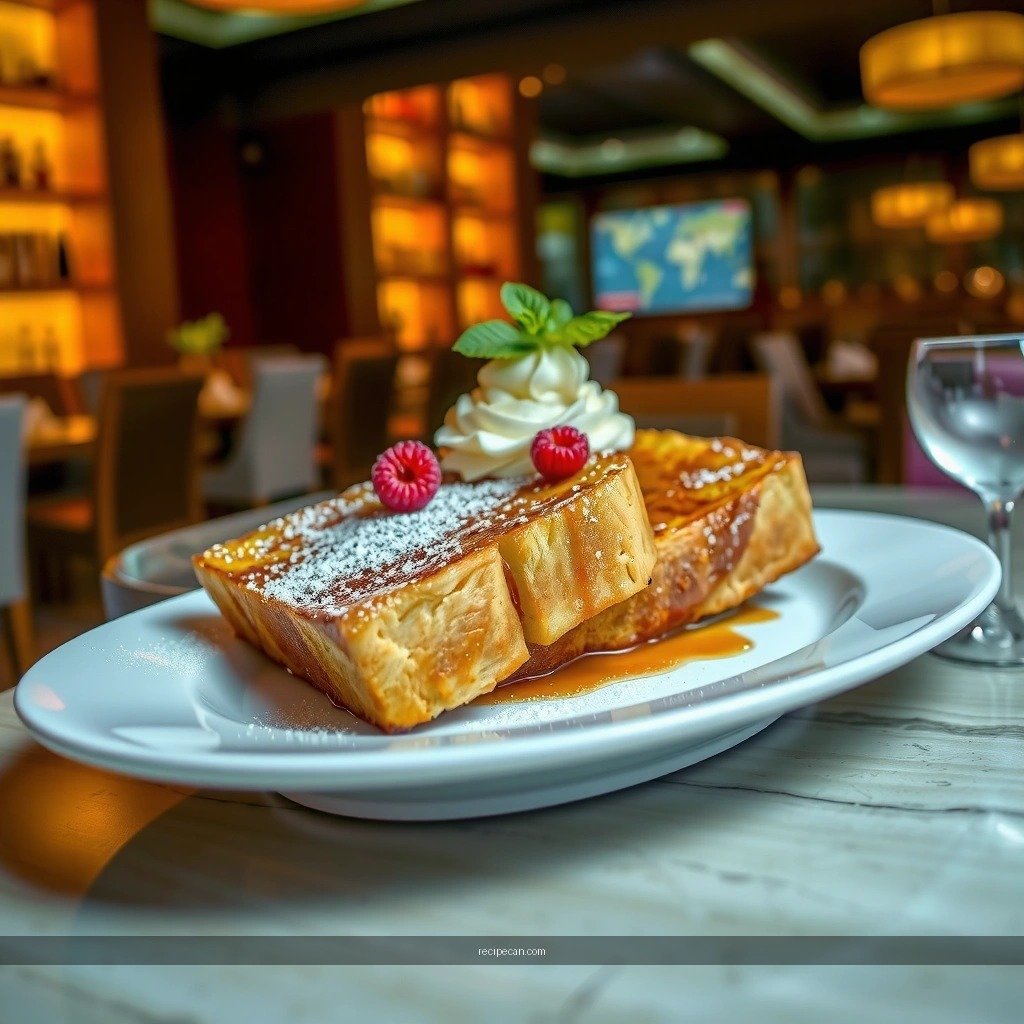
Traditional French toast often relies on flour or a flour-dusted coating to help absorb moisture and add structure. In a flourless version, you replace that job with eggs (the primary structure) and optionally a small thickener to improve “custardy hold.”
Core batter (structure):
– Eggs + milk (or cream): Eggs coagulate as they cook, forming the custard framework. Milk adds flavor, tenderness, and the right level of moisture for a creamy interior.
– Vanilla + cinnamon + pinch of salt: Keep seasonings straightforward so the custard tastes like classic French toast rather than “egg-forward.”
Optional thickener (for extra custardy texture):
– Cornstarch: A small amount helps stabilize the batter so it clings slightly better to the bread and reduces pooling in the pan.
– Cream cheese (small amount): Whisked into the batter, cream cheese adds richness and can mimic a lightly thickened custard texture without flour.
How much batter vs. soak time matters:
– With a no-flour batter, you don’t need a long soak. The bread should be coated evenly, then given just enough time to absorb custard without letting it collapse into sogginess.
Practical “batter logic” for fluffiness:
– Fluffy, custardy French toast is less about adding flour and more about getting the balance right: enough egg coagulation + controlled heat + bread that can hold structure.
—
No-Flour French Toast Performance by Batter Choice (Kitchen-Tested)
| # | Batter Option (No Flour) | Custard Set Time | Edge Crisping | Best For |
|---|---|---|---|---|
| 1 | Eggs + Milk + Vanilla | ~45–60 sec/side | ★★★★☆ | Classic texture |
| 2 | Eggs + Cream (no thickener) | ~40–55 sec/side | ★★★☆☆ | Ultra-rich custard |
| 3 | Eggs + Milk + 1 tsp Cornstarch | ~35–50 sec/side | ★★★★☆ | Most balanced results |
| 4 | Eggs + Milk + Cornstarch (extra) | ~30–45 sec/side | ★★★☆☆ | Can feel “stiffer” |
| 5 | Eggs + Milk + Cream Cheese (small dice) | ~45–65 sec/side | ★★★★☆ | Maximum richness |
| 6 | Eggs + Plant Milk (oat/soy) + Vanilla | ~45–70 sec/side | ★★★☆☆ | Dairy-free option |
| 7 | Eggs + Milk + Extra Sugar (not recommended) | ~35–55 sec/side | ★★☆☆☆ | Burns before set |
—
Best Bread for Flourless French Toast
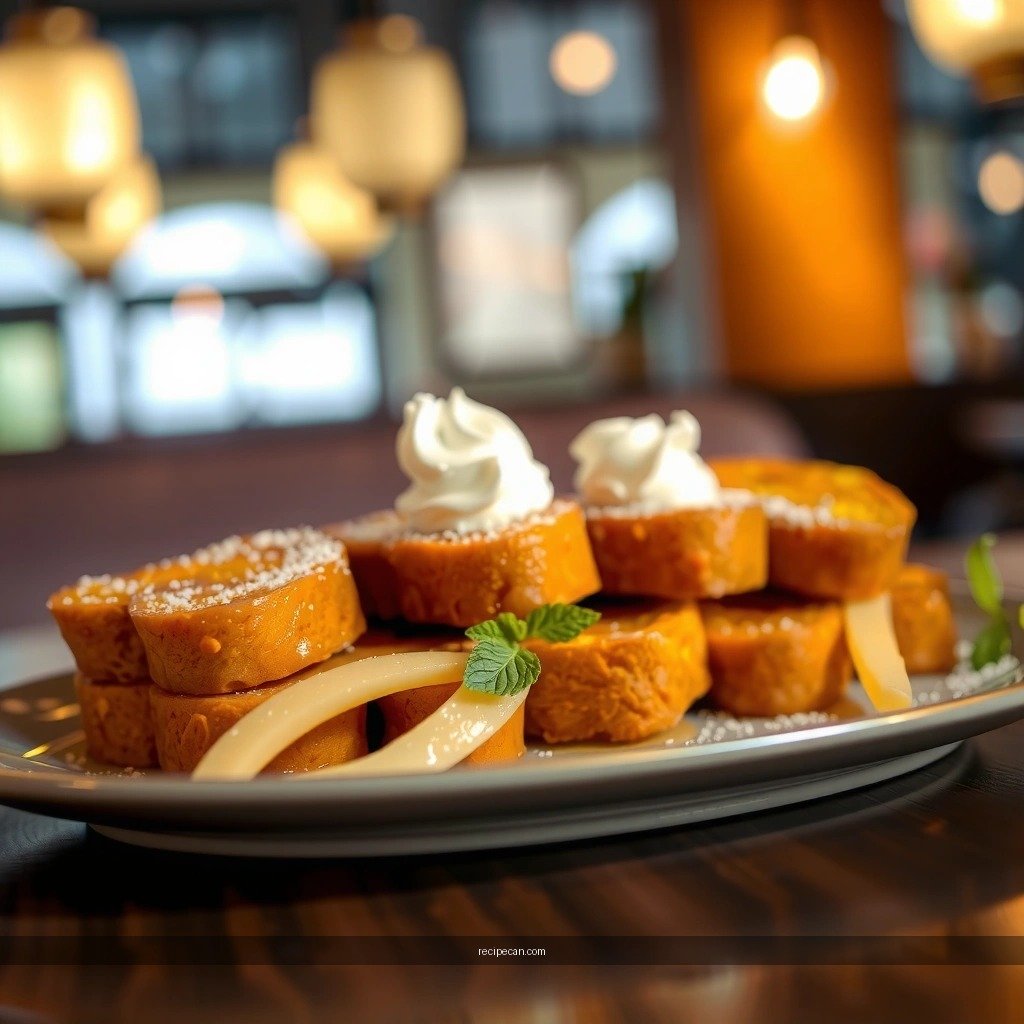
In flourless French toast, the bread is the structural element. Without flour, you need bread that can handle custard moisture and still slice cleanly without tearing.
What to choose: thick-cut bread
– Brioche: Soft, eggy crumb holds up well; great for fluffy results.
– Challah: Slightly firmer than brioche; excellent custardy center.
– Sourdough: More robust and less likely to disintegrate; also gives a tangy, gourmet finish.
Slightly stale is an advantage
– Fresh bread can turn gummy because it absorbs too quickly.
– Bread from the day before (or lightly toasted and cooled) absorbs custard more evenly and crisps better.
Avoid very thin slices
– Thin sandwich bread can break apart during flip even if your batter is perfect.
Quick selection rule (easy and repeatable):
– If the bread holds its shape when pressed gently, it will likely hold up during soaking and cooking.
—
How to Make It: Step-by-Step No-Flour Method
This method is designed to produce custardy interiors without letting the bread become soggy.
1. Whisk your batter until smooth
– Combine eggs, milk (or cream), vanilla, cinnamon, and salt.
– If using cornstarch, whisk it thoroughly so no lumps remain.
– If using cream cheese, soften and whisk until fully combined.
2. Prepare your pan
– Use a nonstick skillet or well-seasoned pan.
– Add butter or a neutral oil and heat to a steady medium temperature so browning happens quickly.
3. Coat the bread evenly
– Dip each slice and let batter coat both sides.
4. Soak briefly—10–20 seconds per side
– Think “coated and saturated at the surface,” not “fully soaked through.”
– Aim for consistent absorption across slices to avoid uneven texture.
5. Cook on medium heat; flip once
– Cook until the first side is golden and set.
– Flip once and cook the second side until evenly browned and custardy in the center.
Timing guidance (so you don’t overcook):
– If you wait too long to flip, the bread dries out.
– If you flip too soon, it may tear or fail to set.
—
Cooking Tips for Crispy, Custardy Results
No-flour French toast needs temperature control because the custard sets at the same time it browns.
1) Preheat for reliable browning
– A cold pan leads to pale toast and steaming instead of crisping.
– Preheat until butter foams (or oil shimmers) before adding bread.
2) Use the right fat
– Butter provides flavor and browning, but it can burn if heat is too high.
– Neutral oil helps browning; you can finish with butter for flavor.
3) Don’t overcrowd
– Overcrowding lowers pan temperature and causes soggy bottoms.
– Cook in batches if needed, and keep finished pieces warm in a low oven (about 200°F / 95°C) while you finish the rest.
4) Adjust heat based on your goal
– Low to medium: for a softer custard center.
– Medium-high: for crispier edges—watch closely so the exterior doesn’t brown before the center sets.
5) Press lightly only if necessary
– If a slice is thick and undercooked inside, a gentle press for a second after flipping can improve contact without crushing the crumb.
—
Toppings & Serving Ideas (No Flour Needed)
Because your texture is already custardy, toppings should complement—rather than overpower—the eggy richness.
Classic serving
– Maple syrup + fresh berries
– Add a squeeze of lemon to berries for brightness that cuts through richness.
Sweet add-ons
– Powdered sugar: Light dusting for a brunch-style finish.
– Whipped cream: Best when you want a dessert-like feel.
– Chopped toasted nuts (walnuts/pecans): Adds crunch against the custard.
Savory twist (surprisingly good)
– Skip powdered sugar.
– Serve with fruit or yogurt (e.g., Greek yogurt with berries, or a yogurt drizzle with cinnamon).
– Optional: a tiny pinch of flaky salt on top to enhance sweetness perception.
Pro hosting tip
– Keep toppings separate and apply them right before serving so the toast stays crisp.
—
Troubleshooting: Common Issues Without Flour
Flourless French toast is forgiving, but small variables (bread freshness, milk ratio, pan temperature) can change texture. Here’s how to correct issues quickly.
– If it’s falling apart
– Use thicker bread (brioche/challah/sourdough).
– Reduce soaking time to 10 seconds per side.
– Ensure the first side is fully set before flipping.
– If it’s not browning
– Increase heat slightly and confirm the pan is preheated.
– Use a bit more fat, or try butter + oil (oil reduces burning risk).
– Avoid overly sweet batter (extra sugar can cause uneven cooking and faster scorching).
– If it’s too wet or gummy
– Reduce the milk slightly (use the lower end of your ratio).
– Add a small amount of cornstarch to stabilize.
– Use slightly stale bread—fresh bread can over-absorb.
– If it’s too dry
– Soak for the upper range of your window (still brief: 15–20 seconds).
– Cook a touch lower and pull as soon as the center looks set.
– If the custard tastes “eggy”
– Increase vanilla slightly and use a pinch more salt to round flavors.
– Let the batter sit 2–3 minutes before dipping (it helps flavors meld).
—
French toast without flour is all about using a rich egg-based batter, the right bread, and brief soaking for a perfect custardy inside with crispy edges. Try the steps above, then tweak sweetness and toppings to your taste—make a batch this morning and share your favorite combo.
Frequently Asked Questions
What is a good french toast recipe no flour using simple ingredients?
A great flourless french toast recipe uses eggs, milk or cream, vanilla, cinnamon, and a thickener like almond flour, oat flour, or cornstarch. To keep it truly no flour, you can use crushed gluten-free cereal (like cornflakes) or ground oats as the “breading,” or rely on the eggs alone for a custardy texture. Dip thick bread into the egg mixture and cook on a buttered skillet until golden and set.
How do you make french toast without flour that still gets crispy on the outside?
For crisp french toast with no flour, use thicker slices of bread and don’t over-soak them—dip briefly so the exterior can caramelize. Cook on medium heat with plenty of butter or a neutral oil, flipping once when the first side turns deep golden brown. You can also add a small amount of cornstarch to the egg mixture to help the coating set and crisp better.
Why does my flourless french toast fall apart, and how can I fix it?
Flourless french toast can fall apart if the bread is too thin, the egg mixture is too watery, or the pan heat is too low. Use sturdy bread (brioche, challah, or thick-cut sandwich bread), and ensure the egg mixture is thick enough to cling before it hits the skillet. Cook on medium heat until fully set, then flip gently; if needed, let it cook a bit longer before turning.
Which gluten-free bread works best for a french toast recipe no flour?
The best gluten-free bread for flourless french toast is one that’s dense and sliceable, not overly airy or crumbly. Look for gluten-free brioche-style loaves or high-quality sandwich bread, and choose slices about 1-inch thick for better structure. If your bread is very soft, toast it lightly first so it holds up during the egg dip.
What are the best no-flour alternatives to thicken egg batter for french toast?
If you want a french toast recipe no flour but need extra structure, consider cornstarch, arrowroot powder, or a small amount of nut flour (like almond flour) mixed into the egg custard. For a coating-style approach, crushed gluten-free cereal or ground nuts can replace flour entirely and still give a crisp crust. Start with small amounts and adjust based on how thick your batter is after dipping the bread.
References
- French toast
https://en.wikipedia.org/wiki/French_toast - Custard
https://en.wikipedia.org/wiki/Custard - Thickening agent
https://en.wikipedia.org/wiki/Thickening_agent - Batter
https://en.wikipedia.org/wiki/Batter - https://en.wikipedia.org/wiki/Egg_(food
https://en.wikipedia.org/wiki/Egg_(food - Bread pudding
https://en.wikipedia.org/wiki/Bread_pudding - https://www.britannica.com/topic/french-toast
https://www.britannica.com/topic/french-toast - Google Scholar Google Scholar
https://scholar.google.com/scholar?q=french+toast+without+flour - Google Scholar Google Scholar
https://scholar.google.com/scholar?q=flourless+french+toast+recipe - Google Scholar Google Scholar
https://scholar.google.com/scholar?q=egg-based+french+toast+custard+without+flour