Looking for the best bruschetta recipes that deliver maximum flavor in every bite? If your goal is a classic, crisp-on-the-edge bruschetta, the top winner is tomato-basil with garlic, finished with extra-virgin olive oil and a drizzle of balsamic. Want the most consistently crowd-pleasing results—fast, bright, and reliably delicious—without turning dinner into a project?
The best bruschetta recipes consistently deliver crunchy toasted bread, bold toppings, and bright finishing touches—so you get maximum flavor in every bite. In the sections below, you’ll find six standout bruschetta ideas (from classic tomato to Mediterranean olive & feta) plus practical, repeatable assembly tips to keep everything crisp, balanced, and restaurant-quality.
Classic Tomato Bruschetta
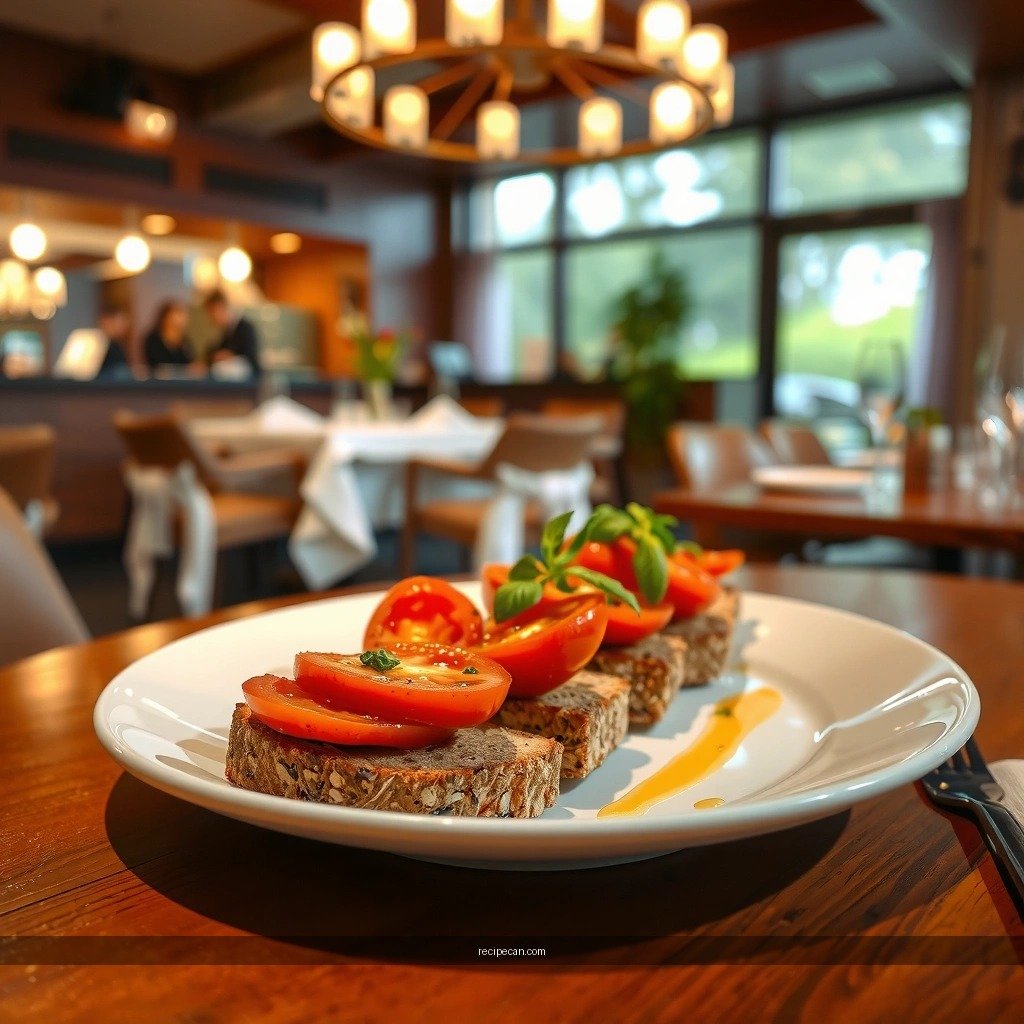
– Use ripe tomatoes and finely chopped garlic for bold, fresh flavor
– Finish with extra-virgin olive oil and fresh basil for the best balance
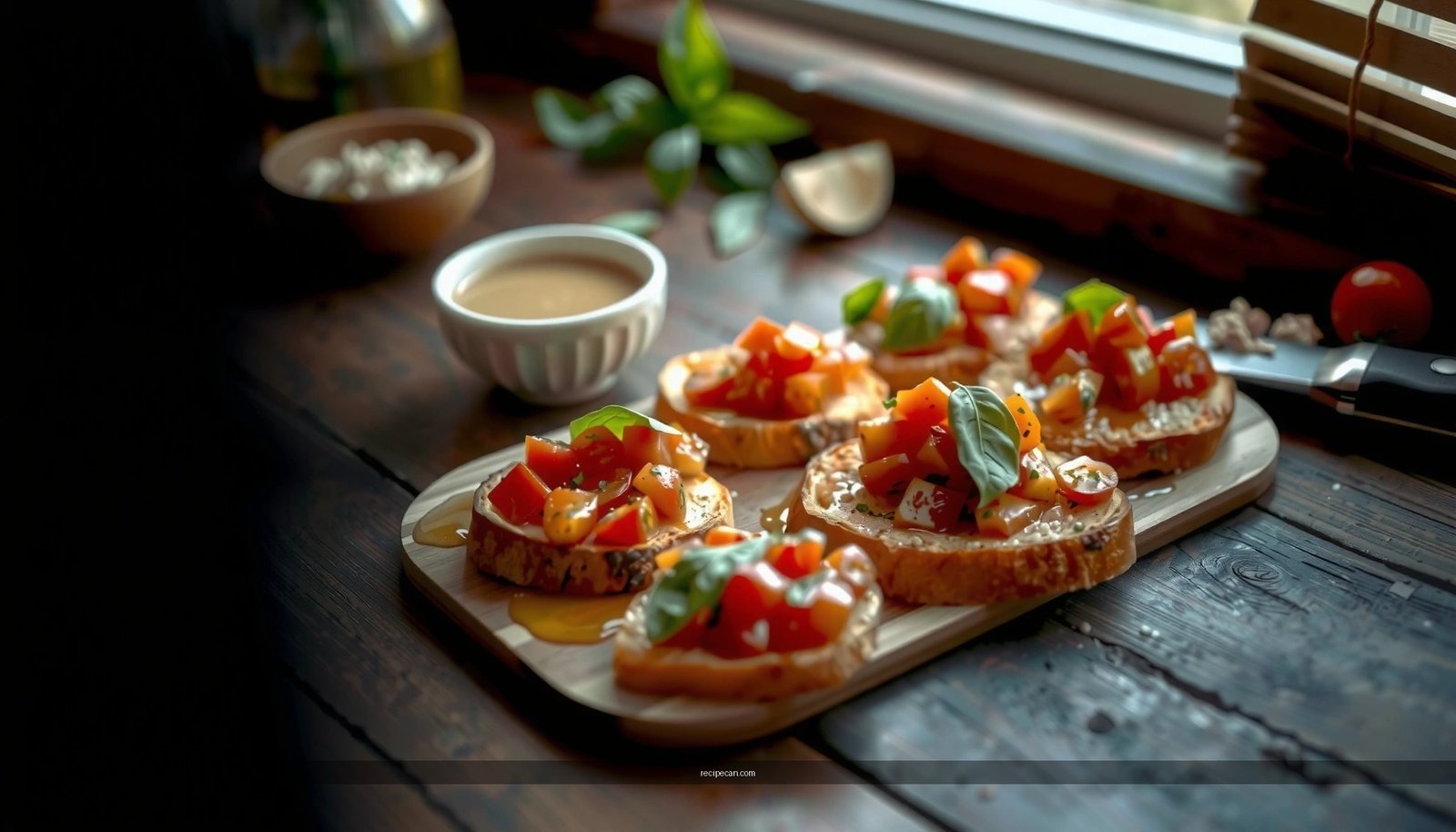
Classic tomato bruschetta is the benchmark: it should taste like peak summer tomatoes—juicy, fragrant, and clean—without falling into sogginess. The key is how you treat the tomatoes before they ever meet the toast.
Choose and prep for real flavor
– Use ripe, firm tomatoes (heirloom, Roma, or vine-ripened). Very soft tomatoes release too much liquid, which speeds up bread sogginess.
– Finely chop the tomatoes rather than slicing thickly. Smaller pieces create a more even topping and better distribution of juices and seasoning.
– Let the tomato mixture rest briefly after mixing with garlic and salt (about 5–10 minutes). This draws out flavor while still keeping the texture controlled.
Build the topping with balance
– Garlic: Use finely chopped garlic or microplaned for a smooth bite. If you dislike raw bite, you can lightly “soften” it by mixing with olive oil first.
– Acidity: Tomatoes usually need a small adjustment—often just a pinch of salt and a drizzle of olive oil. If your tomatoes taste flat, a tiny splash of red wine vinegar or lemon juice can correct it.
– Herbs: Fresh basil should go on at the end, not cooked. Tear it by hand so the oils stay aromatic.
Toast for crunch
– For classic tomato bruschetta, target a toast that’s crisp on the outside and sturdy enough to hold juices. Brush bread with olive oil, then toast until golden and firm.
Best serving approach
– Assemble right before eating. If you’re serving a crowd, prep the tomato topping ahead, but keep toasted bread ready and top on demand.
Whipped Ricotta & Fig Bruschetta
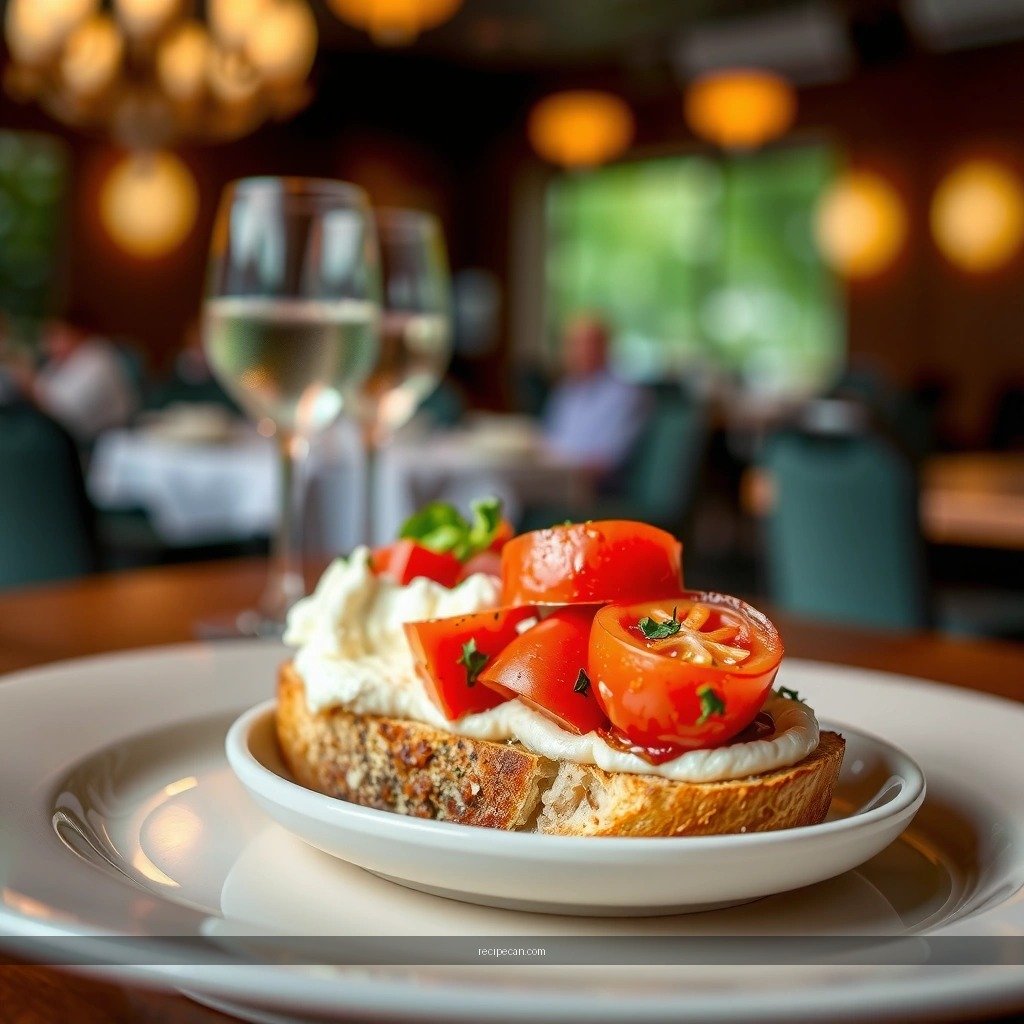
– Spread creamy ricotta onto warm toast for a rich base
– Pair with figs (fresh or jam) and a drizzle of honey for sweet-savory contrast
Whipped ricotta bruschetta is what you make when you want “elevated but still fast.” The contrast—cool creamy ricotta, sweet fig, and fragrant honey—works especially well with toasted bread because it creates both texture and temperature contrast.
How to whip ricotta for a premium texture
– Use whole-milk ricotta for best flavor and body.
– Whip ricotta with a splash of olive oil, lemon zest, and a small pinch of salt. If you want a smoother spread, mix until light and aerated. (A quick fork whip works; a mixer is even better.)
Figs: fresh vs. jam
– Fresh figs: Slice thin so they soften slightly on the hot bread without collapsing.
– Fig jam: Spread a thin layer first if you want consistent sweetness; then add fresh slices on top if available.
Flavor engineering
– Honey drizzle: Go sparingly but intentionally. Honey brings aroma, but too much can overwhelm the ricotta’s mild tang.
– Optional finishing touch: Add cracked black pepper or a few toasted nuts (pistachios or walnuts). The subtle bitterness balances the sweetness.
Assembly strategy
– Spread ricotta on toast while bread is still warm, then add figs and honey immediately. If you assemble too early, the bread can soften under the creamy topping.
Garlic Mushroom Bruschetta
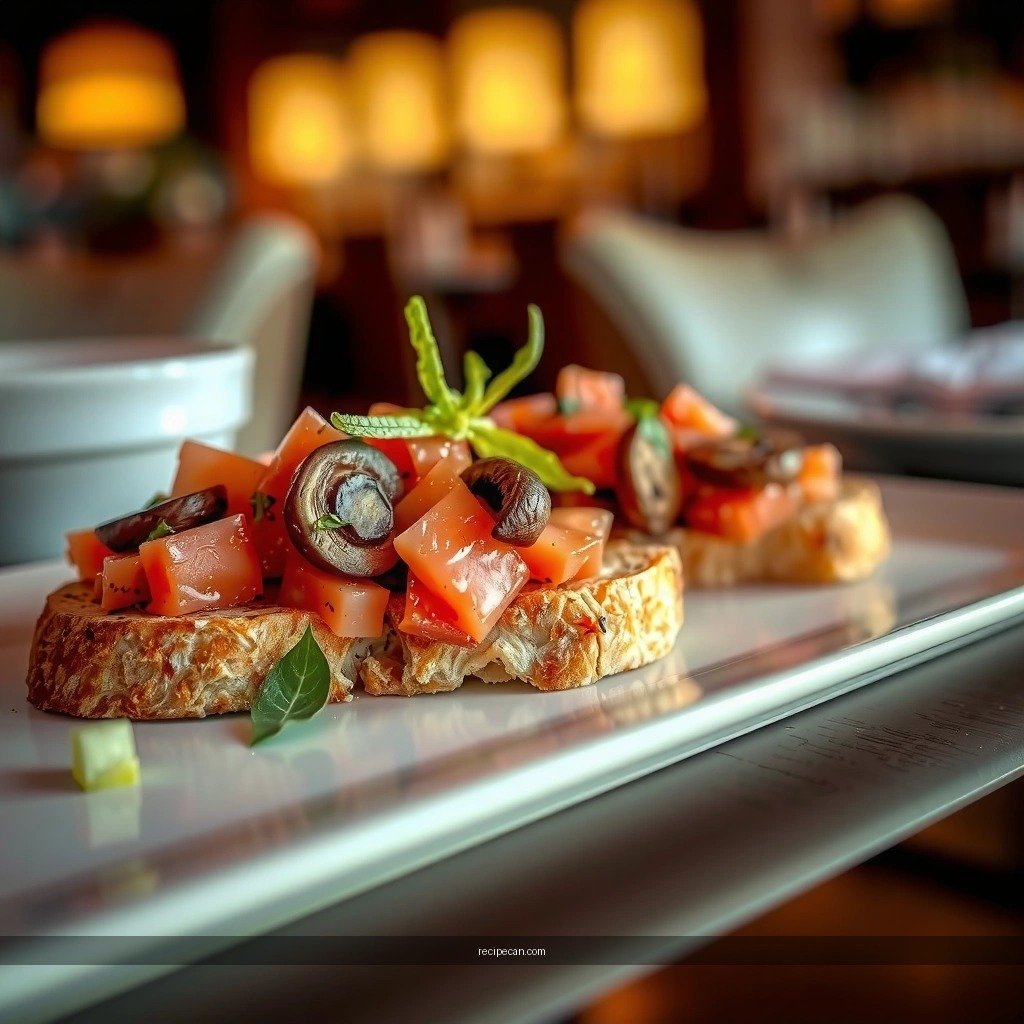
– Sauté mushrooms with garlic and herbs until browned for deeper flavor
– Add a squeeze of lemon to brighten the topping before serving
Mushroom bruschetta turns bruschetta into a richer, more savory course—ideal for colder months or when you want something that feels hearty without being heavy. The biggest difference between “good” and “restaurant-level” mushrooms is browning.
The browning rule
– Cook mushrooms in batches if needed so they brown instead of steam. Crowding the pan releases water and dilutes flavor.
– Let them sit briefly in the pan before stirring. You’re aiming for deep golden edges, which concentrate umami.
Seasoning that stays bright
– Garlic and herbs: Add garlic after the mushrooms begin to brown. For herbs, thyme works beautifully; oregano or parsley adds lift at the end.
– Lemon at the end: A squeeze of lemon right before topping gives a bright “snap” that prevents the dish from tasting heavy.
Texture goals
– Keep mushrooms slightly chunky. Even if you chop them fine, avoid pureeing. Bruschetta should be easy to bite and chew—toppings shouldn’t turn into a paste.
Service tip
– Use toasted bread as your delivery system. If mushrooms are very hot, add them to toast immediately, then finish with lemon and herbs. Letting them cool too much can dull aroma.
Caprese Bruschetta
– Layer juicy tomato, fresh mozzarella, and basil on toasted bread
– Season well with salt, pepper, and olive oil to keep it vibrant and simple
Caprese bruschetta is essentially the flavors of a classic caprese salad—made more “handheld” through smart assembly. It’s simple by design, so the method matters: you want tomato juiciness, mozzarella creaminess, and basil aroma without soggy bread.
Use the right mozzarella
– Fresh mozzarella is ideal. If it’s very wet, blot it briefly with a paper towel to reduce water transfer to the bread.
Build the topping like a salad
– Slice tomatoes and mozzarella thin so every bite includes all elements. Layer them on toast, then finish with basil leaves.
Seasoning discipline
– Season tomatoes with salt and pepper first. Don’t rely only on the final drizzle—tomatoes need salt to taste “tomato” again.
– Finish with good olive oil. The oil carries basil aroma and rounds out acidity.
Optional upgrades (still Caprese)
– Add a small amount of balsamic glaze for sweetness, but use it sparingly so you don’t overshadow the fresh tomato flavor.
– If you like heat, add a pinch of chili flakes to the olive oil drizzle.
Mediterranean Olive & Feta Bruschetta
– Mix olives and crumbled feta with lemon juice and olive oil
– Top with oregano or parsley for a classic Mediterranean kick
If you want bruschetta that tastes bold right away, olive & feta delivers. It’s tangy, salty, and intensely savory—perfect for entertaining because it’s also convenient and holds well as a topping.
Start with a balanced base
– Combine chopped olives (Kalamata or Castelvetrano both work) with crumbled feta.
– Add lemon juice to brighten, plus olive oil to bring everything together into a cohesive, spoonable topping.
Control saltiness
– Olives and feta are both naturally salty. Taste your mixture before adding extra seasoning—often lemon and herbs are enough.
Herb finishing
– Oregano adds a traditional Mediterranean note; parsley adds freshness. Choose one based on the olive variety and your desired flavor profile.
Bread considerations
– Since olive & feta is less watery than tomato-based toppings, it’s easier to keep toast crisp. Still, assemble near serving time for best texture.
Bruschetta Style Guide: Ease, Crowd-Friendliness & Crunch Protection
| # | Bruschetta Type | Prep Time (min) | Best for Crunch (1–10) | Scales Well for 8–12 | Typical Flavor Intensity |
|---|---|---|---|---|---|
| 1 | Classic Tomato | 20 | 6 | Yes (top-to-order) | ★★★★☆ |
| 2 | Whipped Ricotta & Fig | 25 | 7 | Yes (component prep) | ★★★★☆ |
| 3 | Garlic Mushroom | 30 | 8 | Yes (batch-friendly) | ★★★★★ |
| 4 | Caprese | 22 | 7 | Yes (assemble on demand) | ★★★★☆ |
| 5 | Mediterranean Olive & Feta | 15 | 9 | Yes (mix-ahead) | ★★★★★ |
| 6 | “Crisp-Proof” Topping Strategy | 10 | 10 | Yes (workflow-first) | ★★★★☆ |
| 7 | Quick Tomato Adjustment | 12 | 5 | Limited (toast-to-order) | ★★★☆☆ |
Tips for the Best Toast & Assembly
– Toast bread until crisp, then pile toppings immediately to avoid sogginess
– Keep toppings chunky and seasoned, and finish with olive oil right before eating
Bruschetta is deceptively technical. It looks simple—toast, topping, garnish—but the best results come from a controlled workflow and a few sensory targets: crunch, balance, and freshness.
1) Toast for structure, not just color
– Aim for toast that feels firm and crisp when you touch it. Pale toast breaks under toppings; overly toasted bread can taste dry or bitter.
– Use olive oil brushed directly on the bread (not only in the topping). This improves browning and flavor, and helps the bread resist moisture.
2) Assemble in the correct order
– Toast → toppings → final drizzle.
– If you let toasted bread sit for long periods, it loses crunch and becomes vulnerable to juices. The “immediately” step is less about speed and more about protecting the surface texture.
3) Keep toppings chunky
– Chunky toppings create bite-to-bite variation and reduce “soak.” Pureed or finely homogenized toppings act like a liquid layer and soften bread faster.
4) Season like a pro: layer salt, not just finish it
– Many bruschetta failures happen because salt is missing early. Salt in tomatoes improves taste and reduces perceived bitterness; salt in mushrooms makes browned flavors pop; salt in whipped ricotta ensures the base supports sweetness from figs.
– Finish with a final olive oil drizzle and a herb (basil, parsley, or oregano) to bring aromatic lift at the end.
5) Use “brighteners” to keep flavors lively
– Lemon juice works across styles (mushrooms, olives).
– Vinegar (sparingly) can sharpen tomato-based toppings.
– Citrus zest (in ricotta) adds aroma without adding water.
6) Plan for crowds with parallel prep
For best results at events or meal prep:
– Prep toppings in advance (tomato mix, whipped ricotta, cooked mushrooms, olive-feta base).
– Toast bread shortly before serving.
– Assemble in rounds, one tray at a time, so each slice lands crisp and ready.
7) Taste-test and adjust
Even “classic” bruschetta may need micro-adjustments:
– If tomato tastes bland: add salt and a touch of acid.
– If ricotta tastes flat: add lemon zest or olive oil for aroma.
– If mushrooms taste heavy: add lemon right before serving.
– If olive & feta tastes too salty: add a small amount of olive oil and extra lemon to rebalance.
The best bruschetta recipes are easy to master once you nail the toast, use fresh ingredients, and finish with flavorful olive oil and herbs. Pick one recipe above, prep your toppings first, and assemble right before serving—then taste-test and adjust seasoning until it’s perfect.
Frequently Asked Questions
What are the best bruschetta recipes for beginners?
The easiest “best bruschetta recipes” start with a simple tomato-garlic topping and good olive oil. Try a classic tomato-basil bruschetta (tomatoes, fresh basil, garlic, olive oil, salt, and pepper) and pair it with toasted baguette slices. Another beginner-friendly option is a quick white bean and rosemary bruschetta, which uses pantry staples and keeps prep time low.
How do you make bruschetta bread taste crispy every time?
To get crispy bruschetta, toast your bread until golden and firm, then rub it with garlic while it’s still hot. Use a hot oven or grill and avoid soaking the bread—assemble just before serving. Brush or drizzle olive oil lightly on the slices, and keep toppings flavorful but not watery (drain tomatoes if needed).
Why does restaurant bruschetta taste better than homemade?
Restaurants often use higher-quality ingredients and balance acidity, salt, and herbs more carefully than typical home recipes. They also season the tomato mixture in advance so flavors meld, then serve quickly to keep the toasted bread from getting soggy. For the best results, use fresh garlic, ripe tomatoes (or quality canned if out of season), and a generous finishing drizzle of extra-virgin olive oil.
Which bruschetta toppings are the most crowd-pleasing for parties?
Crowd-pleasers include classic tomato-basil bruschetta, roasted red pepper and garlic bruschetta, and creamy whipped ricotta with lemon and herbs. If you want variety, add a pesto bruschetta or a mushroom and thyme option for richer, savory flavor. Make sure you offer at least one vegetarian-friendly bruschetta recipe that’s easy to serve and holds up well for guests.
What are the best seasonal bruschetta recipes for summer and winter?
In summer, the best bruschetta recipes highlight peak tomatoes, basil, peaches (with prosciutto or burrata), and heirloom varieties—season them well and assemble fresh. In winter, choose hearty toppings like roasted vegetables, caramelized onions, butternut squash, and white beans, often with rosemary or sage for warmth. These seasonal bruschetta variations stay flavorful and work perfectly with thicker, sturdier toasted bread.
References
- Google Scholar Google Scholar
https://scholar.google.com/scholar?q=bruschetta+recipe+tomato+garlic - Google Scholar Google Scholar
https://scholar.google.com/scholar?q=best+bruschetta+recipe+olive+oil+basil - Google Scholar Google Scholar
https://scholar.google.com/scholar?q=traditional+bruschetta+recipe+italy - Bruschetta
https://en.wikipedia.org/wiki/Bruschetta - https://www.britannica.com/topic/bruschetta
https://www.britannica.com/topic/bruschetta - Italian cuisine
https://en.wikipedia.org/wiki/Italian_cuisine - Olive oil
https://en.wikipedia.org/wiki/Olive_oil - https://en.wikipedia.org/wiki/Tomato
https://en.wikipedia.org/wiki/Tomato - Garlic
https://en.wikipedia.org/wiki/Garlic - Basil
https://en.wikipedia.org/wiki/Basil