Get a dairy free French toast recipe that’s easy, fluffy, and actually tastes rich without butter or milk. This version answers the question of how to make dairy free French toast that browns evenly and stays tender on the inside. You’ll follow a simple batter-and-soak method with a reliable dairy free substitute for the classic custard effect.
Dairy-free French toast is easy to get right: use a plant-based milk for the “custard” and cook on medium heat until each side turns golden and puffy. In this recipe, you’ll learn exactly how to mix the batter (egg-based or egg-free), soak thick bread for the right level of absorption, and cook so you get that classic fluffy interior—without traditional butter or dairy.
Ingredients for Dairy Free French Toast
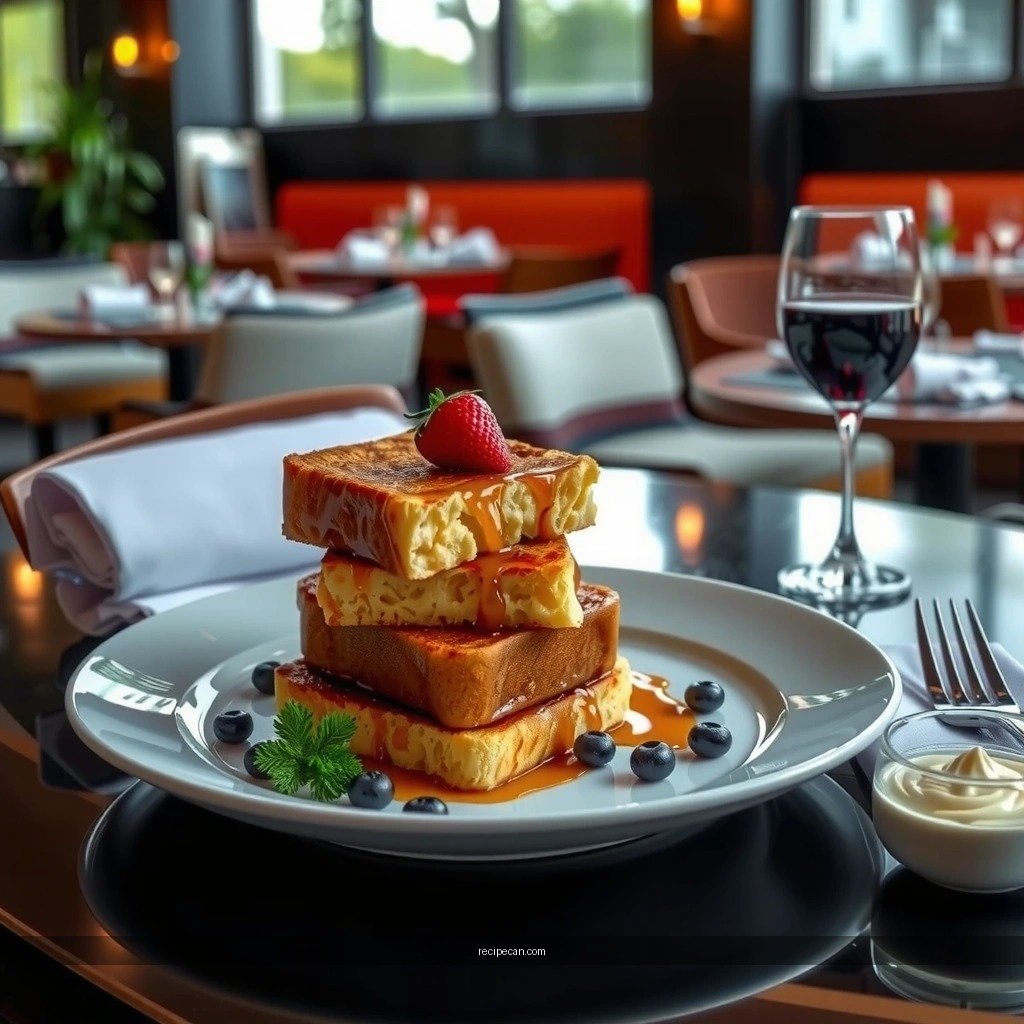
For the best dairy free breakfast results, think in three buckets: (1) the plant-based milk, (2) the cooking fat, and (3) the bread you choose.
– Choose dairy-free milk (almond, oat, soy) and dairy-free butter or oil for cooking
– Plant-based milk matters because it provides moisture and influences browning and custardiness.
– For cooking, use olive oil, avocado oil, or a dairy-free butter spread (unsalted) so the toast browns evenly without burning.
– Use bread you love—thick slices work best for a custardy center
– Aim for 1-inch (2.5 cm) thick bread or similarly substantial slices (brioche-style loaf, Texas toast, challah-style vegan bread, or hearty sourdough).
– Stale bread is your friend: if your slices are fresh, toast them lightly for 2–3 minutes before soaking.
Quick Batter Performance Guide (Choosing Your Milk)
Because French toast is essentially “bread + custard + heat,” the milk you choose will shape texture and flavor.
Typical Nutrition & Custardiness for Dairy-Free French Toast (per 1 cup / 240 ml, unsweetened)
| # | Dairy-Free Milk | Calories | Protein | Fat | French Toast Custardiness |
|---|---|---|---|---|---|
| 1 | Oat Milk | 120 kcal | 3 g | 5 g | ★★★★★ |
| 2 | Soy Milk | 80 kcal | 7 g | 4 g | ★★★★☆ |
| 3 | Almond Milk | 30 kcal | 1 g | 2.5 g | ★★★☆☆ |
| 4 | Cashew Milk | 50 kcal | 2 g | 2.5 g | ★★★★☆ |
| 5 | Coconut Milk (carton) | 45 kcal | 0–1 g | 4 g | ★★★☆☆ |
| 6 | Pea-Protein Milk | 100 kcal | 8 g | 3 g | ★★★★☆ |
| 7 | Rice Milk | 60 kcal | 1 g | 0 g | ★★☆☆☆ |
Dairy Free Batter (Step-by-Step)
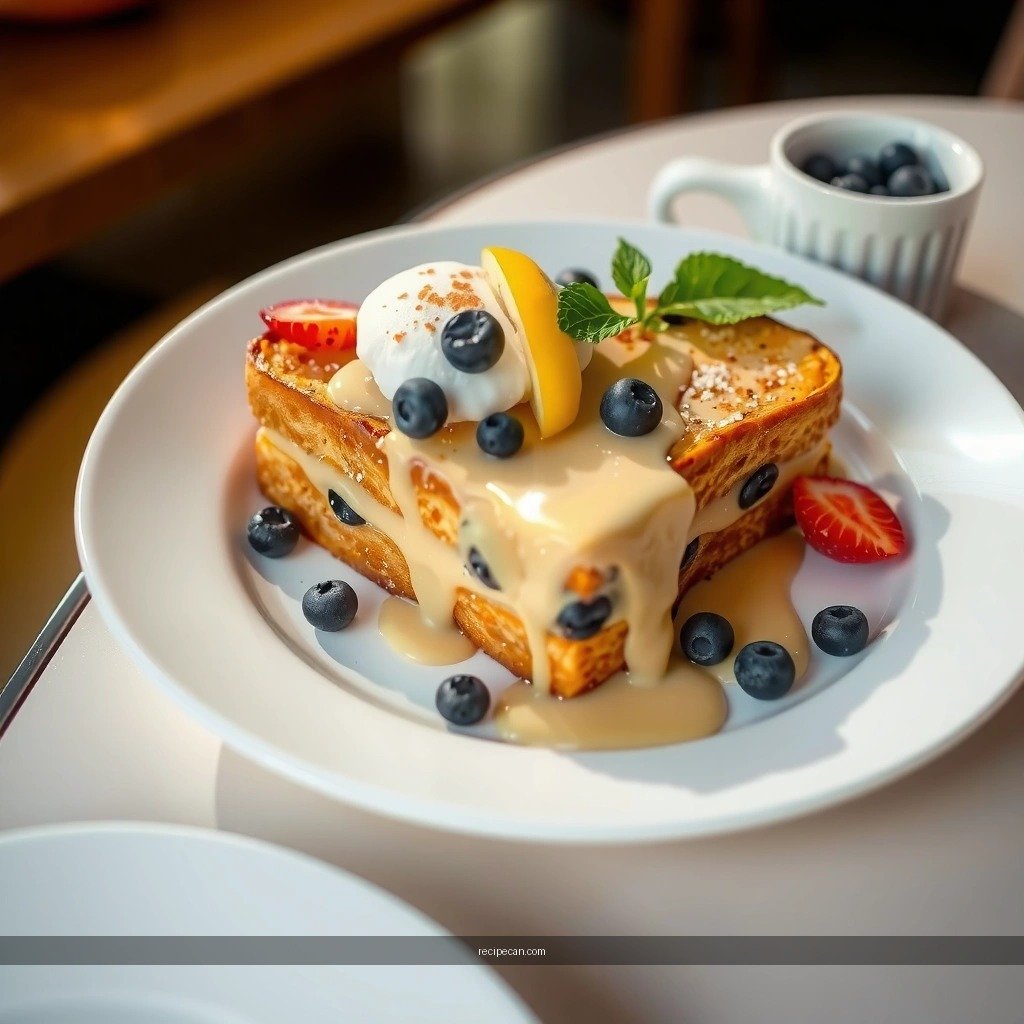
The batter is where dairy-free French toast becomes truly “custardy” instead of just fried bread. The goal: even coating, controlled thickness, and flavors that read as French toast even without butter.
Base idea: whisk dairy-free milk + eggs (or an egg substitute) + seasonings. Then optionally add a thickener to help the batter cling.
Step-by-step batter instructions
1. Whisk wet ingredients
– In a wide bowl, whisk together:
– 1 cup (240 ml) dairy-free milk (unsweetened)
– 2 large eggs (or substitute—see egg-free section)
– 1–2 tsp vanilla extract
– 1–2 tsp cinnamon (optional, but strongly recommended)
– Pinch of salt
– Optional: 1 tbsp maple syrup for a lightly caramelized flavor.
2. Add a thickener (optional but recommended for best coating)
– If you’re aiming for that thick, bakery-style coating, stir in:
– 1–2 tbsp flour *or* 1 tbsp cornstarch
– Why it works: the thickener increases viscosity so the batter stays on the bread, rather than pooling in the pan.
3. Rest the batter for 3–5 minutes (optional quality upgrade)
– This helps flour/cornstarch hydrate and reduces the chance of runny coating.
Batter consistency check (professional tip)
– Batter should coat the back of a spoon.
– If it runs like water, add 1 tsp cornstarch.
– If it’s too thick and clumpy, add 1–2 tbsp milk.
How to Soak and Cook for Perfect Texture
French toast texture is mostly controlled by soak time and pan temperature. Too hot = burned outside, cold center. Too long = soggy interior.
Soaking: coated, not drenched
– Use thick slices and soak each side for 20–40 seconds (egg-based) and 30–60 seconds (egg-free batters often need a touch more time to set, depending on your substitute).
– Lift bread and let excess batter drip back into the bowl for 5–10 seconds.
– If the bread starts to tear, your slices are too delicate or you soaked too long.
Cooking: medium heat for golden fluff
1. Heat a skillet or nonstick pan over medium heat.
2. Add a small amount of dairy-free butter or oil and swirl to coat.
3. Cook the first side until deep golden, usually 2–4 minutes depending on bread thickness.
4. Flip once (avoid repeated flips). Cook the second side until golden, another 2–3 minutes.
5. If French toast is browning too fast, reduce to medium-low and continue cooking.
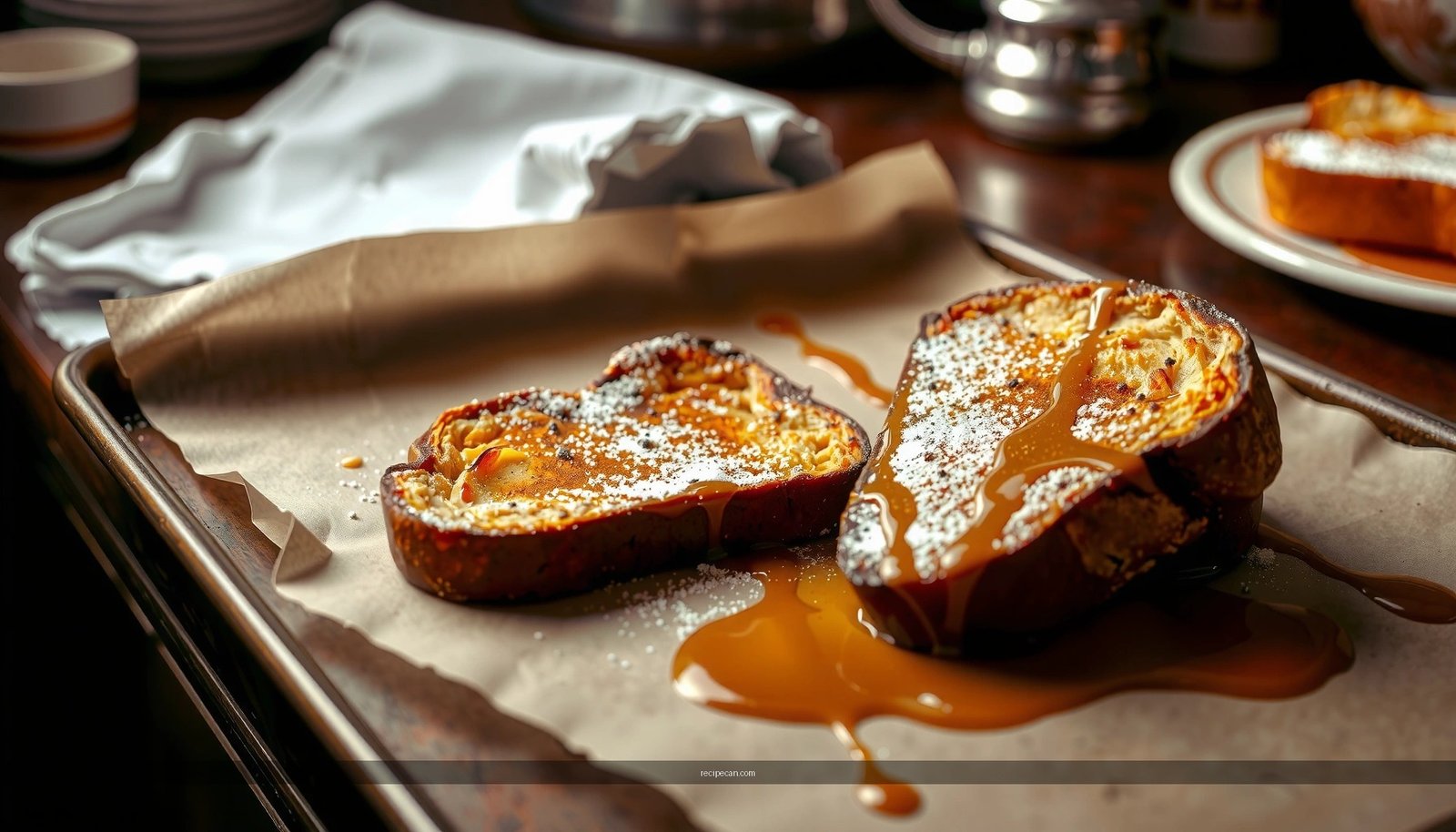
Crisp edges without drying
– Keep the pan lightly greased for consistent browning.
– Serve immediately, or hold on a wire rack in a low oven (around 200°F / 95°C) for up to 10 minutes.
Dairy-Free Toppings & Serving Ideas
Toppings should complement the cinnamon-vanilla profile and add sweetness, acidity, and texture contrast.
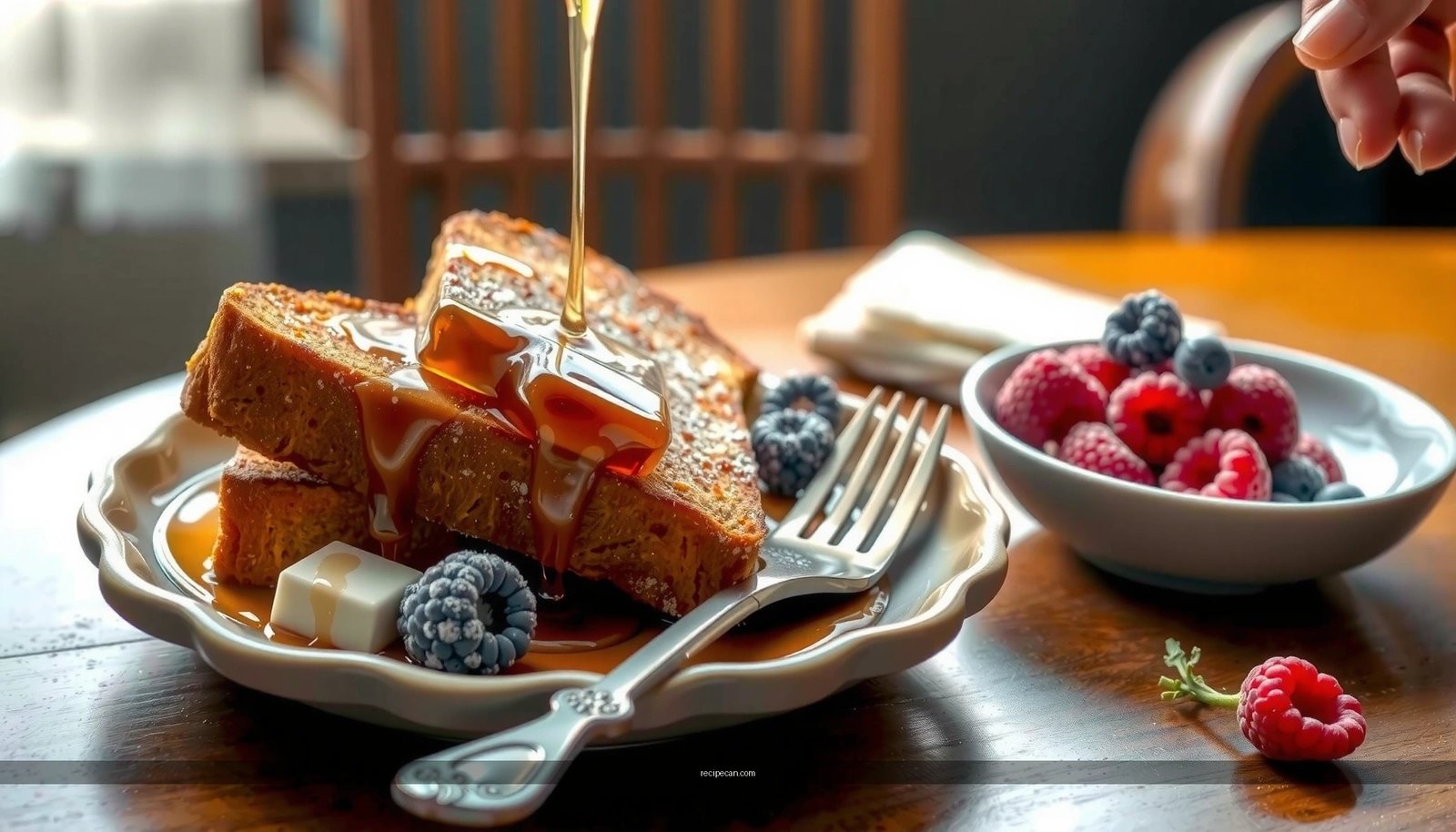
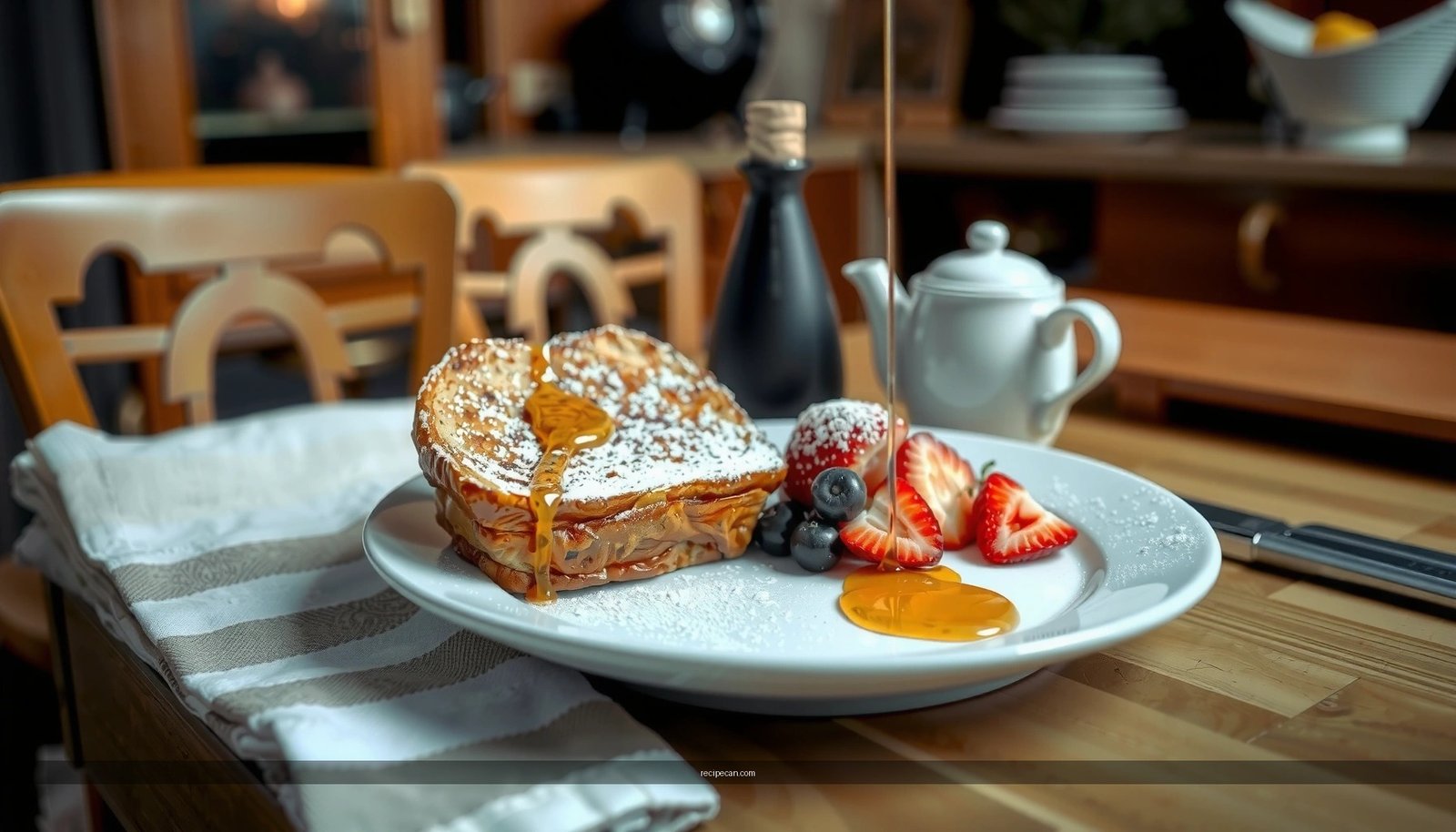
– Keep it classic: maple syrup and berries
– Maple syrup adds caramel notes that mimic traditional butter-and-syrup flavor.
– Berries (fresh or warmed) provide brightness that prevents the dish from tasting “flat.”
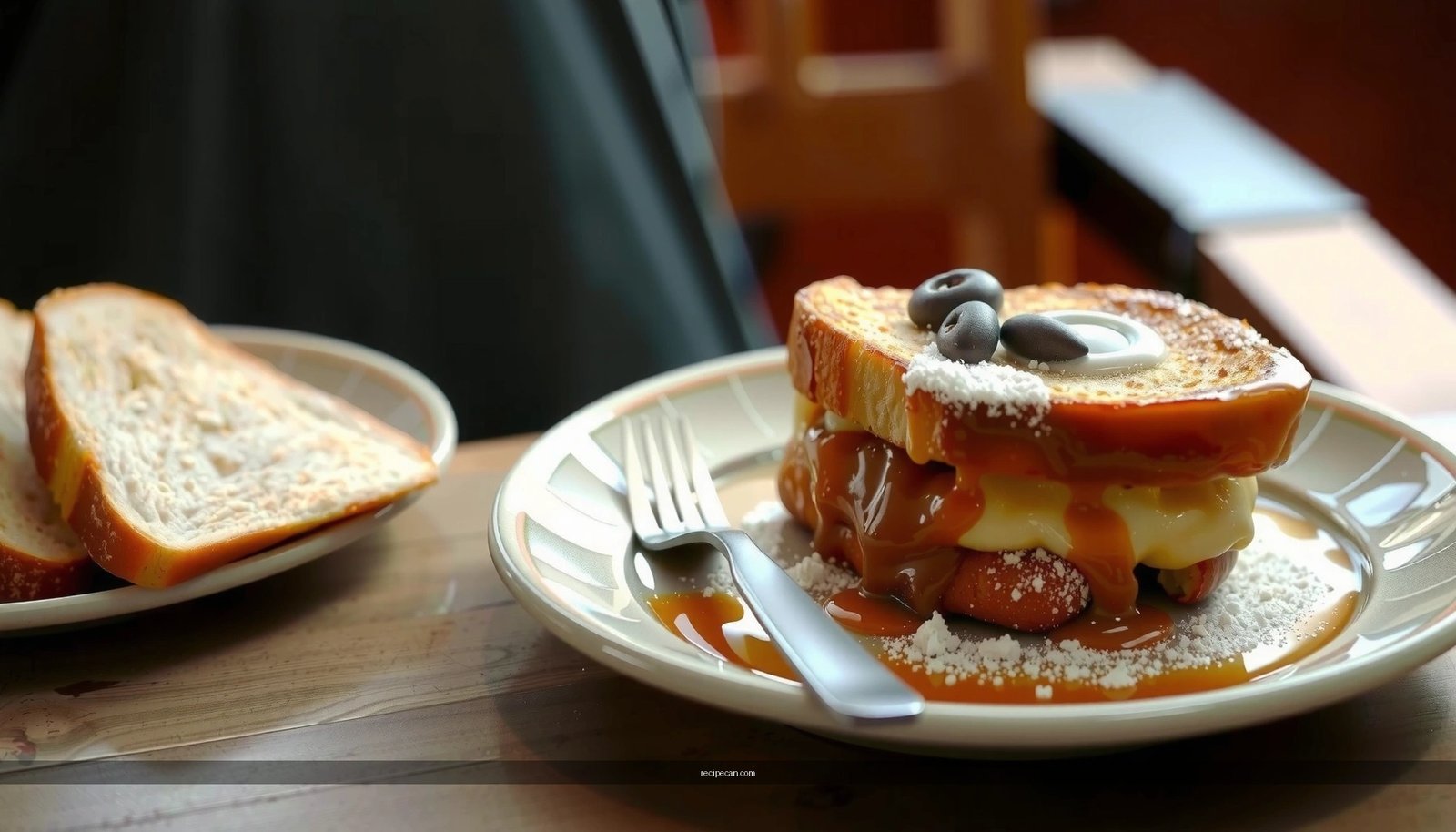
– Try dairy-free whipped topping or nut butter for extra flavor
– Dairy-free whipped topping adds a cloud-like finish.
– Almond, peanut, or cashew butter adds richness. For best results, warm it 10–15 seconds so it drizzles instead of clumps.
– Optional upgrade: sprinkle with toasted chopped nuts or coconut flakes.
Serving workflow idea:
Make a batch, keep finished slices warm on a rack, and build each plate with syrup + fruit last so the exterior stays crisp.
Egg-Free Options (If You Need Them)
Egg-free dairy-free French toast can still be fluffy, but it requires a structure strategy: thicken the batter and use an egg substitute that gels.
Option A: Vegan egg substitute
– Use a store-bought vegan egg replacer prepared according to the package (commonly based on aquafaba/starch blends).
– Expect a slightly softer center. Adjust soak time to avoid breakage.
Option B: Flax/chia “egg” method (best for thicker batter)
– Mix 1 tbsp ground flax or chia with 3 tbsp water per “egg.”
– Rest 10 minutes until gelled, then add to the batter.
– To improve hold: increase thickener slightly (e.g., add 1 additional tsp cornstarch for the batch).
Soak time adjustment
– Because egg-free batter sets differently, soak a bit longer—typically 30–60 seconds per side—then cook on medium-low for more gentle, even setting.
Texture troubleshooting
– If it falls apart: your soak was too long, or your bread is too thin. Try thicker slices and reduce soak by ~10–15 seconds.
– If it tastes eggy (some substitutes can): reduce flax/chia by half or use a vanilla-forward batter (1.5–2 tsp vanilla).
Storage and Reheating Tips
French toast leftovers are absolutely workable—if you reheat properly, you can maintain that desirable exterior.
– Store leftovers in an airtight container in the fridge
– Let French toast cool completely before sealing.
– Refrigerate up to 3 days.
– Reheat in a toaster oven or skillet to keep the exterior crisp
– Toaster oven: 350°F (175°C) for 6–10 minutes (flip halfway).
– Skillet: medium-low with a tiny splash of oil, 1–2 minutes per side.
– Avoid microwaving when possible—microwaving softens the exterior and can make it gummy.
Best practice: reheat only what you’ll eat, especially if you plan to add fresh berries or syrup.
Dairy-free French toast is easy: use dairy-free milk, season the batter well, and cook on medium heat for that golden, fluffy result. Try the recipe once as written, then experiment with egg-free options and topping variations—save your favorite version, and share it with someone who’d love a dairy-free breakfast.
Frequently Asked Questions
What dairy free French toast recipe works best with plant-based milk?
A reliable option is to use almond milk or oat milk as the base, since they create a creamy custard coating without overpowering flavor. For best results, whisk the dairy free egg substitute (or real eggs if not avoiding eggs), vanilla, cinnamon, and a pinch of salt, then soak thick bread for 20–60 seconds per side. Cook on a preheated skillet with a neutral dairy free butter or oil until golden brown, then serve immediately for ideal dairy free French toast texture.
How do I make dairy free French toast without eggs?
To make an egg free dairy free French toast recipe, use a flax egg (1 tbsp ground flax + 3 tbsp water per egg) or a commercial egg replacer and let it thicken for a few minutes. Replace the custard binders with ingredients like unsweetened plant milk, vanilla, and a little cornstarch or arrowroot to help the coating set. Soak the bread briefly so it absorbs flavor but doesn’t become gummy, then cook on medium heat until the outside is crisp.
Why does my dairy free French toast turn soggy, and how can I prevent it?
Sogginess usually happens when the bread soaks too long or the pan isn’t hot enough to quickly set the dairy free custard. Use slightly stale bread or toast it lightly beforehand, and soak only until saturated but not falling apart (about 20–60 seconds per side depending on bread thickness). Cook on medium-high heat and avoid overcrowding the skillet so the dairy free French toast browns instead of steaming.
What is the best bread for dairy free French toast?
Thick-cut brioche-style bread, challah, sourdough, or sturdy Texas toast hold up well and absorb the dairy free French toast batter without becoming mushy. If you’re using sandwich bread, choose a thicker slice and soak more briefly to prevent sogginess. For extra flavor and better texture, use day-old bread or refrigerate bread overnight so the plant milk mixture clings rather than dissolves.
Which toppings pair best with dairy free French toast?
Classic choices include maple syrup, fresh berries, sliced bananas, and powdered sugar or dairy free whipped cream. For a richer dairy free option, try toasted coconut, chopped pecans, or a cinnamon crumble topping made with dairy free butter. If you want a more indulgent flavor, a drizzle of nut butter or dairy free chocolate sauce complements the cinnamon and vanilla in the dairy free French toast batter.
References
- French toast
https://en.wikipedia.org/wiki/French_toast - https://en.wikipedia.org/wiki/Dairy-free_diet
https://en.wikipedia.org/wiki/Dairy-free_diet - Lactose intolerance
https://en.wikipedia.org/wiki/Lactose_intolerance - Lactose Intolerance | MedlinePlus
https://medlineplus.gov/lactoseintolerance.html - Lactose Intolerance – NIDDK
https://www.niddk.nih.gov/health-information/digestive-diseases/lactose-intolerance - Recurrent breast cancer – Symptoms and causes – Mayo Clinic
https://www.mayoclinic.org/diseases-conditions/lactose-intolerance/symptoms-causes/syc-20377135 - https://pubmed.ncbi.nlm.nih.gov/?term=lactose+free+diet
https://pubmed.ncbi.nlm.nih.gov/?term=lactose+free+diet - https://scholar.google.com/scholar?q=dairy-free+french+toast+recipe Google Scholar
https://scholar.google.com/scholar?q=dairy-free+french+toast+recipe - https://scholar.google.com/scholar?q=lactose+intolerance+milk+substitutes+cooking Google Scholar
https://scholar.google.com/scholar?q=lactose+intolerance+milk+substitutes+cooking - Google Scholar Google Scholar
https://scholar.google.com/scholar?q=vegan+french+toast+recipe