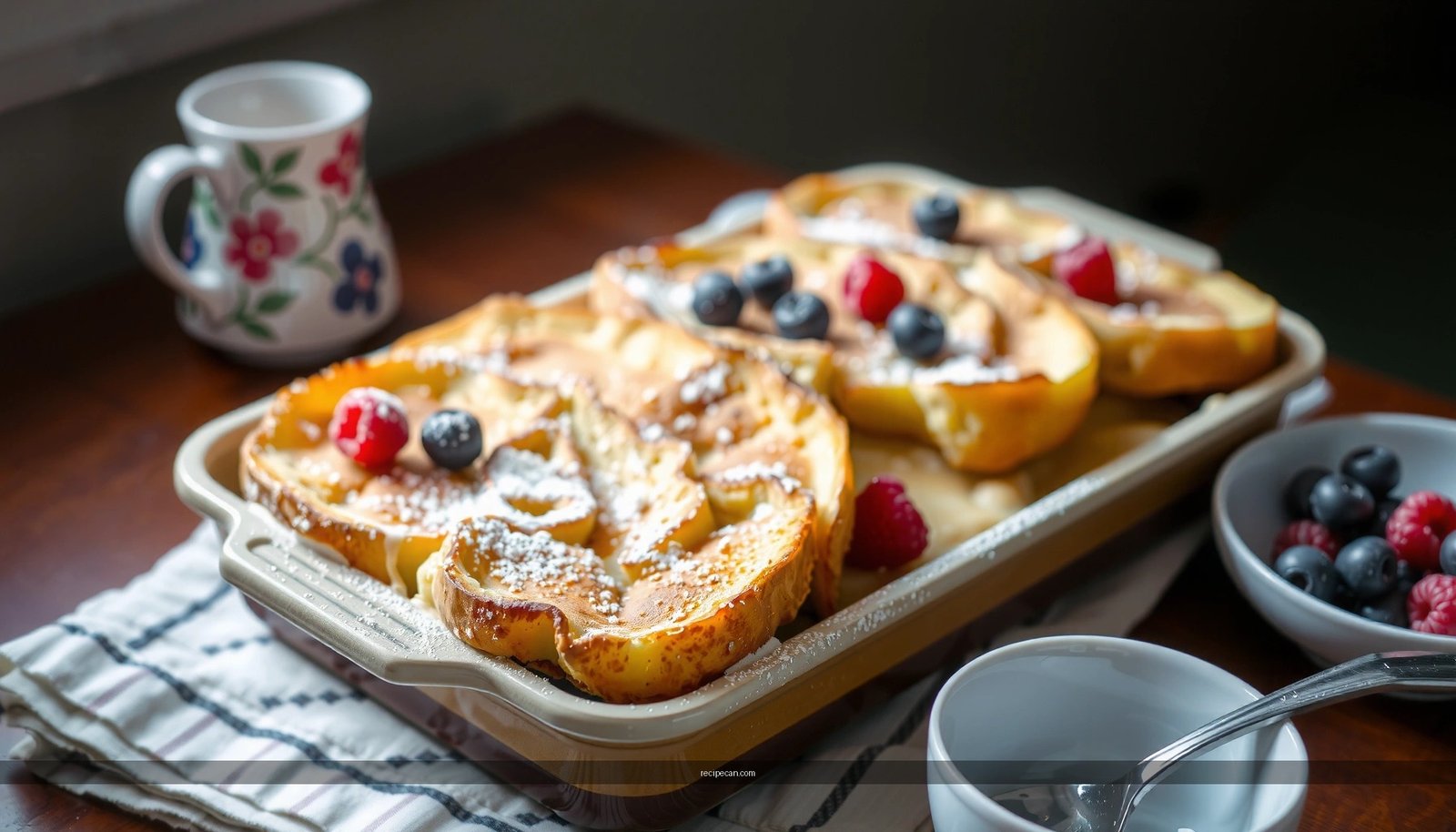
The best French toast casserole recipe delivers a reliably fluffy, custardy bake with a crisp top—every time. This easy make-ahead version answers the one question that matters: can you assemble it in advance and still get that “golden, spoonable” texture at breakfast? Follow this method and you’ll have a crowd-pleasing French toast casserole that holds up beautifully from oven to table.
The best French toast casserole recipe is simple: soak cubed bread in a rich egg-and-milk custard, bake until golden, and rest so it sets for a fluffy, custardy center. If you follow the bread-to-custard balance, bake until the top is properly set, and use make-ahead assembly, you’ll get a consistent result—whether you’re feeding a family or hosting a brunch.
French toast casserole is essentially custard-soaked bread baked into a sliceable bake, which removes the stress of flipping individual pieces. The texture you want—golden edges, soft and creamy center, and no soggy disappointment—comes down to three controllable variables: bread choice, custard ratio, and time (soaking + bake + rest).
Below, you’ll find a reliable, easy method with precise guidance, plus make-ahead and storage tips that work for both weekend mornings and larger gatherings.
Choose the Best Bread for French Toast Casserole
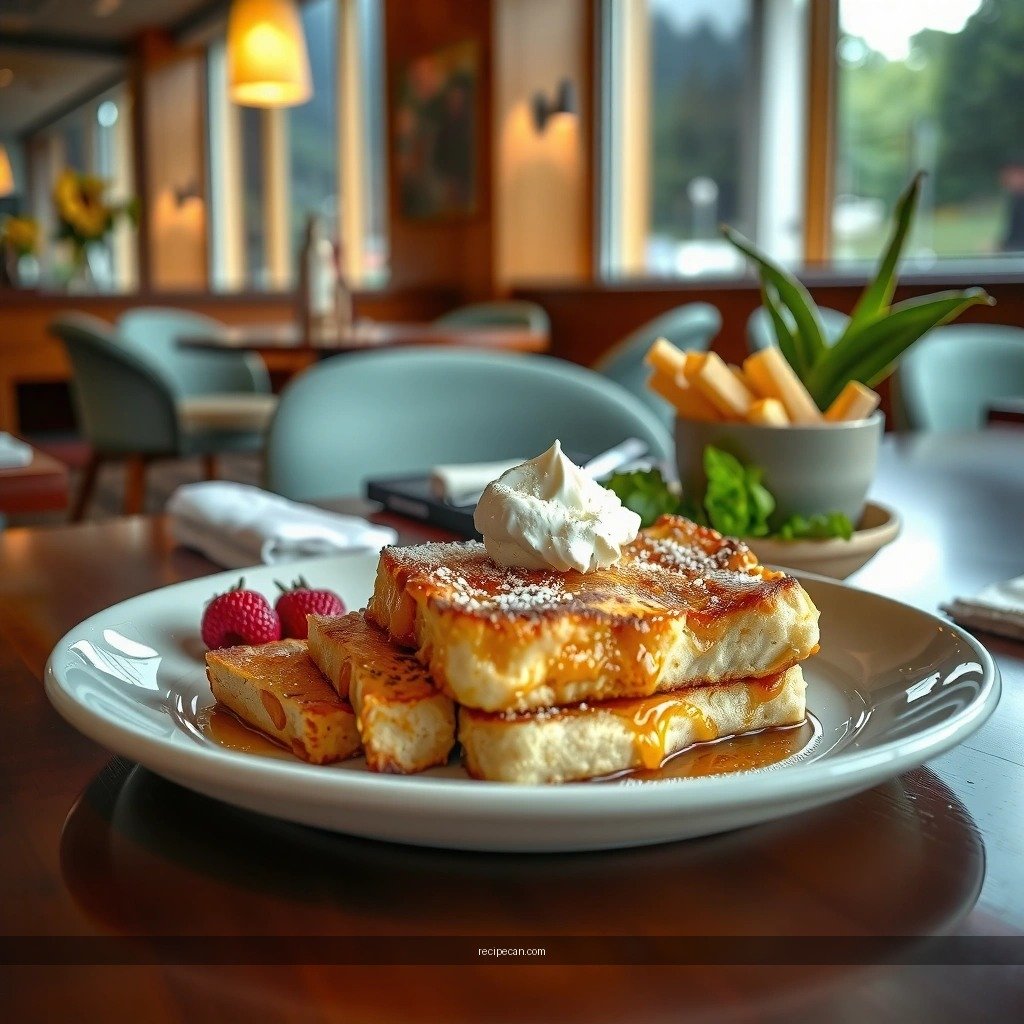
– Use brioche or challah for the richest, custard-soaked texture
– Day-old bread absorbs the custard better and bakes more evenly
Bread is the foundation of a fluffy French toast casserole. Because the custard cooks into the bread structure, you want bread that’s both absorbent enough to drink the custard and sturdy enough to hold its shape when baked.
Best options (most forgiving and flavorful)
– Brioche: High egg/butter content gives the most tender crumb and a naturally sweet flavor. Results are typically plush and rich.
– Challah: Similar richness to brioche, with a slightly firmer structure—great for a casserole that slices cleanly.
– French bread or sourdough (day-old): Works well if you cut fairly uniform cubes and don’t over-soak. Expect a slightly more rustic texture.
Why day-old bread matters
Fresh bread can be too elastic and may resist absorbing custard evenly. Day-old bread is drier, creating more “custard pathways.” That translates to:
– more consistent hydration across every cube,
– less risk of gummy pockets,
– and better browning because moisture is distributed rather than pooled.
Cube size and consistency (small detail, big payoff)
Cut bread into 1-inch cubes for even cooking. Too large can leave a cold center; too small can over-soften and turn custardy throughout (still tasty, but less “French toast” style).
Bread Choice for Fluffy French Toast Casserole (Moisture & Texture Outcomes)
| # | Bread Type | Best Soak Time | Bake Behavior | Texture Score |
|---|---|---|---|---|
| 1 | Brioche (day-old) | 20–30 min | Even browning; custard stays creamy | ★★★★★ |
| 2 | Challah (day-old) | 25–35 min | Slices cleanly; soft center | ★★★★★ |
| 3 | French bread (day-old) | 30–40 min | Great browning; slightly drier center if overdone | ★★★★☆ |
| 4 | Sourdough cubes | 25–35 min | Custard absorbs well; tangy flavor | ★★★★☆ |
| 5 | Whole wheat sandwich bread | 40–55 min | Absorbs more slowly; can feel denser | ★★★☆☆ |
| 6 | Baguette (fresh) | 15–25 min | Often over-soaks at edges; uneven hydration | ★★★☆☆ |
| 7 | Gluten-free loaf (firm cut) | 25–30 min | Needs extra binder; can crumble if underbaked | ★★★★☆ |
Mix the Custard for Fluffy French Toast
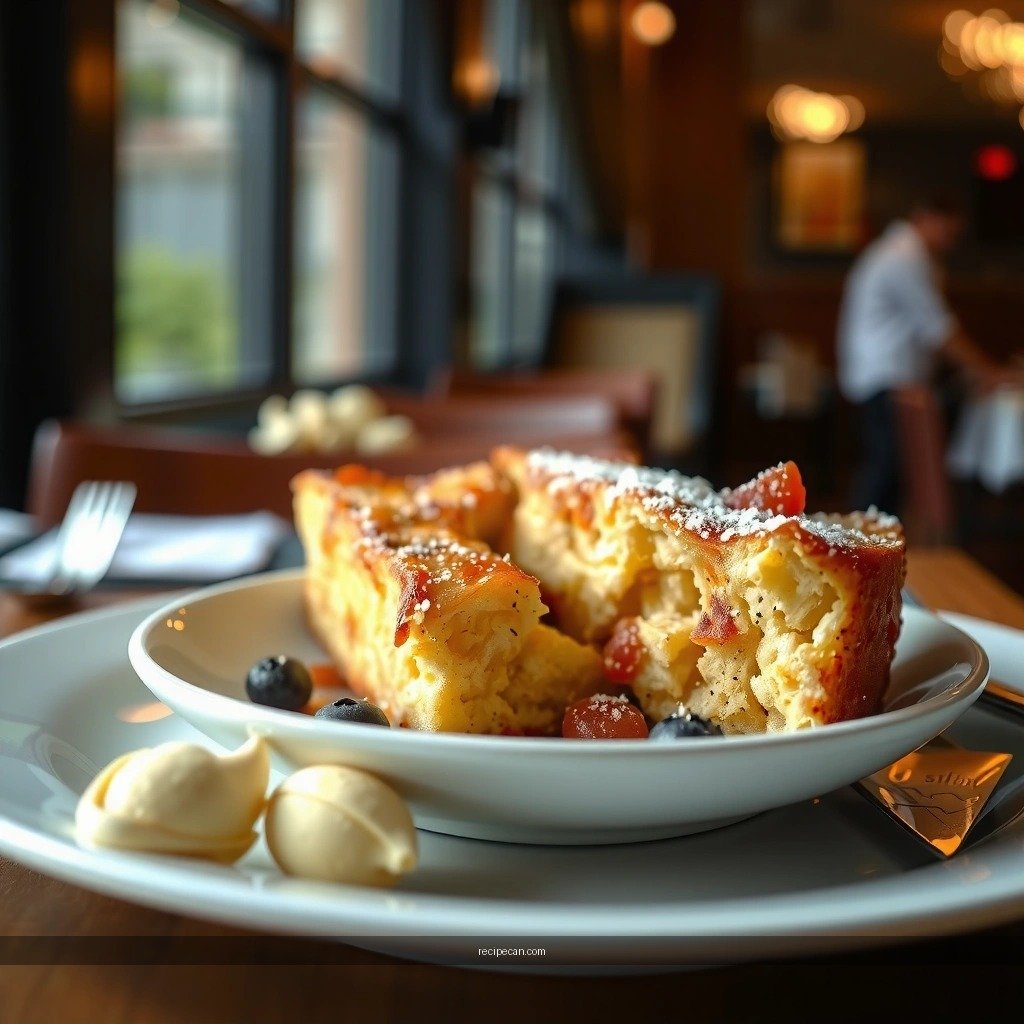
– Combine eggs, milk (or half-and-half), vanilla, and cinnamon for classic flavor
– Use the right soak time to avoid dry centers or soggy edges
A fluffy French toast casserole is not only about bread—it’s about the custard behaving correctly in the oven. The custard should be rich enough to create a creamy interior but not so loose that it pools at the bottom.
A dependable custard base
For a standard 8×8-inch or 9×13-inch casserole (adjust proportionally), your custard typically includes:
– Eggs: provide structure as they set.
– Milk or half-and-half: provides creaminess and flavor.
– Vanilla and cinnamon: signature warmth.
– Optional: a small amount of sugar, plus a pinch of salt to sharpen flavor.
How to hit the right consistency
If you want the “custardy but set” texture, aim for a custard that coats bread cubes without becoming watery. Two practical rules:
1. Whisk thoroughly so the eggs fully emulsify with the milk.
2. Don’t over-saturate: too much soak time creates soggy edges and can prevent a clean, sliceable finish.
Soak time: the lever you control
– Same-day baking: 20–35 minutes is usually enough for brioche/challah cubes.
– Overnight method: refrigerate 8–12 hours, which is safe when your dish is covered and your bread has had time to hydrate evenly.
If you notice dry pockets after soaking, gently press bread down and redistribute cubes—sometimes it’s coverage, not ratio.
Assemble and Evenly Soak
– Layer bread cubes in the baking dish for consistent coverage
– Press gently and cover to help every piece absorb the mixture
Even layering is what turns a “good” casserole into a reliable one. Uneven distribution leads to under-soaked cubes, and under-soaked cubes lead to chewy, dry bites in the middle.
Assembly best practices
1. Use the right dish size: Overcrowding (bread too deep) can trap moisture and slow cooking.
2. Layer in a single even spread: Fill the dish so cubes are close but not packed tightly.
3. Pour custard slowly: Go around edges first, then across the center, so the bread hydrates evenly.
4. Press gently: Use your hands or a spatula to ensure top cubes contact the custard.
5. Cover properly: During soak, cover tightly to prevent the top from drying out.
Quick quality check before baking
Before it goes into the oven, look for:
– most cubes appearing slightly darkened (hydrated),
– fewer dry crowns on top,
– and no large puddles that haven’t soaked in.
If you see puddling, just nudge the dish and redistribute lightly.
Bake to Golden Perfection
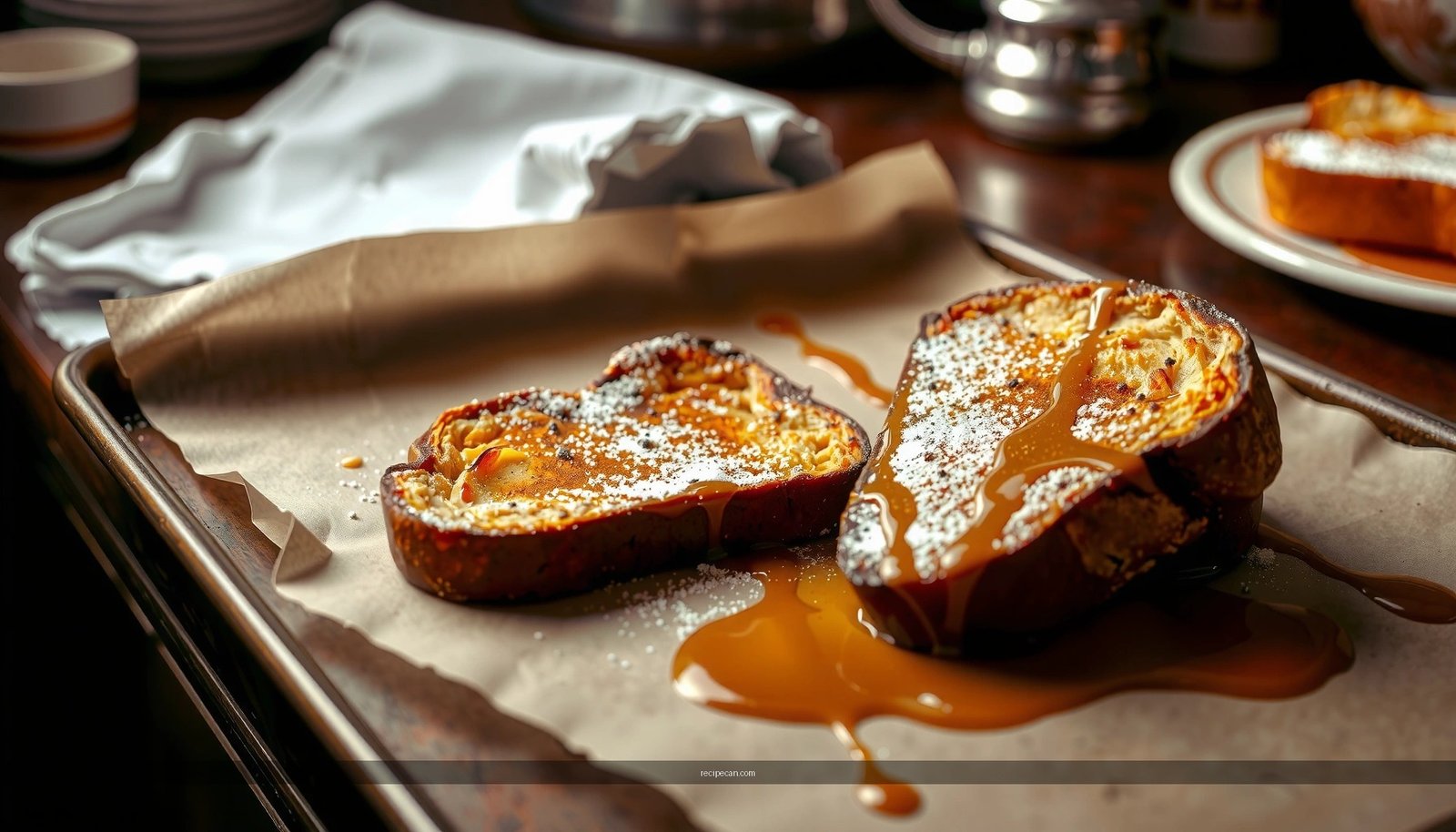
– Bake until the top is set and deeply golden (watch the edges)
– Let it rest briefly so the casserole firms up and slices cleanly
Baking is where the custard sets and the top browns. This is also where people most often get impatient—either pulling too early (soft, loose interior) or baking too long (dry edges).
Temperature and doneness cues
Bake at a moderate-to-hot oven temperature (commonly 350°F / 175°C). Then use these visual and tactile checks:
– Top should be set: not jiggly in the center when you move the dish slightly.
– Deep golden color: especially at the edges, which indicates proper evaporation and browning.
– Optional: a knife or toothpick inserted near the center should come out mostly clean; the casserole should feel like it “springs back” slightly rather than slumping.
Resting time: the difference between “runny” and “sliceable”
Let the casserole rest for 10–20 minutes. During rest:
– residual heat finishes setting the eggs,
– excess moisture is redistributed,
– and slicing becomes clean rather than crumbly.
If you cut immediately after baking, you’ll likely see custard seep and the center can collapse.
Make-Ahead and Storage Tips
– Assemble the night before and refrigerate covered for easy morning baking
– Store leftovers airtight and reheat in the oven or toaster for best texture
This is where French toast casserole earns its keep: it’s a brunch strategy. You can prep it the night before, bake when guests arrive, and spend your morning doing literally anything else.
Overnight make-ahead workflow
1. Assemble as described—layer bread, pour custard, press lightly.
2. Cover and refrigerate 8–12 hours.
3. In the morning, bake straight from the fridge or allow a short sit (10–15 minutes) if your dish is extremely cold.
Why this works: the custard hydrates slowly, improving even texture and reducing the risk of dry centers.
Storage for peak quality
– Refrigerate leftovers airtight for 3–4 days.
– Reheat: oven or toaster oven is best for crisping the top.
– Cover loosely with foil to prevent over-browning, then warm until heated through.
Freezing (optional)
French toast casserole can freeze, but texture may soften slightly. If you plan to freeze:
– cool fully, portion, wrap tightly, and reheat gently to protect the custardy interior.
Toppings and Serving Ideas
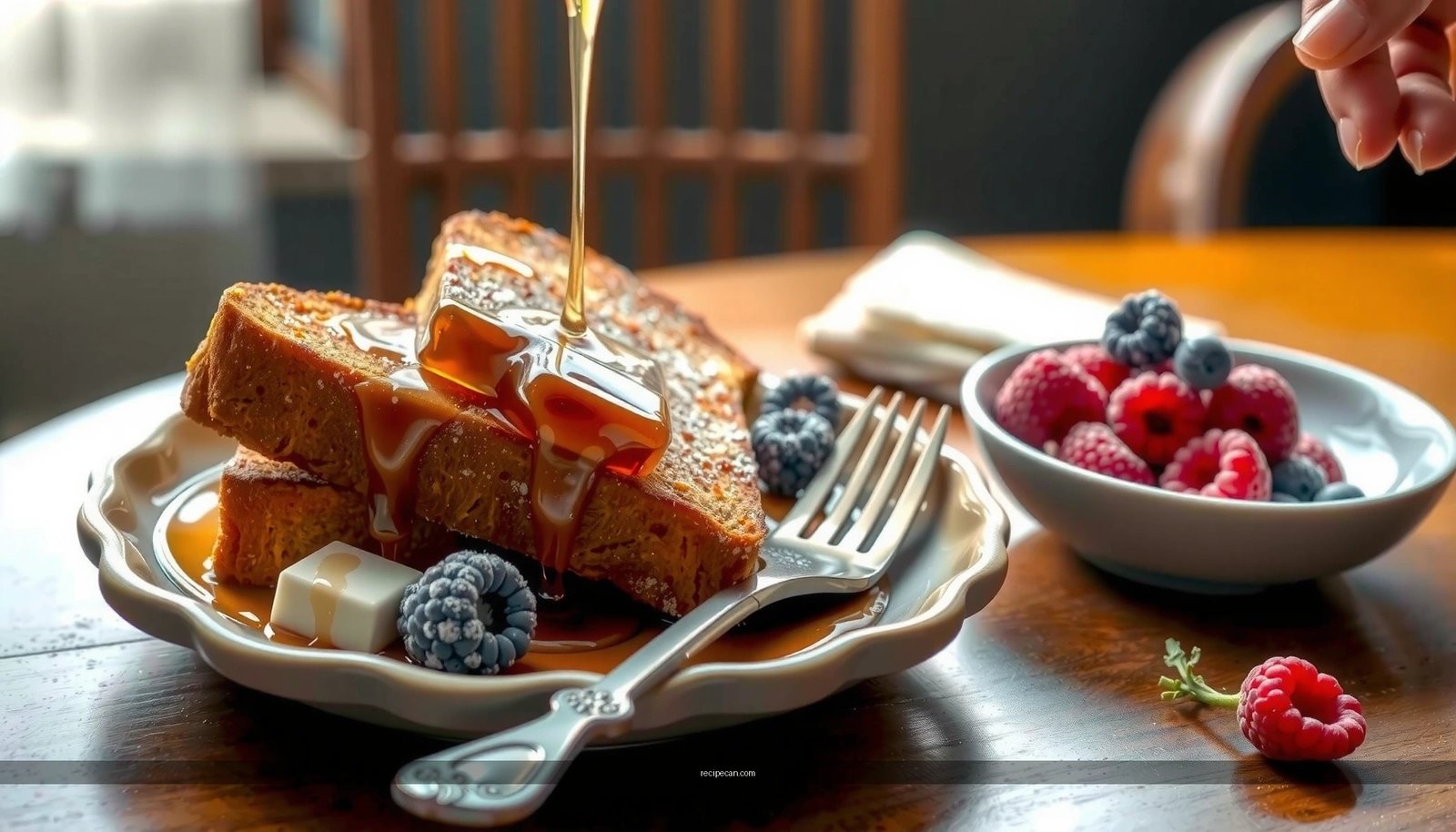
– Add maple syrup, powdered sugar, fresh berries, or whipped cream
– Pair with crispy bacon, sausage, or fruit salad for a complete brunch
Toppings are more than decoration—they’re how you balance sweetness, acidity, and crunch. For a “restaurant” feel, aim for contrast.
Classic, crowd-pleasing options
– Maple syrup: warm sweetness that complements vanilla-cinnamon custard.
– Powdered sugar: adds a light finish without overpowering.
– Fresh berries (strawberries, blueberries, raspberries): bright acidity cuts richness.
– Whipped cream or Greek yogurt: creamy contrast with a tangy edge.
Savory pairing for brunch variety
– Crispy bacon or sausage: salty crunch balances sweet casserole.
– Fruit salad with citrus: keeps the meal feeling fresh and not overly heavy.
A professional serving tip
If you’re serving a group, consider slicing portions and topping individually at the last moment. This preserves the top’s texture and prevents syrup from sinking too quickly.
At this point, you should have everything you need to reliably make a fluffy, golden French toast casserole. The key is to choose the right bread, mix a custard that fully emulsifies, assemble in an even layer, and bake until the top is set and deeply browned—then rest briefly before slicing. If you want the easiest morning workflow, assemble it the night before and refrigerate covered, then bake when you’re ready to serve.
In the end, the best French toast casserole recipe comes down to bread choice, a well-mixed custard, and baking just until golden. Follow the steps above, make it ahead if you want the easiest morning, and finish with your favorite toppings—then bake your next batch and serve it warm to impress your family or guests.
Frequently Asked Questions
What is the best French toast casserole recipe for a crowd?
The best French toast casserole recipe for a crowd uses thick, day-old bread (like brioche or challah), a rich custard (eggs, milk or half-and-half), and a simple vanilla-cinnamon flavor base. Choose a 9×13-inch baking dish and bake until the center is set and the top is golden, typically around 35–45 minutes at 350°F. For easy serving, cut into squares and offer toppings like maple syrup, fresh berries, or powdered sugar.
How do I make French toast casserole that isn’t soggy?
Use sturdy, slightly stale bread so it absorbs the egg mixture without collapsing, and cut it into even cubes for consistent soaking. Let the casserole sit after assembling—about 20–30 minutes at room temperature or longer in the fridge—then bake promptly so the custard properly sets. If you want extra insurance, use a thicker custard ratio (more egg than milk) and avoid soaking too long beyond your recipe’s timing.
Which bread is best for French toast casserole—brioche, challah, or sourdough?
Brioche is often the top choice for a classic, buttery best French toast casserole flavor, while challah gives a slightly denser, sweet result that still turns out tender. Sourdough can work if you prefer a tangier, more hearty casserole, but it usually needs thicker cubes and careful soaking to avoid uneven texture. In most cases, brioche or challah baked in an eggy custard delivers the most reliable, crowd-pleasing results.
Why does my French toast casserole come out dry or undercooked in the center?
Dry casserole usually means the bread didn’t absorb enough custard or the bake time was too short, so the center stays under-set. Make sure the bread is fully submerged in the egg mixture and press it gently so every piece contacts the custard. Bake until the casserole puffs slightly and the center reaches a set, custardy texture (often 35–45 minutes for a 9×13), and let it rest 5–10 minutes before serving.
What’s the best way to prep French toast casserole ahead of time?
For an easy make-ahead best French toast casserole, assemble the casserole the night before, cover it tightly, and refrigerate so the bread can soak up the custard. In the morning, take it out 20–30 minutes before baking for more even results, then bake as directed. You can also freeze baked portions, but for best texture, refrigerating overnight is the simplest option.
References
- https://en.wikipedia.org/wiki/French_tost
https://en.wikipedia.org/wiki/French_tost - Casserole
https://en.wikipedia.org/wiki/Casserole - https://cooking.nytimes.com/recipes/1021485-french-toast-casserole
https://cooking.nytimes.com/recipes/1021485-french-toast-casserole - https://www.theguardian.com/lifeandstyle/shortcuts/2015/oct/19/french-toast
https://www.theguardian.com/lifeandstyle/shortcuts/2015/oct/19/french-toast - https://www.britannica.com/food/french-toast
https://www.britannica.com/food/french-toast - Google Scholar Google Scholar
https://scholar.google.com/scholar?q=best+french+toast+casserole+recipe - Google Scholar Google Scholar
https://scholar.google.com/scholar?q=baked+french+toast+casserole+custard+ratio - Google Scholar Google Scholar
https://scholar.google.com/scholar?q=french+toast+casserole+soak+time+technique - Google Scholar Google Scholar
https://scholar.google.com/scholar?q=egg+milk+custard+baking+french+toast+bake - best french toast casserole recipe – Search results
https://en.wikipedia.org/wiki/Special:Search?search=best+french+toast+casserole+recipe