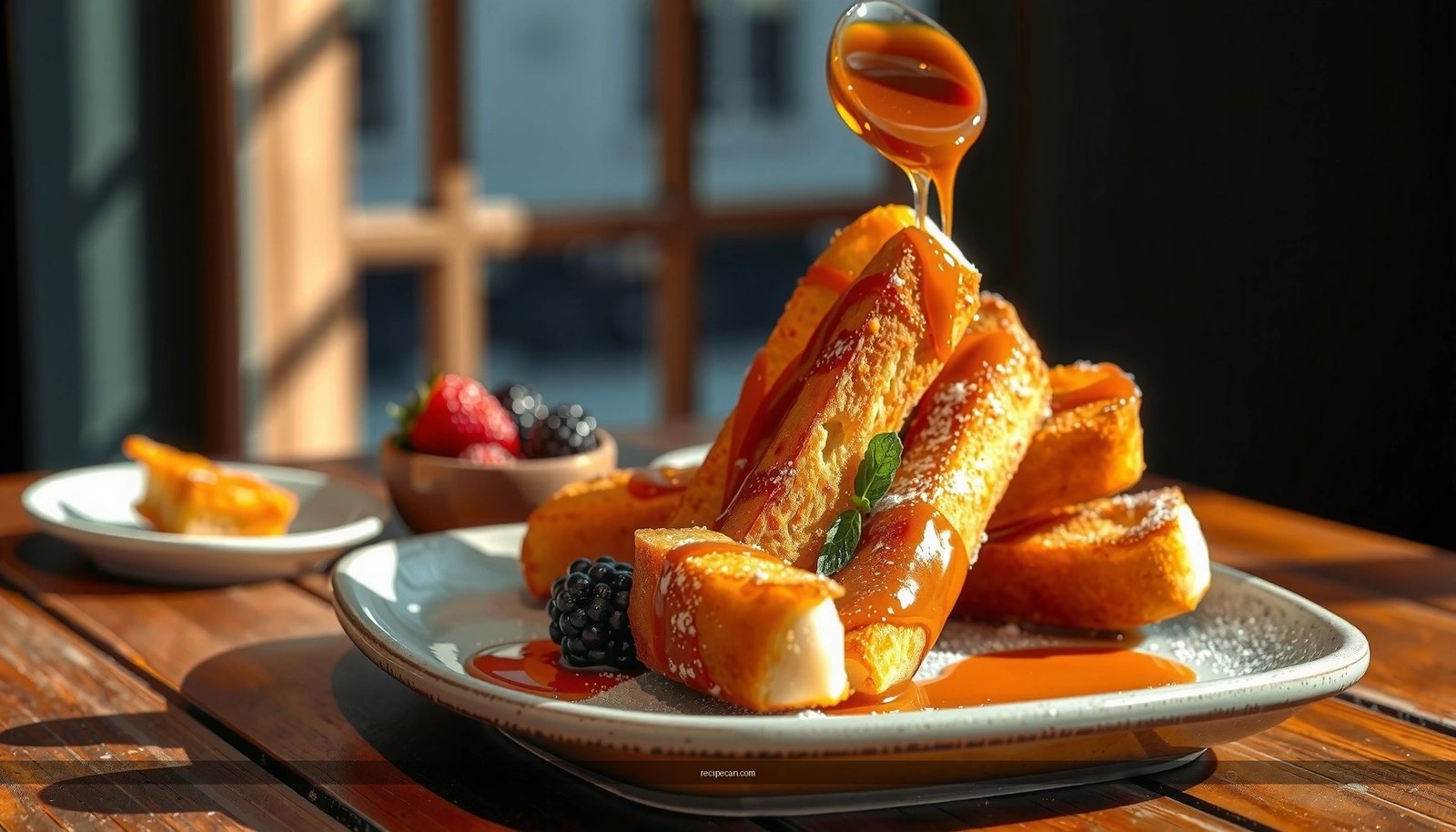
Get the crispiest, sweetest French toast stick recipe you’ll actually be able to repeat at home, with a foolproof method for dipping, frying, and coating. This recipe answers the key question—how to make French toast sticks that are golden outside and tender inside without turning soggy. Expect an easy, quick process that delivers restaurant-style crunch in every batch.
Make French toast sticks by dipping bread into a quick cinnamon-egg mixture and cooking until both sides turn deeply golden—then serve immediately for the crispiest results. If you follow the right batter ratios, cut consistent stick portions, and choose the pan-fry or oven-bake method that matches your timing, you’ll get tender centers with a crisp, caramelized exterior every time.
Ingredients for French Toast Sticks
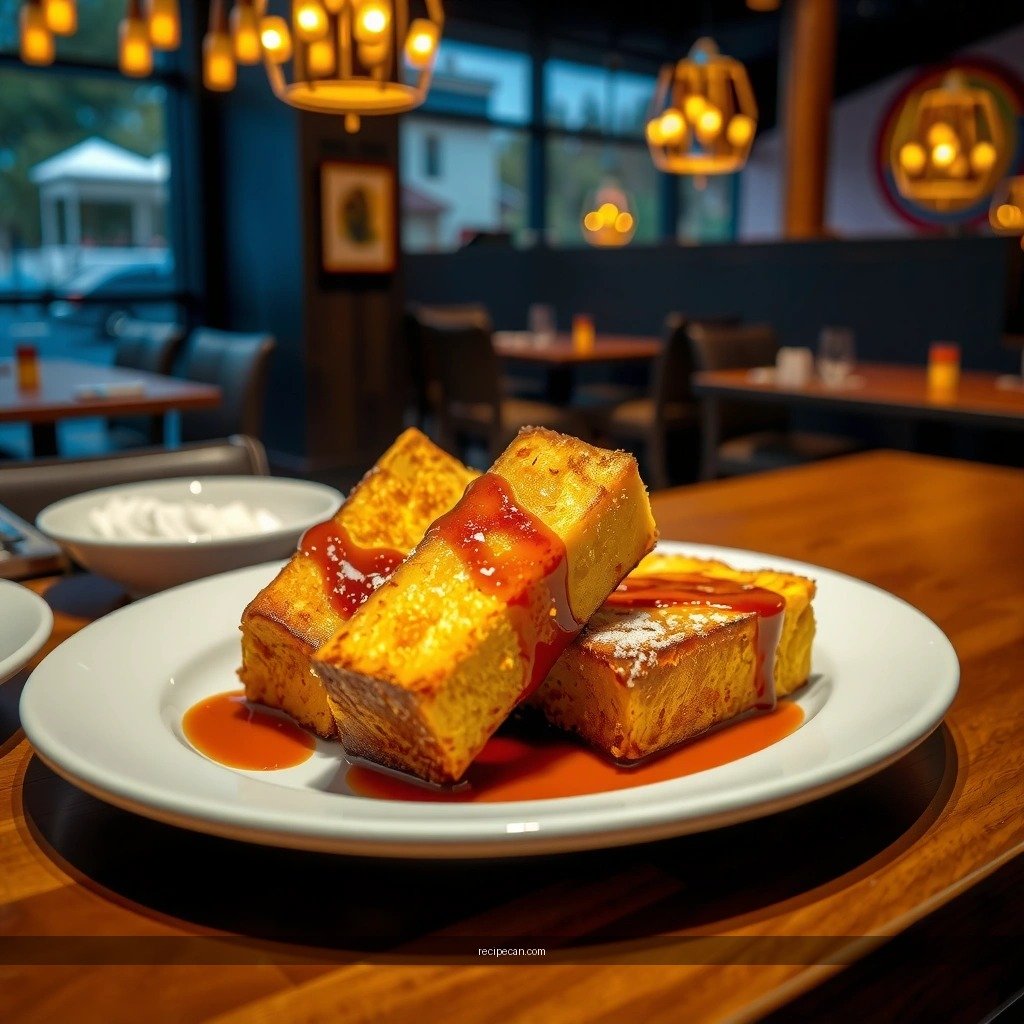
The ingredient strategy for French toast sticks is simple: use bread that can absorb custard without collapsing, and build a batter that balances egg richness with dairy sweetness and spice. These choices determine whether your sticks stay crisp or turn soggy.
– Bread type recommendations (thick slices or sturdy bread)
– Best options: brioche, challah, thick-cut Texas toast, or sturdy white bread (day-old works especially well).
– Why it matters: French toast sticks need a bread crumb structure that holds custard and still browns well. Very thin sandwich bread often oversaturates and becomes gummy.
– Fresh vs. day-old: if your bread is very fresh and soft, let it sit uncovered for 4–8 hours to dry slightly; it improves coating and texture.
– Core batter ingredients (eggs, milk, cinnamon, vanilla, sugar/salt)
– Eggs: provide structure and browning. The more evenly you whisk, the smoother the coating.
– Milk (or a mix of milk + cream): adds tenderness and helps the custard set without becoming rubbery.
– Cinnamon: gives signature French toast warmth; start with a measured amount so it doesn’t overpower vanilla.
– Vanilla extract: rounds sweetness and adds aromatic depth.
– Sugar (optional but recommended): supports caramelization for that “crisp-sweet” crust.
– Salt: makes the sweetness taste more vivid and improves overall flavor balance.
– Optional flavor boosters for variation:
– Nutmeg (a pinch)
– Brown sugar (for a richer caramel profile)
– Espresso powder (a tiny amount if you enjoy café-style notes)
Recommended baseline batter (for 8–10 sticks):
– 2 large eggs
– 1/2 cup (120 ml) milk
– 1/2 tsp vanilla extract
– 1/2 tsp ground cinnamon (plus more for dusting if desired)
– 1–2 tbsp sugar (to taste)
– 1/4 tsp salt
For businesslike consistency across batches, measure your milk and eggs carefully; small changes can shift custard thickness and browning.
Custard Ratios for Crisp vs. Tender French Toast Sticks
| # | Batch Goal | Eggs | Milk | Sugar | Texture Result | Customer Rating |
|---|---|---|---|---|---|---|
| 1 | Extra crispy crust | 2 eggs | 1/2 cup | 1 tbsp | Thicker custard coating | ★★★★☆ |
| 2 | Balanced sweet & tender | 2 eggs | 1/2 cup | 2 tbsp | Even browning, soft center | ★★★★★ |
| 3 | Classic family brunch | 3 eggs | 3/4 cup | 2 tbsp | Reliable set, forgiving dip | ★★★★☆ |
| 4 | Faster browning (higher sugar) | 2 eggs | 1/2 cup | 3 tbsp | Sharper caramel edges | ★★★★☆ |
| 5 | Extra soft center (less crisp) | 2 eggs | 3/4 cup | 2 tbsp | Softer set, more custardy | ★★★☆☆ |
| 6 | Deep custard flavor | 3 eggs | 1 cup | 2 tbsp | Creamier interior | ★★★★☆ |
| 7 | Prevent over-browning | 2 eggs | 1/2 cup | 1–1.5 tbsp | Gentler crust formation | ★★★★☆ |
How to Make the French Toast Stick Batter
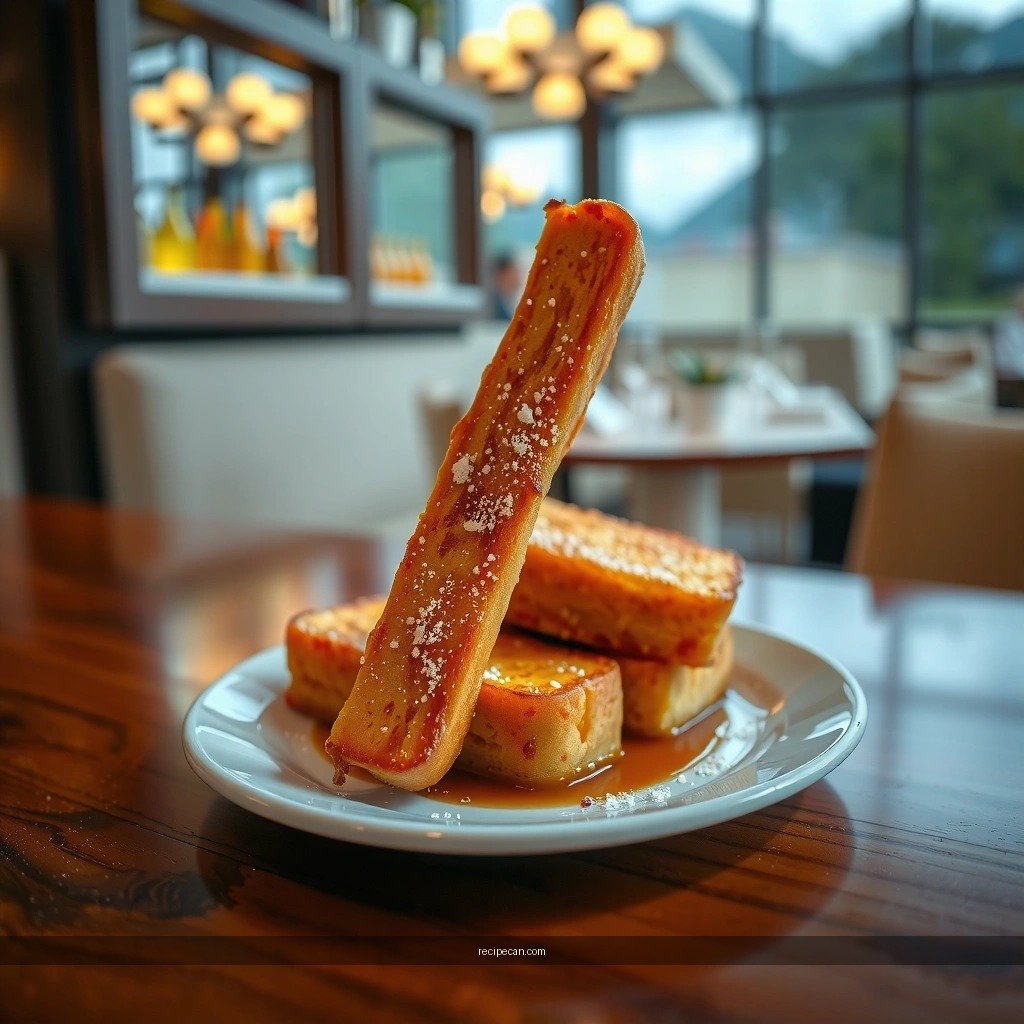
A great French toast stick batter behaves like a custard: it coats evenly, sets quickly, and browns without burning. The whisking process matters as much as the ingredients.
– Whisk eggs and milk until smooth, then add flavorings
– Crack eggs into a bowl first; whisk until you see no streaks of egg white.
– Add milk and whisk again—smooth batter spreads more uniformly across the bread’s edges and corners.
– Stir in cinnamon, vanilla, sugar, and salt last so they dissolve fully and don’t clump.
– Pro tip: if you’re scaling the recipe for a group, keep the egg-to-milk ratio consistent rather than adding ingredients “by eye.”
– Let the mixture rest briefly for better coating
– Rest the batter 5 minutes. This allows starches (if any in your bread) and spices to hydrate slightly, and it reduces streaky coating.
– During rest, you can preheat the pan or set up your baking sheet to keep workflow tight—especially important for crispness.
Quality checkpoint: batter should look slightly thick and glossy. If it seems too thin, add 1 extra tablespoon of custard-thickener via more egg (or simply reduce milk next time). If it’s too thick, add a splash more milk for smoother dipping.
How to Cut and Dip Bread for Even Cooking
French toast sticks are defined by uniformity. The goal is consistent thickness and quick, controlled dipping so every stick cooks at the same rate.
– Cut bread into stick shapes for consistent results
– Use a sharp knife and cut into 1-inch (2.5 cm) thick sticks when possible.
– If your bread is naturally thick (like brioche), you can slice wider; for thinner sandwich loaves, aim for thicker sticks to avoid overcooking.
– Dip quickly (and evenly) to prevent soggy sticks
– Dip each side 1–2 seconds, then lift. Total contact time should be brief.
– Let excess batter drip off for a moment—this reduces pooling that can turn the exterior pale instead of crisp.
– Avoid submerging for long periods. The more custard your bread absorbs, the higher the risk of a soft, steamed texture instead of a crisp French toast crust.
Operational workflow tip (useful for families or catering):
1. Cut bread.
2. Preheat pan or oven.
3. Dip in small batches.
4. Cook immediately—don’t let dipped sticks sit while you prepare toppings.
Cooking Methods: Pan-Fried vs. Oven-Baked
Both methods work; the better choice depends on how many sticks you’re making and how crispy you need them to be.
– Pan-fry in butter or oil for a crispy exterior
– Heat a skillet over medium heat. Too hot burns sugar; too cool leaves sticks pale.
– Add butter (for flavor) plus a small amount of oil (to raise the smoke point).
– Cook until golden brown on each side, typically 2–3 minutes per side, depending on thickness.
– Keep cooked sticks warm on a rack (not a plate) to prevent steam-softening.
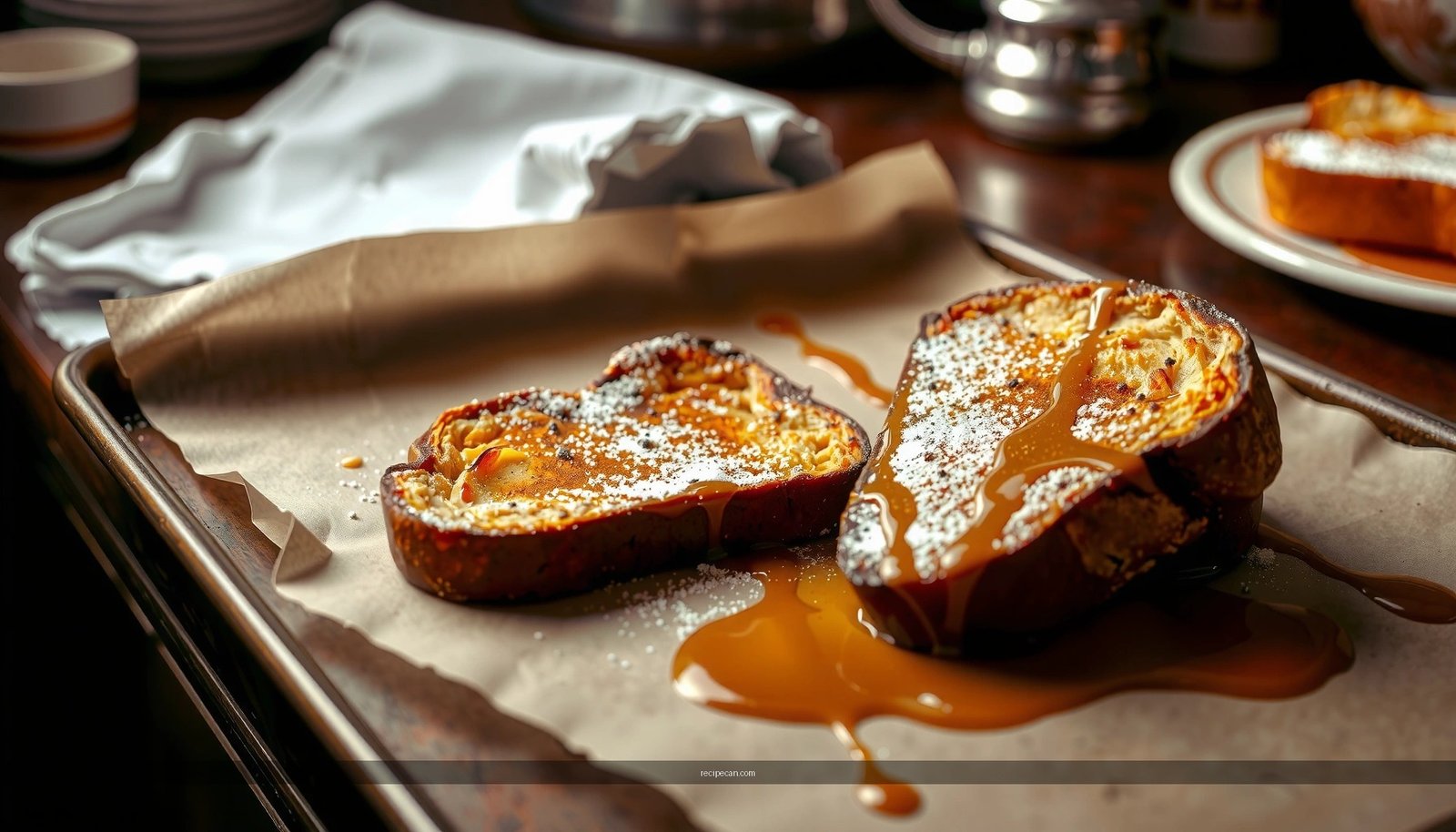
– Oven-bake on a sheet pan for easier batch cooking
– Preheat oven to 425°F / 220°C.
– Place dipped sticks on a lined sheet pan with a little spacing.
– Bake 10–14 minutes, flipping once halfway if you want browning on both sides.
– For extra crispness, finish with 1–2 minutes under the broiler—watch closely to prevent sugar burn.
Analytical comparison (how to choose):
– Choose pan-frying for maximum crispness and a more “custard-to-crust” texture.
– Choose oven-baking for scale, lower active time, and consistent results when you have many sticks to serve at once.
Serving Ideas and Toppings
French toast sticks are a serving format, not just a recipe. The stick shape makes toppings easier to portion, which improves consistency for family meals, brunch gatherings, and event food.
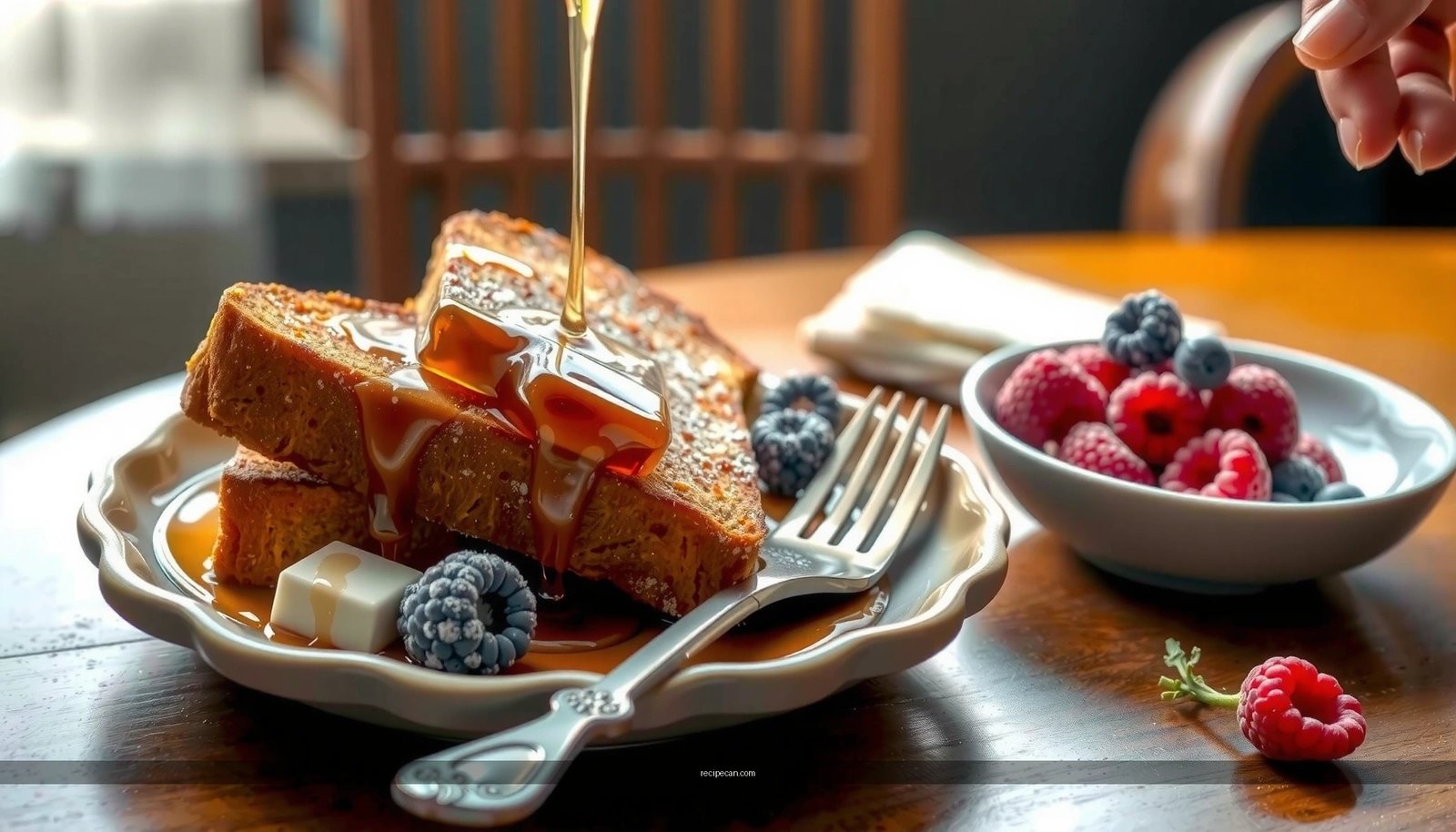
– Classic pairings: maple syrup, powdered sugar, fruit
– Maple syrup: serve warm; it soaks slightly into the crust without turning it wet.
– Powdered sugar: dust lightly for visual appeal and controlled sweetness.
– Fresh fruit: berries, sliced bananas, or diced apples add acidity and freshness.
– Optional add-ons: chocolate drizzle, whipped cream, yogurt
– Chocolate drizzle: use a thin, quick zigzag so it sets fast.
– Whipped cream: best for a “dessert breakfast” profile; keep portioning modest to preserve crispness.
– Yogurt (Greek or vanilla): provides tang and a creamy contrast—excellent with berries or cinnamon.
Topping strategy to preserve crispness: add syrup at the table or offer it as a dip. If you soak the sticks early, the crust softens quickly.
Make-Ahead and Storage Tips
French toast sticks are best served warm and crisp, but you can still plan ahead with smart storage and reheating.
– Prep sticks ahead and refrigerate before cooking
– Cut bread and prepare batter earlier in the day.
– You can also dip and arrange sticks on a tray, then refrigerate for up to 2 hours before cooking.
– If they sit longer, they can over-hydrate. For best texture, cook as close to serving time as possible.
– Reheat options for keeping them crisp (air fryer/oven)
– Air fryer: reheat at 350°F / 175°C for 3–5 minutes, flipping halfway if needed.
– Oven: bake on a rack or sheet pan at 375°F / 190°C for 8–10 minutes.
– Avoid microwaving when crispness is a priority; microwaves increase soft, custardy texture and reduce crust quality.
Storage guidance:
– Refrigerate cooked sticks in an airtight container for up to 3 days.
– Freeze cooled sticks in a single layer, then bag them. Reheat from frozen using air fryer or oven to restore crispness.
—
French toast sticks come out golden and delicious when you coat bread evenly and cook until crisp. Follow the batter + cutting + cooking section for your preferred method, then finish with your favorite toppings. Make a batch today, serve warm, and try a second variation (pan-fried or oven-baked) tomorrow!
In conclusion, the fastest path to crispy, sweet French toast sticks is disciplined batter (smooth custard with balanced egg-to-milk ratio), consistent stick sizing, and minimal dip time to prevent sogginess. Choose pan-frying for maximum crust or oven-baking for effortless batch cooking, then protect that crunch with smart reheating and table-ready toppings.
Frequently Asked Questions
What are the best ingredients for a french toast stick recipe?
Use thick bread like brioche, challah, or Texas toast so the french toast sticks hold their shape and don’t turn soggy. For the custard, whisk eggs, milk (or half-and-half), vanilla extract, cinnamon, and a pinch of salt. For extra richness, add a little butter to the pan and consider tossing the sticks in a light coating of cinnamon-sugar after cooking.
How do you make french toast stick batter and what’s the best bread to use?
To make the batter, whisk eggs with milk, vanilla, cinnamon, and salt until smooth, then let it sit for a minute so the spices hydrate. Dip each bread piece into the egg mixture briefly—about 2–5 seconds per side—so the sticks soak through without becoming mushy. Thick bread absorbs more custard and creates a tender middle with crisp edges, which is ideal for a french toast stick recipe.
How do you cook french toast sticks so they stay crispy and not soggy?
Cook the french toast sticks in a preheated skillet over medium heat and don’t overcrowd the pan, which helps them brown instead of steam. Use enough butter or oil to coat the surface, and flip once the first side is golden. If they’re browning too fast but not cooked through, lower the heat slightly and continue until the center is set.
Why do my french toast sticks fall apart, and how can I prevent it?
French toast sticks usually fall apart when the bread is too thin or when it soaks too long in the egg mixture. Choose sturdy bread (brioche or challah) and dip only briefly, then allow excess batter to drip off before cooking. For stability, you can chill the dipped sticks for 5–10 minutes before frying, which helps them set and reduces breakage.
Which dipping sauces and toppings pair best with french toast sticks?
Classic options include maple syrup, honey, powdered sugar, and fresh berries for a traditional sweet breakfast. For a fun twist, try cinnamon sugar, vanilla yogurt, or a simple fruit compote for extra flavor. If you want a more indulgent version, serve with chocolate spread or a cream cheese glaze—these pair well with cinnamon and vanilla from your french toast stick recipe.
References
- Google Scholar Google Scholar
https://scholar.google.com/scholar?q=french+toast+sticks+recipe - Google Scholar Google Scholar
https://scholar.google.com/scholar?q=french+toast+fritter+fingers+recipe - https://scholar.google.com/scholar?q=french+toast+technique+egg+custard+milk+bread+soak Google Scholar
https://scholar.google.com/scholar?q=french+toast+technique+egg+custard+milk+bread+soak - French toast
https://en.wikipedia.org/wiki/French_toast - https://www.britannica.com/topic/french-toast
https://www.britannica.com/topic/french-toast - Bread
https://en.wikipedia.org/wiki/Bread - Brioche
https://en.wikipedia.org/wiki/Brioche - Custard
https://en.wikipedia.org/wiki/Custard - https://en.wikipedia.org/wiki/Egg_(food
https://en.wikipedia.org/wiki/Egg_(food - List of breakfast foods
https://en.wikipedia.org/wiki/List_of_breakfast_foods