Looking for an egg nog French toast recipe that turns out creamy and custardy every time? This is the holiday breakfast method that produces thick, tender slices with a rich egg-nog flavor and a golden, caramelized crust—without soggy results. Use this recipe when you want the “best once you cut in” texture: set custard, crisp edges, and a warm-spiced finish.
Make egg nog French toast by dipping thick bread in a spiced egg–egg nog custard and pan-frying it until golden—soft in the center, crisp at the edges. This holiday breakfast recipe is built around proper soaking (quick dip, not a long soak) and even cooking on medium heat, so every slice comes out creamy, flavorful, and reliably set.
Ingredients for Egg Nog French Toast
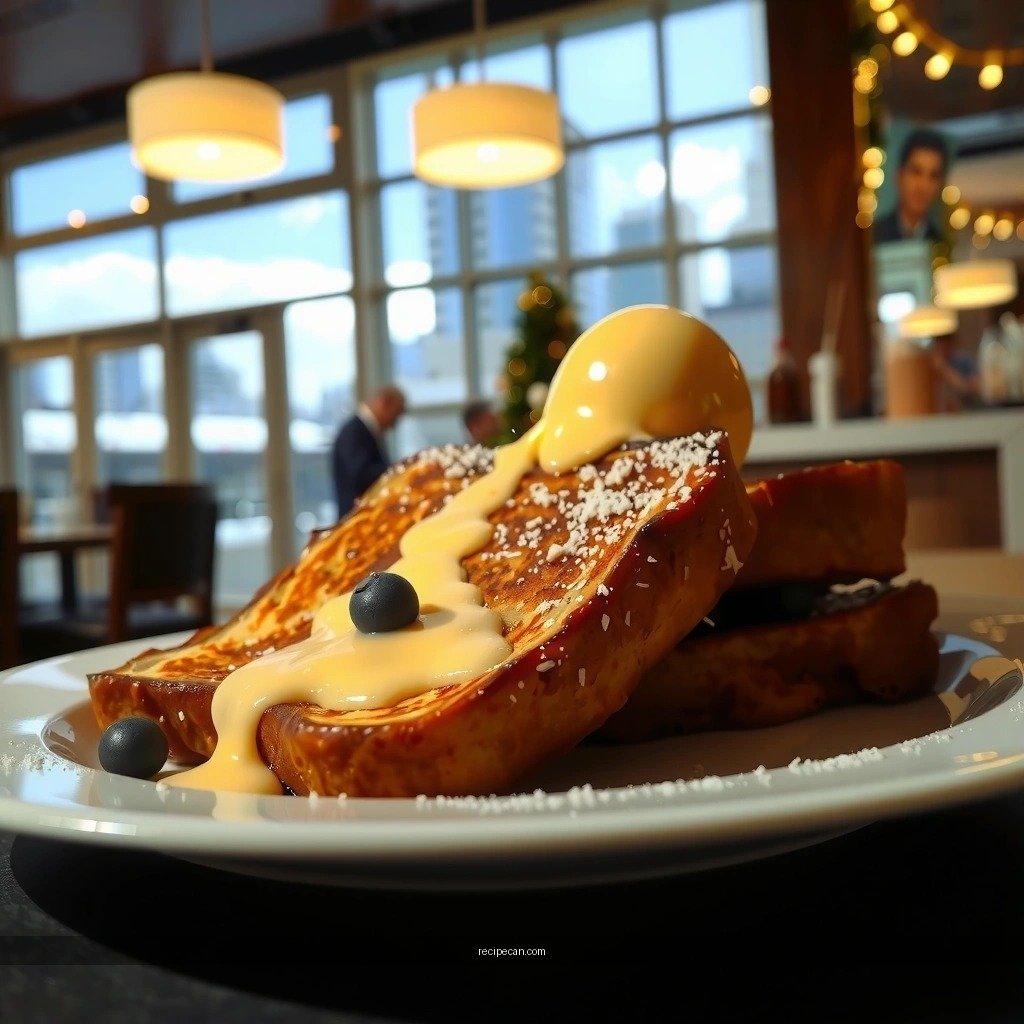
– Gather bread, eggs, egg nog, cinnamon, vanilla, and a pinch of salt
– Optional add-ins: nutmeg and a splash of heavy cream for extra richness
At a glance, this recipe is simple—but the ingredient choices matter because French toast is basically bread + custard + heat. Here’s what each component does:
Bread (the structure): Choose thick, sturdy slices that can hold custard without dissolving. Brioche and challah are classic because their egg-rich doughs stay tender and scoop up flavor well. Thick-cut French bread works too, delivering a chewier bite.
Egg nog (the custard flavor base): Egg nog provides both sweetness and dairy richness, plus a natural festive spice profile. The goal is a custard that tastes “dessert-like” when warm—because that flavor intensifies as it cooks.
Eggs (the custard binder): Eggs coagulate as you heat, turning the liquid custard into a soft, set interior. Without enough egg, French toast can be loose or overly wet.
Cinnamon, vanilla, salt (the balance): Cinnamon adds warmth; vanilla rounds out the flavor; and salt keeps sweetness from tasting flat. Even if you’re using very sweet egg nog, a pinch of salt helps it taste more like custard and less like syrup.
Optional heavy cream (extra silkiness): If your egg nog is thinner or you want a restaurant-style richness, a small splash of heavy cream boosts body and mouthfeel.
Optional nutmeg (holiday aroma): Nutmeg pairs naturally with egg nog. Use it sparingly—its flavor is aromatic and can quickly overpower cinnamon.
> Chef’s note for accuracy: Egg nog varies widely by brand (some are very sweet, some are spiced, some are lighter). Taste your custard before dipping so you can adjust without guessing.
Custard Dip Quality Guide for Egg Nog French Toast
| # | Slice Thickness | Dip Time (per Side) | Expected Center Texture | Soak/Set Risk | Result Rating |
|---|---|---|---|---|---|
| 1 | 1-inch (2.5 cm) | 8–12 sec | Custardy, set, tender | Low | ★★★★☆ |
| 2 | ¾-inch (1.9 cm) | 7–10 sec | Soft custard core | Low–Medium | ★★★★☆ |
| 3 | ½-inch (1.3 cm) | 4–6 sec | More tender than custardy | Medium | ★★★☆☆ |
| 4 | Sourdough-style slices | 6–8 sec | Custardy with a tangy edge | Medium | ★★★½☆ |
| 5 | Brioche / challah | 8–10 sec | Silky, set center | Low | ★★★★★ |
| 6 | Day-old bread | 7–10 sec | Best soak-to-set balance | Low | ★★★★★ |
| 7 | Fresh soft sandwich bread | 2–4 sec | Can collapse if over-dipped | High | ★★☆☆☆ |
How to Make the Egg Nog Custard
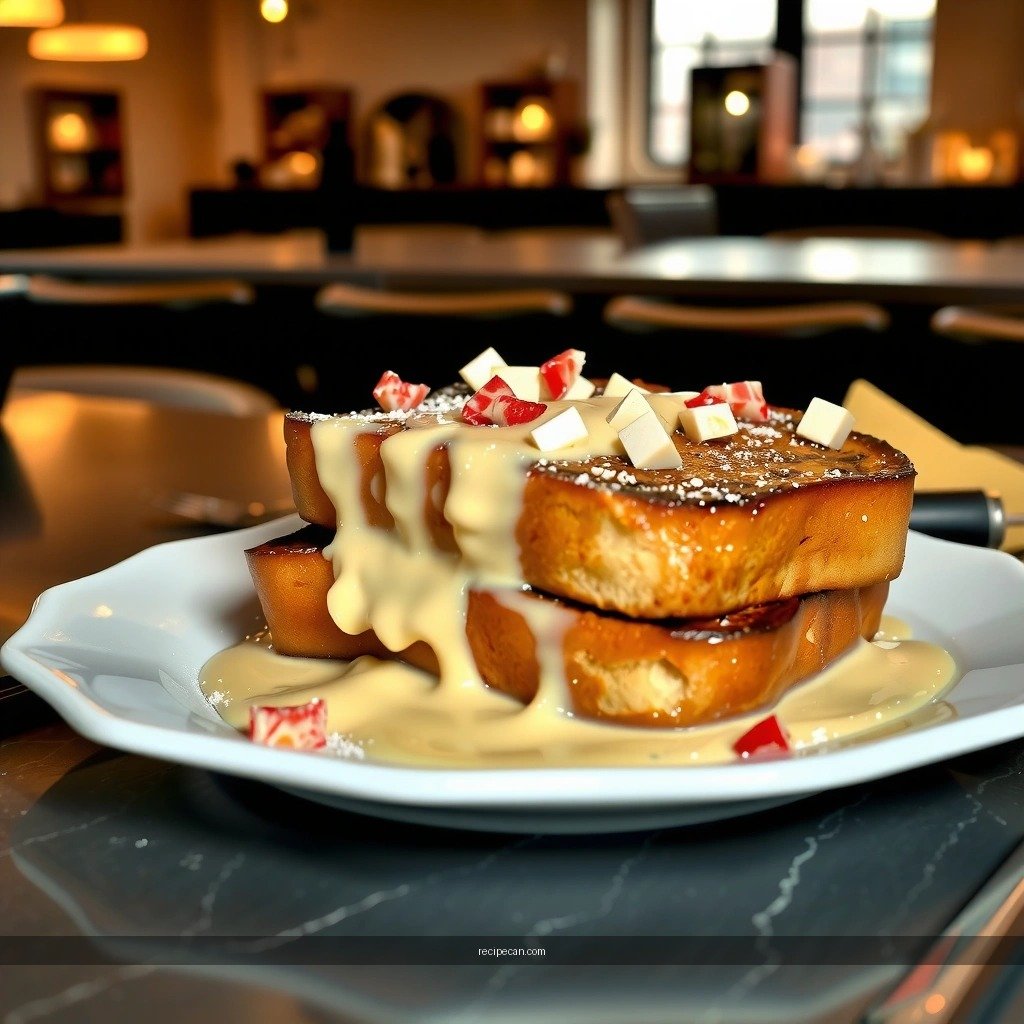
– Whisk eggs and egg nog until smooth, then stir in spices and vanilla
– Taste and adjust sweetness/spice before dipping the bread
The custard is where your egg nog French toast becomes truly creamy and custardy rather than merely “sweet bread in a pan.” Start with a bowl large enough to dip slices comfortably.
1. Whisk egg + egg nog thoroughly.
Whisk until you see no egg streaks. Even small unmixed egg can create cooked pockets that feel rubbery.
2. Add cinnamon, vanilla, and salt.
Cinnamon provides warm depth; vanilla contributes roundness; salt sharpens flavor.
3. Optional: add nutmeg and heavy cream.
– A pinch of nutmeg intensifies the holiday aroma.
– A small splash of heavy cream (especially if your egg nog is light) improves thickness and mouthfeel.
4. Taste the custard.
This step is non-negotiable for consistent results. You’re aiming for a flavor you’d enjoy on its own—slightly sweet, lightly spiced, and creamy. If your egg nog is very sweet, you may skip extra sweet add-ins (and keep salt a little more assertive). If it’s not sweet enough, you can rely on maple syrup later, but a tiny additional pinch of cinnamon or a bit more vanilla often reads better than adding random sugar.
Practical benchmark: When you dip the tip of a spoon and taste, the custard should be flavorful enough that you don’t feel like it “needs syrup”—though syrup will still taste excellent.
Best Bread and Soaking Tips
– Use sturdy bread (brioche, challah, or thick-cut French bread) for custardy results
– Soak briefly (dip both sides) to avoid soggy toast while still getting tender centers
French toast texture is the product of two time variables: how much liquid the bread absorbs and how quickly the custard sets on the heat. The biggest mistake is over-soaking—leading to bread that looks wet, tastes eggy, or tears when flipped.
What “sturdy bread” really means
– Brioche/challah: Already buttered/egg-enriched; they soak evenly and set to a soft, custardy bite.
– Thick-cut French bread: Works well when sliced thick enough; crustier edges can stay crisp if heat is controlled.
– Avoid very soft sandwich bread: It can disintegrate after even brief soaking.
How to soak properly (the method that prevents sogginess)
Use a short dip technique:
– Dip one side for a few seconds, flip, and dip the other side.
– Let excess custard drip back into the bowl for a moment.
– Place immediately into the hot pan.
If your slices are on the thicker side, you can increase dip time slightly—but keep it measured. The goal is surface saturation with a custardy interior, not full saturation all the way through.
Optional improvement for extra control
If your bread is very fresh and springy, you can:
– Set slices uncovered for a few hours (or lightly toast them) so they absorb custard more predictably.
This is especially helpful for people who want to cook multiple batches without texture surprises.
Cooking Instructions: Pan-Fry to Golden Perfection
– Cook on medium heat and wait for bubbles/edges to set before flipping
– Fry in butter (or a butter-oil blend) for rich flavor and crisp edges
Pan-frying is where you turn custard into a set, golden holiday breakfast. Medium heat is essential: too hot and the outside browns before the custard sets; too low and the bread absorbs too much liquid before it crisps.
Step-by-step cooking flow
1. Preheat the skillet.
Use a nonstick skillet or well-seasoned pan to prevent sticking. Let it fully heat before adding butter.
2. Melt butter (or butter + a thin splash of neutral oil).
The oil helps butter brown more evenly without burning as quickly.
3. Cook first side until set and fragrant.
You’ll notice the surface changes—edges look drier, and small bubbles may appear. This visual cue tells you the custard has begun to coagulate and will hold together when flipped.
4. Flip once, then finish cooking.
Flip gently and cook until both sides are deep golden and the center feels tender rather than wet.
Batch-cooking without sacrificing texture
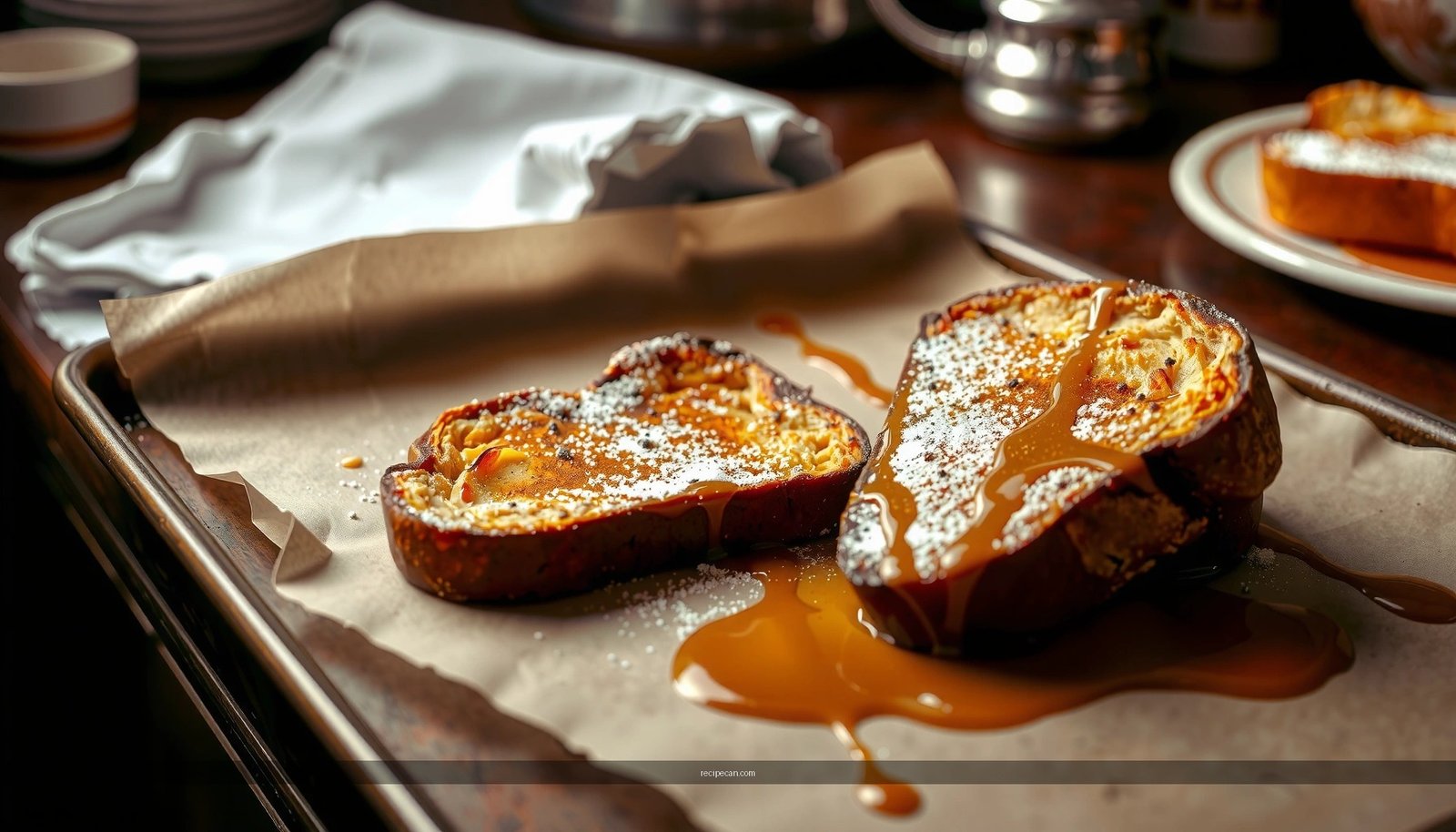
– Keep cooked French toast warm in a 200°F (93°C) oven on a rack (not a plate) so steam doesn’t soften the crust.
– Avoid covering tightly, which can trap moisture and reduce crispness.
– Add more butter between batches if the pan looks dry.
Analytical takeaway: Because egg nog contains dairy and sugars, it can brown faster than a standard milk custard. Medium heat and patience for the first-set stage are the difference between “custardy” and “over-browned with raw center.”
Serving Ideas and Toppings
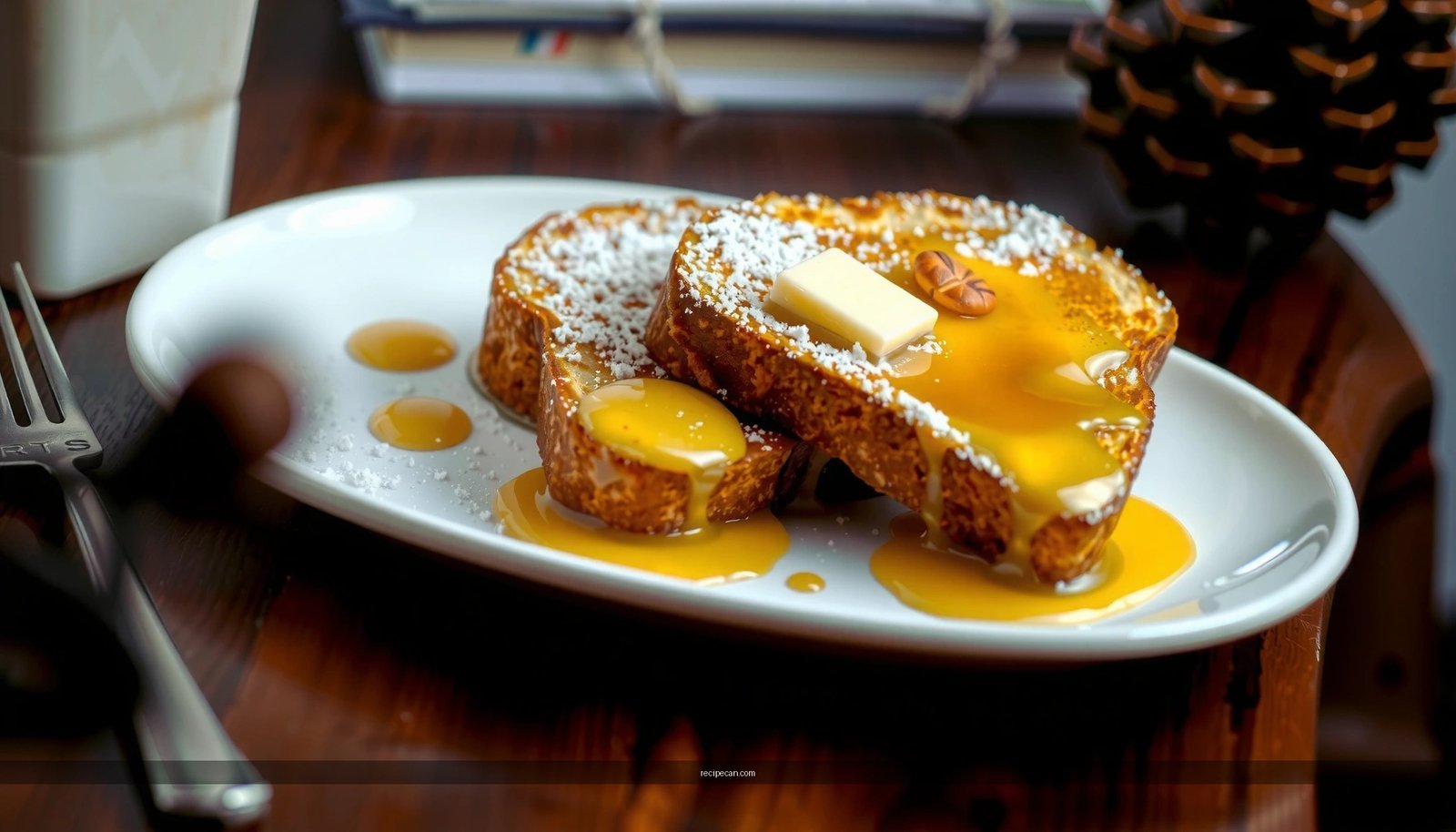
– Classic topping: maple syrup and powdered sugar
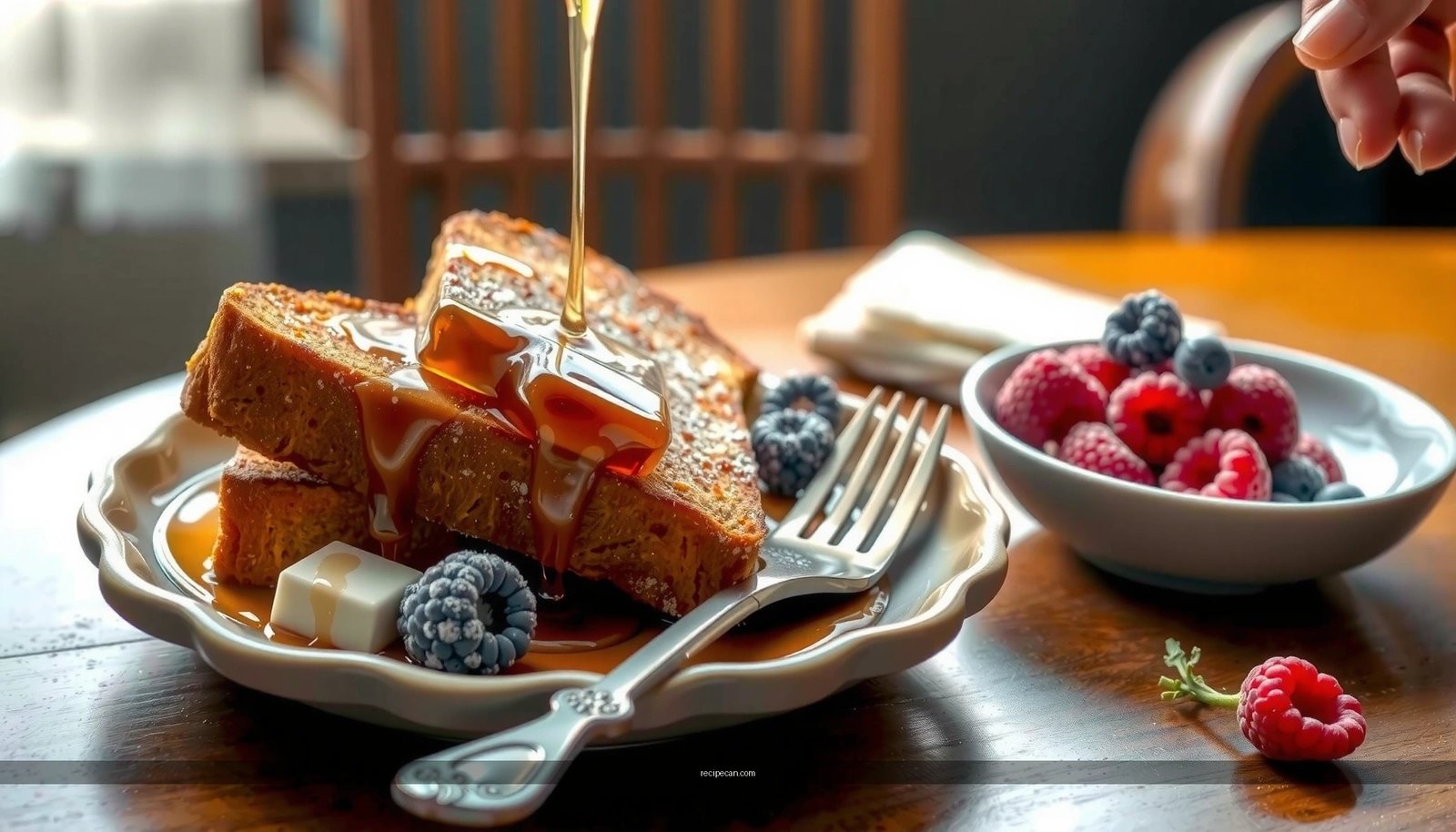
– Extra holiday options: whipped cream, toasted pecans, or fresh berries
Egg nog French toast is rich and spiced, so toppings should either reinforce the warmth or balance it with contrast.
Reliable, crowd-pleasing classics
– Maple syrup for deep caramel notes that complement egg nog’s spice.
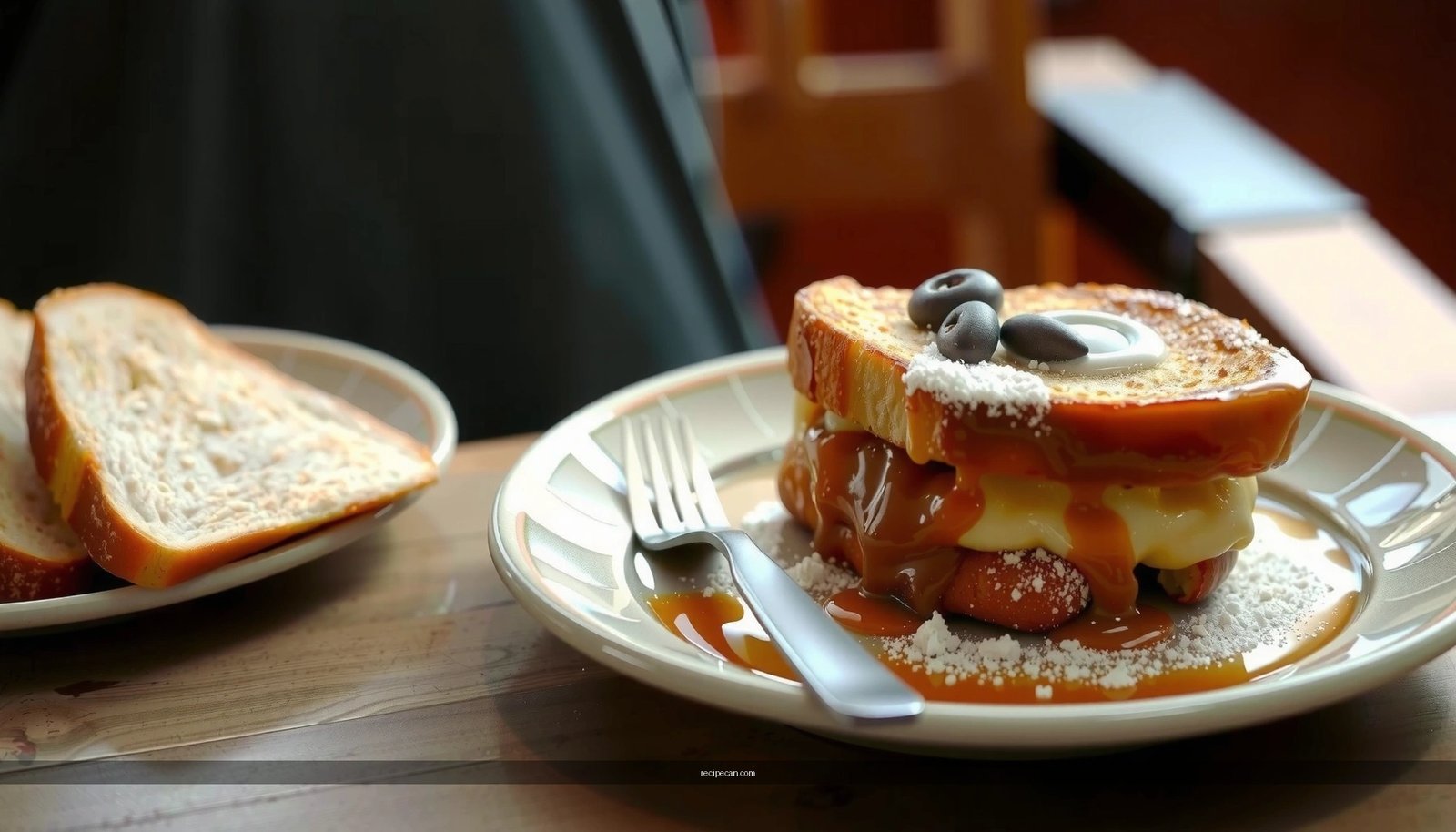
– Powdered sugar for a simple “holiday café” finish.
Elevated holiday combinations (choose one)
– Whipped cream + nutmeg dusting: Makes it feel like dessert-for-breakfast.
– Toasted pecans + maple drizzle: Adds crunch and a nutty, buttery flavor.
– Fresh berries (especially raspberries or blueberries): Bright acidity cuts through richness and makes the spices taste sharper.
Portioning insight
If you’re serving brunch-style, consider topping lightly per plate rather than soaking the entire stack in syrup—especially if you want crisp edges. Drizzle right before serving for maximum contrast.
Make-Ahead and Storage
– Prep custard ahead and keep it refrigerated until ready to cook
– Store leftovers and reheat gently to maintain a soft, creamy texture
Holiday mornings run on timing. Fortunately, this egg nog French toast lends itself to smart prep.
Make-ahead custard strategy
– Whisk the custard up to a day ahead.
– Cover and refrigerate.
– Let it sit at room temperature for about 10 minutes before dipping bread (cold custard can thicken slightly and reduce even soaking).
Cooking ahead (if needed)
You can cook batches and keep them warm in a low oven. For best quality:
– Use a rack and short holding times.
– Avoid long waits—French toast texture peaks shortly after pan-frying.
Storing leftovers
– Cool completely, then refrigerate in an airtight container.
– Reheat gently to protect the custardy center.
Best reheating method:
Reheat in a toaster oven or oven at a moderate temperature until warmed through. Skillet reheating works too, but keep heat moderate to prevent the bread from getting tough.
> Quality expectation: Stored and reheated French toast won’t be exactly like fresh, but with gentle reheating it stays creamy and still tastes holiday-worthy.
Warm, golden egg nog French toast is an easy holiday win—just dip thick bread in spiced egg nog custard and pan-fry until perfectly set. The keys are measured soaking, medium heat, and flipping only after the edges firm up so you get a creamy, custardy center with crisp, buttery edges. Make a batch for breakfast or brunch, then customize toppings to match your guests’ preferences—once you nail the dip-and-cook rhythm, this becomes your go-to festive morning recipe.
Frequently Asked Questions
What is an egg nog French toast recipe and how is it different from classic French toast?
Egg nog French toast is made by soaking bread in a custard-style mixture using egg nog instead of milk or cream, giving it a rich, spiced flavor. The egg nog’s cinnamon, nutmeg, and vanilla notes make the bread taste more dessert-like than standard French toast. It’s typically cooked the same way—pan-fried until golden—then served with toppings like maple syrup or powdered sugar.
How do you make egg nog French toast without it becoming soggy?
Use day-old bread (like brioche or challah) so it absorbs the egg nog custard without turning mushy. Let each slice soak briefly—about 20–60 seconds per side—rather than soaking too long, and cook over medium heat so the interior sets before the outside browns. If your kitchen runs warm, keep the soaked slices on a plate while you finish dipping the rest to prevent oversaturation.
Why does egg nog French toast sometimes taste eggy, and how can you fix it?
A strong egg flavor usually happens when the custard ratio is off or when the French toast cooks too hot and overbrowns. To fix it, use egg nog plus eggs (or just egg nog with a binder like egg yolk), and keep the pan at medium to medium-low heat for even cooking. Adding a pinch of cinnamon, nutmeg, or vanilla extract can also balance flavors so the egg nog French toast tastes more sweet and spiced.
What are the best bread choices for an egg nog French toast recipe?
Brioche, challah, and thick-cut Texas toast are top picks because they hold custard well and stay tender without falling apart. Sourdough can work if it’s not too dense, but it may give a tangier result than typical egg nog French toast. For best texture, aim for slices about 3/4 to 1 inch thick so the center cooks through while the outside becomes crisp.
Which toppings pair best with egg nog French toast?
Classic options include maple syrup, butter, and a dusting of powdered sugar to highlight the egg nog’s cinnamon and nutmeg. For extra flavor, try whipped cream, toasted pecans or walnuts, or a quick cinnamon-brown sugar crumble. If you want a more “holiday” vibe, add fresh berries or a drizzle of caramel, which complements the creamy, spiced profile of the egg nog French toast recipe.
References
- Google Scholar Google Scholar
https://scholar.google.com/scholar?q=eggnog+french+toast+recipe - Google Scholar Google Scholar
https://scholar.google.com/scholar?q=eggnog+french+toast - Google Scholar Google Scholar
https://scholar.google.com/scholar?q=french+toast+eggnog+soaked+bread - https://en.wikipedia.org/wiki/French_tost
https://en.wikipedia.org/wiki/French_tost - Eggnog
https://en.wikipedia.org/wiki/Eggnog - Eggnog | Origins, Ingredients, Holiday Traditions, & Recipe | Britannica
https://www.britannica.com/topic/eggnog - Custard
https://en.wikipedia.org/wiki/Custard - Brioche
https://en.wikipedia.org/wiki/Brioche - Bread
https://en.wikipedia.org/wiki/Bread - Baking powder
https://en.wikipedia.org/wiki/Baking_powder