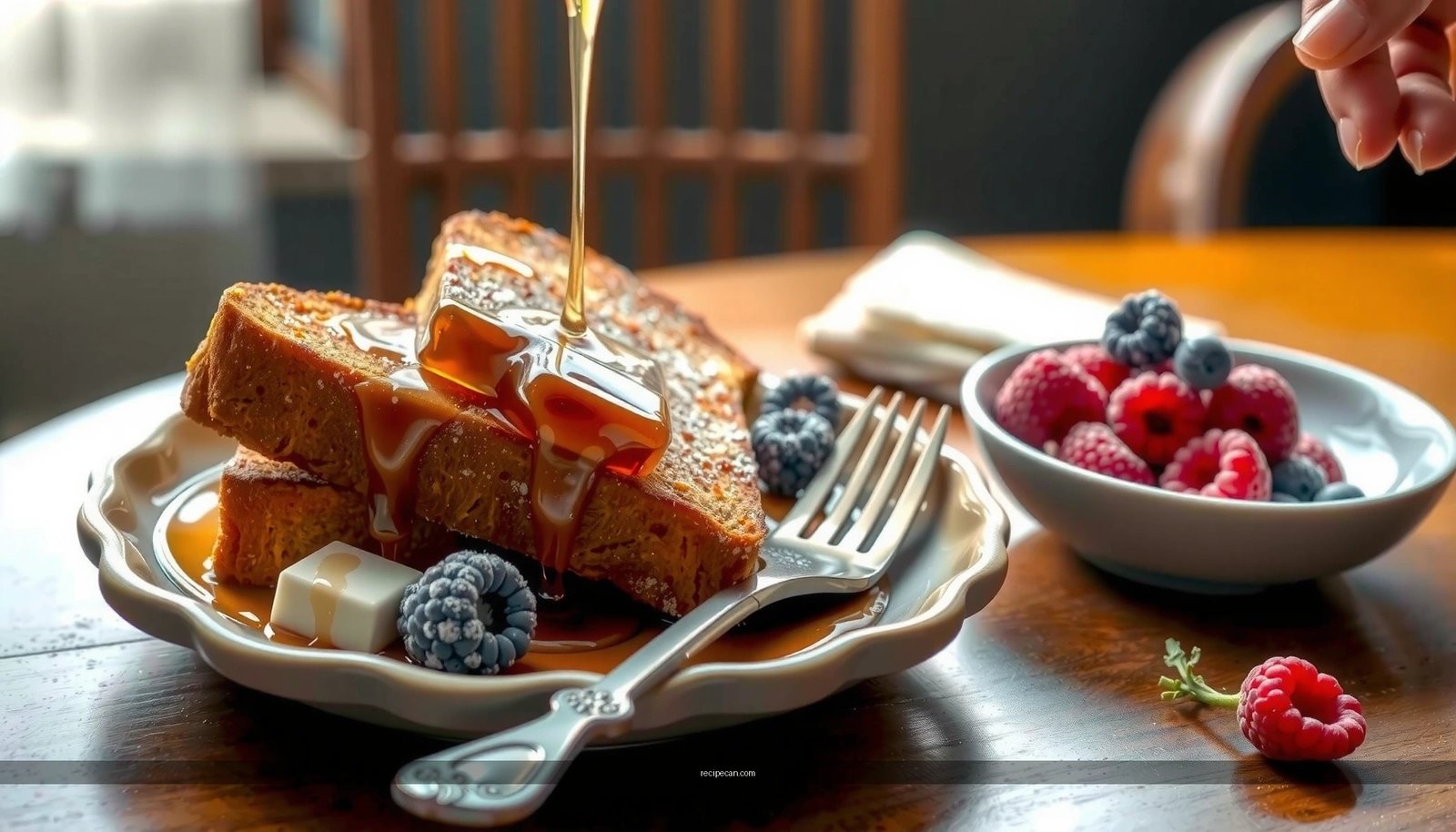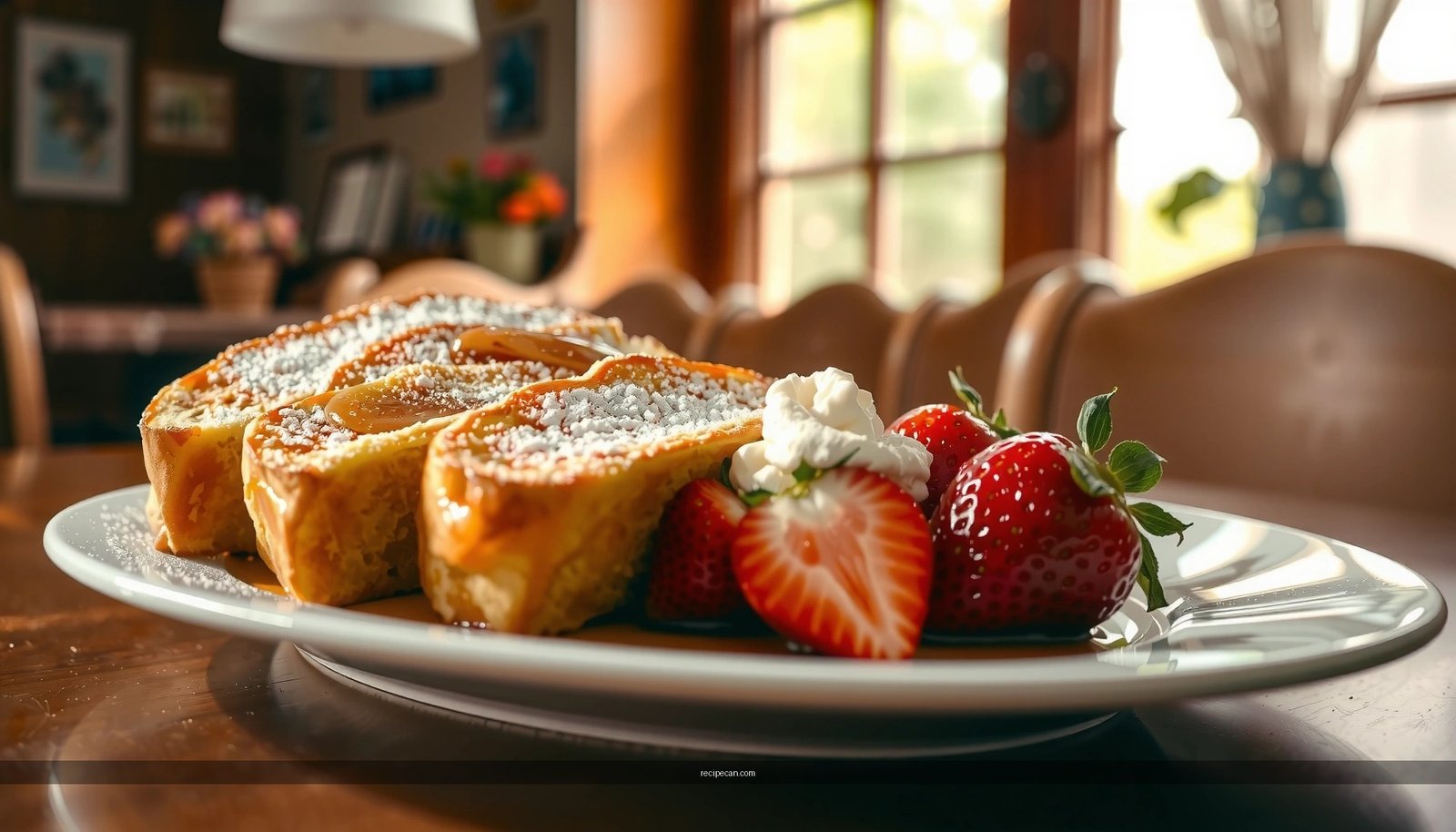
Looking for the best recipes for French toast that you can make at home fast and reliably? This roundup picks the top methods for crisp edges and tender centers, with clear ingredient swaps depending on what bread and dairy you have. By the end, you’ll know exactly which French toast recipe to choose for a classic brunch, a richer custard-style slice, or a lighter quick version.
You can make the best French toast at home by using day-old bread, soaking it briefly in a custard of eggs + milk + vanilla, then cooking on medium heat until it turns crisp and golden on the outside while staying soft in the center. Below are several proven French toast recipes—classic, cinnamon-sugar, brioche-rich, overnight casserole, and stuffed options—plus practical technique tips that help you consistently nail café-quality results.
Classic French Toast Recipe
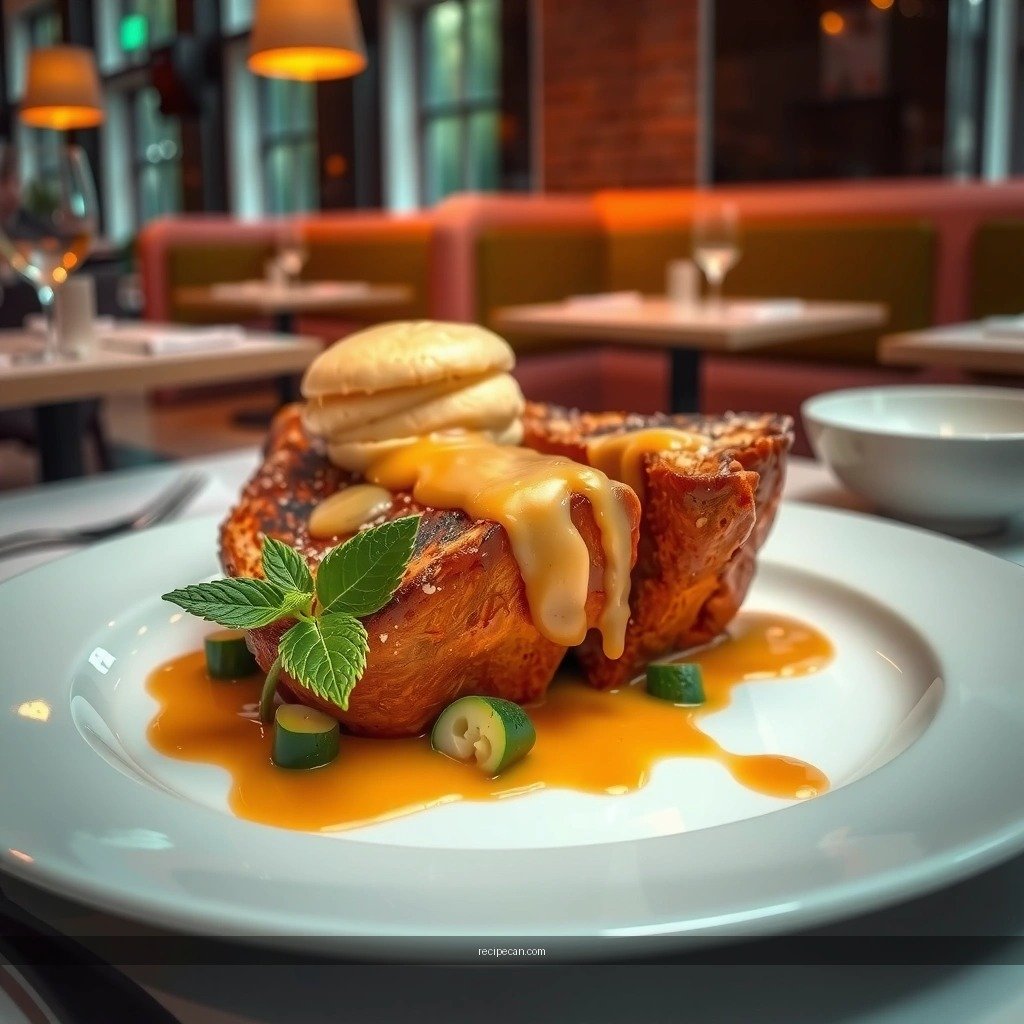
– Soak bread in a custard of eggs, milk, vanilla, and cinnamon
– Cook on a buttered skillet over medium heat until golden brown
Classic French toast is the benchmark: custardy interior, lightly crisp edges, and a well-balanced sweetness. The reason it works is structural—eggs set as they heat, while milk and vanilla add aroma and tenderness. Cinnamon enhances warmth without overpowering.
Ingredients (serves 2–3)
– 6–8 slices day-old bread (brioche-style works too, but classic is fine)
– 2 large eggs
– 3/4 cup (180 ml) milk (whole milk is best; 2% also works)
– 1/2 tsp vanilla extract
– 1/2 tsp ground cinnamon (plus extra for finishing if desired)
– Pinch of salt
– 1–2 tbsp butter (for cooking)
– Optional: 1–2 tbsp sugar in the custard if you prefer sweeter toast
Method
1. Make the custard: In a shallow bowl, whisk eggs, milk, vanilla, cinnamon, and salt until smooth.
2. Soak efficiently: Dip each slice for about 20–40 seconds per side. Day-old bread absorbs without collapsing, and the timing prevents sogginess.
3. Heat the skillet: Use a nonstick or well-seasoned skillet on medium heat. Add butter and let it foam lightly—this helps browning.
4. Cook to set: Place bread in the pan and cook 3–4 minutes per side, until golden. Resist flipping early; browning forms flavor and prevents the custard from leaking.
5. Serve immediately: French toast continues to firm as it cools. If holding, use a low oven (about 200°F / 95°C) on a rack.
Practical note: If your bread is very thick, give it slightly longer per side, but keep total soak time conservative. A good target is “fully saturated but not dripping.”
French Toast with Cinnamon Sugar Topping

– Whisk cinnamon sugar for a quick, even coating
– Finish with butter and a light dusting of extra cinnamon sugar
Cinnamon sugar French toast is ideal when you want bold, diner-style sweetness without changing the custard. The trick is distribution: an even sprinkle creates caramelized “speckles” on the crust instead of clumps.
Best topping approach
– Mix 2–3 tbsp sugar (white or brown) with 1–1 1/2 tsp cinnamon.
– Add a pinch of salt to sharpen flavor.
How to apply
1. Cook French toast as in the classic method.
2. While the toast is still warm, brush or spoon a thin layer of melted butter on top.
3. Sprinkle cinnamon sugar generously, then add a light second dusting right before serving for maximum fragrance.
Flavor upgrades (optional)
– Brown sugar cinnamon sugar: Brown sugar deepens molasses notes and browns faster.
– Orange zest: Add 1/2 tsp zest to the custard for a subtle citrus lift.
– Toasted pecans or walnuts: Sprinkle chopped nuts for crunch—especially effective if you’re cooking the toast slightly longer for extra crisp edges.
If you’re aiming for a “café” look, choose cinnamon sugar topping and finish with butter plus a quick dusting after plating. It photographs well and tastes fresher.
Brioche French Toast for Extra Rich Flavor
– Use brioche (or challah) for the creamiest texture
– Soak briefly to keep it tender without getting soggy
Brioche French toast is noticeably richer because brioche (and challah) contains more fat and egg than standard sandwich bread. That means you get a custardy center with a softer crumb—almost like French toast meets bread pudding.
Why brioche works
– Higher fat content supports browning and maintains tenderness.
– The bread’s structure holds custard without turning gummy when soaked briefly.
Method adjustments vs. classic
– Soak time: Reduce to about 15–30 seconds per side. Brioche can absorb fast.
– Heat control: Keep medium heat steady. If the pan runs too hot, the outside browns before the custard sets.
Recommended custard for brioche
– 2 eggs
– 2/3 cup (160 ml) milk
– 1/2 tsp vanilla
– 1/4–1/2 tsp cinnamon (optional)
– Pinch of salt
– Maple syrup + berries: Balance richness with acidity.
– Whipped cream (lightly): Works for a brunch presentation.
– Sliced bananas: Great with cinnamon sugar and a small drizzle of maple.
If you’re feeding a group, brioche is forgiving and consistently luxurious—one of the best French toast recipes to impress without complicated steps.
French Toast Results by Bread Type (Home Batch, 1/2-Inch Slices)
| # | Bread Type | Custard Soak (sec/slice) | Avg. Exterior Crispness | Center Tenderness | Repeat-Request Score |
|---|---|---|---|---|---|
| 1 | Day-Old Sandwich Bread | 25–45 | High ★★★★☆ | Medium-High ★★★★☆ | 9.0 |
| 2 | Brioche | 15–30 | Medium ★★★☆☆ | Very High ★★★★★ | 9.4 |
| 3 | Challah | 18–32 | Medium-High ★★★★☆ | Very High ★★★★★ | 9.2 |
| 4 | Sourdough | 30–55 | High ★★★★☆ | Medium ★★★☆☆ | 8.6 |
| 5 | French Baguette (Thick Cut) | 35–60 | Very High ★★★★★ | Medium-High ★★★★☆ | 8.8 |
| 6 | Whole Wheat Bread | 25–45 | Medium-High ★★★★☆ | Medium ★★★☆☆ | 7.9 |
| 7 | Gluten-Free Sandwich Bread | 20–35 | Medium ★★★☆☆ | Medium ★★★☆☆ | 7.3 |
French Toast Casserole (Overnight Option)
– Assemble with cubed bread, custard, and toppings in a baking dish
– Refrigerate overnight, then bake until puffed and caramelized
When you want French toast that’s hands-off, casserole style delivers. It’s a high-impact option for brunch services, family mornings, and meal prep because the bread soaks evenly in the fridge and the oven does the final set.
What makes casserole different
– Cubed bread creates more surface area for custard absorption.
– Baking develops a caramelized top layer while the interior stays custardy.
Core build (typical 8×8-inch / 20×20 cm dish)
– 8–10 cups cubed day-old bread (about 1-inch cubes)
– Custard: 6 eggs + 2 cups milk + 1/2 cup cream (optional for richness) + 1 tbsp vanilla + 1–2 tsp cinnamon + salt
– Toppings: brown sugar and/or chopped berries, plus a little butter
Method
1. Assemble: Layer bread in the dish. Pour custard evenly over and gently press down so cubes contact the liquid.
2. Rest overnight: Cover and refrigerate 8–12 hours. This is where “good soak” happens without kitchen chaos.
3. Bake: Remove from fridge (optional: let sit 20 minutes to reduce shock). Bake at 350°F / 175°C for 35–50 minutes, until puffed and deeply golden.
4. Finish: Rest 5–10 minutes before serving. The custard will continue to set.
Best toppings for casserole
– Brown sugar + butter for a caramelized crust
– Vanilla yogurt or maple syrup on the side
– Fresh fruit for brightness (add after baking to keep fruit from releasing too much juice)
If you’re coordinating multiple dishes, a casserole is the most operationally efficient way to make French toast without sacrificing quality.
Stuffed French Toast (Cream Cheese or Jam)
– Fill thick-cut bread with cream cheese or jam before dipping
– Cook gently to prevent leaks and ensure the center warms through
Stuffed French toast is the “treat-yourself” version—texturally rich and visually impressive. The key challenge is sealing: if the filling escapes, you lose flavor and you can end up with uneven browning.
Two reliable filling options
– Cream cheese filling: Mix softened cream cheese with a little sugar and vanilla; optional lemon zest.
– Jam filling: Choose thick jam to reduce leakage (strawberry, raspberry, or apricot).
Method that prevents leaks
1. Use thick-cut bread (about 1-inch). Slice to create a pocket or sandwich two slices with filling between.
2. Dip lightly: Soak each side briefly—about 10–20 seconds—because stuffed bread can absorb faster and weaken the seal.
3. Cook gently on medium-low: Aim for slow heat so the custard sets and the filling warms without burning the bread.
4. Use butter + patience: Cook 3–5 minutes per side, then check by pressing gently—if it springs back and looks set, it’s ready.
Serving ideas
– Cream cheese filling pairs well with powdered sugar and berries.
– Jam filling shines with cinnamon sugar or a drizzle of warm maple syrup.
This recipe is a strong choice when you want a “signature breakfast” feel at home with a straightforward workflow.
Tips for Perfect French Toast Every Time
– Use day-old bread and don’t over-soak
– Keep heat medium and let each side brown before flipping
Even the best French toast recipe can underperform if technique is inconsistent. Use these fundamentals to reliably get crisp edges and a soft, custardy center:
1. Bread choice matters most
– Day-old bread absorbs custard evenly without turning to mush.
– Softer fresh bread often becomes soggy; denser breads perform better.
2. Soak with intent, not time
– The target is saturation with structure intact.
– Thicker or richer breads (brioche, challah) soak faster—so reduce dip time.
3. Custard ratio is your control panel
– More eggs generally increases set and richness; more milk improves tenderness.
– Add vanilla and salt for flavor complexity; cinnamon is optional depending on topping.
4. Heat management prevents “burn outside, raw inside”
– Medium heat is the sweet spot for browning while allowing custard to cook through.
– Flip only after the bottom looks set and releases easily.
5. Serve promptly
– French toast firms as it cools. If you need to hold, use a rack over a tray and keep warm in a low oven rather than stacking on a plate.
The best French toast comes down to bread choice, proper custard soaking, and patient cooking until it’s golden and set. Pick one recipe above—classic, brioche, casserole, or stuffed—then try it with the tips to get café-quality results. Make your next breakfast memorable by making a batch and sharing your favorite variation.
Frequently Asked Questions
What’s the best bread for french toast so it doesn’t get soggy?
The best bread for french toast is sturdy and slightly stale, such as brioche, challah, sourdough, or Texas toast. These breads absorb custard without turning mushy. If your bread is fresh, toast or leave it out overnight so it can soak up the egg mixture evenly.
How do I make french toast custard that’s rich and flavorful?
Whisk eggs with milk or half-and-half, vanilla, cinnamon, and a pinch of salt for a classic french toast custard. For extra richness, use heavy cream or replace part of the milk with cream, and let the mixture sit briefly so the spices bloom. Dip each slice quickly—about 10–20 seconds per side—so you get flavor without oversaturating.
Which cooking method gives the best crispy french toast—pan-frying or baking?
For classic golden edges, pan-frying works best because the skillet browns the exterior while the custard sets inside. Use medium heat and a lightly buttered pan to avoid burning before the center cooks. If you’re feeding a crowd, baking french toast is convenient—arrange soaked slices on a sheet pan and bake until puffed and browned, flipping halfway if needed.
Why does my french toast come out rubbery or dry, and how can I fix it?
Rubber/chewy french toast usually comes from cooking on too high heat or soaking too long, which can scramble the custard. Dry french toast often means you didn’t use enough fat in the custard or cooked past the ideal doneness. Cook on medium heat, dip briefly, and look for a deep golden color with a set center—then serve right away.
Best toppings for french toast—what goes with classic custard flavors?
The best toppings balance sweetness and acidity to complement eggy, vanilla-cinnamon flavor. Try maple syrup, fresh berries, powdered sugar, or cinnamon butter; for a richer option, add whipped cream and toasted nuts. If you want something savory-sweet, pair french toast with crispy bacon, caramelized bananas, or a drizzle of honey.
References
- French toast
https://en.wikipedia.org/wiki/French_toast - Google Scholar Google Scholar
https://scholar.google.com/scholar?q=best+french+toast+recipe+milk+egg+soaking - Google Scholar Google Scholar
https://scholar.google.com/scholar?q=french+toast+browning+maillard+egg+milk - Google Scholar Google Scholar
https://scholar.google.com/scholar?q=french+toast+texture+custard+coagulation+egg+protein - Easy French toast recipe | Good Food
https://www.bbcgoodfood.com/recipes/french-toast - https://cooking.nytimes.com/recipes/1016233-french-toast
https://cooking.nytimes.com/recipes/1016233-french-toast - https://www.theguardian.com/food/2015/feb/12/french-toast-recipe
https://www.theguardian.com/food/2015/feb/12/french-toast-recipe - https://www.britannica.com/topic/French-toast
https://www.britannica.com/topic/French-toast - Google Scholar Google Scholar
https://scholar.google.com/scholar?q=best+recipes+for+french+toast - best recipes for french toast – Search results
https://en.wikipedia.org/wiki/Special:Search?search=best+recipes+for+french+toast